

For what to skip for a small wedding, start with favors, printed programs, a large wedding party, grand entrances, extra signage, duplicate stationery, formal reception events that feel forced, and decor that only fills empty space. Do not skip guest communication, food, seating, ceremony sound, weather backup, photos, legal paperwork, or a day-of point person.
Knowing what to skip for a small wedding can feel surprisingly freeing once you stop measuring the day against a full ballroom. The best cuts are not about making the celebration smaller for its own sake. They are about keeping the pieces guests feel, hear, eat, use, remember, or legally need, then letting the rest breathe.
A small wedding is a close room. Every choice is easier to notice, which is lovely when the choice adds warmth and awkward when it only adds clutter. Use this guide as a practical filter: keep what creates comfort, clarity, responsibility, and meaning, and skip the details that only copy a large-wedding script.

Recommended Wedding Products


You Might Also Like These Blog Posts
- What Wedding Traditions Can You Skip Without Losing The Magic
- How To Skip Wedding Traditions Politely When You Still Love Your People
- Small Wedding Planning Timeline By Month For Couples Keeping It Simple
- Small Wedding Planning On A Budget That Still Feels Generous
- What Wedding Details Can You Skip Without Regret
- Small Wedding Day Timeline For A Celebration That Never Feels Rushed
Start With What to Skip for a Small Wedding When the Room Is Intimate
The easiest way to decide is to imagine the wedding from inside the room. Not from a mood board. Not from a venue brochure. From the actual chairs, the actual dinner table, and the actual people who love you enough to be there.
Keep what guests feel, hear, eat, use, or remember

Keep the meal guests will sit down to enjoy. Keep enough seating. Keep ceremony sound if anyone might struggle to hear vows. Keep clear directions, a practical timeline, bathrooms, shade or heat, and a plan for rain. Keep photography in some form, even if coverage is shorter, because a small wedding often carries big emotional weight.
This is where small wedding spend or skip decisions become clear. Spend on comfort, sound, food, flow, and memory before you spend on anything that only looks impressive in a wide shot.
Skip what only fills space or copies a large wedding
If the detail exists because “weddings usually have one,” pause. A welcome sign, program, favor, big wedding party, custom cocktail napkin, toss bouquet, second outfit, grand entrance, photo booth, champagne tower, or elaborate send-off can be beautiful when it fits. It can also be one more thing to buy, transport, style, announce, clean up, and explain.
For a micro wedding, what to skip is often anything that performs scale. A smaller guest list does not need extra props to prove it is a wedding. It needs a clear ceremony, a comfortable gathering place, and enough warmth that people can settle in.
Protect anything tied to comfort, legality, or responsibility
Do not simplify your way out of the basics. Legal paperwork, an officiant where required, meal timing, seating, guest communication, vendor arrival details, accessibility, weather backup, and a day-of point person are not decorative extras. They are the quiet bones of a calm wedding-day experience.
If skipping something would make guests confused, hungry, cold, unable to hear, unsure where to go, or dependent on you for answers while you are getting married, it probably belongs in the keep column.
Traditions You Can Often Skip
Small wedding traditions to skip are usually the ones designed for a larger crowd. When only your closest people are present, you can choose fewer public rituals and more honest ones.
Large wedding party

You can absolutely skip a full wedding party for a small wedding. With 20, 30, or 40 guests, a large line of attendants may feel out of proportion, especially if half the room is standing beside you instead of sitting with everyone else.
Try one honor attendant each, siblings only, a best-person toast, private getting-ready support, or no formal attendants at all. You can still invite friends into meaningful roles: reading a poem, holding rings, helping with a family photo list, signing as witnesses, or giving a toast at dinner.
Favors

Do small weddings need favors? Usually, no. Small wedding favors alternatives are often better than buying a physical item guests may not take home. Put that money toward a better dessert, handwritten place cards, a welcome drink, late-night coffee, local treats on the table, or a small donation if that feels like you.
If you love favors, make them edible, useful, or personal enough that they feel like a small gift rather than a wedding obligation. If the only reason you are buying them is guilt, skip them gently.
Programs
You can skip wedding programs for a small ceremony if the ceremony is short, familiar, or easy to follow. Instead, ask the officiant to welcome guests, name any readings or rituals out loud, and guide people through the flow.
Programs are worth keeping when the ceremony includes cultural, religious, multilingual, or family elements guests may not understand without context. In that case, one simple card can be more helpful than a full booklet. The goal is clarity, not paper for paper’s sake.
Bouquet and garter toss
Tosses can feel awkward in a small room, especially if there are only a few single guests or if the tradition does not fit your personalities. Skip them without making an announcement. Most guests will not miss the pause in the evening.
If you want a replacement, give your bouquet to a parent, grandparent, sibling, mentor, or friend during dinner. Or preserve it privately. Meaningful does not have to be theatrical.
Grand entrances and formal extras
Grand entrances, elaborate introductions, cake-cutting announcements, choreographed dances, receiving lines, and formal send-offs can all be skipped if they would make the room feel more performed than warm. In a small wedding, guests already know where to look. They came for you.
Keep a first dance, cake cutting, or entrance only if it gives you a moment you genuinely want. Otherwise, arrive at dinner, hug people, sit down, and let the evening breathe.
Decor And Stationery To Simplify
Small wedding unnecessary details often hide in decor and paper goods. These categories can become expensive because each piece feels small on its own. Together, they can eat a surprising share of the budget.
Extra signage
Skip signs that repeat obvious information. A welcome sign may be lovely, but you probably do not need separate signs for gifts, cards, favors, guest book, bar, dessert, ceremony, unplugged reminder, and seating if your venue is easy to understand.
Keep directional signage when guests truly need it: parking, ceremony location, restrooms, shuttle pickup, private property boundaries, or a tricky path between ceremony and dinner. Useful signs are hospitality. Decorative signs are optional.
Complex invitation suites
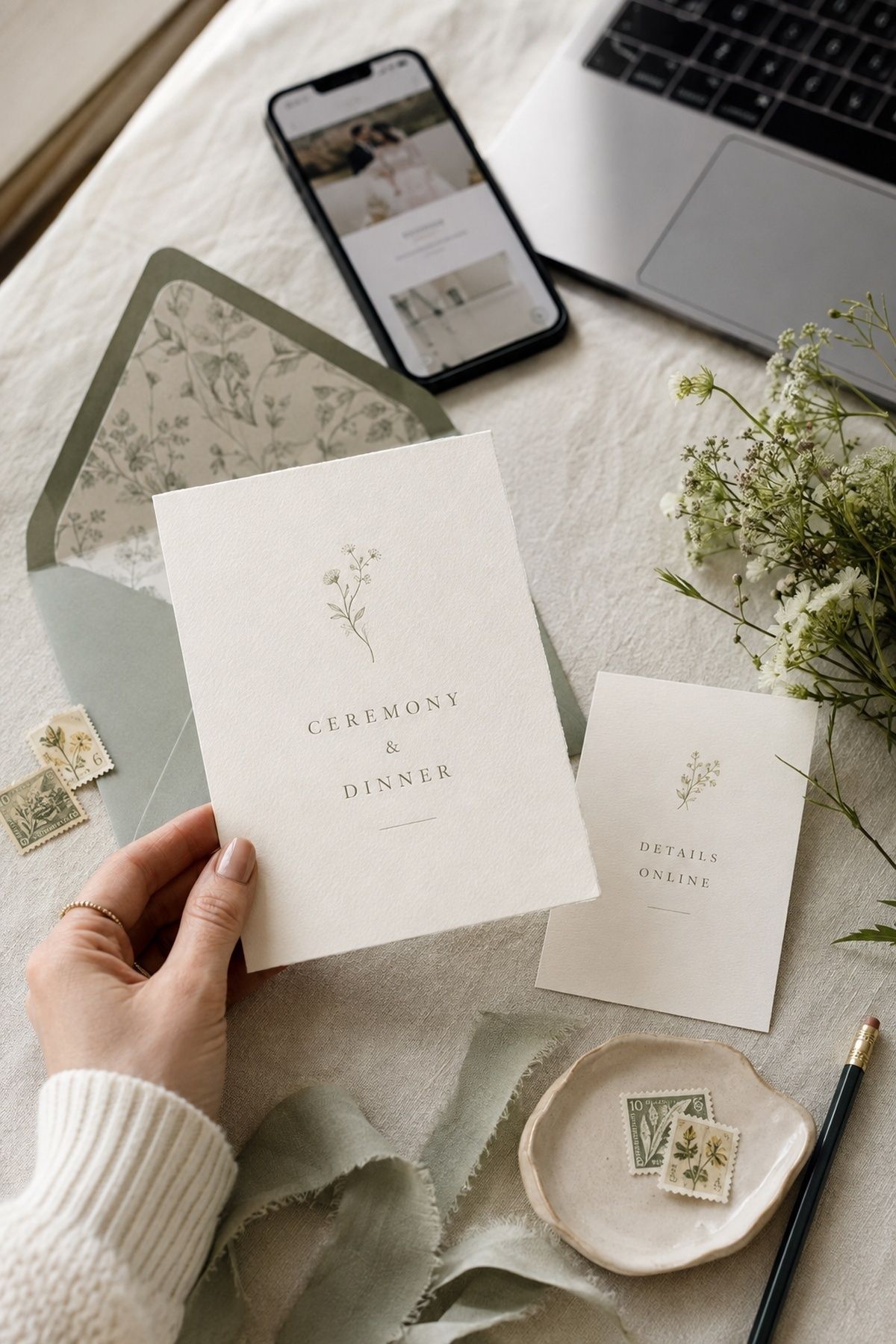
A small wedding rarely needs a huge paper suite. You may be able to skip multiple enclosure cards, envelope liners, belly bands, printed maps, and separate RSVP cards if a simple invitation and wedding website can carry the details clearly.
That does not mean the invitation has to feel plain. Spend on good wording, a readable layout, and a tone that matches the day. Your guests need to know who is invited, when to arrive, where to go, what to wear, and what kind of celebration to expect.
Duplicate menus, programs, and favors
If you already have place cards, you may not need escort cards. If the menu is simple, you may not need one menu per guest. If the officiant explains the ceremony, you may not need programs. If dessert is generous, you may not need favors.
Look for duplicate jobs. A beautiful place card can assign seats and make the table personal. A single table menu can explain dinner. A short welcome note can replace three separate printed pieces. Simplifying works best when one detail does two jobs well.
Vendor And Timeline Simplifications
Some small wedding budget skips are not about removing beauty. They are about choosing a shorter, cleaner version of the day so the parts you keep receive enough attention.
Fewer formal reception events
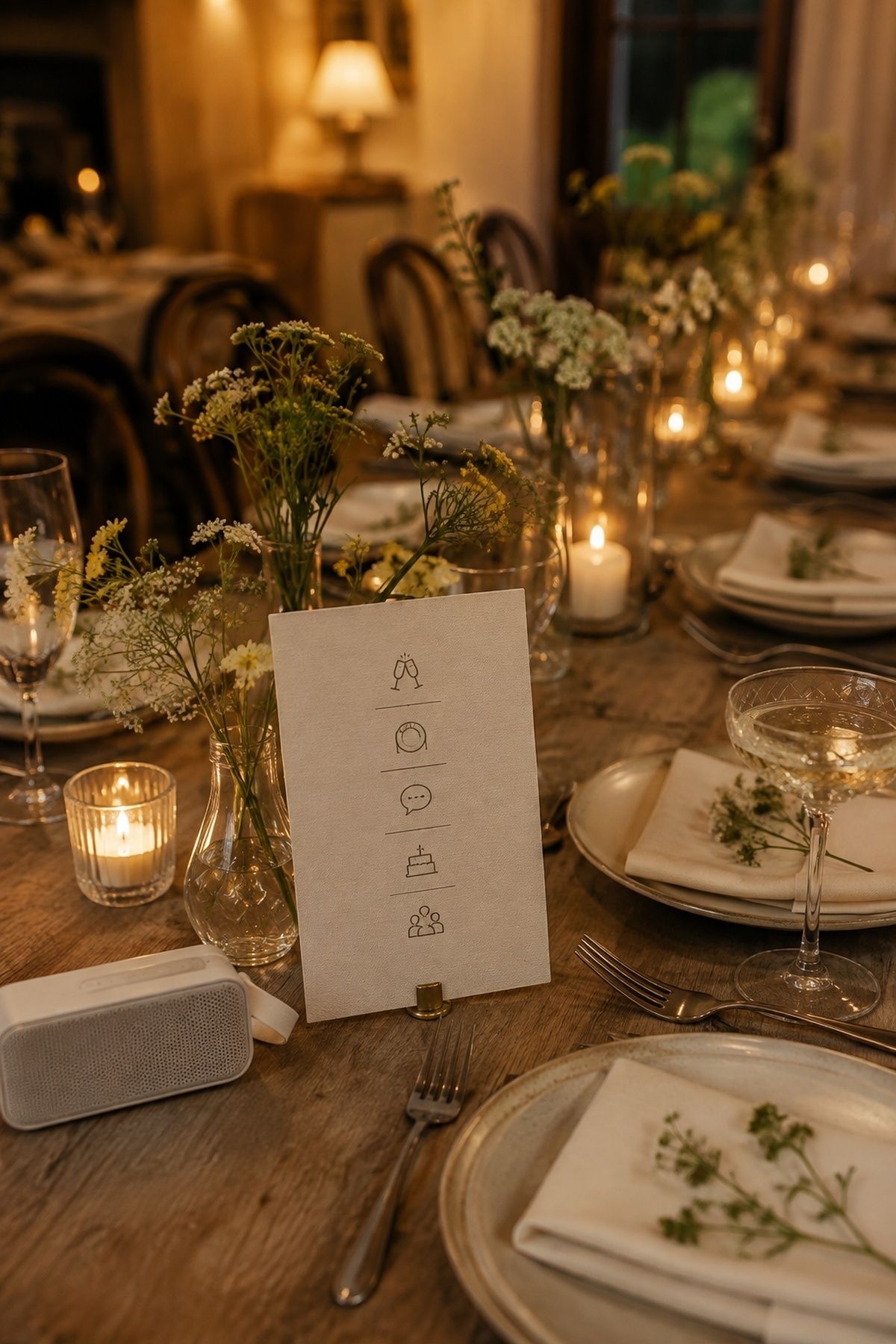
You do not need every reception moment: introductions, blessing, speeches from several people, first dance, parent dances, cake cutting, bouquet toss, garter toss, games, late-night snack, and sparkler exit. Too many formal beats can make an intimate reception feel interrupted.
Choose the moments that give the night shape. For many small weddings, that might be a short welcome toast, dinner, one or two speeches, dessert, music, and an easy goodbye. A simple flow helps guests feel cared for without making the evening feel programmed.
Shorter coverage when appropriate
You may not need twelve hours of coverage if your wedding is a short ceremony followed by dinner. Ask photographers, videographers, beauty artists, musicians, and coordinators whether a shorter booking fits your timeline. Be honest about what you still want documented and supported.
Do not cut coverage so tightly that the day becomes stressful. Getting-ready photos, first look, family portraits, ceremony, dinner details, and toasts still take time. The smart skip is excess coverage, not the memory of the day.
One strong meal instead of many extras
A welcome drink, cocktail hour, plated dinner, dessert table, late-night snack, brunch, and after-party can be wonderful, but not every small wedding needs every food moment. If the budget is tight, make the main meal feel generous and well-timed before adding extras around it.
Guests remember whether they were hungry, whether dinner felt thoughtful, and whether there was enough time to enjoy it. They are less likely to remember the small upgrade you added because a venue or vendor suggested it.
What Not To Skip
The most important keep list is shorter than people think, but it matters. A small wedding can be simple and still feel deeply hosted when these pieces are protected.
Guest communication
Tell guests who is invited, whether plus-one invitations are included, whether children are included, where to park, what to wear, when to arrive, and what kind of reception follows. Small weddings often happen in restaurants, homes, gardens, courthouses, inns, or private rooms, so guests may need more context than they would for a traditional venue.
Food and seating
Do not skip enough food, a clear meal plan, or comfortable seats. Even a casual backyard wedding needs a place for people to eat, rest, and talk. If you want a cocktail-style reception, make sure there are enough chairs for older guests, pregnant guests, anyone with mobility needs, and anyone who simply needs a quiet moment.
Weather backup
For outdoor weddings, the rain plan is not optional. Neither is the heat, wind, mud, or cold plan. Tents, umbrellas, heaters, fans, shade, flooring, and indoor backup space may not be romantic to discuss, but they protect the version of the day your guests actually experience.
Ceremony sound
People assume a small wedding is easy to hear. That is not always true. Wind, traffic, waves, fountains, restaurant noise, and nervous voices can swallow vows. If guests cannot hear the ceremony, they are physically present but emotionally outside the moment.
Photos, legal paperwork, and a point person
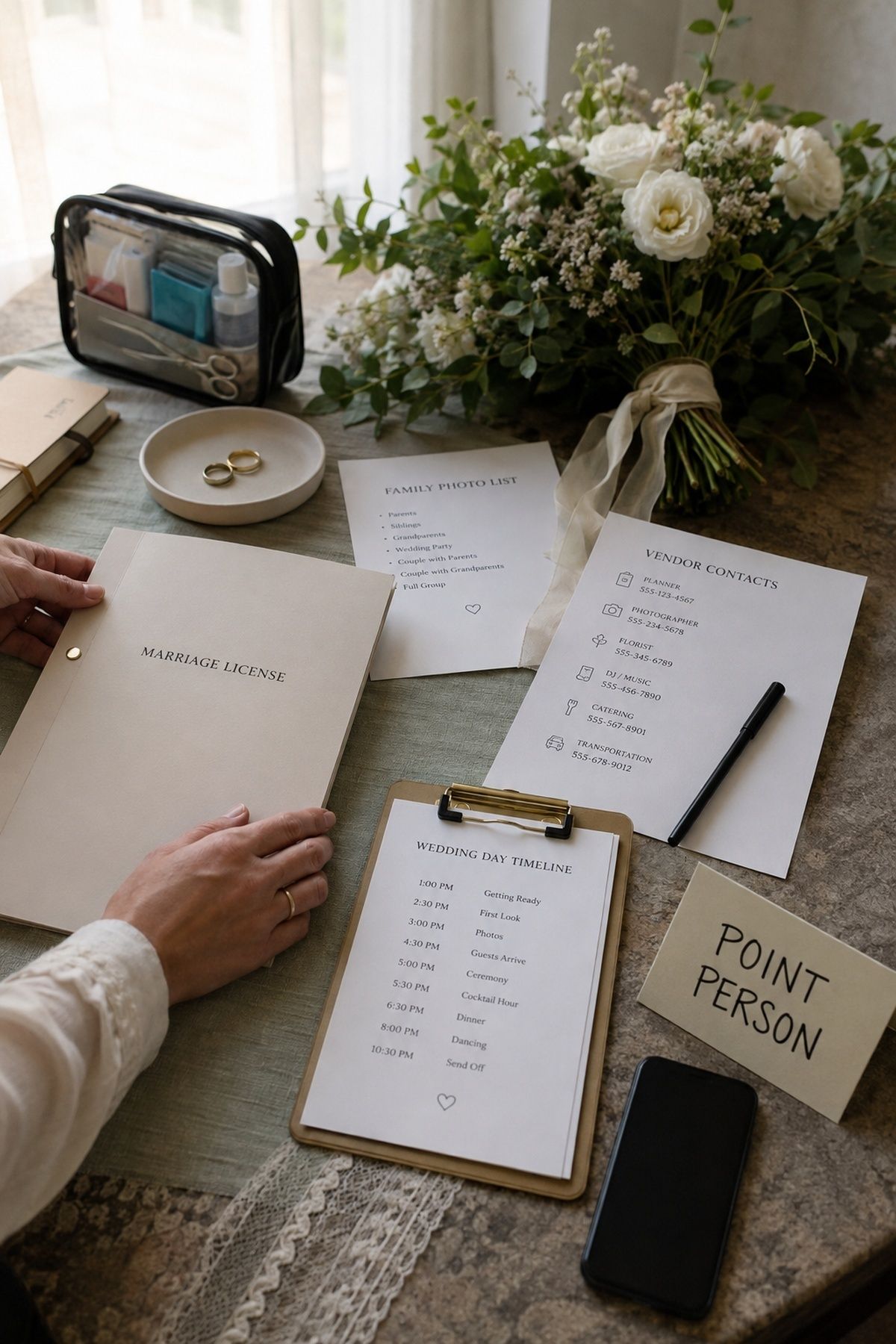
Keep a photography plan, even if it is modest. Keep your license and legal requirements organized. Keep one day-of person who is not you and not a central guest. Someone needs to know the vendor contact list, payment status, ceremony cues, family photo combinations, and emergency decisions.
If you are building the bigger plan around money and priorities, a small wedding budget breakdown keeps each cut tied to comfort, timing, food, and the parts of the day guests will actually feel.
For support on the wedding day itself, a day-of coordinator checklist gives one trusted person the timeline, vendor details, payment notes, family photo list, and emergency decisions.
How To Skip Without Upsetting People
Skipping traditions can bring up family feelings because weddings carry expectation. You do not need to defend every choice, but you can make the small format easier for people to understand.
Explain the small format
Use simple language: “We are keeping the day intimate and focusing on a ceremony and dinner with our closest people.” This frames the decision around the whole wedding, not one rejected tradition. It also helps people understand why there may be no large wedding party, no plus-one expansion, no receiving line, or no public tosses.
Replace pressure with hospitality
When you skip something visible, ask what guests need instead. If you skip programs, make the ceremony easy to follow. If you skip favors, serve a thoughtful dessert. If you skip a big dance floor, create conversation-friendly seating and good music. If you skip a large invitation suite, make the wedding website clear.
This is the difference between simplifying and neglecting. Guests do not need every tradition. They do need to feel considered.
Offer meaningful alternatives
If family members are attached to a tradition, look for the feeling underneath it. A parent who wanted a receiving line may really want to greet everyone. Build in a dinner welcome instead. A friend who hoped to be in the wedding party may want to feel included. Invite them to get ready with you or give a reading. A grandparent who expected a program may want ceremony context. Add a short note at their seat.
If you want the whole celebration to feel relaxed and personal, low-key wedding planning ideas make a softer flow feel intentional instead of unfinished.
If weather or outdoor comfort is part of your skip-or-keep list, a rain plan belongs in place before you remove rentals, backup space, or guest-comfort supplies.
FAQ
What can you skip for a small wedding?
You can often skip favors, printed programs, a large wedding party, grand entrances, bouquet and garter tosses, extra signage, complex stationery, duplicate menus, and formal reception events that feel forced. Keep anything tied to guest comfort, food, seating, ceremony sound, weather backup, legal needs, photography, and clear day-of responsibility.
What wedding traditions are optional for a small wedding?
Most wedding traditions are optional, including a full wedding party, formal entrance, first dance, parent dances, cake cutting, bouquet toss, garter toss, receiving line, favors, programs, and send-off. Keep the traditions that feel meaningful in a close room and skip the ones that only exist because larger weddings commonly include them.
Do small weddings need favors?
No, small weddings do not need favors. Guests are usually happier with a thoughtful meal, comfortable seating, good timing, and a warm atmosphere. If you want to give something, choose an edible, useful, or personal favor. Otherwise, a handwritten place card or generous dessert can feel more natural.
Do small weddings need wedding programs?
Small weddings do not need printed programs when the ceremony is short and easy to follow. You may want a simple program if the ceremony includes cultural, religious, multilingual, or family traditions guests need explained. Another option is having the officiant guide everyone through the ceremony out loud.
Can you skip a wedding party for a small wedding?
Yes, you can skip a wedding party for a small wedding. You can stand together without attendants, choose one person each, include siblings only, or give loved ones smaller roles such as readings, witness signatures, toasts, or getting-ready support. The wedding party should fit the room, not overwhelm it.
What should you not skip for a small wedding?
Do not skip guest communication, enough food, comfortable seating, ceremony sound, weather backup, legal paperwork, a photography plan, and a day-of point person. These details may not feel flashy, but they make the celebration feel complete, hosted, and calm for the people who are actually there.
How do you skip wedding traditions without upsetting family?
Explain the small format calmly, use consistent language, and offer meaningful alternatives when possible. Instead of saying you hate a tradition, say you are keeping the day intimate and focusing on ceremony, dinner, and time together. Then protect hospitality so the wedding still feels warm, not stripped down.
Final Thoughts
The final skip test is simple: will removing this make the wedding calmer, or will guests feel the gap? If skipping a detail gives you more space for food, comfort, clear timing, audible vows, honest conversation, and the people you most want nearby, it probably belongs in the skip column.
As you choose what stays, let the lived experience of the room lead: comfort, flow, food, sound, weather, and memory should hold the budget steady through every round of micro wedding spend-or-skip tradeoffs.
Last update on 2026-10-04 / Affiliate links / Images from Amazon Product Advertising API