

A small wedding budget breakdown works best when you separate fixed costs, per-guest costs, venue-shaped costs, and hidden fees before you fall in love with a package. A smaller guest list usually lowers the total, but photography, attire, ceremony support, minimum spends, delivery, taxes, tips, permits, insurance, and overtime can still shape the final number.
If you are planning an intimate wedding, the goal is not to make every line item tiny. The goal is to spend where a smaller room actually feels better: a comfortable meal, a right-sized space, clear ceremony sound, enough photography coverage, warm lighting, easy seating, and a little cushion for the fees that tend to arrive after the first quote.
The most useful small wedding budget is less like a percentage chart and more like a quote-reading tool. Once you know what stays fixed, what changes with headcount, what the venue controls, and what is missing from the proposal, you can compare options without being pulled toward the prettiest number on the first page.

Recommended Wedding Products


You Might Also Like These Blog Posts
- Micro Wedding Budget Breakdown Without The Guesswork
- Micro Wedding Budget: Spend Small Without Feeling Sparse
- Small Wedding Planning On A Budget That Still Feels Generous
- Wedding Budget Mistakes That Make Small Weddings Feel Expensive
- How Much Should A Small Wedding Cost Without Feeling Like Too Much
- Hidden Wedding Costs Couples Forget Until The Budget Starts Leaking
A Small Wedding Budget Breakdown That Starts With Real Cost Behavior
The first move is to decide what kind of cost you are looking at. Some expenses behave almost the same whether you invite 18 people or 48. Some rise with every guest. Some are controlled by the venue, the date, the room, or a required package. Others hide in contract language until you ask for the full estimate.
That is why a small wedding cost breakdown should begin with cost behavior, not a universal percentage formula. Percentages can help you sense-check the plan, but they can also make small weddings feel confusing. If your photographer costs the same as a larger wedding photographer, that does not mean you failed. It means photography is mostly fixed, while catering and rentals are more tied to the guest list.
Use one simple document with five columns: category, estimate, what drives the price, what is included, and what is still missing. That last column is the quiet hero. It reminds you to ask about service charges, delivery, setup, cleanup, gratuity, overtime, power, permits, insurance, alterations, postage, rentals, and final balances before your budget feels settled.
Set The Total Ceiling Before You Collect Pretty Quotes

Choose a total number you can spend without hoping future gifts, credit cards, or vague savings will rescue the plan. Then choose a smaller working number for the first draft. If your true ceiling is $18,000, you might build the first version around $16,000 and protect the remaining $2,000 for fees, tips, upgrades, and real-life changes.
Choose A Guest Count Target And A Stretch Number

Pick the guest count you are actually planning around, then decide the maximum you would allow before the wedding starts to change shape. A 28-person dinner and a 45-person reception may need different tables, staff, bar math, ceremony seating, restroom access, transportation, and room layouts. The budget should know which version it is serving.
If you are building a micro wedding budget breakdown, test the same plan at your ideal count and your stretch count so each extra invitation has a visible cost.
Protect The Few Priorities Guests Will Truly Feel
Before assigning money to every category, name three priorities. For a small wedding, those are often food, photography, and the room experience. They might also be ceremony music, a family-style meal, guest lodging, flowers, or a low-stress coordinator. The point is to decide what makes the day feel hosted before small upgrades quietly take over.
Priorities also help you save without making the day feel bare. You can skip favors, keep stationery simple, choose fewer floral moments, or avoid extra signage if the food is generous, the chairs are comfortable, the ceremony is audible, and the timeline is clear. Guests usually remember how the day felt before they remember how many printed pieces were on the welcome table.
Fixed Costs Versus Per-Guest Costs
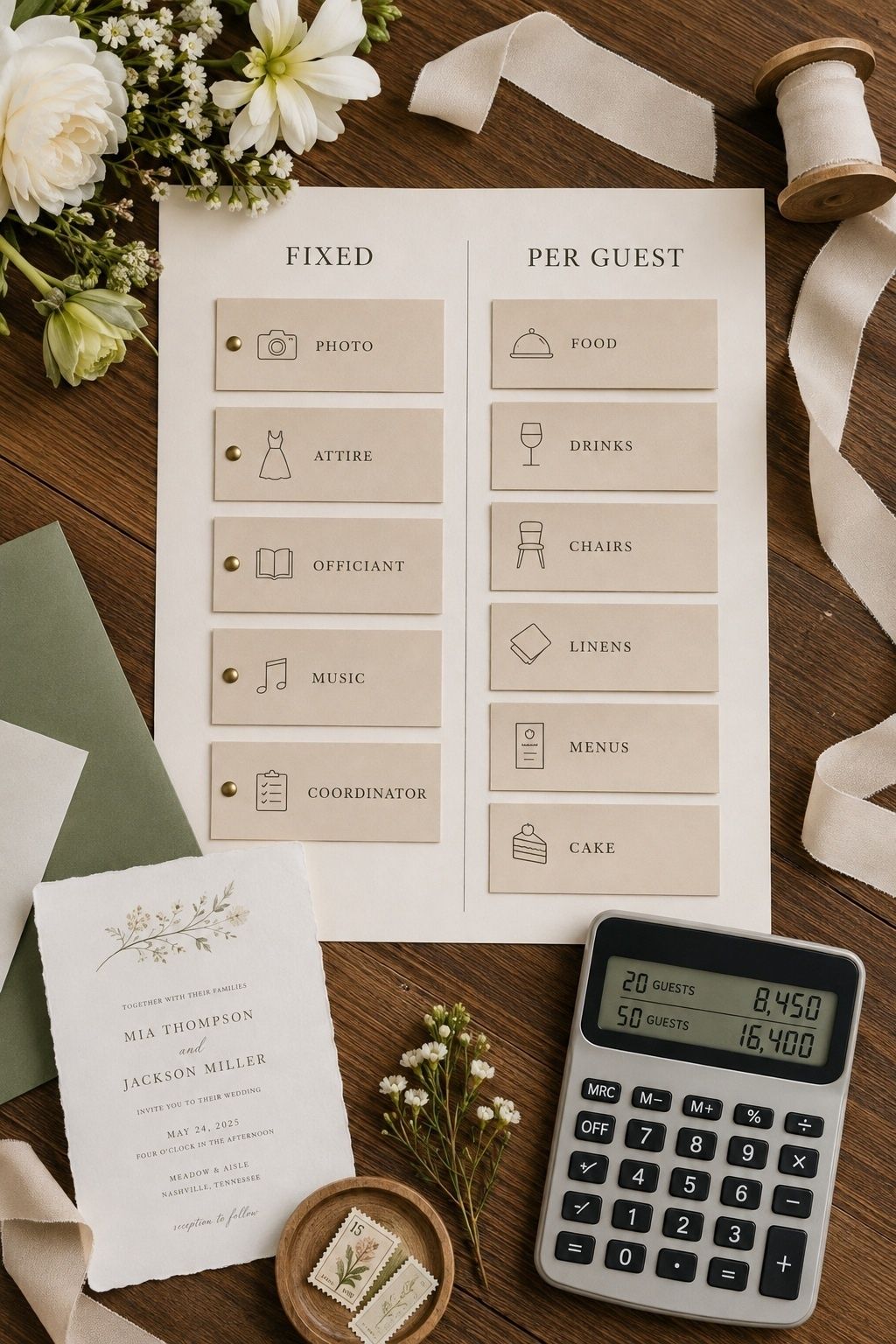
The most calming way to read quotes is to ask whether the cost is fixed, per-guest, or partly both. Once you see that pattern, you stop expecting a 30-person wedding to cost exactly one-third of a 90-person wedding. The total should usually be lower, yes, but not every bill shrinks with the guest list.
Costs That Usually Stay Fixed
Fixed wedding costs are expenses that do not change much when you add or remove a few guests. Photography coverage, ceremony officiant fees, marriage license costs, attire, beauty trials, a small sound system, a planner or day-of coordinator, and some venue rental fees often sit in this category. They may change by hours, date, location, or package level, but not by each chair.
For an intimate wedding budget, fixed costs can feel surprisingly large because they are spread across fewer people. A $3,000 photographer is $60 per guest at 50 guests and $150 per guest at 20 guests, even though the actual photography quote did not change. That does not make it wrong. It simply means you should judge fixed costs by priority, quality, and coverage, not by per-person math alone.
Costs That Change With Headcount
Per guest wedding costs usually include food, drink, place settings, chairs, linens, menus, favors, slices of cake, transportation seats, welcome bags, and sometimes service staffing. These are the places where a smaller wedding can create real savings, especially if you keep the guest list tight before contracts are signed.
Still, per-guest pricing is not always perfectly smooth. A caterer may need the same lead server for 22 guests as for 38. A rental company may have delivery minimums. A venue may price in blocks, room fees, or staffing thresholds. When a quote says “per person,” ask what happens at 20, 30, 40, and 50 guests so you can see where the jumps appear.
Why Fewer Guests Does Not Make Every Bill Smaller
A smaller guest list saves money most clearly when the original plan was guest-heavy: plated dinners, open bar, rentals, transportation, printed stationery, welcome gifts, and late-night food. It saves less when the plan depends on fixed professionals, a premium space, custom design, or a minimum spend that applies no matter how many people attend.
This is not discouraging. It is freeing. Once you stop expecting every number to shrink, you can make better choices. You might book shorter photography coverage, choose a restaurant with built-in furniture, hold ceremony and reception in one place, or keep florals concentrated at the table everyone will see. The budget becomes a design tool, not a guilt trip.
Major Budget Categories To Build First
Small wedding budget categories do not need to copy a large ballroom checklist. Start with the categories that determine whether the day works: location, food and drink, ceremony, photography, attire, rentals, flowers, music, stationery, coordination, and guest care. Then add only the details that support your specific celebration.
Venue Or Location
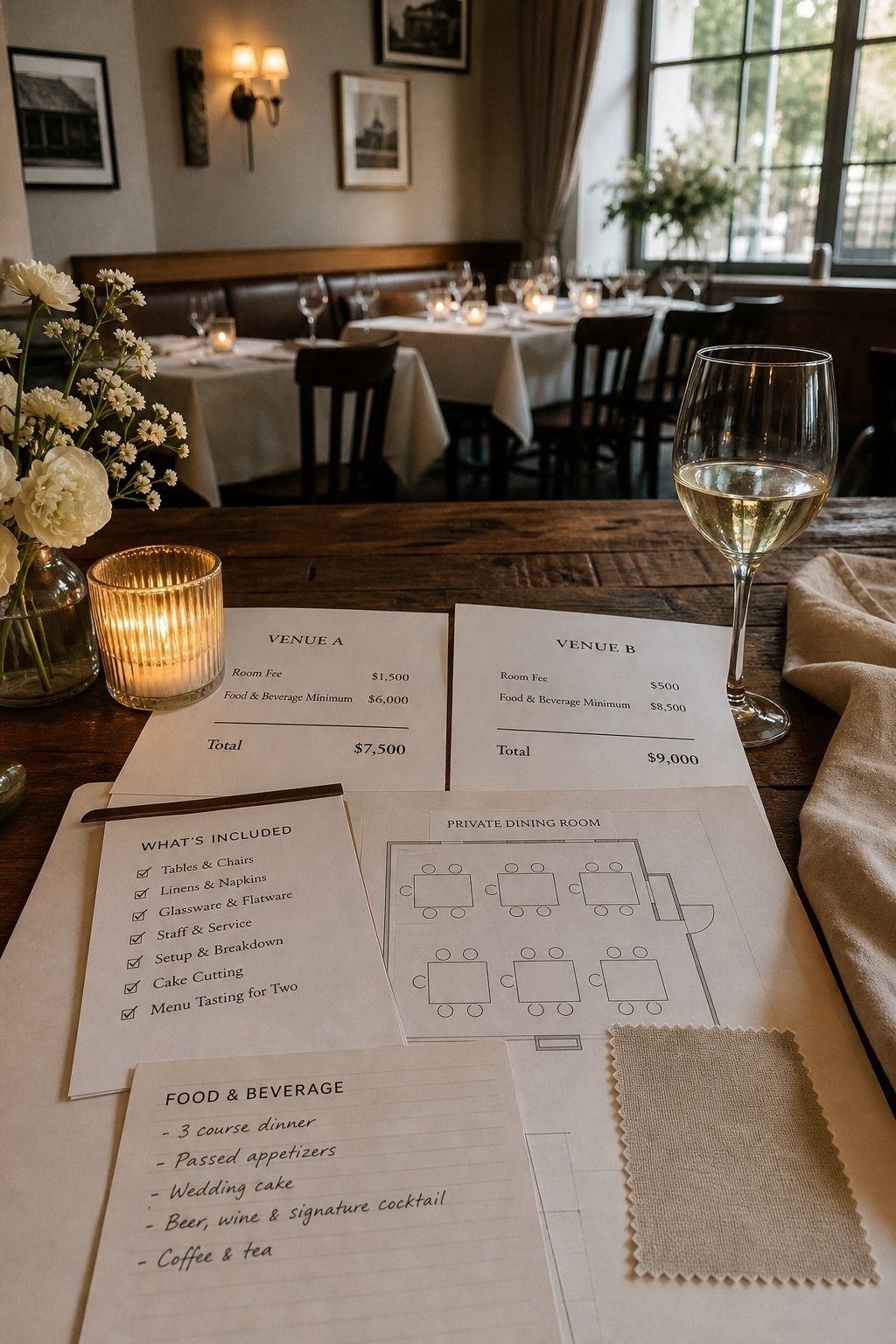
The venue shapes more than the room fee. It can control catering, bar service, tables, chairs, linens, staffing, setup time, cleanup, sound rules, parking, insurance, restroom access, and weather backup. A free backyard can become expensive if you need a tent, restrooms, lighting, generators, trash removal, and a rental kitchen. A restaurant buyout can look costly but include furniture, staff, food, dishes, and atmosphere.
Compare venues by the full hosted experience, not just the rental fee. Ask what is included, what is required, what is optional, when vendors can arrive, how late music can play, whether there is a food and beverage minimum, and what happens if the final headcount changes. A small room with good bones can save you from buying decor to warm up a space that was never right-sized.
Food, Drink, And Service
Food and drink are usually the heart of a small wedding budget because guests experience them directly. Decide whether you are hosting brunch, lunch, dinner, cocktails and heavy appetizers, cake and champagne, or a full weekend meal. Then price the service style honestly. A plated dinner may need more staffing than a family-style meal, while a restaurant dinner may include service in the menu price.
Photography And Ceremony
Photography is often worth protecting because a small wedding may have fewer formal moments but more subtle ones: parents close to the ceremony, guests around one table, handwritten notes, quiet toasts, and real conversation. You may not need 10 hours of coverage, but you do need enough time for getting ready, ceremony, portraits, room details, dinner atmosphere, and the people who made the guest list.
The ceremony budget should include the officiant, license, any ceremony music, sound, seating, shade, programs if needed, and small floral or aisle details. Even with 20 guests, sound can matter outdoors or in a large room. A beautiful intimate ceremony can be simple, but it should not depend on guests pretending they heard the vows.
Attire, Flowers, Music, Stationery, And Rentals
These categories are flexible, which makes them tempting places to over-squeeze or over-spend. Attire includes alterations, shoes, accessories, steaming, undergarments, and beauty appointments. Flowers can be one bouquet and a dinner table runner, or several ceremony and reception moments. Music might be a playlist, a guitarist, a small jazz trio, or a DJ for a short reception.
Stationery can stay lean for a small wedding: one invitation per household, a simple details card, digital RSVPs, and a small menu if the meal is central. Rentals should be priced early if your space does not include tables, chairs, linens, dishes, heaters, umbrellas, lighting, a bar setup, or a ceremony arch. The smaller the event, the more each missing piece shows.
Small-Wedding Minimums To Ask About Early
Minimums are where many small wedding hidden costs begin. A vendor may be happy to serve a 30-person wedding but still require a minimum spend, minimum guest count, minimum hours, or minimum order. That minimum may be completely reasonable, but it needs to be visible before you compare quotes.
Food And Beverage Minimums
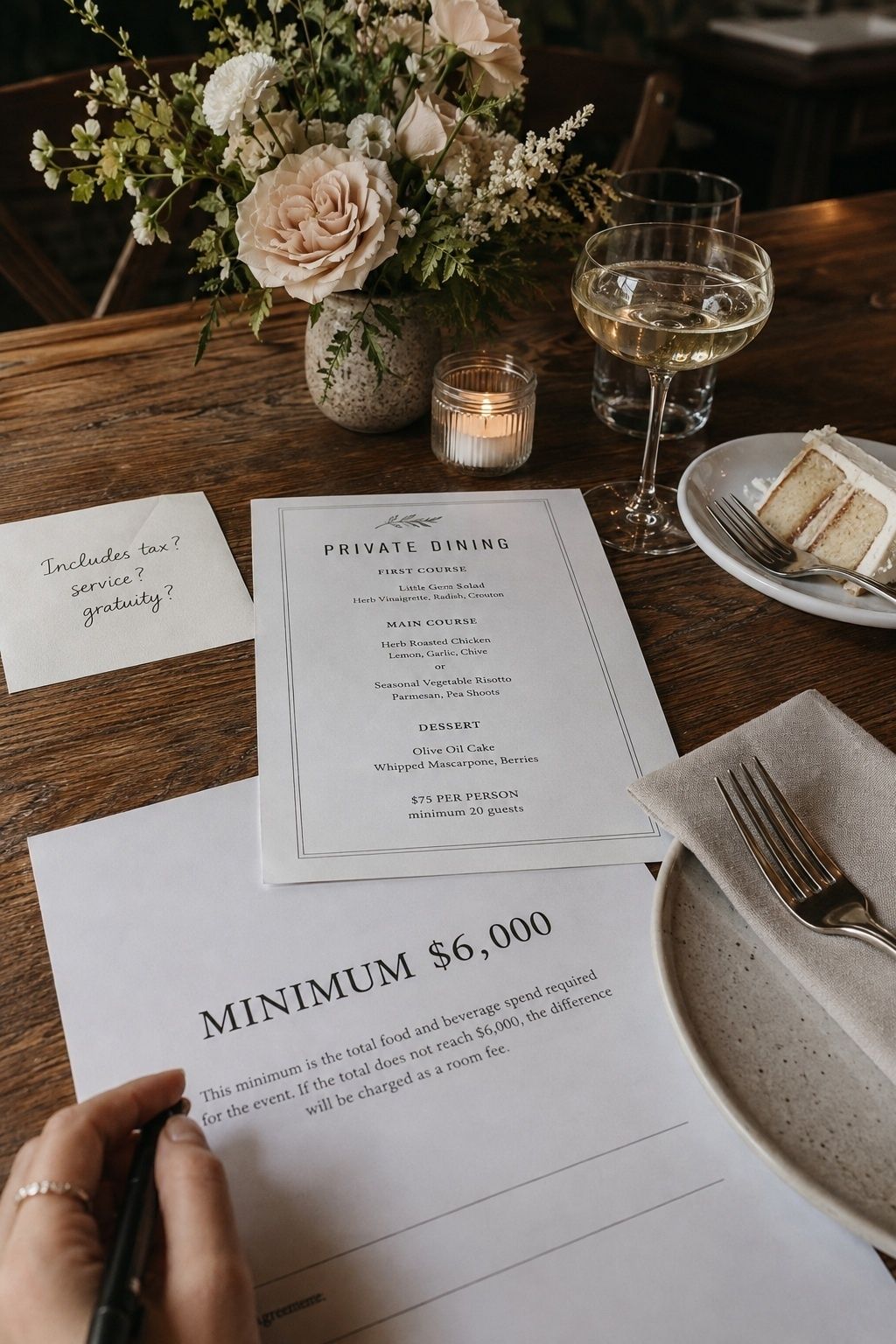
A food and beverage minimum means you must spend a certain amount on food and drink regardless of headcount. For a small wedding, this can be fine if you planned a generous dinner anyway. It becomes a problem when the minimum quietly pushes you toward upgrades, extra courses, or a larger bar package just to reach the number.
Ask whether the minimum includes tax, service charge, room fee, bartender fee, rentals, cake cutting, and gratuity. Often it does not. Then ask what happens if your final guest count is lower than expected. You want the real total, not the soft version that looked friendly in the first email.
Rental And Floral Minimums
Rental companies may have delivery minimums, especially for weekend events, remote locations, or short setup windows. Florists may have minimums for full-service delivery and installation. If your wedding only needs a bouquet, bud vases, and candles, you may need a florist with an a la carte option rather than a full-service design minimum.
This is where a smaller wedding can become wonderfully efficient. Choose a venue with attractive chairs, warm lighting, usable tables, and a room that already feels finished. Then your floral and rental budget can support a few intentional moments instead of solving the entire atmosphere from scratch.
Staffing And Package Minimums
Some costs are tied to safety and service rather than guest count. A venue may require security, a coordinator, valet, coat check, cleaning staff, or a certain number of servers. A photographer may have a minimum number of hours on Saturdays. A musician may have a ceremony-plus-cocktail minimum even if the performance is short.
Read package minimums with the timeline beside you. If the minimum is five hours but your event is three, ask whether a weekday, brunch, elopement, or off-season package is available. Small weddings often become more affordable when the date and time fit the vendor’s smaller-event structure.
Hidden Fees To Add Before The Budget Feels Finished
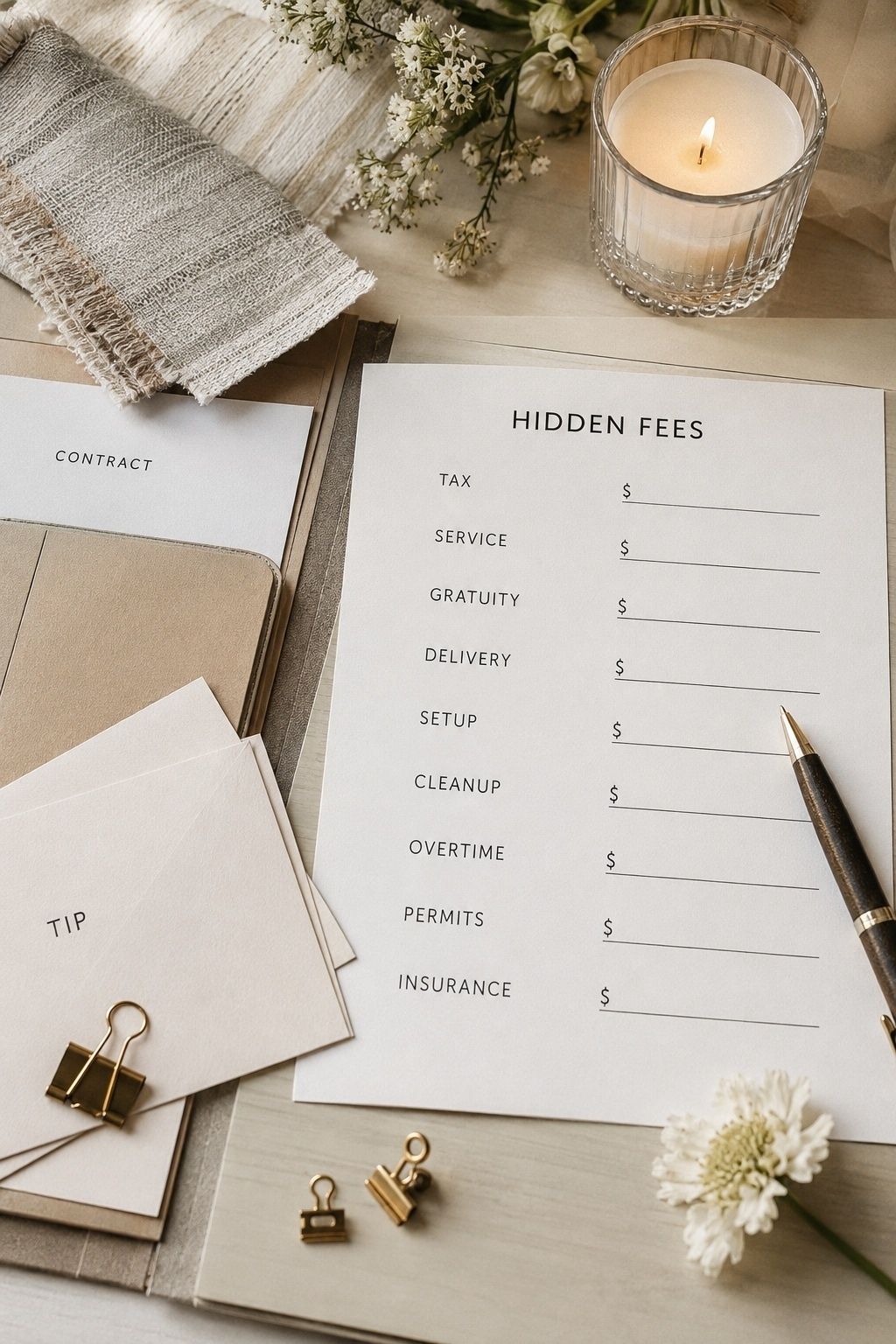
Hidden fees are not always sneaky. Sometimes they are simply not part of the headline quote. The problem is timing. If you only add them after deposits are paid, they feel like surprises. If you add them at the beginning, they become ordinary planning numbers.
Taxes, Service Charges, And Gratuity
Taxes and service charges can change the total quickly, especially for venues and catering. Ask whether the service charge is taxable, whether it goes to staff as gratuity, and whether additional tipping is customary or expected. Do not assume a service charge and gratuity are the same thing unless the contract says so plainly.
Put these costs into the budget as separate lines. It is much easier to accept a higher but honest estimate than to build a beautiful plan around a number that never included the fees required to host it.
Delivery, Setup, Cleanup, Overtime, Permits, Tips, And Insurance
Delivery, setup, cleanup, overtime, permits, tips, and insurance are easy to forget because they do not feel like the wedding itself. They are also exactly the costs that protect the wedding from becoming stressful. A backyard celebration may need event insurance, a tent permit, restroom delivery, trash pickup, and power. A restaurant wedding may need overtime clarity if toasts run long.
Where To Save Without Making The Wedding Feel Bare
A smaller wedding gives you permission to spend with more focus. You do not have to fill a huge room, entertain acquaintances, or buy a detail for every tradition. You can choose the pieces that make the small guest list feel cared for and let the rest stay simple.
Skip Details Guests Do Not Use
Favors, extra signage, elaborate programs, large wedding parties, multiple outfit changes, oversized invitation suites, late-night food, and extra decor zones may not earn their place at a small wedding. If guests will not use it, notice it, need it, or feel cared for by it, consider cutting it before you cut comfort.
This is especially helpful when family opinions start adding small costs. A small upgrade here, a keepsake there, another printed piece, another floral moment. None of these choices is wrong alone, but together they can steal money from food, seating, light, sound, and the few priorities you named at the beginning.
Choose One Strong Room Experience
Instead of scattering money across ceremony decor, cocktail decor, dinner decor, lounge decor, and exit decor, choose the place where guests will spend the most meaningful time. For many intimate weddings, that is the dinner table. Good lighting, comfortable chairs, candles, simple flowers, printed menus, and thoughtful seating can make the whole wedding feel more complete.
If the ceremony is the emotional center, spend there instead: sound, chairs close together, a small floral focal point, shade, and a clear aisle. The best room experience is not always the most decorated one. It is the one where guests understand where to look, where to sit, and what matters.
Spend On Comfort, Food, And Flow
Comfort is easy to underestimate because it is not always photogenic. But guests feel it immediately. Enough chairs, climate control, easy parking, clear directions, accessible restrooms, a good meal, a reasonable timeline, and audible toasts can make a modest wedding feel deeply generous.
Flow protects the couple, too. A day-of point person, even for a short event, keeps you from answering vendor questions while dressed for your ceremony. If a full planner is not in the budget, consider a coordinator, venue manager, trusted helper, or restaurant event lead who understands the timeline and can make decisions without pulling you out of the moment.
How To Compare Small Wedding Venue Quotes Fairly
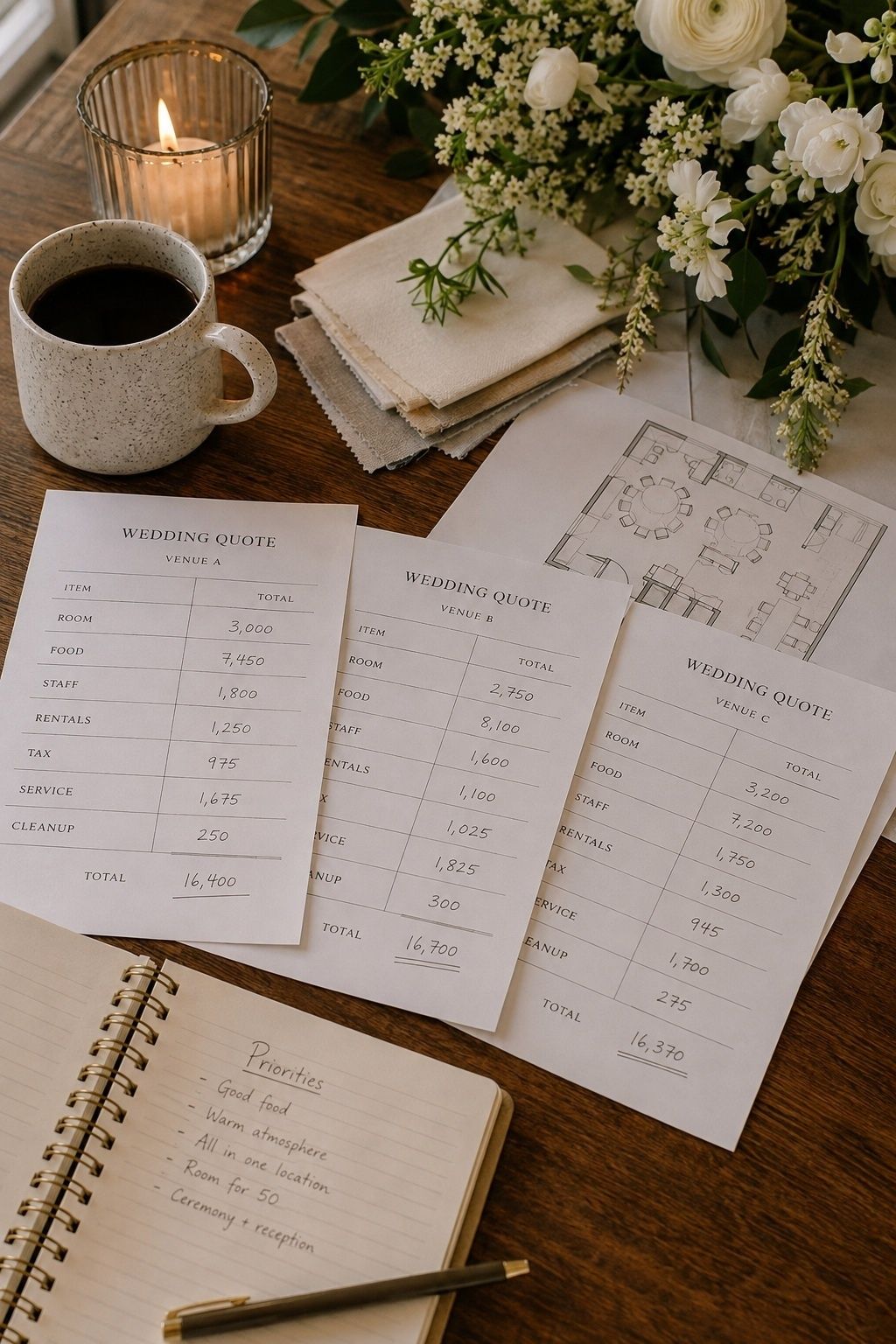
When you have two or three venue quotes, rebuild each one in the same format. Put the venue fee, food and beverage, staffing, rentals, service charge, tax, gratuity, insurance, permits, overtime, parking, getting-ready access, cleanup, and required vendors into matching rows. Then add what the venue includes and what you would still need to rent or hire.
A quote with a higher room fee may be cheaper if it includes tables, chairs, linens, dishes, staff, lighting, coordination, and cleanup. A quote with a low rental fee may become expensive if every fork, heater, restroom, server, and trash bag is separate. The fairest comparison is not venue fee versus venue fee. It is fully hosted wedding versus fully hosted wedding.
Also compare the emotional fit. If one venue requires you to invite more guests to meet a minimum, extend the event longer than you want, or use a room that feels too large, it may not be the right small-wedding value. A budget is not only about spending less. It is about spending in a way that supports the day you are actually trying to have.
FAQ
How Much Does A Small Wedding Usually Cost?
A small wedding can vary widely because location, venue style, food, photography, and minimums matter more than the guest count alone. Instead of trusting one average, build your budget from fixed costs, per-guest costs, venue-shaped costs, hidden fees, and a reserve. That gives you a realistic number for your actual plan.
What Should Be Included In A Small Wedding Budget Breakdown?
Include venue or location, food, drink, staffing, photography, ceremony costs, attire, beauty, flowers, music, stationery, rentals, transportation, coordination, tips, taxes, service charges, permits, insurance, delivery, setup, cleanup, overtime, and a reserve. Then mark which costs are fixed, per-guest, required by the venue, or still missing from quotes.
Is A Small Wedding Actually Cheaper Than A Traditional Wedding?
A small wedding is usually cheaper overall because food, drink, rentals, stationery, and guest care often shrink with the guest list. It is not automatically cheap, though. Photography, attire, venue fees, minimum spends, planning support, and hidden fees can stay meaningful even with fewer guests.
Which Wedding Costs Stay The Same With Fewer Guests?
Photography, officiant fees, attire, marriage license costs, beauty trials, ceremony music, coordination, some venue fees, and some package minimums often stay similar with fewer guests. They may change by date, hours, location, or package level, but they usually do not rise or fall with every single guest.
Which Small Wedding Costs Change By Guest Count?
Food, drink, cake servings, chairs, place settings, linens, menus, favors, welcome bags, transportation seats, and some staffing often change by guest count. Ask vendors where the thresholds are, because 25 guests and 40 guests may require different service levels, rental quantities, or minimum spends.
What Hidden Fees Should Couples Add To A Small Wedding Budget?
Add taxes, service charges, gratuity, delivery, setup, cleanup, overtime, cake cutting, corkage, vendor meals, permits, insurance, parking, power, restroom rentals, alterations, postage, and final balance timing. The safest approach is to ask every vendor what is not included before you compare quotes.
How Do You Compare Small Wedding Venue Quotes Fairly?
Put every quote into the same categories: room fee, food, drink, staffing, rentals, tax, service charge, gratuity, insurance, permits, overtime, cleanup, and required vendors. Then add anything missing. The best value is the quote that gives you the complete hosted experience you want, not just the lowest venue fee.
Final Thoughts
A thoughtful small wedding budget is not about making the day feel smaller. It is about seeing the real shape of the celebration before deposits make decisions for you. When fixed costs, per-guest costs, minimums, taxes, service charges, tips, permits, insurance, delivery, setup, cleanup, overtime, and a calm reserve all have a place, the budget becomes easier to trust.
Once the numbers support the room, the meal, the ceremony, the people, and the feeling you want to protect, you can book with steadier hands. Keep your final cushion realistic by planning for what small weddings can cost and which fees couples often miss before the first deposit starts shaping the day.
Last update on 2026-10-03 / Affiliate links / Images from Amazon Product Advertising API