

For small wedding planning on a budget, set one all-in spending ceiling, keep the guest count honest, choose a venue format with built-in basics, simplify food and bar service, hold back a fee buffer, and protect guest comfort, ceremony sound, legal paperwork, photos, weather backup, and day-of help.
A small wedding on a budget can still feel generous because generosity is not the same as scale. It is a hot meal served on time, a room that fits the guest count, vows people can hear, clear directions, enough chairs, soft light, and a couple who is not trying to host twelve different wedding traditions at once.
Use the smaller guest list as your advantage. Every person you invite should make the day warmer, not just more expensive. Every decision should answer one quiet question: does this help the wedding feel hosted, personal, comfortable, or calm?
Recommended Wedding Products


You Might Also Like These Blog Posts
- Small Wedding Budget Breakdown Without The Guesswork
- How Much Should A Small Wedding Cost Without Feeling Like Too Much
- Micro Wedding Budget: Spend Small Without Feeling Sparse
- Gen Z Wedding Budget Tips For A Celebration That Still Feels Like You
- How To Simplify Wedding Planning Without Making The Day Feel Smaller
- What To Do First When Planning A Wedding So The Rest Feels Clear
Small Wedding Planning On A Budget Starts With The Money You Will Not Cross
Before you collect quotes, choose the number you can spend without resentment, credit-card fog, or hoping gifts will cover the difference. That number is your ceiling. Then plan below it. If your true ceiling is $10,000, draft the first version around $8,500 or $9,000 so service charges, tips, alterations, delivery, permits, and last-minute needs do not push you past the line.
Name Your All-In Total Spend
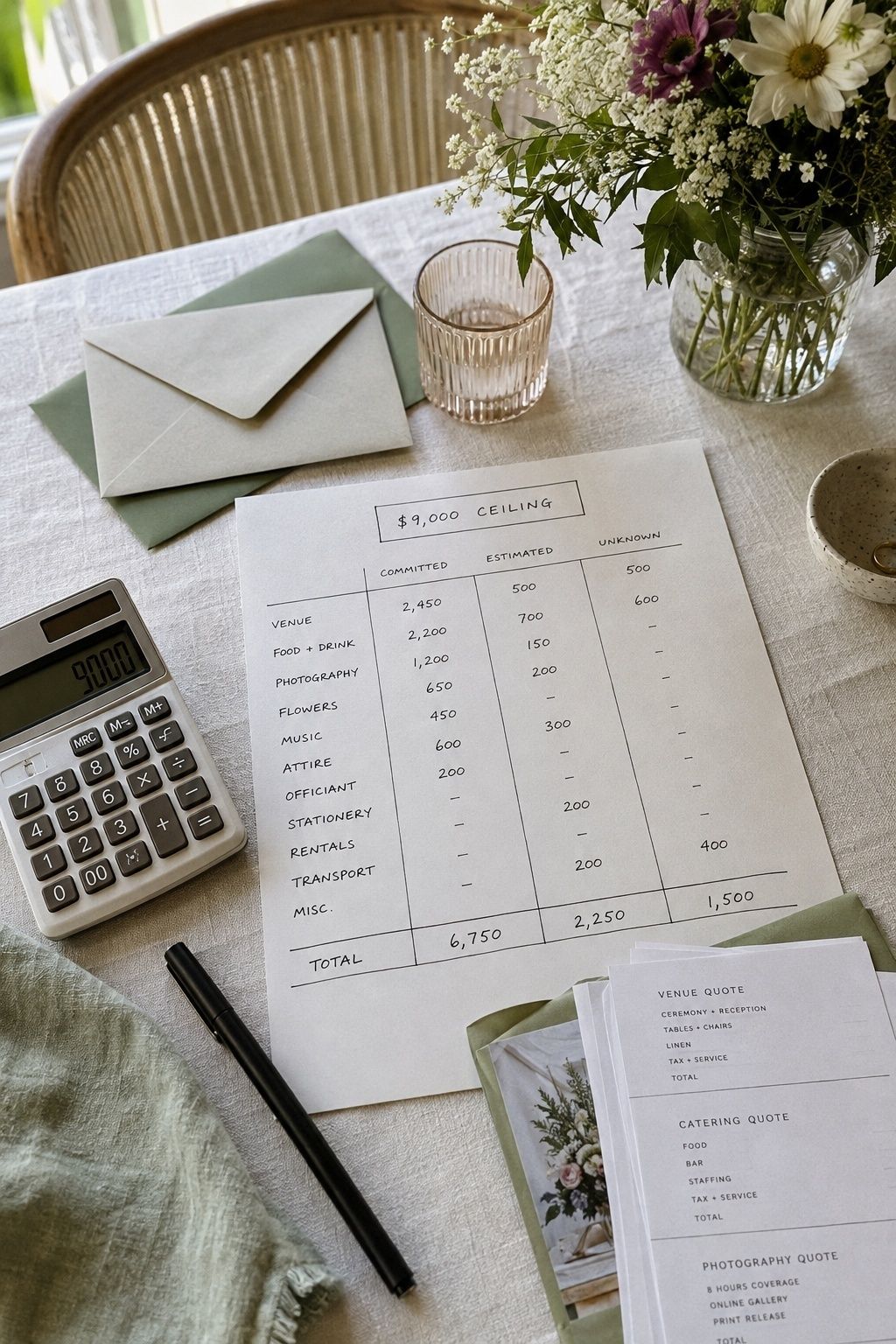
An all-in budget includes more than the pretty quote. Add ceremony fees, attire, alterations, beauty, meals, drinks, tax, service charges, gratuities, postage, rentals, insurance, transportation, parking, permits, cleanup, and backup plans. Budget intimate wedding planning becomes calmer when the full number is visible early, even if the first draft feels less romantic than a mood board.
Write the ceiling at the top of your tracker. Under it, make three columns: committed, estimated, and still unknown. The unknown column is where budgets usually get bruised, so treat it like a real category instead of a later problem.
Choose The Experience You Refuse To Lose
A budget is easier to protect when you know what the wedding is meant to feel like. Maybe you want a slow dinner with your families, a courthouse ceremony followed by champagne, a backyard supper under lights, or a tiny restaurant reception where everyone can hear the toasts. Name that feeling before you name the napkins.
Then choose three protected priorities. For most small weddings, the protected list includes food, guest comfort, photography, ceremony quality, and a space that fits. Your list can be personal, but it should be short enough to make tradeoffs clear.
Build A Buffer Before You Spend The Last Dollar
A wedding budget without a buffer is usually a wish. Keep 10 to 15 percent unassigned if you can. That cushion can absorb service charges, tips, rain gear, extra heaters, dress alterations, extra meals, overtime, printing changes, or the small emergency purchase that suddenly matters in the final week.
If the buffer feels impossible, that is useful information. It means the first plan is too close to the edge. Reduce the guest count, change the format, shorten the celebration, or simplify a flexible category before you sign contracts that leave no room to breathe.
Use Guest Count As Your Strongest Budget Lever
For small wedding cost-saving ideas, the guest list usually matters more than tiny decor cuts. Each guest can affect food, drinks, place settings, chairs, linens, favors, stationery, transportation, cake, staff, and room size. A smaller list does not shrink every bill, but it changes enough bills to reshape the whole plan.
Price The Wedding At Your Ideal Count And Your Stretch Count
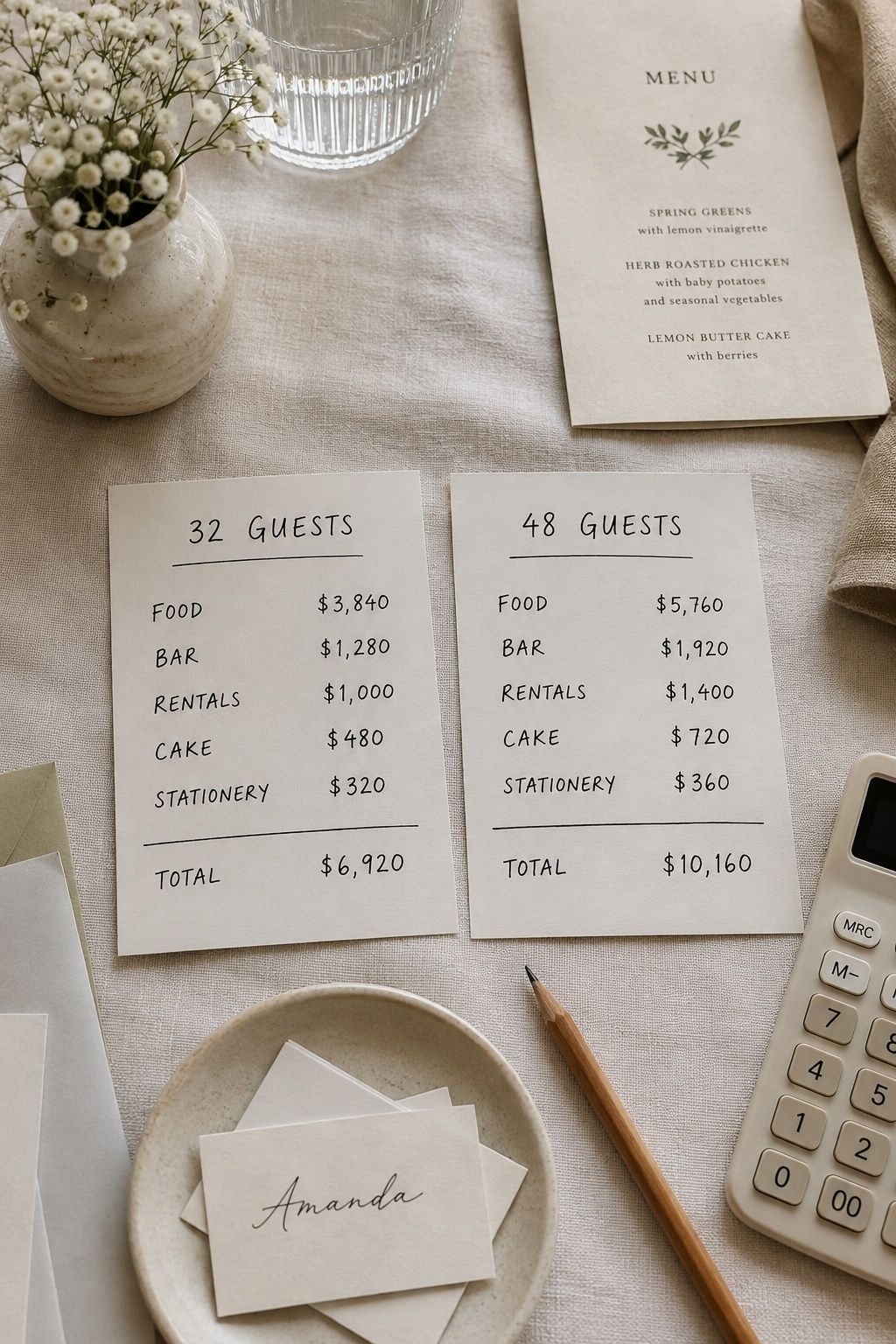
Do not say “around 40” if the budget changes at 48. Price two versions: the intimate list you want and the highest number you might actually invite. Include food, bar, rentals, stationery, cake, welcome drinks, transportation, and any staffing jumps. Seeing both versions makes every extra invitation a real decision instead of a soft maybe.
If you are hoping for a small wedding under 10000, this step matters early. A 25-person dinner may make that number feel possible. A 55-person dinner with rentals, open bar, and a venue minimum may move the plan into a different category before you have chosen flowers.
Watch Food And Bar Math First
Food and drink are usually the clearest headcount costs. A brunch, lunch, cocktail reception, family-style dinner, restaurant menu, limited bar, or beer-and-wine plan can all work beautifully for a small wedding on a budget. The question is not which one sounds cheapest in theory. The question is which one serves your guest list well inside your actual space.
Ask for the full price per person, including service, tax, rentals, staff, bar fees, cake cutting, coffee, nonalcoholic drinks, and cleanup. A lower menu price can become less affordable if the essentials are separate.
Count The Quiet Per-Guest Extras
Stationery, place cards, favors, menus, chairs, linens, napkins, chargers, shuttle seats, welcome bags, and late-night snacks can feel small until they multiply. This is where a tight guest list helps twice: fewer people and fewer duplicate details.
You do not need to make the table plain. You need each item to earn its place. One lovely place card can guide seating and make the table feel personal. One shared menu can explain dinner. One welcome email can replace several printed pieces. The savings should simplify the day, not make guests feel forgotten.
Check Minimums Before Assuming Fewer Guests Means Cheaper
Some venues and vendors have minimum spends, minimum hours, minimum orders, or required packages. A private dining room may require a food and beverage minimum. A rental company may require a delivery minimum. A photographer may have a weekend minimum. These are not automatically bad, but they can limit how much the smaller guest list saves.
Ask what changes at 20, 30, 40, and 50 guests. If the answer is “not much,” decide whether the fixed cost is worth it or whether another format would suit the budget better.
Choose A Lower-Overhead Wedding Format
Micro wedding budget ideas get much easier when the format includes more of what you need. A beautiful blank space can be expensive once you add tables, chairs, lighting, bathrooms, catering equipment, power, staff, cleanup, and weather protection. A modest space with built-in basics can feel more generous because the budget goes toward hosting, not infrastructure.
Restaurant Private Room
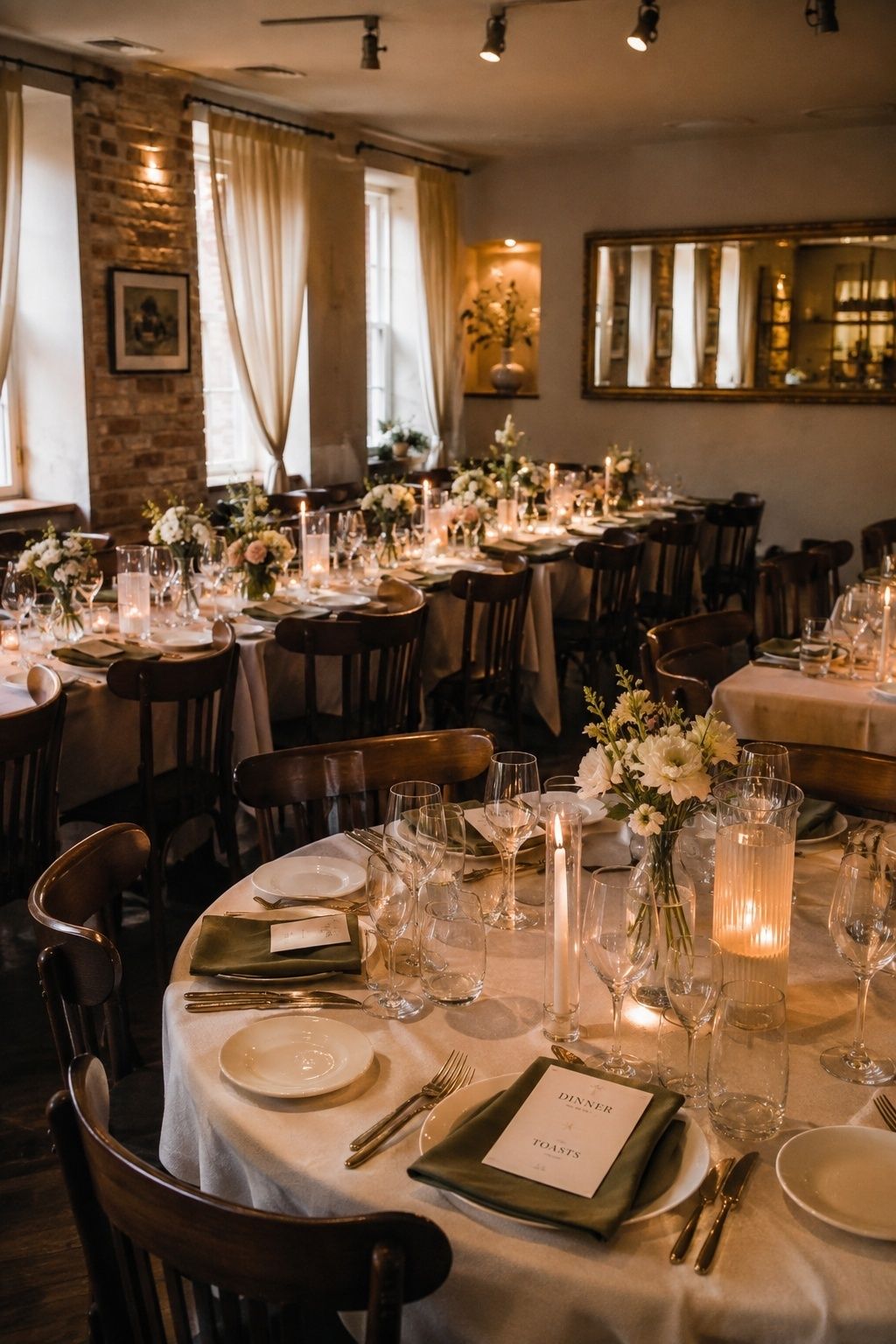
A restaurant private room can be one of the simplest ways to host a warm small wedding. The tables, chairs, dishes, glassware, kitchen, staff, atmosphere, bathrooms, and menu already exist. You may spend more per person than a raw catering estimate, but fewer separate rentals can make the total easier to control.
Ask about minimum spend, room fee, service charge, tax, menu choices, bar structure, cake policy, decor limits, music rules, timing, and whether the ceremony can happen onsite or nearby. A restaurant works best when the meal is the heart of the celebration.
Backyard With Realistic Rental Math
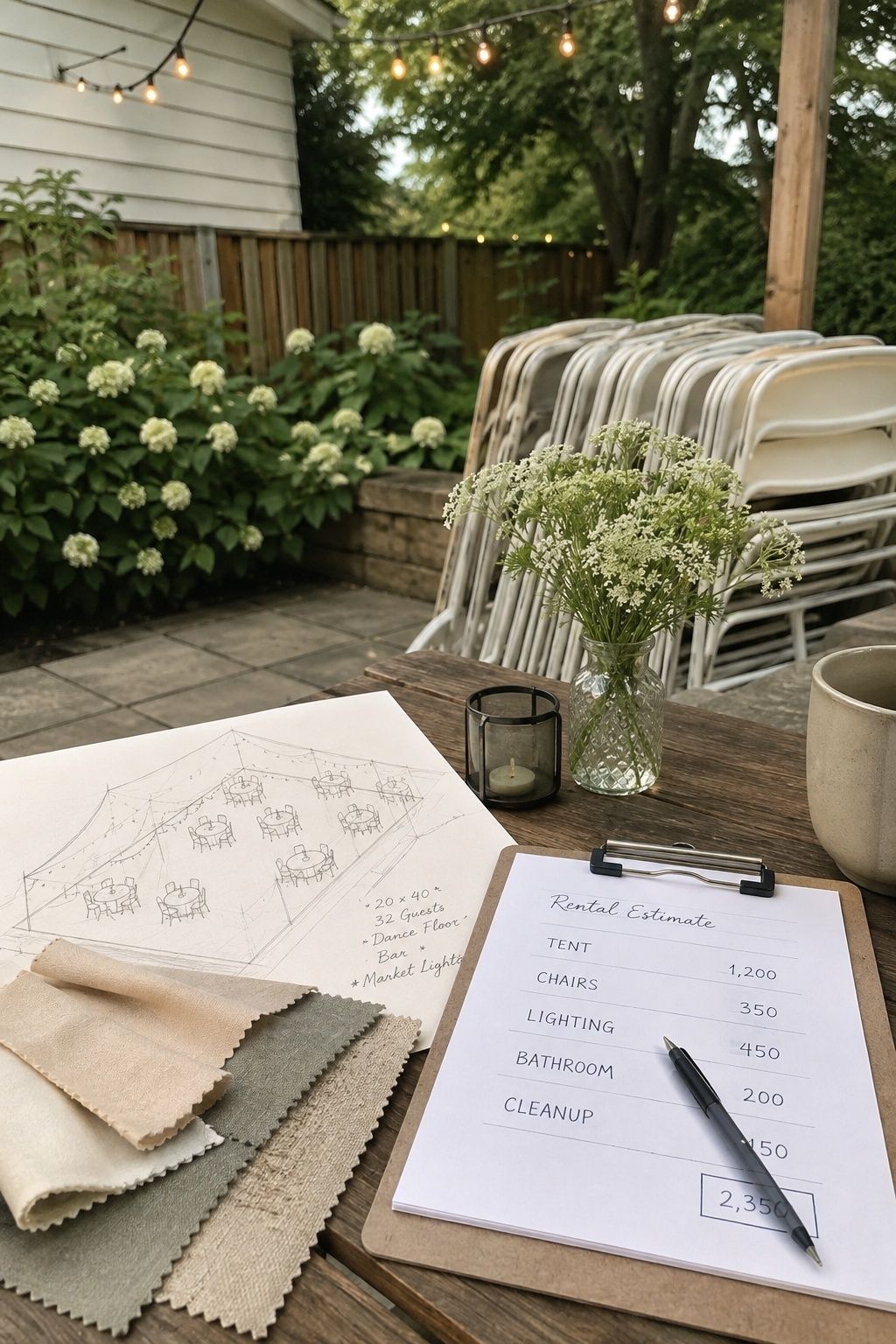
A backyard wedding can be intimate and deeply personal, but “free venue” is not the same as free wedding. Price the tent, tables, chairs, linens, lighting, bathroom access, heaters or fans, trash removal, insurance, permits, catering setup, power, parking, rain plan, and cleanup before you commit.
Backyards shine when the guest count is very small, the home already supports hosting, and you have calm day-of help. If the rental list starts looking like a pop-up venue, compare it with a restaurant, inn, garden room, community hall, or courthouse-plus-meal plan.
Courthouse Ceremony Plus A Beautiful Meal
A courthouse ceremony followed by lunch or dinner can feel elegant when it is planned with intention. Dress beautifully, hire a photographer for a shorter window, invite the people who matter most, and make the meal feel like the celebration rather than an afterthought.
This format is especially helpful for affordable small wedding planning because it separates the legal moment from the hosting moment. You can keep the ceremony simple and put more energy into the table, the toasts, the photos, and the time together.
Brunch, Lunch, Or A Shorter Reception
A brunch or lunch wedding can lower bar expectations, shorten the event, and make a restaurant or garden setting feel natural. A shorter reception can also reduce photography hours, staffing time, venue hours, music needs, and late-night food.
Keep it hosted, not rushed. Guests should still know when to arrive, what they will eat, where they will sit, and when the celebration ends. The savings should come from a clearer format, not from making people guess.
Save Without Making The Wedding Feel Cheap
The best small wedding budget tips protect the sensory parts of the day. Guests notice warmth, timing, food, comfort, welcome, sound, and whether the couple seems present. They rarely remember whether there were six signs, two envelopes, custom napkins, or favors at every seat.
Skip Low-Impact Extras First
Start with favors, welcome bags, elaborate programs, duplicate signage, envelope liners, extra stationery inserts, a toss bouquet, a grand entrance, a limousine, a photo booth, late-night snacks after a full dinner, and decor that only fills empty space. None of these are wrong. They are simply optional when the budget is tight.
Before you cut guest-facing comforts, sort the optional traditions in what to skip for a small wedding. Keep what guests feel, hear, eat, use, or remember. Let the rest audition for the budget.
Simplify Decor And Stationery With One Strong Moment
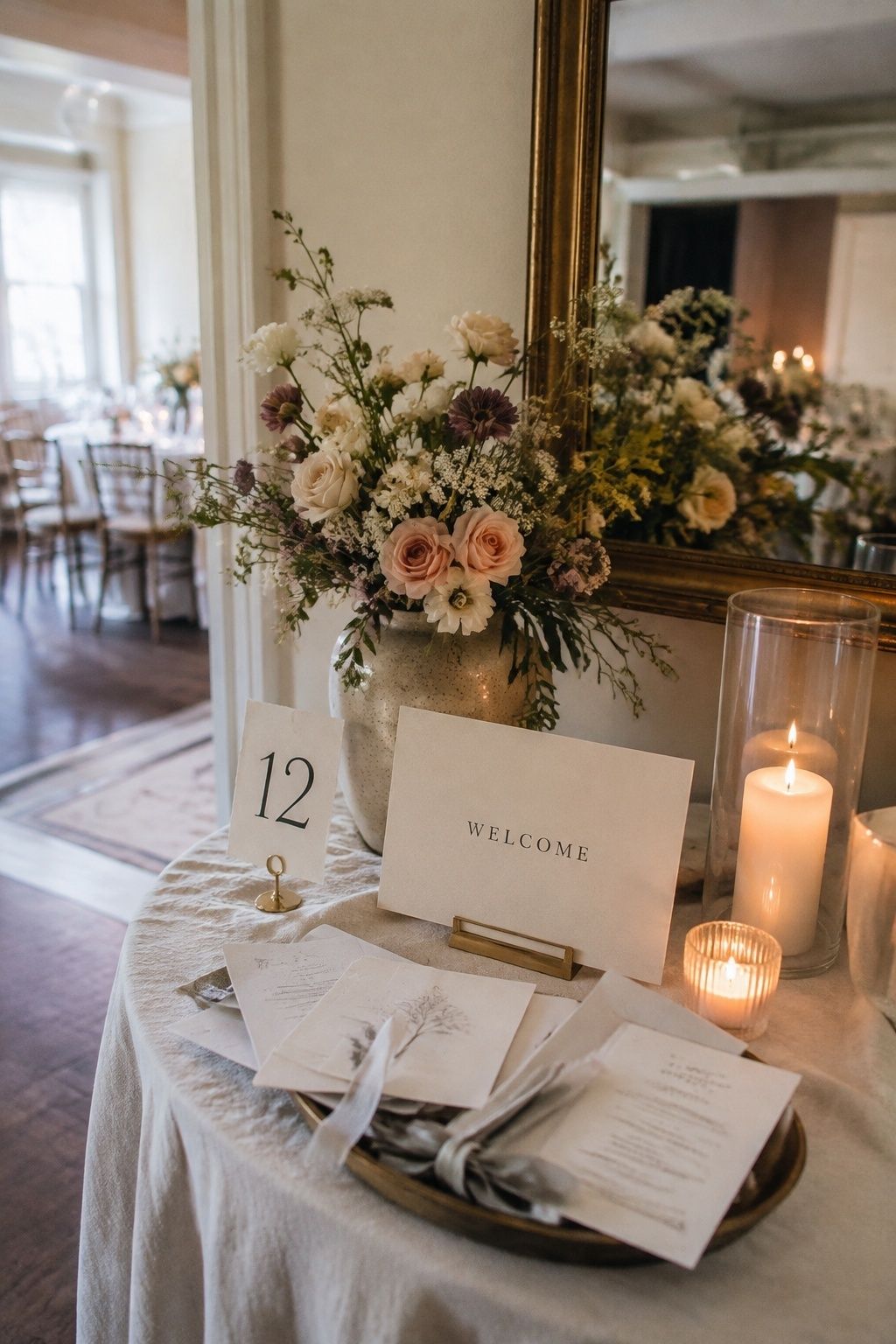
Instead of decorating everywhere, choose the one place everyone will see: the ceremony backdrop, the dinner table, the mantel, the bar, or the entrance. A few candles, seasonal flowers, good linens, handwritten place cards, and flattering light can do more for a small room than scattered decor in every corner.
Stationery can follow the same rule. Use clean invitations, a clear wedding website, digital RSVPs, and only the printed pieces that improve the guest experience. If a sign or card repeats information people already have, it may be an easy save.
Spend On Food, Seating, Sound, And Photos
Food does not have to be elaborate, but it should be enough, well-timed, and good. Seating does not have to be formal, but it should be comfortable. Ceremony sound does not have to be complicated, but guests should hear the vows. Photography does not have to run all day, but it should cover the moments you cannot recreate.
This is how small wedding planning on a budget stays gracious. You save on the details that perform wedding-ness and spend on the details that make people feel held.
Hidden Fees To Watch Before You Book
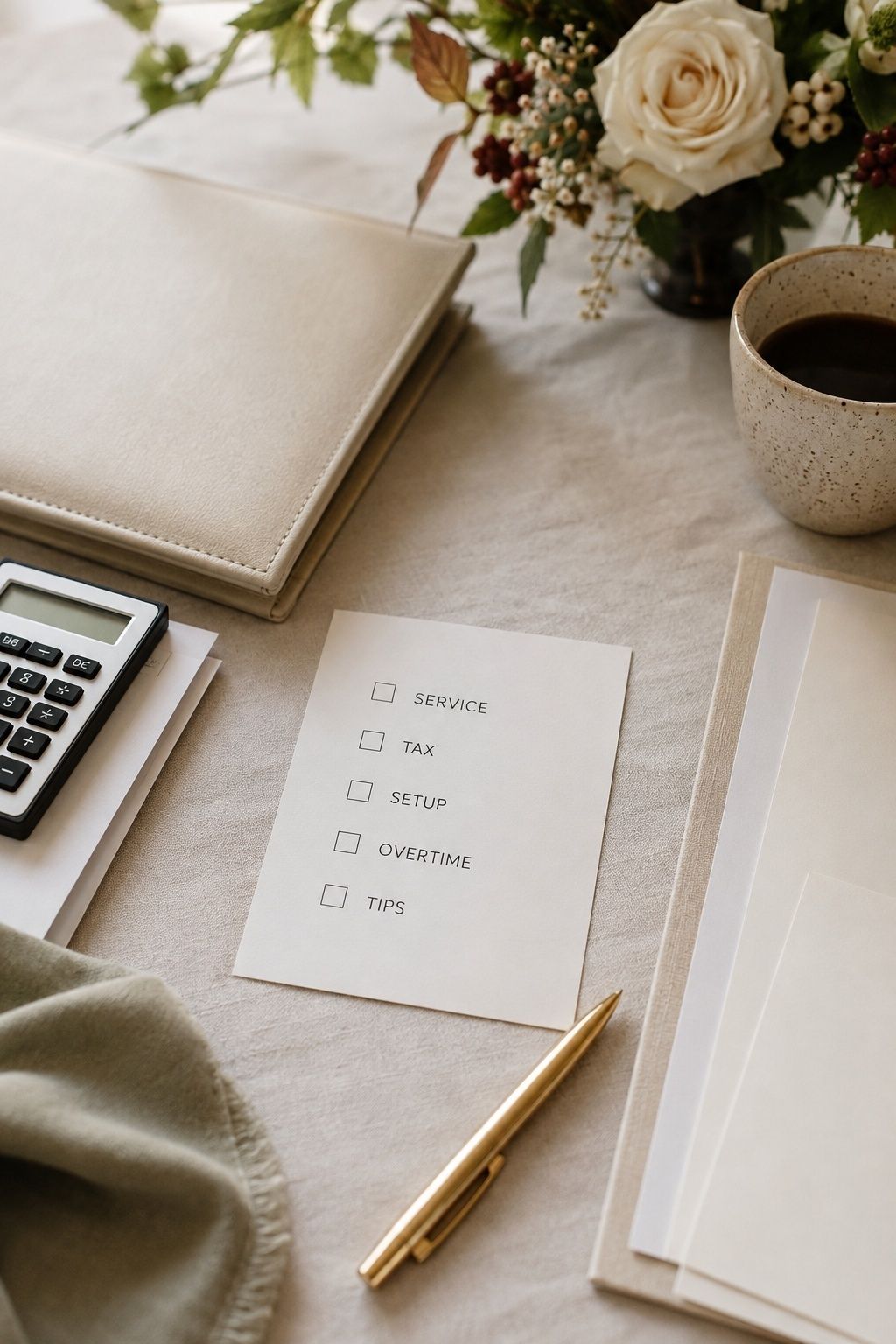
Hidden fees affect a small wedding budget because there are fewer guests to absorb the surprise. A $600 delivery fee, $900 service charge, or $400 overtime bill may not sound enormous in a ballroom budget, but it can change the plan quickly for 24 guests.
Service Charges, Taxes, And Gratuities
Ask every venue and caterer whether the estimate includes service charge, sales tax, administrative fees, gratuity, staffing, bar fees, cake cutting, corkage, security, coat check, and cleanup. Ask whether gratuity is optional, expected, or already included. The answer should be written into the budget before you compare venues.
Delivery, Setup, Cleanup, Overtime, Permits, And Tips
Rental delivery, floral setup, teardown, trash hauling, restroom trailers, generators, valet, permits, insurance, vendor meals, parking, travel, and overtime can all sit outside the first quote. Build a hidden-fee checklist and ask each vendor what couples often forget to include.
Then put those answers beside the quote, not in a separate note you may never open again. A slightly higher all-inclusive quote can be better than a lower quote with too many missing pieces.
What Not To Cut From A Small Wedding Budget
Saving money should not mean removing the bones of the day. Some things are quiet, practical, and easy to undervalue until they are missing. Protect them early, then make the pretty choices with whatever remains.
Guest Comfort
Do not cut enough food, enough drinks, enough chairs, bathroom access, shade, heat, clear directions, accessibility, or reasonable timing. Small weddings are intimate enough that discomfort becomes obvious. A comfortable guest experience is one of the most elegant uses of money.
Legal Paperwork And Ceremony Clarity
Marriage license rules, officiant requirements, witness needs, ceremony timing, and sound should be handled with care. Even a tiny wedding deserves a ceremony that is legal, audible, and emotionally steady. If the ceremony matters to you, give it a real place in the budget.
Weather Backup And Day-Of Help
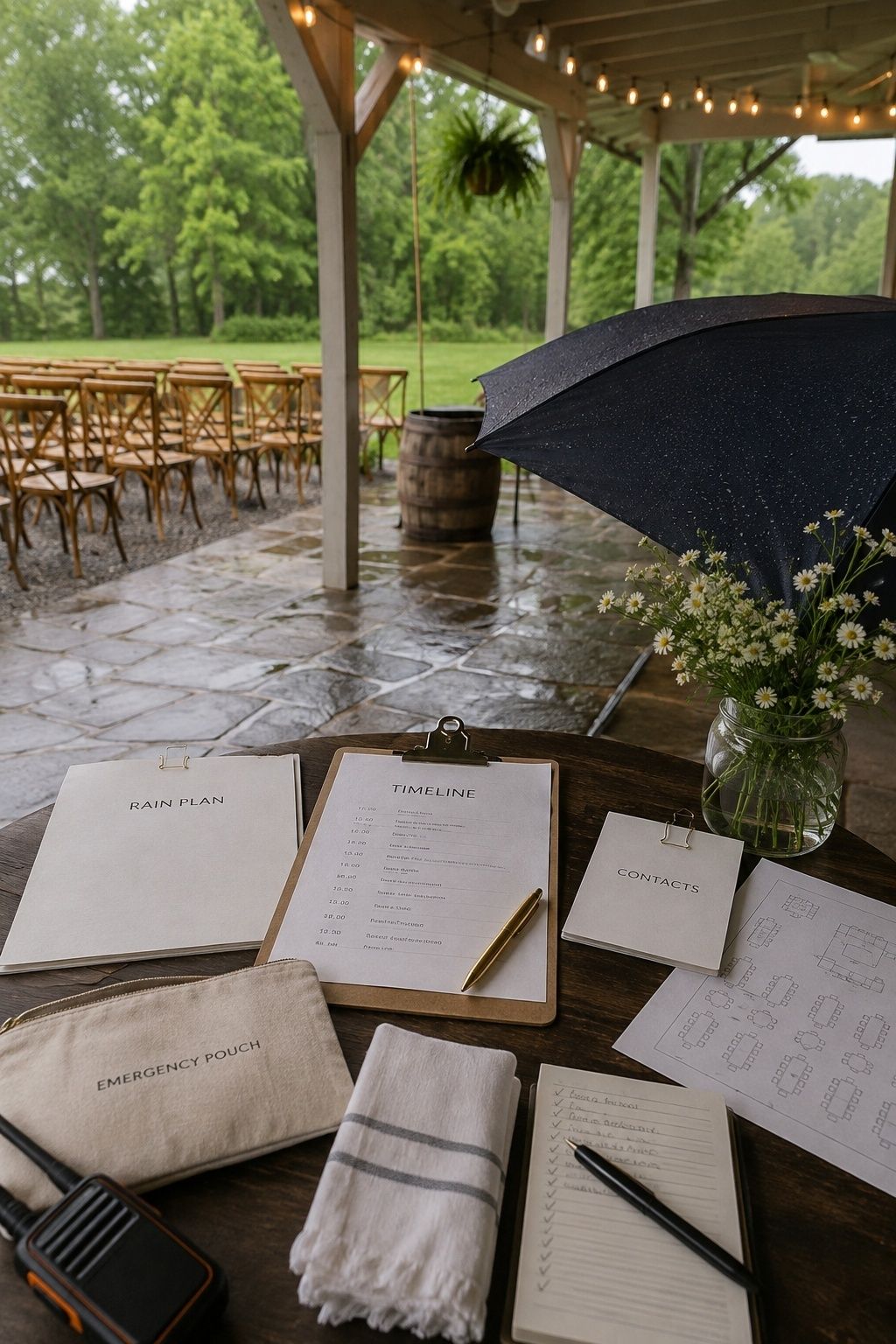
If any part of the wedding is outdoors, budget for rain, wind, heat, cold, mud, or darkness. A small wedding rain plan may be as simple as an indoor room, a covered patio, umbrellas, heaters, or a tent hold, but it needs to exist before the forecast gets emotional.
Day-of help also matters. It does not have to be a full planner if the event is simple, but someone other than the couple should know the timeline, vendor contacts, payment balances, setup plan, photo list, and cleanup responsibilities. A trusted coordinator, venue manager, sibling, or hired day-of assistant can keep the budget choices from becoming wedding-day labor.
Pull The Budget Into One Clear Plan
Once you have a draft budget, test it in this order. First, confirm the all-in ceiling and buffer. Second, price the guest list at the ideal count and the stretch count. Third, compare formats by what they include, not just the room fee. Fourth, protect food, comfort, ceremony sound, photography, legal needs, weather backup, and day-of help. Fifth, cut low-impact extras before you cut the parts people will feel.
This is the difference between cheap and intentional. Cheap asks, “How little can we spend?” Intentional asks, “What do we want this small room to feel like, and which choices actually create that feeling?” That second question is where the wedding starts to look like you.
FAQ
How Do You Plan A Small Wedding On A Budget?
Start with an all-in budget ceiling, choose a guest count you can truly afford to host, pick a format with built-in basics, compare full quotes with fees included, and protect the details guests notice most. Small wedding planning on a budget is much easier when the first decisions lower the total cost instead of forcing tiny cuts later.
What Is A Realistic Budget For A Small Wedding?
A realistic budget depends on guest count, location, venue type, meal style, and how many services are included. Some couples can host a courthouse meal or backyard supper for a few thousand dollars, while a restaurant private room or full-service intimate wedding may cost much more. The realistic number is the one that includes taxes, service charges, gratuities, rentals, attire, photos, legal needs, and a buffer.
How Do You Save Money On A Small Wedding Without Making It Feel Cheap?
Save on low-impact extras first: favors, duplicate stationery, unnecessary signage, formal reception moments you do not want, oversized decor, and expensive transportation. Then spend on the parts that create hospitality: good food, comfortable seating, clear timing, ceremony sound, warm lighting, photos, and a space that fits the guest count.
What Should You Skip For A Small Wedding On A Budget?
You can often skip favors, printed programs for a simple ceremony, welcome bags, extra signs, envelope liners, a large wedding party, grand entrances, bouquet tosses, photo booths, late-night snacks after a full meal, and decor that only fills empty space. Keep anything tied to comfort, clarity, legality, food, sound, weather, or memory.
What Should You Not Cut From A Small Wedding Budget?
Do not cut guest comfort, enough food and drink, safe seating, clear directions, legal paperwork, ceremony sound, weather backup, vendor communication, and some form of day-of help. Photography is also worth protecting, even if you choose shorter coverage, because small weddings often have quiet moments you cannot recreate.
Is A Backyard Or Restaurant Wedding Cheaper For A Small Wedding?
It depends on what is included. A backyard can be cheaper if the home already supports hosting and the guest count is very small. It can become expensive if you need a tent, rentals, bathrooms, lighting, power, parking, permits, catering setup, and cleanup. A restaurant may look more expensive per person but often includes furniture, staff, dishes, atmosphere, bathrooms, and food service.
How Do Hidden Fees Affect A Small Wedding Budget?
Hidden fees can take a small wedding from affordable to stressful because service charges, taxes, delivery, setup, cleanup, gratuity, overtime, permits, insurance, rental minimums, and vendor meals may not appear in the first quote. Ask for full estimates before booking and keep a buffer for costs that arrive closer to the wedding date.
Final Thoughts
Small wedding planning on a budget works best when the smaller guest list becomes a design advantage, not an apology. You get to choose a format that fits real life, spend where people feel cared for, and skip the traditions that only make the day heavier.
As you compare options, keep returning to the same guest-aware order: guest count, format, food and drink, protected priorities, and fees. Let the final plan prove that the room will feel like you: fewer people hosted well, a format that fits, hidden costs named early, and a disciplined wedding budget without cutting the parts that matter.
Last update on 2026-10-03 / Affiliate links / Images from Amazon Product Advertising API