

What wedding details can you skip? Start with anything guests barely notice, anything that exists only for a photo, and anything that competes with food, comfort, ceremony, photography, or time with your favorite people. Keep the details that carry meaning or make the day easier to enjoy.
Wedding budgets get heavy in small ways. A custom sign here, a second outfit there, a late-night snack cart, a favor table, another printed insert, and suddenly the money that was meant to protect the day is scattered across details you do not even feel attached to.
The good news is that skipping details does not have to make the wedding feel plain. It often makes the day feel clearer. When you know what to leave out, the parts you keep have more room to breathe: the vows, the meal, the music, the faces at the table, and the few visual choices that actually make the room feel like yours.

Recommended Wedding Products


You Might Also Like These Blog Posts
- What Wedding Details Are Worth Splurging On For A Small, Personal Celebration
- How To Skip Wedding Traditions Politely When You Still Love Your People
- What Wedding Traditions Can You Skip Without Losing The Magic
- What To Skip For A Small Wedding Without Missing The Good Stuff
- Wedding Budget Vs Buying A House And How To Choose Without Regret
- What Makes A Wedding Memorable After The Flowers Come Down
What Wedding Details Can You Skip Without Regret?
The easiest wedding details to skip are the ones that do not change how people feel in the room. Most guests remember whether the ceremony felt sincere, whether they were fed well, whether they could hear the vows, whether the couple seemed present, and whether the gathering felt warm. They rarely remember whether the napkins were monogrammed or whether every restroom basket had twelve tiny products.
Before cutting anything, separate your wedding into three layers. The first layer is care: ceremony, food, seating, shade or warmth, timing, sound, directions, restrooms, and enough help to keep the day moving. The second layer is memory: photography, a few meaningful details, the people closest to you, and the moments you want to hold onto. The third layer is polish: pretty extras that are lovely but not required.
Most skips should come from the polish layer. That is where budgets quietly leak. A small wedding does not need to imitate the scale of a larger event in miniature. It needs to feel hosted, personal, comfortable, and edited.
Use A Three-Question Skip Test
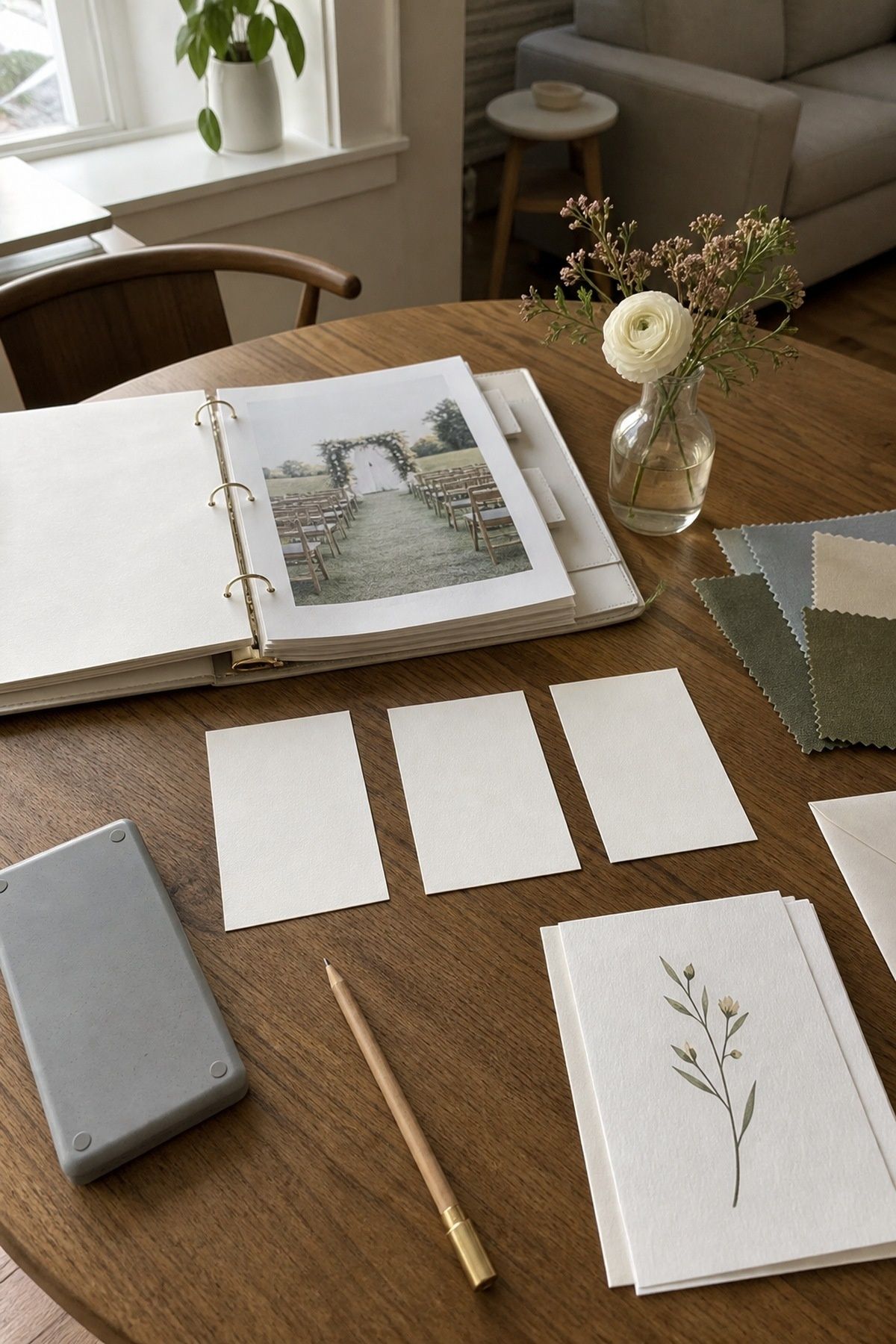
For every tempting detail, ask three questions. Will this improve guest comfort? Will this matter to us emotionally after the wedding is over? Will this appear in photographs or memories often enough to justify the cost?
If a detail gets three quiet no answers, it is probably safe to skip. If it gets one strong yes, decide whether that yes is strong enough to protect. A handwritten card for each guest could matter deeply at a 24-person dinner. The same idea often feels exhausting and unnecessary at 90 guests. The right answer depends on your scale, energy, and priorities.
This test also keeps skipping from turning harsh. You are not asking, “Is this stupid?” You are asking whether it deserves space in this wedding. That difference matters when planning already feels emotional.
Details Guests Usually Do Not Miss
Some wedding details are popular because they photograph well in planning content, not because they carry the day. If the budget feels crowded, these are usually the first places to edit.
Wedding Favors
Favors are one of the safest wedding details to skip, especially if they are not edible, useful, or personal. Many guests forget them at the table, leave them in hotel rooms, or take them out of politeness rather than excitement. That money often does more good in the meal, bar, music, or transportation plan.
If you love the idea of a takeaway, make it part of the experience instead of a separate favor table. Serve late-night cookies in pretty bags, let guests take home bud vases from the tables, or write a short message at each place setting. For a very small wedding, one personal detail often feels more generous than dozens of branded objects.
Too Much Stationery
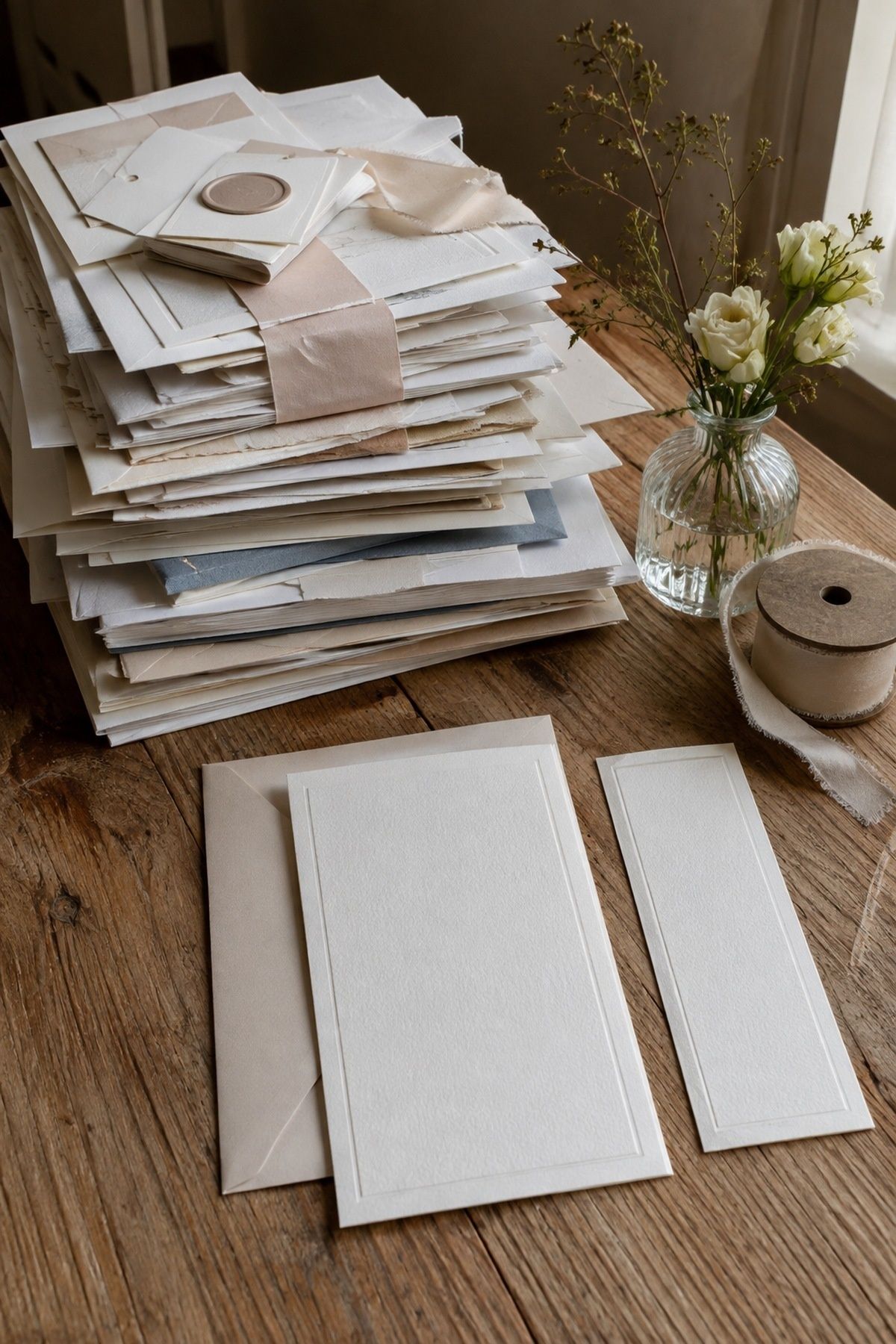
Printed invitations are beautiful when they matter to you, but not every paper layer is necessary. Save-the-date cards, invitation suites, envelope liners, belly bands, wax seals, separate direction cards, weekend cards, menu cards, favor tags, program fans, and individual escort cards add up quickly.
Keep the pieces that serve a real purpose. Guests need to know when to arrive, where to go, what to wear, how to RSVP, and what happens next. Much of that works better on a wedding website, one clean invitation card, or a single details insert. At the event itself, one welcome sign or one menu per table often works better than paper at every place.
Extra Signs For Every Moment
A few signs are useful. Too many signs start to feel like decor trying to explain itself. You probably do not need separate signs for cards, gifts, favors, dessert, guest book, signature drinks, unplugged ceremony, seating, bar menu, welcome message, hashtag, and every tiny table.
Choose signs that solve confusion. A welcome sign, a seating display, a bar menu, or a directional sign earns its place when it keeps the day moving. Skip signs that label the obvious. Guests usually identify a cake, a guest book, and a basket of programs without being formally introduced.
Overbuilt Welcome Bags
Welcome bags sound thoughtful, but they become expensive fast once you add bags, snacks, bottled water, printed itineraries, local treats, delivery fees, and hotel handling costs. For a small wedding weekend, guests often appreciate clear communication more than a bag of things they have to pack again.
If guests are traveling, put your effort into practical hospitality. Send a clean weekend email, include transportation details, suggest nearby food, and make arrival feel easy. If you still want a welcome touch, keep it simple: water, one good snack, and a message that feels genuinely personal.
Matching Robes, Pajamas, And Getting-Ready Props
Matching robes and photo props are easy to skip if they only exist for a brief getting-ready picture. They are cute, but they rarely change the emotional center of the day. If the bridal party would rather wear their own comfortable clothes, let that be enough.
For photographs, a tidy room, natural light, flowers, meaningful jewelry, a dress or suit detail, and people who feel relaxed will do more than a rack of identical outfits. Spend on hair, makeup timing, breakfast, or a calmer morning before buying props that disappear after ten minutes.
Decor Details You Can Usually Edit Down
Decor is where many couples worry that skipping will make the wedding feel unfinished. The better move is not to remove beauty. It is to concentrate beauty where it matters most.
Tiny Decorative Objects On Every Surface
Small decorative objects sometimes make a table feel layered, but they also clutter the budget and the room. Extra bud vases, trinket trays, loose petals, novelty place-card holders, table numbers with stands, photo props, and filler decor often cost more in total than couples expect.
Pick one or two visual ideas and repeat them well. Low flowers with candles, linen napkins with handwritten place cards, fruit with taper candles, or potted herbs with simple menus often feel more intentional than ten unrelated details. Repetition gives a small wedding polish without needing more stuff.
Full Floral Coverage
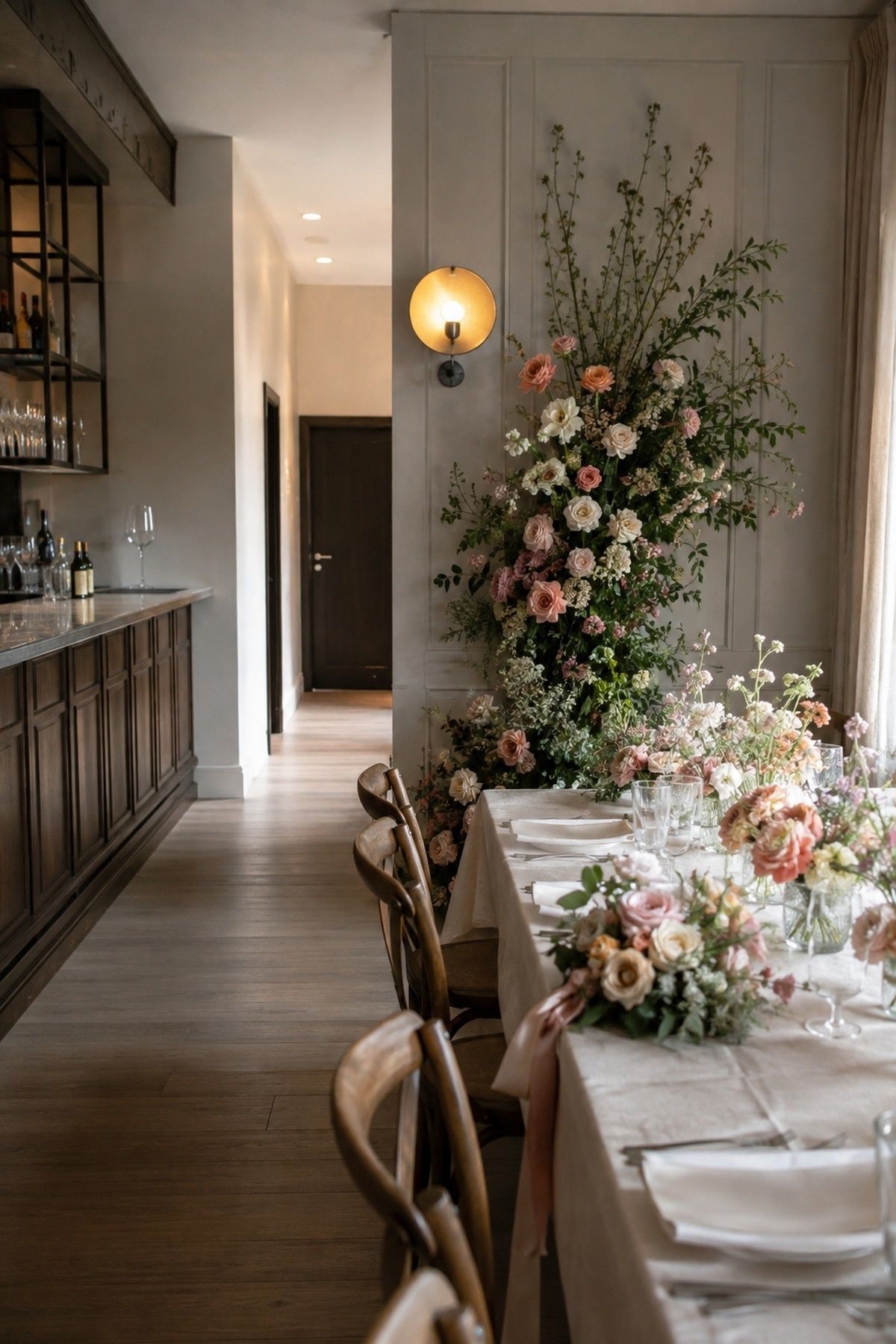
It is usually safe to skip flowers in places guests pass quickly. A large arrangement at the bar, florals on every cocktail table, blooms in restrooms, petals down the aisle, heavy ceremony flowers, and separate reception installations are not all necessary.
Put florals where they frame the people and the meal. A bouquet, boutonniere, ceremony focal point, and dinner tables usually carry more weight than scattered arrangements. For intimate weddings, repurposing ceremony flowers at the reception feels practical and seamless when someone is assigned to move them.
Chair Upgrades And Specialty Linens Everywhere
Chair and linen upgrades earn their place in a simple room, but they do not need to cover every setting by default. If the venue chairs are clean and comfortable, skipping premium chairs frees money for food, lighting, or photography. If the standard linens are neutral and well pressed, specialty linens work best at the head table, cake table, or bar.
When choosing, look at photographs of the exact room. If chairs dominate the visual field, an upgrade deserves attention. If the room already has warmth, guests are unlikely to judge the event by a standard white napkin.
Food, Bar, And Entertainment Extras To Question
Food and bar are guest-experience categories, so do not cut them carelessly. Still, there is a difference between enough hospitality and every possible upgrade.
A Huge Cake
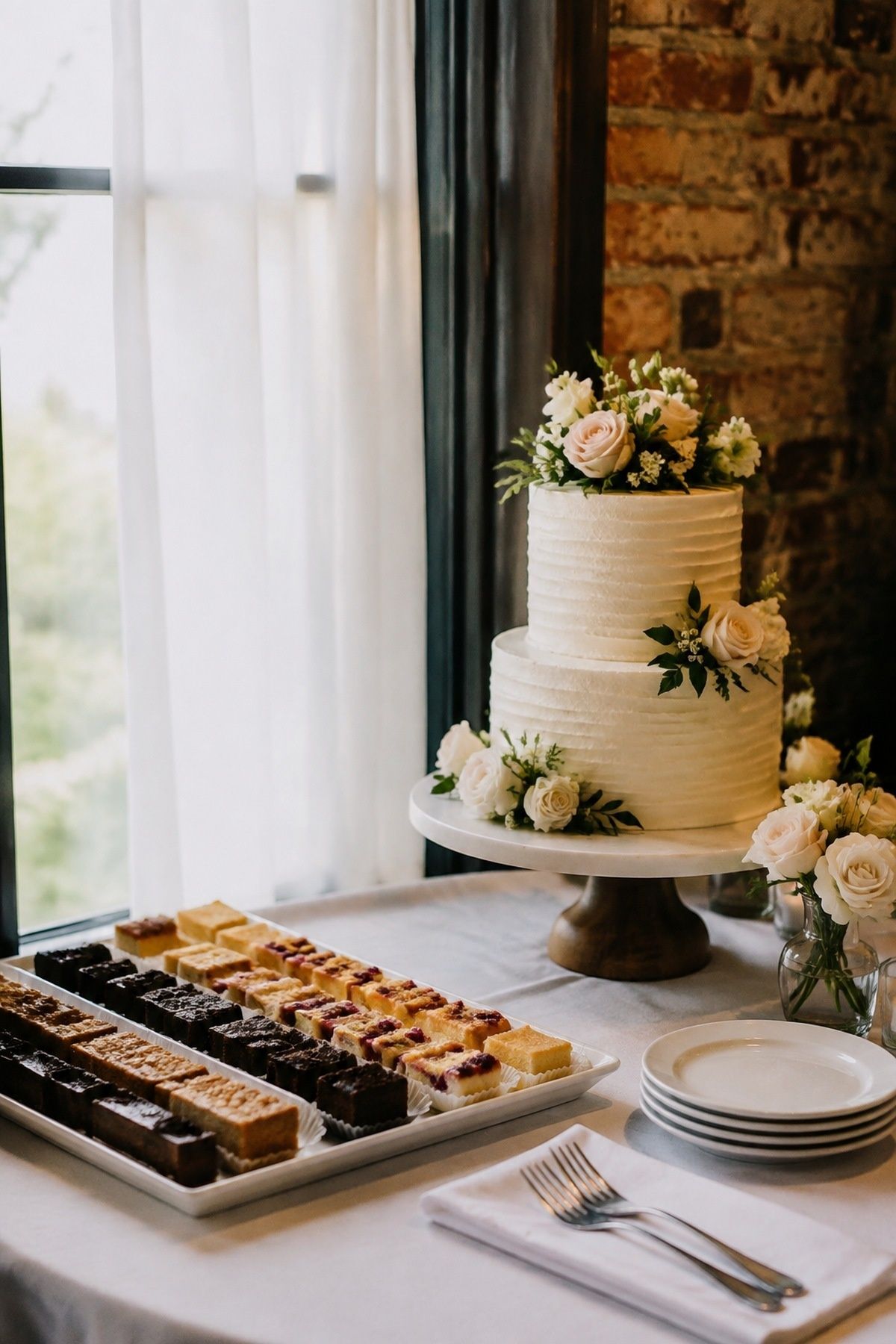
A towering wedding cake is not required unless it is important to you. Many guests are just as happy with a smaller display cake, sheet cake served from the kitchen, cupcakes, plated dessert, family-style sweets, or one favorite dessert from a local bakery.
If cake cutting matters, keep a beautiful small cake for the moment and serve something simpler afterward. If dessert is not a priority, make sure the meal feels complete and choose a sweet ending that fits the budget.
Signature Cocktails That Require Too Much Setup
Signature drinks are lovely when they are simple. They become less useful when they require specialty ingredients, custom signage, extra glassware, complicated batching, or a slower bar line. Guests care more about getting a drink easily than decoding a clever cocktail name.
For a smaller wedding, one easy signature drink or a curated beer-wine-spritz menu feels polished without overcomplicating service. Skip the part that creates friction, not the part that creates pleasure.
Entertainment That Does Not Match The Room
Photo booths, live painters, audio guest books, champagne towers, cold sparks, cigar bars, elaborate exits, performers, and surprise stations are fun when they match the celebration. They also risk feeling like imported spectacle if the wedding is centered on dinner, conversation, and a smaller guest list.
Choose entertainment that fits the rhythm you actually want. A dinner-party wedding often needs a great playlist, warm lighting, and a few heartfelt toasts more than a booth. A dance-heavy wedding deserves a stronger DJ before it deserves late-night props.
What Not To Skip Too Quickly
Some cuts look good on a spreadsheet and feel bad in real life. If a detail protects comfort, timing, memory, or emotional ease, slow down before removing it.
Enough Food And Clear Drink Service

Guests do not need the most expensive menu, but they do need enough food at the right times. Avoid long hungry gaps, confusing bar setups, undercounted appetizers, or a meal format that leaves older relatives and traveling guests uncomfortable.
If the budget is tight, simplify the format instead of thinning the meal. Brunch, lunch, cake-and-champagne, family-style dinner, or a shorter restaurant reception all feel generous when expectations are clear.
Photography That Matches The Day
Do not skip photography just because the wedding is small. Instead, choose coverage that fits the story. A six-hour intimate wedding rarely needs a massive team, but it still deserves the ceremony, portraits, family groupings, details, and dinner atmosphere documented with care.
If full-day coverage is too expensive, ask about shorter collections, weekday options, or one-photographer coverage. Keep the memories, edit the hours.
Sound, Seating, Weather, And Accessibility
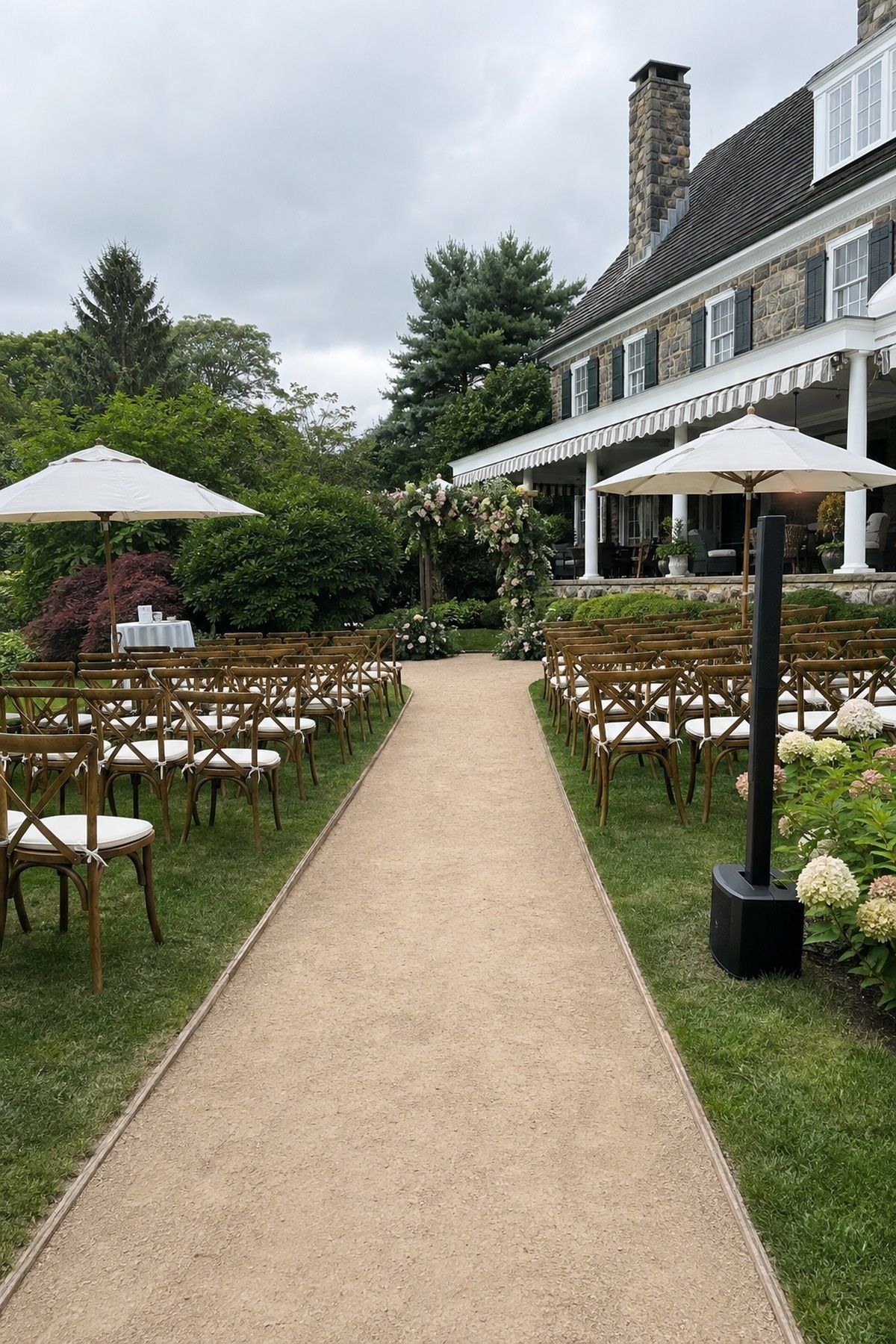
Practical comfort does not always look exciting in planning photos, but it shapes the whole event. Ceremony sound, enough chairs, shade, heat, rain backup, restrooms, parking, directions, and accessibility are not glamorous details. They are the invisible structure that lets everyone relax.
For small weddings, this is especially important because every guest is close to the couple. When a grandparent misses the vows or guests are cold through dinner, the intimacy of the day makes that discomfort more noticeable, not less.
How To Skip Wedding Details Gracefully
Skipping is easier when the wedding has a clear point of view. Decide what the day is about before you decide what it lacks. Maybe it is a garden ceremony and long lunch. Maybe it is a courthouse morning and candlelit dinner. Maybe it is a family backyard with excellent food and one beautiful floral table. Once the shape is clear, unnecessary details feel less tempting.
Give every skipped detail a replacement sentence. Instead of “we are not doing favors,” try “we are putting that money into dessert and coffee.” Instead of “we are not having a big floral installation,” try “we are focusing flowers on the ceremony and dinner tables.” The replacement reminds you that the money still has a purpose.
It also helps to avoid apology language. Guests do not need a public explanation for every choice. A smaller, edited wedding feels deeply complete when the essentials are cared for and the couple is not spending the whole day managing objects, props, and obligations they never wanted.
FAQs About Wedding Details You Can Skip
What Wedding Details Can You Skip First?
Start with favors, extra signs, excessive stationery, overbuilt welcome bags, getting-ready props, specialty rentals that do not change comfort, and decor in places guests barely notice. These cuts usually save money without changing the emotional center of the wedding.
Do Guests Notice If You Skip Wedding Favors?
Most guests do not mind when couples skip wedding favors, especially when the event has good food, clear timing, and a warm atmosphere. If you want a small takeaway, edible favors or table flowers guests take home usually feel more useful than branded objects.
Can You Skip Printed Wedding Programs?
Yes, you can skip printed programs if the ceremony is short, familiar, or easy to follow. If guests need background for cultural traditions, readings, family roles, or an unplugged request, one sign or a simple one-page program is often enough.
Is It Okay To Skip A Big Wedding Cake?
Yes. A small display cake, sheet cake, plated dessert, cupcakes, or a favorite bakery dessert feels just as celebratory. Keep a cake-cutting moment only if it matters to you or your families.
What Wedding Details Should You Not Skip?
Be careful about skipping enough food, clear drink service, ceremony sound, comfortable seating, weather backup, accessible restrooms, photography, and day-of coordination if your wedding has moving parts. These details affect how people feel and how calmly the day runs.
How Do You Know If A Wedding Detail Is Worth Keeping?
A wedding detail is worth keeping if it improves comfort, carries real meaning, supports the ceremony or meal, appears in memories you care about, or makes the day easier to host. If it only exists because you saw it online, pause before spending.
Final Thoughts
The best answer to what wedding details can you skip is not a universal list. It is a calmer way of choosing. Keep what makes guests feel cared for, what makes your ceremony feel true, what makes the meal feel generous, and what gives you memories you will actually return to.
Let the rest be optional. A wedding stays beautiful without favors, a giant cake, matching robes, ten signs, layered stationery, or a prop for every photograph. When social pressure starts making every upgrade feel necessary, protect the budget decisions that let the day feel worth the cost. That matters.
Last update on 2026-10-04 / Affiliate links / Images from Amazon Product Advertising API