

For low key wedding planning ideas that still feel special, choose a calm format first, then support it with guest comfort, clear timing, good food, honest communication, and one or two meaningful details.
A low-key wedding works best when the day feels relaxed on purpose, not casual because no one knew what was supposed to happen. The point is not to shrink the celebration until it feels bare. The point is to make room for vows, dinner, conversation, photos, and the people who actually make the day feel like a wedding.
These casual wedding planning ideas are for couples who want the day to feel personal, warm, and easy to inhabit. A courthouse ceremony can feel celebratory. A backyard dinner-party wedding can feel polished. A restaurant wedding reception can feel intimate and generous. What matters is that everyone understands where to be, what will happen, and how they are being cared for.

Recommended Wedding Products


You Might Also Like These Blog Posts
- How To Make A Small Wedding Feel Special Instead Of Scaled Down
- January Outdoor Wedding Planning for a Beautiful Day That Knows Weather Gets a Vote
- December Outdoor Wedding Planning for Couples Who Want Snow-Globe Romance Without Frozen Guests
- Simple Wedding Planning Checklist For Couples Who Want Less Noise
- Micro Wedding Planning Checklist For A Calm, Close Celebration
- How To Simplify Wedding Planning Without Making The Day Feel Smaller
Low-Key Wedding Planning Ideas For A Calm, Well-Hosted Day
The best low-key wedding ideas begin with a clear decision about the shape of the day. Before choosing flowers, outfits, playlists, or desserts, decide what kind of gathering would let you feel present. Do you want a ceremony followed by one beautiful meal? A courthouse appointment with champagne and portraits afterward? A garden brunch where everyone is home before evening? A private dining room where the whole wedding feels like the best dinner party of your life?
Once the format is chosen, the rest of the planning becomes easier. A short priorities list gives you language for the pieces that matter most, so the traditions that only add noise are easier to release. Low-pressure wedding ideas are not about doing nothing. They are about doing fewer things with more care.
Choose A Low-Key Format Before You Choose The Details
A relaxed wedding needs a format that naturally supports ease. If the setting already gives you food, seating, shelter, restrooms, and a clear flow, you will not have to invent as much from scratch.
Plan A Restaurant Dinner Reception

A restaurant wedding reception is one of the easiest ways to make a small wedding feel hosted without building a full event from the ground up. Look for a private room, semi-private patio, or quiet dining area where guests can hear each other. Ask about menu choices, dietary needs, timing, bar minimums, candles, flowers, and whether there is space for a short toast.
This format works beautifully when you want the meal to be the celebration. You can marry at city hall, a small ceremony space, a garden, or the restaurant itself, then move straight into drinks and dinner. Add table candles and champagne flutes for a toast, and the room can feel intentional without becoming overproduced.
Host A Backyard Dinner-Party Wedding

A backyard dinner-party wedding can feel wonderfully personal because the setting already has history. The planning is less about filling a venue and more about making a familiar space comfortable for guests. Think seating, shade, lighting, bathrooms, parking, rain backup, food service, and cleanup.
Keep the guest list close enough that conversation can carry the night. A single long table, family-style food, a small cake, and a warm playlist can do more for the mood than a dozen separate activities. For an at-home celebration, a small backyard wedding planning checklist keeps the easy feeling supported by practical details.
Turn A Courthouse Ceremony Into A Celebration

Courthouse wedding celebration ideas work best when you treat the legal ceremony as the beginning, not the entire plan. Dress in a way that feels like you, bring flowers if you want them, invite a tiny circle if the space allows, and schedule time for portraits immediately afterward while everyone is still glowing.
Then give the day somewhere to land. That could be brunch, a late lunch, a rooftop drink, a private dinner room, or dessert at home with family. A courthouse wedding feels more complete when guests know the celebration continues and when the couple has one planned moment to mark the commitment beyond the paperwork.
Try Brunch, Picnic, Or Cocktail-Style Hosting
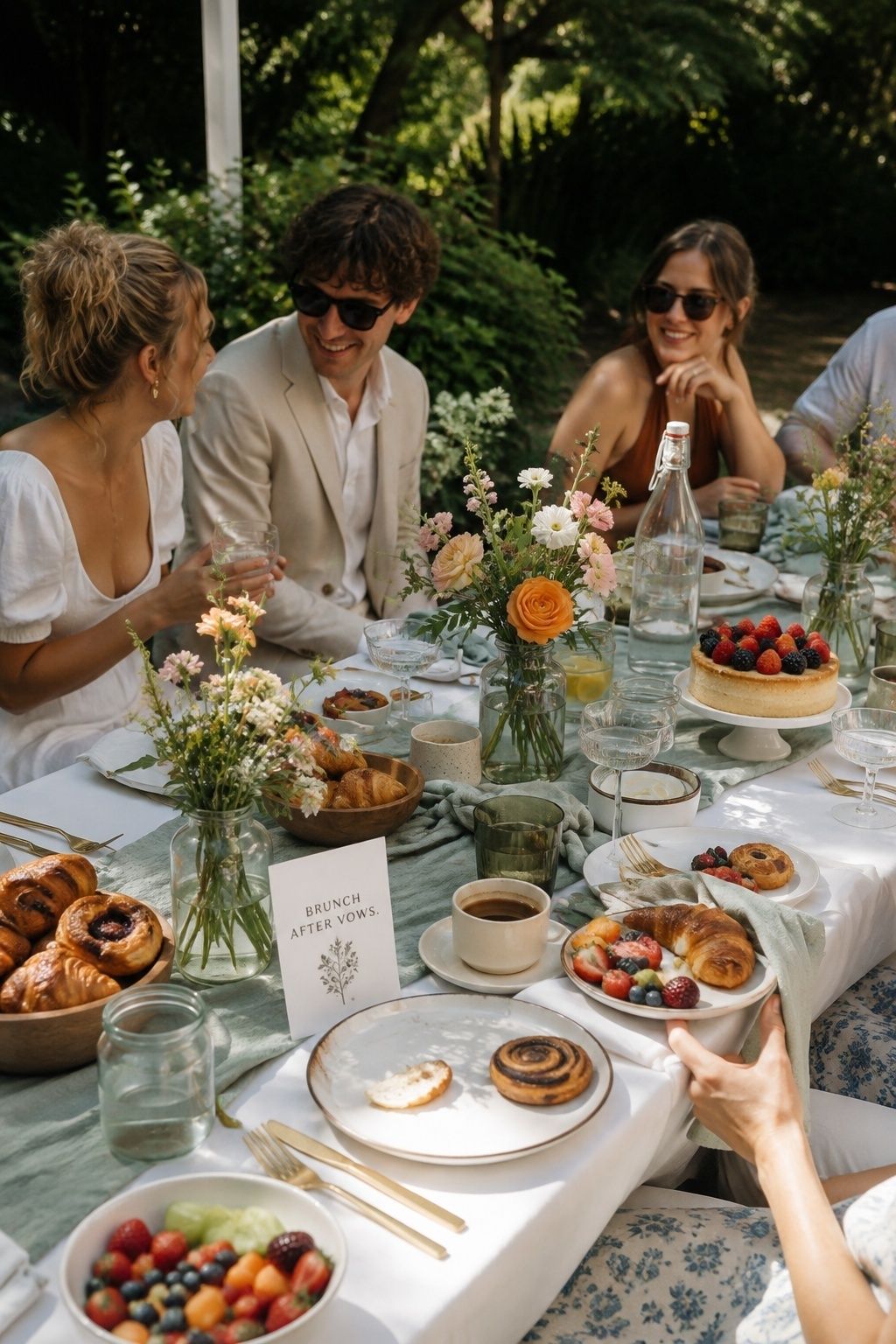
Not every relaxed small wedding idea needs a traditional dinner. Brunch can feel light, happy, and budget-aware. A picnic-style gathering can suit a park, family land, or garden ceremony if weather and permits are handled. A cocktail-style reception can work for a short guest list when there is enough seating, enough food, and a clear end time.
The key is honesty. If guests are standing for part of the event, tell them. If the reception is dessert and drinks instead of a full meal, make that clear on the invitation. Casual does not have to mean vague.
Keep The Ceremony Simple But Complete
A low-key ceremony can be short and still feel moving. Guests usually remember whether they could hear, whether the couple seemed present, and whether the ceremony had enough structure to feel like a real threshold.
Use A Short Structure With A Clear Beginning And Ending
A simple ceremony might include a welcome, a few sentences about the couple, vows, ring exchange, pronouncement, and a kiss. That is enough. You do not need a long script, a wedding party processional, or multiple readings unless they mean something to you.
What you do need is a flow everyone can follow. If you are not using a professional officiant, write the ceremony order down and rehearse the handoffs. Someone should know where the rings are, who holds the vow booklets, when the music starts, and where the couple stands.
Add One Personal Moment
One meaningful detail can make a simple ceremony feel deeply personal. Read private vows aloud, ask a loved one for a short blessing, include a song that belongs to your relationship, or take a quiet pause before walking into the celebration.
This is where a low-key wedding becomes memorable without becoming complicated. Instead of adding ten formalities, choose one moment you will still be glad you protected years from now.
Make Sound, Seating, And Comfort Non-Negotiable
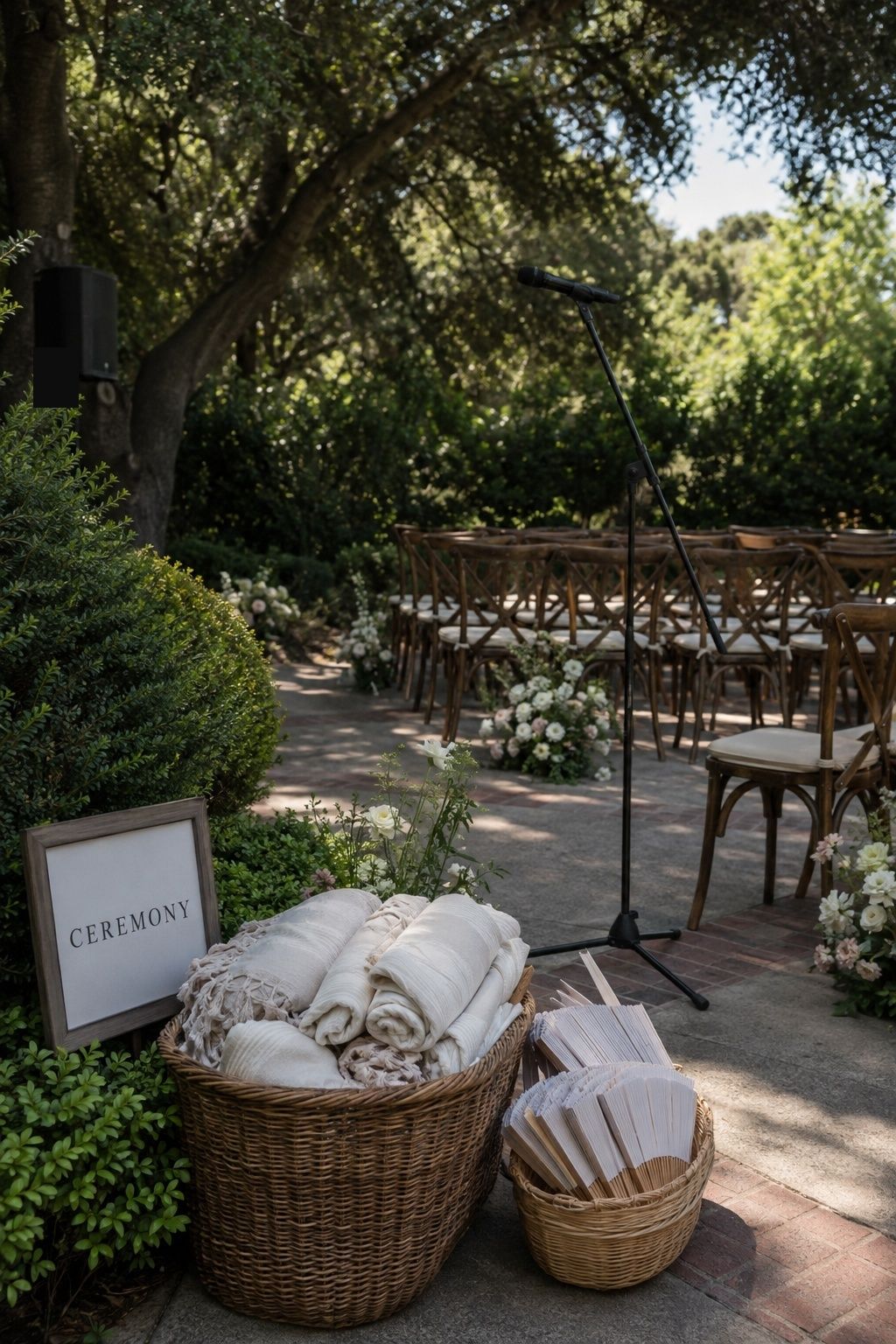
Guest comfort is the difference between relaxed and underplanned. If there are more than a handful of guests, use a microphone or portable speaker. Provide chairs for anyone who needs them, even if most people will stand. Check sun, wind, heat, cold, bugs, and access before deciding that the ceremony will be effortless.
A tiny wedding still deserves to be heard. If guests have traveled, dressed up, and set aside the day for you, the ceremony should let them feel included in the promise they came to witness.
Let The Meal Carry The Reception
For many low-key weddings, the meal is the reception. That is good news. Food gives the day a natural rhythm: arrival, toast, dinner, dessert, conversation, goodbye. You do not need to keep guests busy every minute when the table itself feels generous.
Choose A Simple Intimate Wedding Reception Around Conversation
A simple intimate wedding reception should make it easy for people to talk. Seat guests where they can see each other, keep music at a conversation-friendly volume, and avoid a room layout that separates the couple from everyone else. One shared table or a few close tables often feel warmer than scattered seating.
If you are planning around family dynamics, put a little thought into the seating rather than leaving it completely open. A casual wedding can still benefit from quiet structure, especially when guests do not all know one another.
Serve Food That Matches The Time Of Day
The food does not have to be elaborate, but it should match the invitation. Morning ceremony? Brunch or lunch feels natural. Late afternoon vows? Guests will likely expect dinner or substantial cocktail-hour food. Evening celebration? Plan enough food that no one has to stop for takeout afterward.
Family-style platters, a fixed restaurant menu, wood-fired pizza, a catered supper, brunch boards, or a favorite local bakery dessert can all work. The best choice lets you feel hosted too, instead of managing trays and timing in your wedding clothes.
Keep Drinks And Dessert Easy To Understand
Guests do not need a complicated bar to feel celebrated. Offer a short wine and beer list, one signature drink, sparkling water, coffee, tea, or a thoughtful nonalcoholic option. If there will be a toast, decide who pours, when it happens, and whether glasses are already on the table.
Dessert can be a small cake, a favorite pie, a bakery tray, ice cream, or something tied to the place where you live. Keep the serving plan simple. A beautiful dessert that no one knows how to cut is more stressful than a humble one that appears at exactly the right moment.
Skip Performance Pressure Without Skipping Meaning
Many couples want low-pressure wedding ideas because they do not want to perform their relationship for a crowd. You can remove traditions that feel awkward while still keeping the emotional shape of the day.
Replace A Wedding Party With Helpful Roles
You do not need matching outfits, paired entrances, or a large wedding party if that feels like too much. Instead, give trusted people specific roles: rings, witness signature, family photos, vendor questions, and personal-item pickup.
The clearest way to decide what to skip for a small wedding is to separate meaningful traditions from inherited pressure. The strongest casual weddings are not missing pieces by accident. They are edited with care.
Let Entrances, Speeches, And Dancing Be Optional
No one has to announce you into dinner if walking in quietly feels better. Speeches can be one short toast, a few words from the couple, or none at all. Dancing can be a first song in the living room, a tiny playlist after dessert, or something you skip completely.
When you remove a formal moment, ask what purpose it served. If the purpose was to thank guests, welcome everyone yourself. If it was to signal that dinner is starting, have a host or server make a simple announcement. If it was to create a memory, choose a smaller gesture that feels more natural.
Dress Casually But Clearly
A casual wedding still needs dress-code clarity. Guests are happier when they know whether to wear garden-party dresses, linen suits, dressy casual outfits, jeans, flats, coats, or shoes that can handle grass. Use plain wording on the invitation or wedding website.
Try: “Dressy casual, comfortable for an outdoor dinner,” or “Courthouse ceremony followed by lunch; wear something you feel good celebrating in.” The more relaxed the wedding, the more helpful a little guidance becomes.
Add Personal Details Without Overplanning
A low-key wedding should not have to carry a hundred design choices. A few personal details will do more than a theme if they are close to the life you actually share.
Use Music, Flowers, Photos, And Lighting As Mood-Setters
Choose a playlist that matches the room instead of forcing a party mood. Add flowers where people will notice them: the ceremony spot, the dinner table, a bouquet, or the place where you will take portraits. Use table candles, lamps, string lights, or the restaurant’s existing glow to make the space feel warm as the day changes.
Photos can be simple too. Ask your photographer for a short shot list that covers the ceremony, couple portraits, immediate family, table details, and a few candid guest moments. You do not need a long portrait marathon if your priority is being with your people.
Give Guests One Thoughtful Touch

One guest-aware detail can make a relaxed wedding feel cared for. Write a short note at each place setting, place old family photos near the guest book, offer blankets for an outdoor supper, make a small printed menu, or serve a dessert tied to your first date.
Keep it small enough to finish without resentment. A personal detail loses its charm if it turns the week before the wedding into a craft emergency.
Keep The Logistics Quietly Solid
The calmest weddings usually have more planning underneath than guests can see. That does not mean the day is complicated. It means the important handoffs are handled before anyone is hungry, lost, too warm, or unsure what happens next.
Build A Loose Timeline With Real Anchors
A relaxed wedding timeline only needs anchors: getting ready, first look if any, ceremony, portraits, drinks, meal, toast, dessert, and goodbye. Leave breathing room between them. Small weddings often feel best when the couple has time to greet guests and actually eat.
A small wedding day timeline gives the day enough shape without packing every quiet minute. Then remove anything that does not belong to your format.
Make Arrival, Parking, And Directions Obvious
Guests should not have to guess where to park, which entrance to use, whether the ceremony is outdoors, or how far they will walk. Send one message with addresses, arrival time, parking notes, dress-code reminders, weather details, and a contact person.
This is especially important for private homes, parks, courthouses, and restaurants with multiple entrances. A casual plan feels polished when guests never have to solve the basics alone.
Assign A Point Person For The Day
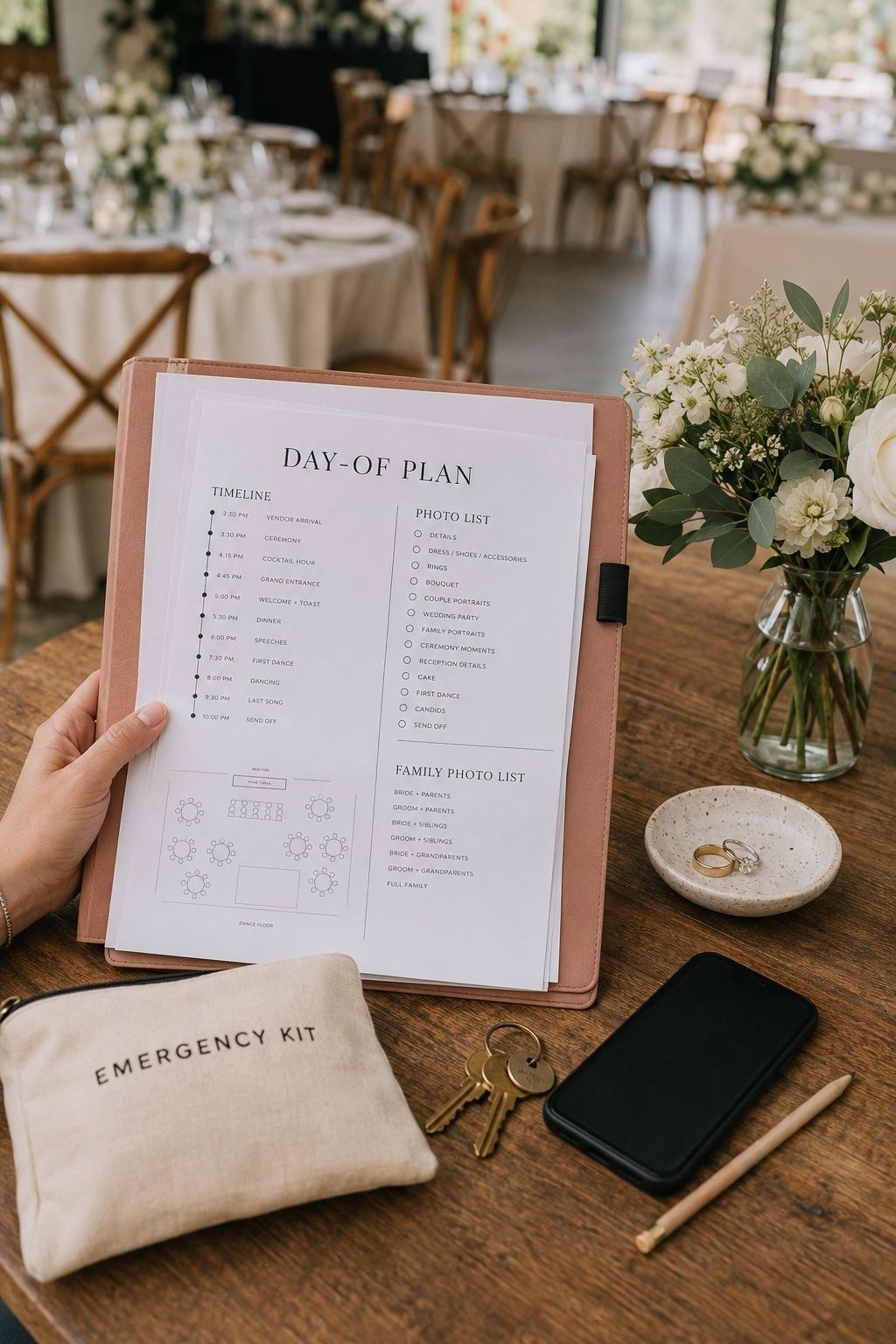
Even a tiny wedding needs one capable person who knows the plan. This person can answer vendor questions, cue the ceremony, watch the timeline, gather people for photos, manage gifts, handle cleanup, and protect the couple from becoming the help desk.
If you are unsure how much structure your day needs, remember that simplifying wedding planning often comes down to the guest list, format, priorities, and emotional boundaries working together.
Low-Key Wedding Planning FAQs
How Do You Plan A Low-Key Wedding That Still Feels Special?
Choose a relaxed format, then add enough care around it to make guests feel hosted. Plan a clear ceremony, good food, comfortable seating, easy directions, one meaningful moment, and a natural way to celebrate afterward. Special does not have to mean formal. It means the day feels intentional.
What Are The Best Low-Key Wedding Ideas For A Small Guest List?
The best options are usually a courthouse ceremony with dinner, a private restaurant room, a backyard supper, brunch after vows, a garden ceremony with cake and champagne, or a dinner-party reception at home. Small guest lists work especially well when conversation, food, and comfort are the center of the celebration.
How Do You Make A Courthouse Wedding Feel Like A Celebration?
Plan the moments around the appointment. Wear something that feels celebratory, bring flowers or vow booklets if you want them, schedule portraits, invite a tiny circle if allowed, and arrange brunch, lunch, champagne, or dinner afterward. The celebration can be simple, but it should have a place to continue.
What Kind Of Reception Works For A Relaxed Wedding?
A relaxed reception works best when it has good food, comfortable seating, a clear flow, and music that allows conversation. Private dining rooms, backyard dinners, family-style meals, brunch receptions, and cocktail-style gatherings can all work if guests know what to expect.
What Can You Skip For A Low-Key Wedding?
You can skip a large wedding party, formal entrances, favors, elaborate stationery, bouquet tosses, garter tosses, a full dance floor, multiple speeches, and complex decor if they do not fit your day. Keep the legal ceremony, guest comfort, food, timing, and communication strong.
How Do You Tell Guests A Wedding Will Be Casual?
Use warm, direct wording on the invitation or wedding website. Tell guests the setting, dress code, meal plan, and mood. For example: “Join us for a casual backyard ceremony and dinner,” or “Courthouse ceremony followed by a relaxed lunch with immediate family.”
How Do You Keep A Casual Wedding From Feeling Underplanned?
Plan the invisible basics: arrival, seating, sound, food, drinks, weather backup, bathrooms, cleanup, timeline, and a point person. Guests do not need a highly formal event, but they do need to feel guided and cared for.
Final Thoughts
Before you add anything else, ask whether the wedding feels relaxed, hosted, personal, and easy to understand. If the answer is yes, you probably do not need more. You need the courage to let the day stay simple.
A low-key wedding can be courthouse vows and a long lunch, a backyard table under lights, a restaurant room full of favorite people, or a brunch that ends with hugs in the parking lot. However you shape it, keep the pressure low and the care visible. For cozy reception pacing, comfortable seating, conversation-friendly music, and meaningful small details, low-key wedding reception planning keeps the focus on a room your guests can settle into and remember warmly.
Last update on 2026-10-05 / Affiliate links / Images from Amazon Product Advertising API