

What wedding traditions can you skip? Skip the customs that feel performative, uncomfortable, expensive, or mismatched with your wedding: bouquet tosses, garter tosses, staged cake cuttings, grand entrances, large wedding parties, matching outfits, receiving lines, long toast lineups, and extra pre-wedding events. Keep or adapt traditions tied to culture, faith, family, guest comfort, or legal requirements.
Wedding traditions get handed to couples like a full suitcase. Some carry family memory, cultural identity, religious meaning, or a tender sense of arrival. Others are simply habits from weddings everyone attended years ago: the bouquet toss, the garter toss, the formal receiving line, the dramatic exit, the cake moment where everyone gathers even though dessert is already plated.
The question is not whether tradition is good or bad. The better question is whether this exact tradition has a real place in this exact wedding. A ritual that feels warm for one couple feels awkward for another. A parent dance feels healing for one family and painful for another. A big wedding party feels joyful for one pair and like a staffing chart for the next.
If that question is sitting in the back of your mind, start with permission. You are allowed to edit. You are allowed to keep the rituals that still have heartbeat and release the ones that only create pressure. The magic is not stored in a checklist. It lives in the promises, the people, the care, and the way the day feels when you are actually present for it.
Recommended Wedding Products


You Might Also Like These Blog Posts
- How To Skip Wedding Traditions Politely When You Still Love Your People
- What To Skip For A Small Wedding Without Missing The Good Stuff
- What Wedding Details Can You Skip Without Regret
- Small Wedding Under $10,000 Without Losing The Magic
- How To Set Wedding Boundaries With Family Before Your Guest List Learns To Multiply
- How To Say No To Expensive Wedding Trends Without Feeling Behind
What Wedding Traditions Can You Skip
Skip wedding traditions that do not honor your marriage, serve your guests, respect your families, or create a memory you actually want. The easiest traditions to skip are the ones guests watch passively, the ones tied to embarrassment or gender roles you dislike, and the ones that interrupt the natural rhythm of the celebration.
A strong wedding does not need every familiar cue. It needs a ceremony that clearly joins you, food and seating that care for guests, a timeline that flows, and moments that feel true. Everything else is optional. That includes tosses, entrances, send-offs, matching outfits, big wedding parties, staged dessert moments, and long lists of speeches.
The only caution is that some traditions hold more meaning than they first appear to hold. Cultural, religious, legal, and family rituals deserve a slower decision. Not because anyone else owns your wedding, but because those choices reach beyond decor and entertainment. They touch identity, grief, gratitude, faith, and family roots.
Think of tradition in three groups. Some traditions are easy skips. Some need a conversation. Some are worth adapting instead of removing. Once you sort them that way, the whole question becomes kinder and clearer.
This also keeps planning from turning into a debate over taste. You are not saying every couple should drop the same customs. You are saying your wedding has limited time, money, attention, and emotional space. A tradition earns its place by adding meaning, ease, welcome, or delight. If it does none of those things, it is allowed to leave quietly.
Couples often feel guilty because a wedding is public. People gather, relatives travel, vendors ask for timelines, and suddenly every missing tradition feels like an announcement. In reality, most guests experience the day in order. They notice what happens, not the invisible checklist behind it. A room with good pacing, enough food, and sincere emotion rarely feels incomplete.
A grounded way to talk about this as a couple is to each choose three nonnegotiable feelings for the day. Perhaps you want reverent, relaxed, and family-centered. Perhaps you want stylish, intimate, and wildly fun. Perhaps you want simple, spiritual, and low-pressure. Traditions that strengthen those feelings move forward. Traditions that fight those feelings get edited.
This matters because two couples often make opposite choices for equally thoughtful reasons. One couple keeps a first dance because it feels romantic and grounding. Another skips it because being watched makes them tense. One couple keeps a cultural ritual in full. Another adapts it with an elder’s blessing. The right answer is the one that respects the people involved and the marriage being celebrated.
Traditions You Can Usually Skip Without Guests Missing Them
These customs often look important from the outside, but guests rarely feel deprived when they are gone. If one of them delights you, keep it. If it drains you, release it without a speech.
Bouquet Toss
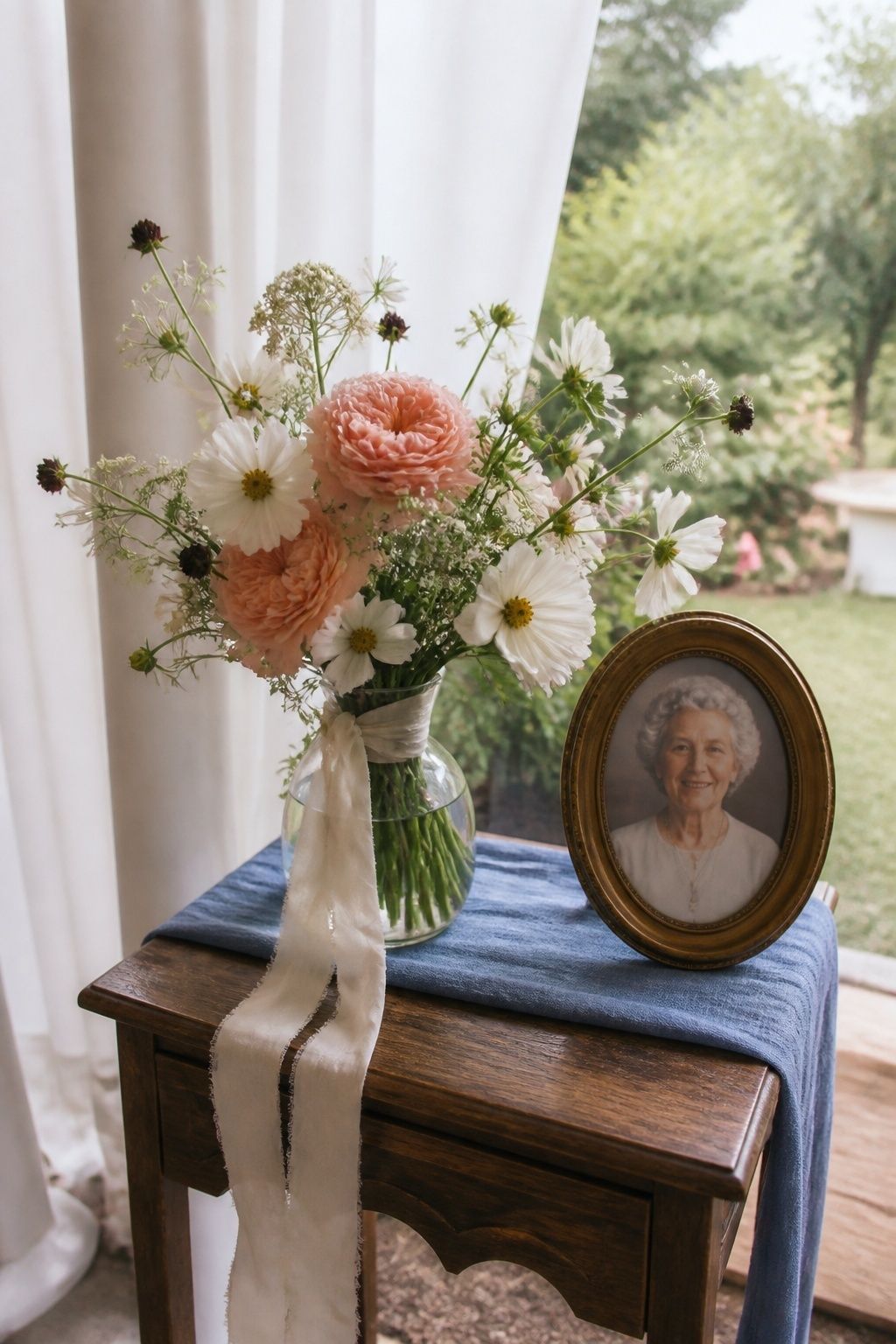
The bouquet toss is one of the simplest wedding traditions to skip. Plenty of guests feel awkward being called onto the floor by relationship status, and many couples dislike the idea of turning single friends into entertainment. If the bouquet itself matters, preserve it, give it to someone dear, or place it at a memory table after portraits.
A softer replacement is a flower dedication. Hand a small bouquet to a grandparent, mentor, sibling, or friend who has shaped your relationship. That keeps the generous spirit of the gesture without making anyone perform.
If your florist is building a toss bouquet by default, remove it from the order early. This is a tiny budget save, but it also prevents someone from handing you flowers at the reception and assuming the moment is about to happen.
Garter Toss
The garter toss is another easy skip, especially when the public removal feels uncomfortable. Guests do not need it for the reception to feel complete. Many modern couples leave it out entirely and no one wonders where it went.
If you want a playful reception moment, choose one that includes guests by choice rather than spotlighting bodies or relationship status. A dance-floor anniversary song, a trivia round about the couple, or a favorite late-night snack reveal feels lighter.
This is a good place to trust your discomfort. If you already dread explaining the garter moment to grandparents, coworkers, younger cousins, or your own wedding party, that is enough information. Weddings do not need humor that makes the couple shrink.
Staged Cake Cutting
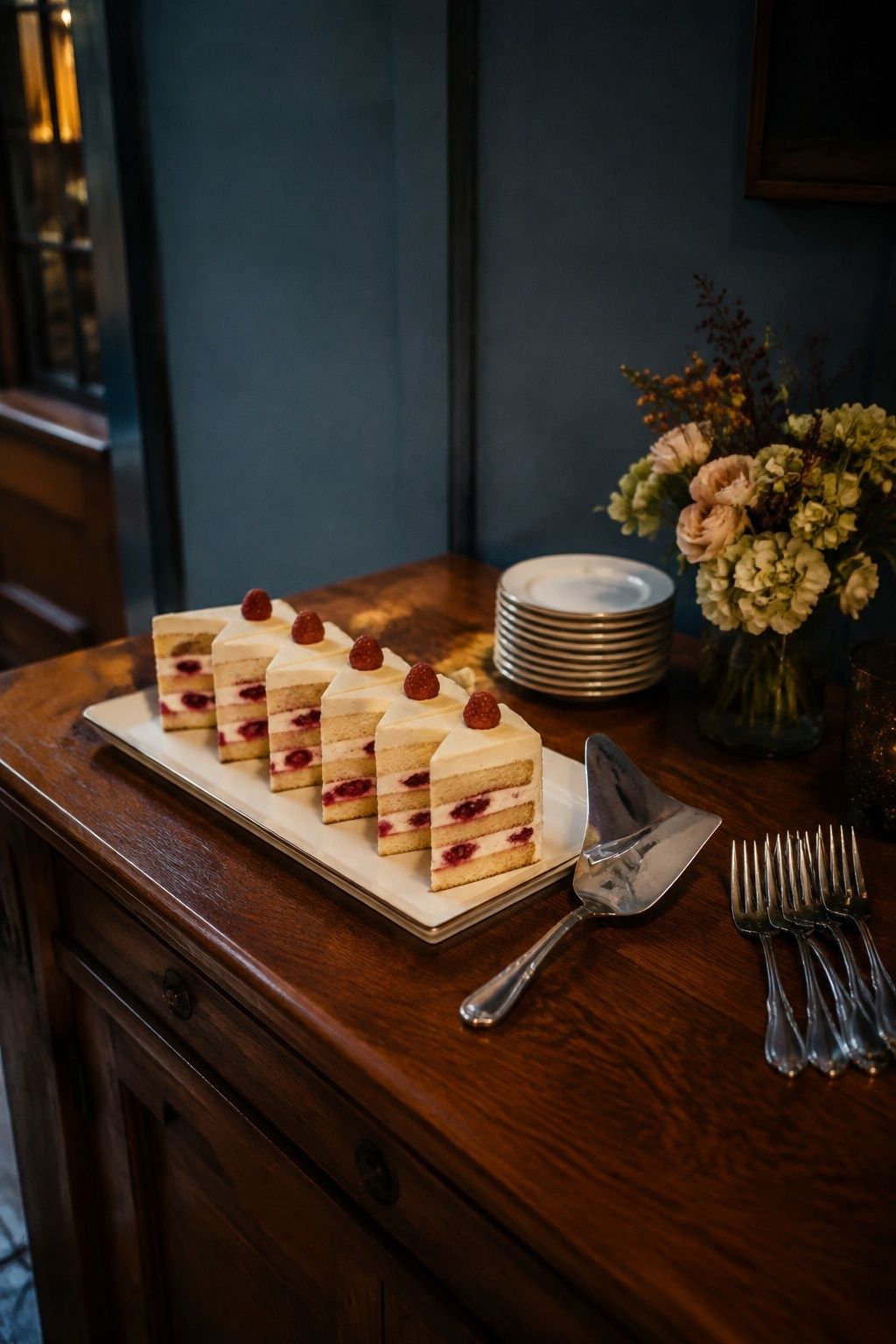
Cake cutting once signaled that dessert was beginning. At many weddings now, catering teams handle dessert smoothly without a public pause. If stopping the party for a staged photo feels stiff, skip the announcement and let dessert arrive naturally.
You still have options. Share a quiet first bite after portraits, cut a small cake with parents watching, serve sheet cake from the kitchen, or choose a dessert table. The celebration does not depend on everyone watching you hold a knife.
Grand Entrance
A grand entrance works beautifully for couples who love applause, music, and high energy. It feels wrong for couples who want a quiet dinner, a small wedding, or a more natural arrival. Guests will settle in just fine if you walk in casually and greet them at cocktail hour.
If the room needs a cue, ask the DJ or planner to announce dinner instead of announcing you. That gives structure without forcing a performance moment.
Flashy Send-Off
Sparkler exits, confetti exits, smoke exits, vintage-car exits, and choreographed departures are lovely in photos, but they are not required. They also add timing pressure, venue rules, cleanup fees, and safety details. If you want to stay until the last song, stay.
A quieter ending works well: a final dance, a last toast, dessert together away from the crowd, or a simple goodbye at the door. Guests remember the warmth of the ending more than the prop.
If photography is the main reason you wanted a send-off, ask for a controlled portrait version earlier in the evening. A handful of close people with sparklers or bubbles during blue hour gives you the image without forcing every guest to wait outside at the end.
Matching Wedding Party Outfits
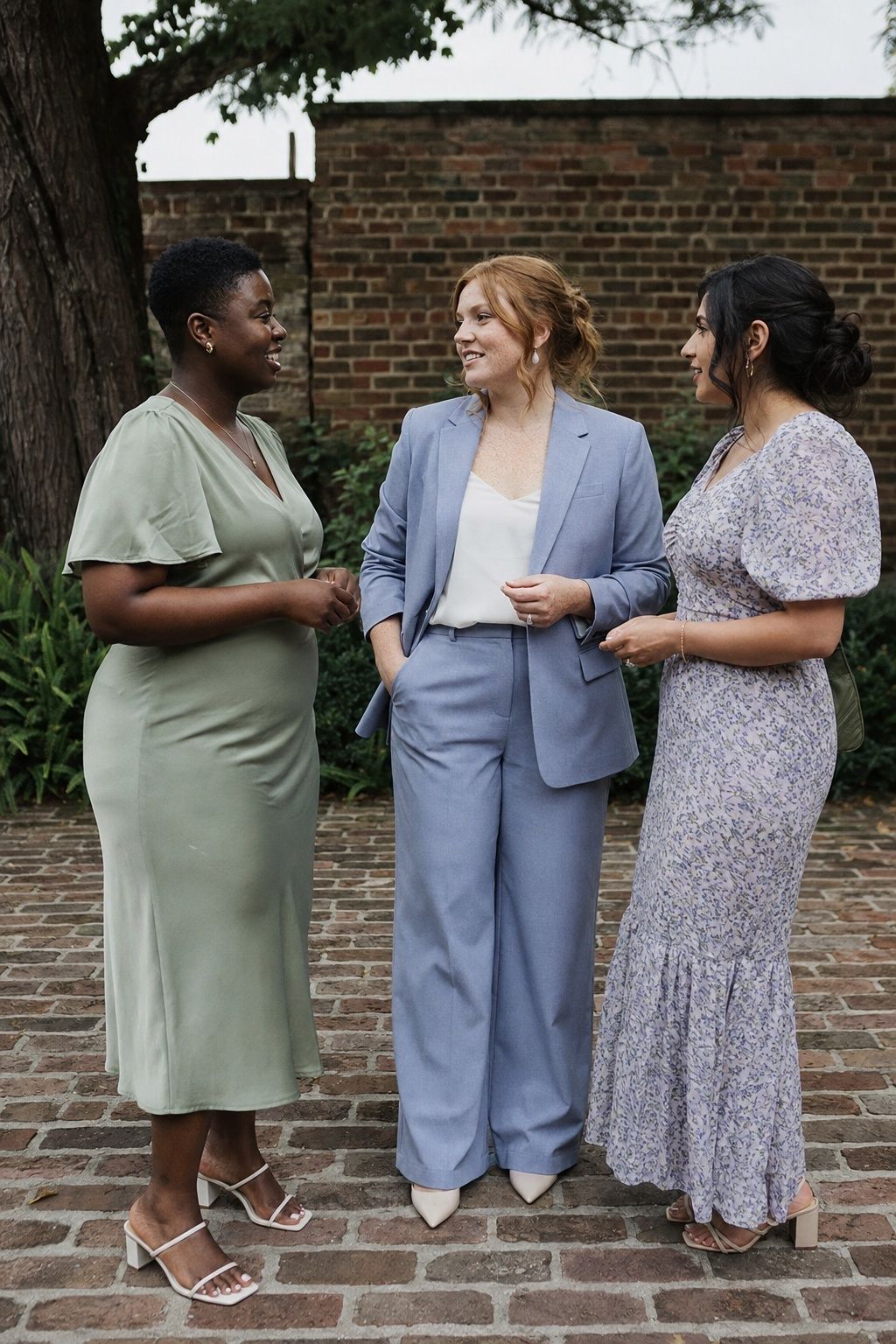
Matching wedding party outfits are optional. Your closest people do not have to look identical to show that they matter. Coordinated colors, a shared palette, or a simple dress code often feels more relaxed and more flattering.
This is especially freeing when attendants have different budgets, body types, gender expressions, or style needs. Give a clear color family and let them choose outfits they will actually wear.
Large Wedding Party
A large wedding party is not proof that you are loved. It often means more schedules, more outfits, more bouquets, more nerves, and more ceremony logistics. Choose one attendant each, siblings only, two witnesses, or no wedding party at all.
Friends still receive honor through getting-ready time, reserved seats, a toast, a ceremony blessing, or a small dinner before the wedding. The role does not have to be formal to be meaningful.
Receiving Line
Receiving lines are efficient for very formal weddings, but they often feel stiff at intimate celebrations. If you would rather speak to guests during cocktail hour or visit tables during dinner, skip the line.
The key is still greeting people. Skipping the line should not mean disappearing all night. Build in a real window to say hello, hug relatives, and thank guests for coming.
For a very small wedding, this often feels more natural than a line. Move from table to table between courses, greet guests at the bar, or stand together after the ceremony for informal hugs. The point is connection, not the exact format.
Formal Toast Lineup
You do not need speeches from every parent, sibling, wedding party member, and friend. Too many toasts turn attention away from the couple and test guest patience. Two or three short, thoughtful speakers usually carry the emotion better than a long lineup.
Offer other moments for people who want to speak: rehearsal dinner, welcome party, morning-after brunch, letters, or personal cards. A shorter reception toast plan often feels more gracious.
Multiple Pre-Wedding Events
Engagement parties, showers, bachelor and bachelorette trips, welcome parties, rehearsal dinners, brunches, and after-parties often become a second wedding season around the wedding. If your calendar, budget, or friendships feel stretched, simplify.
Keep the events that have clear purpose and warmth. Skip the rest without guilt. Your marriage does not need a marathon of gatherings to feel celebrated.
This is especially true when guests are already spending money on travel, hotels, clothing, childcare, and gifts. A single beautiful wedding day, or one relaxed welcome drink before it, often feels more generous than a crowded weekend where everyone is tired before the ceremony even begins.
Traditions To Think Twice Before Skipping
Some wedding traditions are still optional, but they deserve extra care because someone in the room could experience the change as loss. This does not mean you must keep them. It means the decision needs more tenderness.
Cultural Or Religious Rituals
Cultural and religious rituals often carry history bigger than the wedding timeline. A tea ceremony, chuppah, baraat, lasso, crowns, jumping the broom, henna gathering, family blessing, handfasting, candle lighting, or prayer honors lineage and faith. If you are unsure whether to keep one, ask elders, clergy, or relatives what the ritual means before deciding.
Adapting is often respectful. Hold a smaller version, move it to a family-only gathering, shorten the language, invite one elder to explain it, or combine traditions from both families. The goal is not a performance of heritage. The goal is a sincere gesture that feels honest.
If partners come from different backgrounds, talk about this early and with humility. One person could view a ritual as optional because they did not grow up with it. The other could view it as a rare chance to honor grandparents, language, migration, faith, or family survival. Slow conversation protects both people from dismissing something they do not fully understand yet.
It is also fair to set boundaries around rituals that feel painful, exclusionary, or no longer aligned with your values. Respect does not require pretending. A careful adaptation keeps the part that honors family while removing the part that harms, embarrasses, or misrepresents you.
When you are unsure, ask better questions. Which words, objects, people, or gestures are essential? Which elements have flexibility? Who would feel honored by seeing it included? Who would feel hurt by seeing it changed? Those answers do not dictate your decision, but they make the decision more humane.
Parent Or Family Moments

Parent walks, parent dances, family photos, blessings, memorial tables, and getting-ready invitations often carry emotional weight. If you skip or change one, tell the affected people ahead of time. Public surprise is what turns a simple decision into hurt.
Adapt family moments without handing over the whole wedding. A parent dance becomes half a song. A walk down the aisle includes both parents, a sibling, chosen family, or no escort. A memorial table becomes a flower on a chair or a quiet visit to a grave earlier in the week.
Complicated family relationships deserve even more care. If a parent is absent, estranged, divorced, grieving, or unsafe, you do not have to recreate a traditional role for the sake of appearances. Choose the arrangement that lets you enter the ceremony with steadiness. That could mean walking alone, walking together as a couple, or inviting someone who has been a true shelter in your life.
For divorced or blended families, clarity is kindness. Decide where parents sit, who walks with whom, who appears in which photos, and which moments are shared or separate. A skipped tradition sometimes prevents tension, but only if the replacement plan is clear enough that no one has to improvise while emotions are high.
Guest Comfort Traditions

Guest comfort traditions are the ones that make people feel oriented and cared for: clear invitations, accurate timing, seating, food, water, shade, warmth, transportation details, accessible restrooms, sound, and a gracious welcome. These are not flashy customs, but they protect the mood of the day.
If you are skipping a familiar structure, replace the clarity. No seated dinner? Tell guests what food to expect. No dancing? Set that tone in the schedule. Short ceremony? Make the gathering around it feel intentional. Nontraditional is charming when guests still feel considered.
Comfort also includes emotional ease. If you skip speeches, let close family know there will not be an open mic. If you skip a formal exit, tell the photographer what the final photo moment will be. If you skip a wedding party, give siblings and close friends clear arrival details so they do not wonder whether they missed a role.
Think about older guests, disabled guests, pregnant guests, sober guests, children, and anyone traveling alone. A nontraditional reception without enough chairs, water, lighting, signage, or schedule clarity feels less like freedom and more like confusion. Guest care is where a modern wedding still benefits from old-fashioned thoughtfulness.
Legal Ceremony Requirements
Legal requirements are not traditions. They are the part of the wedding that makes the marriage official in your location. Rules differ, so confirm license timing, officiant authority, witness requirements, signatures, filing steps, and any required declarations before the wedding day.
Keep the legal wording brief, but do not accidentally remove something required. If your symbolic ceremony is separate from the legal signing, make sure everyone involved knows which moment is official and which moment is ceremonial.
This is one place where romance and logistics need to shake hands. A ceremony remains deeply personal, but the license still needs the correct signatures and filing. Put one reliable person in charge of the document after signing so it does not vanish into a tote bag during portraits or dinner.
How To Decide What To Keep, Adapt, Or Skip
The cleanest decision system is simple: ask what a tradition is meant to do, who it serves, whether it fits your scale, and whether a replacement would feel better. You are not grading other weddings. You are shaping yours.
Ask What The Tradition Is Supposed To Do
Every tradition has an original purpose, even when that purpose has faded. The bouquet toss once symbolized luck. The cake cutting signaled shared provision. A receiving line made sure every guest met the couple. A parent dance created public gratitude. Ask what the tradition is trying to hold.
If you still want that feeling, keep or adapt the ritual. If the purpose no longer fits, skip it. This keeps the choice from sounding like rejection and turns it into thoughtful editing.
For example, if the purpose of a first look is calm, choose a quiet meeting before the ceremony. If the purpose is photography efficiency, choose family portraits before guests arrive. If the purpose does not matter to you at all, seeing each other at the aisle is completely fine.
The same test works for reception customs. If the purpose of a grand entrance is energy, start dinner with upbeat music. If the purpose of favors is gratitude, write a warm thank-you in the program or send cards after the wedding. Once the purpose is clear, the format becomes flexible.
Ask Who Benefits From It
Some traditions benefit the couple. Some benefit guests. Some benefit parents. Some mostly benefit vendors, photos, or the idea of what weddings are supposed to look like. Be honest about who receives the joy and who pays the cost in money, time, attention, or emotional energy.
If a tradition gives deep joy to someone you love and costs very little, it deserves consideration. If it gives minor satisfaction to others while making you dread your own wedding, move it lower on the list.
This question is especially clarifying for money choices. A sparkler exit mainly benefits photos. A shuttle benefits guests. A unity ritual honors parents who want to see family faith included. A vow book kept at home benefits you for decades. Different benefits are valid, but they should be named honestly.
Ask Whether It Fits A Small Wedding
Small weddings change the feel of traditions. A grand entrance for twenty guests often feels exaggerated. A receiving line for thirty people is often unnecessary. A huge wedding party overwhelms the ceremony. A long toast lineup swallows the dinner.
At a small wedding, intimacy is already doing much of the work. You do not need to add formal cues just because larger weddings use them. Let the scale teach you what the day needs.
For twenty guests, a welcome speech by the couple often feels warmer than a grand entrance. For forty guests, table visits replace a receiving line. For a restaurant wedding, one excellent meal replaces almost every reception performance. Small weddings are not missing the big-wedding script. They are operating by a different rhythm.
Create A Better Replacement Only If You Want One
You do not owe every skipped tradition a replacement. No bouquet toss simply means no bouquet toss. No cake cutting simply means dessert is served. No wedding party simply means your closest people sit in the front row.
Create a replacement when the emotional purpose still matters. Replace a parent dance with a quiet dance during portraits. Replace a guest book with recorded voice messages. Replace favors with late-night cookies. Replace a formal unity ritual with personal vows. Keep it because it feels right, not because absence makes you nervous.
A good replacement is usually simpler than the original. It should not create a new set of errands, props, rehearsals, and explanations. If the alternative starts to feel heavier than the tradition, let both go. Empty space in the timeline becomes conversation, dancing, dinner, or a few quiet minutes together.
Couples sometimes invent replacements because silence feels awkward on paper. The actual wedding day is different. Guests talk, servers move, music plays, candles flicker, and people settle into the room. A missing toss or announcement rarely creates a gap. It often creates relief.
How To Tell Family You Are Skipping A Tradition
Family conversations go better when you sound warm, specific, and settled. Avoid insulting the tradition. Avoid asking for permission if the decision is already made. Avoid long explanations that give people more places to argue.
Try this shape: name the decision, name the care behind it, offer the part they still have. For example: We are keeping the ceremony simple and skipping a formal wedding party, but we would love you in the front row with us. Or: We are not doing a bouquet toss, but I am saving a small bouquet for Grandma because that feels more personal.
When a parent is disappointed, acknowledge the feeling without reversing the decision. Try: I know you pictured that moment. We understand why it matters to you. We chose a quieter version that fits us, and we still want you close that day.
If money is involved, be extra clear. A financial gift does not automatically buy control of the ceremony, but it does call for early honesty. Say what you are grateful for, what the gift covers, and which choices remain yours as a couple.
Use specific scripts when the conversation feels tense. For a parent dance: We are not doing formal dances, but we would love a few photos together right after dinner. For a ceremony ritual: We talked about it carefully and chose a shorter blessing that still honors the meaning. For a wedding party: We are keeping the aisle simple, and you are still one of the people we want closest to us that morning.
If relatives keep pushing, repeat the same sentence. New explanations often create new arguments. A calm repeat works better: We understand this is different from what you pictured. This is the choice we made, and we are excited to celebrate with you. Warm does not have to mean negotiable.
Partners should also decide who speaks to whom. In most cases, each person should handle their own family of origin for emotional topics. That keeps one partner from becoming the messenger for decisions a parent already dislikes. It also shows that the couple is aligned.
If a family member responds with guilt, do not argue with every detail. Try: I hear that this feels disappointing. We are not trying to erase what matters to you. We are choosing the version that feels right for our marriage. Then move the conversation toward what they will enjoy: photos, dinner, a blessing, a toast at another gathering, or time together that day.
If someone says guests will think the wedding is strange, bring the focus back to hospitality. Guests will know where to go, they will be fed, they will understand the ceremony, and they will feel welcomed. That is the standard. Familiar rituals are lovely when chosen, but they are not the only way to host well.
What To Do Instead
Instead of a bouquet toss, give flowers to someone meaningful, invite all guests to the dance floor, or set a small bloom at each place setting. Instead of a garter toss, choose a playful song, a photo booth moment, or a quick toast to friends who traveled.
Instead of a staged cake cutting, serve dessert family-style, open a dessert table, pass tiny cakes, or share a quiet slice together. Instead of a grand entrance, join cocktail hour, walk in with your guests, or begin dinner with a simple welcome.
Instead of a large wedding party, invite chosen people to get ready with you, reserve front-row seats, list them in the program, or ask them to witness the license. Instead of matching outfits, offer a palette and let each person dress with dignity.
Instead of a receiving line, visit tables during dinner. Instead of many pre-wedding events, host one relaxed gathering. Instead of a formal toast lineup, ask for letters and choose one or two speakers. Instead of a flashy send-off, end with a final song, a last dance with the room cleared, or a quiet walk outside together.
Instead of traditional vows in front of everyone, exchange personal vows before the ceremony and use a shorter public promise. Instead of walking down the aisle with an escort, walk together as a couple. Instead of a unity candle, blend a drink, plant a tree, tie a ribbon, share a family prayer, or sign a keepsake book.
Instead of asking guests to sit through a long ceremony, make the ceremony concise and add meaning through music, vows, or a single blessing. Instead of a strict seating chart, use assigned tables with open seats. Instead of a formal guest book, ask guests to leave voice messages, Polaroids, recipe cards, marriage advice cards, or short letters.
The best alternatives fit the gathering you are hosting. A backyard wedding often calls for family-style dinner and porch music. A courthouse wedding often calls for a beautiful lunch and handwritten vows. A ballroom wedding often keeps a few formal cues because they suit the space. Alternative does not always mean casual. It means chosen.
Traditions also move to a different time. A parent dance happens before guests enter. Family blessings happen at the rehearsal dinner. Letters are exchanged the morning of the wedding. A memory moment happens during portraits instead of during the ceremony. Moving a tradition sometimes preserves the meaning better than forcing it into the public timeline.
Mistakes To Avoid
The first mistake is skipping traditions only because you feel irritated. Frustration is real, but it does not always point to the best choice. Pause long enough to separate the tradition from the pressure around it. You could dislike the full version but love a smaller one.
The second mistake is mocking customs that matter to other people. A tradition that feels outdated to you could be beloved to a parent, grandparent, faith community, or friend. Choose differently without making their memories feel foolish.
The third mistake is removing guest-care structure. Nontraditional weddings still need clear timing, food, seating, sound, weather planning, and basic comfort. Skipping the expected shape works best when the new shape is easy to follow.
The fourth mistake is surprising family in public. If someone reasonably expected a role, tell them before the day. That does not mean opening the decision for a vote. It means showing enough respect to avoid a public sting.
The fifth mistake is filling every absence with a new idea. Simpler does not need to be empty. It feels calm, elegant, and emotionally full when the choices that remain are chosen with care.
Another mistake is letting vendors quietly reinsert traditions. DJs, photographers, caterers, planners, officiants, and venue teams often work from standard timelines. Give them the exact omissions in writing: no tosses, no garter, no cake announcement, no grand entrance, no open mic, no staged exit. Clear vendor direction protects the mood you chose.
Finally, do not wait until the wedding week to settle emotional choices. Tradition questions touch family memory, and tired people do not negotiate well. Decide early, communicate kindly, and then let the final weeks be about presence rather than defending every edit.
A quieter mistake is assuming every tradition costs the same emotionally. Skipping favors is not the same as skipping a faith ritual. Skipping a sparkler exit is not the same as changing who walks you down the aisle. Give each decision the level of care it deserves, and save your energy by not over-treating the tiny ones.
Also avoid making choices to prove you are nontraditional. A wedding built entirely against expectation becomes just as rigid as a wedding built entirely by expectation. Keep the first dance if you love it. Wear the veil if it delights you. Cut the cake if that photo makes you smile. Freedom means you are not trapped by tradition or by rebellion.
FAQ
What wedding traditions can you skip?
Skip the bouquet toss, garter toss, staged cake cutting, grand entrance, flashy send-off, matching wedding party outfits, large wedding party, receiving line, long toast lineup, and multiple pre-wedding events. Think twice before skipping cultural rituals, religious rituals, parent moments, guest comfort customs, and legal ceremony requirements.
Is it rude to skip wedding traditions?
It is not rude to skip wedding traditions when you still care for guests and speak kindly to the people affected. Rudeness usually comes from poor communication, public surprises, or dismissive language. A thoughtful omission is different from careless hosting.
Which wedding traditions are outdated?
Traditions often described as outdated include the garter toss, bouquet toss by relationship status, gendered wedding party rules, strict matching outfits, cash dances in some circles, and pressure for parents to pay or control the day. Outdated does not mean forbidden. It means you get to decide whether the custom still fits your values.
How do you tell family you are skipping a tradition?
Tell family with calm, settled wording. Say what you decided, why it fits the wedding, and what meaningful role remains. For example: We are skipping the receiving line so we have more time with each table at dinner. We are excited to sit with you and take family photos right after the ceremony.
What wedding traditions are worth keeping?
Wedding traditions worth keeping are the ones with meaning, hospitality, or legal importance. Vows, rings, cultural rituals, faith blessings, parent moments, family photos, good food, clear timing, and sincere thank-yous often matter more than reception performances.
What can you do instead of traditional wedding rituals?
Create smaller, more personal alternatives: personal vows, flower dedications, table visits, family blessings, memory displays, guest book recordings, dessert tables, front-row honors, short curated toasts, or a final dance. Choose an alternative only when it adds feeling rather than pressure.
Final Thoughts
The loveliest weddings are not the ones that obey every tradition. They are the ones where the couple made careful choices and the guests felt welcomed into something real. Keep the customs that deepen the promise. Adapt the ones that still have meaning but need a softer shape. Skip the ones that make you feel like actors in someone else’s wedding.
You are allowed to build a day that feels reverent, joyful, simple, stylish, tiny, communal, formal, relaxed, or all of those at once. The magic is not lost when a tradition leaves. Sometimes it returns more clearly when the day has room for the people and promises at the center.
Last update on 2026-10-05 / Affiliate links / Images from Amazon Product Advertising API