

How to plan a wedding with 20 guests starts with choosing the inner circle first, then building a ceremony, meal, timeline, budget, and seating plan around the people who will actually be in the room. Keep the day hosted, personal, and comfortably paced instead of trying to shrink a large wedding into a smaller headcount.
Twenty guests gives you the rare chance to make a wedding feel deeply personal without losing the sense of occasion. The choices are more visible at this size: where people sit, how they arrive, who speaks, when food appears, and whether the day feels guided or improvised.
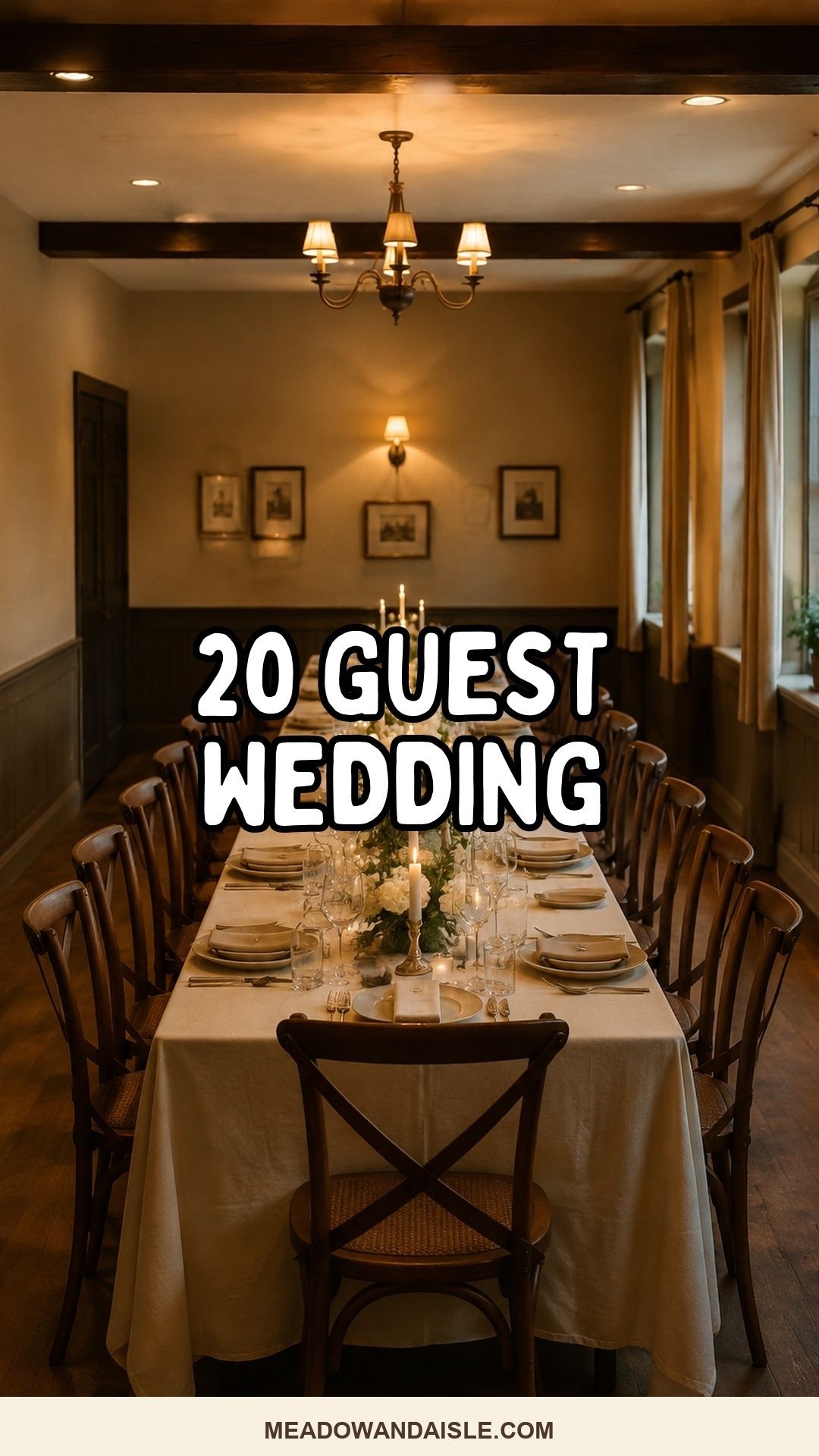
The best small celebrations do not need much noise. They need a clear reason for gathering, a room that fits the group, generous hosting, and a few beautiful signals that tell your guests this is a wedding, not simply dinner after vows.
Recommended Wedding Products


![The Knot Ultimate Wedding Planner [Revised Edition]: Worksheets, Checklists, Etiquette, Timelines, and...](https://meadowandaisle.com/wp-content/plugins/aawp/public/image.php?url=YUhSMGNITTZMeTl0TG0xbFpHbGhMV0Z0WVhwdmJpNWpiMjB2YVcxaFoyVnpMMGt2TlRGRmVVRnBablp0Tmt3dVgxTk1NVFl3WHk1cWNHYz18MTc5MTI3ODUwMg=)

You Might Also Like These Blog Posts
- How To Plan A Wedding With 50 Guests Without Losing The Intimate Feeling
- Small Wedding Venues For 20 Guests Without Losing The Wedding Feeling
- How To Plan A Wedding With 30 Guests Without Overbuilding The Day
- Intimate Wedding Venues For 20 Guests That Feel Beautifully Personal
- How To Plan A Wedding Around Your Values Without Losing The Plot
- How Long Does It Take To Plan A Wedding Without Losing Your Mind
A calmer way to learn how to plan a wedding with 20 guests
A 20-guest wedding works best when you stop measuring it against a ballroom celebration. You are not planning less of a wedding. You are planning a closer one, where every guest can hear the vows, recognize the emotion in the room, and feel personally included in the meal that follows.
Choose the people before you choose the place
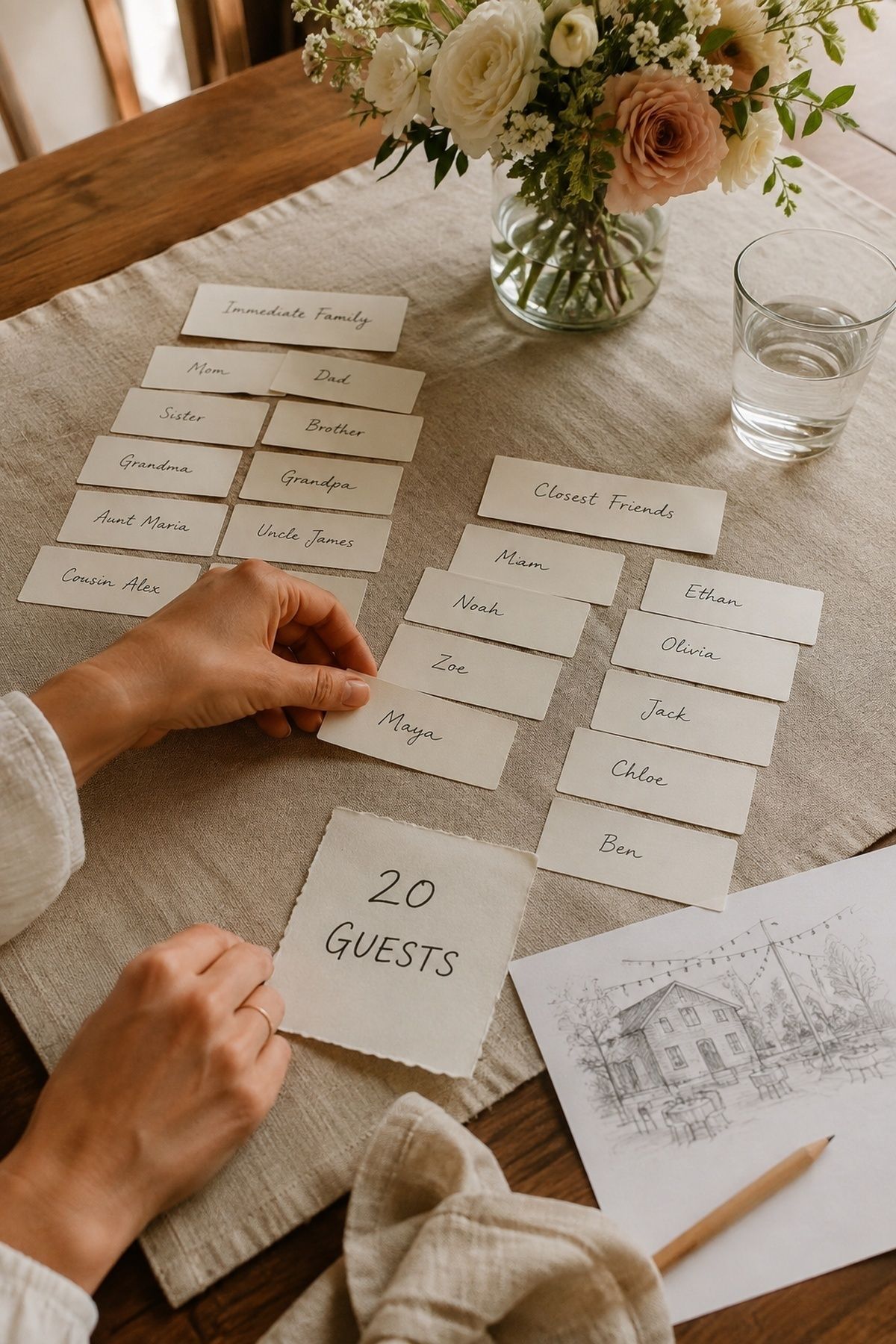
Start with the people you would want beside you during a private, meaningful day: immediate family, chosen family, and the friends who know your relationship beyond social updates. At this size, the guest list is not background admin. It is the emotional architecture of the wedding.
One extra invitation changes five percent of the room, so decide early how you will handle partners, children, and obligation invites. A clear rule can feel gentler than weeks of case-by-case exceptions, especially when both families are watching the same small number of seats.
Balance the list with care, not perfect arithmetic
A simple split of 10 guests per partner can be a useful first draft, but real families rarely divide themselves neatly. If one partner needs more seats for immediate family, balance the day in other ways: ceremony roles, toast choices, getting-ready support, or who sits closest during dinner.
What matters is that neither person feels like a guest at the other person’s family event. A 20-person wedding should feel like the couple’s shared circle, even if the exact numbers are uneven.
Pick a setting that makes twenty people feel gathered

The right space can make 20 guests feel abundant. The wrong space can make the same group feel scattered, quiet, or swallowed by empty corners. Look for rooms that already hold intimacy well: private dining rooms, inns, garden rooms, courthouses, chapels, rooftops, tasting rooms, historic parlors, libraries, or a home that truly supports hosting.
Let the reception format do some of the planning
A private dinner is often the easiest format for 20 guests because the meal naturally carries the reception. You can have the ceremony in the same room, nearby in a garden, earlier at a courthouse, or in a small chapel before everyone moves to dinner.
This works beautifully when guests understand the flow. Tell them when to arrive, where the ceremony happens, when drinks begin, how dinner will be served, and whether the evening has a planned ending. Small weddings feel relaxed when someone has quietly done the thinking.
Price the practical side of a backyard wedding
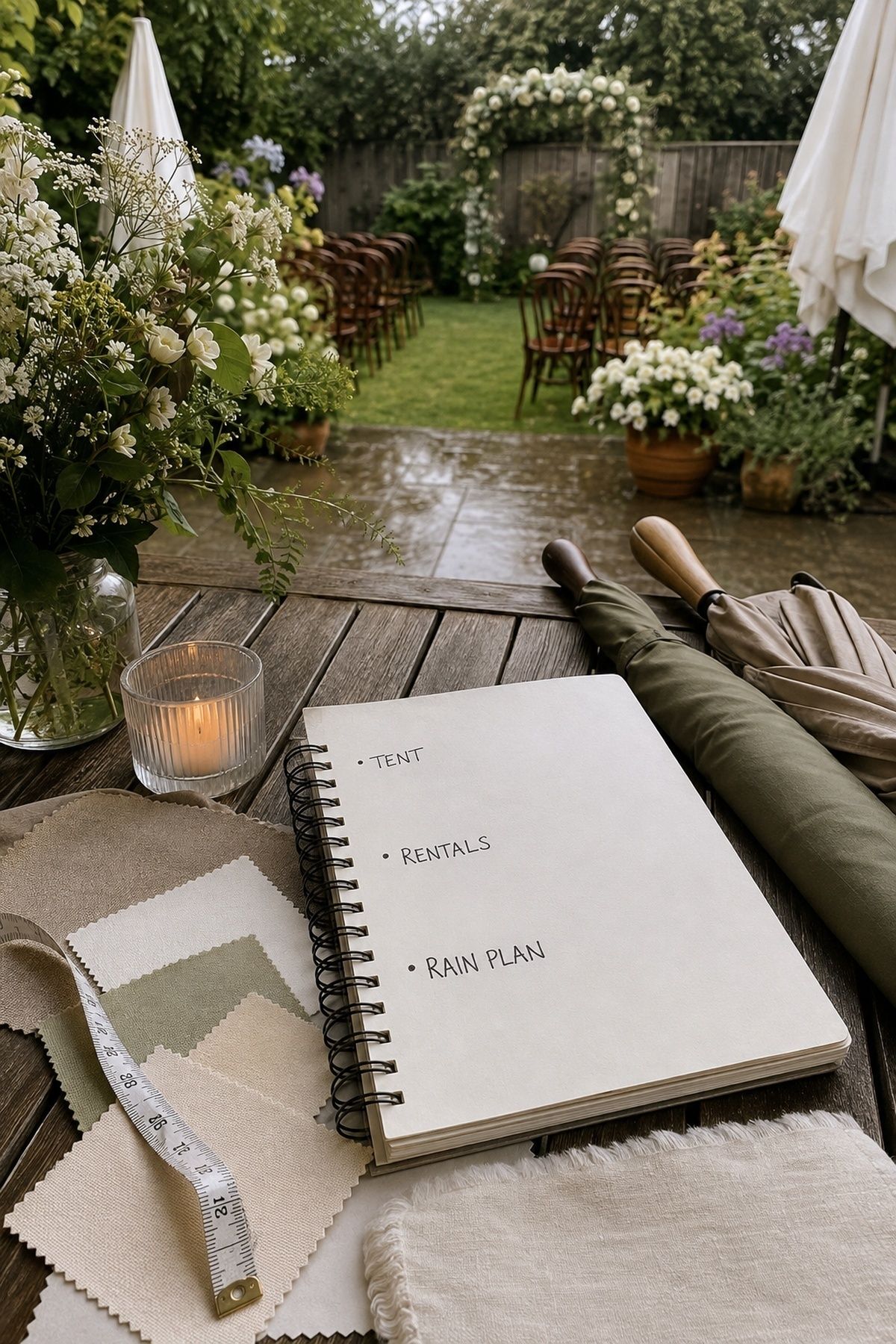
A backyard can be intimate and deeply personal, but it should be priced honestly before it becomes the plan. Tables, chairs, linens, bathrooms, lighting, weather cover, parking, food service, cleanup, power, and trash removal can turn a simple idea into a full rental project.
If the home already supports hosting, a backyard table can feel wonderfully warm. If it needs everything brought in, compare the true cost with a restaurant room, inn, community space, or chapel plus dinner. Meaning is valuable, but so is ease.
Build the budget around fixed costs and guest comfort
A smaller guest list can lower food, drink, invitation, rental, cake, favor, and transportation costs. It does not remove every wedding expense. The marriage license, attire, rings, photographer, officiant, beauty, flowers, music, and coordination may cost the same whether you invite 20 or 80.
Separate fixed, per-guest, and flexible costs
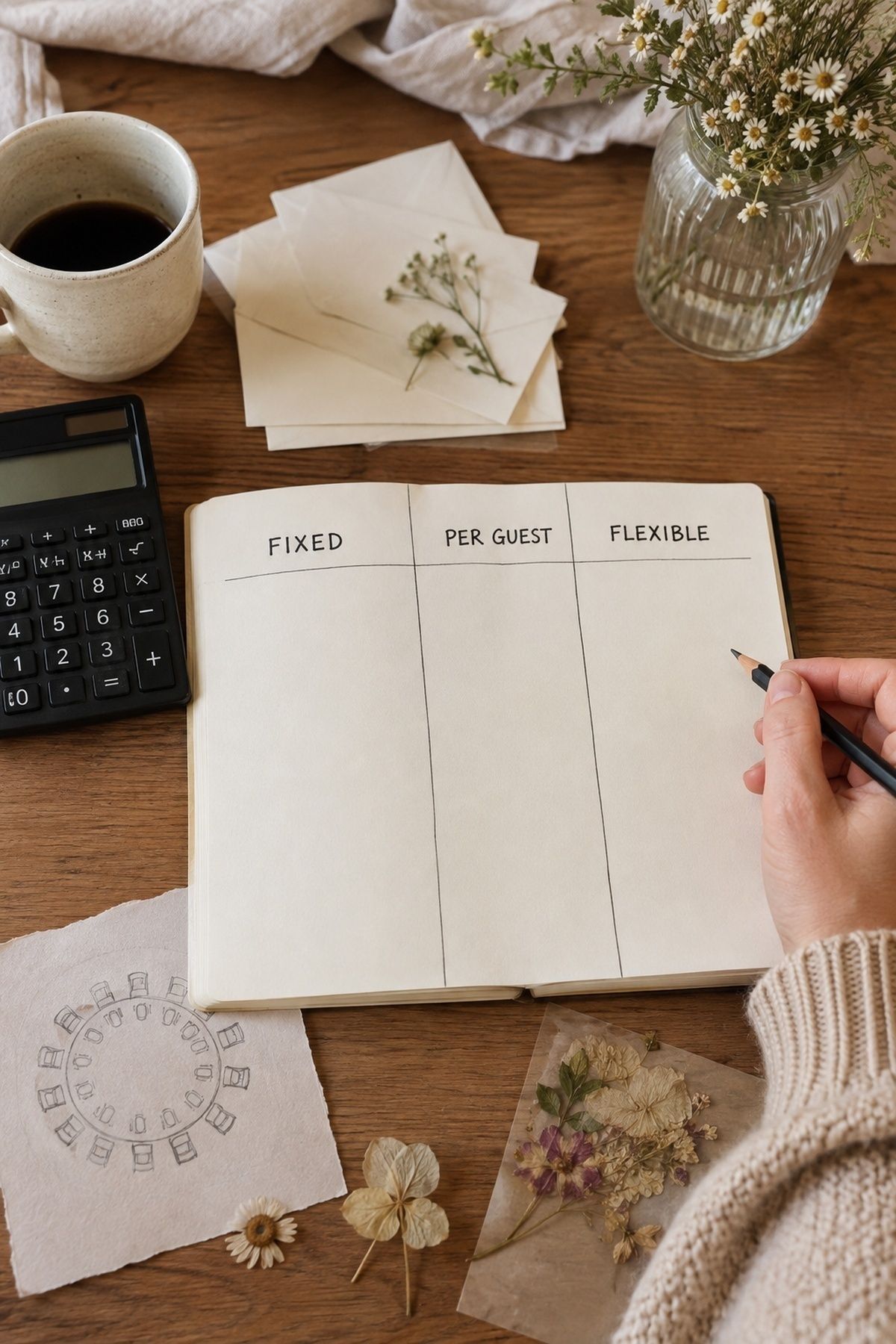
Make three budget columns before you start trimming. Fixed costs need real quotes. Per-guest costs need a firm headcount. Flexible costs need priorities, such as better food, more comfortable chairs, nicer flowers, stronger photography, or a room that already feels finished.
This keeps the budget from becoming one anxious pile. It also helps you see where 20 guests gives you freedom. You may spend less overall, or you may spend intentionally on the few details every person will notice.
Ask vendors what changes at this guest count
Minimums matter. A venue may have a food-and-beverage minimum, a florist may have a weekend minimum, and a photographer may require a certain number of hours. Ask what actually changes for 20 guests before assuming the number will automatically make everything inexpensive.
If a space is built for 60, you may be paying for capacity you will not use. That can still be worth it when the room is beautiful and service is strong, but it should be a conscious choice, not a surprise in the contract.
Hire support where the day would otherwise feel fragile
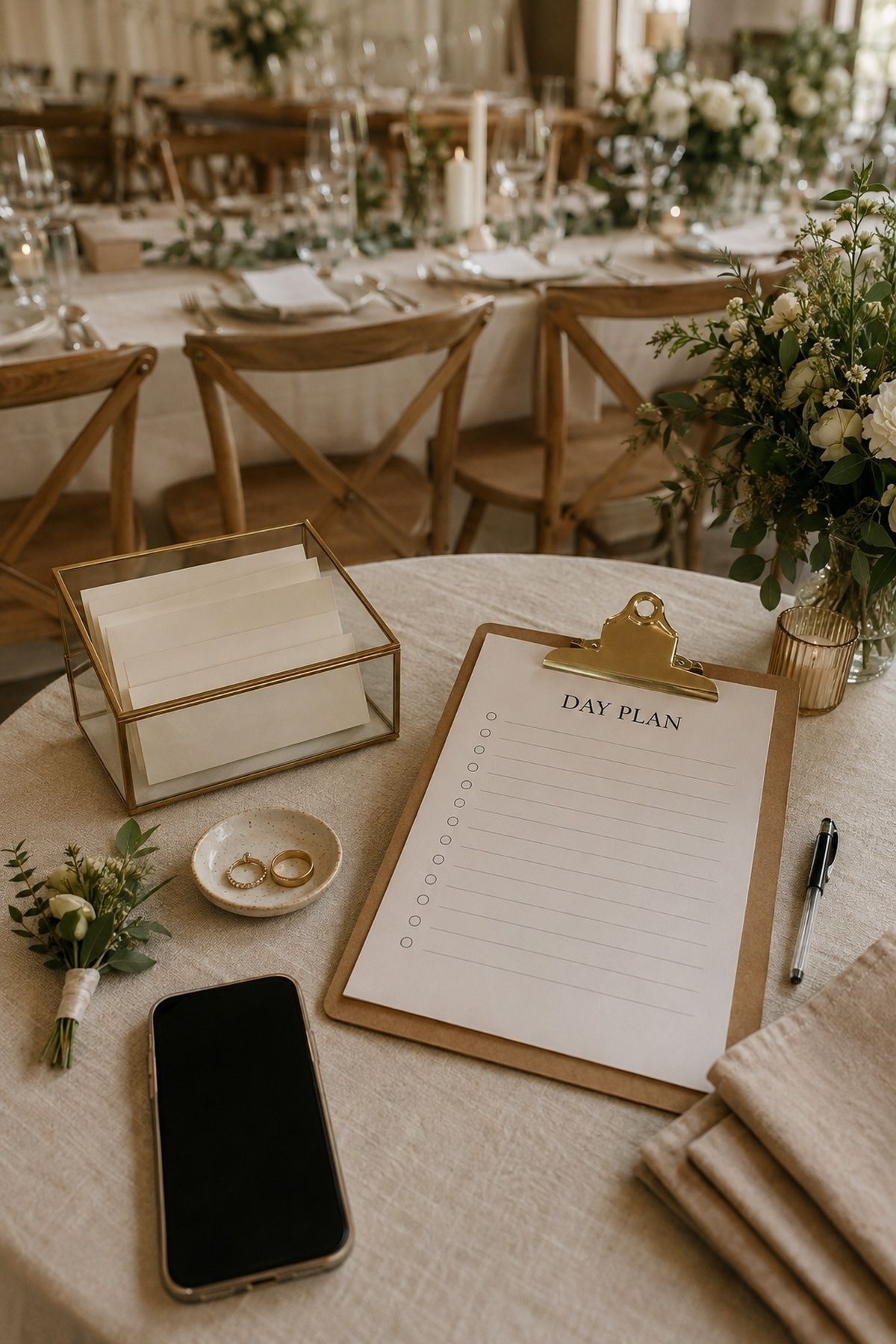
You do not need every traditional vendor for a 20-guest wedding. You do need enough help that the couple and their closest people are not quietly working the event. The right support protects the ceremony, the meal, the memories, and the guest experience.
Prioritize ceremony, food, photos, and timing
An officiant keeps the ceremony legal and emotionally grounded. A photographer protects the faces and moments you invited so carefully. Food support keeps the reception from turning into a family chore, especially if guests need drinks, refills, clearing, dietary care, or dessert service.
Day-of help can be as simple as a venue coordinator, partial planner, or professional coordinator for a few hours. Someone needs to cue the ceremony, answer vendor questions, manage the music, watch the meal timing, and handle small problems without pulling you away.
Keep the beautiful extras intentional
Florals can be a bouquet, boutonniere, ceremony arrangement, and table flowers. Music can be a single musician, a curated playlist, or the venue’s house sound if it suits the room. Beauty can be professional, self-styled, or a hybrid that keeps the morning calm.
The question is not whether a small wedding is allowed to have traditional details. It is whether each detail adds warmth, clarity, comfort, or meaning to the specific day you are planning.
Make the table feel like part of the ceremony
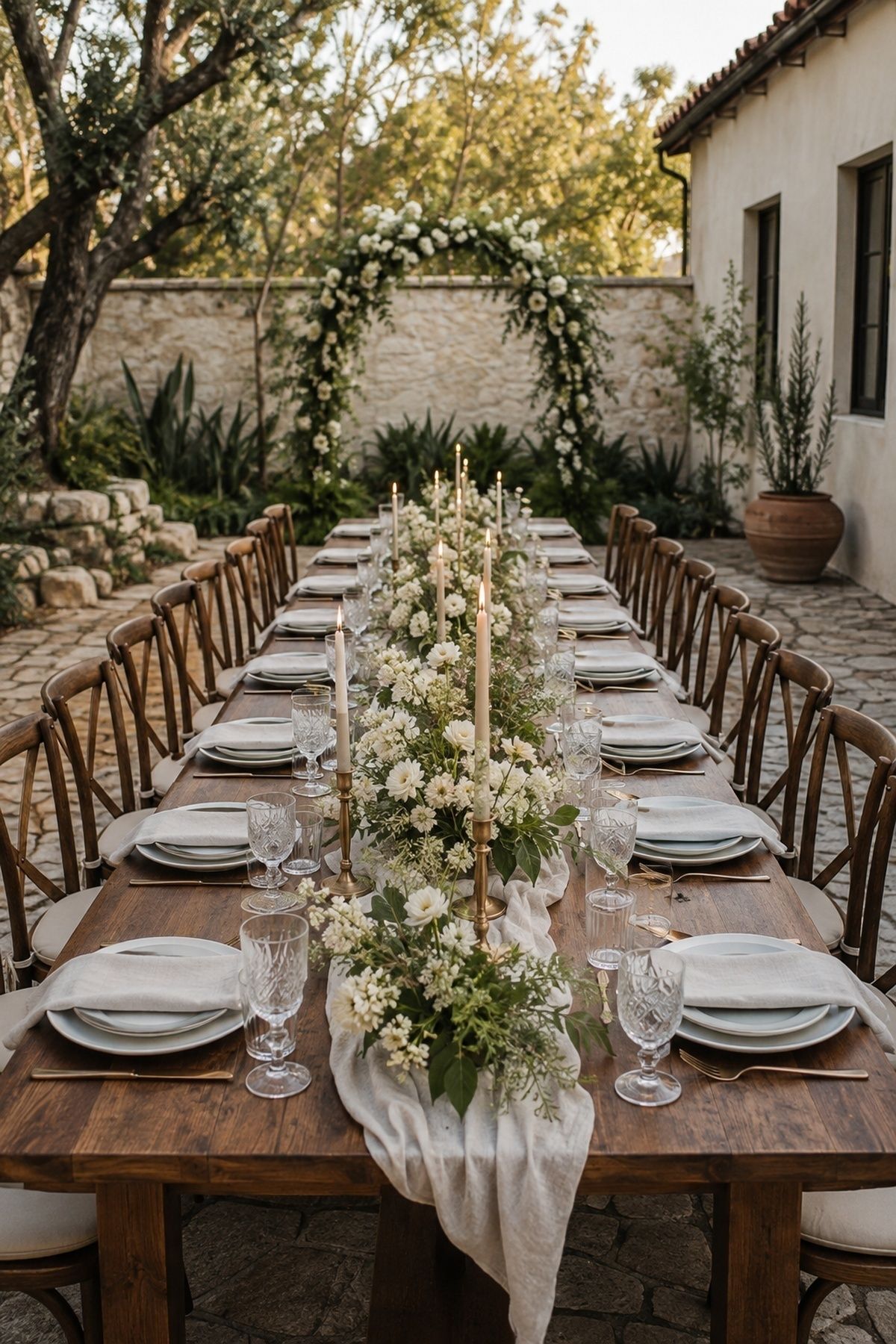
With 20 guests, the table is often the visual center of the wedding. It does not need heavy decor everywhere. It needs materials and spacing that make people feel expected: linen or warm wood, comfortable chairs, low flowers, candlelight, menus if useful, and place cards that quietly guide the conversation.
Guests notice when seating has been handled with care. A long table can feel gracious, two connected tables can soften family dynamics, and a quick look at common wedding seating chart mistakes helps you place people with warmth before the first toast is poured.
Give the ceremony a clear beginning and ending
A short ceremony still deserves shape. Music, a defined entrance, a welcome, vows, a reading, rings, a pronouncement, and a clear exit can make 10 to 20 minutes feel complete. You can skip a large wedding party and still create a moment that feels fully held.
Invite loved ones into small roles if it feels right. One person can read, one can sign as witness, one can hold flowers, and one can offer a toast. These gestures give your closest people a place in the day without making the event feel overproduced.
Keep the timeline short, hosted, and human
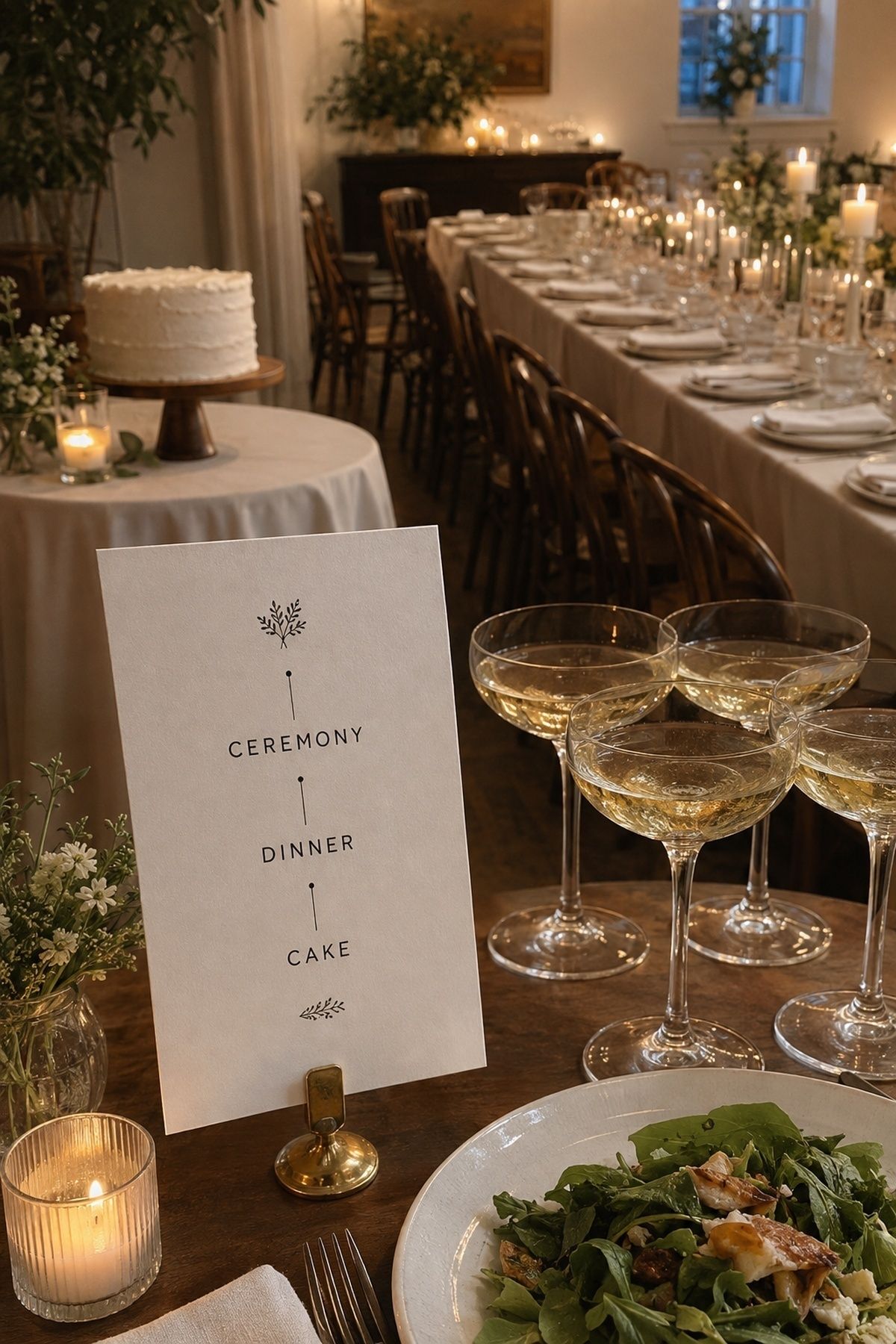
A 20-guest wedding usually does not need a 10-hour production schedule. Four to six hours can feel generous when the ceremony, photos, meal, toasts, dessert, and farewell are close together. The smaller the group, the more people notice long waits and unclear transitions.
Plan photos without leaving guests adrift
With only 20 guests, disappearing for a long portrait session can change the whole mood. Take couple portraits before the ceremony, keep family combinations concise, or offer a hosted cocktail moment with food and drinks while photos happen nearby.
A calm order might be getting-ready photos, a first look, family portraits, ceremony, one full-group photo, a brief couple portrait window, then dinner. Map those moments inside a small wedding day timeline so the celebration leaves room for people as well as pictures.
Let the meal carry the reception
For 20 guests, the meal can hold most of the emotional weight. Build in welcome drinks, a first toast, dinner, a couple of short speeches, dessert, and a graceful close. You do not need to fill every pause. Conversation is part of the design.
Do plan the ending. A small reception can fade awkwardly if no one knows whether to linger or leave. A final toast, last song, dessert course, farewell drink, or simple thank-you gives guests a gentle finish.
Use one final test before you book
Before deposits go out, picture the whole day from a guest’s point of view. Can each person find the ceremony easily? Does the room fit the group? Is there food before anyone gets restless? Will guests know where to sit, when to toast, and how the evening ends?
Then picture it from your point of view. Are both partners represented? Are family expectations clear? Is the ceremony the center of the day? Are the vendors protecting your peace? Are you planning a celebration you can actually inhabit, not just manage?
If the answers feel steady, you have the bones of a thoughtful 20-guest wedding: a true guest list, a right-size setting, a hosted meal, a meaningful ceremony, enough help, and a day that feels full because it is close.
Frequently Asked Questions
How Do You Plan A Wedding With 20 Guests?
Plan the guest list first, then choose a format that fits 20 people naturally. After that, book the ceremony location, meal setting, officiant, photographer, food plan, and any support needed for setup, timing, and cleanup. Keep the day focused on ceremony, food, photos, conversation, and a clear hosted flow.
Is 20 Guests Considered A Micro Wedding?
Yes, 20 guests is usually considered a micro wedding. It is smaller than a typical small wedding and larger than most elopements. The label can vary, but the planning style is clear: a very intimate guest list with wedding-level ceremony, hosting, food, and photography.
How Much Does A 20-Guest Wedding Cost?
A 20-guest wedding can cost a few thousand dollars or much more, depending on venue, food, photography, attire, florals, travel, and vendor minimums. The biggest budget mistake is assuming the small headcount removes fixed costs. It lowers many per-person expenses, but ceremony, photography, attire, and professional help may still need real room in the budget.
Where Can You Have A Wedding With 20 Guests?
You can have a 20-guest wedding in a private dining room, restaurant, backyard, inn, small chapel, courthouse, garden room, terrace, wine room, historic parlor, small gallery, or meaningful family property. Choose a space that makes 20 people feel gathered, not lost.
Who Should You Invite To A 20-Guest Wedding?
Invite the people you would want in the room for an emotional, private day: immediate family, chosen family, and your closest friends. At this size, avoid obligation invites when possible. Decide plus-one and children rules early so the list stays consistent for both families.
Do You Need Vendors For A 20-Guest Wedding?
You may not need a full vendor team, but you will likely need an officiant, food support, photography, and someone to manage day-of details. Florals, music, beauty, rentals, and coordination depend on your venue, budget, and how much you want to handle personally.
How Do You Make A 20-Guest Wedding Feel Like A Real Wedding?
Give the day a clear ceremony, thoughtful table, hosted meal, meaningful toasts, good photos, and a planned close. You do not need a large wedding party or packed dance floor. You need enough ritual, care, and pacing for guests to feel that they witnessed a marriage, not just attended dinner.
Final Thoughts
A 20-guest wedding can feel incredibly complete when the plan is shaped around closeness instead of scale. Let the guest list stay honest, let the room support conversation, and let the day have enough structure that everyone feels welcomed without the celebration becoming stiff.
However you shape the day, keep returning to the feeling you want in the room: twenty people gathered close, a marriage clearly honored, and the practical pieces aligned enough that you can be present with a micro wedding for 20 guests that still feels unmistakably like yours.
Last update on 2026-10-04 / Affiliate links / Images from Amazon Product Advertising API