

Wedding food and bar mistakes usually show up as hungry guests, slow drink lines, confusing dietary meals, missed water, food that does not fit the setting, or service timing that leaves the room restless. A strong plan keeps guests fed, hydrated, included, and comfortable while matching the venue, season, budget, and flow of the celebration.
Food and drinks are not just reception details. They are how guests feel the care of the day in real time: the first bite after the ceremony, the glass of water on a hot afternoon, the dinner that arrives before speeches stretch too long, and the small option that tells a non-drinker or guest with an allergy they were considered. This is one part of wedding mistakes to avoid, which covers the rest.
For a smaller wedding, that care becomes even more visible. There are fewer distractions and less crowd energy to hide a late meal, a backed-up bar, or a menu that feels harder than it needed to be. The goal is not a lavish catering puzzle. It is a generous, smooth experience that feels personal without making the couple manage every tray and pour.

Recommended Wedding Products


You Might Also Like These Blog Posts
- Wedding Transportation Mistakes That Leave Guests Waiting
- Wedding Reception Mistakes That Quietly Drain the Room
- Small Wedding Venue Checklist For The Tour Before The Yes
- Wedding Website Mistakes That Make Guests Text You Anyway
- Wedding Party Mistakes That Turn Support Into Stress
- Wedding Vendor Mistakes That Make Planning Feel Like Chasing People
Wedding Food And Bar Mistakes That Turn Hospitality Into Waiting
Wedding catering mistakes are rarely about one imperfect appetizer. Guests usually remember the pattern: whether they had something to eat before dinner, whether the bar moved, whether dietary needs were respected, whether water was easy to reach, and whether the meal made sense for the room they were in. Those are the wedding food mistakes that change the mood.
The best food and drink plan starts with guest comfort, then filters every decision through the venue, service style, weather, clothing, and timeline. That keeps the celebration from becoming either too sparse or too complicated. It also gives couples a practical way to spend wisely: put money where people will feel it, and skip the choices that only add friction.
Choosing A Menu Before Understanding The Venue And Service Style
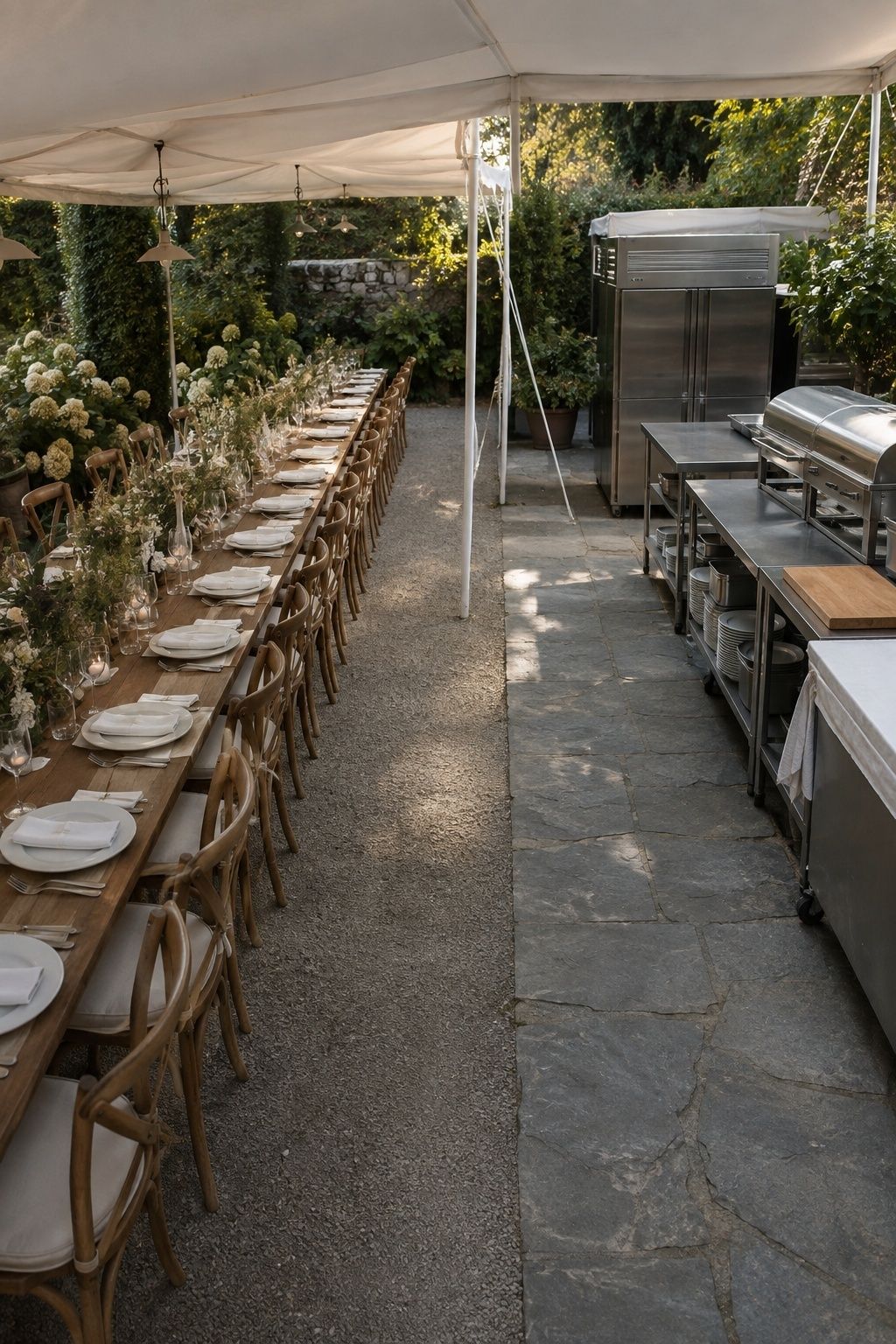
A menu that looks beautiful in a tasting room behaves differently in a garden, private dining room, tent, loft, beach venue, or family backyard. Kitchen access, refrigeration, power, rental needs, server pathways, guest count, and cleanup rules all shape what the caterer is able to serve well. Choosing food first and logistics later often creates invisible pressure.
Ask how the food will move from prep to plate. Confirm whether the venue has a kitchen, warming space, cold storage, trash rules, water access, loading access, and enough room for staff to work without crossing through guest areas. Then choose plated dinner, buffet, stations, family-style service, or a cocktail-style meal because it fits the setting, not because it looked easiest on a mood board.
Treating Cocktail Hour Like A Light Snack When Guests Are Hungry
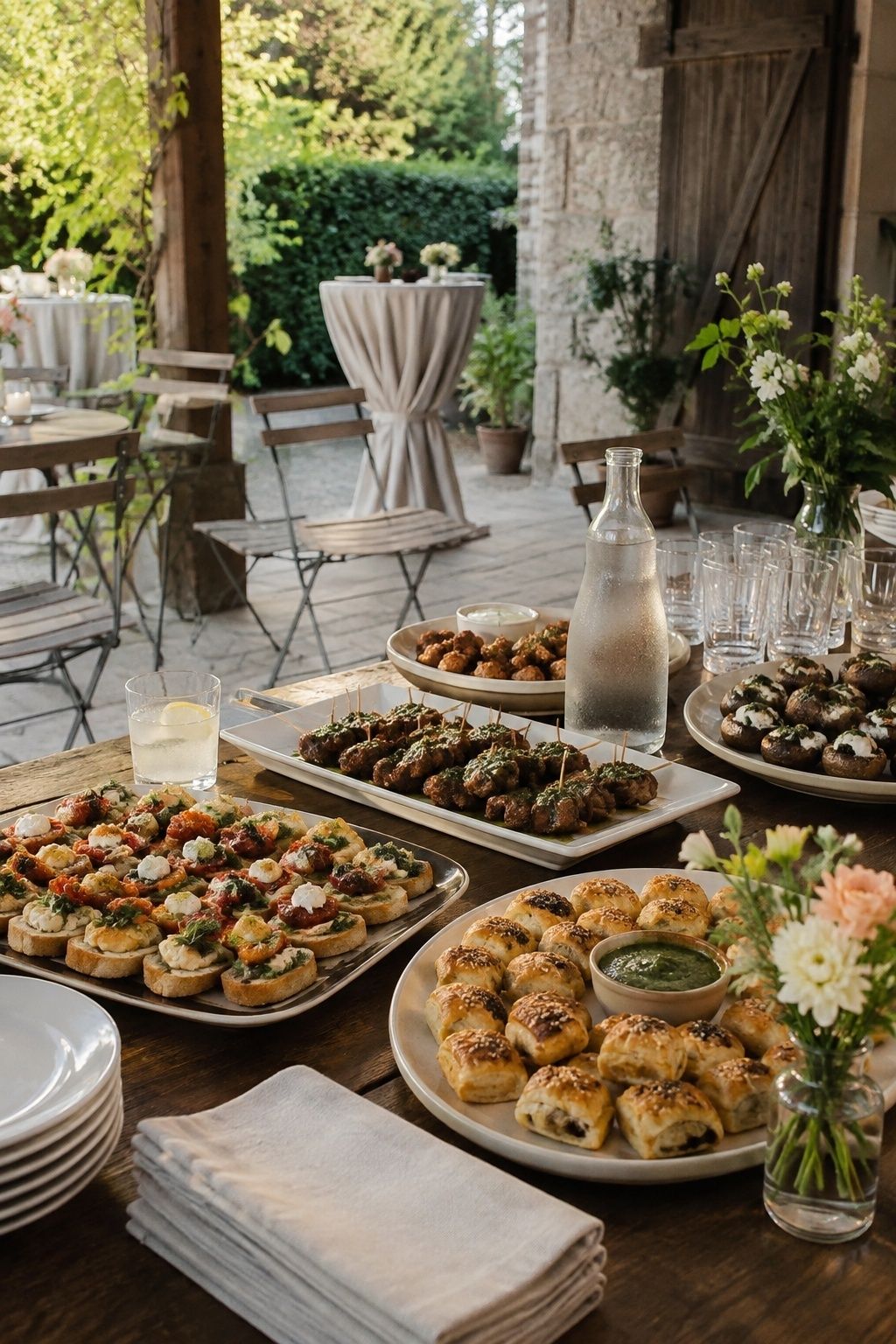
Wedding cocktail hour mistakes start when couples forget what guests have already experienced. Many have traveled, dressed early, sat through the ceremony, waited through photos, and walked from one space to another. By the time cocktail hour begins, a tiny bite and a slow drink line feels less like elegance and more like delay.
Think of cocktail hour as the first act of hospitality. Guests need something satisfying enough to steady them, a drink option that is ready quickly, and a few places to sit or set down a glass. The exact format depends on your budget and style, but the feeling should be clear: nobody is being asked to wait politely while the real reception starts somewhere else.
Forgetting Dietary Restrictions, Allergies, Kids’ Meals, And Labels
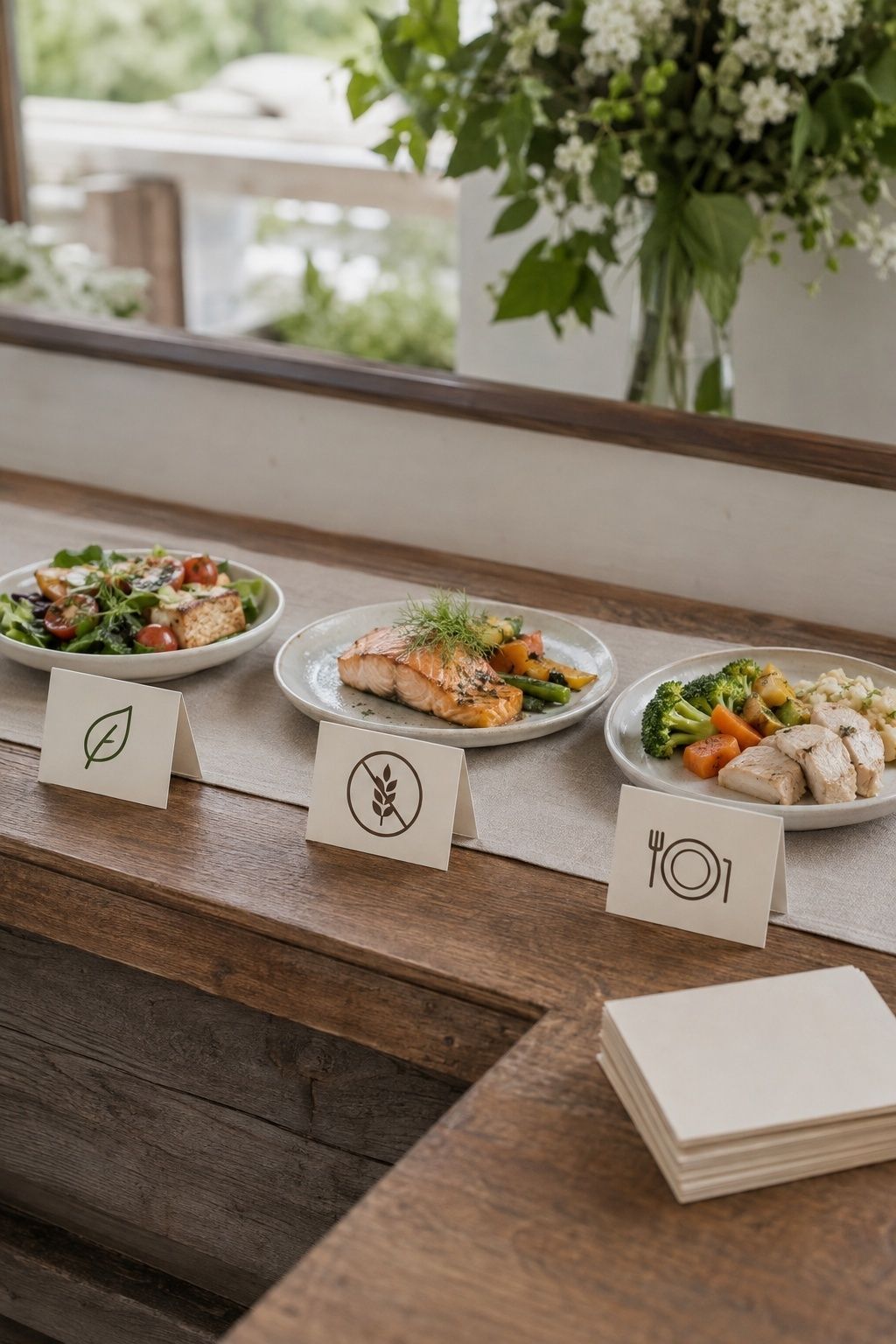
Dietary restrictions are not a last-minute garnish on the catering plan. Guests with allergies, medical needs, religious requirements, pregnancy considerations, vegan or vegetarian diets, and children with simpler meal needs all need a plan before the final count is locked. Wedding dietary restrictions become stressful when the couple collects vague responses but never turns them into clear catering instructions.
Use RSVP wording that asks for restrictions early, then separate preference from safety. Tell the caterer which needs are allergy-level, which guests need specific meals, how those meals will be labeled, and who will know where each plate goes. Clear menu cards or food labels also reduce awkward questions, especially at a small reception where a guest might not want to explain their needs in front of the table.
Choosing Food That Is Hard To Eat In Wedding Clothes
Some food is delicious and still wrong for the moment. Messy sauces, oversized bites, slippery foods, shells, dripping skewers, staining ingredients, and dishes that need aggressive cutting feel awkward in formal clothes or while standing with a drink. Overly experimental food also leaves guests admiring the idea more than enjoying the meal.
Picture the actual setting. Will guests be seated with real table space, or holding small plates? Are they wearing light fabrics? Is the ceremony outdoors? Will dinner be served late enough that people need something familiar? The menu should still have personality, but it should not require guests to solve how to eat gracefully while celebrating you.
Planning Dinner Timing Without The Reception Flow
Wedding dinner service mistakes often happen because the meal is planned separately from speeches, photos, entrances, dances, sunset portraits, and room resets. A dinner that starts too late makes guests restless. A meal interrupted by too many announcements loses warmth. A buffet opened without a cue creates clumps of people waiting for permission.
Build the reception around guest energy. Decide when people are fed enough for speeches, when plates need to be cleared before dancing, and when the couple will actually have time to eat. For an intimate wedding, the dinner often becomes the emotional center of the night, so its rhythm deserves the same attention as ceremony timing or photo timing.
Creating Buffet, Station, Or Bar Lines That Stop The Room

Wedding bar mistakes and buffet mistakes feel immediate because guests experience them on their feet. A single bar at the wrong end of the room, a complicated drink list, one slow station, or unclear table release order turns the reception into a queue. Once people are waiting, conversation drops and the room feels smaller in the wrong way.
Simplify the decisions guests make at service points. Use a clear bar menu, enough staff for the actual rush periods, sensible station placement, and a plan for who releases tables or invites guests forward. If the guest count is small, this still matters: one line of twenty people is half the room.
Forgetting Easy Water Access Outside The Bar
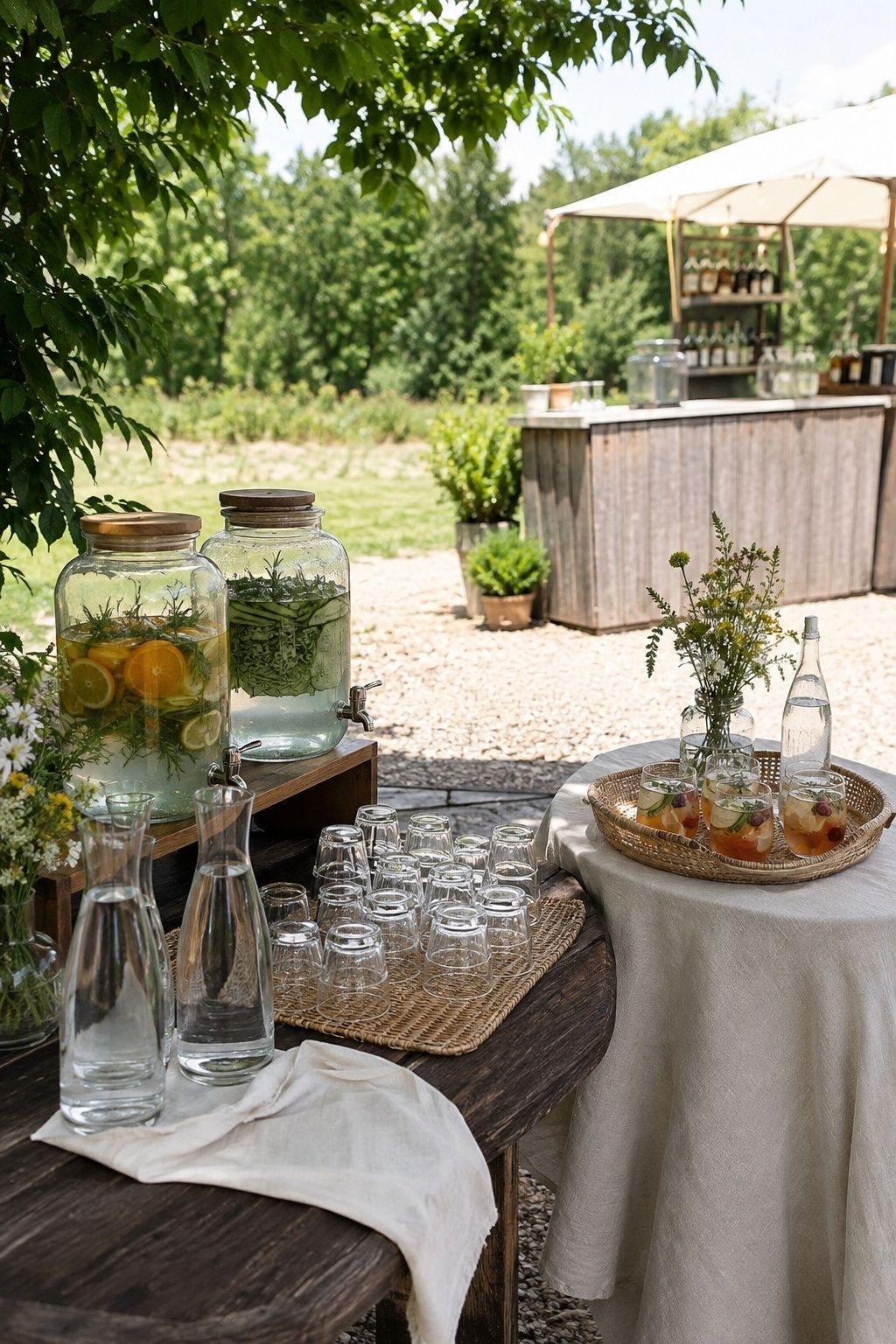
Water sounds ordinary until it is missing. Guests should not have to stand in the same line as cocktails just to hydrate, especially at outdoor ceremonies, warm receptions, long dance sets, or celebrations with older relatives and children. Easy water access is one of the simplest ways to make a reception feel thoughtful.
Place water where people naturally move: at ceremony seating, during cocktail hour, on dinner tables, by the dance area, or at an outdoor lounge. Assign refills to a specific staff member or helper. A pretty dispenser is nice, but the real win is steady access without asking.
Offering Alcohol Without A Plan For Non-Drinkers
A bar plan that only celebrates alcohol leaves some guests with water, soda, or a quiet shrug. Non-drinkers include pregnant guests, sober guests, designated drivers, guests with medical restrictions, children, older relatives, or people who simply do not want alcohol. They deserve choices that feel intentional rather than leftover.
Add one or two nonalcoholic options with the same care as the signature drink. Sparkling lemonade, iced tea, coffee service, herbal drinks, alcohol-free spritzes, or seasonal mocktails all work when they fit the menu and setting. The point is not to build a second bar. It is to make inclusion visible.
Ordering Too Many Signature Drinks Or Too Complicated A Bar Menu
A long bar menu looks festive until every order needs explanation, garnish, shaking, muddling, or a question about ingredients. Too many signature drinks slow service, raise costs, and make guests hesitate when the line is already forming. Wedding bar lines often come from overdesign as much as understaffing.
Choose a concise menu that bartenders are able to execute quickly and consistently. A couple of clear signatures, wine, beer, a small spirit selection, and thoughtful nonalcoholic options usually feel better than a list that asks guests to study. Clarity is part of generosity.
Missing Vendor Meals, Late-Night Snacks, Dessert Timing, And Cleanup
The less glamorous food details often determine whether the night feels smooth. Wedding vendor meals need timing, location, and quantity, especially for photographers, planners, musicians, and anyone working during dinner. Dessert needs a cue. Late-night snacks need a moment when guests still want them. Cleanup needs a responsible team before the final song.
Put these details into the timeline instead of leaving them as loose ideas. Decide who feeds vendors, when cake or dessert appears, where leftover food goes, whether the venue allows outside snack packaging, and who handles trash, rentals, glassware, and final bar breakdown. Hospitality includes the behind-the-scenes plan that keeps the couple from carrying boxes at midnight.
Forgetting Weather, Ice, Refrigeration, Shade, And Food Safety Questions
Outdoor and warm-weather weddings need more than a pretty menu. Ice melts, food warms, drinks run out faster, guests need shade, and staff need a backup area to prep safely. Temperature-sensitive dishes, dairy-heavy desserts, seafood, frozen treats, and exposed displays all need realistic handling.
Ask how food will be held, covered, replenished, shaded, chilled, and cleared. Confirm ice delivery, beverage cooling, backup power, tenting, rain plans, and where staff will work if the weather changes. These questions are not anxious. They are the practical side of making the meal feel effortless to everyone else. For the next step, see wedding party mistakes.
Final Catering And Bar Questions To Ask Before Signing
Before signing a catering or bar contract, slow down and ask how the plan works in motion. Who provides staff, rentals, linens, glassware, ice, water, setup, breakdown, trash removal, and backup supplies? How are dietary meals tracked? How are kids’ meals handled? When do final counts lock? What happens if the timeline shifts? There’s more in our Wedding Mistakes to Avoid collection.
Ask service questions too. How many bars or service points are planned? Where will they be placed? Who controls alcohol service? Who restocks water? When are vendor meals served? How are leftovers handled? The answers will show whether the team is simply selling food or actually planning the guest experience. Keeping it small? See small wedding planning mistakes.
FAQ
What Are Common Wedding Food Mistakes?
Common wedding food mistakes include underfeeding guests during cocktail hour, choosing a menu before confirming venue logistics, ignoring dietary needs, serving food that is hard to eat, starting dinner too late, missing vendor meals, and leaving dessert, late snacks, or cleanup without a clear cue.
What Food Should You Not Serve At A Wedding?
Avoid food that is messy, hard to hold, awkward to cut, temperature-sensitive without proper service support, or too unfamiliar for the guest group and timeline. The better question is whether the food fits the venue, clothing, season, service style, and amount of table space guests will have.
How Do You Avoid Long Bar Lines?
Avoid long bar lines by simplifying the drink menu, using clear signage, placing bars or drink stations where guests naturally gather, preparing welcome drinks when appropriate, staffing the rush periods well, and keeping water separate from the main alcohol queue.
How Much Food Do Wedding Guests Need?
Guests need enough food to match the timing, travel, ceremony length, meal style, and overall reception flow. Rather than relying on a universal formula, ask the caterer how cocktail hour, dinner, dessert, and any late-night food will cover the real gaps in your schedule.
Should You Have Water Outside The Bar?
Yes. Water should be easy to reach without waiting behind cocktail orders. This matters for outdoor weddings, warm rooms, dancing, older guests, children, non-drinkers, and anyone who wants to hydrate quietly during the reception.
What Catering Questions Should Couples Ask?
Couples should ask about service style, staffing, kitchen access, rentals, dietary meals, kids’ meals, vendor meals, bar placement, water service, ice, setup, cleanup, leftovers, final counts, cancellation rules, and what happens if the timeline or weather changes.
How Do You Handle Dietary Restrictions At A Wedding?
Handle dietary restrictions by collecting them through RSVPs, separating allergies from preferences, giving the caterer clear guest-level requirements, labeling buffet or station items, confirming how special meals will reach the right guests, and making sure one person knows the plan on the wedding day.
Final Thoughts
Food and drink planning is emotional hospitality. Guests might not remember every flavor, garnish, or glass, but they remember whether they were hungry, whether the line moved, whether their needs were noticed, and whether the couple seemed free to enjoy the meal too.
As you finalize the menu and bar, walk through the day from the guest’s first sip to the last cleared plate, protect water, timing, dietary clarity, and service flow, and keep the celebration feeling generous instead of complicated. The meal matters.
Last update on 2026-11-29 / Affiliate links / Images from Amazon Product Advertising API