

A small wedding venue checklist should confirm your guest count, comfort capacity, privacy, ceremony and meal flow, included rentals, food and bar rules, accessibility, parking, weather backup, and contract costs before you pay a deposit.
Small weddings make venue tours feel wonderfully personal, but the details still matter. A room can be beautiful and too large. A garden can feel romantic until guests have to cross gravel for the restroom. A restaurant can look affordable until the minimum spend, service charge, and bar rules land in the estimate.
Use this checklist to compare venues while the answers are fresh. The best choice should feel intimate, comfortable, financially clear, and easy for your people to enjoy from arrival through goodbye.
Recommended Wedding Products


You Might Also Like These Blog Posts
- Wedding Venue Mistakes That Look Fine On The Tour
- Small Wedding Planning Checklist For A Calm, Personal Day
- Airbnb Wedding Venue Rules Before You Fall In Love
- Bali Wedding Venue Ideas for an Intimate Island Celebration
- Wedding Contract Mistakes That Cost More Than The Deposit
- Wedding Food And Bar Mistakes That Guests Feel Immediately
How To Use A Small Wedding Venue Checklist On The Tour
Start before the walk-through. Write down your invited count, expected final count, celebration format, must-have inclusions, and the maximum budget you can hold without borrowing from the parts of the day that matter most.
If you are still deciding where to have a small wedding, compare each venue by the kind of gathering it naturally supports: ceremony only, dinner party, brunch, cocktail reception, garden vows, restaurant buyout, inn weekend, or destination celebration.
Bring one notes page for each venue and ask for written confirmation whenever an answer affects money, timing, access, food, vendors, weather, sound, cancellation, or guest comfort. A calm tour is lovely; a clear estimate is what lets you book with confidence.
Set The Real Guest Count
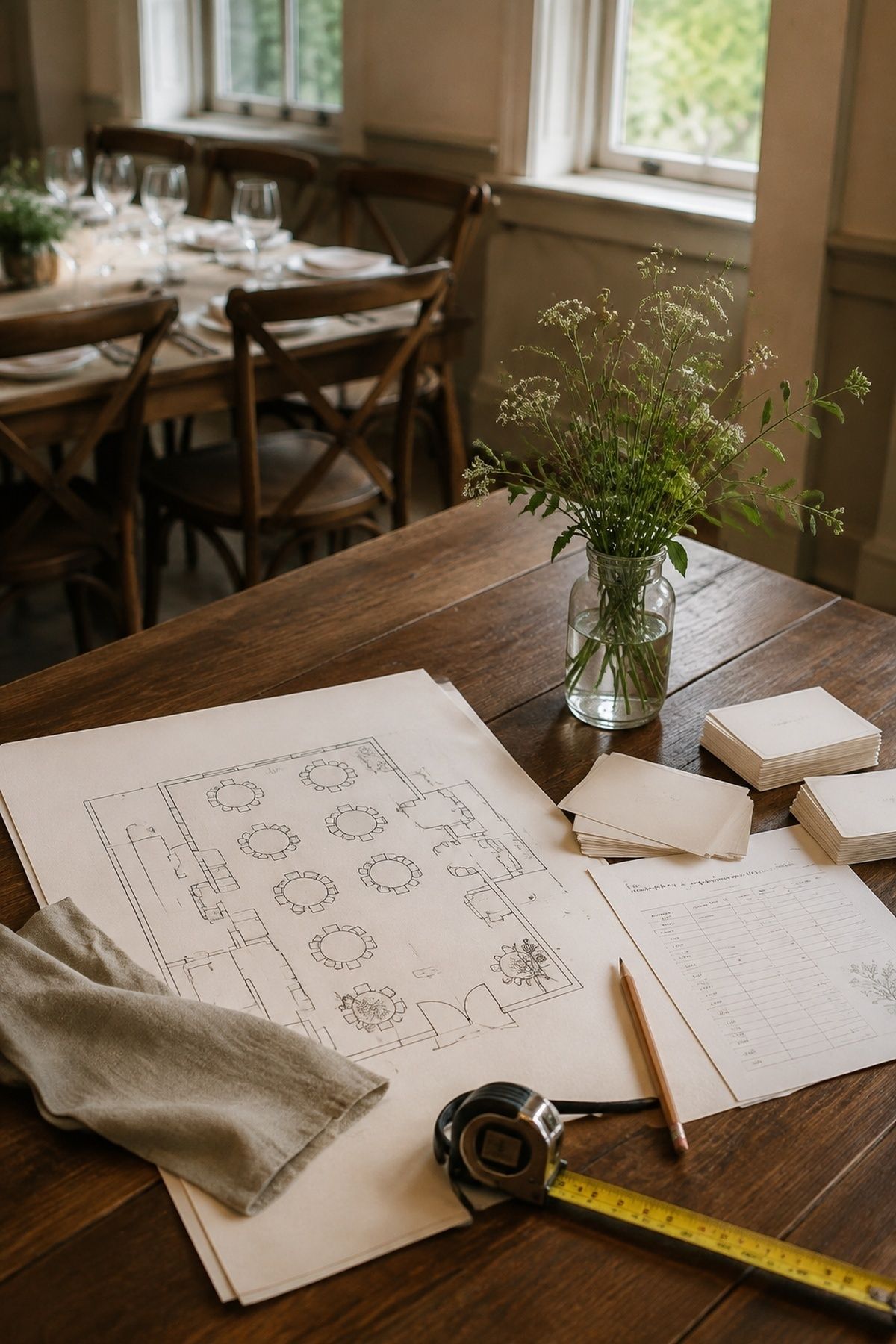
List three numbers before you inquire: invited guests, likely final guests, and the highest count you are willing to host. A venue that works beautifully for 28 people may feel tight at 45, while a grand room for 100 may feel unfinished for 35. The same math applies if you are weighing an Airbnb wedding venue instead of a traditional hall.
Ask for the recommended guest count for your exact setup, not only the posted maximum. Seated ceremony, seated dinner, family-style meal, cocktail reception, dancing, and room flips all use space differently.
Choose The Celebration Format
A small wedding can be formal, relaxed, all-day, or beautifully brief. Choose the shape before you judge the space so you are not asking a private dining room to behave like a ballroom or a public garden to handle a full reception without the right support.
For a dinner-party feel, a private dining room wedding can keep the meal warm and focused without forcing a large-event layout onto a small guest list.
Define What Must Be Included
Make a short list of non-negotiables before you tour. That might include tables, chairs, linens, tableware, ceremony seating, restrooms, parking, climate control, bar service, food service, getting-ready space, lodging, staff, cleanup, a coordinator, or permission to bring outside vendors.
If you want a bundled option, ask how each venue defines the package: hours, guest minimums, menu choices, rentals, staffing, decor, ceremony space, bar service, gratuity, taxes, and overtime should all be clear.
Capacity, Flow, And Privacy
For an intimate celebration, comfort matters more than the largest number a venue can legally hold. Walk the room as if you are a guest arriving, finding a seat, hearing vows, moving to drinks, sitting for dinner, using the restroom, and leaving at the end of the night.
Check Right-Sized Capacity
Ask to see photos or floor plans from weddings close to your guest count. Styled shoots and large receptions do not show whether the room will feel gathered for 20, 30, or 50 people.
Look at table spacing, aisle width, service routes, bar lines, coat storage, and places where older guests can sit away from noise. A small wedding should feel full of warmth, not padded with unused corners.
Walk The Ceremony And Reception Flow

Follow the guest path from parking or rideshare drop-off through the ceremony, drinks, dinner, portraits, dessert, and departure. The fewer guests you have, the more visible every transition becomes.
If one room must change from ceremony to dinner, ask who handles the flip, how long it takes, where guests wait, and whether extra staff are needed. Room flips can feel effortless only when the venue has done the timing before.
Confirm The Privacy Level
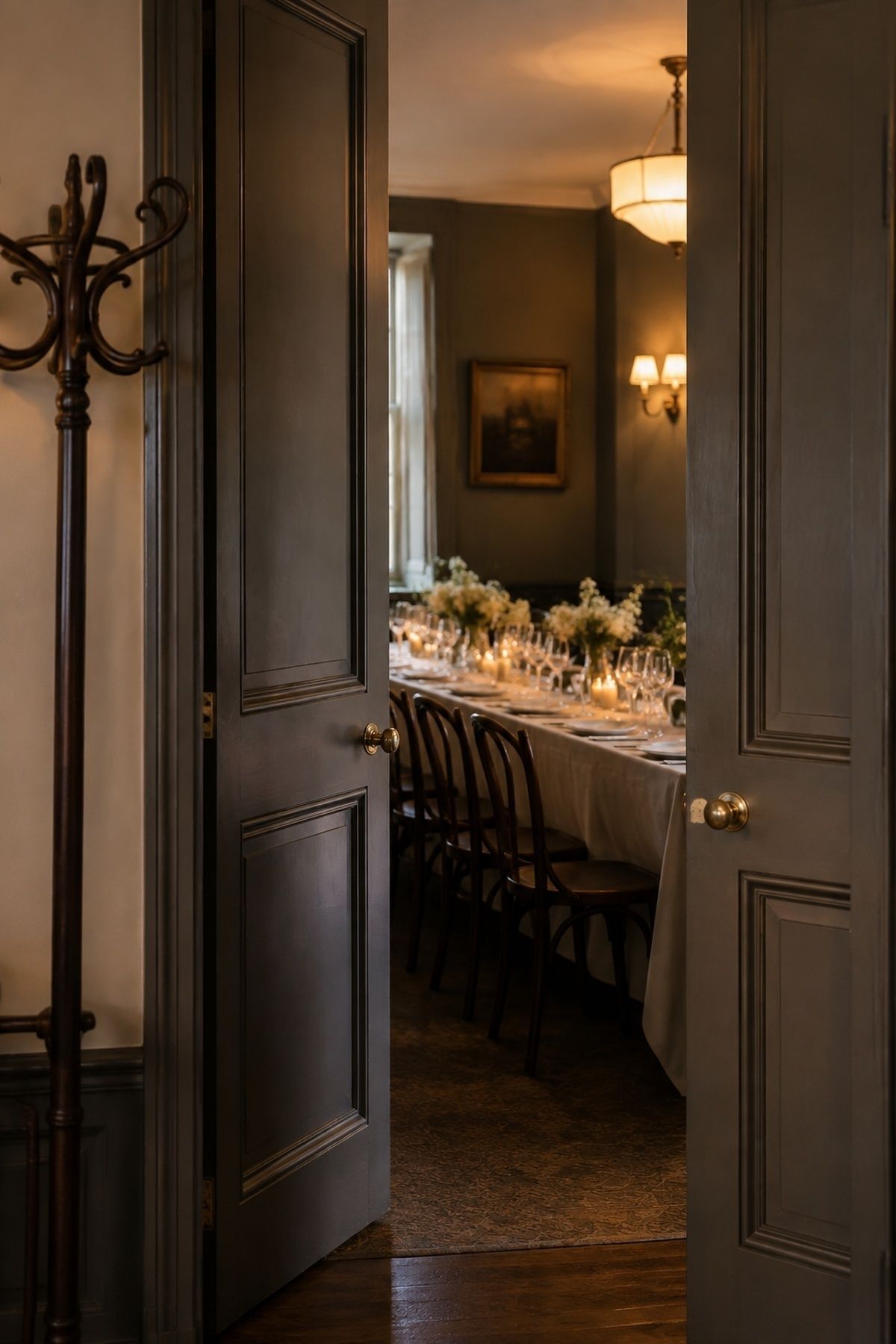
Ask whether the space is exclusive, semi-private, shared, public, or attached to another event. Small weddings feel most personal when the boundaries are clear, even if the venue is a restaurant, inn, museum, chapel, courtyard, or garden.
Privacy does not always require a full buyout. It does require knowing who can see, hear, or walk through the ceremony, meal, photos, setup, and breakdown window.
Cost And Contract Checklist
For small weddings, the first quote is rarely the full cost. Your venue questions should push every money answer into writing, especially when the venue has a rental fee, food-and-beverage minimum, required vendors, staffing charges, taxes, gratuity, insurance, or overtime.
Ask About Minimum Spends And Guest Minimums
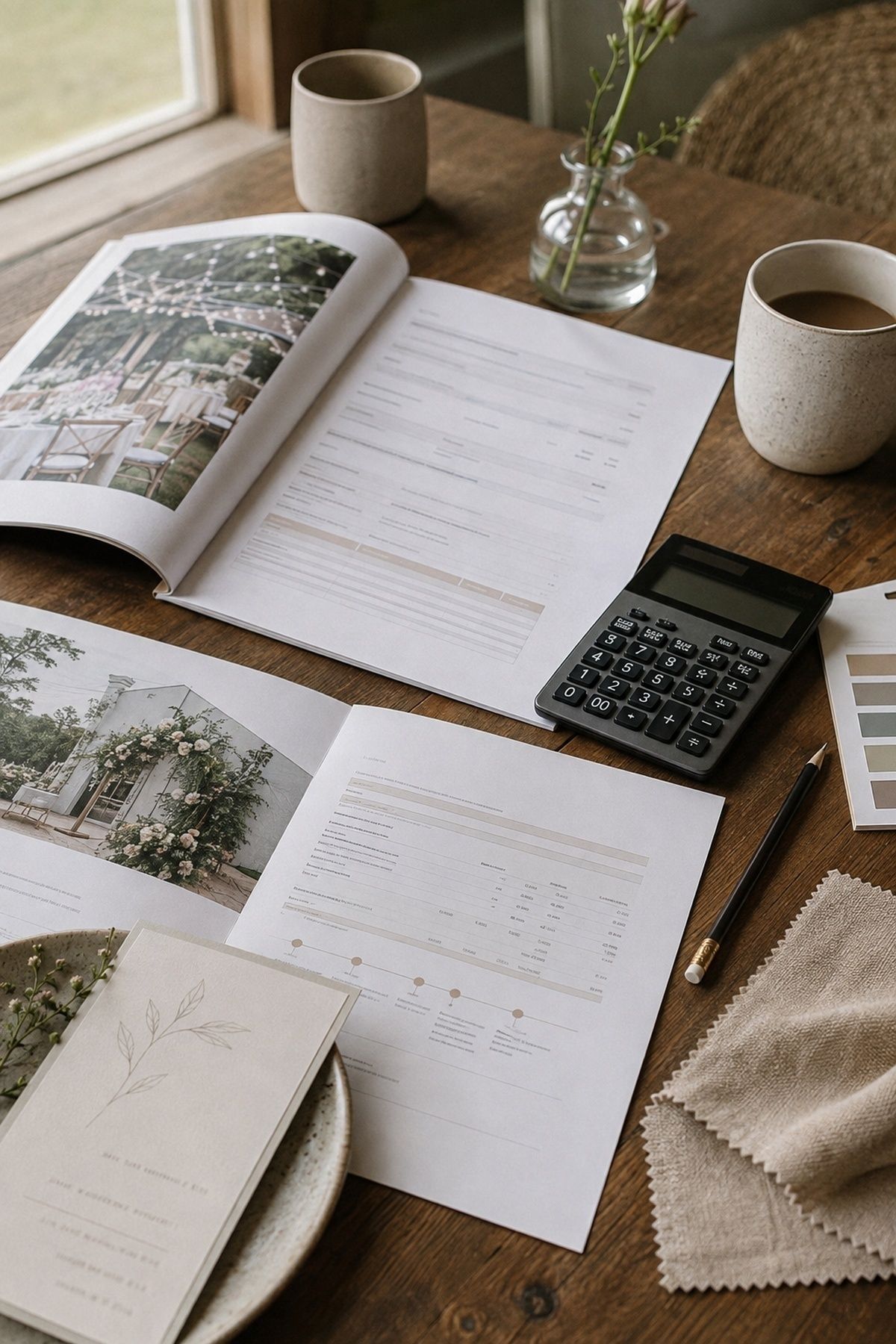
A small wedding venue minimum spend can be the difference between a graceful choice and a budget surprise. Ask about food-and-beverage minimums, rental minimums, guest minimums, bar minimums, peak-season thresholds, Saturday rules, and what happens if your final count drops.
If the minimum stays firm, ask whether the value can move into upgraded food, more non-alcoholic drinks, extra time, dessert, late-night snacks, or better rentals. Weekday, brunch, lunch, winter, and off-season dates may fit a smaller list more naturally.
Request A Written Included List
Ask for a written list of what is included with the venue fee or package. Look for tables, chairs, linens, tableware, glassware, ceremony chairs, sound, lighting, getting-ready space, staff, setup, cleanup, trash removal, parking, coordination, security, restrooms, and climate control.
If something is not listed, assume it is not included until the venue confirms otherwise. A smaller event can still become expensive when basic rentals, staffing, or cleanup are outside the quote.
Identify Extra Fees
Ask about service charges, taxes, gratuity, corkage, cake cutting, security, valet, overtime, power, cleaning, permits, insurance, ceremony fees, rehearsal fees, staffing, vendor meals, coat check, heaters, umbrellas, tenting, and shuttle requirements.
Review Payment And Cancellation Terms
Your small wedding venue contract checklist should include deposit amount, payment schedule, refund rules, rescheduling policy, cancellation deadlines, final guest-count deadline, damage deposit, insurance requirements, force majeure language, and what happens if the venue changes ownership or availability.
Food, Bar, And Vendor Rules
A small wedding may not need a large vendor team, but it still needs clear rules around catering, bar service, photography, florals, music, setup, load-in, load-out, and responsibility for the room while guests are present.
Clarify Catering Rules
Ask whether catering is in-house, approved-list only, or open to outside vendors. If outside catering is allowed, confirm kitchen access, prep space, refrigeration, dishwashing, trash, staffing, insurance, and timing.
If catering is in-house, ask for sample menus, dietary options, tasting rules, service style, and whether the menu fits a small guest count without feeling like a banquet scaled down awkwardly.
Check Bar Rules
Confirm whether the venue has a liquor license, whether BYO wine is allowed, whether a licensed bartender is required, how corkage works, whether cash bars are allowed, what non-alcoholic options are included, and when bar service must end.
Confirm Vendor Access
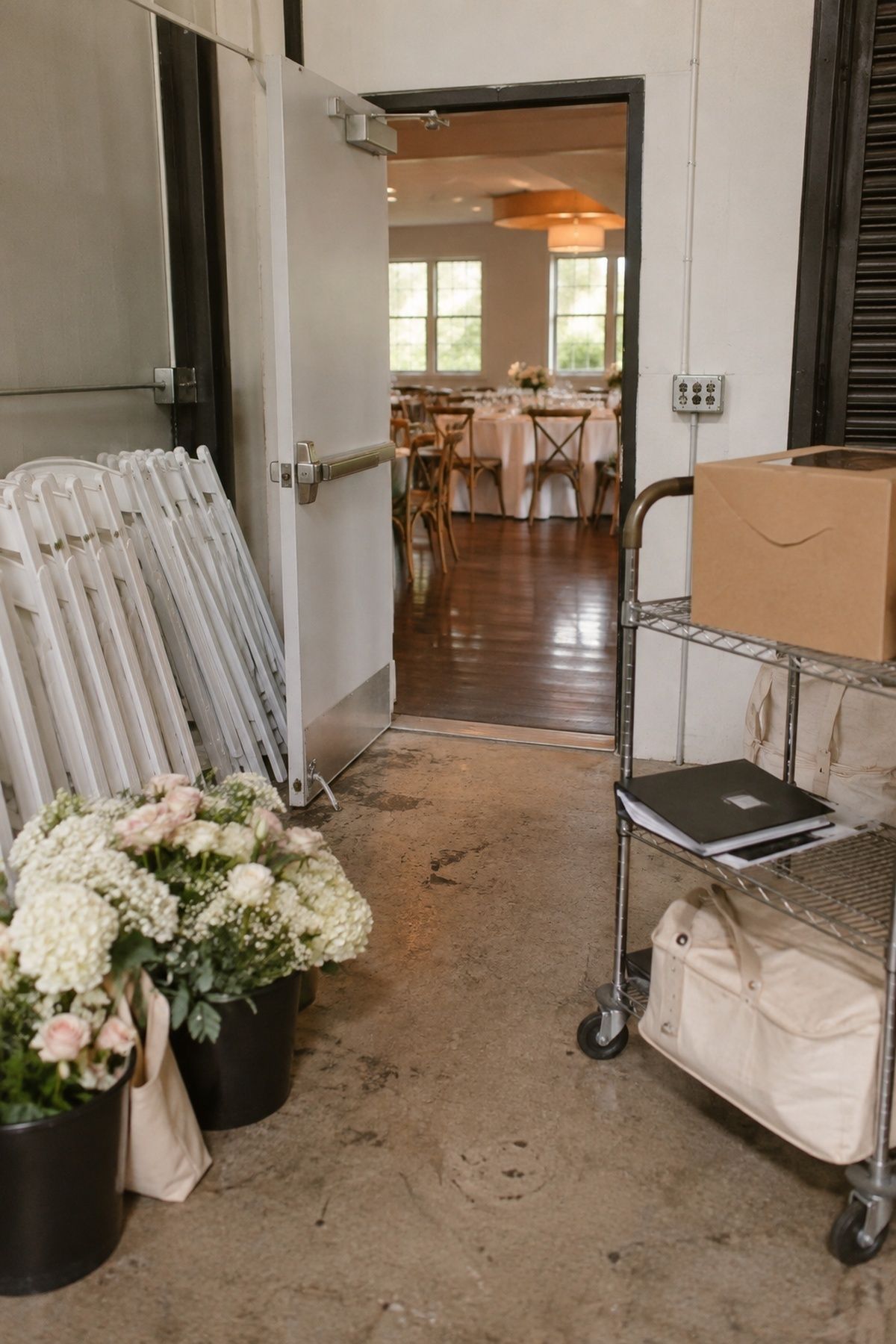
Ask about load-in time, load-out time, vendor parking, storage, elevators, service doors, preferred vendors, outside-vendor fees, certificates of insurance, staff meals, and whether vendors can return the next morning for pickup.
Guest Comfort Checklist
Guest comfort is one of the fastest ways to tell whether a venue truly fits a small wedding. Your guests may include grandparents, children, pregnant guests, guests with mobility needs, guests who do not know the area, and people who will notice every transition because the group is intimate.
Walk Arrival And Parking
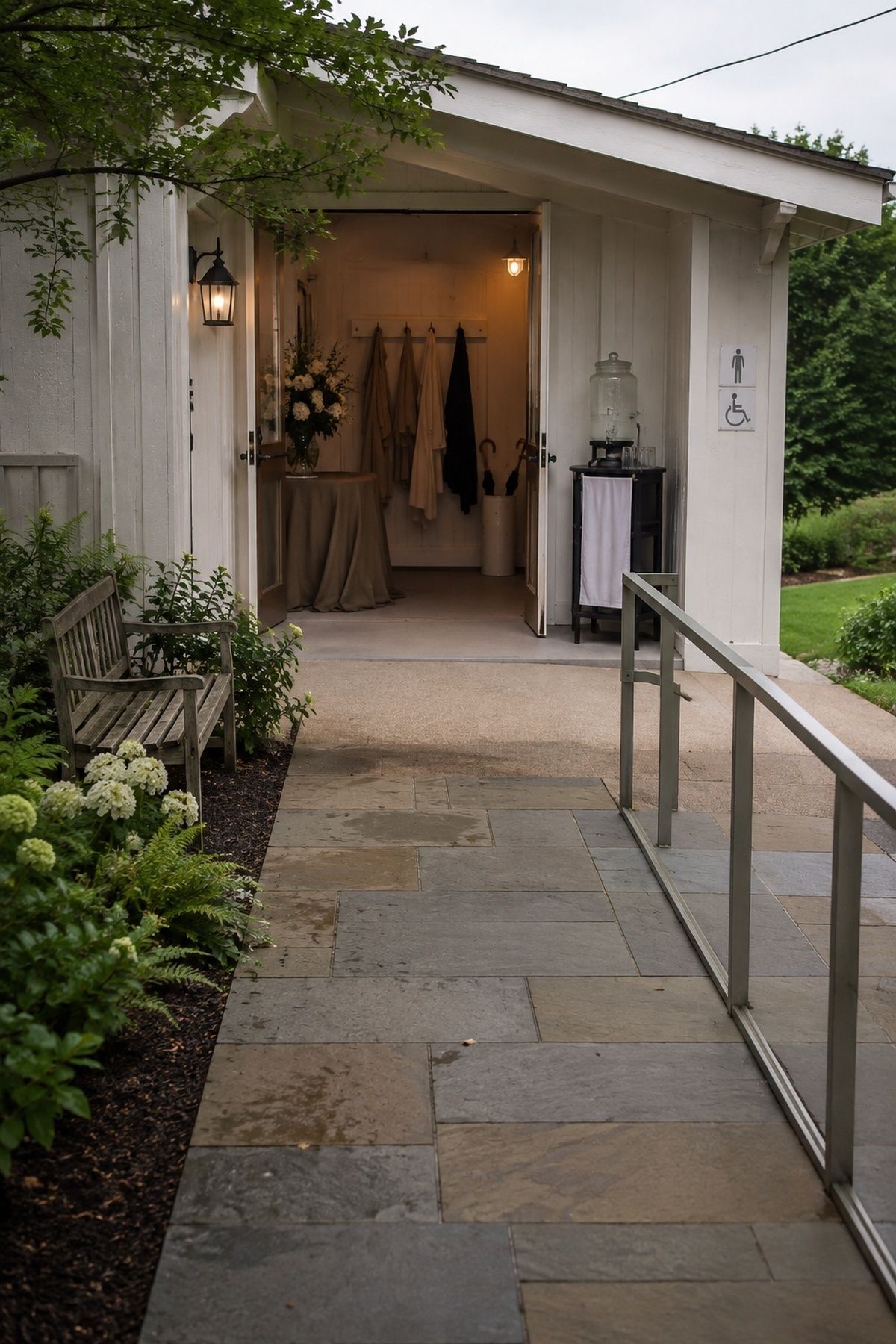
Build your parking checklist around the real route from parking or rideshare drop-off to the ceremony, reception, restroom, and exit.
Ask how many spaces are available, whether parking is included, whether valet is required, whether rideshare can find the entrance, and whether guests will need a shuttle. Walk the route yourself and notice gravel, stairs, slopes, darkness, confusing doors, long distances, narrow paths, and whether signs are needed.
Check Accessibility
A useful venue accessibility checklist covers ramps, elevators, grass, gravel, restroom access, doorway width, lighting, seating, distance from parking, and whether a guest can reach the ceremony, meal, restroom, and exit without awkward workarounds.
Do not rely on the word accessible alone. Ask what accessible means at this specific venue, then walk the path with your guest list in mind.
Inspect Restrooms And Climate
Check the number, location, cleanliness, lighting, and accessibility of restrooms. Ask whether they are private to your event or shared, and confirm heat, air conditioning, shade, fans, heaters, coat storage, and where guests can wait comfortably before the ceremony.
Ask About Sound, Light, And Photos
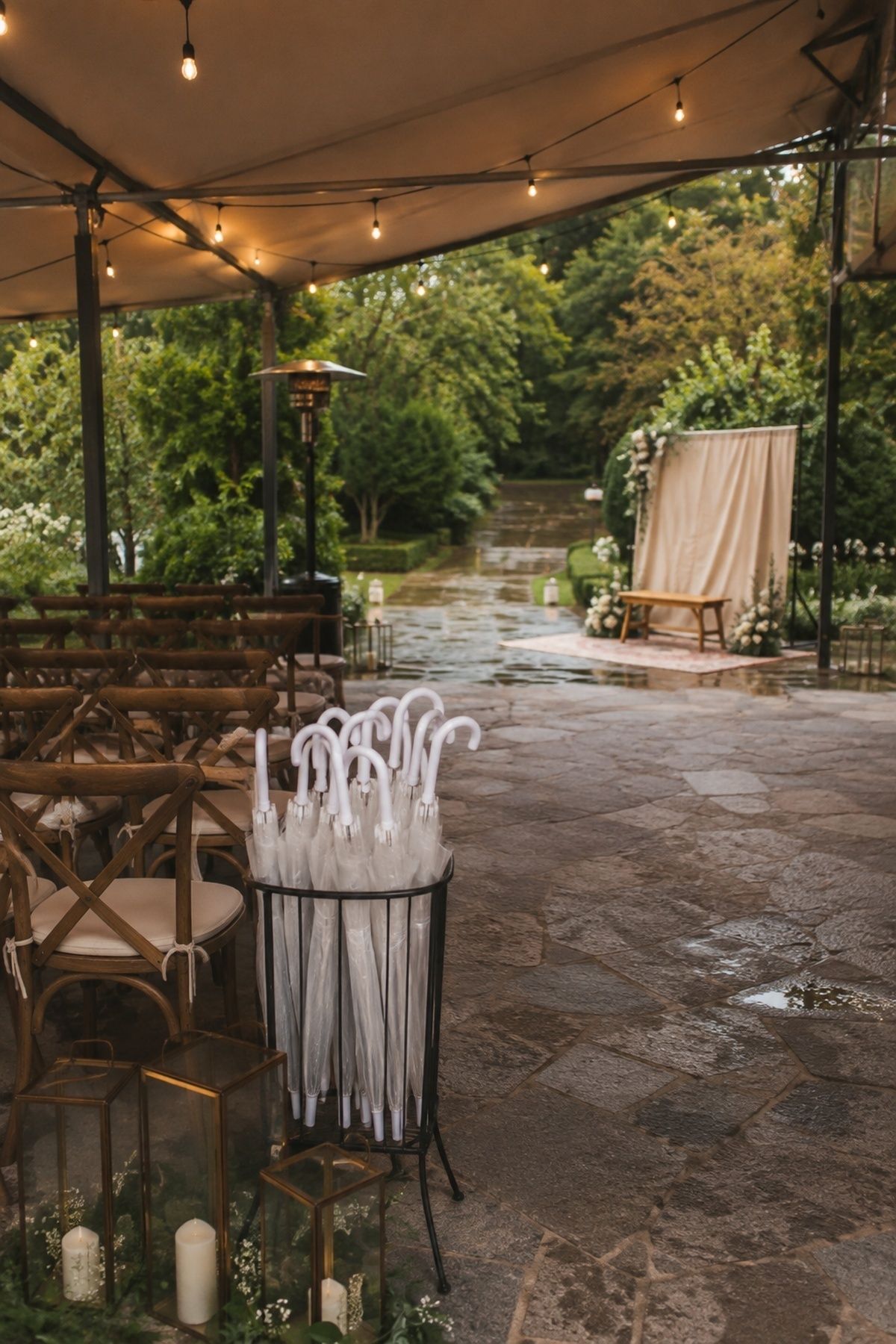
Ask about microphones, music limits, sound cutoff time, nearby noise, natural light, evening lighting, candles, photo restrictions, getting-ready photos, first-look locations, and where family portraits happen if the weather changes.
Outdoor, Public, And Destination Venue Checks
Outdoor small weddings can feel gathered and beautiful, but the backup plan must be real. Ask where the ceremony, meal, portraits, and cocktail hour move if it rains, gets too hot, too cold, smoky, windy, muddy, or dark earlier than expected.
If the backup plan is a tent, ask who orders it, when the decision is made, what it costs, where it goes, whether flooring is needed, and whether lighting and power are included. If the backup plan is indoors, stand in that room and decide whether you would still be happy getting married there.
For parks, gardens, city halls, beaches, museums, and other public spaces, ask about permits, public access, sound, alcohol, candles, confetti, chairs, restrooms, cleanup, photography rules, and the exact time window.
If travel is part of the plan, adapt your venue checklist for lodging, transportation, guest arrival windows, local vendor access, legal ceremony rules, weather season, and what guests can comfortably manage without you solving every detail for them.
After The Tour
Do not compare every venue detail equally. After each visit, rate three things first: guest comfort, true cost, and ease of flow. If a venue is strong in all three, it is worth serious consideration. If it fails one badly, the charm may not be enough.
Ask For The Full Estimate And Contract
Before you make a final decision, request a full written estimate and sample contract. The estimate should reflect your guest count, date, room, ceremony setup, food, bar, rentals, service charges, tax, gratuity, staff, insurance, parking, overtime, and any extras discussed on the tour.
Remove Venues That Need Too Many Fixes
A venue may be lovely and still wrong for your wedding. If it needs major rentals, difficult transportation, a weak rain plan, confusing parking, poor accessibility, a high minimum spend, and several outside vendors just to feel complete, it may be asking too much of a small guest list.
Choose the place that lets the wedding feel natural. For an intimate celebration, ease is part of the atmosphere.
Common Mistakes To Avoid
- Using a generic large-wedding checklist instead of small-wedding questions.
- Looking only at maximum capacity instead of comfort capacity.
- Forgetting minimum spend, guest minimums, taxes, service charges, and gratuity.
- Ignoring restroom, parking, accessibility, and climate details.
- Assuming rentals, cleanup, or coordination are included.
- Skipping the rain backup walk-through.
- Not asking for photos from weddings close to the same guest count.
FAQ
What Should Be On A Small Wedding Venue Checklist?
A small wedding venue checklist should include guest count, comfort capacity, ceremony and reception layout, privacy, food and bar rules, included rentals, minimum spend, parking, accessibility, restrooms, sound, lighting, weather backup, vendor access, payment terms, cancellation policy, and a written estimate.
What Questions Should You Ask Before Booking A Small Wedding Venue?
Ask what the venue recommends for your exact guest count, what is included, what costs extra, whether the space is private, whether outside vendors are allowed, what the food-and-beverage minimum is, how parking and accessibility work, what the weather backup is, and whether you can review the contract before paying a deposit.
How Do You Know If A Venue Is The Right Size For A Small Wedding?
A venue is the right size when your ceremony, meal, service paths, restrooms, photos, and guest movement all fit comfortably without making the room feel empty. Ask for photos from weddings near your guest count and look for a layout that feels complete without using decor to hide unused space.
What Should You Check During A Small Wedding Venue Tour?
During a small wedding venue tour, walk the guest path from arrival through departure. Check parking, accessibility, ceremony setup, dinner layout, restroom access, weather backup, lighting, sound, vendor access, food service, privacy, and whether the room still feels warm with your expected number of guests.
What Hidden Costs Should Small Wedding Venues Include In The Estimate?
The estimate should include room fee, food, bar, staffing, rentals, ceremony setup, taxes, service charge, gratuity, corkage, cake cutting, cleaning, security, parking or valet, overtime, permits, insurance, vendor meals, shuttle needs, heaters, tenting, and any required vendor or package minimums.
What Makes A Small Wedding Venue Guest-Friendly?
A guest-friendly small wedding venue has easy arrival, clear parking or rideshare access, comfortable seating, accessible paths, clean nearby restrooms, climate control, good sound, enough light, a practical weather plan, and a layout that lets guests understand where to go without feeling herded around.
Final Thoughts
The right checklist helps you choose a venue that feels comfortable, financially honest, and genuinely suited to your small wedding. Before you say yes, make sure the space supports your guest count, your meal, your ceremony, your weather plan, and your people with the same care you are putting into the celebration itself, including the practical booking questions couples often miss when a venue already feels beautiful.
Last update on 2026-10-03 / Affiliate links / Images from Amazon Product Advertising API