

Wedding reception mistakes drain the room when food, drinks, seating, music, speeches, layout, and guest basics do not work together. For an intimate wedding, the fix is not a busier party; it is a reception rhythm that gives guests clear cues, real comfort, easy conversation, and a few meaningful moments that never feel forced.
A reception has a different job than a ceremony. The vows ask everyone to witness. The reception asks everyone to settle in, eat well, find the people they love, move through the evening without confusion, and feel the couple’s hospitality in small, practical ways.
That matters even more when the guest list is small. A large crowd creates its own momentum, but an intimate reception reveals every pause, every long line, every awkward room transition, and every song that does not fit the mood. The most memorable small receptions are usually not the most packed with traditions. They are the ones where the room keeps breathing.
Recommended Wedding Products


You Might Also Like These Blog Posts
- Wedding Music Mistakes That Quietly Empty The Room
- Wedding Speech Mistakes That Make the Room Go Quiet
- November Wedding Reception Ideas for Candlelight, Comfort Food, and Intimate Indoor Hosting
- Wedding Rental Mistakes That Make The Pretty Plan Fall Apart
- October Wedding Reception Ideas for Candlelight, Seasonal Food, and Crisp-Air Hosting
- Wedding Food And Bar Mistakes That Guests Feel Immediately
Wedding Reception Mistakes That Break The Hosting Rhythm
The best reception plans begin with the feeling you want guests to have, then back into the decisions that protect that feeling. A tiny restaurant wedding might need candlelit dinner pacing, clear toasts, and music soft enough for stories. A backyard celebration might need drink access, shade, restrooms, and a late snack more than another decorative corner. A private room might need one confident host cue so guests know when to sit, toast, dance, or drift to dessert.
Most wedding reception planning mistakes happen when couples stack traditions without asking what the room needs next. The question is not whether you should have cocktail hour, a first dance, speeches, cake cutting, or a send-off. The question is whether each choice moves the evening forward, keeps guests cared for, and leaves space for the kind of reception you actually want.
Designing The Reception Like A Big Wedding When The Guest List Is Small
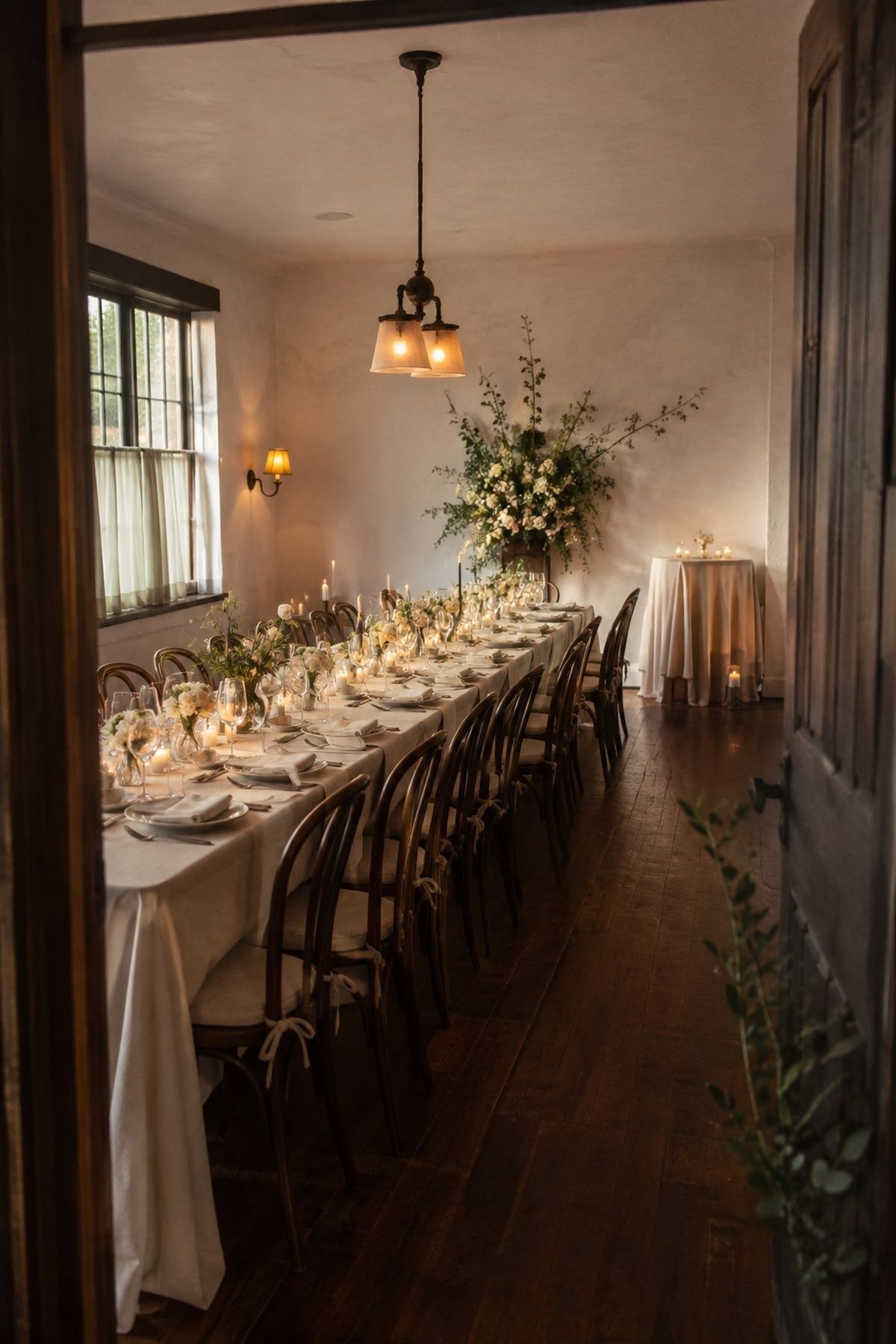
Small wedding reception mistakes often start with copying a large ballroom format. Big receptions rely on scale: a full dance floor, a louder band, a wide room, and enough guests to create background energy even when a few people step away. An intimate reception has less cover. If twenty-five guests are waiting while the couple disappears for photos, the room feels the absence.
Design the night like a hosted dinner with emotional peaks. Give guests somewhere comfortable to land first, then move them toward the meal, a few short toasts, music that warms gradually, and one or two traditions that feel personal. A quieter reception is not a failed party. It becomes awkward only when the plan expects big-room momentum from a small-room crowd.
Letting Cocktail Hour Stretch Without Food, Drinks, Seating, Or Direction
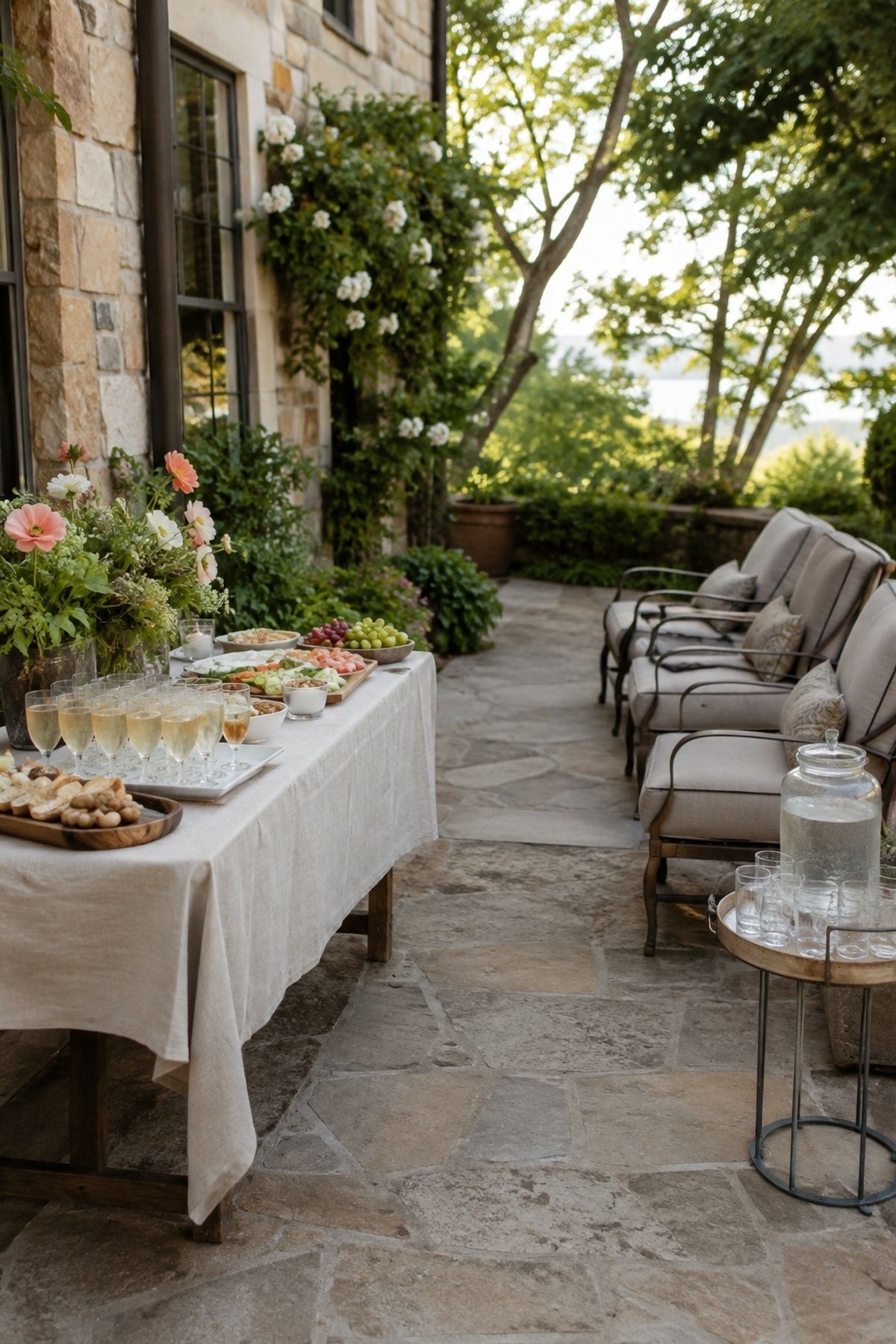
Cocktail hour is often where reception flow begins to wobble. Guests arrive ready to congratulate the couple, find a drink, set down a coat, use the restroom, and understand what happens next. If the bar is not ready, snacks are slow, seating is unclear, or the couple is gone longer than expected, the first part of the celebration starts to feel like waiting.
Protect this transition before adding more style. Arrange passed bites or an easy grazing table, water as soon as guests arrive, a few seats for older guests, and one visible cue for dinner timing. For a small reception, even a simple welcome drink and a clear host announcement turns the pause after the ceremony into a gracious beginning.
Creating Long Bar Lines Or Forgetting Easy Water Access
Wedding bar line mistakes feel minor on paper and enormous in the room. A slow bar keeps guests standing when they should be greeting family, finding dinner seats, or enjoying music. Complicated signature drinks, one bartender for too many people, no printed menu, and missing nonalcoholic options all slow the first hour.
Choose drinks that match the service capacity. Batch a welcome cocktail, print a concise bar menu, place wine on dinner tables if the venue allows it, and set water within easy guest reach. Water deserves real planning, especially for summer gardens, dancing, outdoor vows, and older relatives who may not want to stand in a drink line.
Planning Dinner Service Without Guest Comfort Or Kitchen Timing
Wedding dinner mistakes rarely come from the menu alone. They come from the wait before the meal, the gap between courses, the distance to the buffet, the number of servers, the way dietary meals are identified, and whether guests have bread, water, and a place to sit while the kitchen catches up.
Ask the caterer or restaurant how the meal will actually move. How many tables are released at once? Who invites guests to the buffet? How long should plated service take for your guest count? What happens if speeches begin while plates are still being cleared? A warm reception often depends on ordinary timing more than dramatic design.
Seating Guests In A Way That Hurts Conversation And Flow
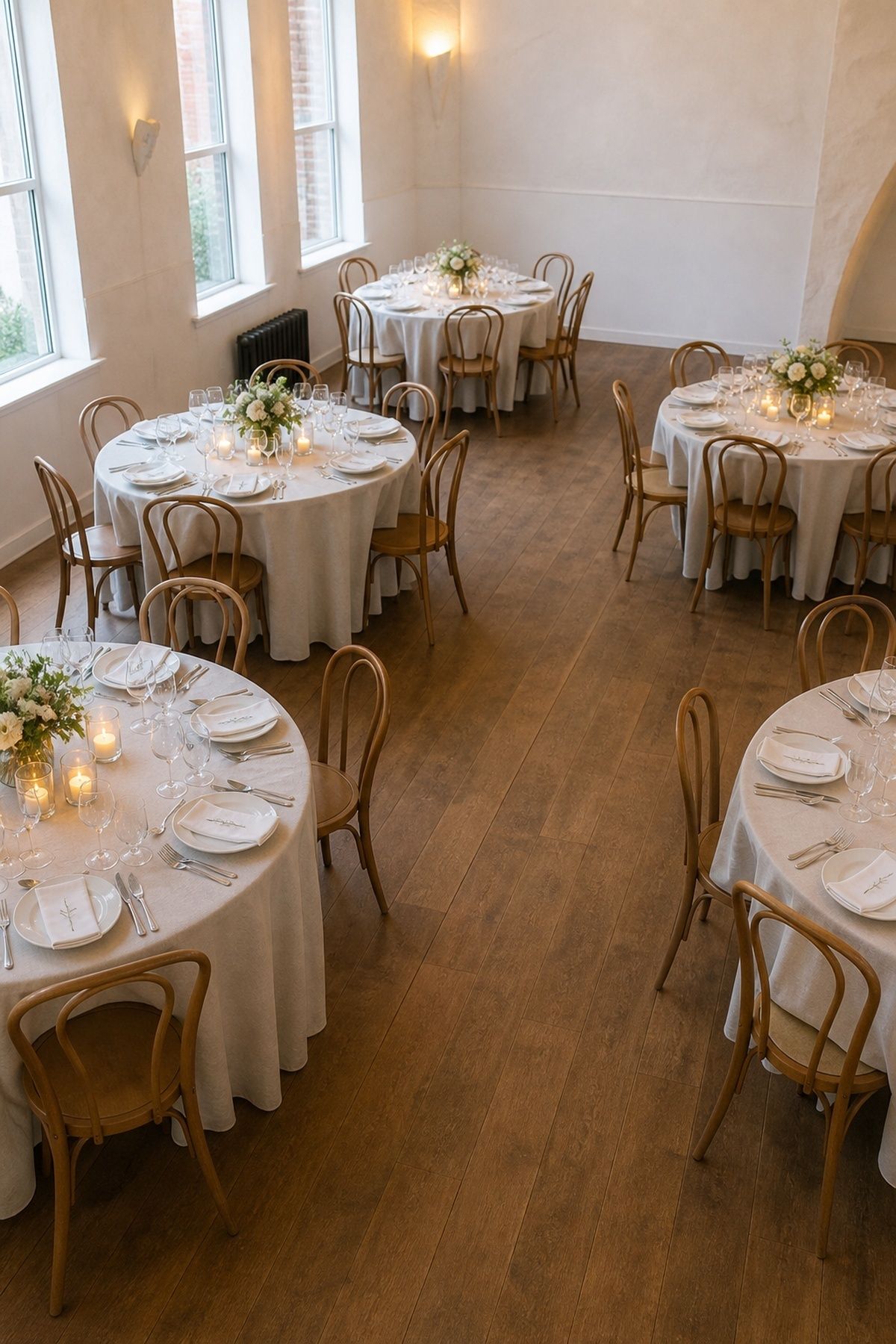
A reception seating plan is not only etiquette. It is hosting architecture. Guests need enough familiarity to relax, enough mix to keep the room alive, and enough physical comfort to reach plates, hear toasts, and speak without shouting. Awkward seating may make a small wedding feel formal in the wrong way.
Think through conversation groups, not just table numbers. Seat talkative connectors where their warmth lifts the room. Avoid isolating single guests unless they asked for quiet. Give grandparents, pregnant guests, and anyone with mobility needs easy routes to restrooms, exits, and service. The layout should make people feel considered before the first course arrives.
Placing The Dance Floor, Bar, Dessert, Or Speakers In The Wrong Spot
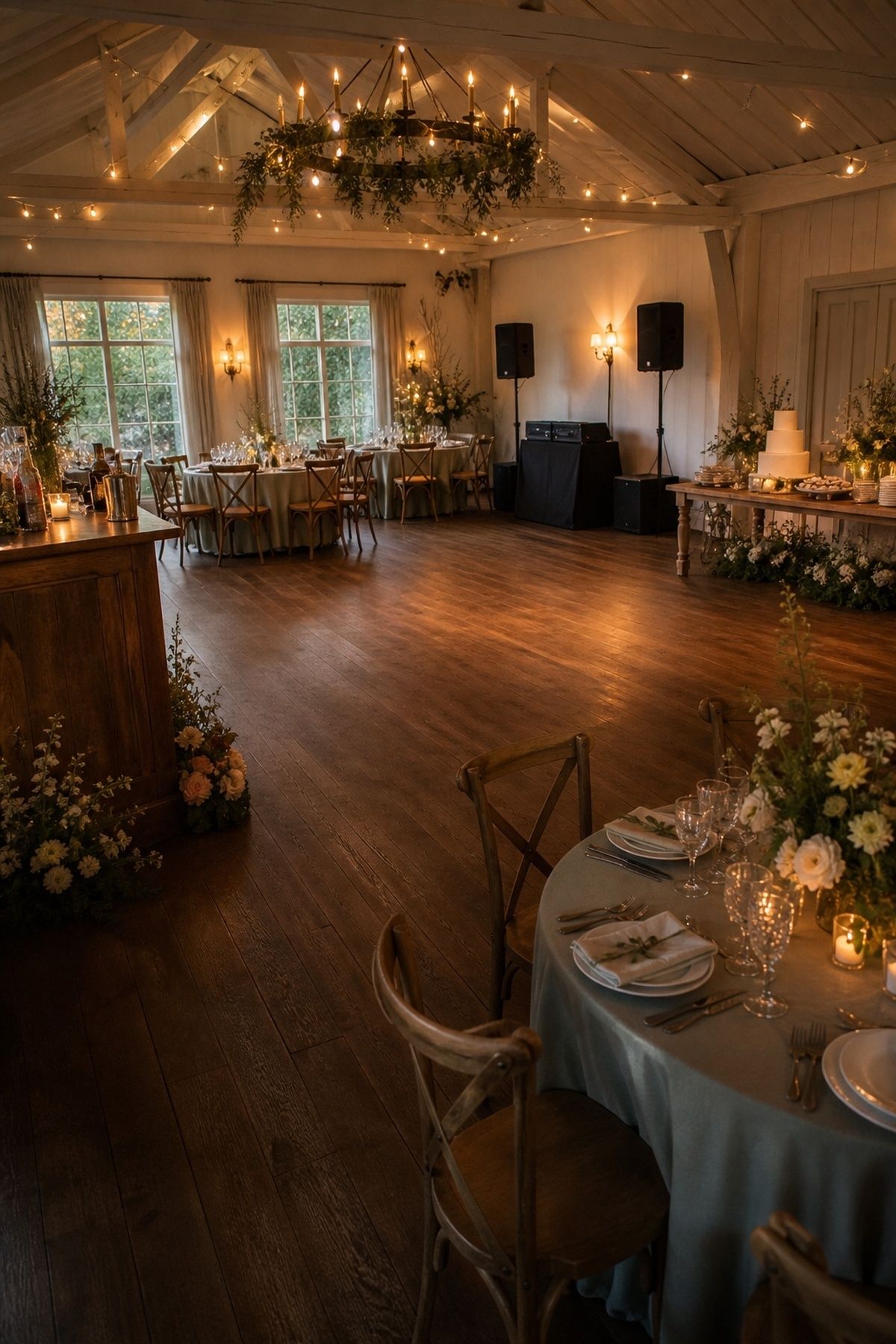
Wedding reception layout mistakes change the energy without announcing themselves. A bar outside the main room pulls guests away from music. Dessert hidden in a corner goes untouched. Speakers aimed at dinner tables make conversation hard. A dance floor too far from the couple feels optional before it begins.
Walk the room like a guest. Notice where people enter, where they naturally pause, how servers pass, and where sound gathers. Put the bar where it supports gathering, not escape. Place dessert where it becomes a cue. Keep speakers strong enough for dancing and gentle enough for dinner. The room should invite movement without scattering the celebration.
Letting Speeches Run Too Long Or Land At The Wrong Time
Wedding speech mistakes flatten a reception faster than almost anything because everyone feels trapped by politeness. A heartfelt toast becomes heavy when it runs ten minutes, repeats stories guests do not know, lands before food, or interrupts the only lively stretch of music.
Choose fewer speakers and give each person a clear time limit. Place toasts when guests are seated, fed enough to listen, and not halfway into a dance set. Ask speakers to focus on one story, one blessing, and one warm ending. Short toasts often feel more generous because they leave the room wanting more.
Stopping The Night Too Often For Formalities
Some wedding reception timeline mistakes come from too many interruptions. Grand entrance, blessing, welcome speech, first dance, parent dances, dinner, speeches, cake cutting, bouquet toss, outfit change, private last dance, and send-off may all be lovely separately. Together, they may leave guests feeling as if they are constantly being gathered, released, and gathered again.
Choose the formalities that carry real meaning for you. Combine moments when it feels natural. Trim anything you are doing only because it appears on a generic list. A small reception does not need constant programming to feel complete. It needs enough shape that guests know where the evening is going.
Playing Music Too Loud, Too Quiet, Or Without A Clear Energy Plan
Wedding music mistakes are not only about bad songs. Volume, timing, genre shifts, and room size matter just as much. Dinner music that overpowers conversation makes guests retreat. Dance music that begins too suddenly may feel exposed. A playlist that never changes leaves the reception without emotional lift.
Plan music in moods. Soft arrival music, warmer dinner songs, a few nostalgic tracks after speeches, and a more confident dance set later guide the room without forcing it. If dancing is not the center of your reception, music still matters. It gives the dinner party pace, softness, and a sense that the night is being cared for.
Forgetting Coat, Gift, Restroom, Accessibility, And Signage Details
Reception comfort is often built from unglamorous details. Guests need to know where to put coats, cards, bags, strollers, gifts, and mobility aids. They need visible restrooms, lit paths, seats that fit the meal, and enough information that they are not quietly asking each other what to do.
Assign these basics early. Mark the card box, coat area, restroom path, seating display, and any accessibility route. Tell vendors who handles gifts at the end of the night. When guests do not have to solve the room, they have more attention left for the couple, the food, the music, and each other.
Letting Dessert, Late Snacks, Or Send-Off Plans Drift Without Cues
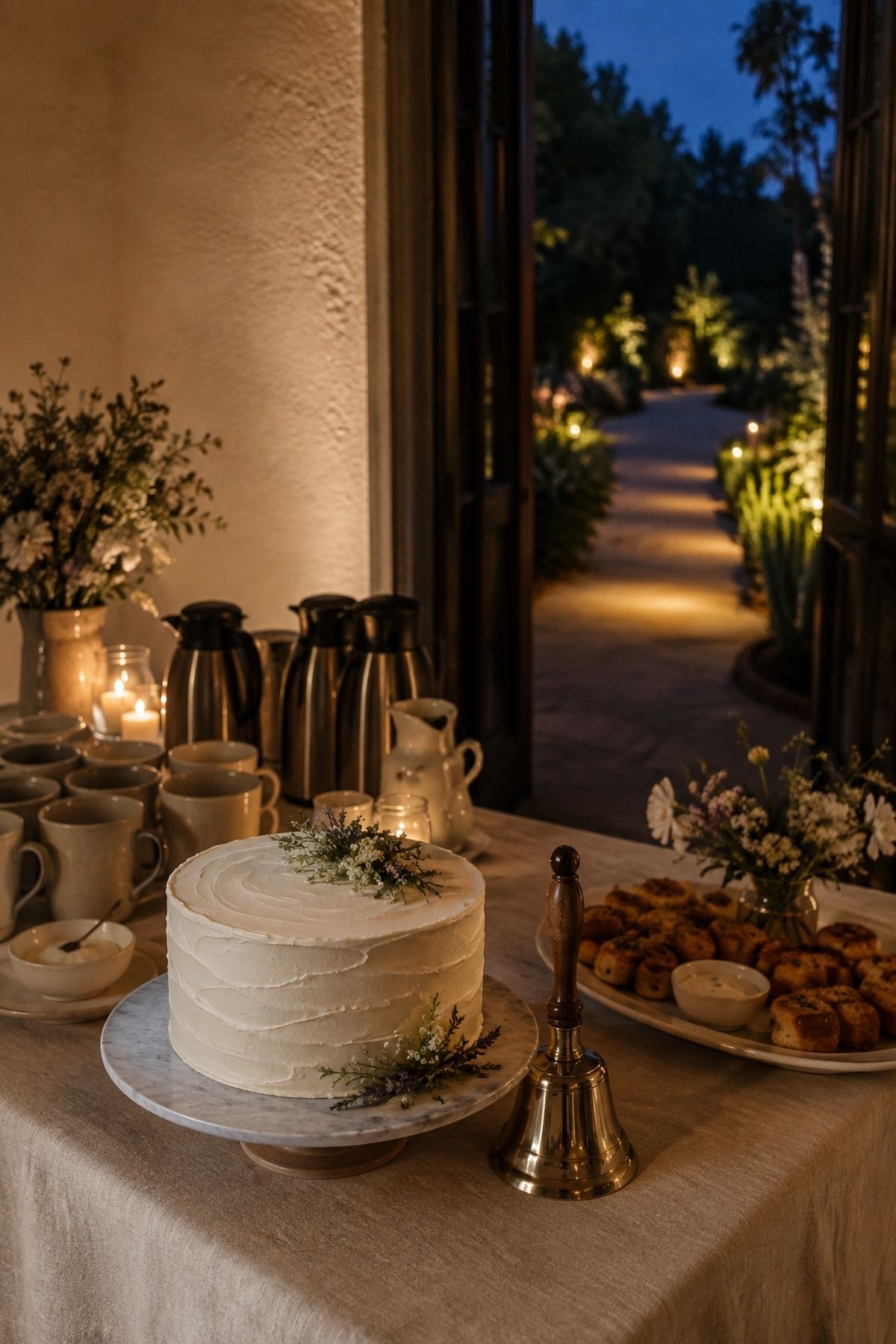
The end of the reception needs rhythm too. Dessert may remain untouched if nobody announces it. Late snacks may arrive after half the guests have gone. A send-off may feel strained if guests are tired, confused, or waiting outside too long. The late evening should feel relaxed, not abandoned.
Give dessert a natural moment, whether that is after speeches, after a short dance set, or as coffee arrives. Serve late snacks when guests still have appetite. If you want a send-off, tell the photographer, planner, DJ, and venue exactly when it happens and how guests will gather. Ending well is part of hosting well.
A Reception Flow Check Before The Final Timeline
Before the final schedule is locked, test the reception as a guest experience. Where do guests go after the ceremony? When do they get water? When do they sit? How long are they waiting for food? What sound reaches the table? What happens if they do not dance? Who cues speeches, dessert, last call, transportation, and cleanup?
This check catches problems that a pretty timeline misses. It also keeps the reception from becoming a performance the couple has to manage. The right flow lets you be present: greeting your favorite people, tasting the meal you chose, hearing the toast, laughing during the first song, and noticing the room you built together.
FAQ
What Are Common Wedding Reception Mistakes?
Common wedding reception mistakes include slow bar service, unclear seating, long speeches, awkward transitions, poorly timed dinner service, music that does not match the room, confusing layouts, missing water, and too many formalities for the guest count.
How Do You Avoid A Boring Wedding Reception?
A reception avoids boredom when guests are comfortable, fed on time, given clear cues, and offered a few emotional shifts through dinner, toasts, music, dessert, and conversation. The goal is not constant entertainment. It is a room that keeps moving without making guests feel managed.
What Reception Details Annoy Guests?
Guests usually notice long waits, confusing directions, hard-to-hear speeches, no easy water, slow food, uncomfortable seating, loud dinner music, missing shade or coats, and traditions that interrupt the night too often. Comfort details often matter more than decorative extras.
How Do You Avoid Long Bar Lines?
Avoid long bar lines by matching bartender count to guest count, simplifying signature drinks, printing a clear bar menu, batching a welcome cocktail, serving wine at dinner when possible, and placing water away from the main alcohol queue.
How Should A Wedding Reception Flow?
A wedding reception should flow from arrival comfort to drinks, dinner, short meaningful toasts, music, dessert, and a clear ending. The exact order may change, but each transition should answer what guests need next: a seat, a drink, food, a cue, a softer pause, or a little lift.
What Makes A Reception Feel Awkward?
A reception feels awkward when guests do not know where to go, when pauses last too long, when the couple disappears without a host cue, when music exposes the room too early, or when the plan expects a small crowd to behave like a large one.
How Do You Make A Small Wedding Reception Feel Warm?
Make a small reception feel warm by planning for conversation, good food timing, easy drinks, thoughtful seating, gentle lighting, music that supports the room, and a few personal moments that fit the guest list. Warmth comes from care guests notice without needing to name it.
Final Thoughts
The best receptions feel generous because the couple has thought through the room from the guest’s point of view. Food arrives before hunger turns into restlessness. Drinks are easy to reach. Speeches have shape. Music respects conversation before asking people to move. Seating feels kind. The timeline creates rhythm instead of pressure.
As you confirm the final reception plan, walk the room as a guest would, protect the first drink and first bite, cap speeches before they stretch, and shape flowers, photos, and music around comfort first. Guests remember being cared for especially long after a crowded schedule fades.
Last update on 2026-10-04 / Affiliate links / Images from Amazon Product Advertising API