

How to plan a wedding around your values starts with naming what matters before choosing the guest count, venue, budget, traditions, or timeline. Pick three to five values, define how each one looks in real decisions, and return to them whenever pressure makes the day feel louder than the marriage.
A values-based wedding is not a plain wedding, a rule-heavy wedding, or a smaller celebration by default. It is a wedding where the choices have a reason. The room, meal, ceremony, people, pace, and spending all point back to the life you are promising to build together.
This approach is especially calming when trends, family hopes, and spending assumptions start turning every decision into a tiny referendum on love. Your values give the wedding a center. They also give you permission to choose presence, connection, simplicity, comfort, and meaning over scale when that is the truer fit.
Recommended Wedding Products


You Might Also Like These Blog Posts
- How Long Does It Take To Plan A Wedding Without Losing Your Mind
- How To Plan A Wedding That Feels Like Us Instead Of A Beautiful Stranger’s Pinterest Board
- How To Plan A Wedding From Scratch When You Have No Idea Where To Start
- How To Plan A Wedding In One Year Without Turning It Into A Full-Time Job
- How To Plan A Wedding Without Pleasing Everyone And Still Feel Kind
- How To Plan A Wedding When You Work Full Time And Still Have A Life
How To Plan A Wedding Around Your Values
How to plan a wedding around your values is really about changing the order of planning. Instead of starting with colors, a saved-photo aesthetic, or what other people expect, begin with the principles that make the day feel honest. A value is not a decoration. It is a decision filter.
Choose values before choosing colors, vendors, or trends

Sit together before the visual planning gets too far along and choose three to five words that describe what deserves protection. Good wedding values include presence, family, ease, faith, artistry, hospitality, quiet boundaries, sustainability, cultural honoring, delight, or financial calm. Fewer words make the filter stronger.
Translate each value into a real wedding decision
Each value needs a practical translation. If presence matters, you leave margin in the timeline and avoid racing between locations. If hospitality matters, you spend on food, shade, seating, temperature, and clear arrival flow. If financial calm matters, you set a ceiling before browsing venues.
Decide what you want the day to feel like for you
Picture your own bodies in the day. Do you want quiet getting-ready hours, a first look away from the crowd, a ceremony that feels reverent, a dinner that feels unhurried, or a dance floor that feels loose and joyful? Your comfort is not selfish. It shapes how present you are.
Decide what you want guests to feel and remember
Guests remember how the day received them. Choose three feelings you want them to carry away: welcomed, fed, included, moved, relaxed, surprised, honored, or close to you. Those words reveal where to spend energy and where a simple choice is enough.
Use values to shape the guest list without guilt spiraling
A guest list becomes gentler when it has rules before names. If connection is a value, invite people who know your relationship now. If ease is a value, keep the room small enough for real conversation. If family repair is not the purpose of the day, the list does not need to solve every history.
Build the budget around priorities instead of equal spending
Equal spending across categories sounds fair, but it rarely reflects meaning. Rank your budget by value. A hospitality-led wedding puts money toward meal quality and guest comfort. A ceremony-led wedding invests in music, officiant care, vows, and sound. A simplicity-led wedding trims anything that adds management without emotional return.
Choose a venue that supports your values naturally
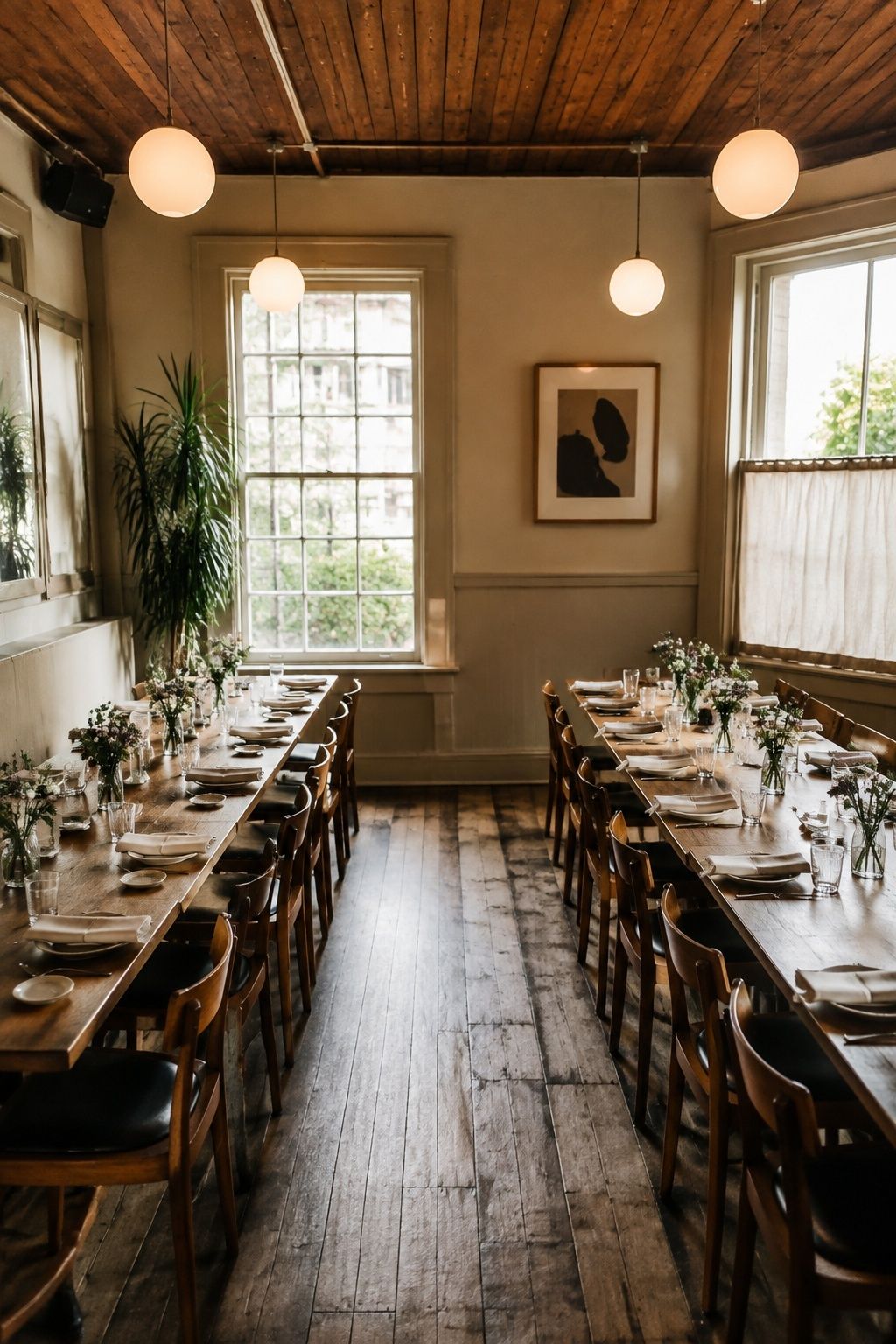
The right venue reduces friction. A restaurant fits hospitality and ease. A garden fits presence and beauty with less decor. A family property fits closeness and history. A formal ballroom fits tradition and polish. Choose the place that already behaves like the wedding you want.
Keep or adapt traditions only when they serve the meaning
Traditions are strongest when they still mean something to the couple. Keep the parts that connect you to family, culture, faith, or shared joy. Adapt the parts that need gentler timing or smaller scale. Release the parts that exist only because someone said weddings always include them.
Hire vendors who respect the tone and scale you want
Values fit naturally in vendor conversations. Tell photographers whether you value documentary quiet or editorial direction. Tell planners whether you want intimacy over spectacle. Tell caterers whether dinner is the emotional center. Good vendors do not just sell services; they understand the atmosphere they are joining.
Leave breathing room in the timeline if presence matters
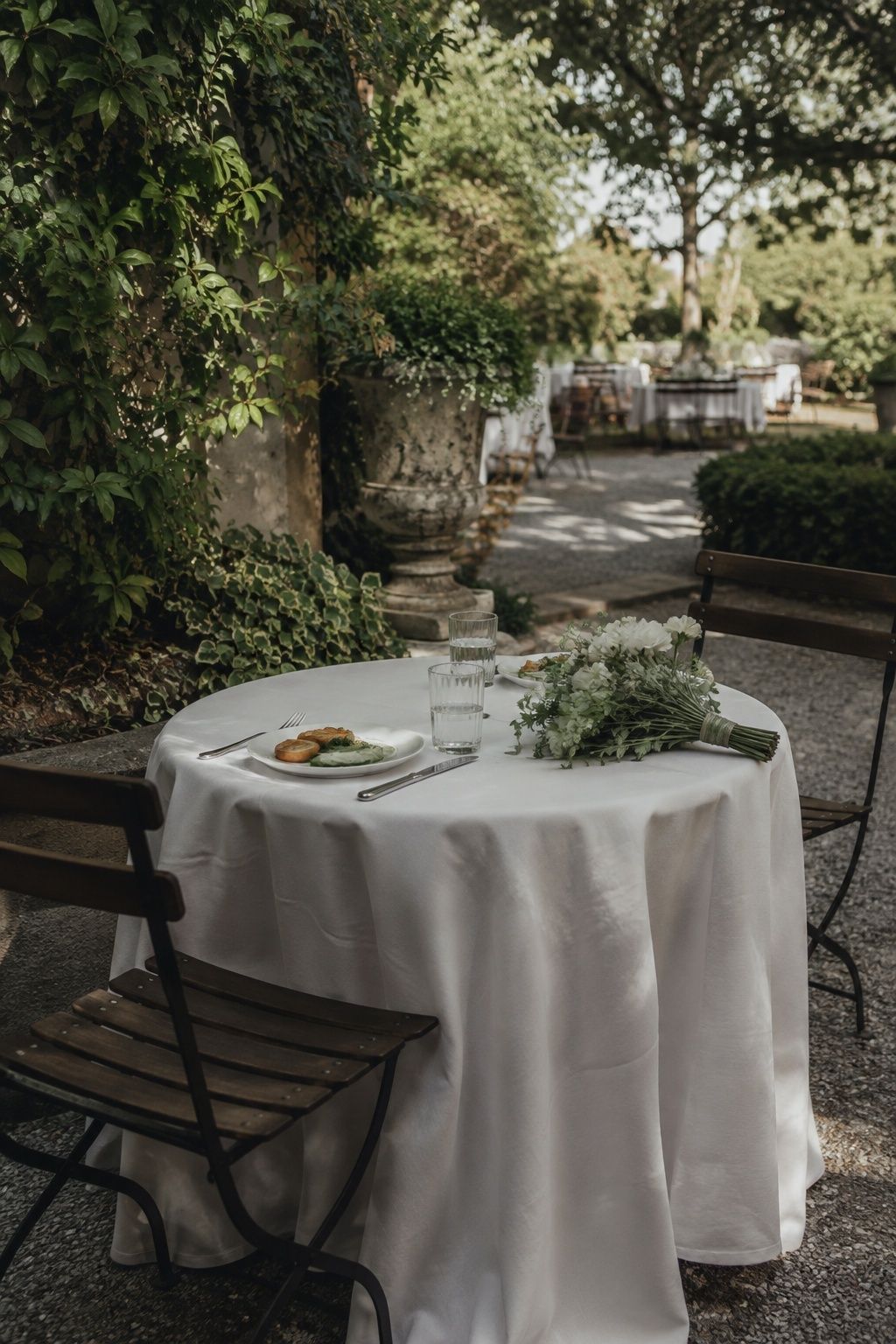
Presence needs time. Add a few protected pauses: ten minutes after the ceremony, an away-from-the-crowd plate of appetizers, a slower dinner entry, or a final walk through the empty room. A packed timeline often creates a beautiful schedule and an absent couple.
Use values to stop trend-chasing and comparison planning
Trends are not the enemy. Unfiltered trends are. When a new idea appears, ask which value it serves. If it deepens the feeling, consider it. If it only proves that the wedding is current, let it pass. A clear no is often a gift to the rest of the day.
Make family conversations about principles, not preferences
Family pressure grows when every choice sounds like taste. Move the conversation to principles. Instead of arguing over one cousin, explain that the guest list is built around present relationships. Instead of debating every tradition, explain that you are keeping the rituals tied to meaning.
Revisit the values whenever a decision gets noisy
Write a values filter with three lines: what we want people to feel, what we are willing to spend on, and what we are allowed to skip. Keep it visible when budgets shift, opinions arrive, or comparison starts whispering. How to plan a wedding around your values becomes easier each time you return to that page.
Values That Work Especially Well For Small Weddings
Small weddings often feel natural with values-first planning because the scale already invites care. With fewer guests, each decision becomes more personal and less performative. These values work especially well for intimate celebrations.
Presence
Presence means the day leaves room for you to notice it. Choose fewer locations, fewer formalities, and a slower pace so the ceremony, meal, and conversations do not blur.
Connection
Connection favors a guest list of people who know you well, seating that encourages conversation, and moments where guests hear why they were invited into the room.
Simplicity
Simplicity is not emptiness. It means fewer moving parts, cleaner choices, and less emotional clutter. The best small weddings often let the setting, meal, and vows carry the weight.
Hospitality
Hospitality puts guest comfort high in the budget. Think generous food, easy seating, clear timing, weather plans, and a room that feels cared for without needing much explanation.
Belonging
This value makes the room feel chosen. It shows up through family roles, thoughtful seating, welcome language, cultural rituals, and a guest list that reflects real closeness.
Sustainability
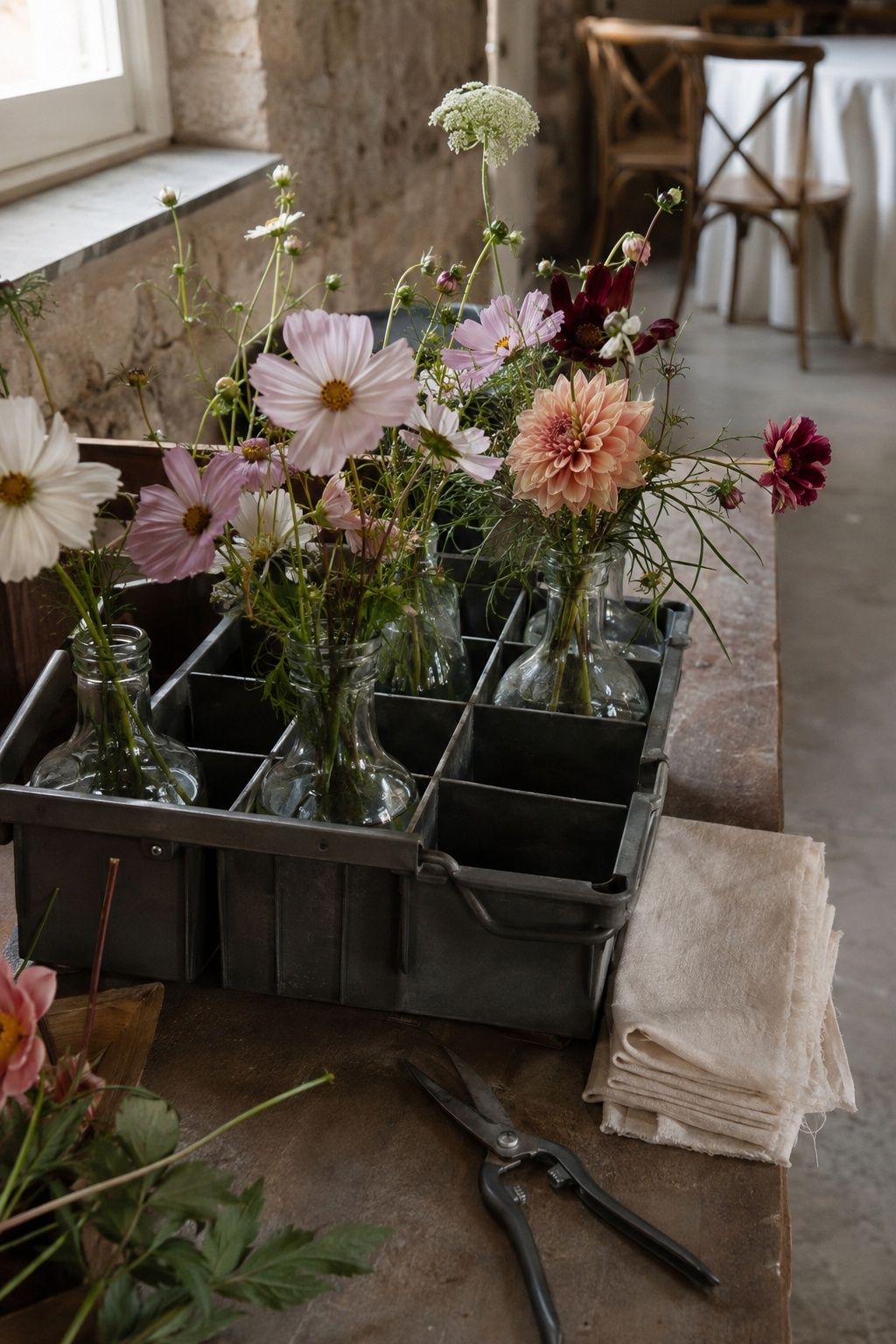
Sustainability points toward seasonal flowers, rented decor, local food, digital extras, reusable items, and fewer purchases made only for one photo. Smaller scale makes this easier.
Meaning
Meaning asks every major element to earn its place. The ceremony, music, meal, speeches, attire, and traditions all feel stronger when they are connected to who you are.
How Values Change Common Wedding Decisions
Once your values are named, ordinary planning categories become easier to sort. The point is not to make every choice profound. The point is to give the meaningful choices a clear lane.
Guest list
A values-led guest list uses rules before exceptions. Invite the people who fit the kind of room you are creating, then use the same rule kindly for everyone else.
Venue
The venue works best when it makes your values easier to live out. If you value ease, avoid spaces that require endless rentals. If you value nature, choose a place where the landscape already holds the mood.
Ceremony
The ceremony is where values become spoken promises. Choose ceremony texts, music, vows, rituals, and speakers because they reflect the marriage, not because the order feels incomplete without them.
Food and drinks
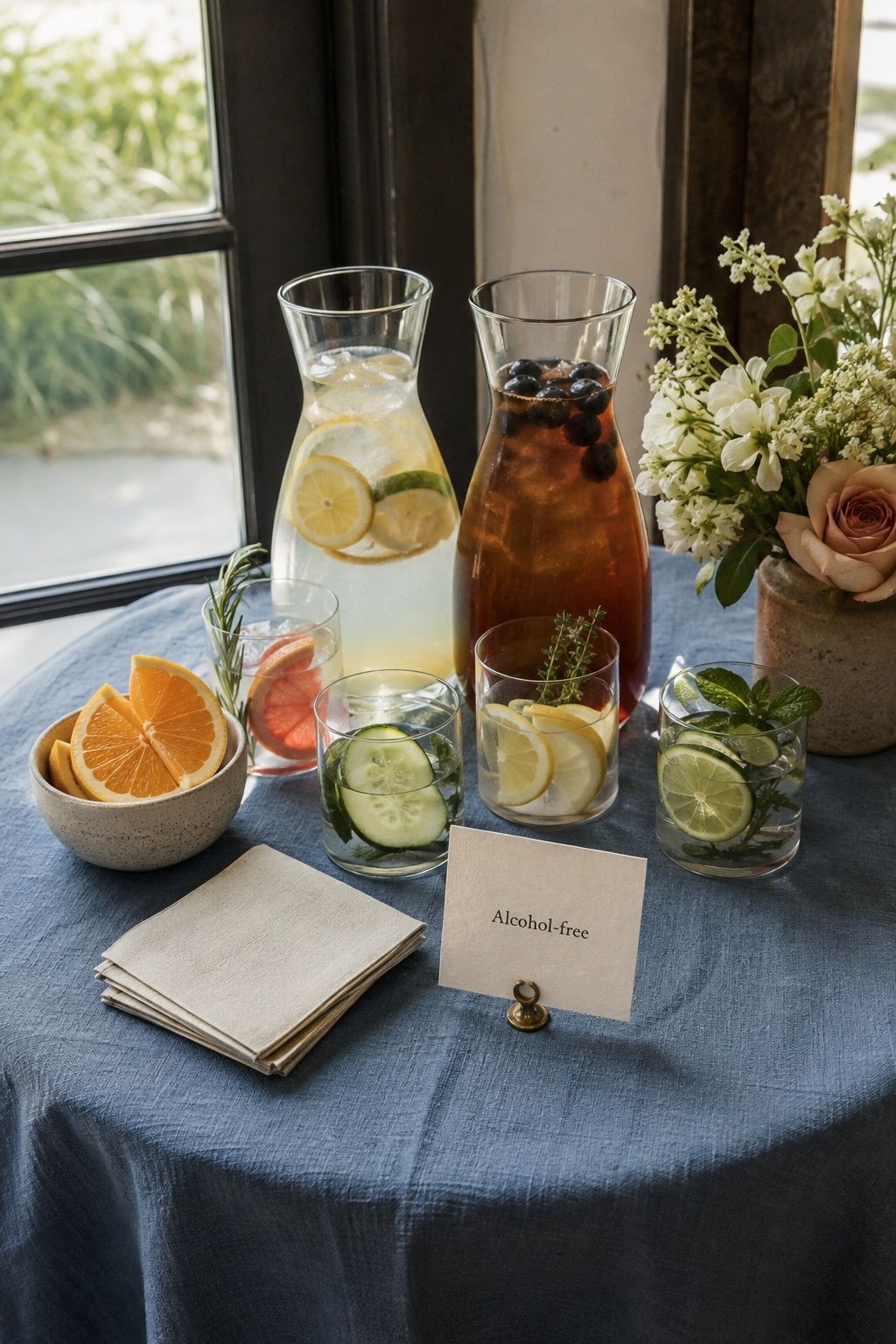
Food reveals hospitality quickly. Your values point toward the right shape: a relaxed family-style meal, a favorite restaurant menu, a thoughtful nonalcoholic bar, or dessert from a place you love.
Photography
Photography choices depend on memory style. Some couples want polished portraits. Others want quiet documentation of hugs, hands, tables, and glances. Name that before choosing a photographer.
Decor
Decor works best when it amplifies the setting and feeling. Values-first decor usually means fewer statement moments, better materials, and repetition instead of a new idea on every surface.
Wedding party and family roles
Roles do not need to follow a template. Choose attendants, readers, witnesses, ushers, or family honors based on relationship, comfort, and meaning. Smaller weddings often benefit from simpler roles. For more on choosing wedding priorities as a couple, see the complete, updated guide.
FAQ
How do you plan a wedding around your values?
Choose three to five values together, define what each value means in real wedding choices, then use those values to rank budget categories, shape the guest list, choose vendors, and edit traditions.
What are wedding values?
Wedding values are the principles that shape the celebration. Common examples include presence, hospitality, family, faith, simplicity, sustainability, artistry, financial calm, cultural honoring, or connection.
How do you choose wedding priorities as a couple?
Talk separately first, then compare answers. Each person names the three parts of the day that matter most and the three parts they are happy to simplify. The overlap becomes the planning priority list.
How do values help with a wedding budget?
Values turn the budget from a category-by-category guessing game into a ranked plan. Spend more where the values are strongest, spend less where the return is mostly visual pressure, and leave room for calm.
How do you plan a small wedding around your values?
Start with the kind of room you want: intimate dinner, family ceremony, weekend gathering, courthouse meal, or quiet destination celebration. Then choose guests, venue, food, and timing that protect that feeling.
How do you say no to traditions that do not fit your values?
Use warm, principled language. Say that you are keeping the traditions that feel connected to your marriage and simplifying the ones that do not. Offer appreciation without reopening the decision.
Final Thoughts
How to plan a wedding around your values is less about finding one perfect wedding style and more about building a celebration that keeps pointing back to the life you want. The values filter does not remove every hard conversation, but it makes each one less random.
Choose what people feel, what you are willing to spend on, and what you are allowed to skip. Then let the day become smaller, clearer, warmer, and more yours. Let the day feel intentional enough for the quiet in-between moments. Keep the small pauses in mind.
Last update on 2026-11-29 / Affiliate links / Images from Amazon Product Advertising API