

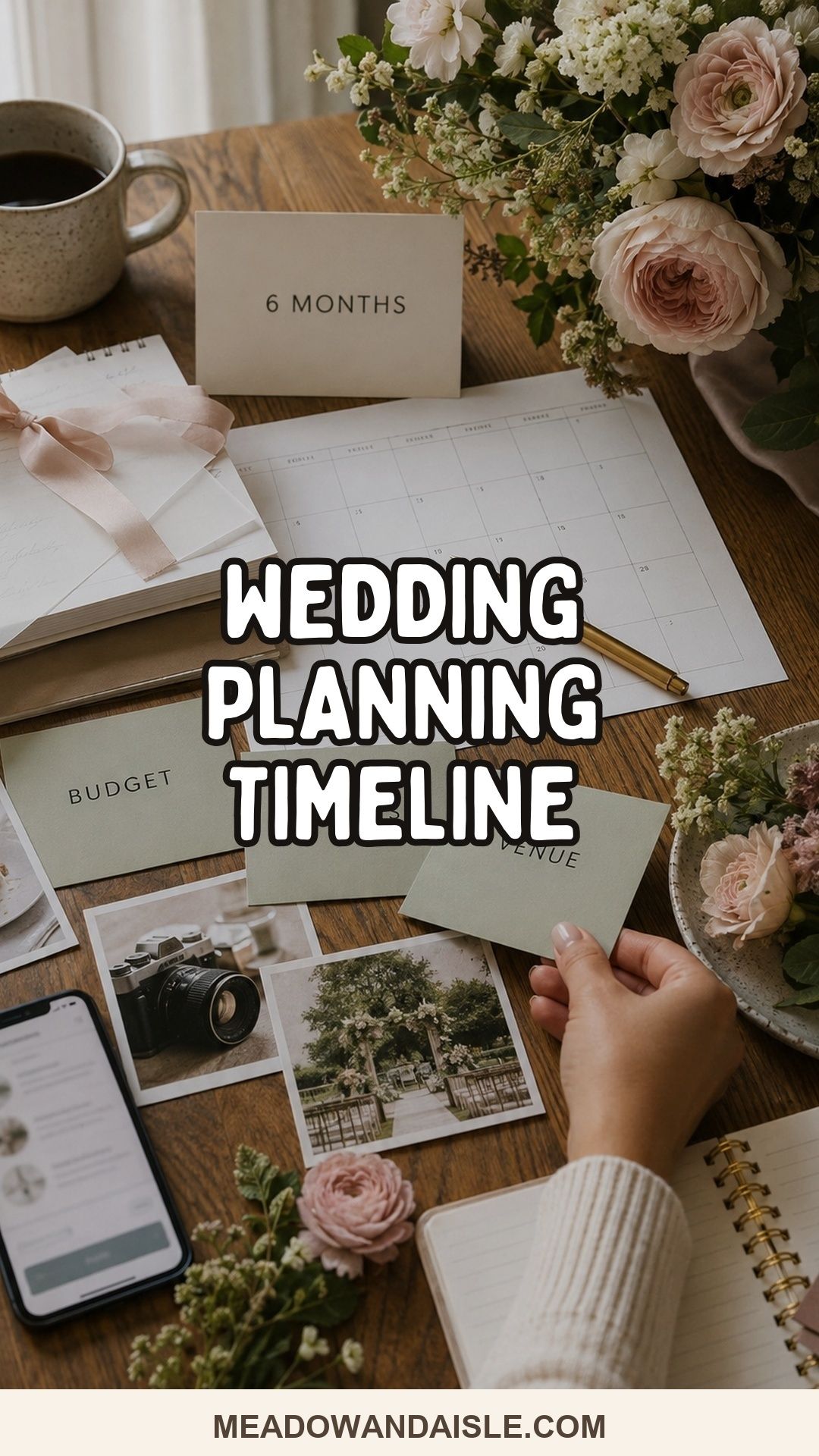
Most couples feel comfortable with 12 to 15 months, but how long does it take to plan a wedding really depends on guest count, venue availability, vendor needs, attire, legal paperwork, and how quickly you can make decisions. A small wedding can often come together in 3 to 9 months when the plan stays focused.
The hardest part of choosing a wedding date is not always the calendar. It is the little wave of panic that arrives when you wonder whether you have enough time, whether everyone else started earlier, and whether a shorter engagement means the day will feel rushed.
The honest answer is kinder than most planning timelines make it sound. A longer runway gives you more choice, but a beautiful, personal, guest-aware wedding does not require every month of a 12-month wedding planning timeline. It needs clear priorities, a realistic scope, and enough lead time for the pieces that actually affect your ceremony, food, photos, guests, and legal validity.
If you are planning a smaller celebration, your timeline may be more flexible than you think. Fewer guests can mean fewer invitations, fewer rentals, easier food counts, smaller spaces, and fewer family logistics. The tradeoff is that you still need to move early on the decisions that hold the whole day together.
Recommended Wedding Products


You Might Also Like These Blog Posts
- What Month Should You Start Planning A Wedding For A Calmer Engagement
- How To Plan A Wedding In 18 Months Without Overthinking Every Detail
- Can You Plan A Wedding In 3 Months Without Chaos Taking Over
- Can You Plan A Wedding In 6 Months Without Making It Feel Rushed
- How To Plan A Wedding In One Year Without Turning It Into A Full-Time Job
- How To Plan A Wedding Around Your Values Without Losing The Plot
How Long Does It Take To Plan A Wedding When You Want A Calmer Day?
For many couples, 12 to 15 months feels comfortable because it gives you time to compare venues, book preferred vendors, order attire, invite guests with notice, and spread decisions across real life. That does not mean every wedding needs that long. It means a traditional wedding with a larger guest list benefits from more breathing room.
For a small wedding, micro wedding, courthouse dinner, restaurant reception, or short-notice celebration, the average wedding planning timeline can shrink. The question is not only how many months to plan a wedding. It is which decisions need calendar space and which details can be right-sized for the kind of day you are actually having.
The Comfortable Timeline For Most Couples
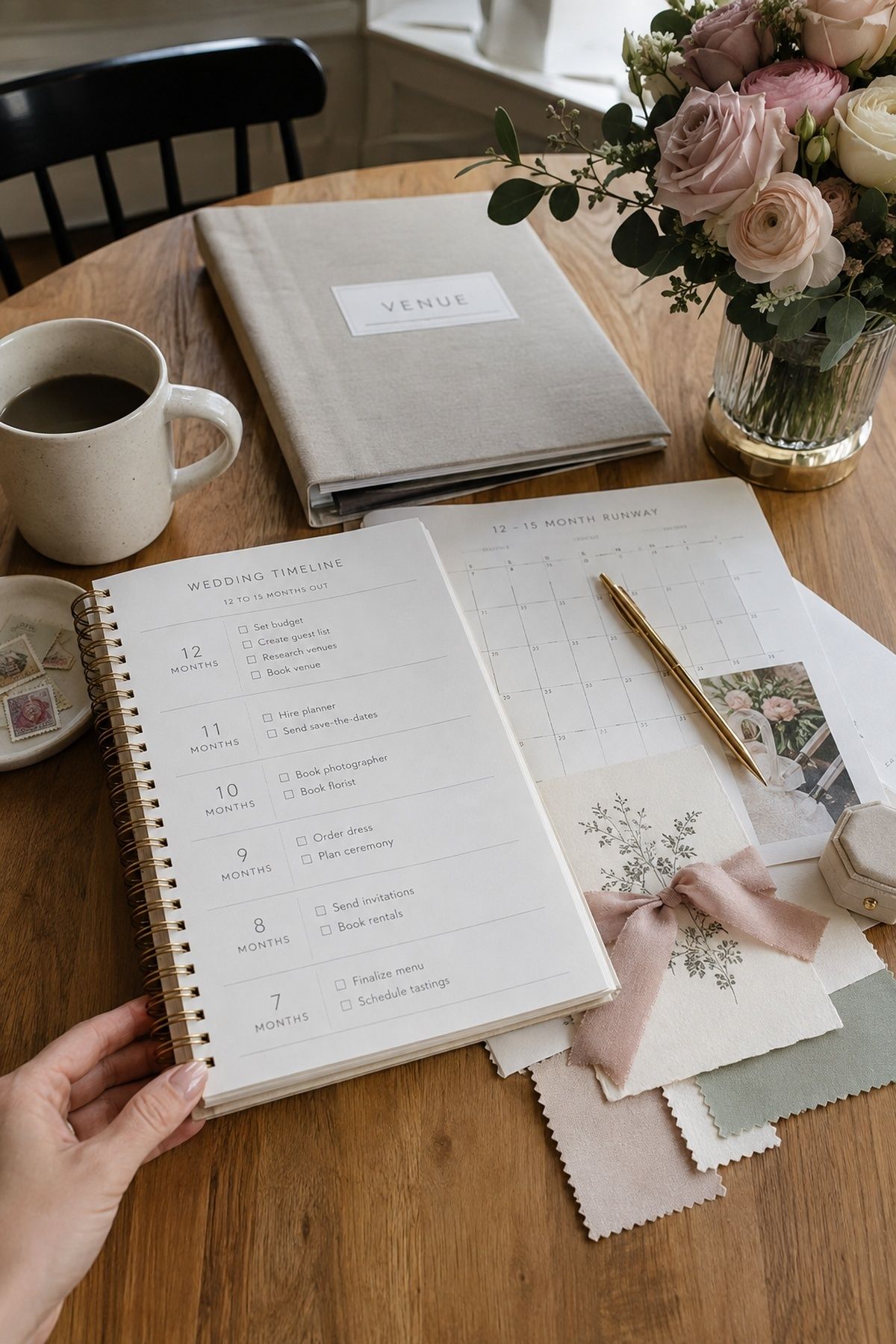
A comfortable full wedding timeline is usually about a year or a little longer. That window helps when you want a popular Saturday, a high-demand venue, several professional vendors, custom attire, mailed stationery, a wedding party, hotel blocks, and guests traveling from different places.
The early months are not just for browsing. They protect the choices that disappear first: venue/date, photographer, food, ceremony location, planner or coordinator, lodging, and attire lead time. Once those are settled, the rest of the planning can unfold with less daily pressure.
A longer timeline also gives families more time to adjust. If your guest list is large, your parents are contributing, or your ceremony includes religious or cultural requirements, extra months can keep sensitive decisions from becoming rushed conversations.
How Long A Small Wedding Usually Needs
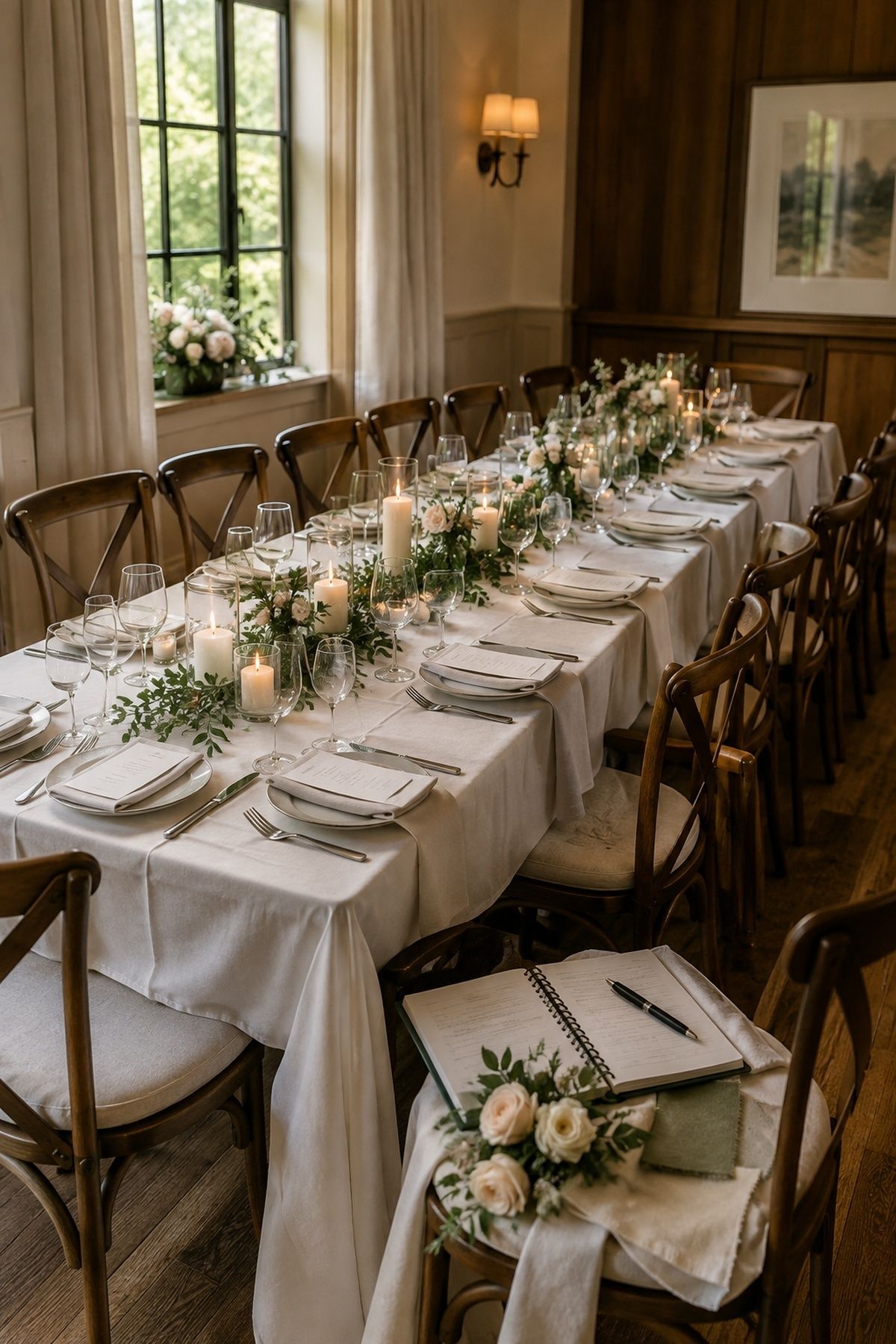
A small wedding planning timeline can often be 3 to 9 months, depending on the format. A 12-person courthouse ceremony with dinner can move much faster than a 60-person private estate wedding with rentals, transportation, and a full vendor team.
Small weddings compress more easily because there are fewer people to feed, seat, transport, and communicate with. You may be able to use a private dining room instead of a blank-space venue, a single long table instead of a full floor plan, digital invitations instead of a formal paper suite, and a florist order instead of a full installation.
Still, small does not mean instant. Legal paperwork, photography, food, guest notice, attire alterations, and day-of ownership all need attention. The timeline becomes calmer when you use your smaller guest count to reduce complexity, not when you pretend the details will solve themselves later.
What Changes If You Have 6 Months
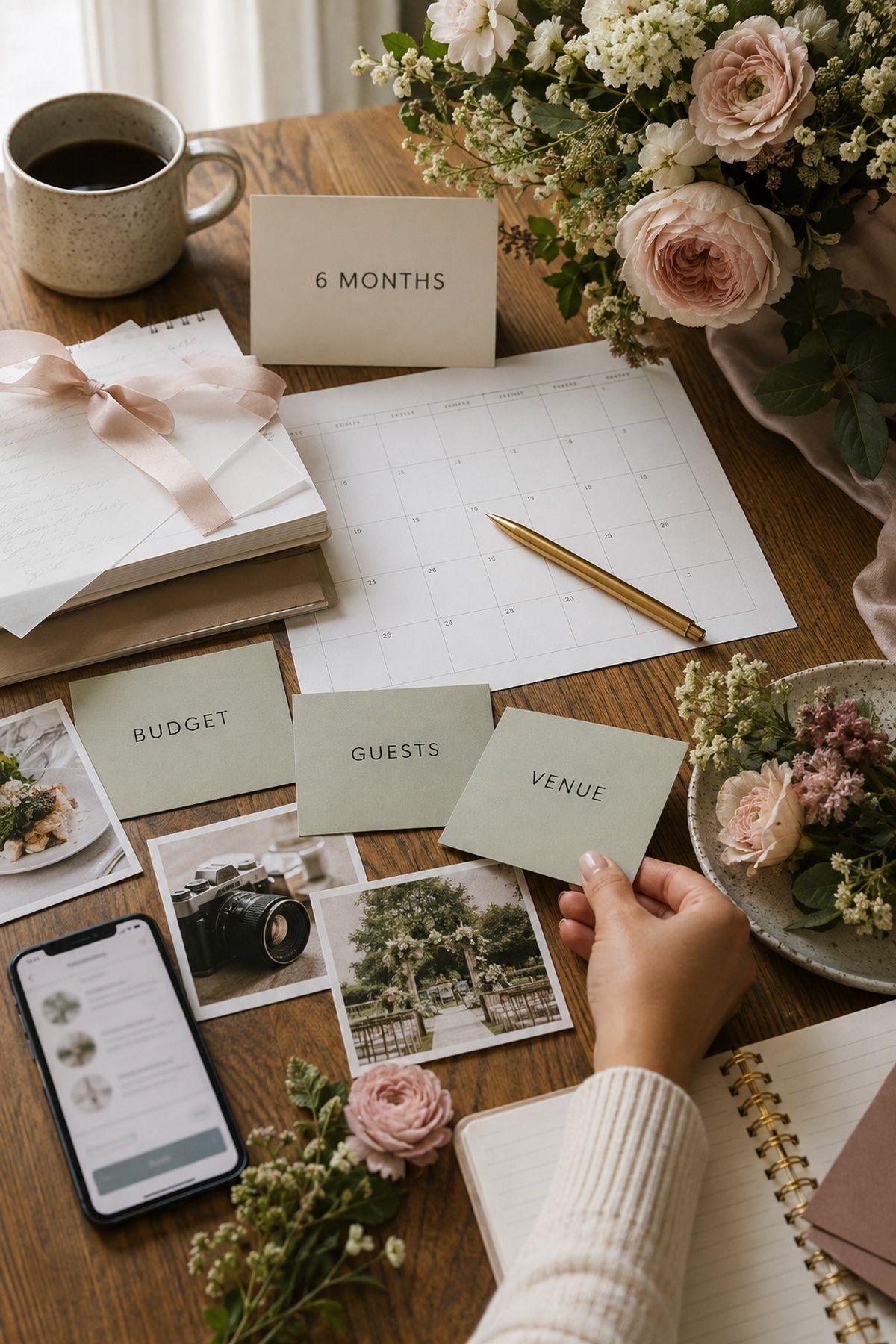
Six months can be enough time to plan a wedding, especially if the guest list is controlled and the couple can make decisions without weeks of comparison shopping. The first month matters most. You need a budget, guest ceiling, venue or ceremony location, date, food plan, photographer, legal path, and invitation plan moving quickly.
The tradeoff is choice. Peak-season Saturdays may already be gone. A dream photographer may be booked. Custom attire may be unrealistic. You may need to consider weekday dates, brunch receptions, restaurants, micro-wedding packages, local flowers, digital RSVPs, and simpler paper goods.
For a focused version of this shorter runway, ask early whether you can plan a wedding in 6 months with the guest count, vendor team, and level of customization you want. The key is treating six months as a real plan, not as a full traditional timeline squeezed into half the space.
What Changes If You Have 3 Months

A 3-month wedding planning timeline is possible, but it works best when the wedding is smaller, the date is flexible, and the couple is willing to simplify quickly. At 90 days, you are not leisurely building a wedding from inspiration outward. You are confirming the essentials first, then adding beauty where there is still room.
Legal paperwork, an available ceremony location, food, guest communication, photography, attire, rings, and a day-of lead become the priority. Custom decor, complex rentals, elaborate signage, multi-event weekends, large wedding parties, and slow decision loops become the pressure points.
If this is your actual timeline, be honest about whether you can plan a wedding in 3 months before you commit to details that will be difficult to finish. A short timeline can still feel intentional, but only if the scope is honest.
Once the scope is clear, keep a last-minute wedding planning checklist focused on legal steps, food, guests, attire, photography, and day-of ownership instead of every decorative possibility.
The Decisions That Make Planning Take Longer
Wedding planning takes longer when many people, vendors, and custom pieces depend on one another. A 150-person guest list, destination travel, hotel blocks, transportation, multiple venues, a full wedding party, custom attire, a plated meal, religious requirements, cultural traditions, and family negotiations all add time.
None of those choices are wrong. They simply need more calendar space because each one creates dependencies. A venue affects the date. The date affects vendor availability. The guest count affects catering, tables, budget, lodging, and invitations. Attire affects ordering and alterations. Family expectations affect how quickly decisions can be made kindly.
If your wedding includes several of those layers, give yourself more months if you can. Planning time is not about proving you are organized. It is about protecting the emotional temperature of the process.
The Decisions That Make Planning Faster
Wedding planning moves faster when the format is simple and the guest list is clear. Restaurant private rooms, courthouse ceremonies, home receptions, garden ceremonies, micro-wedding packages, off-peak dates, digital invitations, ready-to-wear outfits, fewer vendors, and one trusted decision owner can all shorten the timeline.
Faster planning does not have to mean colder planning. A small wedding can still feel deeply personal when the couple chooses one beautiful meal, one meaningful ceremony setting, one easy guest communication plan, and a few sensory details that people will actually notice up close.
The smaller the wedding, the more each decision can do. A private dining room can be venue, food, service, table setting, and rain plan at once. A courthouse ceremony followed by dinner can replace months of venue searching. A single long table can make the reception feel designed without a complex layout.
What To Book First At Any Timeline
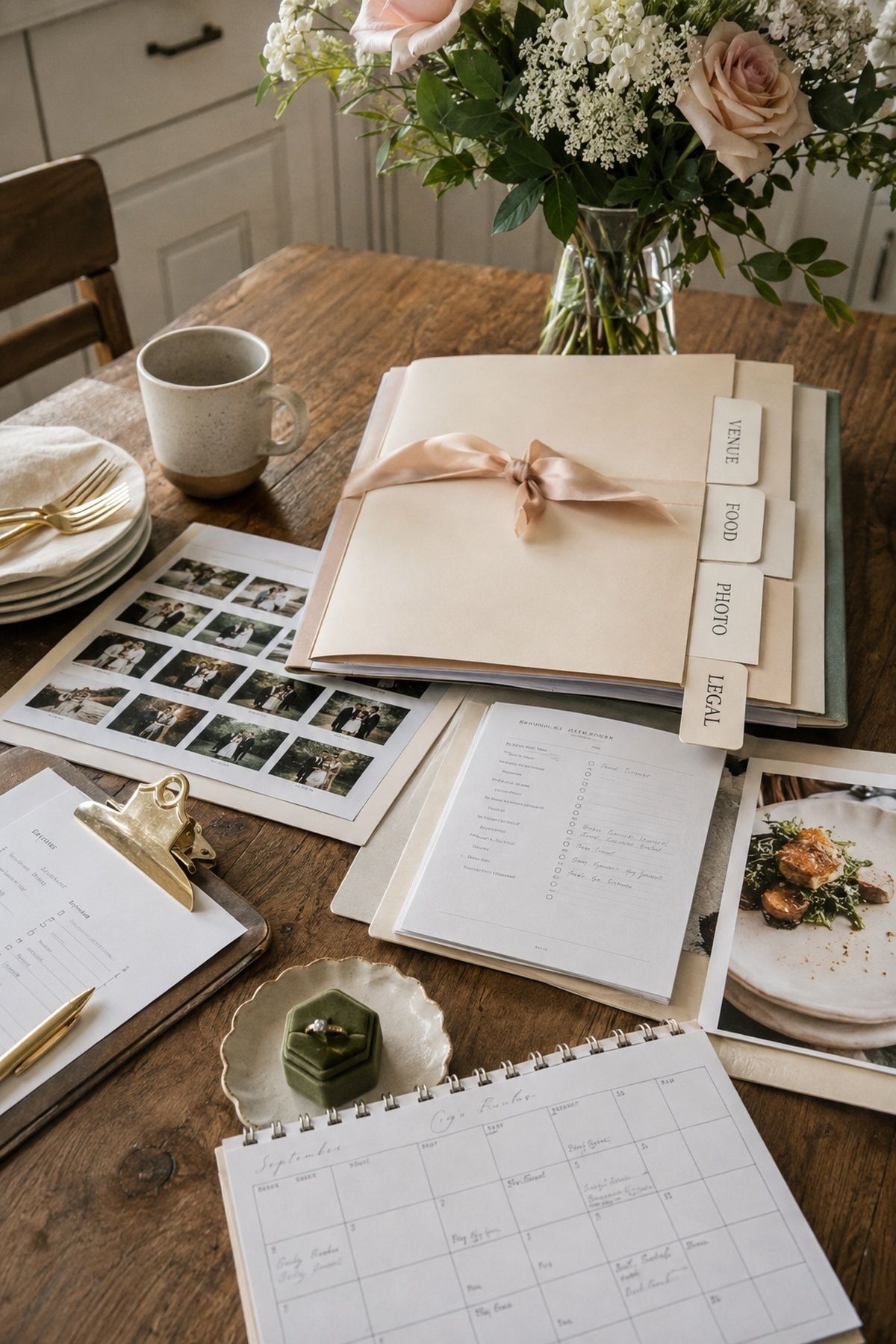
No matter how much time you have, start with the foundation. Decide your approximate budget, guest ceiling, date window, general location, and wedding format before you book anything, because knowing what to do first when planning a wedding can keep early choices from turning into expensive detours.
After that, book the choices that control the date and guest experience: venue or ceremony location, food, photographer, officiant or legal path, and any planner, coordinator, or trusted day-of helper. If your timeline is short, ask vendors about exact lead times and availability before you emotionally commit to one date.
Couples who know how far in advance to book wedding vendors can put urgency where it belongs instead of treating every detail like an emergency.
Then move to guest communication. Even a very small wedding needs clear invitations, RSVP timing, dress code, parking or travel notes, and any boundaries around who is invited. Guests do not need every detail early, but they do need enough information to feel cared for.
How To Know If Your Timeline Is Too Tight
Your timeline may be too tight if you do not have a realistic venue option, a legal plan, a food solution, a guest communication window, photo coverage, attire that can arrive and be altered, or someone who will own the day-of details. Those are the pieces that can make the wedding feel stressful if they are left vague.
Another warning sign is wanting a short timeline and a high level of customization. A custom gown, destination weekend, elaborate floral installation, large wedding party, handmade decor, and multiple guest events may all be possible individually. Together, they may ask more of the calendar than you actually have.
If the plan feels too tight, reduce scope before you reduce care. Choose fewer guests, a simpler venue, fewer vendors, an easier meal format, ready-to-wear attire, digital RSVPs, and a clearer handoff plan. A smaller wedding can still feel complete when the essentials are beautifully handled.
Timeline Examples By Wedding Size
These examples are not rules. They are planning shapes that show how much time different wedding formats usually need. Use them to decide whether your timeline needs more months, fewer moving parts, or a smaller guest list.
Courthouse Dinner For 8 To 15 Guests
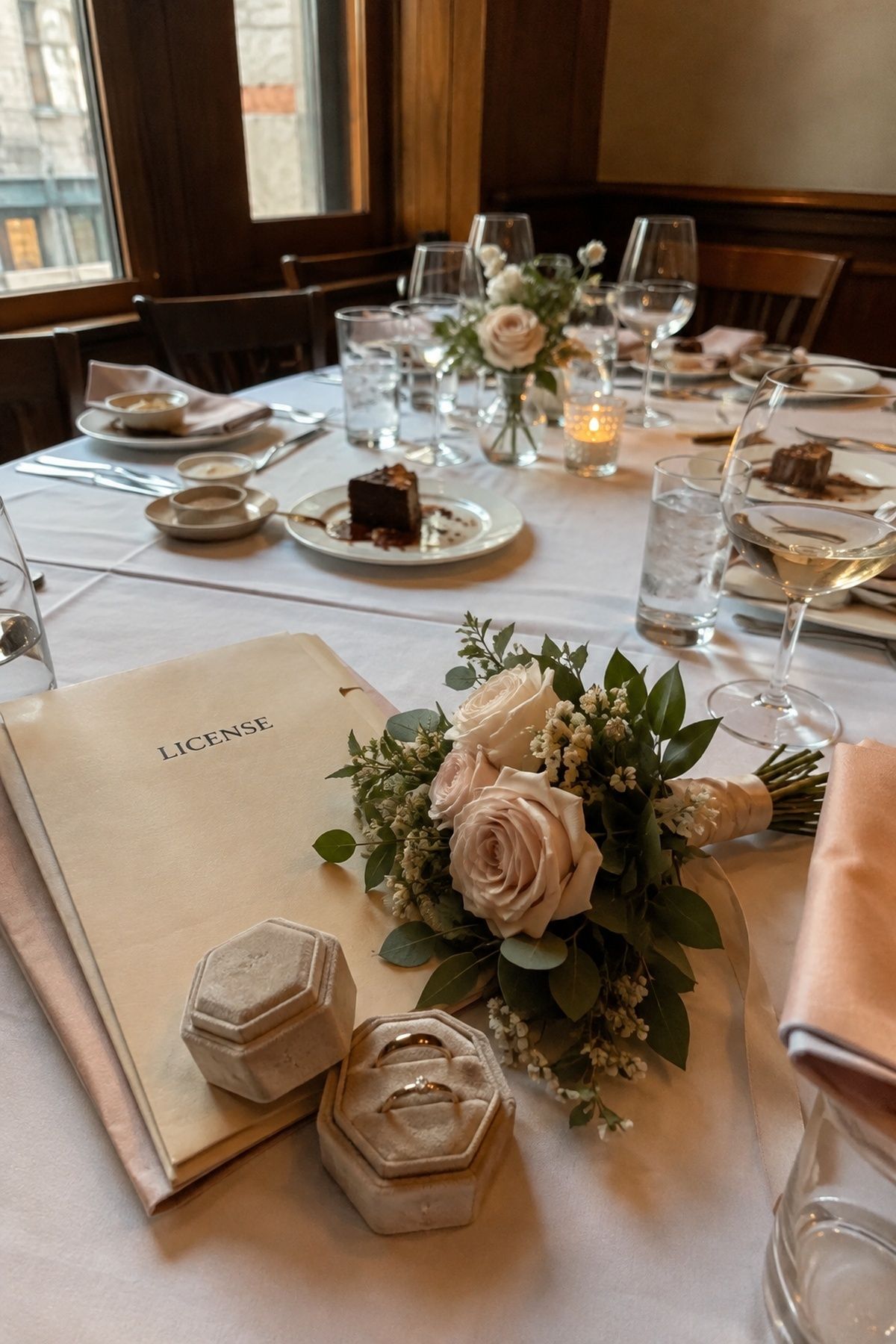
A courthouse ceremony followed by dinner can often be planned in 1 to 3 months if your legal appointment, restaurant reservation, attire, rings, and guest availability line up. The fastest version uses a weekday ceremony, a private dining room or reserved table, a small bouquet, a photographer for a few hours, and direct guest communication.
The risk is assuming simple means casual enough to improvise. Confirm the legal steps, dinner timing, accessibility, parking, photography rules, and who will carry documents, rings, flowers, and final payments.
20-Guest Micro Wedding
A micro wedding planning timeline is often comfortable in 3 to 6 months. With 20 guests, you still need ceremony structure, food, photography, invitations, seating, and a weather plan, but you can often avoid large rentals, transportation logistics, and a sprawling vendor team.
This size works beautifully with a garden ceremony, private room, family home, small inn, courthouse-plus-dinner plan, or all-inclusive micro-wedding package. A small wedding planning timeline by month can organize the pieces without borrowing a big-wedding checklist.
50-Guest Small Wedding
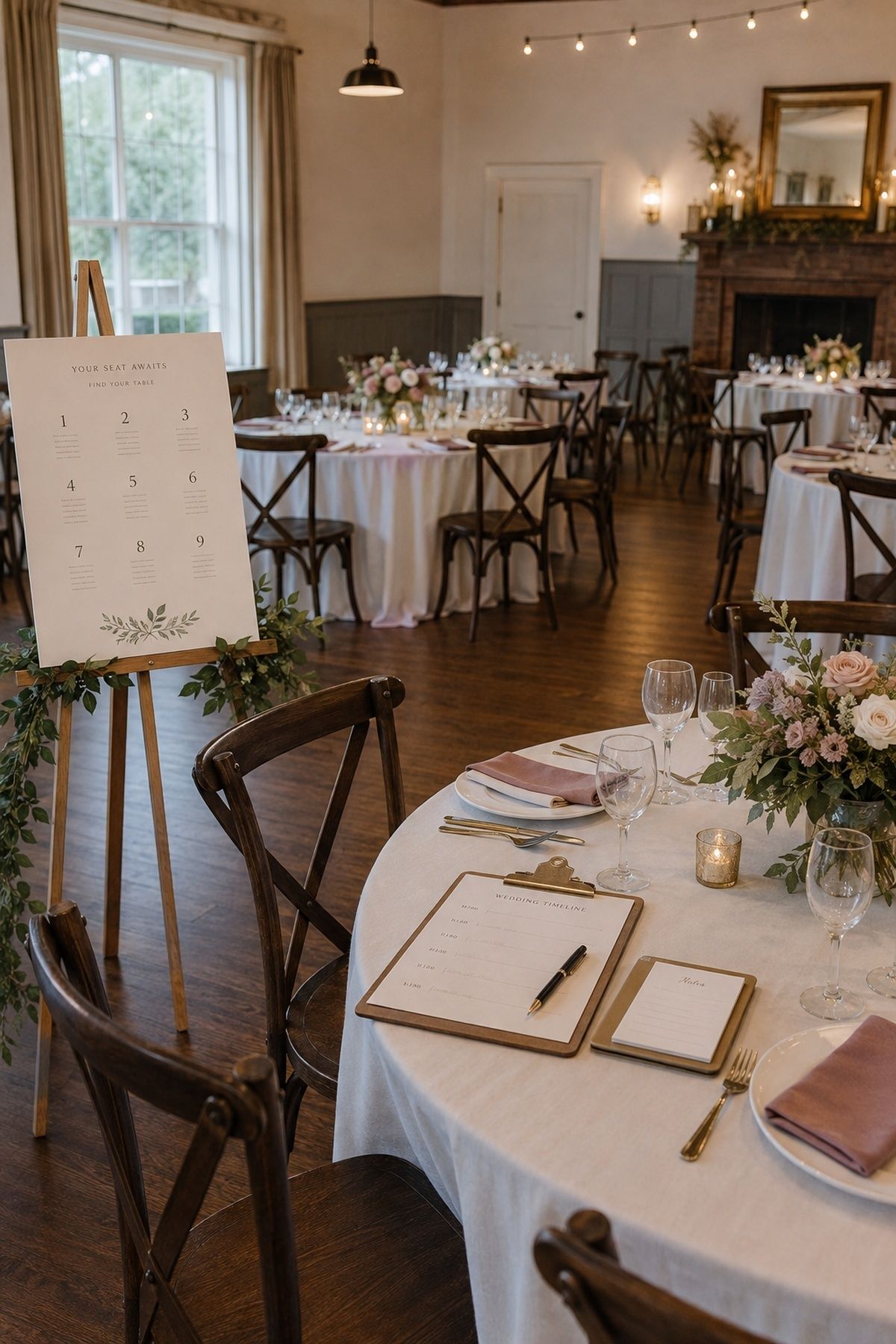
A 50-guest wedding usually feels best with 6 to 12 months, especially if guests are traveling or the venue is in demand. This size may need a more formal venue contract, catering proposal, seating plan, rentals, timeline, music, and a coordinator or reliable day-of lead.
The guest count is still small enough to feel intimate, but large enough that vague plans become noticeable. Give yourself time to confirm the guest list, collect RSVPs, plan the meal, arrange tables, communicate directions, and make sure the room feels comfortably full instead of squeezed.
100-Guest Full Wedding
A 100-guest wedding is where 12 months or more begins to feel genuinely useful. More guests mean more invitations, more catering decisions, more seating work, more family expectations, more vendor coordination, and more day-of movement. A traditional timeline gives those details somewhere to go.
You can plan 100 guests faster if the venue has strong in-house support and your decisions are simple. But if you want a peak Saturday, custom attire, a full reception design, several vendors, and many traveling guests, the longer timeline is not excess. It is relief.
For couples who prefer a gentler structure across any guest count, a simple wedding planning timeline keeps the next decision visible without turning the whole engagement into a project plan.
FAQ
How Long Does It Take To Plan A Wedding?
How long does it take to plan a wedding depends on scope, but 12 to 15 months is comfortable for many couples. Smaller weddings can often be planned in 3 to 9 months if the guest list is controlled, the venue is simpler, and the couple moves quickly on legal paperwork, food, photography, and guest communication.
Can You Plan A Wedding In 6 Months?
Yes, you can plan a wedding in 6 months, especially a small or intimate wedding. Start immediately with budget, guest count, venue/date, food, photographer, officiant or legal requirements, and invitations. The tradeoff is that you may need flexible dates, simpler attire, digital RSVPs, and fewer custom details.
Can You Plan A Wedding In 3 Months?
Yes, but 3 months works best for smaller weddings with flexible dates and decisive planning. Focus first on legal requirements, venue or ceremony location, food, photos, attire, rings, guests, and a day-of owner. Skip or simplify anything that requires long production time, complex rentals, or many rounds of approval.
How Long Does It Take To Plan A Small Wedding?
A small wedding often takes 3 to 9 months to plan, depending on guest count, venue style, and vendor needs. A courthouse dinner may take only a few weeks once legal steps are clear, while a 50-guest private-event wedding may still need 6 to 12 months for contracts, catering, RSVPs, and logistics.
Is 12 Months Enough Time To Plan A Wedding?
Yes, 12 months is enough time for most weddings when you begin with budget, guest count, venue/date, and key vendors. It gives you a comfortable window for attire, invitations, food, photography, and final logistics. If your wedding is small, 12 months may feel generous rather than necessary.
What Takes The Longest When Planning A Wedding?
The longest parts are usually venue/date availability, guest list decisions, budget alignment, vendor booking, attire ordering and alterations, family expectations, and travel logistics. Pretty details rarely need the most time. The planning slows down when foundational decisions stay undecided or when too many people need to approve every choice.
Final Thoughts
The best wedding timeline is not automatically the longest one. It is the one that protects your priorities, gives guests the information they need, and leaves enough space for the decisions that truly shape the day. If you want a large, high-demand, custom wedding, give yourself the gift of more months. If you want a small, personal celebration with fewer moving parts, you may be able to plan beautifully in far less time.
So, how long does it take to plan a wedding without losing your mind? Usually as long as it takes to secure the essentials, keep your guest list honest, and leave room for the people at the center of it all. Build the calmest version around the pieces your guests will actually feel: the ceremony, the meal, the photos, the legal steps, and a wedding planning timeline that gives the day room to breathe.
Last update on 2026-10-03 / Affiliate links / Images from Amazon Product Advertising API