

The calmest way to approach how to plan a wedding from scratch is to decide the shape of the day first: budget, guest count, season, location, venue, date, key vendors, and guest communication. You do not need to solve every detail at once; you need a clear first sequence that turns a vague idea into a wedding with edges.
Starting with nothing often feels strangely louder than starting with a problem. There are no contracts yet, no guest list, no venue floor plan, and no obvious next task, so every pretty idea starts competing for attention before the wedding has a foundation.
The secret is not becoming a professional planner overnight. It is understanding which decisions unlock the rest. Once you know your guest ceiling, budget ceiling, setting, season, and basic hosting style, the planning stops feeling like a giant cloud and starts behaving like a series of choices with a real order.
Recommended Wedding Products


You Might Also Like These Blog Posts
- How To Plan A Wedding In One Year Without Turning It Into A Full-Time Job
- How To Plan A Wedding After Getting Engaged When Everyone Has Opinions
- How To Plan A Wedding Without A Planner And Still Feel Organized
- How To Plan A Wedding Around Your Values Without Losing The Plot
- How To Plan A Wedding In 18 Months Without Overthinking Every Detail
- Can You Plan A Wedding In 6 Months Without Making It Feel Rushed
How To Plan A Wedding From Scratch Without Losing The Feeling Of It
When you start planning a wedding from the beginning, the first job is not choosing colors, asking wedding party members, or saving hundreds of floral ideas. The first job is giving the wedding a container. A container is the handful of decisions that tell every later choice what it is allowed to become.
For most couples, that means deciding the emotional shape of the day, the amount available to spend, the number of people you are prepared to host well, the general place and season, and the kind of gathering that would feel true instead of inherited. These wedding planning basics sound less exciting than a dress appointment or cake tasting, but they keep the lovely details from turning into expensive guessing.
This step by step wedding planning framework is especially useful if you are drawn to a small wedding from scratch. Fewer guests make the beginning gentler when you use that intimacy as a planning advantage. A clear guest ceiling, right-sized venue, simple meal format, and fewer automatic traditions reduce decision volume without making the wedding feel smaller in spirit.
It also helps to separate decisions from discoveries. A discovery is information you gather: a venue’s minimum spend, a photographer’s starting rate, a city clerk’s license window, or how many relatives assume they are invited. A decision is what you do with that information. Beginners often stay in discovery mode too long because it feels productive. Give yourself enough information to choose, then choose.
Name The Wedding You Actually Want
Before you price anything, sit together and describe the wedding in ordinary human language. Not a theme. Not a mood board. Say what you want guests to feel when they arrive, what you want the room to sound like, how formal the day should be, and what kind of celebration would still feel like the two of you.
Maybe you want a candlelit dinner with immediate family, a garden ceremony followed by a long lunch, a courthouse moment with a private-room reception, or a full weekend with dancing and late-night food. Each version creates different needs. Naming it early protects you from building a wedding around other people’s assumptions.
Try writing a one-sentence wedding starter plan: “We want a warm spring dinner for about 45 people, with a short ceremony, beautiful food, relaxed photos, and no complicated extras.” That sentence is allowed to change later, but it gives your beginning a center.
Set A Budget Ceiling And Contribution Plan
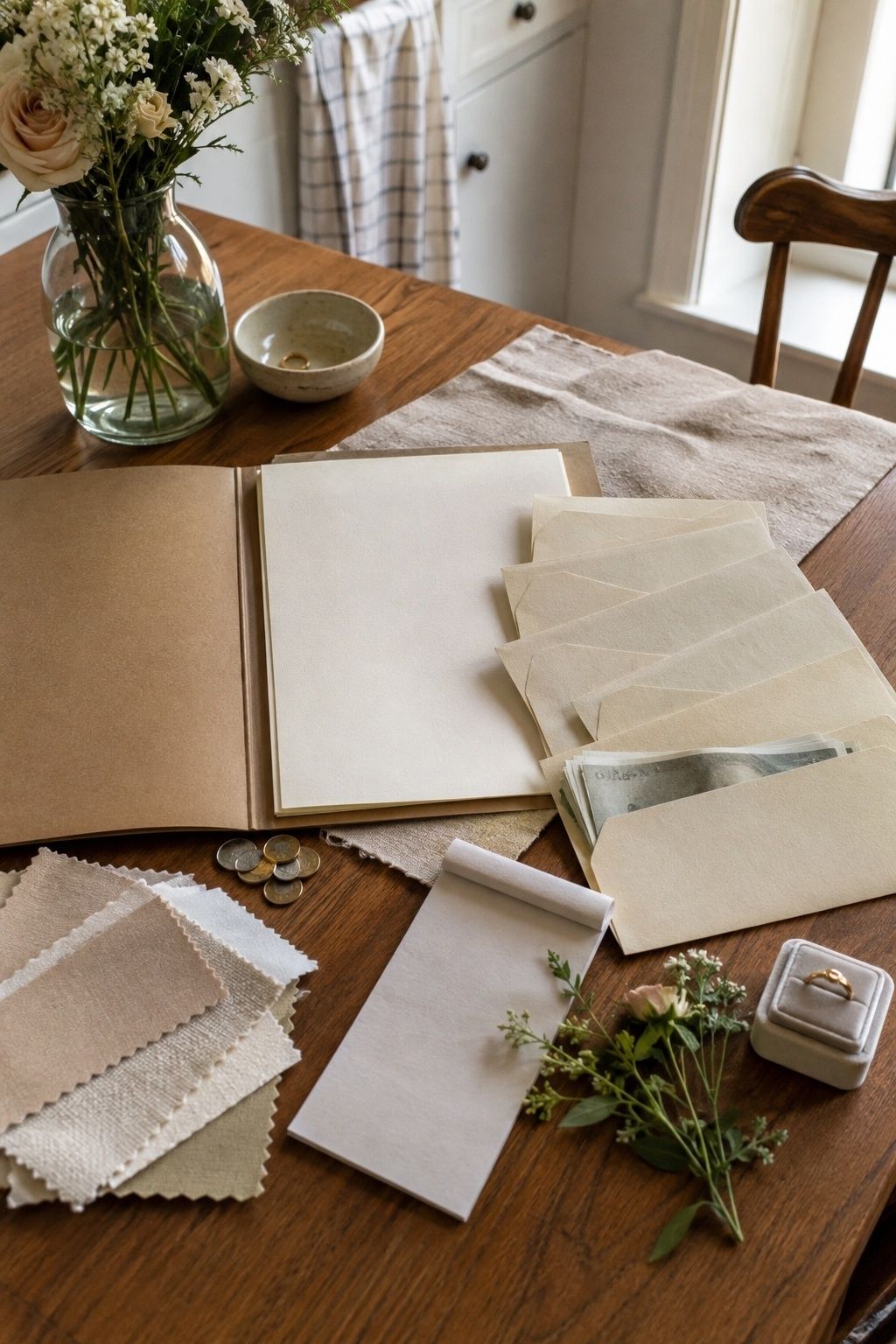
Your budget ceiling is the number you are willing to protect, not the number you hope everything magically stays under. Decide the available spend, the comfortable spend, and whether those are the same number. Then separate your real funds from possible contributions so the plan is not built on vague promises.
If parents or relatives are helping, ask kindly but directly about amount, timing, and whether the money comes with expectations. A contribution toward dinner feels different from a contribution with guest-list requests attached. Clear conversations early prevent awkward budget math later.
Leave room for a small contingency. Weddings gather little costs: alterations, delivery, postage, gratuities, permits, weather backup, service charges, and last-minute meals. A beginner wedding planning checklist should include room for surprises because surprises are not a planning failure. They are part of hosting an event with people, weather, food, timing, and emotion all in the room.
Do not divide the full number into categories too early with false confidence. Give the biggest categories rough limits first: venue, food and drink, photography, attire, flowers or decor, music, stationery, beauty, and contingency. After the venue and food quotes arrive, the budget will become more accurate. Until then, your budget is a guardrail, not a prophecy.
Draft A Rough Guest List
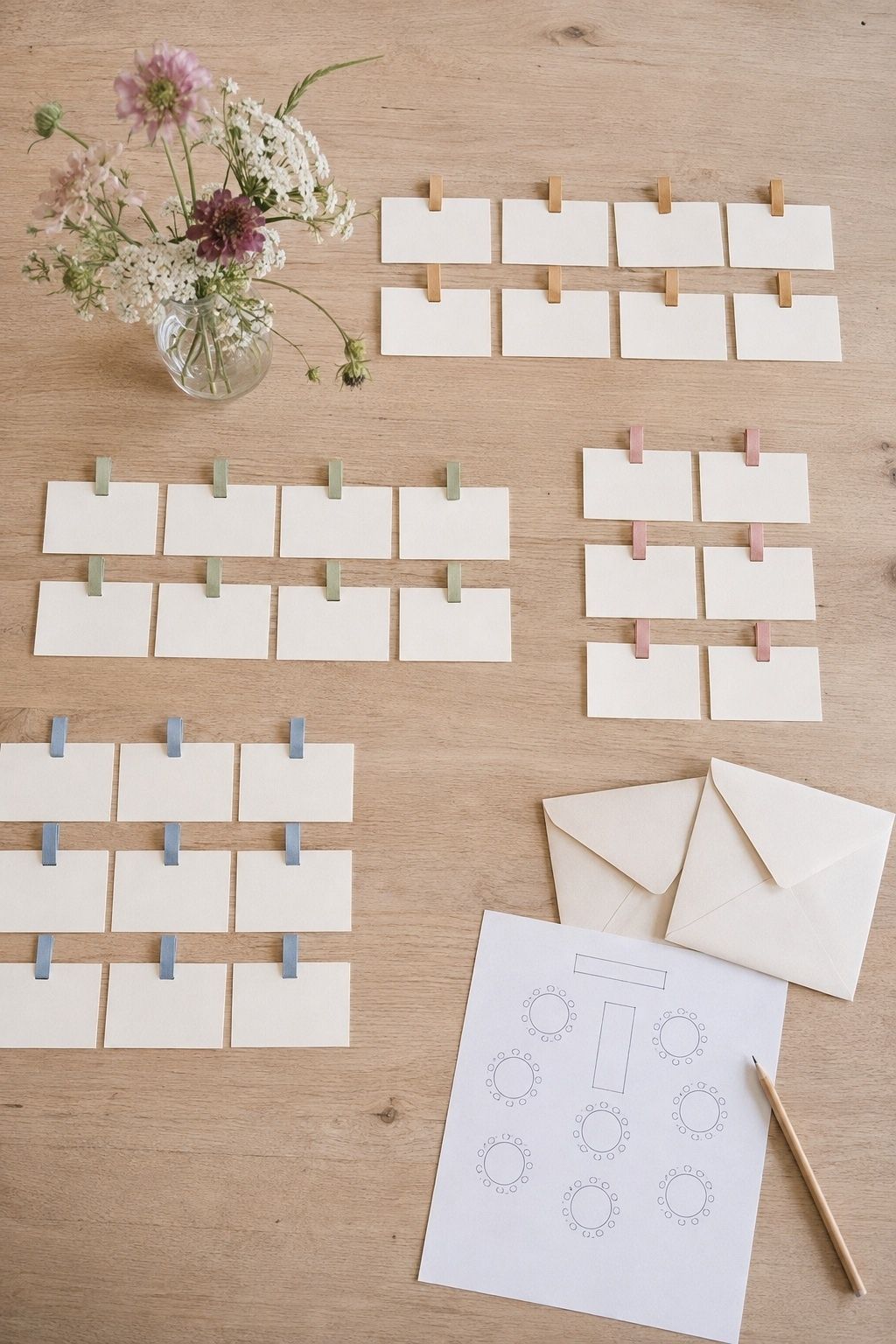
A rough guest list is enough at first, but it has to be honest. Write the names, not just a guessed number. Then group them into must-invite guests, likely guests, family expectations, friend circles, children, plus-ones, and anyone who would change the emotional scale of the room.
Headcount affects almost everything: venue size, food cost, bar cost, invitation count, rentals, transportation, staffing, and how intimate the day feels. A guest list spreadsheet looks practical rather than romantic, but it is one of the most emotionally useful tools to create because it turns social pressure into visible choices.
If you want a small wedding, define the ceiling before exceptions arrive. “Around 40” becomes 62 very quickly when every household adds one person. You are allowed to be warm and firm at the same time.
Make one private rule for the guest list before you talk to anyone else. Maybe both partners must know the guest personally. Maybe coworkers are out unless they are close friends. Maybe children are limited to immediate family. The exact rule matters less than having one sturdy enough for loving pressure.
Pick A Season And Location Range
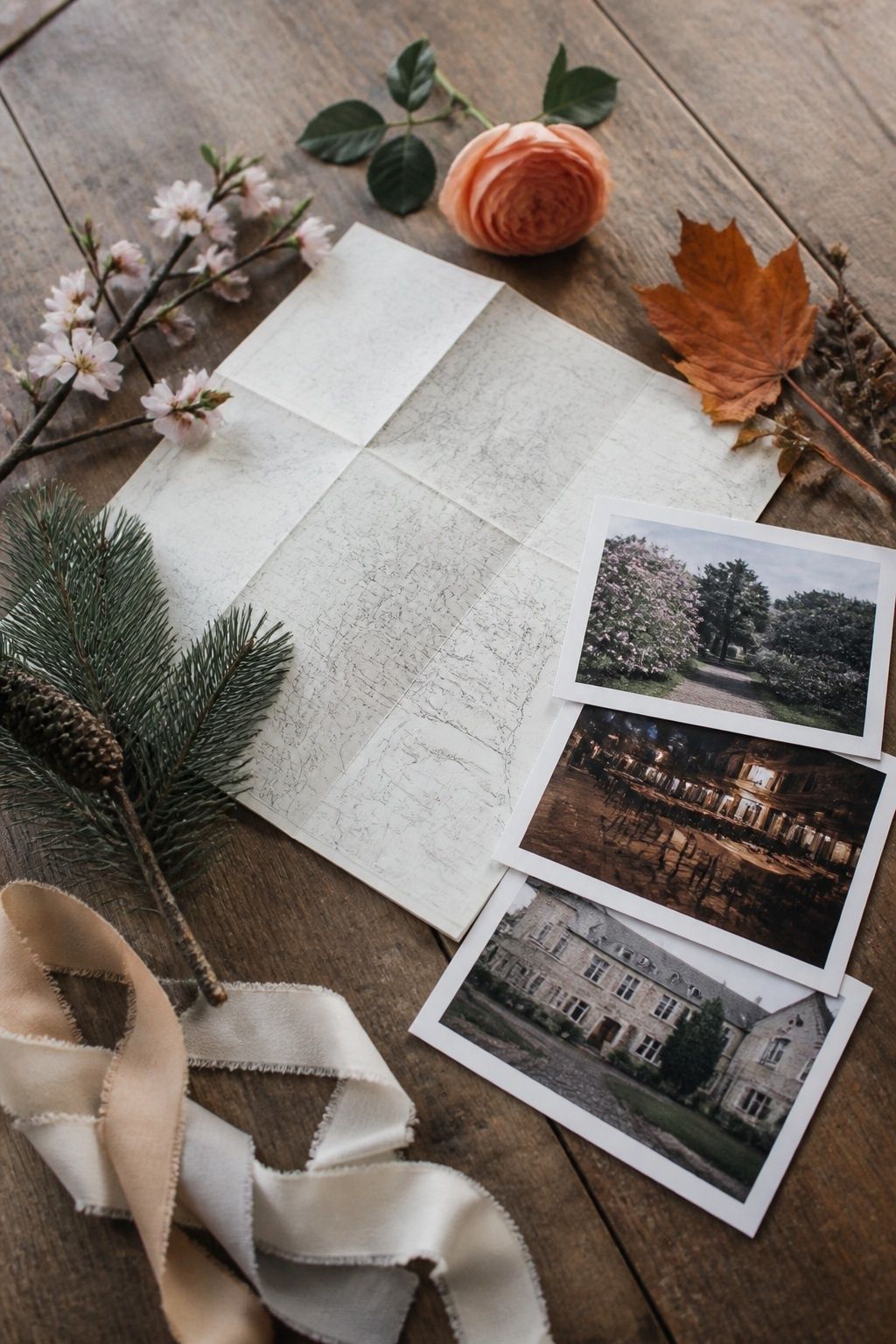
You do not need an exact date before you understand the general season and location. Think about weather, work schedules, school calendars, holidays, travel costs, family availability, and the kind of light or landscape you imagine around the day.
A summer backyard wedding asks for shade, cold drinks, bugs, rentals, and backup plans. A winter restaurant wedding asks for travel comfort, coats, timing, and candlelit atmosphere. A spring garden ceremony needs a rain option. A destination-style weekend needs earlier guest communication and a simpler guest list.
Give yourselves a flexible range, such as late September in your home city or any Saturday in May within two hours of family. Flexibility makes venue searching easier without letting the plan become shapeless.
Decide What Small Means For Your Wedding
Small does not mean the same thing for every couple. For one couple, it means 12 people at city hall; for another, 30 guests in a private dining room, 50 relatives in a backyard, or 75 people at a relaxed garden venue. The point is not the exact number. The point is whether the wedding feels intentionally hosted rather than automatically expanded.
Choose the version that fits your relationships and your budget. A micro wedding often leaves more room for the meal and photography. A courthouse-plus-dinner plan removes months of decor decisions. A restaurant wedding simplifies rentals and staffing. A backyard wedding feels personal but usually requires more logistics than it first appears.
Once you define what small means, defend it gently. Intimacy is a design choice, a budget choice, and a hosting choice all at once.
Shortlist Venues That Fit The Headcount And Mood
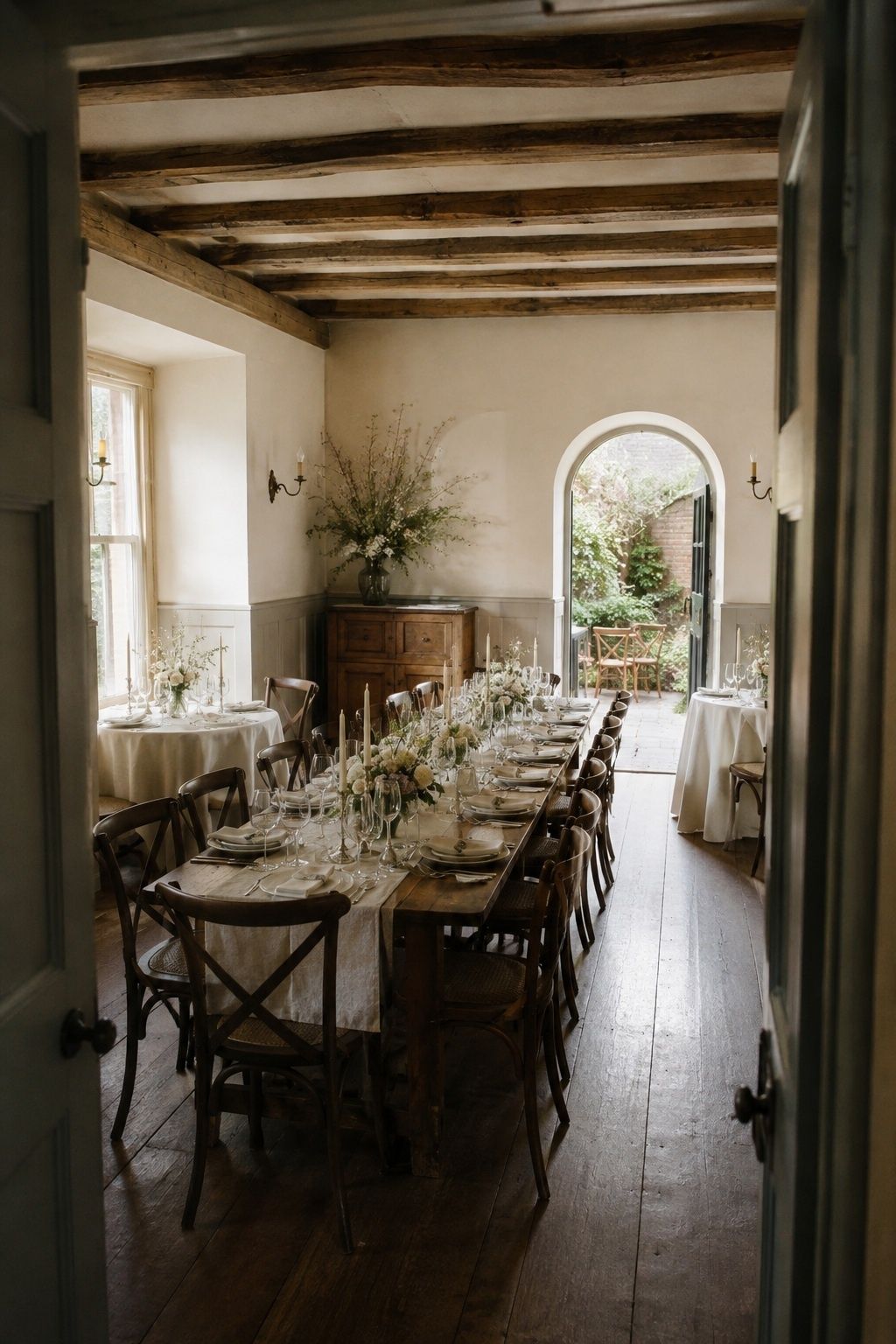
Venue browsing is much easier once you have a guest range and budget ceiling. Look for spaces that fit the actual headcount, not just spaces that photograph beautifully when empty. A room for 150 often makes 40 guests feel scattered, while a private dining room helps the same group feel cared for and close.
Compare capacity, rental fees, food rules, ceremony options, accessibility, parking, restrooms, weather backup, end time, setup access, cleanup responsibility, and what is included. A venue comparison worksheet pairs emotional impressions with practical facts so the choice feels both intuitive and grounded.
Ask how the space works for your kind of celebration. Is the ceremony easy for guests to hear? Is there room for dinner and dancing if you want both? Does the venue require vendors you do not need? Will the meal feel generous? Does the location support older relatives, guests with mobility needs, and anyone traveling with children?
Book The Venue And Confirm The Date
The venue and date unlock the rest of the wedding planning from the beginning. Once those are real, vendors confirm availability, invitations name a place, guests begin travel plans, and your budget stops floating around imaginary numbers.
Before signing, study the contract slowly. Look for deposits, payment dates, cancellation terms, minimum spends, service charges, taxes, overtime fees, insurance, noise rules, alcohol policies, required vendors, setup windows, and what happens if the guest count shifts.
After booking, update your budget immediately. Do not let the rest of the plan pretend the venue cost less than it did. If the venue absorbed more of the budget, simplify flowers, favors, rentals, stationery, or the guest list while there is still room to make graceful adjustments.
This is also the moment when the wedding begins to feel real to everyone around you. Decide what you are ready to share: the date, the city, the general guest approach, and whether travel details are still coming. A little clarity early keeps family conversations from filling the silence with guesses.
Choose The Vendors That Shape The Day
Start with vendors who affect the guest experience or serve only one wedding on your date. That often includes photography, food, officiant or legal ceremony support, planner or coordinator, music, beauty, and any rental or floral team essential to the venue.
A small wedding often needs fewer traditional vendor categories. Skip transportation, a large entertainment setup, a formal cake, a big floral installation, or a full-service planning team when those pieces do not serve the day. One support person, though, is worth considering if you do not want relatives managing vendor arrivals while wearing formal clothes.
Send clear inquiries. Share your date, venue, estimated headcount, budget range if useful, and the tone of the day. Vendors answer better when they know whether you are hosting a formal ballroom reception, a 35-person garden dinner, or a courthouse ceremony followed by cocktails.
Plan Food, Ceremony, And Guest Comfort First
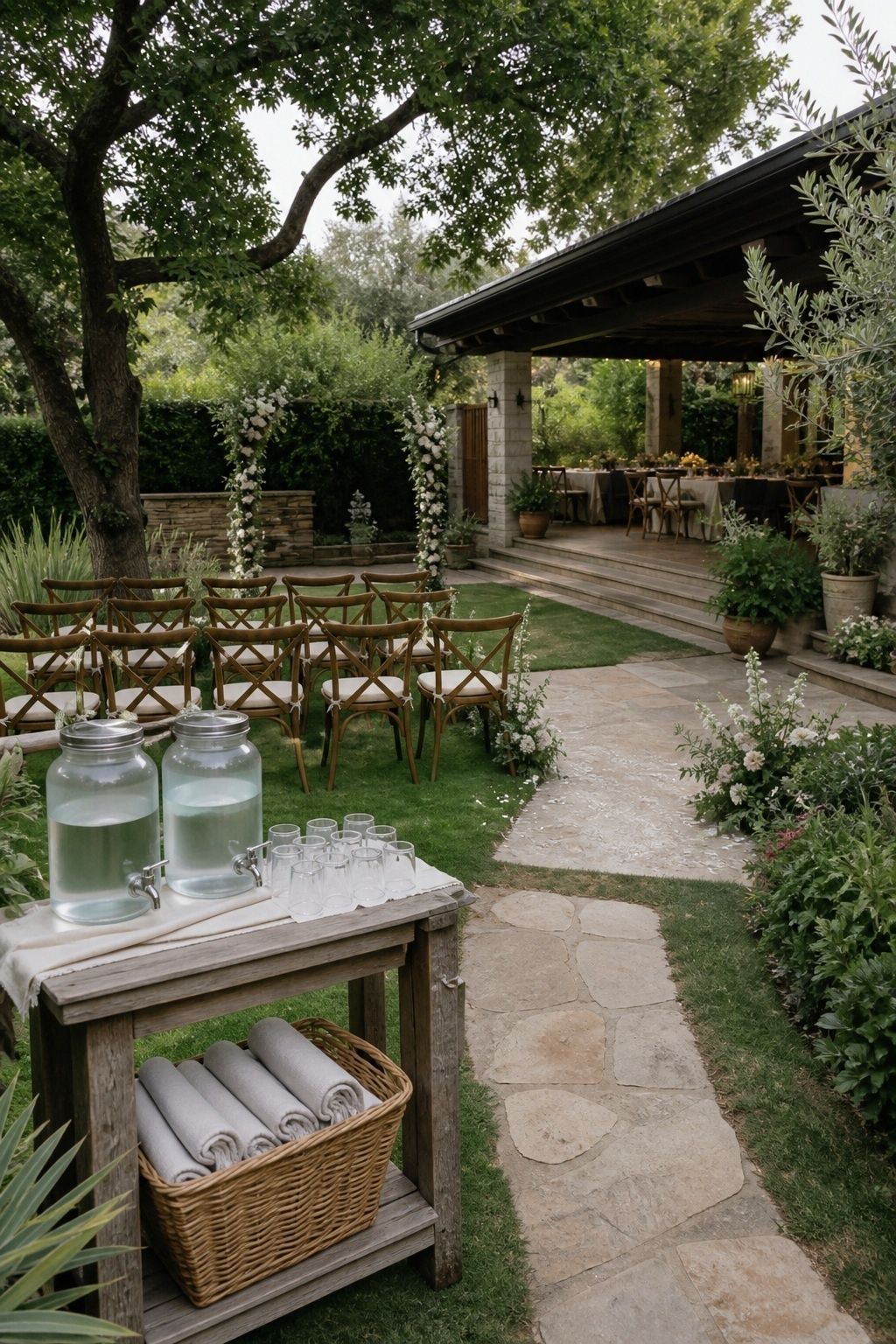
Once the big commitments are in place, prioritize what guests directly experience: the ceremony, food, seating, timing, temperature, accessibility, drinks, sound, and flow. These choices matter more than tiny decorative upgrades because they shape how cared for everyone feels.
Think through the day as a guest. Where do they arrive? What happens if they are early? Is seating comfortable? Is the ceremony easy to hear? Is there shade, heat, a rain plan, enough food, clear restrooms, and a natural transition from one part of the day to the next?
For an intimate wedding, comfort is especially visible. A confusing parking situation or long hungry gap feels more personal when the guest count is small. Thoughtful hosting is not extra. It is the heart of the plan.
Build Invitations And RSVPs Around The Real Guest List
Invitations should come from the real guest list, not the version you hope will somehow work. Confirm household names, plus-one rules, child policy, mailing addresses, meal choices, RSVP deadline, and whether guests need travel or lodging details.
Digital invitations, printed suites, and wedding websites all work beautifully. Choose the format that suits your guests and the formality of the day. A small wedding often benefits from especially clear wording because guests sometimes wonder who is included when the event is intimate.
Track replies in one place. Scattered texts, family messages, and casual verbal yeses become stressful when the caterer needs a count. Your RSVP system should tell you who is coming, who has declined, who needs a meal choice, who has allergies, and who still needs a follow-up.
Choose an RSVP deadline that leaves time for real life. Some people will answer late, some meal choices will need clarification, and one household could require a careful boundary conversation. The deadline should protect your caterer and seating plan without pushing all emotional labor into the final week.
Add Style Details After The Practical Plan Exists
Style is lovely, but it works best after the practical plan has boundaries. Colors, florals, signage, rentals, favors, menus, candles, linens, attire accents, and personal touches should respond to the venue, budget, guest count, and meal style.
Choose a few details that carry the feeling of the wedding clearly. A beautiful tablescape, meaningful ceremony flowers, handwritten place cards, or one excellent dessert moment often does more than spreading the budget across every possible surface.
When a new idea appears, ask what job it has. Does it make guests more comfortable? Does it deepen the ceremony? Does it make the room feel more like you? Does it solve a real problem? If the answer is no, call it admiration rather than assignment.
Create The Day-Of Timeline And Handoff Plan
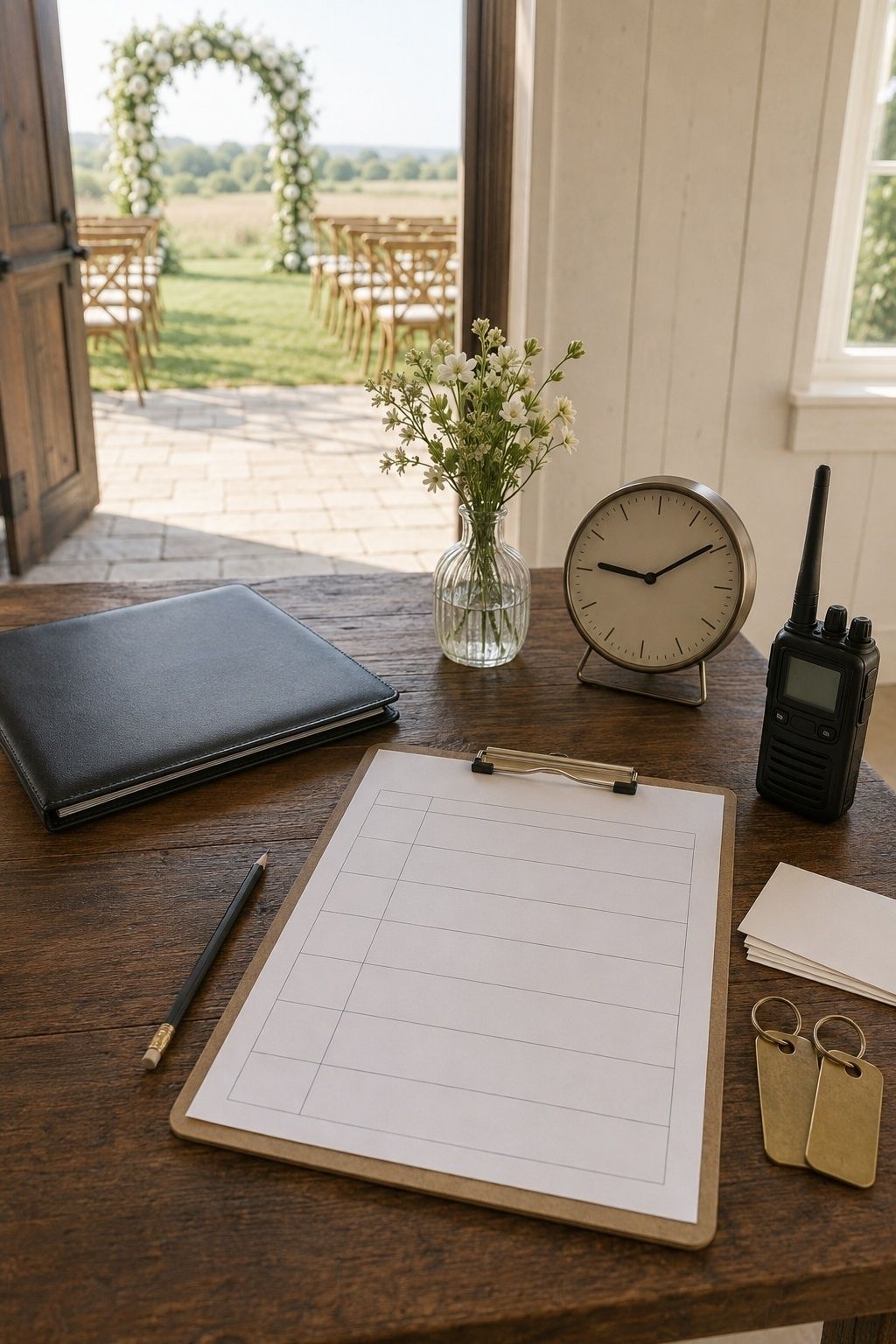
A wedding day timeline is not just a schedule. It is the plan that lets the two of you be present. Start with fixed points: venue access, ceremony time, sunset, meal service, photography coverage, vendor arrivals, travel between locations, cleanup, and the hard end time.
Build in breathing room. Hair and makeup, getting dressed, family photos, dinner service, room flips, private moments, and goodbyes all take longer than a spreadsheet suggests. A simple wedding planning timeline should feel humane, not heroic.
Then choose a point person. This person could be a coordinator, planner, venue manager, sibling, friend, or trusted relative. Give them the timeline, vendor contacts, final balances if relevant, emergency contacts, and permission to answer small questions without pulling you out of the day.
What Not To Worry About Yet
At the beginning, set aside color palette precision, favors, seating charts, registry details, custom signage, wedding party outfits, invitation embellishments, honeymoon planning, and trend-driven extras. These matter later, but they do not help you start wedding planning in the right order.
The early plan should answer bigger questions. What is our real spending ceiling? How many people are we prepared to host well? Where is this likely to happen? What kind of ceremony and meal are we imagining? Which choices would make this feel like our wedding instead of a performance of other people’s expectations?
If you are tempted to work on something tiny because it feels easier than the real decision, notice that gently. Sometimes choosing napkins is soothing because choosing the guest list is hard. Start with the decision that unlocks five more decisions, not the one that creates a pleasant illusion of progress.
A helpful test is whether the task would change your next booking, your guest experience, or your budget. If it would not, park it for later. The earliest stage should make the wedding easier to explain, price, and host.
A Tiny First-Week Plan For Getting Started
Day one is for the couple conversation. Pour coffee, open a blank page, and write what you want the wedding to feel like before anyone else’s opinions enter the room. Choose three words for the atmosphere, one thing you refuse to lose, and one thing you are willing to skip.
Day two is for one budget number. You do not need a perfect category breakdown yet. Choose a ceiling, name any contribution questions, and decide how much space you want for unexpected costs.
Day three is for one guest range. Write actual names, then circle the number that feels like the wedding you are prepared to host with care. Day four is for one venue search using that headcount and budget. Day five is for one shared planning hub where ideas, links, vendor replies, guest names, and decisions will live. That is enough for the first week. The wedding now has a beginning.
Save the weekend for a pause. Talk about what felt easy, what brought up tension, and where you need more information before making the next choice. A wedding planning first week should leave you steadier, not buried under twenty open tabs and a new list of purchases.
FAQ
How do you plan a wedding from scratch?
You plan a wedding from scratch by choosing the foundation before the details: wedding style, budget, guest count, season, location, venue, date, key vendors, guest communication, and timeline. Start with one shared planning hub and one honest guest list. Once those exist, every later decision has something real to respond to.
What is the first step in planning a wedding?
The first step is deciding what kind of wedding you actually want to host. Talk about scale, formality, guest experience, money comfort, and the parts of the day that matter most. Then write a rough budget and guest range. Those two numbers make venue research, vendor conversations, and timing much easier.
What should you decide before booking a venue?
Before booking a venue, decide your budget ceiling, rough guest count, preferred season, general location, ceremony needs, meal style, and how formal the wedding should feel. You should also know whether you want an intimate dinner, full reception, outdoor ceremony, or destination-style weekend. Those choices reveal whether a venue truly fits.
How do you start a small wedding plan?
Start a small wedding plan by choosing a firm guest ceiling and the kind of setting that makes that number feel intentional. Then focus on ceremony, food, comfort, photography, and a simple handoff plan. Small weddings work best when you simplify default traditions and spend energy on hosting the people actually in the room.
What wedding planning tasks should beginners ignore at first?
Beginners should set aside favors, seating charts, custom signage, registry details, exact color shades, wedding party styling, and most trend-based extras at first. Those tasks are easier after the venue, guest list, budget, meal, and timeline are clear. Early planning should create structure, not decorate a wedding that does not exist yet.
How do you keep wedding planning from becoming overwhelming?
Keep wedding planning from becoming overwhelming by working in order and closing decisions once they are made. Use one planning hub, one budget tracker, one guest list, and a short weekly check-in. Avoid browsing for details before the foundation exists. Momentum feels calmer when every task has a clear next step.
Final Thoughts
Understanding how to plan a wedding from scratch becomes much easier when you stop treating the beginning like a full master checklist. Start by naming the wedding you actually want, then give that vision a budget, guest list, season, location, venue, and date. The pretty details will have their turn, and they will be better because they are attached to a plan that genuinely feels like you.
Give the beginning its calmest order: choose the budget you will protect, the guests you will host well, the place that fits them, and the timing that gives the day room to breathe.
Last update on 2026-10-04 / Affiliate links / Images from Amazon Product Advertising API