

To figure out what kind of wedding you want, decide how the day feels before choosing a style. Start with budget, guest-count comfort, ceremony intimacy, family dynamics, venue needs, and personal energy. Then answer five questions together and write one sentence that names the wedding direction.
When every wedding looks beautiful, it is easy to mistake admiration for desire. The goal is not to choose the prettiest version in a gallery. The goal is to choose a celebration your real life fits inside.
A clear wedding direction makes later decisions calmer. It tells you whether to tour ballrooms, restaurants, gardens, courthouses, destination venues, or cozy dining rooms before decor starts pulling the day in ten directions.
Recommended Wedding Products


You Might Also Like These Blog Posts
- How To Plan A Wedding Without Pleasing Everyone And Still Feel Kind
- What Is A Micro Wedding? The Intimate Celebration Guide For Couples Who Want More Meaning
- How To Plan A Wedding That Feels Like Us Instead Of A Beautiful Stranger’s Pinterest Board
- Micro Wedding Vs Elopement: Choose The Intimate Wedding That Fits Your Heart
- What Month Should You Start Planning A Wedding For A Calmer Engagement
- How Long Does It Take To Plan A Wedding Without Losing Your Mind
How To Know What Kind Of Wedding You Want
How to know what kind of wedding you want starts with the shape of the day, not the prettiest image in your saved folder. Before choosing colors or venues, ask what size, pace, tone, and level of closeness would make the day feel honest.
Many couples get stuck because several versions look beautiful. A candlelit restaurant dinner, a garden micro wedding, a city elopement, and a full ballroom reception all carry real charm. The question is which version fits your budget, people, energy, and relationship. If the answer feels blurry, pause the visual decisions and talk about the lived experience: who is standing close, how long you want to be hosting, and what would make the two of you feel steady.
Use five decisions first: budget reality, guest-count comfort, emotional tone, family dynamics, and personal energy. Then write one sentence together, such as: We want a calm restaurant wedding for thirty people that feels warm, romantic, and easy to host.
Start with how you want the day to feel, not how it should look
Choose three feeling words before looking at decor. Try warm, sacred, playful, calm, festive, elegant, cozy, unrushed, dramatic, low-key, generous, or romantic. If an idea fights those words, it is probably admiration, not direction.
Decide whether you want privacy, hosting, or a mix of both
Some couples want a just-us vow exchange. Some want to host everyone well. Many want both: a quiet ceremony followed by dinner with favorite people. Naming that balance early keeps the wedding from growing by accident. This also reduces guilt, because you are choosing a format around emotional truth rather than reacting to every expectation.
Make a rough guest list before deciding you want a certain size
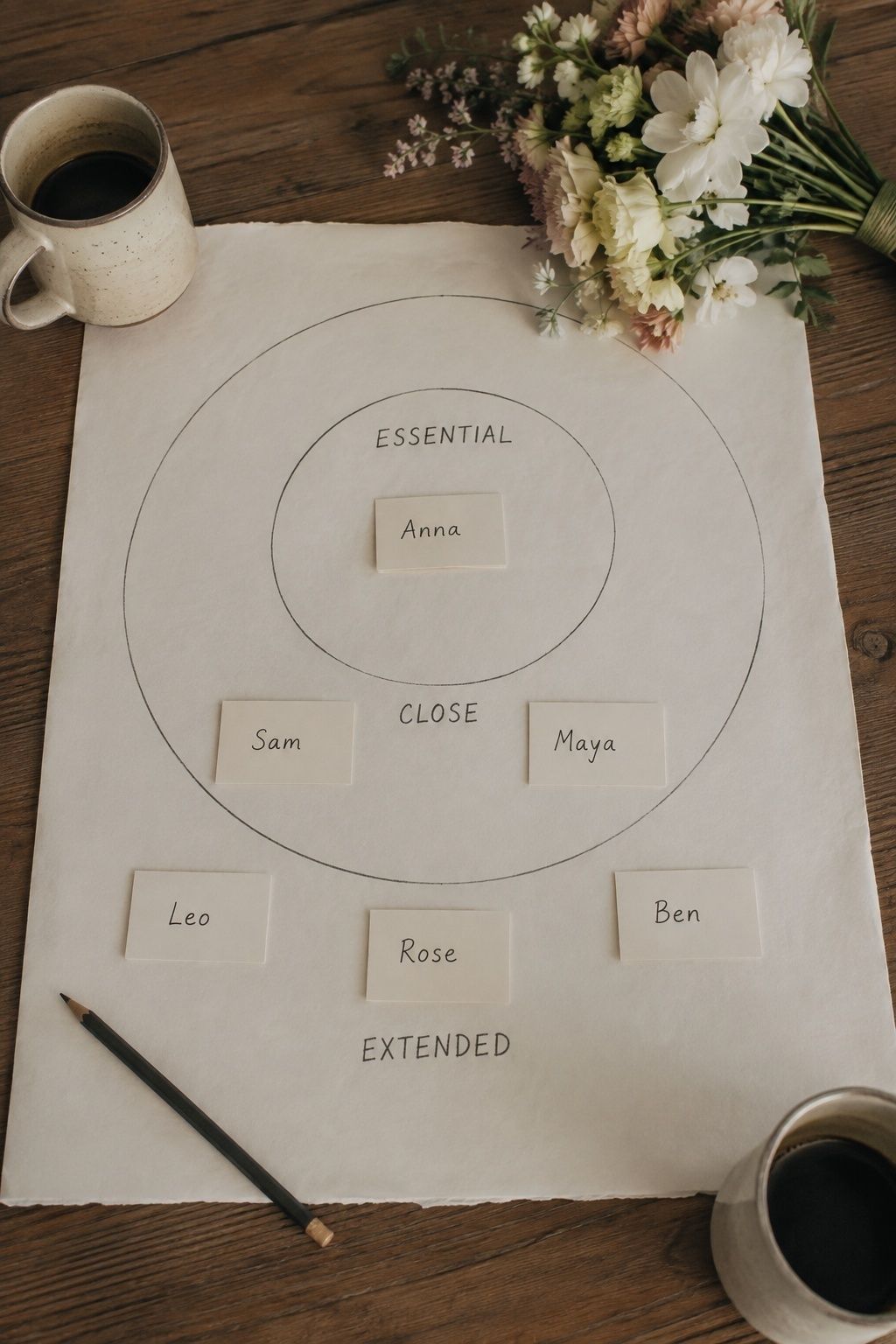
Do a rough list before claiming a size. Put names into circles: essential witnesses, close loved ones, extended relatives, friends, coworkers, and family invitations driven by obligation. The list usually reveals whether twenty, fifty, or one hundred people feels true.
Compare small, micro, elopement, and traditional wedding formats
A small wedding often means a close group with a full ceremony and reception. A micro wedding is tighter and more intentional. An elopement centers the vows. A traditional wedding uses a fuller guest list, larger vendor team, and more hosting structure.
Look at your budget as a guest-count reality check
Every extra guest affects food, drinks, rentals, stationery, favors, transport, and space. If the budget feels tender, guest count is the cleanest reality check. Fewer guests often means better food, more conversation, and less financial strain. More guests are fine when the money and energy are truly there, but scale works best as an intentional choice.
Notice whether you feel excited or drained by a big event
Picture the week before the wedding. Do you feel lit up by a big room, dance floor, and many greetings, or tense from being looked at by everyone at once? Your nervous system deserves a vote.
Decide how much family involvement you actually want
Family involvement ranges from sweet to heavy. Decide whose opinions matter, who gets information, and where the two of you make the call alone. A smaller wedding often needs clearer language because every invitation feels more personal.
Choose the kind of ceremony that would feel true in the moment
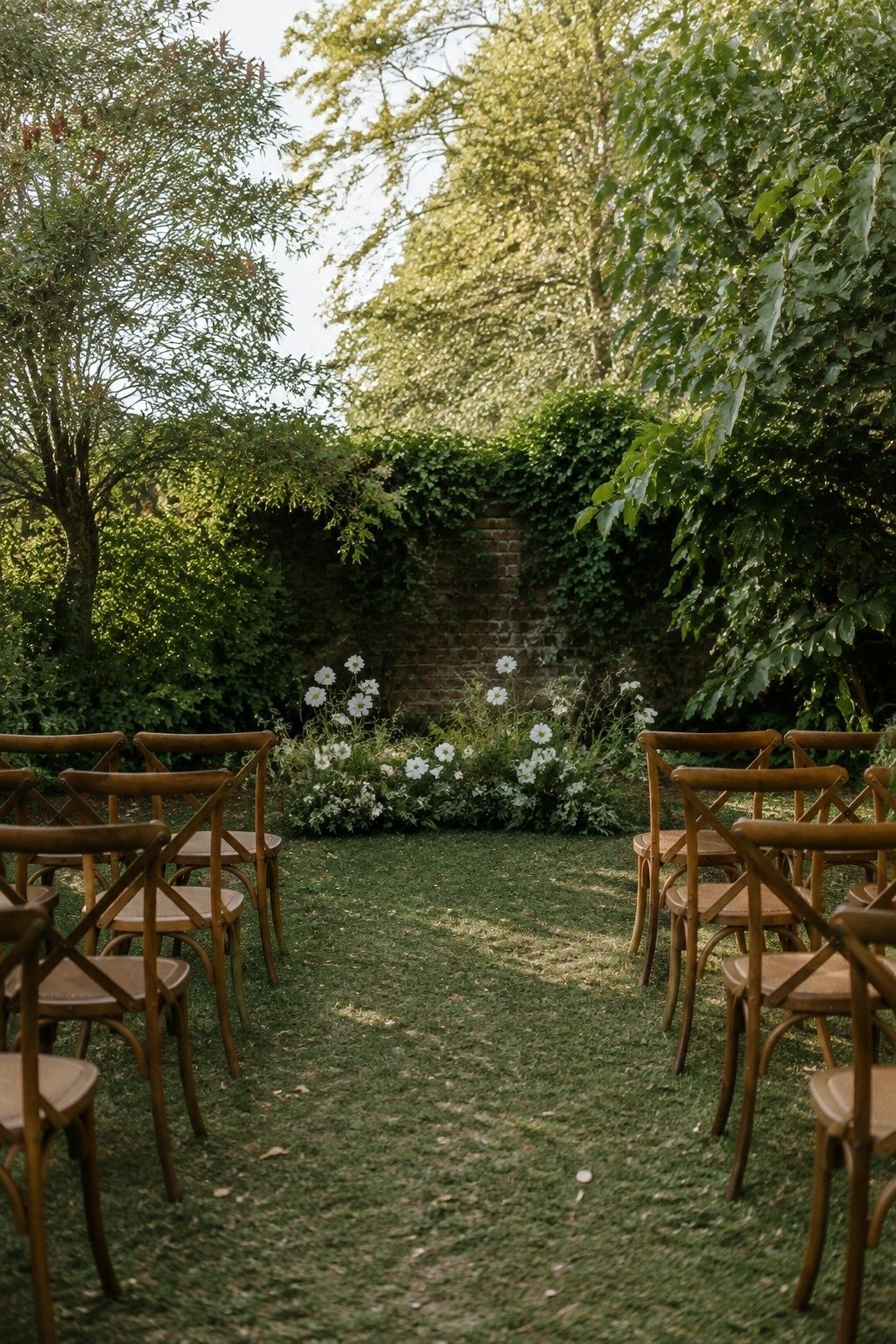
The ceremony is the center of the day. Ask whether vows in front of a crowd feel meaningful, performative, tender, or overwhelming. That answer often points toward an intimate aisle, courthouse room, garden circle, or larger ceremony.
Think about the reception energy you want after dinner
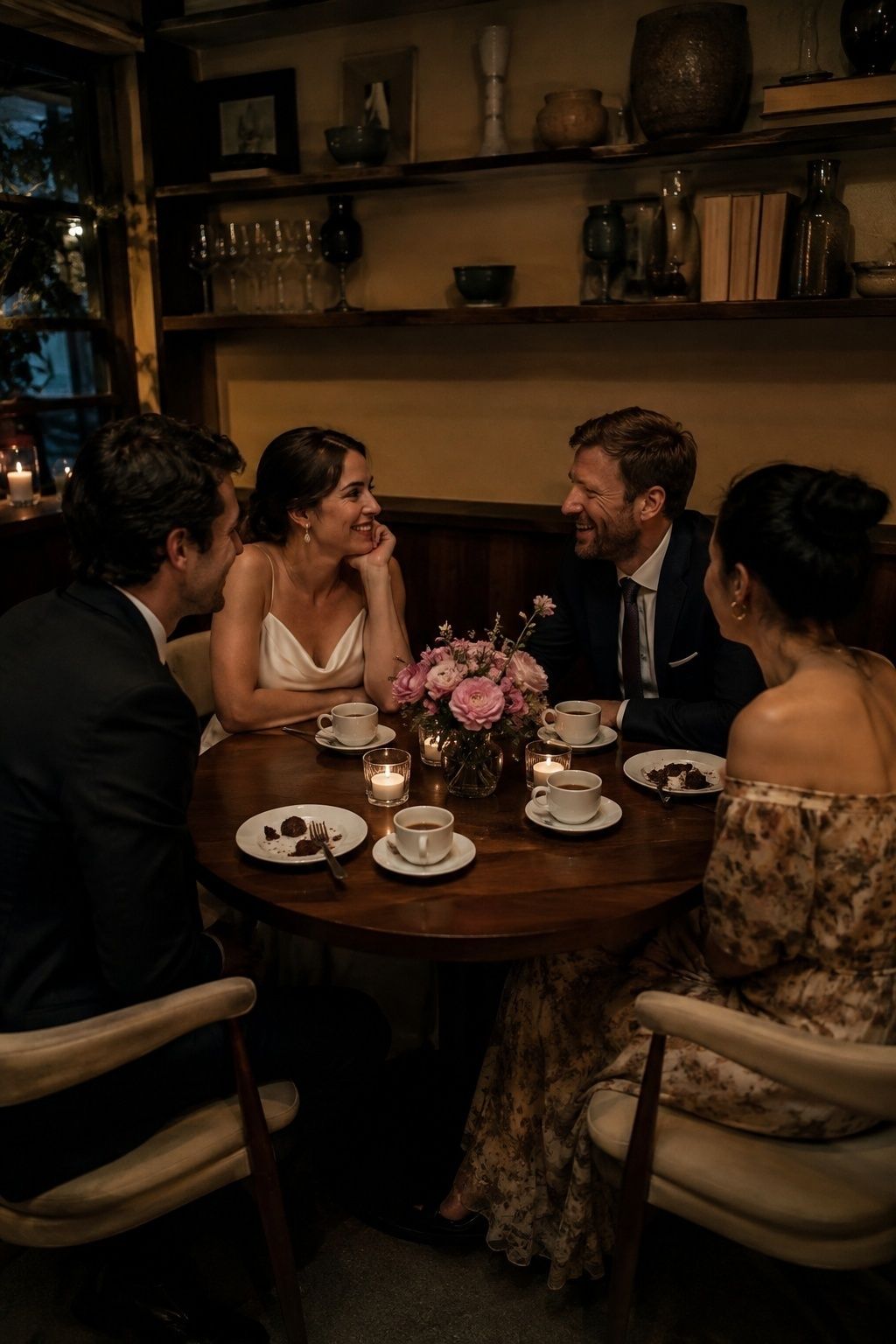
After dinner, do you want speeches and dancing, long conversation, a wine-paired meal, a bonfire, a jazz trio, or an early goodnight? Reception energy decides venue needs more reliably than a color palette ever will.
Use your everyday life as style evidence
Look at your actual life. Your favorite restaurants, weekend rituals, clothes, music, home textures, travel style, and hosting habits all reveal taste. A wedding style rooted there usually ages better than a trend. If you never enjoy formal dinners, a black-tie ballroom could feel strange. If you love gathering people, a silent two-person elopement could feel too spare.
Separate your wedding style from weddings you admire
Admiring a wedding does not mean wanting to live inside it for a whole day. Save images freely, then ask which ones match your budget, people, comfort, and venue. Beautiful is not the same as right.
Talk through what each partner is afraid of losing
One partner could fear losing family closeness. The other could fear losing quiet or financial breathing room. Naming the loss underneath a preference turns the conversation from winning into caring.
Write a one-sentence wedding vision before researching venues
Before touring venues, write one clean direction. Example: We want an intimate garden dinner for thirty people that feels relaxed, romantic, and deeply present. That sentence becomes the filter for places, vendors, attire, and timing. Keep it plain enough that both partners remember it when a tempting option appears.
Use quizzes and mood boards only after you know the basics
Quizzes and mood boards are best after the practical shape is clear. Once you know scale, tone, budget, and ceremony style, inspiration becomes editing. Without those basics, every pretty option feels equally persuasive.
Wedding Types To Consider
Intimate small wedding
An intimate small wedding usually keeps the day complete while narrowing the circle. It suits couples who want a ceremony, meal, photos, and meaningful hosting without a huge room or constant introductions.
Micro wedding
A micro wedding is even more concentrated, often built around immediate family and closest friends. It works well when quality time, thoughtful food, and a calmer pace matter more than scale.
Elopement with a celebration later
An elopement with a later celebration protects the vow moment while still giving loved ones a way to gather. It suits couples who want emotional quiet first and hosting afterward.
Traditional wedding with a smaller guest list
A traditional wedding with a smaller guest list keeps familiar elements such as a ceremony, cocktail hour, dinner, dancing, and speeches, while removing outer-circle invitations that add cost without closeness.
Destination gathering
A destination gathering turns the wedding into shared time across a weekend or trip. It suits couples whose loved ones travel well and whose budget includes guest comfort, lodging, and schedule clarity.
Backyard or restaurant wedding
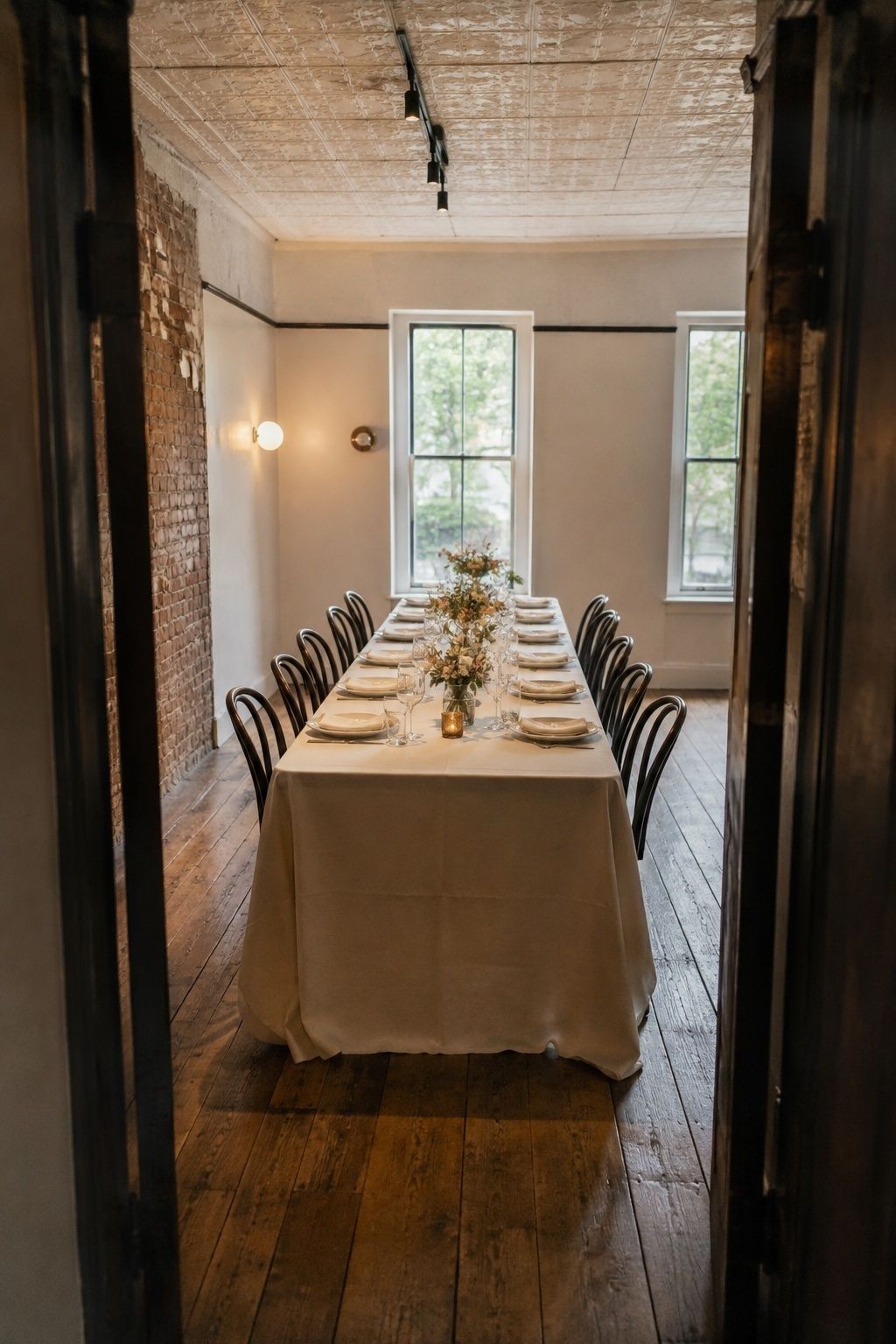
A backyard or restaurant wedding feels personal and hospitable when logistics fit the space. These formats are strongest with smaller counts, clear food plans, comfortable seating, weather backups, and realistic cleanup details.
Ceremony-only wedding with dinner afterward
A ceremony-only wedding with dinner afterward suits couples who want the commitment to stay simple. The dinner still feels celebratory, but the day avoids a full reception arc.
What To Do If You And Your Partner Want Different Weddings
Name the feeling behind each preference
A big wedding preference could mean wanting family pride, dancing, recognition, or a rare reunion. A small wedding preference could mean wanting tenderness, calm, focus, or financial freedom. Start there.
Find the overlap instead of voting on one person’s vision
Look for shared feelings before choosing a format. Maybe both of you want good food, heartfelt vows, and no debt. That overlap could become a micro wedding, a smaller traditional reception, or a just-us ceremony with dinner.
Keep must-haves separate from nice-to-haves
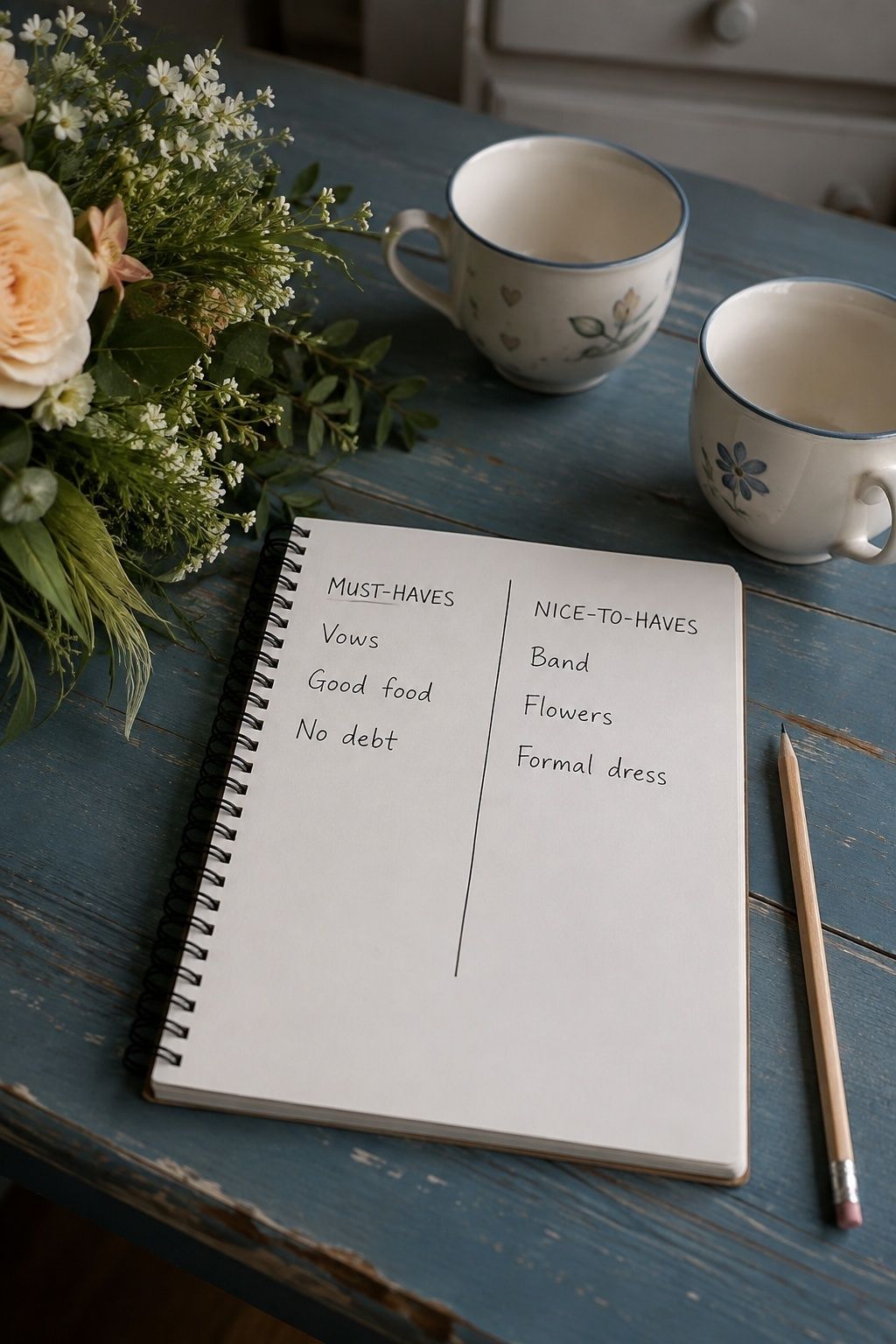
Make two lists: must-haves and nice-to-haves. Must-haves protect the meaning of the day. Nice-to-haves are flexible. This keeps a band, dress code, destination, guest count, or formal dinner from carrying more weight than it deserves.
Test compromises against budget and guest experience
Every compromise needs a budget and guest-experience test. A larger guest list with a simpler meal, a smaller wedding with a welcome drink, or an elopement followed by dinner all work only if guests feel considered and the numbers hold.
FAQ
How do you know what kind of wedding you want?
You know what kind of wedding you want by choosing the emotional tone first, then testing it against budget, guest count, ceremony comfort, family involvement, venue needs, and personal energy.
What kind of wedding should I have?
The right wedding fits your relationship, money, people, and energy. If closeness and quality time matter most, choose a small wedding, micro wedding, elopement, or intimate dinner. If hosting a broad circle feels joyful and affordable, choose a larger celebration.
How do you decide between a small wedding and a big wedding?
Decide between a small wedding and a big wedding by comparing your must-invite list, budget per guest, social energy, family expectations, and desired reception feeling. A small wedding is not a lesser wedding. It is a different kind of wedding.
How do you find your wedding style?
Find your wedding style by looking at your everyday life before decor. Restaurants, clothes, interiors, music, travel, and hosting habits reveal whether your style leans relaxed, refined, playful, romantic, modern, rustic, or something more personal.
What questions should couples ask before planning a wedding?
Ask these five questions together: What budget feels responsible? Who truly needs to be there? What ceremony feels honest? How involved does family get to be? What kind of energy do we want after dinner?
What if you and your partner want different kinds of weddings?
If you want different weddings, name the feeling behind each preference, find the overlap, protect must-haves, and test every compromise against budget and guest comfort. The answer is often a blended format, not one person surrendering.
Final Thoughts
How to know what kind of wedding you want is less about finding the perfect label and more about choosing the conditions where your relationship feels most at ease.
Start with the real things: money, people, ceremony comfort, family dynamics, personal energy, and the kind of time you want with guests. Then let style, colors, and details follow.
Small weddings, micro weddings, elopements, intimate receptions, and traditional weddings are all real weddings. The best one is the format that protects your vows, your peace, and your ability to be present.
Let outside prompts stay soft.
Last update on 2026-10-05 / Affiliate links / Images from Amazon Product Advertising API