

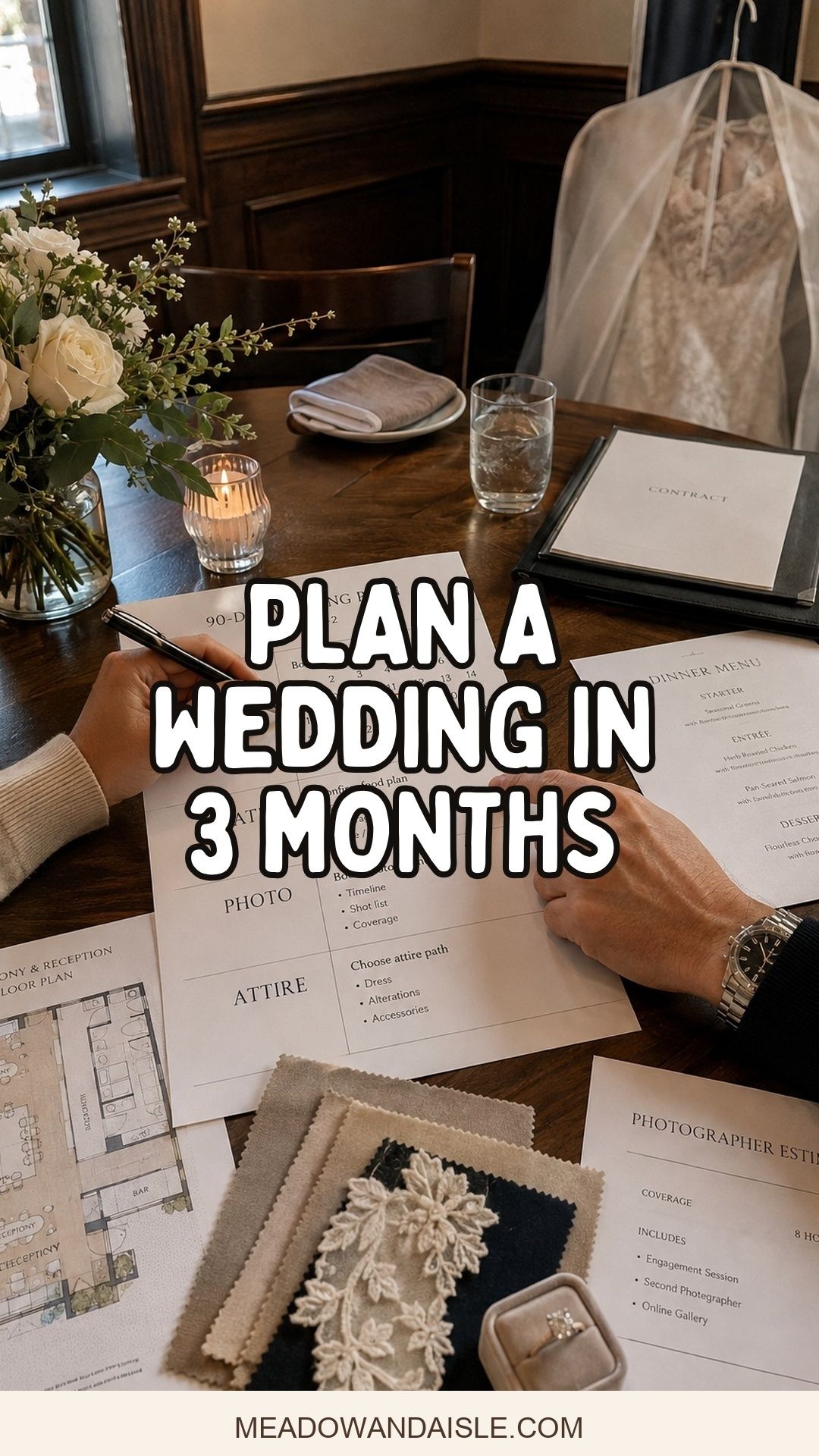
Yes, if your question is can you plan a wedding in 3 months, the realistic answer is that you can when you keep the guest list tight, choose an available venue format, make decisions quickly, and treat the plan as an essentials-first sprint. A 90-day wedding is not the moment for every custom detail, but it can absolutely become a meaningful, intimate celebration with food, photos, vows, guests, and calm ownership in place.
If you are asking this question with a knot in your stomach, you are probably not looking for a dreamy twelve-month checklist. You need to know whether the date in front of you is possible, what has to happen first, what can be simplified without regret, and whether a small wedding in 3 months can still feel like a real wedding instead of a rushed compromise.
The honest answer is yes, with conditions. Three months works best for couples who are flexible about the exact date, open to restaurants or private rooms, realistic about ready-to-wear attire, and willing to choose a smaller, clearer guest list. The goal is not to squeeze a large production into 90 days. The goal is to build a wedding around the pieces that make the day legally valid, beautifully hosted, and emotionally complete. If you’re working through how to plan a small wedding as a whole, the main guide covers it.
Recommended Wedding Products


You Might Also Like These Blog Posts
- Can You Plan A Wedding In 6 Months Without Making It Feel Rushed
- How To Plan A Wedding In 18 Months Without Overthinking Every Detail
- How Long Does It Take To Plan A Wedding Without Losing Your Mind
- How To Plan A Wedding In One Year Without Turning It Into A Full-Time Job
- How To Plan A Wedding When You Work Full Time And Still Have A Life
- How To Plan A Wedding Without A Planner And Still Feel Organized
Can You Plan A Wedding In 3 Months And Still Feel Present For It?
You can plan a wedding in 3 months when you stop measuring the celebration against a long engagement and start measuring it against the decisions that truly matter. In a 90-day window, the first question is not, “Can we do everything?” It is, “What does this wedding need in order to be legal, hosted, photographed, fed, and sincerely ours?” With a longer engagement, this guide to planning a wedding in 18 months spreads the same decisions out.
That shift is especially helpful for small and intimate weddings. A micro wedding in 3 months can use formats that a larger guest list would make difficult: a courthouse ceremony followed by dinner, a private dining room, a weekday garden booking, a family home reception, or a ceremony with only immediate guests and a meal afterward. With fewer people, every decision travels faster.
The tradeoff is that you will need to move with unusual clarity. A three-month wedding timeline asks you to choose before you have researched every possible option. It also asks you to protect the day from decorative sprawl. You can still have beauty, sentiment, music, flowers, and a room that feels cared for, but those choices need to serve the wedding rather than multiply the work.
The Honest Answer For A 90-Day Wedding
A 90-day wedding is realistic when four conditions are true: you can secure a legal path, you can find a venue or ceremony setting with availability, you can feed the guests comfortably, and you can choose attire without a long custom production timeline. If one of those pieces is uncertain, solve it before falling in love with details.
The couples who plan well in this window are not necessarily the ones with the biggest budgets. They are the ones who can make a decision, document it, and move forward. If you compare ten photographers for three weeks, you have lost a quarter of the planning runway. If you choose the right available photographer after clear questions and a contract review, the plan starts breathing again.
This is why short-notice wedding planning works better when you define “enough” early. Enough guests to feel surrounded. Enough food to host generously. Enough flowers to soften the room. Enough photography to preserve the feeling. Enough timeline support that you are not answering vendor texts while getting dressed.
Why A Small Wedding Makes Three Months Possible
Small weddings compress more gracefully because they need fewer confirmations. A 24-person dinner has a different kind of momentum than a 140-person reception with hotel blocks, transportation, rentals, wedding party attire, welcome events, seating charts, and layers of family expectation.
With a smaller guest list, you can often choose a restaurant private room instead of a blank-space venue, send digital invitations instead of a full stationery suite, use the room’s existing chairs and linens, and create a menu through the venue’s kitchen rather than building a catering operation from scratch. A small party after a courthouse wedding can be especially kind to a 90-day timeline because the ceremony and celebration do not both have to carry the full weight of a traditional venue day.
That does not mean a last-minute small wedding has no logistics. It still needs a ceremony plan, a food plan, a weather plan if any part is outdoors, a guest communication plan, and someone responsible for the day-of flow. Small makes the work more focused, not invisible.
What Must Happen In The First 72 Hours
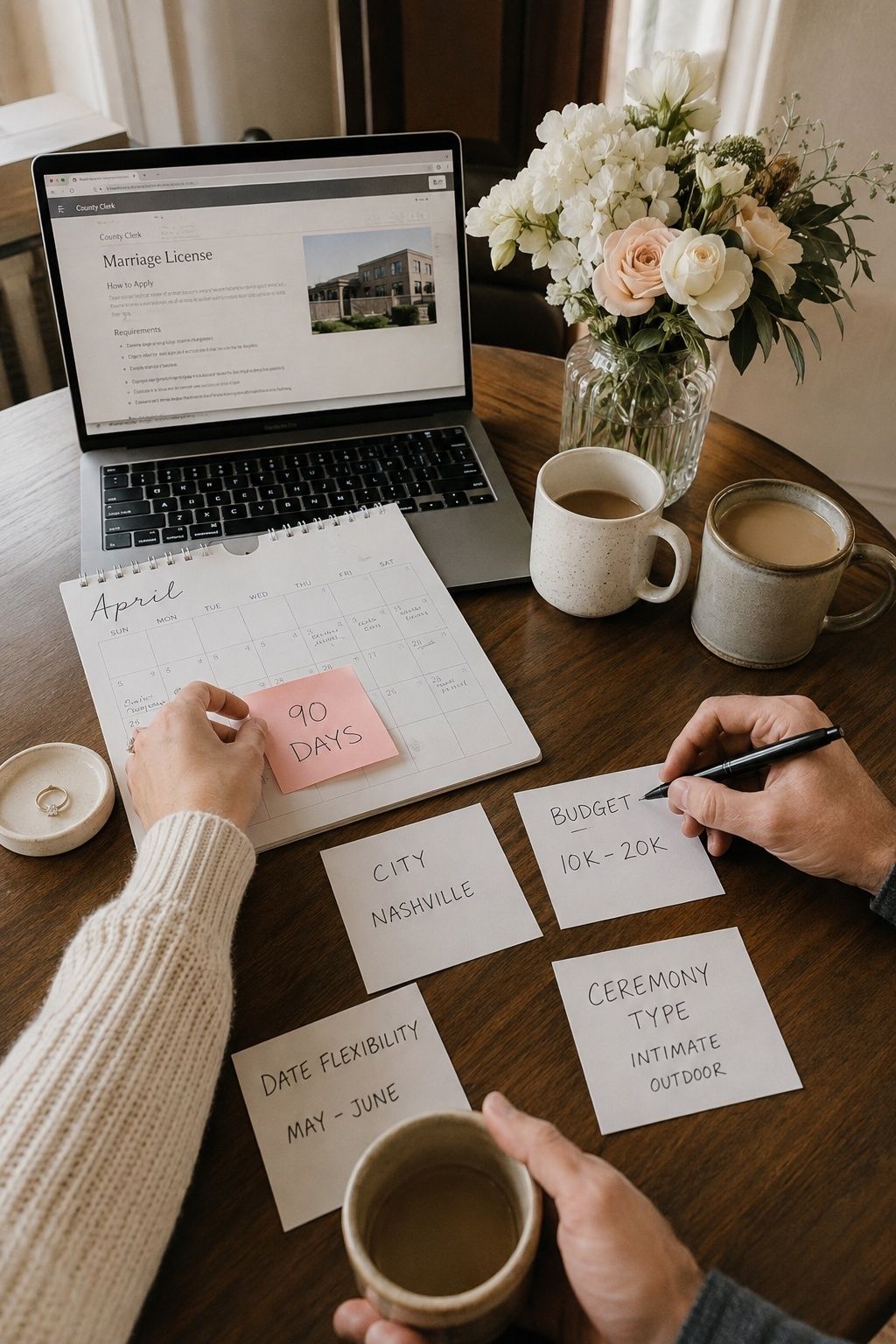
The first three days should be quiet, decisive, and slightly ruthless in the kindest way. Before you contact every vendor you saved, decide the guest ceiling, total budget range, city or area, date flexibility, ceremony type, and who has final decision authority. These are the guardrails that keep a fast wedding planning sprint from becoming a swirl of half-started tasks.
Start with the legal requirements in the place where you plan to marry. Check the license timeline, waiting periods if any apply, officiant rules, witness requirements, identification needs, and how the signed license gets returned. This is not the romantic part, but it is the part that makes the wedding real.
Then choose the venue format before choosing the look. If you are open to a courthouse ceremony, private dining room, restaurant buyout, hotel suite dinner, garden rental, home reception, or weekday ceremony, you have more paths than if you are holding out for one peak Saturday at one specific venue.
What To Book In The First Two Weeks
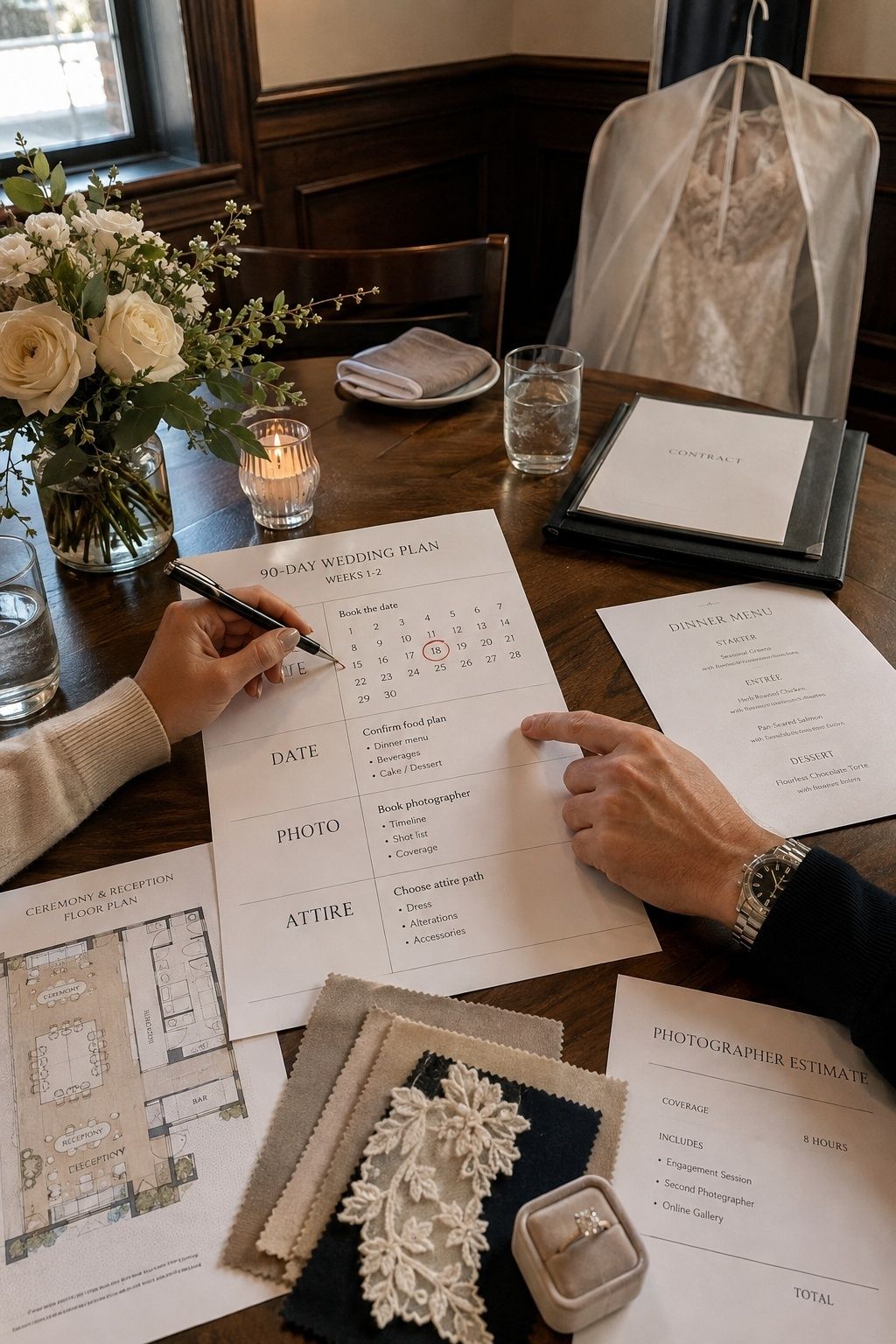
The first two weeks should lock the framework: venue or ceremony location, date, officiant or legal appointment, photographer, food, attire path, and any coordination help. You do not need every napkin selected yet. You need the date-dependent pieces protected before availability disappears.
For venue timing, use availability as information rather than rejection. If a traditional venue cannot work, look at private rooms, boutique hotels, community gardens, restaurants, rooftops, family properties, municipal spaces, or meaningful places that already have infrastructure. The more a space already provides tables, chairs, restrooms, food service, lighting, and staff, the less you need to build in 90 days.
Food deserves early attention because guest comfort is not optional. For a small wedding, this might be a seated restaurant dinner, family-style catering, a chef-prepared meal at home, a brunch reception, or a beautiful cake-and-champagne gathering after a courthouse ceremony. Choose the format that can be confirmed quickly and hosted well.
What To Substitute Instead Of Delaying
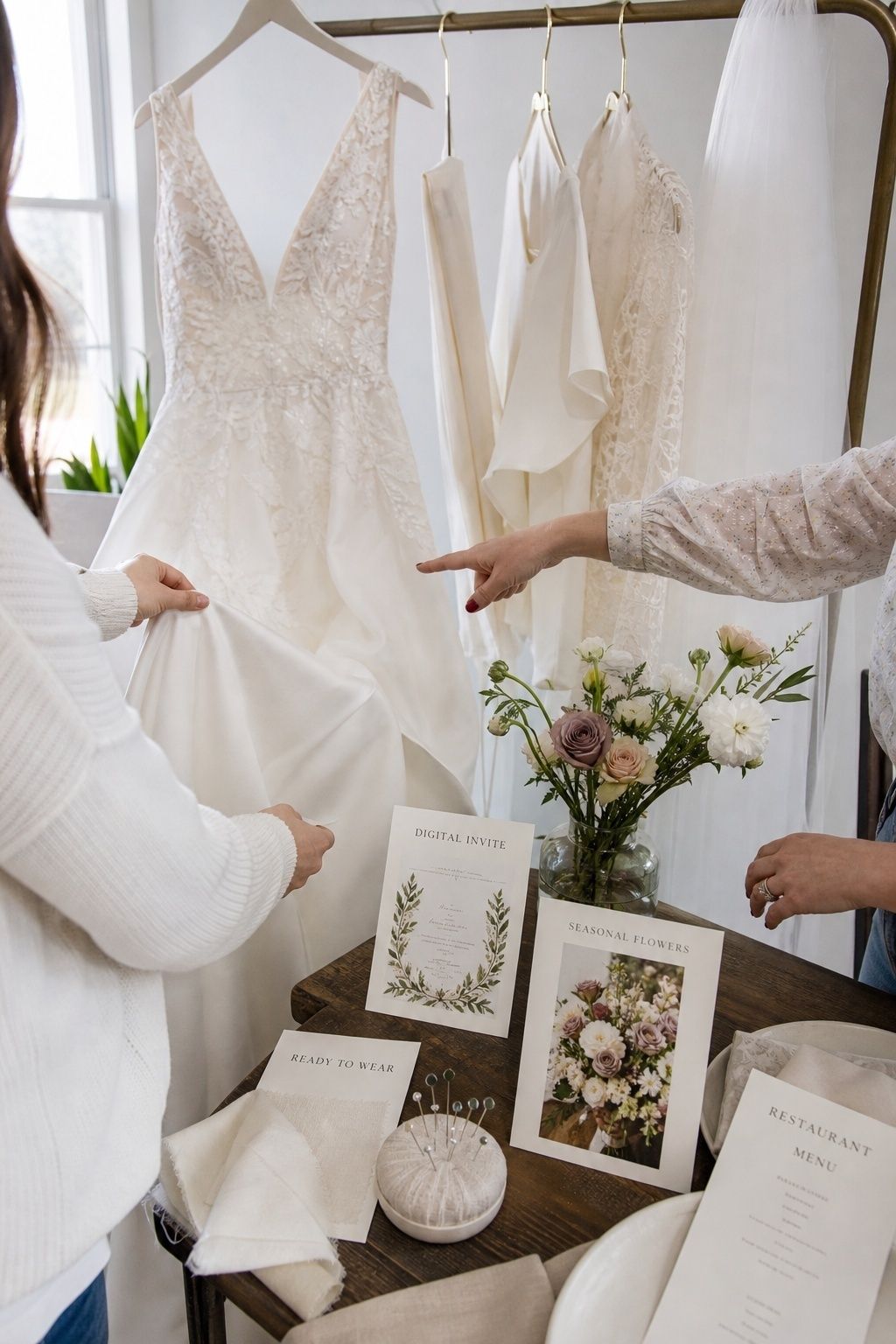
Substitution is the secret grace of a 3-month wedding checklist. When the long-lead option is unavailable, do not keep mourning it until the rest of the plan stalls. Replace it with something honest, simpler, and more available.
Use digital wedding invitations instead of custom suites. Choose ready-to-wear wedding dress options, bridal separates, vintage, sample gowns, tailoring-friendly silhouettes, or a beautiful nontraditional outfit instead of waiting on a made-to-order dress. Pick seasonal flowers in one palette instead of a complex floral installation. Use the restaurant’s menu instead of designing five custom food stations.
These substitutions are not failures. They are editorial choices. A restaurant dinner with candlelight, handwritten vows, a small cake, good music, and twenty people who know you well can feel more complete than an overextended wedding full of details you were too tired to enjoy.
What To Skip Without Making The Wedding Feel Bare
When time is short, skip anything that needs long production, complicated tracking, or unclear emotional payoff. Save-the-dates usually do not make sense in a 90-day window. Elaborate favors, custom signage, multiple outfit changes, extensive wedding party logistics, complex rentals, escort displays, and extra pre-wedding events can all quietly steal time from the ceremony and guest care.
What wedding details can you skip depends on the kind of celebration you are hosting, but the test is simple: would guests feel less welcomed, fed, oriented, comfortable, or emotionally included without it? If the answer is no, it is probably optional. If skipping it makes the day clearer and calmer, that may be the more generous choice.
Keep the details that carry feeling. A printed menu with your favorite meal, a ceremony reading from a sibling, a playlist from the year you met, a small table of family photos, or flowers in bud vases can make the day feel personal without creating a production schedule.
How To Tell Guests Quickly And Clearly

In a short timeline, guests need clarity more than suspense. Send invitations as soon as the date, place, time, dress code, meal format, and RSVP deadline are stable. If you are asking anyone to travel, be honest about the limited notice and give them the easiest possible way to say yes or no.
Digital RSVPs are your friend here. They reduce mail delays, give you faster counts, and help you catch dietary needs or accessibility notes. Keep the wording warm and specific: who is invited by name, whether the event includes dinner, whether children or plus-ones are included, and what guests should expect from the day.
For intimate weddings, quick communication also protects relationships. People are less likely to feel confused when the guest list is clearly small by design and the invited guests understand the actual shape of the celebration.
Where A Planner Or Coordinator Helps Most
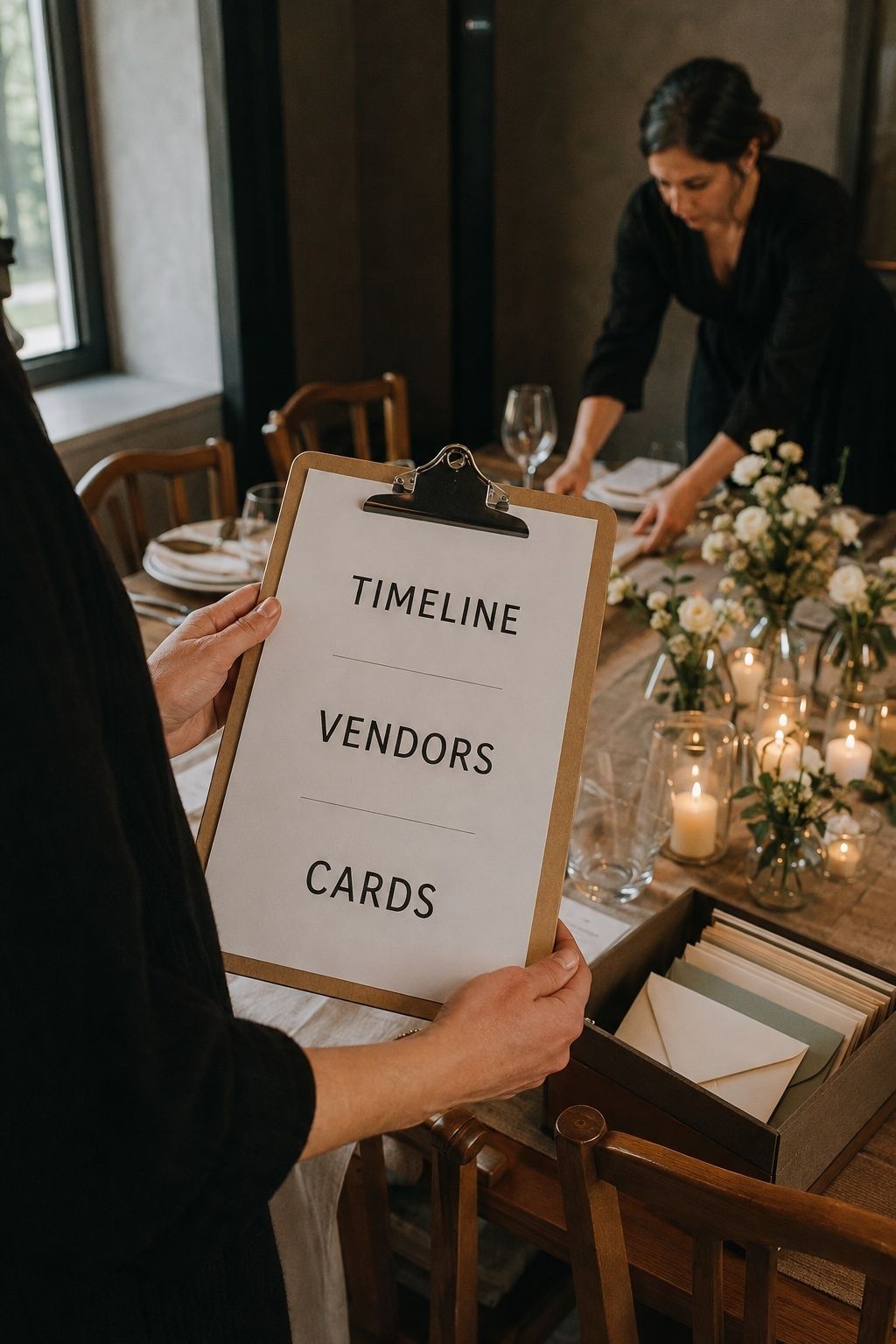
You may not need a full-service planner for a small wedding, but you do need a person who owns logistics while you are unavailable. In a 90-day timeline, paid help is most useful when you need vendor sourcing, contract review support, timeline assembly, setup oversight, family buffering, or a calm day-of handoff.
If the venue includes a coordinator, ask what they actually manage. Some venue coordinators handle the building, food service, and house rules, but not your ceremony flow, personal items, outside vendors, family questions, or pack-up. A small wedding can still become stressful if no one knows who is cueing the ceremony, moving flowers, collecting cards, or calling the photographer.
If professional help is outside the budget, choose one trusted point person and give them a written timeline, vendor contacts, payment notes, setup photos, and permission to make small decisions. Do not make your most anxious relative the command center, no matter how much they love you.
The 90-Day Reality Check
Before you commit to a date three months away, run the plan through a practical reality check. Do you have a workable legal path? Is there an available ceremony or reception location? Can you feed the guest list comfortably? Is there a photographer or photo plan you would be happy with? Can guests receive clear notice? Do you have an attire path that does not depend on luck?
Then ask the softer question: can you make the necessary decisions without resenting the pace? Some couples feel energized by a short planning season because it prevents overthinking. Others feel deprived of time to savor the engagement. Neither response is wrong. The timeline should serve your actual nervous systems, not just the calendar. There’s a full guide on how to plan a wedding when you work full time if you want to go deeper.
If the essentials are available and the emotional pace feels tolerable, a 90-day wedding can be a beautiful choice. If every answer depends on a miracle vendor, a complicated guest list, or family approval that may never settle, give yourself more time or shrink the scope. More on can you plan a wedding in 6 months is in its own guide.
An Original 90-Day Planning Sprint
This is not a week-by-week script. It is a rhythm for protecting the decisions that must happen in sequence, while giving the wedding enough space to become warm and personal.
Phase One: First 72 Hours
Choose your guest ceiling, total budget range, city, date flexibility, ceremony type, and decision rules. Look up marriage license requirements. Decide whether you are planning a courthouse ceremony, restaurant wedding, private room dinner, home celebration, or traditional venue. This phase should end with a short list of realistic formats, not a mood board.
Phase Two: First Two Weeks
Book the date, location, officiant or legal appointment, food plan, photographer, and attire path. If you need coordination help, secure it now. Ask every vendor direct questions about availability, deliverables, payment dates, cancellation terms, access time, setup responsibilities, and what they need from you before the final month.
Phase Three: Guest Communication
Send invitations quickly once the major facts are confirmed. Use a simple RSVP tool, clear deadline, named guests, direct dress code, meal expectations, and travel notes if relevant. For a short-notice wedding, give guests enough information to make a kind decision without asking you ten follow-up questions.
Phase Four: Vendor And Detail Lock
Confirm flowers, cake or dessert, beauty, rentals if any, music, ceremony readings, personal details, and day-of transportation. Keep the design small and repeatable. A few strong choices, such as candlelight, one floral color story, one printed piece, and a meal everyone understands, will carry more elegance than a crowded list of rushed ideas.
Phase Five: Final Logistics
Collect final RSVPs, submit the guest count, confirm seating, review vendor arrival times, pay balances, prepare tip envelopes if using them, write the ceremony outline, pack personal items, and share the final timeline. Use a last-minute wedding planning checklist only as a support tool; your actual plan should match your venue, guest count, and vendor team.
Phase Six: Wedding Week

Wedding week is for confirmation, handoff, rest, and small personal meaning. Reconfirm arrival times, give your point person the timeline, pack attire and legal items, print any needed copies, and stop adding new projects. The most generous thing you can do for a short-timeline wedding is let it become finished. The rest of the set lives under Wedding Planning Basics.
FAQ
Can You Plan A Wedding In 3 Months?
Yes, you can plan a wedding in 3 months if you keep the scope realistic. Secure the legal path, venue or ceremony location, food, photographer, guest list, attire, and day-of ownership first. A smaller guest list, flexible date, digital RSVPs, and available venue format make the timeline much more workable.
Is 3 Months Enough Time To Plan A Small Wedding?
Three months can be enough time to plan a small wedding when the guest list is controlled and the venue already has basic infrastructure. Restaurants, private dining rooms, courthouses, home receptions, and weekday dates can all move faster than blank-space venues. Start by confirming legality, food, photos, and guest communication.
What Should You Book First For A 3-Month Wedding?
Book the date, ceremony or reception location, officiant or legal appointment, food plan, photographer, and attire path first. Those decisions control almost everything else. Once they are secure, you can choose invitations, florals, dessert, music, beauty, and personal details without guessing around the biggest commitments.
What Should You Skip When Planning A Wedding In 90 Days?
Skip save-the-dates, elaborate favors, complicated signage, custom stationery suites, multiple pre-wedding events, complex rentals, and any detail that requires long production without improving guest comfort. Keep ceremony, food, photos, attire, communication, and day-of flow protected. Simple does not feel bare when the essentials are thoughtful.
When Should Invitations Go Out For A 3-Month Wedding?
Send invitations as soon as your date, location, time, dress code, meal format, and RSVP deadline are confirmed. In a 90-day timeline, digital invitations and online RSVPs are often the cleanest option. If guests must travel, communicate quickly and accept that some people may not be able to attend.
Can You Get A Wedding Dress In 3 Months?
You can get wedding attire in 3 months, but made-to-order gowns may be risky. Look at ready-to-wear dresses, sample gowns, bridal separates, vintage pieces, department-store white dresses, local boutiques with stock, or a nontraditional outfit. Leave time for tailoring, shoes, undergarments, movement tests, and steaming.
Final Thoughts
Can you plan a wedding in 3 months without losing the tenderness of the season? Yes, if the plan is honest. Choose a wedding that fits the time you actually have: smaller, clearer, warmly hosted, and built around the people and promises that matter most.
A short engagement can be surprisingly freeing when it keeps you from drifting through months of second-guessing. Let the essentials lead, let the optional pieces stay optional, and keep your last stretch grounded in steady, intimate wedding momentum.
Last update on 2026-11-29 / Affiliate links / Images from Amazon Product Advertising API