

A simple wedding planning timeline keeps the decisions that protect your date, money, guest comfort, legal ceremony, food, photos, final headcount, and day-of handoff. Everything else has to earn its place, which is why the plan feels calm instead of crowded.
A simple wedding does not need a thin version of a traditional planning binder. It needs a clear order of decisions, enough lead time for the pieces that truly depend on availability, and a kind way to stop adding tasks once the important things are handled. The right timeline should make you feel more oriented, not more behind.
Use this as an essentials-only path. It keeps the venue or reservation, ceremony, guest communication, meal, photography if wanted, attire, license, final confirmations, and handoff plan. It also names the extras small or low-key weddings often skip, plus a practical way to compress the work if you are planning with six months, three months, or only a courthouse-and-dinner window.

Recommended Wedding Products

![The Knot Ultimate Wedding Planner [Revised Edition]: Worksheets, Checklists, Etiquette, Timelines, and...](https://meadowandaisle.com/wp-content/plugins/aawp/public/image.php?url=YUhSMGNITTZMeTl0TG0xbFpHbGhMV0Z0WVhwdmJpNWpiMjB2YVcxaFoyVnpMMGt2TlRGRmVVRnBablp0Tmt3dVgxTk1NVFl3WHk1cWNHYz18MTc5MTE3MjQyMw=)


You Might Also Like These Blog Posts
- Small Wedding Planning Timeline By Month For Couples Keeping It Simple
- Simple Wedding Planning Checklist For Couples Who Want Less Noise
- Wedding Planning Timeline For Overwhelmed Couples Who Need A Calm Start
- Small Wedding Timeline: A Simple Flow That Lets The Day Breathe
- 3-Month Small Wedding Planning Checklist For A Short, Sane Timeline
- Wedding Planning Order Of Tasks That Keeps You From Backtracking
Simple Wedding Planning Timeline
A simple wedding planning timeline starts with dependencies, not decoration. Some decisions unlock everything that follows: budget, guest count, date, ceremony place, reception place, and who is responsible for the day. Once those are real, the rest becomes much easier to shrink. A ten-person courthouse lunch, a thirty-person restaurant dinner, and an eighty-person garden wedding do not need the same number of tasks.
The simplest plan is still honest about consequences. If guests travel, they need notice. If the ceremony must be legal, the license window matters. If the venue is raw, rentals and weather cover matter. If the venue is a restaurant, the contract, menu, and timing matter more than floral installations. Simplicity comes from choosing the right work, not from pretending there is no work.
Think of the timeline as a filter you run every idea through. First come the decisions that make the wedding possible. Next come the decisions that make guests comfortable. After that come the details that make the day feel personal. When a task does not fit one of those three groups, let it wait until the essentials are steady or leave the plan completely.
First: Agree On Budget, Guest Count, And Priorities

Before you book anything, decide what the wedding is allowed to become. Write down the maximum guest count, the spending range that feels livable, and the three things that matter most to you as a couple. Those priorities could be a private ceremony, a beautiful meal, relaxed portraits, family closeness, a favorite city, or a celebration that ends early enough for everyone to breathe.
This first step keeps a simple wedding from slowly collecting obligations. When you know the guest count and priorities, saying no to categories that do not fit becomes easier. You do not need a welcome party because a checklist mentioned one. You do not need a full wedding party because other people had one. You need a plan that serves your scale, your relationships, and your actual budget.
If you disagree on priorities, pause before booking. One of you could want the easiest possible dinner, while the other cares deeply about music, flowers, or portraits. That does not mean the wedding has to become complicated. It means the timeline should protect the few details that carry real emotional weight and release the rest with less guilt.
12 To 9 Months Out: Lock Venue, Date, And Core Help
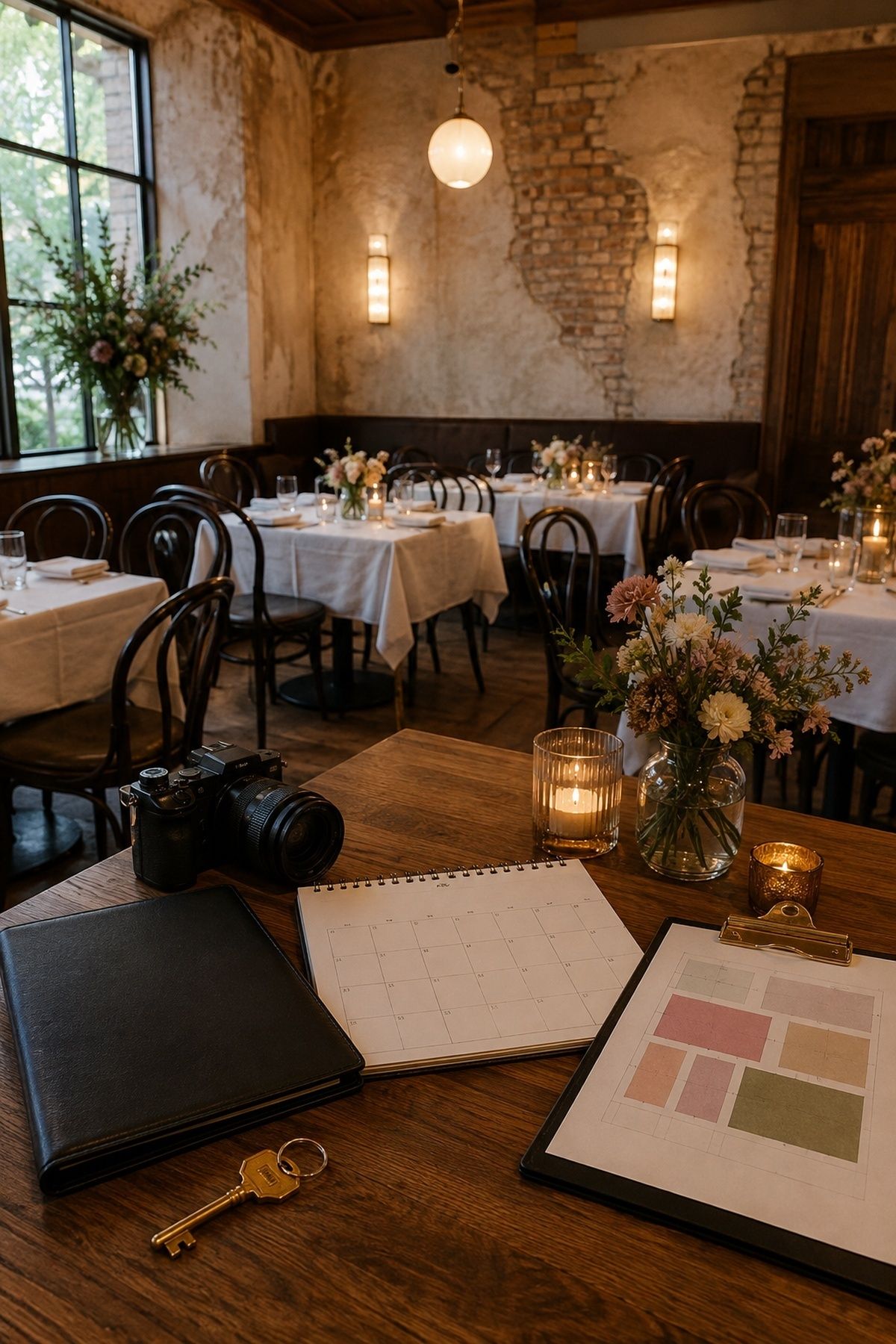
Use this early window for the decisions that depend on availability. Secure the ceremony location, reception location, date, and any core help you need. That could mean a venue, restaurant private room, courthouse appointment path, backyard rental plan, officiant, photographer, or coordinator. For a very small wedding, the location and food choice often do more planning work than a long vendor list.
Ask each potential venue what is included before you add separate tasks. Tables, chairs, linens, staffing, sound, cleanup, menu printing, candles, cake cutting, and weather backup are sometimes already covered. If the place includes most of what you need, protect that simplicity. If the space is blank, make an early infrastructure list so practical needs do not ambush the final month.
This is also the moment to decide how much help you want. A full planner is not always necessary for a simple wedding, but a month-of coordinator, venue manager, restaurant event lead, or organized family helper often earns the cost. The smaller the wedding, the easier it is to assume everyone will simply know what to do. Someone still needs the timeline.
9 To 6 Months Out: Book Photo, Food, Ceremony, And Music Needs
This phase is for date-sensitive vendors and choices guests will actually experience. Confirm the photographer if photos matter, the food and drink plan, the officiant or ceremony authority, and any music you need for the ceremony or dinner. A simple wedding often uses shorter photo coverage, a restaurant menu, a single musician, a playlist, or no formal entertainment at all.
Keep the question practical: would this task affect comfort, timing, legality, memory, or hospitality? If yes, schedule it. If it exists mainly because large weddings often include it, pause before adding it. This is also a good time to choose the basic ceremony format, confirm whether witnesses are required, and decide whether you want vows, readings, family rituals, or a very short exchange.
6 Months Out: Send Guest Info If People Need Travel Notice

At six months, share the date and location with anyone who needs to request time off, book travel, arrange childcare, or coordinate family logistics. This does not have to be a formal save-the-date. A clear email, wedding website, mailed card, or personal message is enough when the guest list is small and the details are firm.
Include the information guests need to act: city, venue area, expected start time if known, lodging suggestions, dress tone, whether children are included, and whether the event is ceremony, dinner, or both. Unusual small-wedding formats sometimes create confusion. Direct guest communication is one of the simplest ways to prevent extra questions later.
Keep the message warm and specific. Guests do not need every design idea, but they do need to understand the shape of the day. If dinner is the main celebration, say so. If the ceremony is private and the meal is shared, say that clearly. If the guest list is intentionally tiny, avoid language that makes people wonder whether more invitations are coming.
5 To 4 Months Out: Choose Attire, Menu, And Simple Decor
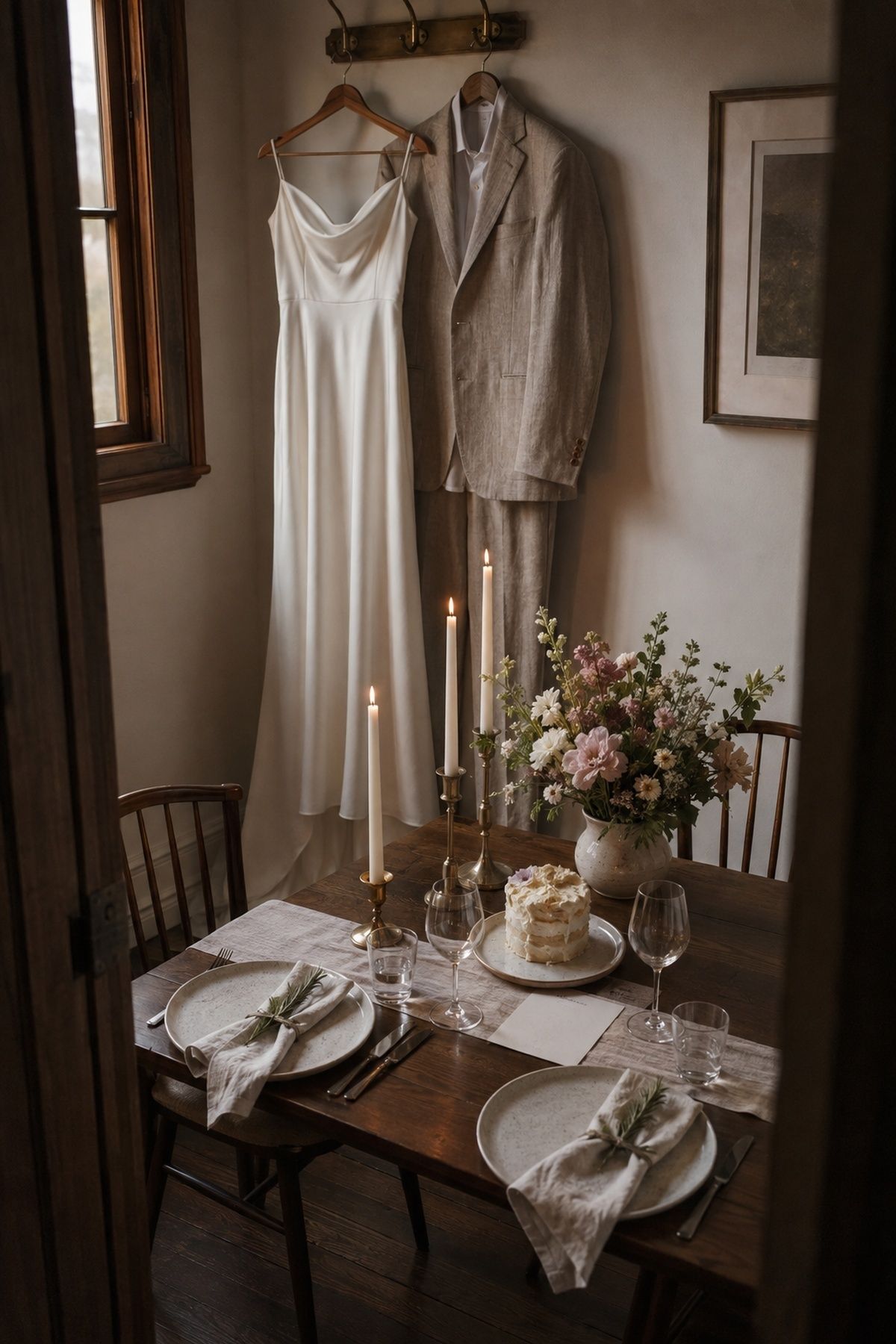
Choose attire with enough time for shipping, fittings, tailoring, or changes of heart. Simple does not mean underdressed. It means the outfit fits the real day: courthouse suit, silk slip dress, tailored jumpsuit, heirloom veil, garden gown, linen suit, or something wonderfully personal. If custom work or alterations are involved, give yourself the calmer path and start earlier.
This is also the right time to settle menu direction and visual details. Choose the meal structure, cake or dessert, flowers if any, rentals if truly needed, and a small design thread that ties the setting together. One flower palette, candles, printed menus, cloth napkins, and a favorite song make the day feel intentional without turning the timeline into a production plan.
3 Months Out: Send Invitations And Plan The Ceremony
Three months out is a clean invitation window for many local weddings. Send earlier for destination celebrations, holiday weekends, or guests who need more travel time. Use whatever format fits the tone: printed invitations, a simple card, digital invitations, or personal messages. The format matters less than complete information and an RSVP deadline that gives you time to confirm the meal.
Start shaping the ceremony now. Decide who walks, who stands, who speaks, what music plays, where rings live, and how long the ceremony should feel. If a friend or family member is officiating, give them more structure than “say something sweet.” A small ceremony often feels intimate because everyone is close, so clear words and calm pacing matter.
2 Months Out: Track RSVPs And Draft The Day-Of Timeline
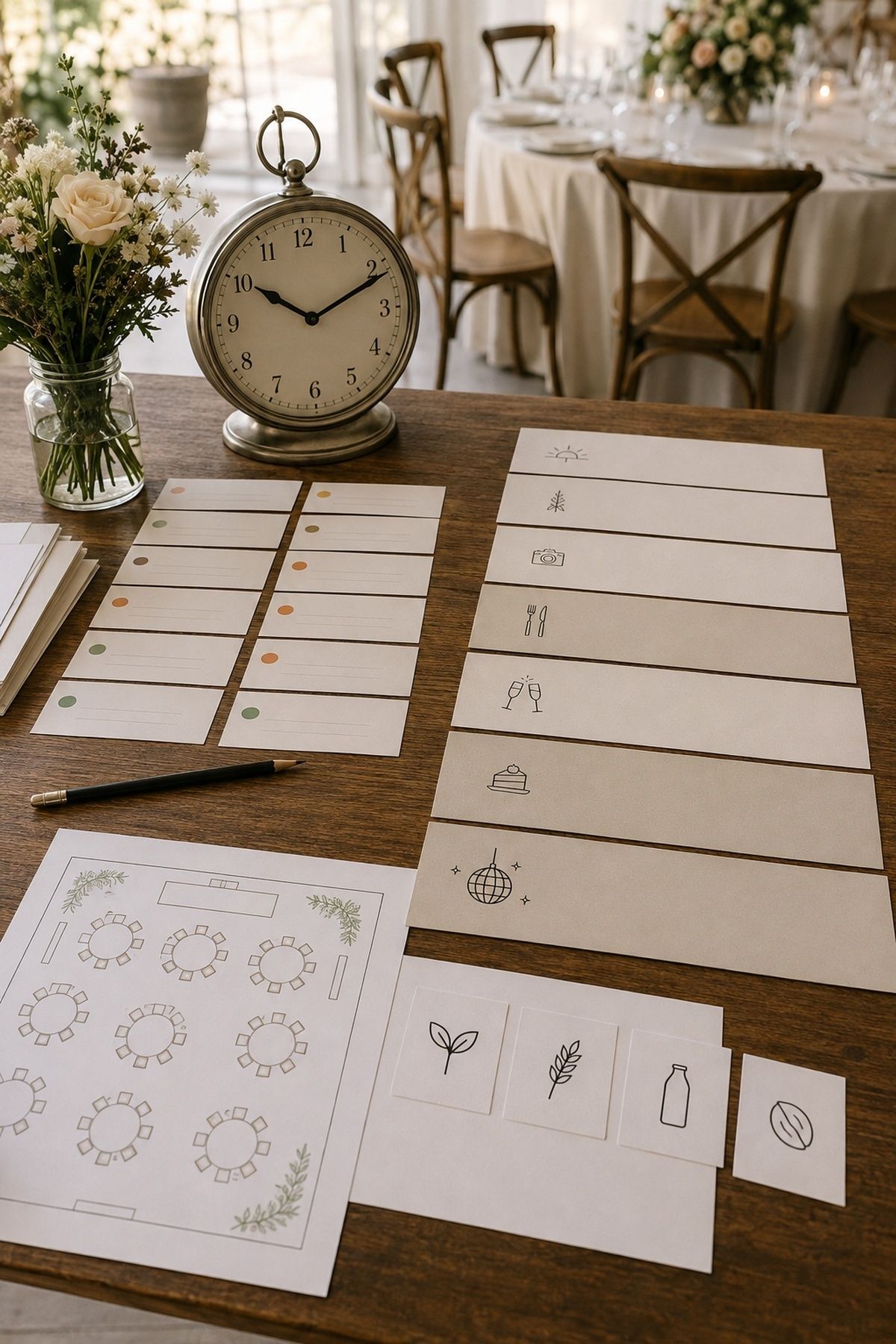
At two months, move from broad planning to real numbers. Track RSVPs, record dietary needs, follow up with missing replies, and update the venue or restaurant. A small guest list makes every response more meaningful because each person affects seating, meal count, family photos, and the emotional shape of the room.
Draft the day-of timeline in actual hours. Work from the ceremony time outward: getting ready, first look if any, family photos, guest arrival, ceremony, portraits, meal, speeches, dessert, music, last call, and cleanup. Ask each vendor what they need, then remove anything that feels performative. The goal is enough structure to relax inside.
1 Month Out: License, Seating, Headcount, And Final Payments
The final month is where simple weddings either stay peaceful or collect avoidable stress. Confirm the marriage license window, required identification, waiting period, expiration rules, witness requirements, and who files the paperwork after the ceremony. Legal timing varies by location, so do not treat it as a last-minute errand unless your local rules truly allow that.
Send the final guest count, meal choices, seating plan if needed, payments, gratuities, and contact sheet to the right people. Seating works beautifully when it stays simple: one family table, a few assigned tables, escort cards only if meal choices require them, or open seating for a casual dinner. Choose the least structure that still prevents confusion.
2 Weeks Out: Confirm Vendors And Pack Wedding Items
Two weeks out, confirm arrival times, addresses, parking, balances, final counts, setup needs, weather backup, and the name of the person vendors should contact. If you do not have a planner or coordinator, appoint one steady helper to hold the timeline. That person should have the vendor numbers, the ceremony plan, the restaurant or venue contact, and permission to answer ordinary questions.
Pack the wedding items in one place: rings, vows, license, pens, attire details, shoes, accessories, steamer, touch-up makeup, emergency kit, tips, cards, printed menus, candles, lighter, cake knife, signage if any, and anything sentimental. A simple wedding should not require a garage full of supplies. Label the tote, assign it, and stop storing the day in your head.
Wedding Week: Hand Off The Plan And Stop Adding Tasks
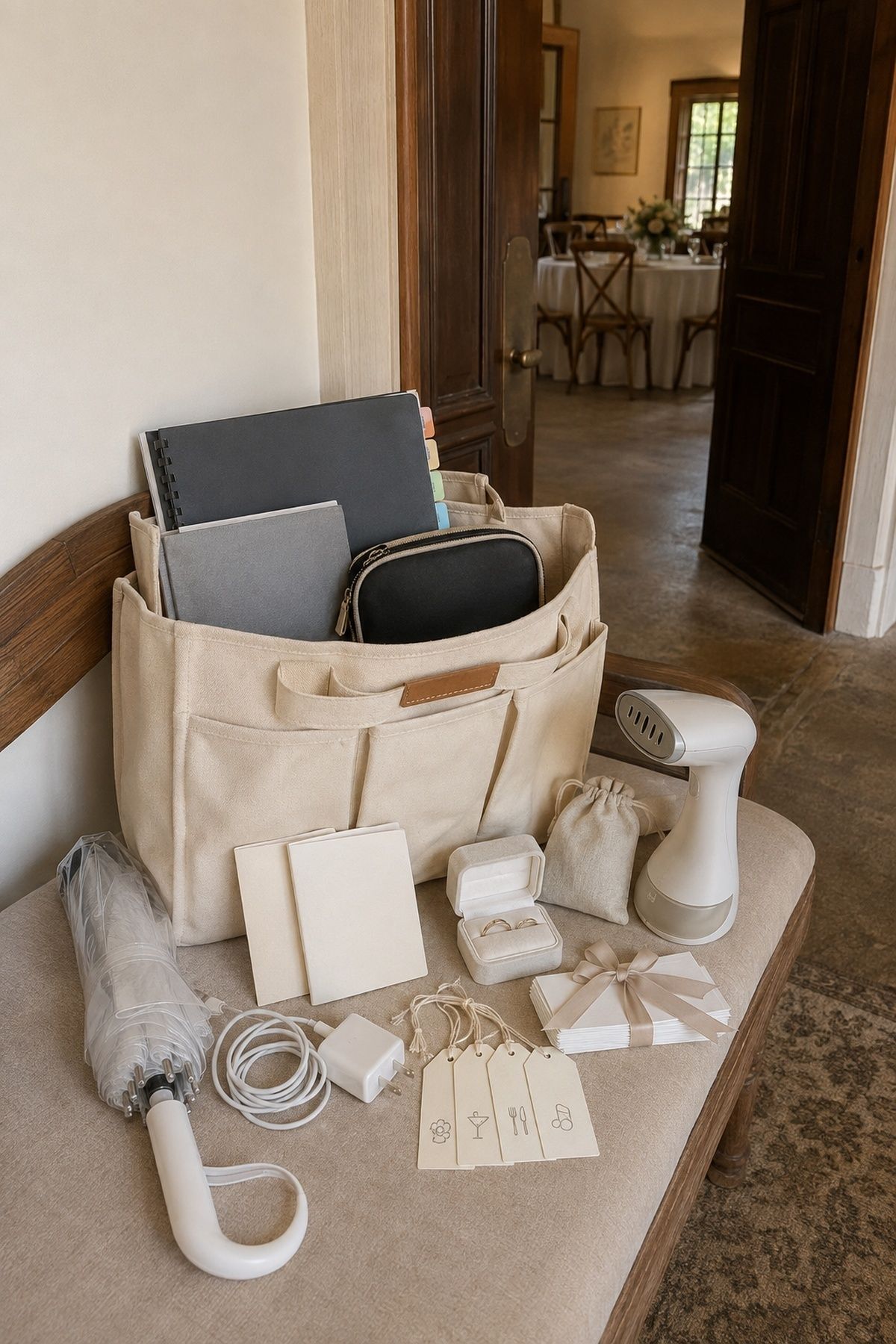
Wedding week is for confirmation, rest, and presence. Share the final timeline with vendors, helpers, witnesses, close family, and anyone giving a toast or reading. Confirm the license, rings, attire, meal count, weather plan, setup details, and who brings what. Then stop adding new projects unless they protect the ceremony, guest comfort, or legal validity.
The no-new-task rule is not laziness. It is care. A simple wedding works because the couple is not buried under last-minute ideas that nobody will miss. Steam the clothes, charge phones, practice vows, eat real meals, sleep when possible, and give the day enough space to feel like a wedding rather than a deadline.
If someone suggests a new idea during wedding week, ask whether it changes the ceremony, meal, guest comfort, safety, or legal status. If it does not, save it for a someday list, not the final timeline. Most last-minute ideas are not bad ideas. They are simply late ideas, and late ideas are expensive in attention.
What Small Weddings Remove From The Timeline
Small weddings remove many traditional tasks without losing meaning. Skip wedding party proposals, matching robes, large hotel blocks, layered stationery, favors, elaborate programs, transportation shuttles, oversized rental orders, custom signage, big seating displays, multiple pre-wedding events, and formal dances when they do not fit the celebration. None of those are proof that the wedding is cared for.
Use a simple test before adding any detail: will skipping it confuse guests, create a legal problem, make the meal harder, harm accessibility, strain a relationship, or remove something you personally value? If the answer is no, the task is optional. It could still be lovely, but it does not deserve prime space on an essentials-only timeline.
Be careful about removing coordination. Even a tiny wedding needs someone to watch the clock, cue the ceremony, receive deliveries, answer vendor questions, protect documents, and spot when guests need direction. The person could be a professional, venue manager, trusted friend, sibling, or calm parent. The role matters more than the title.
Shrink tasks instead of deleting them. Replace a hotel block with three lodging suggestions. Replace formal favors with handwritten place cards. Replace a large floral plan with one bouquet and candles. Replace a printed program with a short welcome line from the officiant. The timeline stays simple when each tradition is allowed to become smaller.
How To Compress This Timeline If You Have Less Time
If you have six months, make the first two weeks decisive. Choose the guest count, spending range, ceremony place, reception format, and date range before shopping small details. Book the location, food, photographer, officiant, and any coordinator quickly. Send guest information as soon as the location is firm, then choose attire with realistic lead time.
If you have three months, choose a format with fewer moving parts. A courthouse ceremony with dinner, restaurant private room, chapel and brunch, backyard ceremony with drop-off catering, or family elopement weekend will usually be easier than a blank-space venue. Confirm legal steps first, invite guests quickly, and avoid anything that depends on long shipping, complex rentals, or a large vendor team.
If you are planning a courthouse ceremony or private dinner only, the timeline begins with the law and the reservation. Confirm the license window, appointment rules, witness needs, guest limit, photo policy, and dinner booking. After that, choose outfit, rings, vows, bouquet if wanted, photographer, dessert, announcement wording, and the short flow from getting ready to dinner.
Compression works best when decisions are paired. Choose the venue and menu together. Choose attire and alteration timing together. Choose ceremony wording and officiant requirements together. Choose guest list and invitation method together. Pairing decisions keeps you from reopening the same category every week, which is one of the main ways a simple wedding starts to feel tangled.
What Should Never Be Skipped
Do not skip legal paperwork, even for the smallest wedding. Know when and where to apply for the license, whether there is a waiting period, how long the license is valid, whether witnesses are required, and who files it after the ceremony. A beautiful plan still needs the legal floor underneath it.
Do not skip clear guest communication. People need the address, start time, dress tone, meal expectations, RSVP deadline, parking, travel details, and any privacy boundaries around the guest list. With a small wedding, guests often feel especially included, so uncertainty feels more personal than it would at a large event.
Do not skip the food plan, final count, vendor confirmations, or day-of ownership. Even a relaxed dinner needs a table, timing, dietary details, payment plan, and someone who is not the couple handling ordinary questions. These are the unglamorous pieces that let the day feel light.
Do not skip one quiet review of the whole guest experience either. Imagine arriving as a guest: where do you go, what do you wear, when do you eat, how do you get home, and who answers questions? If those answers are clear, the wedding will feel more polished than many events with far more decor.
FAQ
What is a simple wedding planning timeline?
A simple wedding planning timeline is an essentials-only schedule that works backward from your wedding date and protects the decisions that affect budget, availability, legal validity, guests, food, and the day-of flow. It removes optional big-wedding extras so the next practical step stays visible without every possible wedding task crowding the page.
How do you simplify a wedding planning timeline?
Simplify the timeline by starting with budget, guest count, date, venue, food, ceremony, photos if wanted, invitations, final count, license, and handoff. Then mark everything else as optional unless it protects comfort, clarity, or something you deeply value. A simple checklist should show current priorities, not every task from a large-wedding plan.
What are the most important wedding planning deadlines?
The most important deadlines are venue or reservation booking, core vendor booking, guest travel notice, invitations, RSVP date, attire alteration timing, marriage license window, final headcount, final payments, vendor confirmations, and the day-of timeline handoff. These deadlines affect money, availability, legal status, and guest experience, which is why they stay even in a simple plan.
Can a small wedding use a shorter timeline?
Yes, a small wedding often uses a shorter timeline because there are fewer guests, fewer formal events, and fewer vendor categories. Keep the legal steps, location, food, guest communication, attire, and final confirmations intact. Then choose a format that is naturally simple, such as a restaurant dinner, courthouse ceremony, private room, or backyard meal.
What wedding planning tasks can be skipped?
Skip favors, large wedding parties, elaborate programs, hotel blocks, transportation shuttles, custom signage, multiple pre-wedding events, formal dances, and complex rentals when they do not fit the celebration. Do not skip tasks that affect the legal ceremony, food, guest clarity, accessibility, final count, payment, or who handles the day-of plan.
How do you keep wedding planning simple without missing essentials?
Keep wedding planning simple by using one master checklist, one budget tracker, one guest list, and one person responsible for day-of questions. Review the plan by category: legal, guests, location, food, photos, attire, payments, and timeline. With an owner and a deadline for each category, the celebration stays simple without feeling careless.
Final Thoughts
A simple wedding planning timeline should make the day feel easier to enter. Start with the guest count, budget, venue or reservation, ceremony, food, and the people who need clear information. Add beauty where it feels meaningful, and let the rest stay optional.
Before the final week, check the license rules, officiant details, witness requirements, filing plan, and ceremony basics one more time so the celebration you shaped with care feels personal, practical, and legally complete.
Last update on 2026-10-03 / Affiliate links / Images from Amazon Product Advertising API