

A small wedding often costs about $5,000 to $25,000, with 20 guests usually at the lower end and 50 guests moving closer to a full hosted event. The right budget depends on your city, venue format, food and bar plan, vendor coverage, fixed costs, and the cushion you set aside for service charges, taxes, tips, rentals, and weather backup.
If you are wondering how much should a small wedding cost, the honest answer is a range, not a single number. A courthouse ceremony with dinner for twenty people lives in a different budget world than a private venue, full meal, open bar, florals, coordination, and photography for fifty guests.
That is why small weddings feel so confusing to price. The guest list is shorter, but the wedding still has a legal ceremony, a place to gather, a meal or reception, clothing, beauty, photos, music or atmosphere, and a few practical comforts. Some costs shrink with every name you remove. Others stay stubbornly similar whether you invite twenty people or eighty.
Let the budget become a calm planning boundary, not a judgment on your celebration. A small wedding budget should help you host the right people well, choose where the money matters most, and avoid paying for scale you never wanted in the first place.
Recommended Wedding Products

No products found.


You Might Also Like These Blog Posts
- Micro Wedding Cost: The Honest Price Picture
- Micro Wedding Budget: Spend Small Without Feeling Sparse
- Small Wedding Budget Breakdown Without The Guesswork
- Small Wedding Planning On A Budget That Still Feels Generous
- Small Wedding Under $5,000: What To Spend, Skip, And Save
- How To Plan A Wedding With 50 Guests Without Losing The Intimate Feeling
How Much Should A Small Wedding Cost?
For a practical planning range, a small wedding usually lands between about $5,000 and $25,000. A very simple legal ceremony with a restaurant meal, limited decor, and short photography coverage sometimes sits below that range, while a polished private venue celebration with full catering and vendor support often rises above it.
For this discussion, small means roughly 20 to 50 guests. Micro wedding cost conversations often overlap with that range, especially when the event includes a ceremony, seated meal, photography, attire, flowers, and a hosted bar. The guest count matters, but it is not the whole story.
The best way to think about the cost of a small wedding is to separate the bill into two parts. First, there are guest-driven costs: food, drink, seating, rentals, stationery, favors, transportation, and room size. Second, there are fixed wedding costs: photography, officiant, license, attire, beauty, some music minimums, planning help, delivery, and setup.
Once you see those two groups clearly, the quotes start making more sense. A smaller guest list lowers the total meal and rental count, but it does not turn a photographer, coordinator, officiant, gown alteration, or venue minimum into a tiny expense. That is not failure. It is how private events are priced.
Before you compare your number with someone else’s, ask what kind of wedding their number bought. Did it include tax and gratuity? Did the venue include tables, chairs, linens, staff, glassware, and cleanup? Did family host at home? Did a friend photograph the day? Did the couple skip a reception entirely? Cost conversations become much clearer when the format is visible.
A useful intimate wedding budget has three layers. The first layer is the required layer: license, ceremony, food, space, basic comfort, and documentation. The second layer is the emotional layer: the choices that make the day feel like yours. The third layer is the polish layer: upgrades that are lovely but not necessary for guests to feel welcomed.
Small Wedding Cost By Guest Count
Small wedding cost by guest count works best as a set of guardrails. Your city, date, meal style, venue minimum, and vendor standards will shift the numbers, but guest count still gives you a starting point. The key is to estimate the hosted experience before committing to upgrades.
What A 20-Person Wedding Might Cost
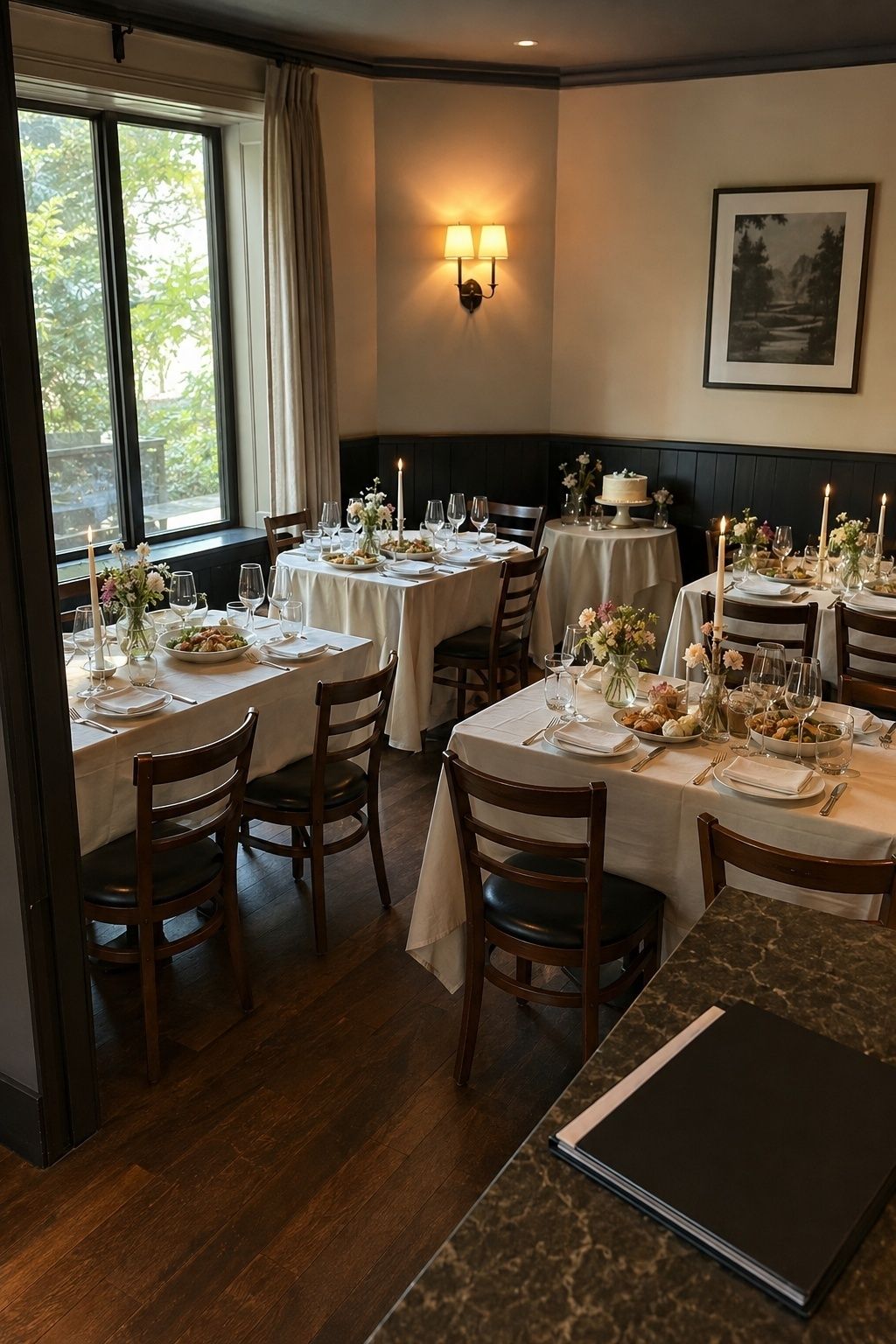
A 20-person wedding often sits around $5,000 to $12,000 when the couple chooses a simple ceremony, private dining room, backyard supper, courthouse-plus-dinner plan, park ceremony, or short venue rental. It gets expensive faster when the event includes a Saturday venue, premium meal, open bar, full florals, and all-day photography.
This guest count gives you useful flexibility. You need fewer meals, fewer chairs, fewer place settings, less stationery, and less room. You also have more options for restaurants and private rooms that would feel cramped for a larger wedding but lovely for a close circle.
Still, the fixed costs deserve respect. A photographer usually charges by coverage and editing time, not by guest count. A dress, suit, license, officiant, hair, makeup, bouquet, boutonniere, and transportation do not become one fifth of a traditional wedding just because the room is smaller. Build those costs first, then add the meal.
What A 35-Person Wedding Might Cost
A 35-person wedding often lands around $8,000 to $18,000. This is the middle ground for immediate family, closest friends, and a few essential loved ones while the room still feels intimate. The budget begins to feel more like a hosted reception than a dinner reservation.
Food and bar usually start shaping the wedding here. Thirty-five guests often trigger private-room minimums, staffing needs, rental counts, linen choices, service fees, and gratuity. If the venue includes catering, the rate often looks simple at first, then expands once taxes, admin fees, bar minimums, and ceremony setup are added.
This guest count is also where priorities become very helpful. If the budget feels tight, choose one or two categories to feel generous: a beautiful meal, meaningful photography, a comfortable room, or floral moments in the spaces guests will actually touch. Trying to upgrade everything makes a small wedding feel more expensive without making it more personal.
What A 50-Person Wedding Might Cost
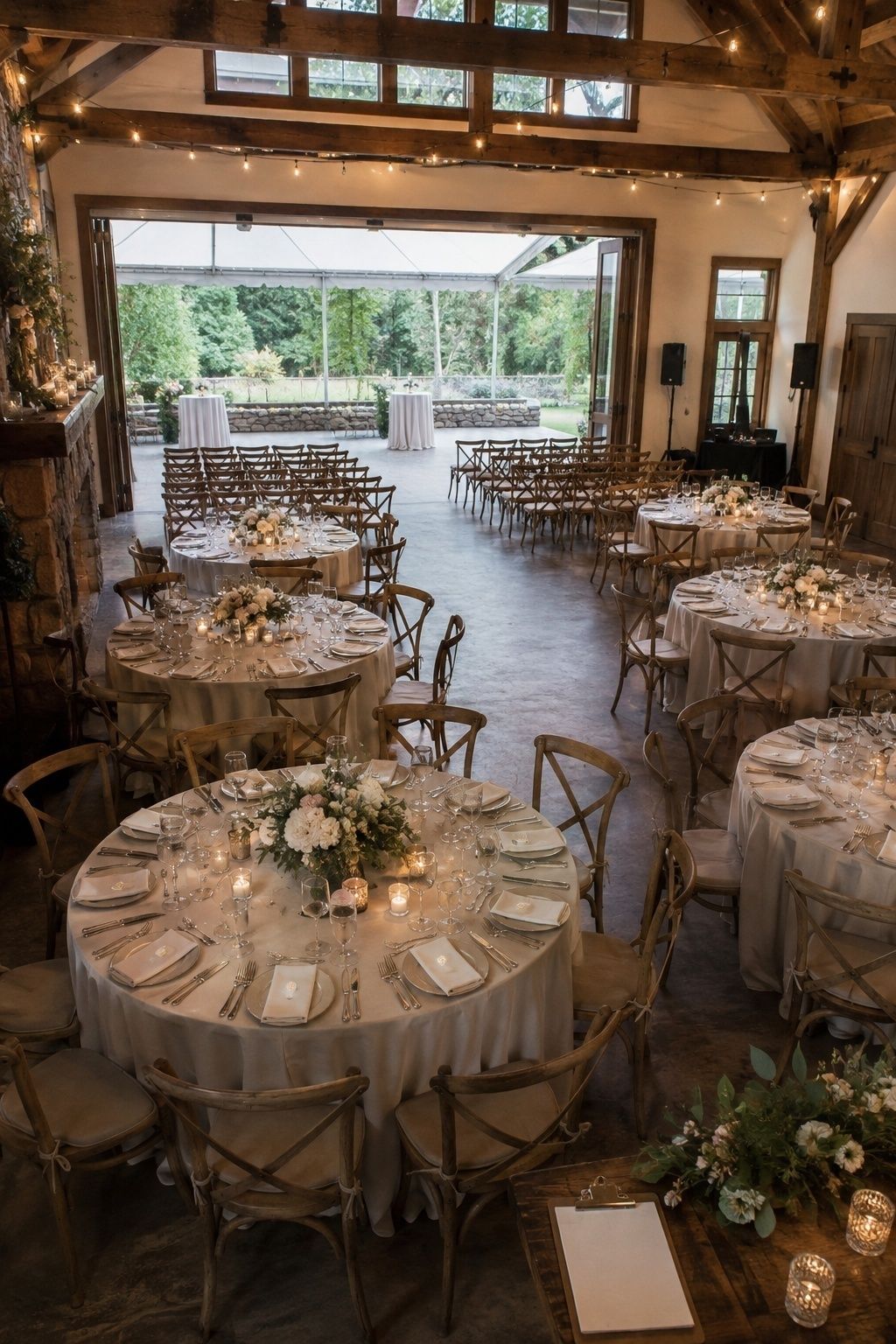
A 50-person wedding often sits around $12,000 to $25,000, and higher-cost areas or full-service venues often push beyond that. Fifty guests still feels intimate compared with a 150-person wedding, but the event now needs stronger structure: enough staff, enough seating, enough food timing, enough restrooms, and a timeline that moves smoothly.
At this size, the venue often no longer treats the event like a private dinner. You likely need a ceremony layout, cocktail space, reception setup, rental delivery, sound, parking support, rain plan, vendor meals, and a coordinator. Those needs are normal for a real hosted event, even a smaller one.
The upside is that fifty guests still gives you control. You are feeding fewer people, using fewer tables, buying fewer invitations, and making fewer obligation decisions. If you protect the guest list, the money has a clearer purpose: comfort, hospitality, and memories with the people who matter most.
For any guest count, run the same quick exercise before booking. Write the total comfort number at the top of the page. Subtract the venue and food estimate, including tax and service. Subtract fixed vendors next. Then subtract the 10 to 15 percent cushion. The number left is the money available for decor, extras, and upgrades, not the other way around.
This order keeps the wedding honest. If the leftover number feels too small, you have three clean choices: reduce guest count, simplify the format, or raise the budget with full agreement. What gets messy is pretending the budget will stretch later while signing contracts that already use most of it.
Why There Is No Single Correct Number
There is no perfect answer to how much should a small wedding cost because the same guest count creates different events in different places. Twenty guests at city-hotel pricing sometimes cost more than fifty guests at a family property. A restaurant dinner often costs less than a blank venue once rentals, staff, lighting, and setup are added.
Guest Count Changes The Total Fastest
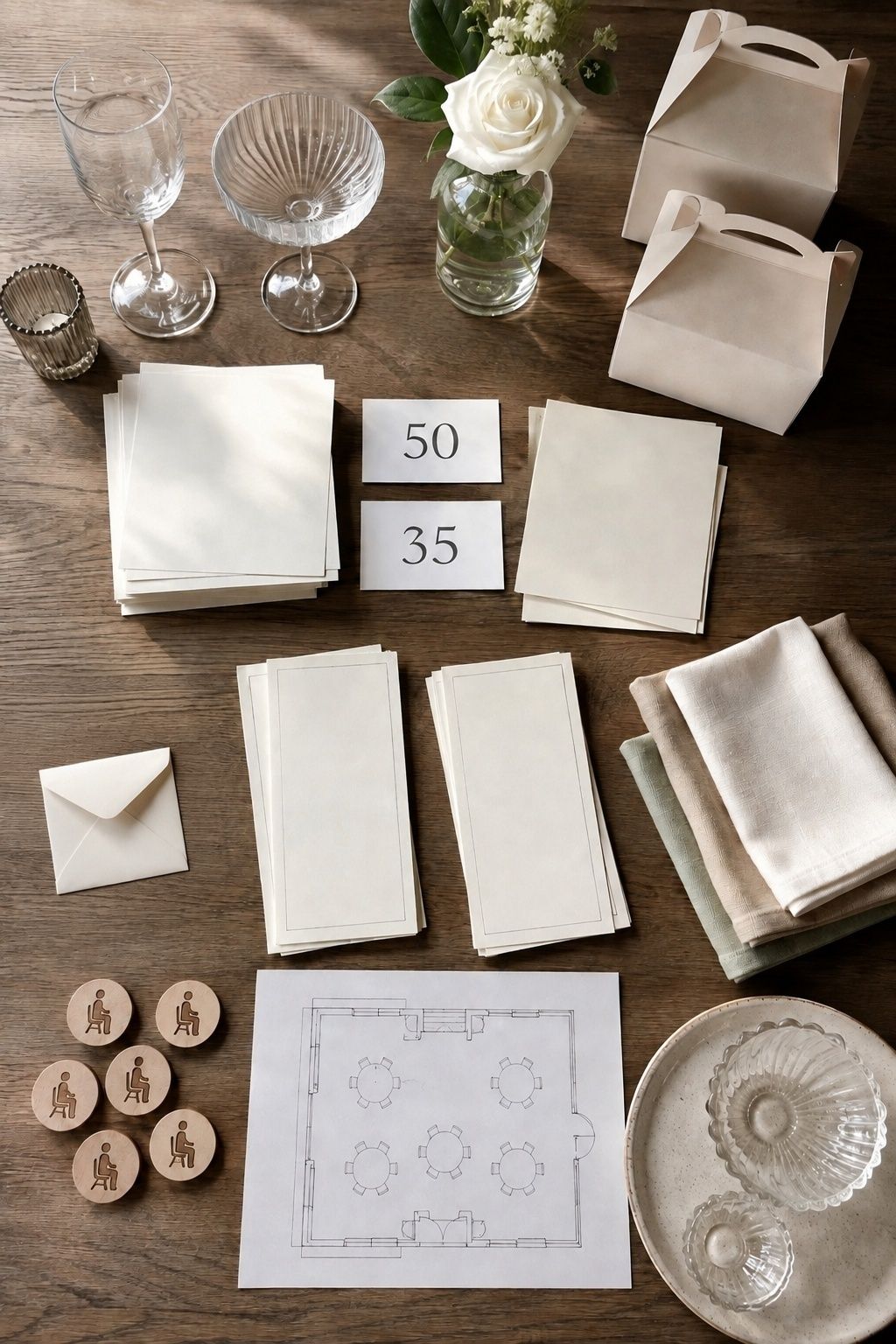
Every guest adds more than a plate. Each person adds possible bar service, rentals, napkins, glassware, stationery, dessert, favors, transportation, shuttle seats, restroom needs, and square footage. Even a modest per-person increase becomes real money when multiplied across the whole list.
That is why cutting from fifty guests to thirty-five often saves more than changing one floral arrangement. The list is not just emotional; it is financial architecture. When you set a guest ceiling early, you protect both the feel of the room and the budget behind it.
Venue And Food Decide The Budget Shape
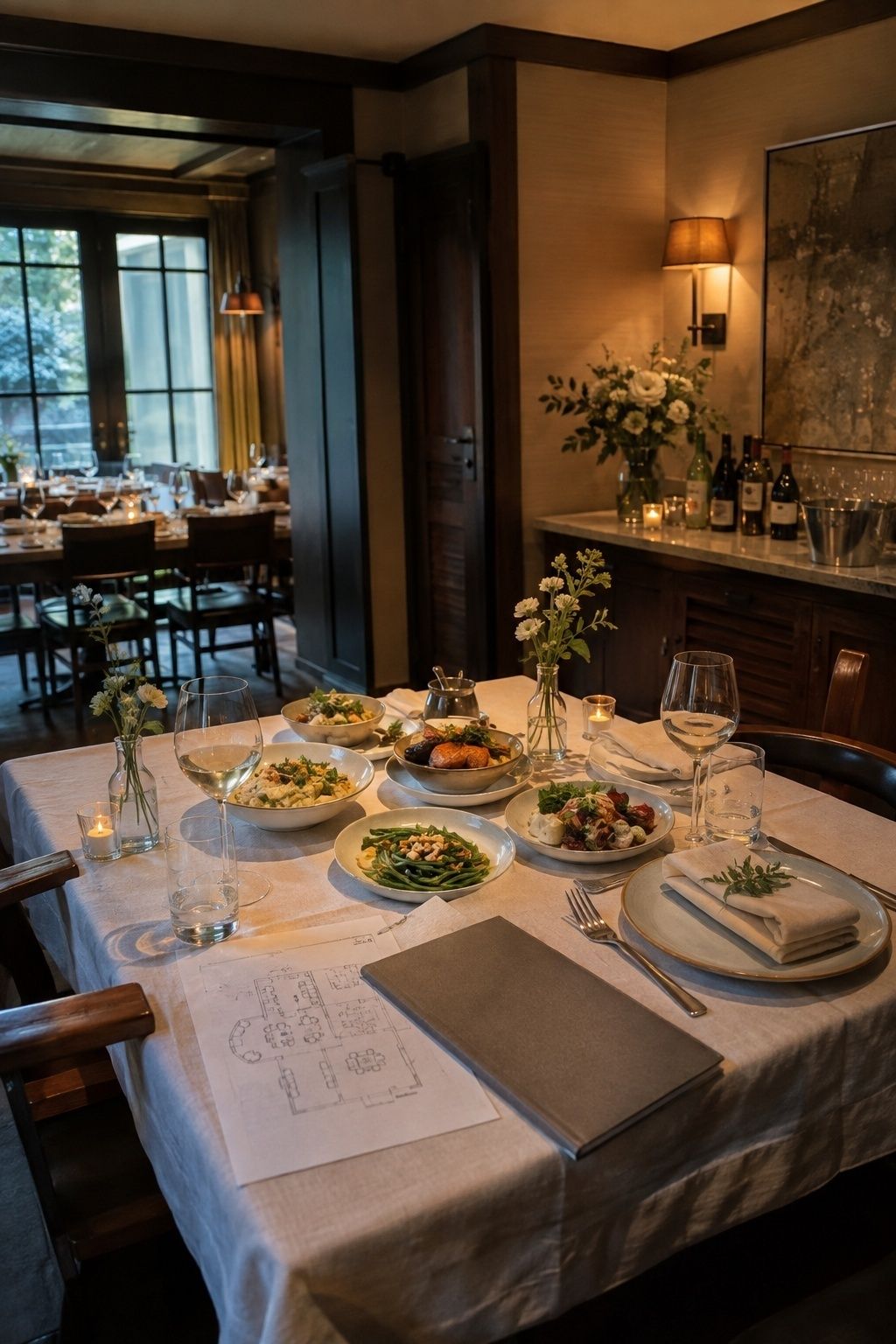
A restaurant private room, backyard, courthouse, all-inclusive micro-wedding plan, and traditional venue each price the day differently. A restaurant often bundles food, staff, tables, glassware, and atmosphere into one minimum. A blank venue often looks affordable until catering, rentals, lighting, insurance, trash removal, restrooms, and staff are priced separately.
Food matters because it is both hospitality and math. A brunch, cake-and-champagne reception, family-style dinner, tasting menu, buffet, or cocktail party will change the bill and the rhythm of the day. Decide what kind of meal you want guests to experience before assuming one venue quote is cheaper than another.
Fixed Costs Do Not Shrink Just Because The Wedding Is Small
Fixed wedding costs are the reason small weddings sometimes surprise people. The officiant still prepares and performs a ceremony. The photographer still travels, shoots, edits, and delivers a gallery. The tailor still alters the outfit. A planner or coordinator still manages timelines, vendor arrival, setup, and family questions.
Some vendors have minimums because a wedding date is a full booking opportunity. A musician, florist, hair stylist, makeup artist, caterer, or venue often needs a base amount to make the date workable. Ask what is fixed, what is per person, and what changes if the guest count drops.
Location And Date Can Widen The Range
Location changes the numbers quickly. High-cost cities, resort areas, popular destination towns, and peak-season weekends usually bring higher labor, venue, catering, lodging, and transportation costs. Rural areas, family properties, weekday dates, brunch receptions, off-season months, and shorter rentals often create more room in the budget.
Date flexibility is especially valuable for intimate weddings. Smaller groups fit into private dining rooms, inns, galleries, gardens, vacation homes, and weekday venue openings that larger guest lists would not use easily. If the calendar is flexible, ask vendors for the formats and dates that work best for a smaller celebration.
Hidden Fees Can Make A Small Wedding Feel Less Small
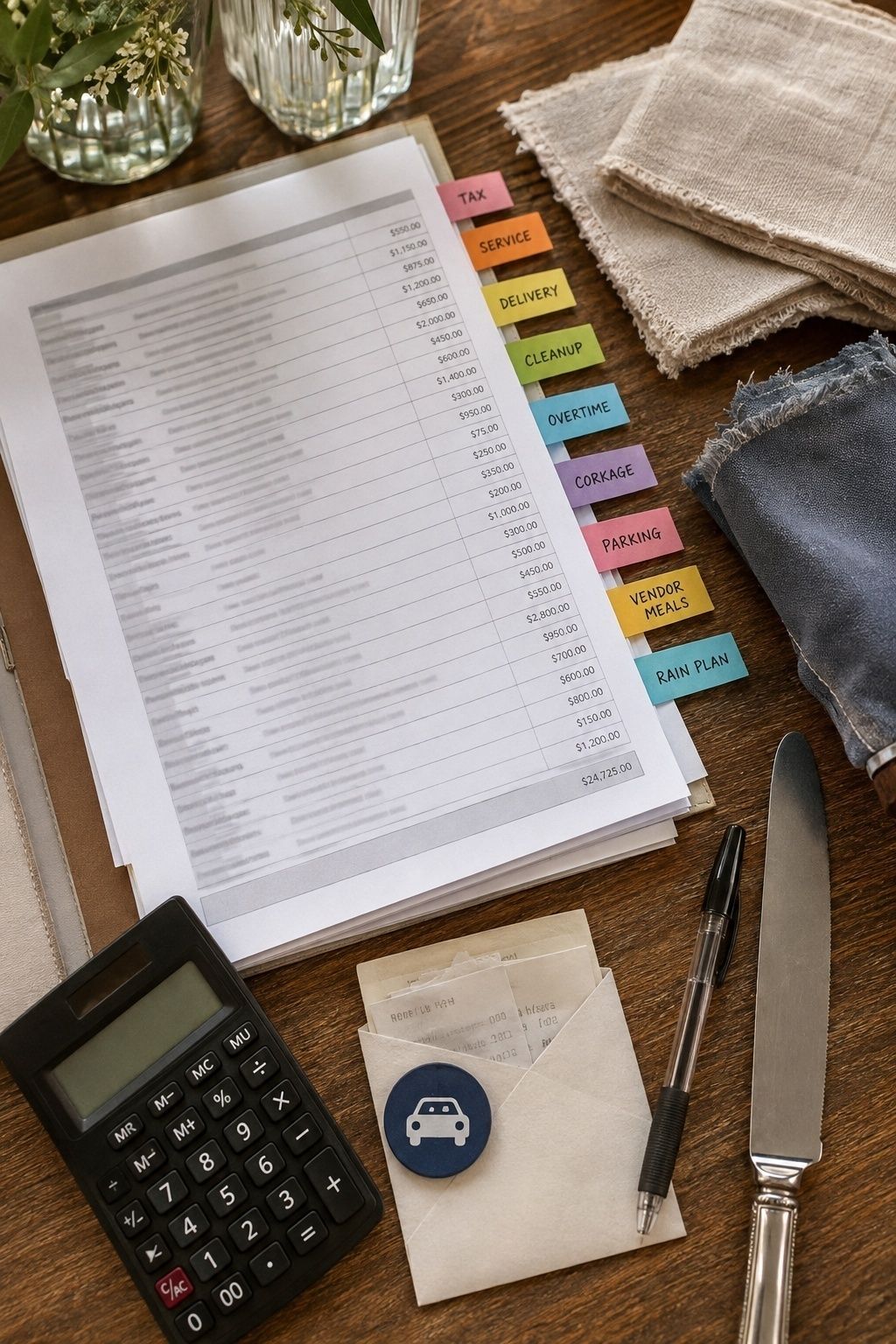
Hidden fees are often the difference between a number that looks possible and a final invoice that feels startling. Look for service charges, gratuities, taxes, delivery, setup, breakdown, overtime, cake cutting, corkage, rentals, permits, parking, vendor meals, cleanup, security, insurance, and weather backup.
A smart small wedding budget leaves 10 to 15 percent unassigned until late in planning. That cushion keeps the wedding from feeling financially brittle. If nothing surprising appears, the leftover money becomes a final upgrade, post-wedding breathing room, or honeymoon support.
Ask vendors for the full number in writing. The clearest quote separates rental fees, food minimums, beverage minimums, staffing, admin charges, taxes, gratuity, ceremony setup, cleanup, overtime, rentals, and optional upgrades. If a quote uses vague language, ask which charges are mandatory and which ones are choices.
Also ask what changes if the guest count shifts. Some costs drop cleanly per person. Some move only after you cross a staffing threshold or room minimum. Some do not change at all. Those answers help you decide whether trimming five names actually improves the budget or simply makes the room feel smaller.
What To Spend On First
Start with the pieces that affect every guest and protect the memory of the day. Food and drink timing, ceremony basics, photography coverage, guest comfort, accessibility, weather backup, and one personal detail deserve attention before trend-driven extras.
Food does not need to be elaborate, but guests should understand when they are being fed and what kind of event they are attending. A short cake-and-champagne reception, private brunch, family-style dinner, or cocktail party all work well when the invitation sets expectations clearly.
Photography also deserves early thought. With a smaller wedding, photos often carry more emotional weight because the day is built around fewer people and quieter moments. You probably do not need all-day coverage, but you do need the ceremony, portraits, family combinations, room details, meal atmosphere, and a few unscripted exchanges that show why this guest list mattered.
Guest comfort is the category couples underestimate most. Shade, heat, parking, restroom access, seating, allergy-aware food, clear directions, sound, rain coverage, and enough time between transitions make a small wedding feel cared for. These choices are less flashy than decor, but guests notice them in their bodies.
Then choose one personal detail. It could be handwritten vows, a favorite restaurant, a shared dessert, a table playlist, family flowers, custom menus, a ceremony passage, or a small welcome gift. One meaningful choice has more impact than ten decorative upgrades chosen out of panic.
If you are torn between categories, choose the one guests experience for the longest amount of time. A better meal, warmer lighting, easier transportation, or more comfortable seating usually matters longer than a decorative moment they pass once. A small wedding gives you the advantage of proximity; every comfort choice feels more personal because every guest is part of the close circle.
For couples who care deeply about style, this does not mean ignoring beauty. It means letting beauty sit on top of a plan that already works. A gorgeous tablescape feels better when the meal arrives on time, the room temperature is comfortable, and older relatives have a chair before the ceremony starts.
Where Small Weddings Save Without Feeling Cheap
The easiest savings come from removing scale, not removing care. A small wedding saves best when you cut obligation guests, oversized rooms, extra events, elaborate paper goods, excessive centerpieces, premium transportation, favors, signage, wedding-party expenses, and upgrades that only exist because larger weddings normalized them.
Start with the guest list. Every person should make sense for the emotional tone of the day and the money required to host them. This does not mean ranking love. It means choosing the size of gathering you are truly prepared to hold.
Then question the venue. A small wedding does not need a ballroom that looks half-empty. It often feels better in a private dining room, garden, chapel, studio, backyard, courthouse, inn, or restaurant space sized to the guest count. The right room reduces decor pressure because it already feels full and intentional.
Paper goods are another gentle place to save. Printed menus, programs, escort cards, welcome signs, favor tags, and multi-piece invitations are lovely when they matter to you. If they are only there because weddings seem to require them, simplify. Guests need clear information more than a matching paper suite.
Flowers deserve the same honest treatment. A small wedding looks beautiful with one strong bouquet, ceremony flowers that move to dinner, bud vases, candles where allowed, or greenery in the spaces guests actually see. Spending less on decor does not make the wedding less meaningful when the room, food, and people already carry the feeling.
Do the same with fashion and wedding-party costs. If you are not having a large wedding party, you probably do not need matching outfits, bouquets, proposal gifts, group transportation, hair schedules, or separate getting-ready rooms. Keep the parts that feel sincere and release the parts that only make sense for a larger production.
Extra events deserve careful math too. A welcome party, farewell brunch, rehearsal dinner, after-party, or group activity sounds easier with fewer guests, but each one still adds food, drink, location, timing, and communication. If the main wedding budget feels tight, make the main gathering feel complete before adding another hosted moment.
How To Build A Realistic Small Wedding Budget

To build a realistic small wedding budget, start with the number you are comfortable spending without regret. Then choose a guest ceiling and an event format before pricing anything. A $12,000 budget works differently for a courthouse dinner than it does for a Saturday venue with rentals and full catering.
Next, price venue and food together. Couples often compare venue fees alone, but the better question is what it costs to host the event from guest arrival through the final goodbye. Include food, bar, service, rentals, staff, taxes, gratuities, setup, cleanup, overtime, and any required vendors.
After that, add fixed vendors. Put in photography, officiant, license, attire, alterations, beauty, music, planning support, florals, transportation, and any ceremony needs. Use real quotes whenever possible. If you only have estimates, choose the less optimistic number so the plan has breathing room.
Set aside 10 to 15 percent before choosing upgrades. This cushion is not extra spending money at the beginning. It is protection against late fees, service charges, delivery changes, weather plans, tips, stationery reorders, attire fixes, and forgotten rentals.
Finally, choose upgrades only after the essentials fit. If food, room, ceremony, photos, comfort, and backup plans are covered, then look at floral upgrades, specialty linens, dessert displays, welcome gifts, live music, custom stationery, or extra coverage. This order keeps the wedding from becoming beautiful on paper and stressful in real life.
A simple budget test helps: if one category gets upgraded, name what stays modest. Better food often means simpler flowers. Longer photography often means no favors. A private venue often means brunch instead of dinner. Small weddings work beautifully when the tradeoffs are chosen on purpose.
Once the draft budget is built, give every line a role. Some lines protect the ceremony. Some lines protect hospitality. Some lines protect memory. Some lines protect ease. If a cost does not serve one of those roles, it is a candidate for trimming before you touch the guest experience.
Then build a quote tracker with three columns: confirmed, estimated, and unknown. Confirmed costs have a written number. Estimated costs have a realistic range. Unknown costs need a vendor question before the budget is trusted. This keeps optimism from disguising itself as planning and gives every later decision a clear place to land with less stress and more shared confidence.
FAQ
How Much Should A Small Wedding Cost?
A small wedding often costs about $5,000 to $25,000, depending on guest count, location, venue, food, vendor coverage, and hidden fees. A simple 20-person dinner often costs far less than a 50-person venue reception. Start with your guest ceiling, then price venue and food together before adding fixed vendors.
What Is The Average Cost Of A Micro Wedding?
The average micro wedding cost is often discussed around the high four figures to mid five figures, but the format matters more than the label. A restaurant dinner, backyard ceremony, and all-inclusive venue plan price very differently. Define your guest count and meal style first, then compare quotes by what each one includes.
How Much Does A 20-Person Wedding Cost?
A 20-person wedding often costs around $5,000 to $12,000 when the plan stays simple, though a high-end restaurant, luxury venue, or full vendor team raises the number. The savings come mostly from fewer meals and rentals. Price your fixed costs first so the meal budget stays realistic.
How Much Does A 50-Person Wedding Cost?
A 50-person wedding often costs around $12,000 to $25,000, with expensive cities and full-service venues going higher. At this size, staffing, bar, rentals, ceremony setup, and coordination start to matter more. Ask each venue for the full hosted-event estimate, not just the rental fee.
What Costs Stay Fixed For A Small Wedding?
Photography, officiant fees, marriage license costs, attire, alterations, beauty, planning support, some music minimums, and portions of florals often stay fixed for a small wedding. These costs relate to time, skill, travel, and setup rather than guest count. Separate fixed costs from per-guest costs before trimming the list.
How Do You Keep A Small Wedding Budget Realistic?
Keep a small wedding budget realistic by setting a guest ceiling, choosing the event format, pricing venue and food together, adding fixed vendors, and reserving 10 to 15 percent for hidden fees. Do not spend the cushion early. Choose upgrades only after the ceremony, meal, photos, comfort, and backup plans fit.
Final Thoughts
A small wedding budget should feel clear, not apologetic. You are not trying to prove that intimate means cheap. You are deciding what it costs to host the right people with comfort, meaning, and financial steadiness.
So when you ask how much should a small wedding cost, look beyond the average and build a number around your real guest count, venue, meal, fixed vendors, and cushion. If you separate the costs that shrink from the costs that stay firm, the whole plan feels steadier.
Last update on 2026-10-03 / Affiliate links / Images from Amazon Product Advertising API