

The answer for how to plan a wedding with 50 guests is a firm guest ceiling, a venue that feels comfortably full, fixed costs separated from per-person costs, and a ceremony, meal, seating plan, sound setup, and reception flow built around the people you are actually inviting.
If you are wondering how to plan a wedding with 50 guests, you are probably trying to find the sweet spot between intimate and fully hosted. Fifty guests can still feel close and personal, but it needs more structure than a tiny dinner wedding because tables, service, bathrooms, sound, parking, and final numbers start to matter in a very real way.
The goal is not to shrink a traditional wedding until it fits. The goal is to design a celebration where every guest feels chosen, the room feels warm, and the practical details are handled quietly enough that you can stay present with the people around you.

Recommended Wedding Products


You Might Also Like These Blog Posts
- How To Plan A Wedding With 20 Guests Without Losing The Wedding Feeling
- Small Wedding Checklist Under 50 Guests For A Day That Runs Smoothly
- Small Wedding Venues For 50 Guests With The Right Fit
- How To Plan A Wedding With 30 Guests Without Overbuilding The Day
- How Much Should A Small Wedding Cost Without Feeling Like Too Much
- Small Wedding Guest Count Guide For Choosing A Number That Feels Close
How To Plan A Wedding With 50 Guests Without Losing The Intimate Feeling
Fifty guests is a beautiful number because it can hold both softness and momentum. There are enough people for a ceremony that feels witnessed, a meal that feels generous, and a reception with natural energy. There are also enough people for vague plans to show. Guests need to know where to sit, when to move, what they are eating, how speeches will work, and who is quietly keeping the day on track.
A strong 50-guest wedding plan begins with hospitality. Instead of asking which big-wedding traditions you can squeeze in, ask what this exact group needs in order to feel welcomed, comfortable, and connected. That question makes every later choice cleaner.
Treat 50 Guests As The Edge Of A Small Wedding
A small wedding under 50 guests can feel deeply selective. A wedding at 50 still feels intimate, but it usually includes a wider circle: immediate family, closest friends, partners, and the people who have meaningfully shaped your life as a couple. Before you tour venues or price menus, decide what that number is meant to protect.
Draw The Real Relationship Circle
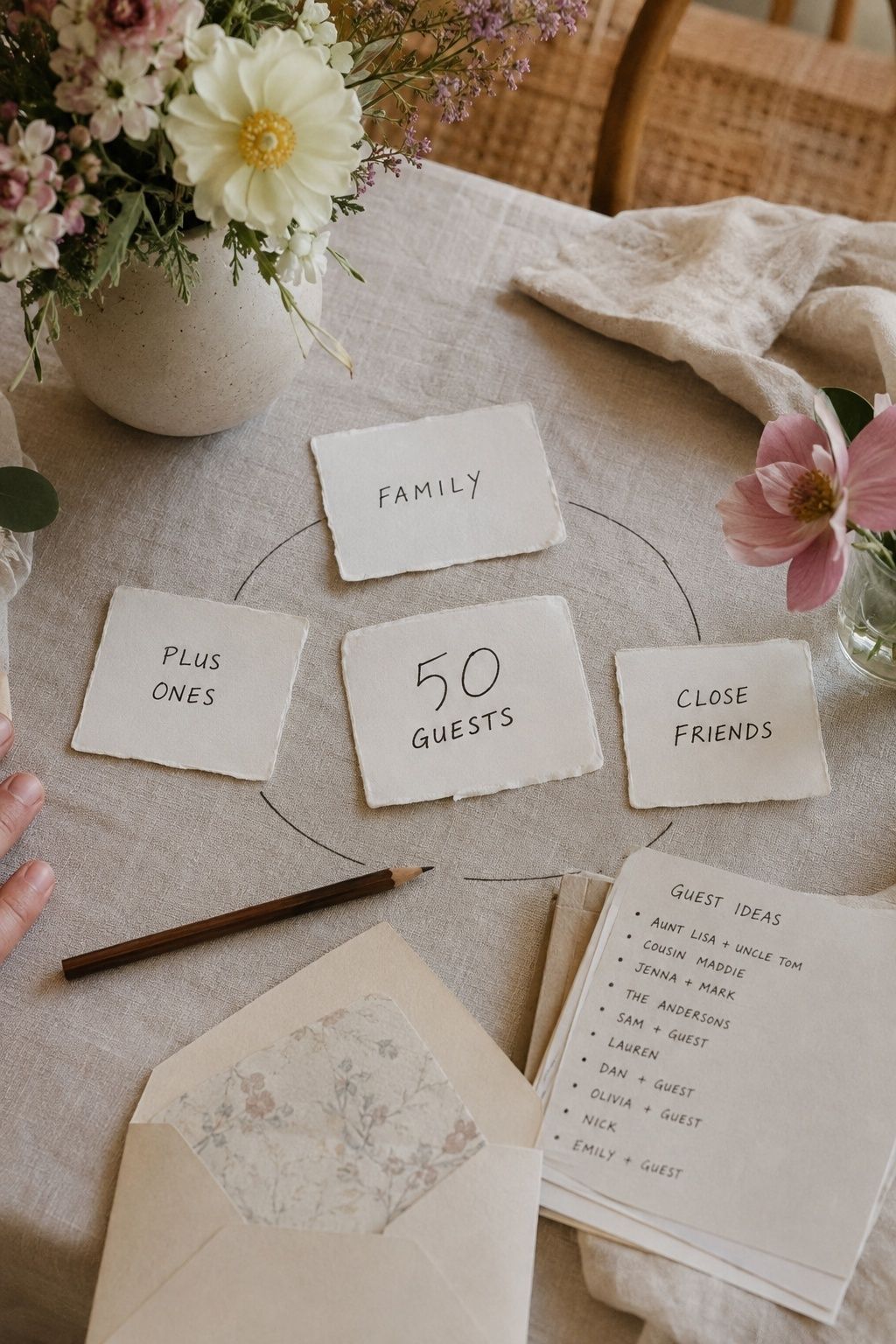
Start with the people you would genuinely miss if they were not there. Write those names before adding courtesy invitations. If the first list lands at 62, sort the names by closeness, current relationship, and whether you would make real time for them during the wedding weekend.
This is where 50 can become emotionally tricky. It feels small enough that families may expect flexibility, but every extra name still changes the room, the table count, the food order, and the feeling of the day. If relatives are unsure why the number matters, the language around small wedding guest counts can make the boundary feel clear without turning the conversation into a defense.
Protect The Guest List Before It Turns Into 75
Decide early whether you are inviting children, plus-ones, coworkers, distant relatives, and family friends. A boundary sounds softer when it is clear, consistent, and not presented as a debate. You can say, “We are keeping the celebration to 50 of our closest family and friends,” then repeat the same language whenever pressure appears.
Choose A Venue That Feels Intimate At 50
A 50-guest wedding venue should feel comfortably held. You need enough space for ceremony seating, dinner tables, service movement, a small bar, gifts or cards, and a little gathering area, but not so much space that guests scatter. The room should make 50 people feel like a celebration, not like a reduced headcount in a space built for a much larger crowd.
Look Beyond The Capacity Number
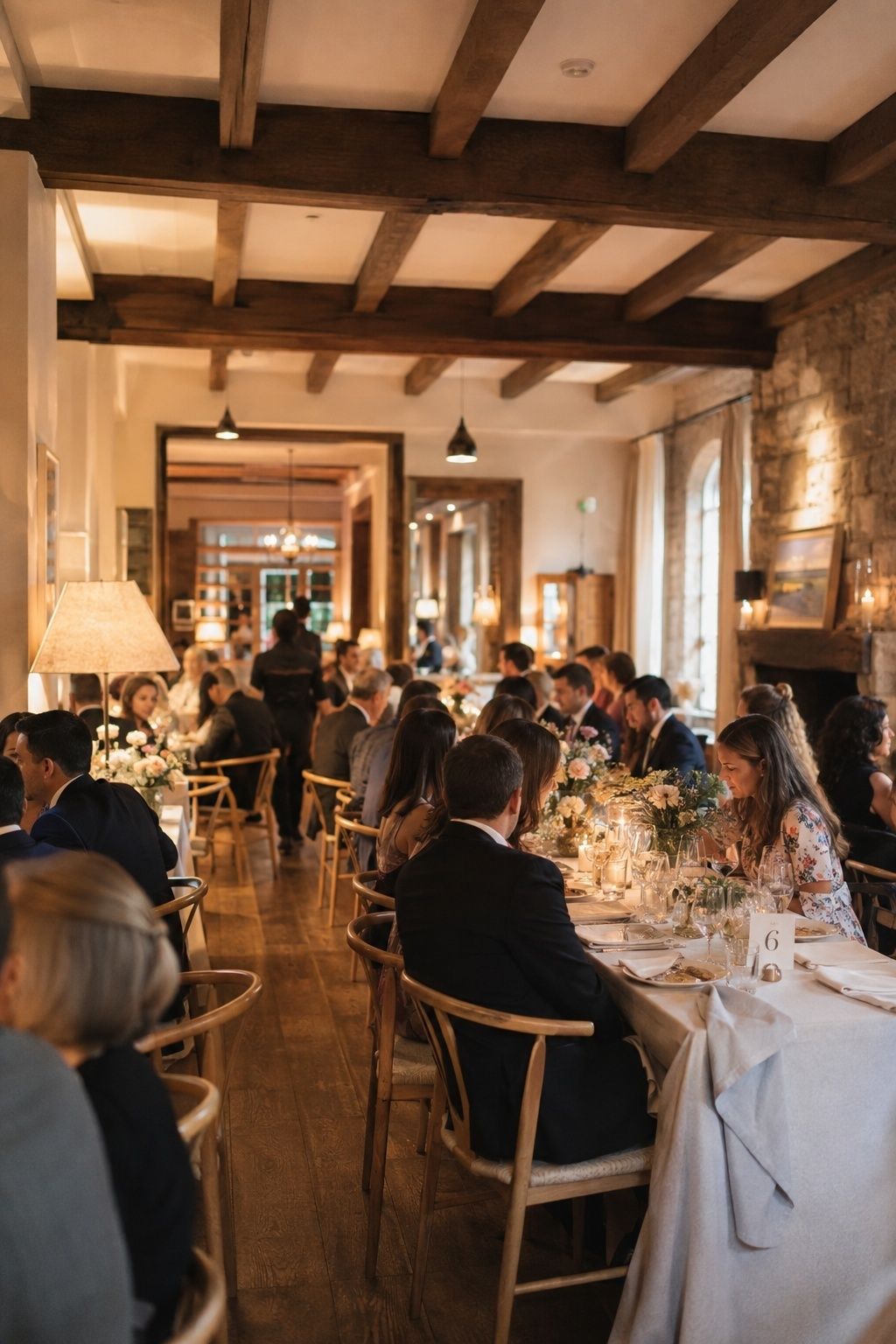
Private dining rooms, galleries, conservatories, boutique hotels, tasting rooms, inns, gardens, restaurant buyouts, and small event spaces often work well because their proportions support conversation. Ask how the room feels with 50 seated guests, not just whether 50 is allowed. A space can fit the number on paper and still feel awkward if tables block service paths or older guests are too close to speakers.
The strongest small wedding venues for 50 guests already have the proportions of a private room, inn, restaurant, garden, or outdoor gathering space, so you are not paying to disguise a room that was never meant for an intimate celebration.
Check Dinner, Ceremony, Dancing, And Flow
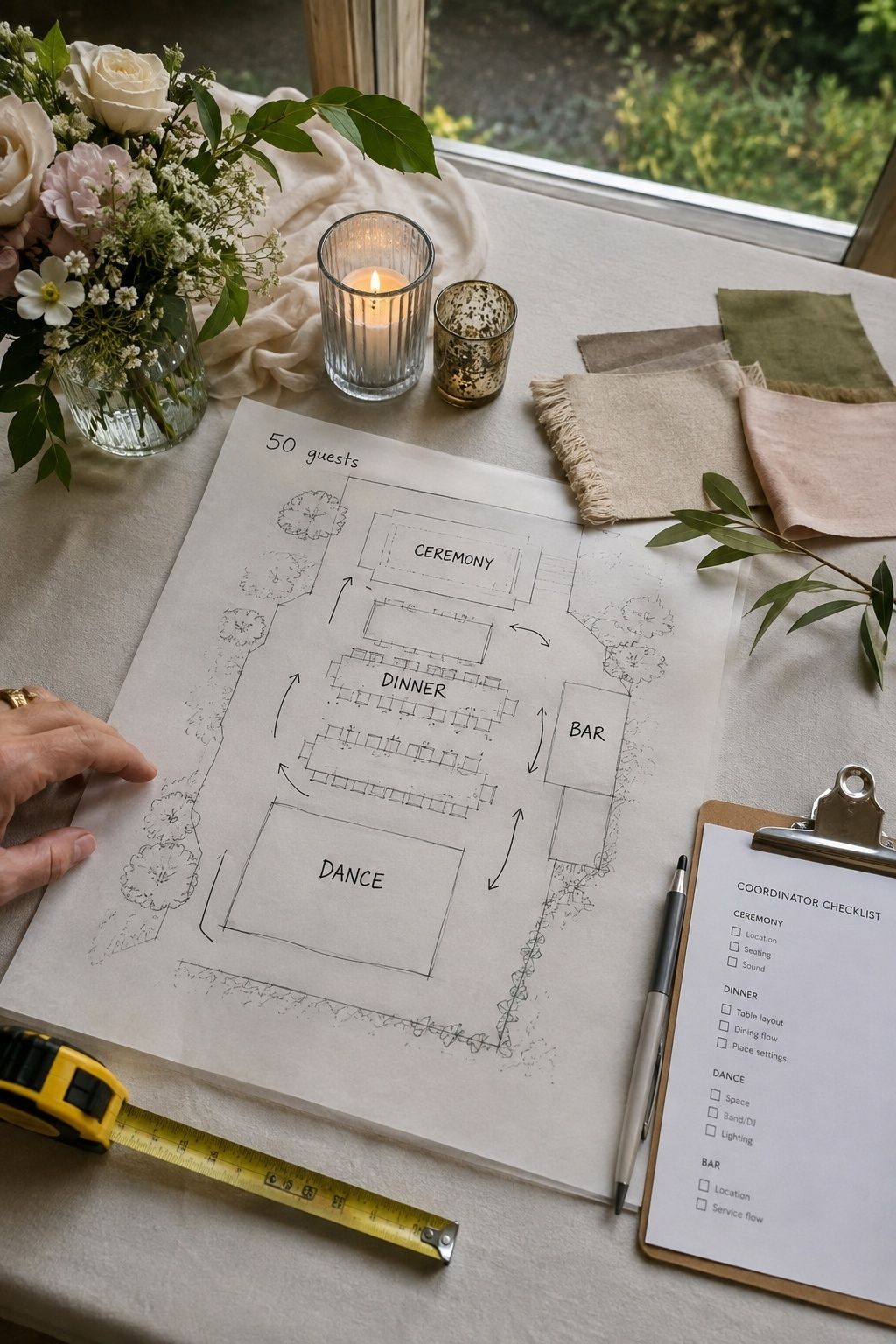
Look at the actual floor plan before you sign. Where will the ceremony happen? Where will guests put coats? Can speeches be heard? Is there space for a first dance if you want one? Where does the photographer stand during vows and dinner? Where will the bar line form without blocking servers?
A backyard or garden wedding can be gorgeous for 50 people, especially if the setting already carries meaning. The planning list is longer than it looks, though. Count bathrooms, parking, power, lighting, kitchen access, trash removal, rentals, weather cover, sound restrictions, and who will reset the space if ceremony and dinner happen in the same area.
Build The Budget Around Fixed Costs And Per-Person Costs
A 50-person wedding budget has two personalities. Some costs shrink beautifully because fewer people need dinner, drinks, chairs, linens, printed pieces, transportation seats, favors, and dessert portions. Other costs barely move. Photography, officiant fees, attire, ceremony music, planning help, beauty, permits, delivery, and venue rental may cost almost the same whether you invite 50 or 90.
Separate The Numbers Before You Start Cutting

Before deciding what is too expensive, separate fixed costs from per-person costs. Fixed costs are the things you need for the day to happen at all. Per-person costs rise with each guest. When those categories are mixed together, a smaller wedding can feel strangely costly because the couple expects every line item to shrink with the guest list.
In a small wedding budget breakdown, those categories belong in separate columns because you may spend less overall than a larger wedding while still choosing better food, more comfortable seating, stronger photography coverage, or thoughtful transportation.
Ask About Minimums Before You Fall In Love

Small wedding vendor minimums can shape the whole plan. A florist may have a minimum spend. A caterer may have a service minimum. A venue may require a Saturday food-and-beverage minimum that makes 50 guests more expensive than expected. These details are not failures; they are planning constraints you need early.
When proposals start arriving, discuss vendor minimums before style details, then ask about weekday dates, brunch service, short coverage, intimate-wedding packages, and restaurant-style formats.
Choose Vendors For A Small But Fully Hosted Wedding
At 50 guests, the vendor team should protect the ceremony, meal, timeline, and guest experience. You may not need every formal wedding add-on, but you do need enough professional help that the day feels cared for instead of improvised.
Food, Bar, And Service Support
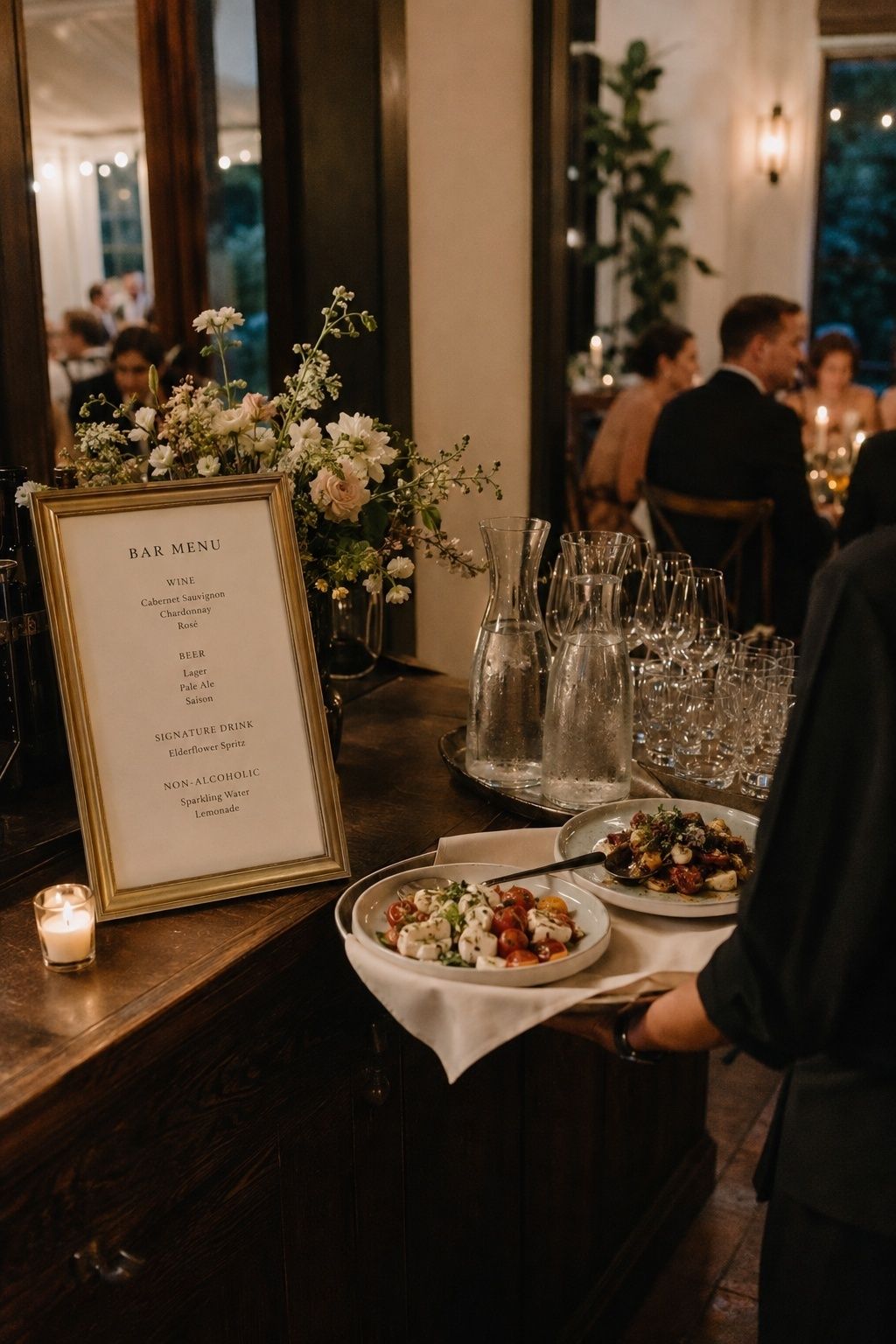
Food is central for an intimate wedding with 50 guests because much of the reception happens around the meal. Decide whether you want plated service, family-style dishes, a buffet, stations, a restaurant menu, or a brunch format. Then ask who handles water, wine, clearing, dietary needs, late plates, dessert, trash, and cleanup.
A casual wedding still needs service logic. If guests are pouring their own drinks, clearing their own plates, or waiting while family members solve catering questions, the day can feel less hosted than intended. Choose a food plan that lets your people relax into the celebration.
Sound, Photography, Coordination, And Music
Do not skip sound. Fifty guests can still miss vows, readings, or speeches if the ceremony is outdoors or the room has noise from the kitchen, street, or bar. A small microphone and speaker can protect the emotional center of the day without turning it into a production.
A photographer also matters because the day will be full of quick, tender moments: family hugs, table laughter, a quiet hand squeeze, the way the room looks just before everyone sits down. A coordinator, venue manager, or trusted lead is just as valuable. Someone needs to know when vendors arrive, where tables go, who has allergies, when speeches happen, and what gets packed at the end. That person should not be the couple.
Plan Seating And Reception Flow Around Connection
Fifty guests is big enough that seating should not be left to chance. A 50-guest seating layout shapes the emotional temperature of the reception. It tells guests where they belong, supports family dynamics, helps servers move efficiently, and keeps the couple from spending the first part of dinner watching people hover with plates.
Choose Tables For Conversation First
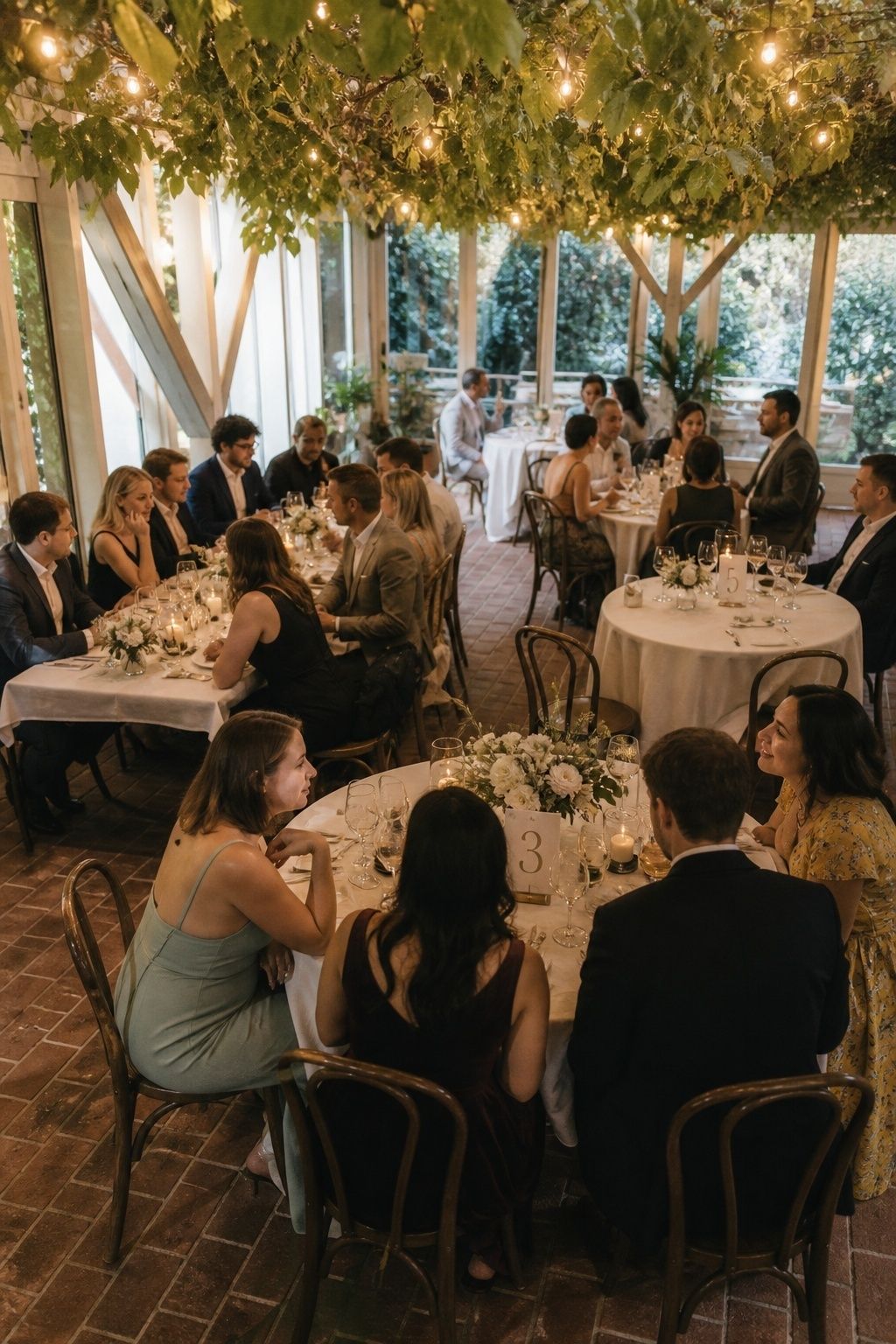
You can use several layouts for 50 guests: one long table, two long tables, a U-shape, five rounds of ten, smaller clusters, or a mix of rounds and rectangular tables. Long tables can feel connected and dramatic, but only if guests can move comfortably. Rounds can make conversation easier, but they need enough space between tables for service.
On your seating chart, map family needs, older guests, children, mobility considerations, and people who will enjoy talking to one another before you think about table decor. Assigned tables are usually enough, though assigned seats can matter for a plated meal, complex family dynamics, or a very narrow room.
Make The Meal The Heart Of The Reception
A 50-guest reception timeline should give the meal room to breathe. You can move from ceremony to cocktail hour, then dinner, speeches, dessert, and a relaxed dance or lounge portion without stuffing the evening with too many formal beats. Guests came because they are close to you. Let them actually be with you.
For many 50-guest weddings, three and a half to five hours is enough for a reception, based on the meal and music. Brunch may be shorter. A dinner with cocktails, speeches, dancing, and late dessert may need more time. A small wedding day timeline can keep the party from feeling rushed or overextended.
Place Music And Speeches Where They Belong
Fifty guests can support dancing, but the music plan should match the crowd. If your people love to dance, keep a small dance floor close to the bar or lounge so the energy gathers naturally. If your guests are more dinner-party than dance-party, use music for ceremony, cocktails, dinner, and a short celebratory set instead of trying to stretch the night.
Speeches should feel personal, not endless. Choose two or three people, give them a time limit, and place the toasts where guests are seated and listening. In a smaller room, a thoughtful two-minute toast can land more beautifully than a long speech that pulls focus from the meal.
Use Personal Details Without Handmaking Everything
The beauty of a 50-person wedding is that guests notice the details because they are close to them. Escort cards, table numbers, simple menus, welcome drinks, handwritten notes, family photos, candlelight, and a guest book alternative can feel meaningful without requiring months of late-night projects.
Choose details that guests will touch, see up close, or remember because they helped the room feel personal. Five beautiful tables are easier to make intentional than 18 rushed ones. A few thoughtful focal points usually feel more refined than trying to decorate every corner.
Confirm The Final Headcount Before Details Lock
The last few weeks are where a 50-person plan can become calm or chaotic. Your final headcount affects food, bar quantities, rentals, linens, place cards, transportation, welcome notes, favors, ceremony chairs, and vendor staffing. Build a simple final-count system before RSVPs start arriving.
Set An RSVP Date That Gives Vendors Time
Choose an RSVP deadline that leaves enough time to follow up with quiet guests, confirm meal choices, adjust seating, and send final numbers to vendors. At 50 guests, one late response may not seem like much, but five uncertain responses can affect an entire table, a shuttle count, or a catering order.
Keep one clean list for meal choices, allergies, accessibility notes, vendor meals, and seating changes. Do not rely on text threads, invitation comments, or memory. If you are also building the day from ceremony through dinner and last call, a small wedding day timeline will help you see when each final detail actually needs to be confirmed.
FAQ
Is 50 Guests Considered A Small Wedding?
Yes, 50 guests is generally considered a small or intimate wedding, especially beside a traditional large reception. It is not tiny, though. At 50 people, you still need a clear venue plan, seating, food service, sound, and timeline structure so the day feels intimate instead of under-planned.
How Do You Plan A Wedding With 50 Guests From Start To Finish?
Start with a firm guest ceiling, then choose a venue that feels comfortably full at 50. Build the budget by separating fixed costs from per-person costs, ask vendors about minimums, plan seating, choose a meal format, create a reception timeline, and confirm the final headcount before rentals, catering, and place cards lock.
What Size Venue Works Best For A 50-Guest Wedding?
The best venue is one that can seat 50 guests comfortably while still feeling warm when everyone is in the room. Private dining rooms, small venues, inns, gardens, and boutique event spaces often work well. Avoid oversized ballrooms unless the venue can create a smaller layout that feels intentional.
How Much Does A 50-Person Wedding Usually Cost?
The cost depends on location, venue, meal style, rentals, photography, attire, planning help, and vendor minimums. A 50-person wedding can cost less than a large wedding because fewer guests need food and drinks, but fixed costs may stay similar. Build your budget by separating must-have fixed costs from per-guest upgrades.
Do You Need Assigned Seating For A 50-Guest Wedding?
Assigned tables are strongly recommended, and assigned seats may be wise for plated meals, family dynamics, or tight room layouts. Fifty guests is small enough to feel personal, but large enough that guests appreciate knowing where they belong without searching for a seat during dinner.
What Vendors Are Worth Booking For 50 Wedding Guests?
The most worthwhile vendors are the ones that protect the guest experience: food and service, a venue or property lead, an officiant, photography, basic sound, rentals if needed, florals or decor, bar support, and a day-of coordinator. Add music, beauty, transportation, and videography if they support your priorities and budget.
How Do You Make A 50-Guest Wedding Feel Intimate Instead Of Like A Small Ballroom Event?
Choose a right-size venue, keep guests close during the ceremony and meal, use seating that supports conversation, avoid empty space, keep speeches personal, and build the reception around food, music, and shared moments. The room should feel gathered around the couple, not stretched across a space meant for hundreds.
Final Thoughts
The final test for how to plan a wedding with 50 guests is whether the room feels full, the vows can be heard, the meal feels generous, the budget stays honest, and someone besides the couple is holding the wedding-day questions. When those pieces are in place, 50 guests can feel both intimate and celebratory: close enough for real conversation, full enough for a beautiful sense of occasion.
Before you commit to a room that only works on paper, walk through where guests will sit, eat, gather, hear the ceremony, reach the bar, and move between each part of the day, then pressure-test whether the space truly supports 50 guests seated, served, and moving comfortably.
Last update on 2026-10-03 / Affiliate links / Images from Amazon Product Advertising API