

A micro wedding budget works best when you separate the costs tied to the date from the costs tied to each guest. Set the guest count first, protect the few details that shape the experience, price fixed and per-guest items separately, and leave room for tax, service charges, tips, delivery, setup, overtime, and vendor minimums.
A smaller wedding can feel generous, personal, and beautifully hosted, but it still needs clear math. The goal is not to shrink every line until the day feels thin. The goal is to spend with enough precision that the people in the room feel cared for and the choices you skip feel intentional.

Recommended Wedding Products


You Might Also Like These Blog Posts
- Micro Wedding Budget Breakdown Without The Guesswork
- Small Wedding Budget Breakdown Without The Guesswork
- Micro Wedding Cost: The Honest Price Picture
- Micro Wedding Guest Count: How Small Should It Feel?
- Wedding Budget Mistakes That Make Small Weddings Feel Expensive
- How Much Should A Small Wedding Cost Without Feeling Like Too Much
A Micro Wedding Budget That Feels Intentional Instead Of Bare
The cleanest budget begins with a real headcount, not a vague promise to keep things small. A dinner for 18 and a dinner for 34 can need different rooms, different staffing, different rentals, and a different bar plan. Even when the emotional idea is the same, the numbers can move quickly.
Before you request quotes, write down your must-have guest list and your stretch guest list. Then compare a budget for a wedding with 20 guests with one for a wedding with 30 guests. Those ten extra seats may change food, drinks, chairs, table size, invitations, cake servings, transportation, and service flow, even if the ceremony itself stays beautifully simple.
Choose What The Budget Needs To Protect
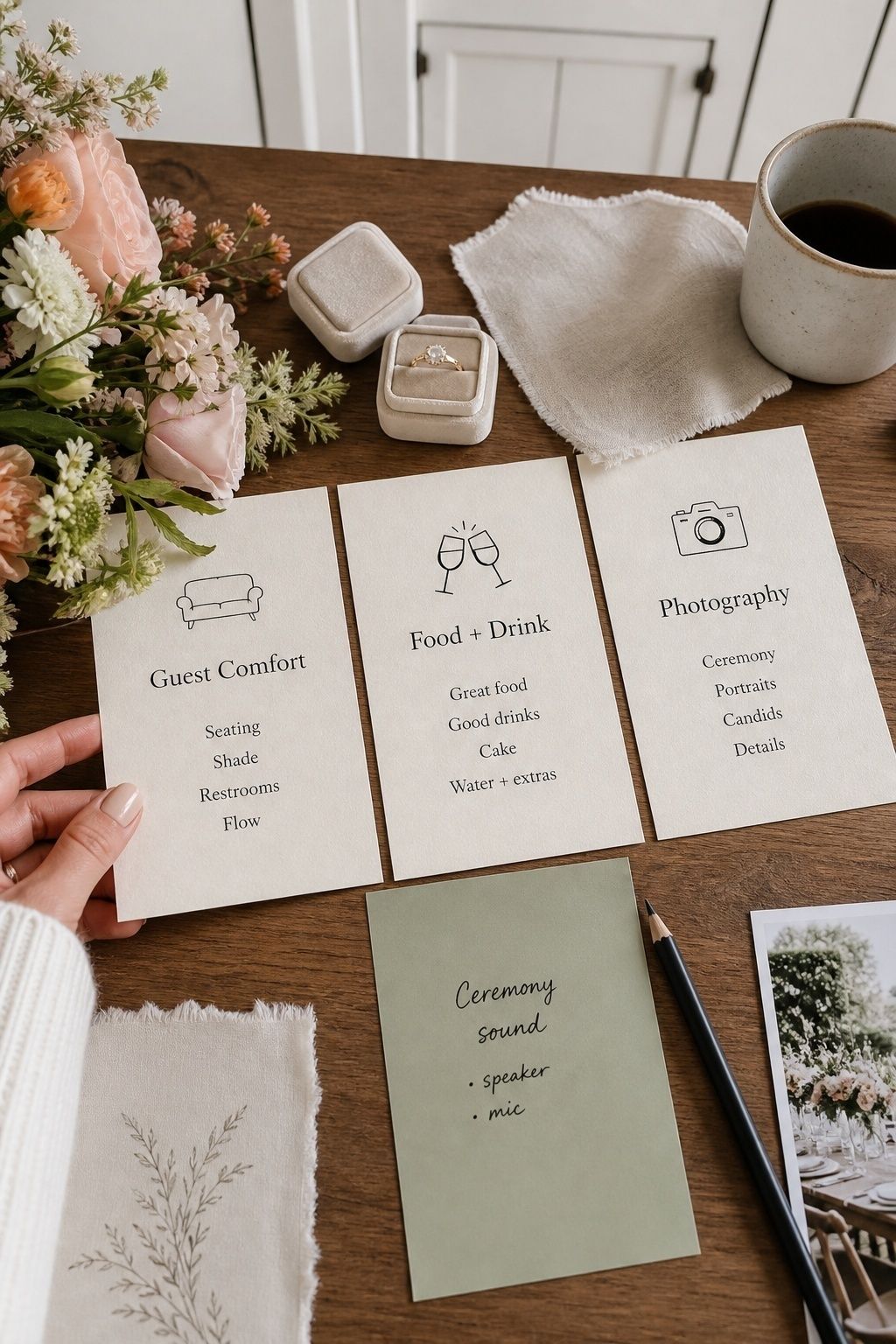
Small weddings become easier to plan when you name the feeling first. Maybe you want an unhurried meal with immediate family. Maybe photography matters most because the guest list is tiny and the memories need to be kept well. Maybe the priority is a garden ceremony, a private dining room, comfortable grandparents, or a table that feels abundant without becoming theatrical.
Pick three protected priorities before you trim anything. For many couples, the strongest places to protect are guest comfort, food and drink, ceremony sound, photography, and a space that suits the headcount. Once those pieces are secure, simpler stationery, fewer favors, and quieter decor choices rarely make the day feel less loved.
Separate Fixed Costs From Guest-Based Costs

A useful micro wedding budget breakdown separates fixed costs from per-guest costs. Fixed costs are usually tied to the date, the labor, the space, or the professional service. Per-guest costs rise or fall with the number of people you host.
Micro wedding fixed costs may include photography, officiant fees, ceremony music, beauty services, attire, planning support, venue rental, permits, a marriage license, floral labor, delivery, and setup. Micro wedding per-guest costs often include meals, drinks, place settings, chairs, linens, menus, favors, cake servings, shuttle seats, welcome drinks, and service staff connected to guest volume.
This is where a budget stops feeling like wishful thinking. If a cost belongs to the date, cutting five guests may not change it at all. If a cost belongs to each guest, a smaller invitation list can give you meaningful room to breathe.
Use A Planner That Shows Deposits And Balances Clearly

A micro wedding budget planner should do more than hold category names. It should show the estimate, the real quote, the deposit paid, the remaining balance, the due date, the person responsible, and whether the number changes when the guest count changes.
This matters because intimate weddings often move fast. A restaurant room, photographer, florist, officiant, and dress alterations can all require deposits before the couple has seen the full total in one place. Keep every number visible, and update it the moment a guest-count choice or vendor quote changes.
Ask About Minimums Before You Fall In Love With A Quote
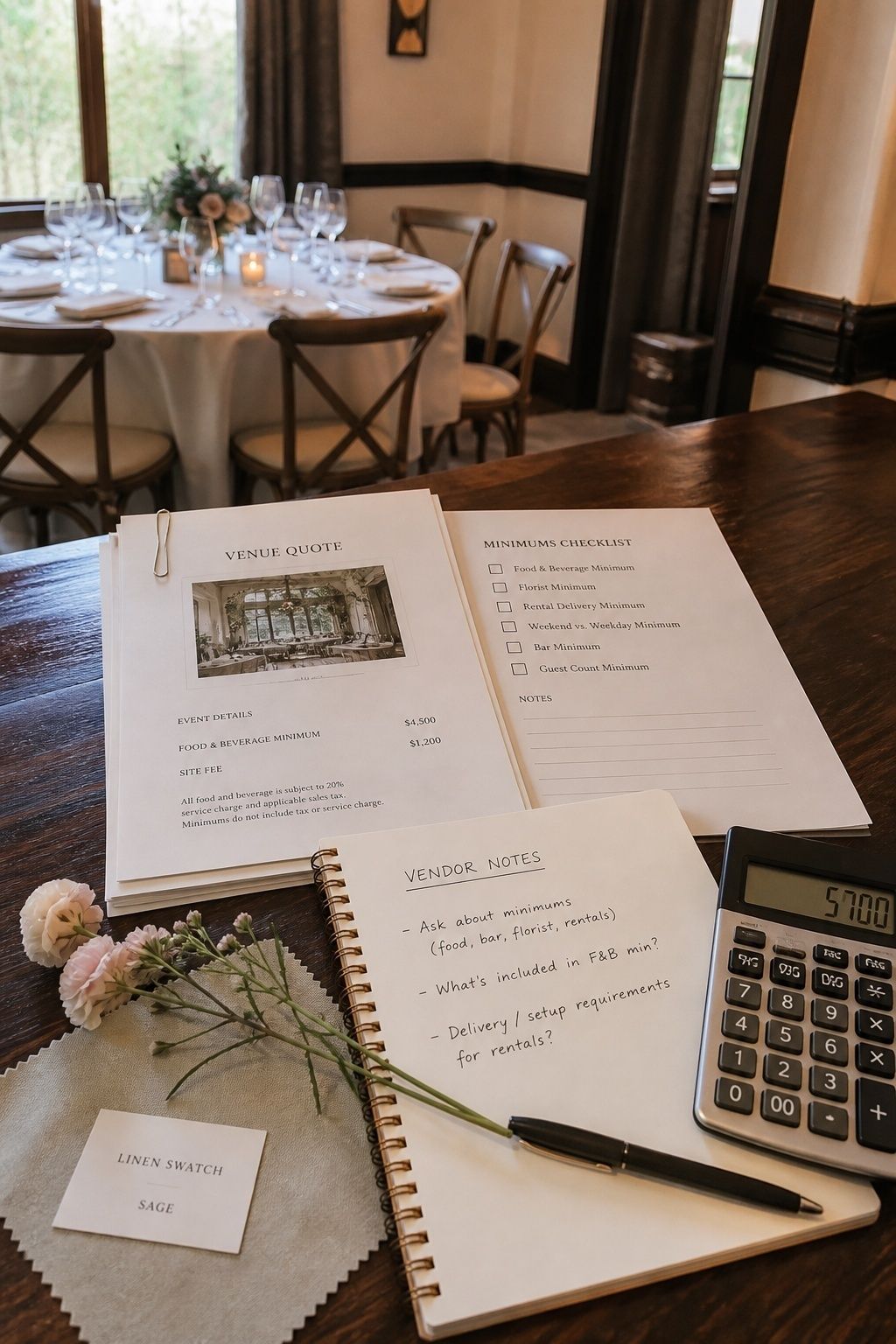
Vendor minimums are one of the most common reasons a small wedding budget feels confusing. A caterer may have a staffing minimum. A florist may have a minimum order. A private room may have a food-and-beverage minimum. A rental company may require a delivery minimum even when you only need a few pieces.
Ask about vendor minimums before you treat a quote as flexible. The best question is simple: what is the smallest realistic total couples usually spend with you for this kind of wedding?
Watch For Hidden Fees In Small Contracts
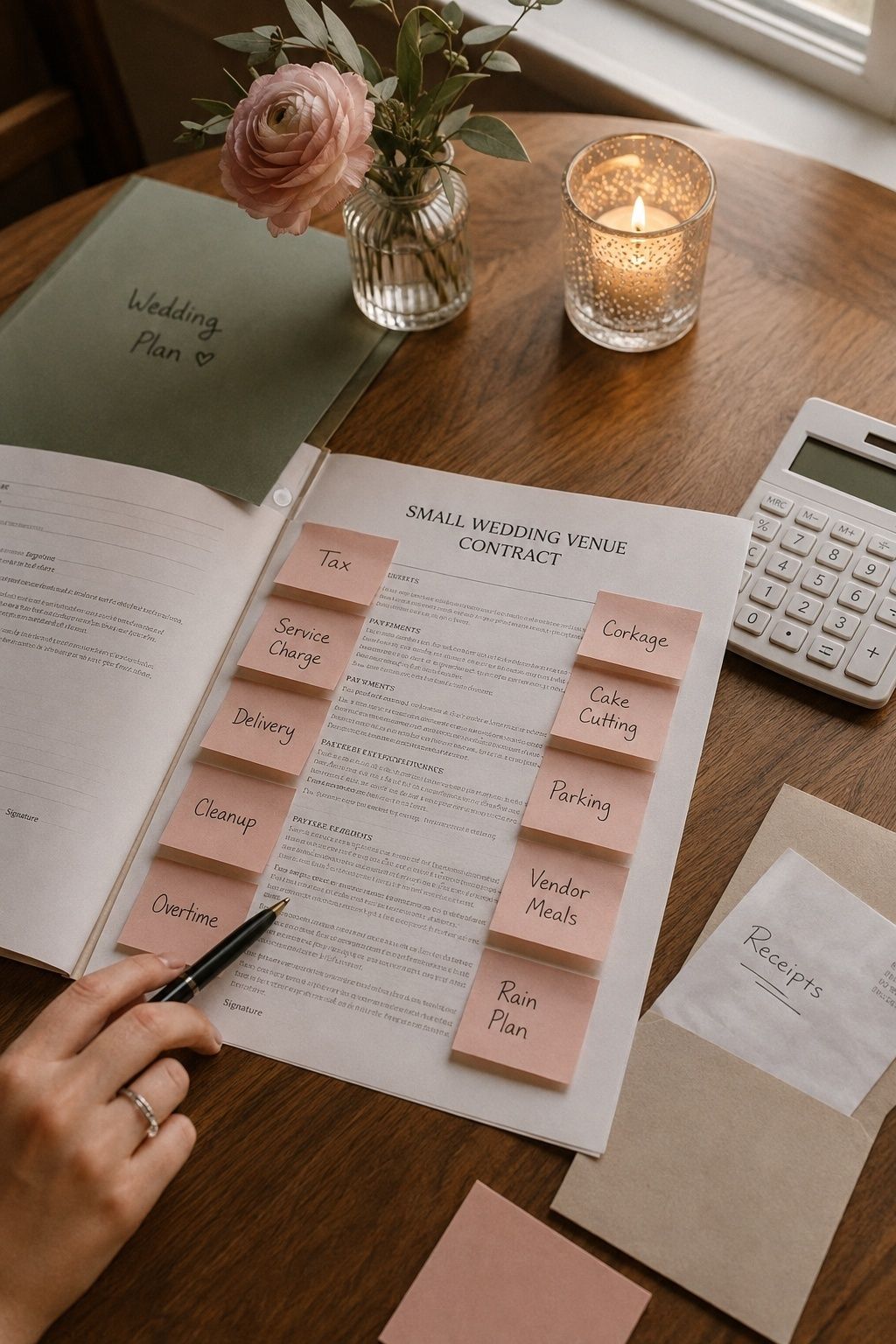
Micro wedding hidden fees can bruise the budget because there is less room to absorb surprises. Ask each venue and vendor what is not included, then ask what couples usually forget. That second question often brings the real planning friction into the open.
Look for taxes, service charges, gratuities, admin fees, delivery, setup, teardown, cleaning, rental minimums, corkage, cake cutting, bar minimums, security, coat check, overtime, parking, valet, permits, insurance, power, heaters, fans, restroom access, vendor meals, travel, and rain-plan costs. Add the buffer before you feel committed to the visible total.
Let The Venue Format Do Some Of The Budget Work
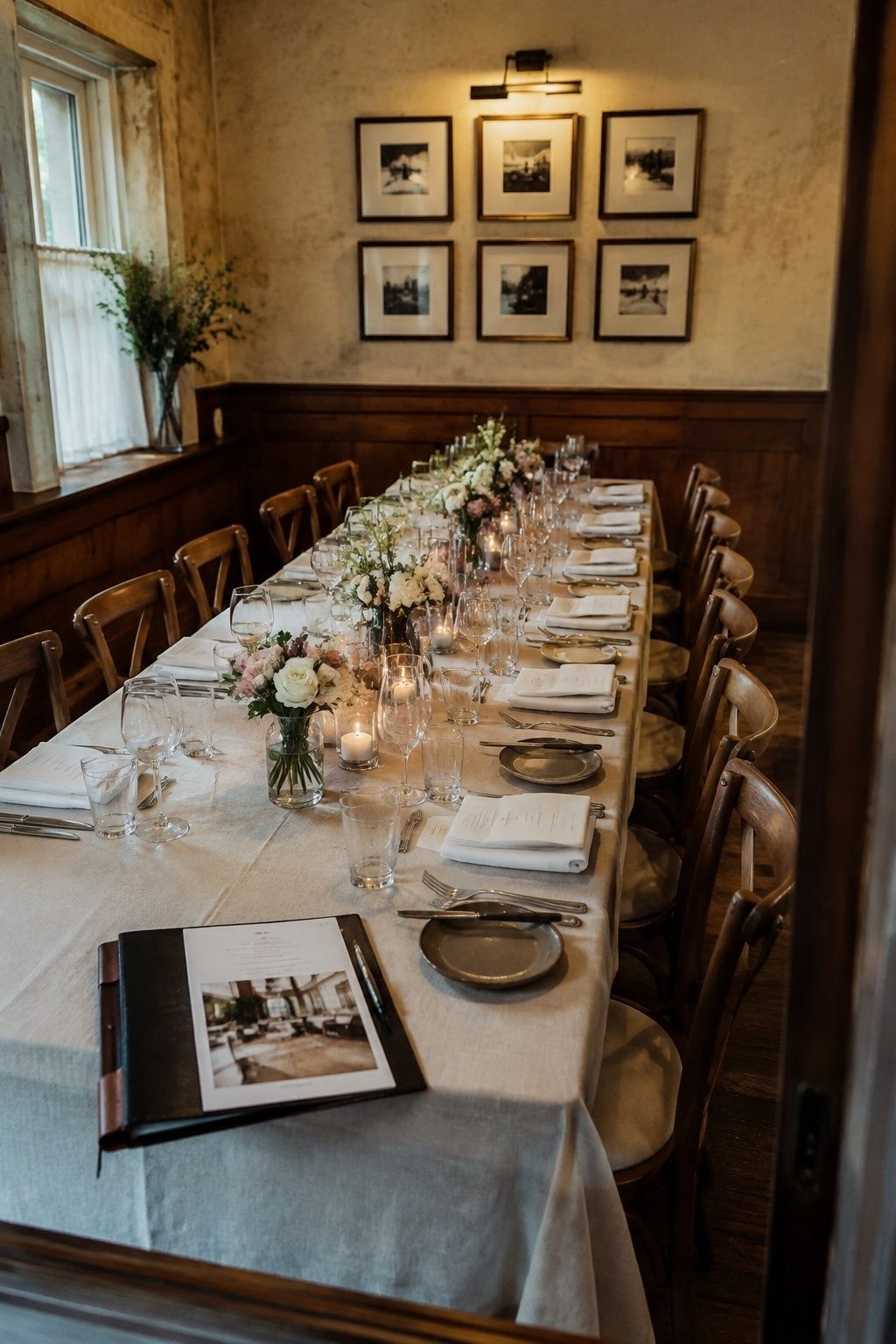
The venue can make a micro wedding feel relaxed or strangely expensive. A blank space may look affordable until you add tables, chairs, linens, lighting, catering equipment, bathrooms, staff, trash removal, setup, cleanup, insurance, and weather backup. A restaurant, inn, private dining room, or venue with built-in basics may look higher at first and still be easier on the final total.
Food and bar choices carry the same kind of influence. Brunch, lunch, family-style dinner, a limited bar, beer and wine, a signature cocktail, or a private-room menu can all feel generous when they match the guest count and timing. The most affordable choice is usually the one that fits the setting without needing a long list of add-ons.
Save Where Guests Will Not Feel The Difference
Start saving on details that guests barely use: duplicate signage, elaborate programs, extra stationery inserts, favors, oversized decor zones, custom napkins, unnecessary transportation, late-night snacks after a full meal, and traditions you are keeping only because they seem expected.
Then replace scattered extras with one or two strong moments. A candlelit table, a clear ceremony backdrop, a thoughtful toast, a beautiful dessert, or a handwritten place card can give simple micro wedding ideas the kind of polish guests actually notice.
Know When A Package Is Actually Helpful
A package is helpful when it removes real planning pressure and makes the final number easier to understand. Clear micro wedding packages might include the venue, ceremony support, basic planning, photography, flowers, an officiant option, rentals, or a meal structure.
Read the package like a contract, not a mood board. Check guest limits, included hours, photography coverage, food and bar details, taxes, tips, service charges, decor rules, music limits, rain plans, and what happens if you add guests. A package should make the wedding simpler, not hide costs inside language that feels romantic.
FAQ
What Is A Realistic Micro Wedding Budget?
A realistic micro wedding budget is one that matches your guest count, venue format, fixed costs, per-guest costs, and local vendor minimums. It should include a clear spending ceiling, a practical buffer if possible, and written estimates for taxes, service charges, gratuities, delivery, setup, cleanup, and overtime.
How Should You Divide A Micro Wedding Budget?
Divide a micro wedding budget into fixed costs, per-guest costs, and unknowns before you divide it by category. Then put the strongest money toward the parts that shape the guest experience: venue, food, drinks, ceremony quality, comfort, photography, and day-of help.
What Micro Wedding Costs Stay The Same With Fewer Guests?
Costs that may stay similar include photography, officiant fees, attire, beauty, planning support, ceremony music, a marriage license, venue rental, permits, delivery, setup, and some floral labor. These costs are often tied to time, access, date, skill, or event scope instead of the number of chairs in the room.
What Costs Go Down When You Invite Fewer People?
Food, drinks, rentals, chairs, linens, stationery, favors, cake servings, menus, place cards, shuttle seats, welcome bags, and some staffing needs often go down when you invite fewer people. Always check minimums, because a smaller guest list does not automatically reduce every quote.
How Do You Budget For A 20 Or 30 Guest Micro Wedding?
Budget for a 20-guest or 30-guest micro wedding by pricing both versions side by side. Keep fixed costs in one column and per-guest costs in another. The smaller version may carry a higher fixed-cost share per person, while the larger version may add meals, drinks, rentals, and stationery without changing every vendor bill.
Where Should Couples Save And Where Should They Spend More?
Couples should usually save on low-impact extras like favors, duplicate signage, elaborate stationery, excessive decor, and traditions they do not care about. Spend more on guest comfort, food, drinks, ceremony sound, photography, weather backup, and day-of help. Those choices make a small wedding feel hosted instead of reduced.
Final Thoughts
A smaller guest list is not a magic discount, but it is a meaningful planning advantage. When you separate fixed costs from per-guest costs, ask about minimums early, and protect the few choices guests will truly feel, your budget can support a wedding that feels intimate, generous, and calm, from the first guest-list decision to the final micro wedding cost estimate.
Last update on 2026-10-04 / Affiliate links / Images from Amazon Product Advertising API