

Micro wedding packages work best when the price, guest count, timing, vendor rules, food, rentals, and personalization options are clear before you book.
A package can be a beautiful shortcut when you know exactly what is included and what still needs its own line in the budget. Before you fall in love with an effortless-looking offer, look closely at the package type, guest limit, ceremony and reception coverage, staffing, service charges, and how much room you have to make the day feel like yours.
For a smaller wedding, the right package can feel like breathing room. It can spare you from sourcing every rental, coordinating every vendor, and explaining your intimate wedding vision to a dozen different people. The wrong one can look simple at first, then become expensive once the quiet exclusions start appearing.
Recommended Wedding Products


You Might Also Like These Blog Posts
- Micro Wedding Cost: The Honest Price Picture
- Micro Wedding Guest Count: How Small Should It Feel?
- Micro Wedding Budget: Spend Small Without Feeling Sparse
- Micro Wedding Guest List: Who Makes The Tiny Cut?
- Micro Wedding Venues That Make A Small Guest List Shine
- Micro Wedding Ideas That Feel Anything But Small
Micro Wedding Packages That Feel Easy Without Hiding The Extras
A package should give you relief, not a mystery to decode. Before you compare photos or fall for a pretty venue page, decide what kind of help you actually need. Some couples want a ceremony space and a little structure. Others want all-inclusive micro wedding packages that bundle planning, ceremony, food, flowers, photography, and coordination into one calmer path.
There is no single right answer. A tiny courthouse-style celebration, a private dining room dinner, a garden ceremony with brunch, and a destination elopement weekend can all be handled through packages. What matters is whether the package covers the emotional center of the day and the practical hosting around it.
Start By Identifying The Type Of Package
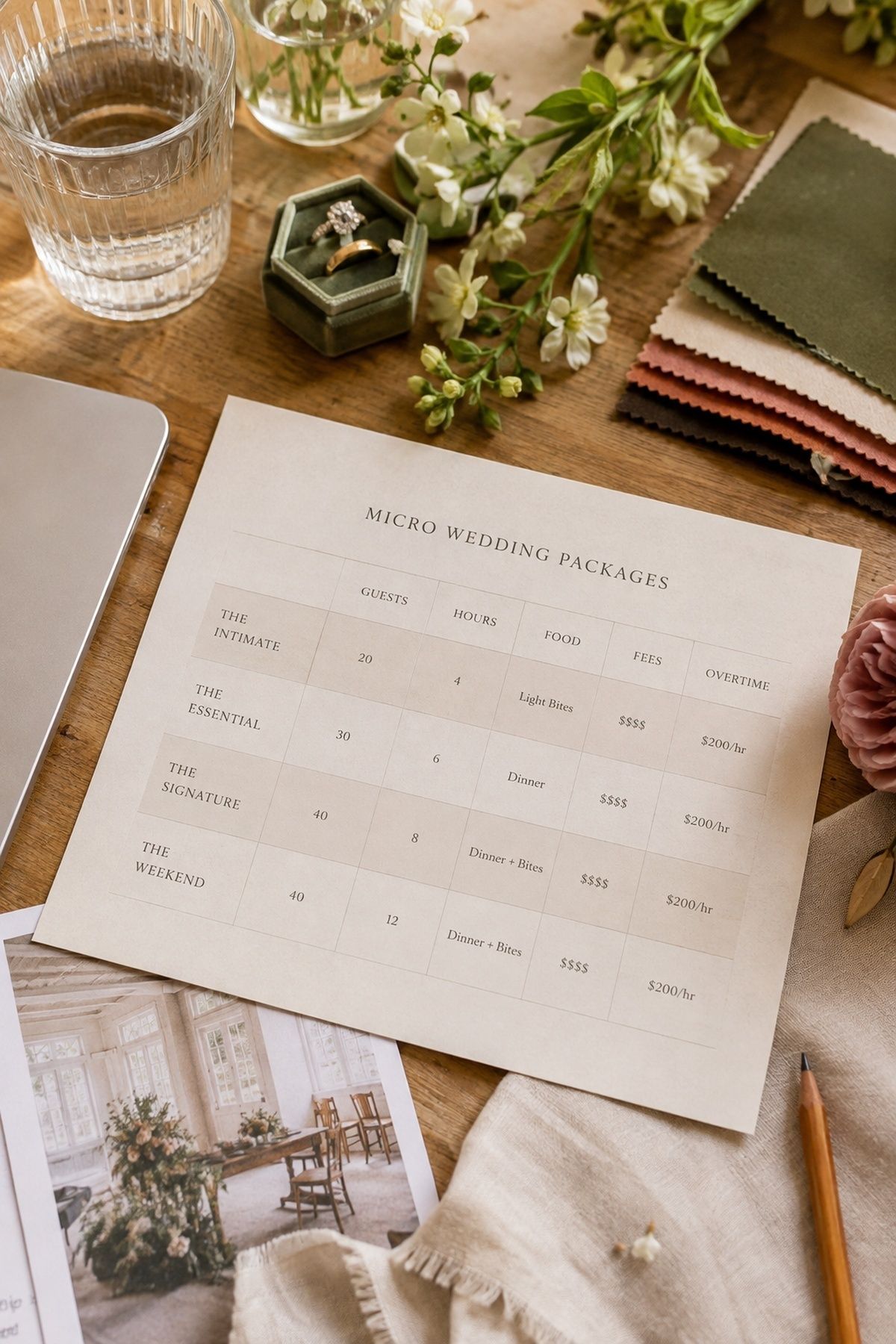
Begin with the label, then ask what the label actually means. A venue-only package may include the space, basic furniture, and a set number of hours. A planning-led package may bring vendor options, a ceremony flow, design help, and day-of coordination. A restaurant package may include a private room, food and beverage minimum, staff, and a simple reception rhythm.
If you are searching for micro wedding packages near me, keep a comparison sheet open from the beginning. Write down the guest maximum, event length, date restrictions, included vendors, required vendors, food rules, decor limits, tax, service charges, gratuity, and overtime fees. Packages become easier to judge when every pretty promise is translated into the same plain categories.
What Is Usually Included

Most micro wedding venue packages include some combination of the ceremony or reception space, a set number of hours, basic seating, setup guidance, and a point of contact. More complete packages may add an officiant, bouquet and boutonniere, photography time, music, cake, champagne, dinner, planning calls, coordination, or a rain backup.
Do not assume every inclusion is full-service. A package may include flowers, but only in a set palette. It may include photography, but only for one hour. It may include coordination, but not vendor management before the wedding week. Ask for the written version of every inclusion so you can tell the difference between a true service and a small add-on.
What Is Often Not Included
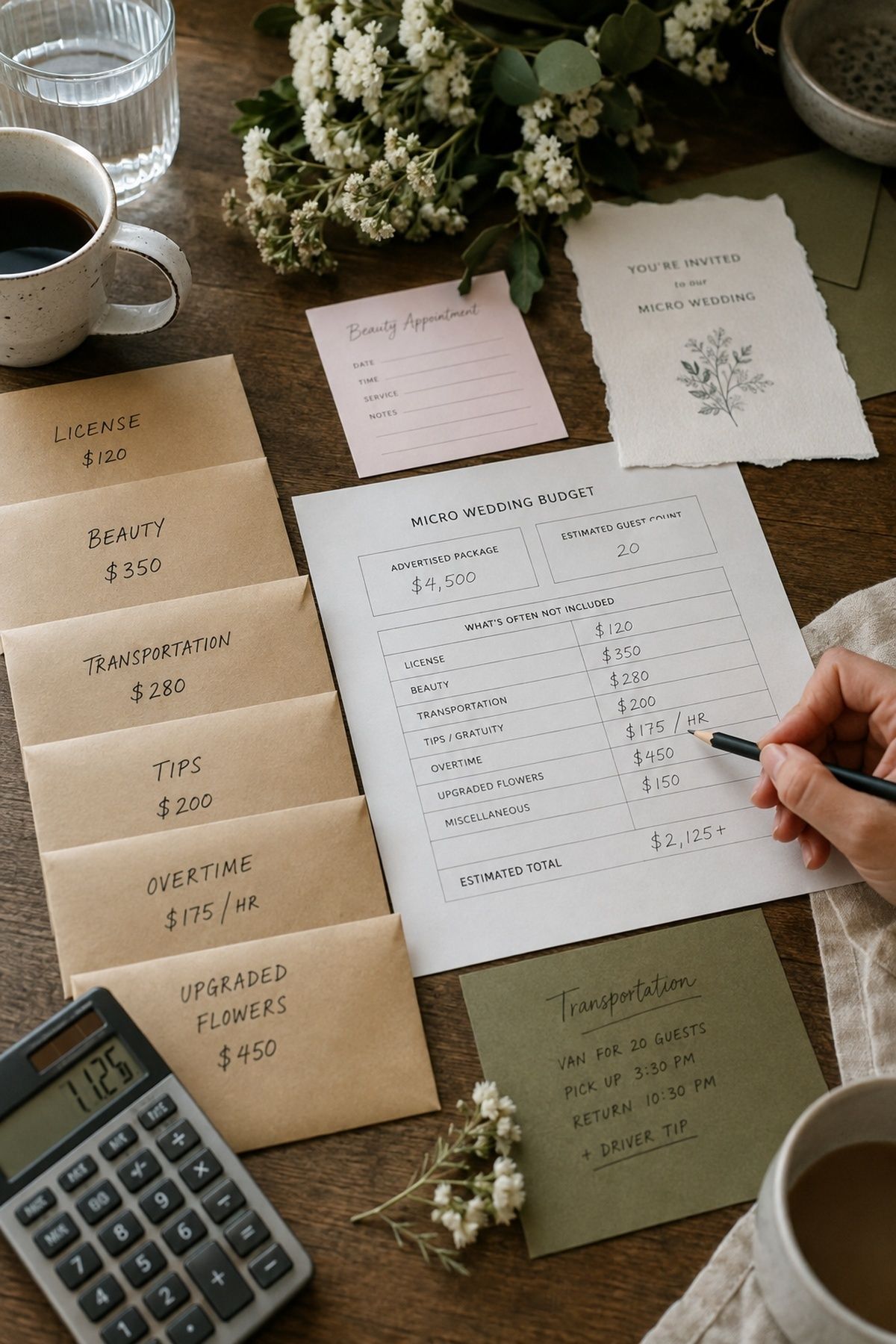
The easiest-looking price often leaves out the pieces couples mentally count as part of the wedding. Common extras include marriage license fees, hair and makeup, attire, alterations, invitations, transportation, lodging, upgraded flowers, extra photography time, guest meals, alcohol, rentals, security, vendor tips, service charges, cleanup, and overtime.
This is where planning your micro wedding cost protects you. A package price may be honest and still incomplete for your version of the day. Build a second number beside the advertised price: package cost plus the extras you know you will need to make the celebration feel finished.
Venue-Only Vs All-Inclusive Packages
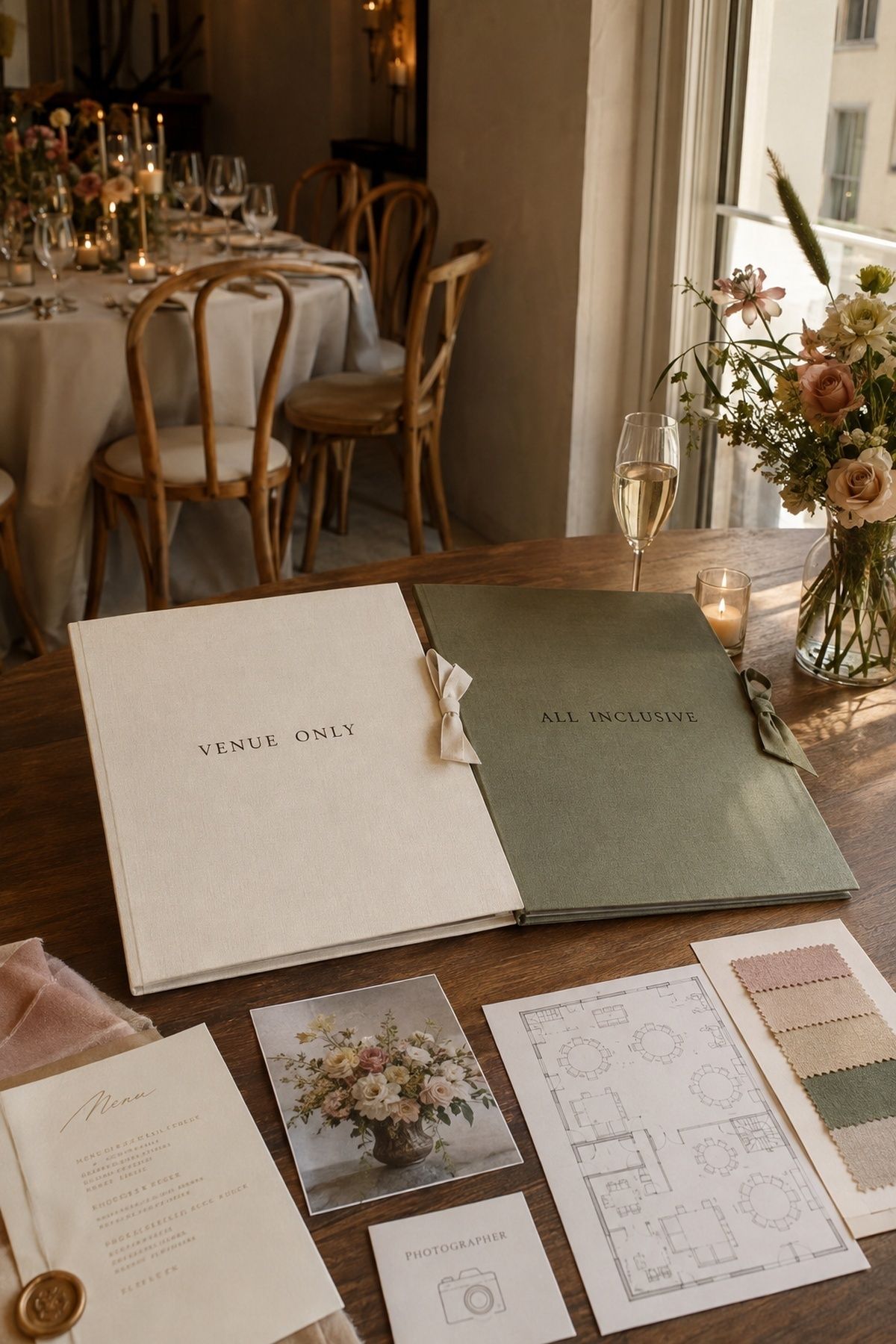
A venue-only package gives you the place, and sometimes that is enough. It works well if you already have a photographer you love, a planner you trust, a specific caterer in mind, or a very personal design style. You keep more control, but you also carry more decisions.
All-inclusive micro wedding packages can be worth it when you like the venue’s style, trust the vendor team, and want fewer moving parts. They are especially helpful for destination weddings, short planning timelines, and couples who do not want to manage every quote separately. The tradeoff is flexibility. You may have fewer choices around timing, menu, florals, music, and photography style.
Ceremony-Only Vs Reception-Inclusive Packages
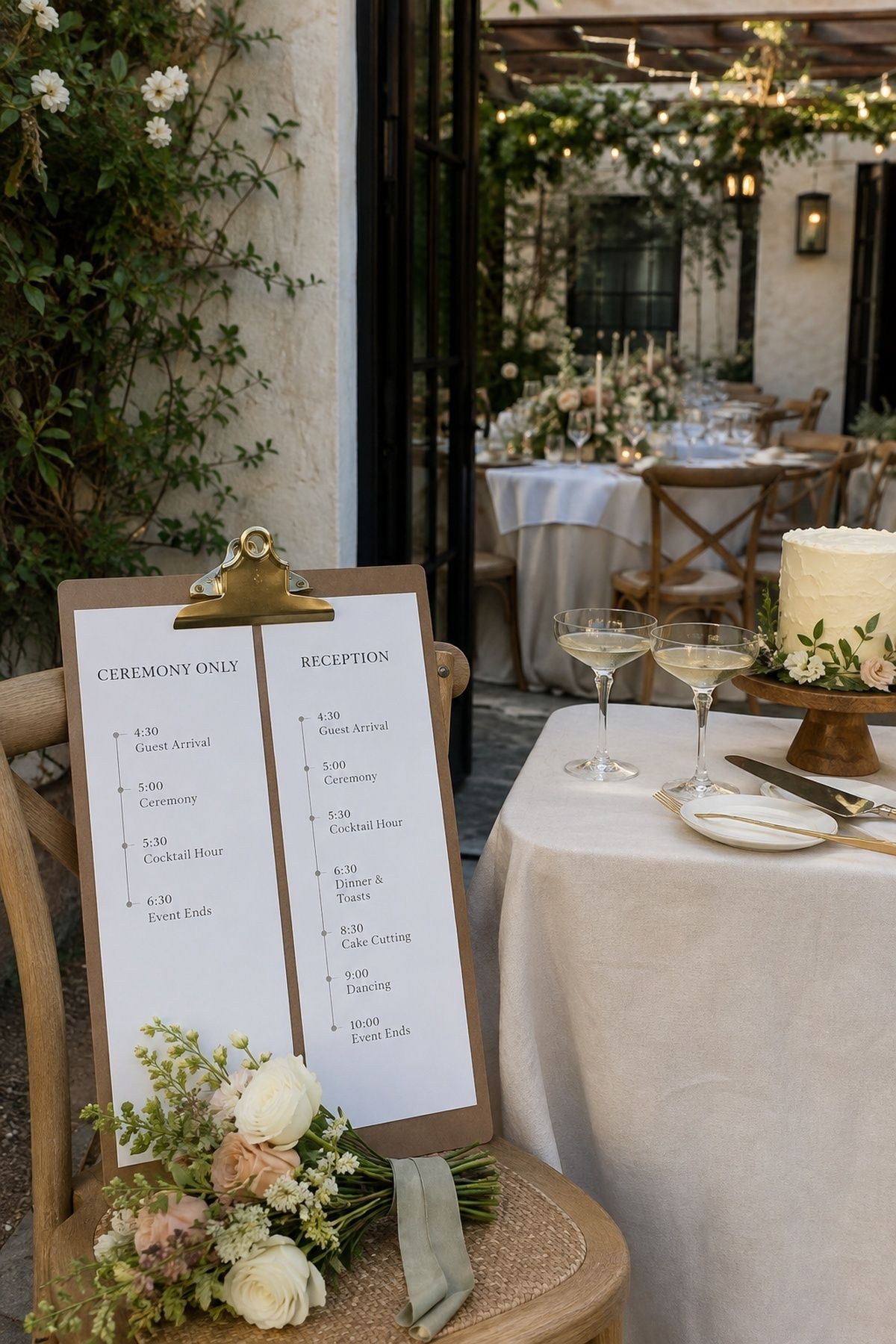
Micro wedding ceremony packages are ideal when you want the legal and emotional heart of the day handled beautifully, then plan your own meal afterward. They may include the ceremony site, officiant, seating, flowers, music, and a short photography window. This can be lovely for couples who want vows in one place and dinner somewhere more personal.
Micro wedding packages with reception elements go further. They may include cocktail hour, a plated meal, cake, toast service, reception seating, staffing, and a longer timeline. If guests are traveling or the event runs through a normal mealtime, reception-inclusive pricing is often the more realistic comparison point. A ceremony-only package can look affordable until you add the dinner everyone still needs.
How To Compare Prices Fairly
Do not compare package totals until you compare what those totals are doing. One package may cost more because it includes coordination, dinner, photography, flowers, and staff. Another may look lower because it is mainly room rental with a ceremony window. The fair question is not which number is smaller. It is which number gets you closer to a complete wedding.
For micro wedding packages under 50 guests, calculate the cost per guest and the cost per hour. Then add required extras, optional upgrades, tax, fees, gratuity, and transportation. If one package saves you ten hours of vendor work and keeps the day smooth, that convenience has value. If it includes services you do not want, that convenience may not be worth paying for.
Questions To Ask Before Booking
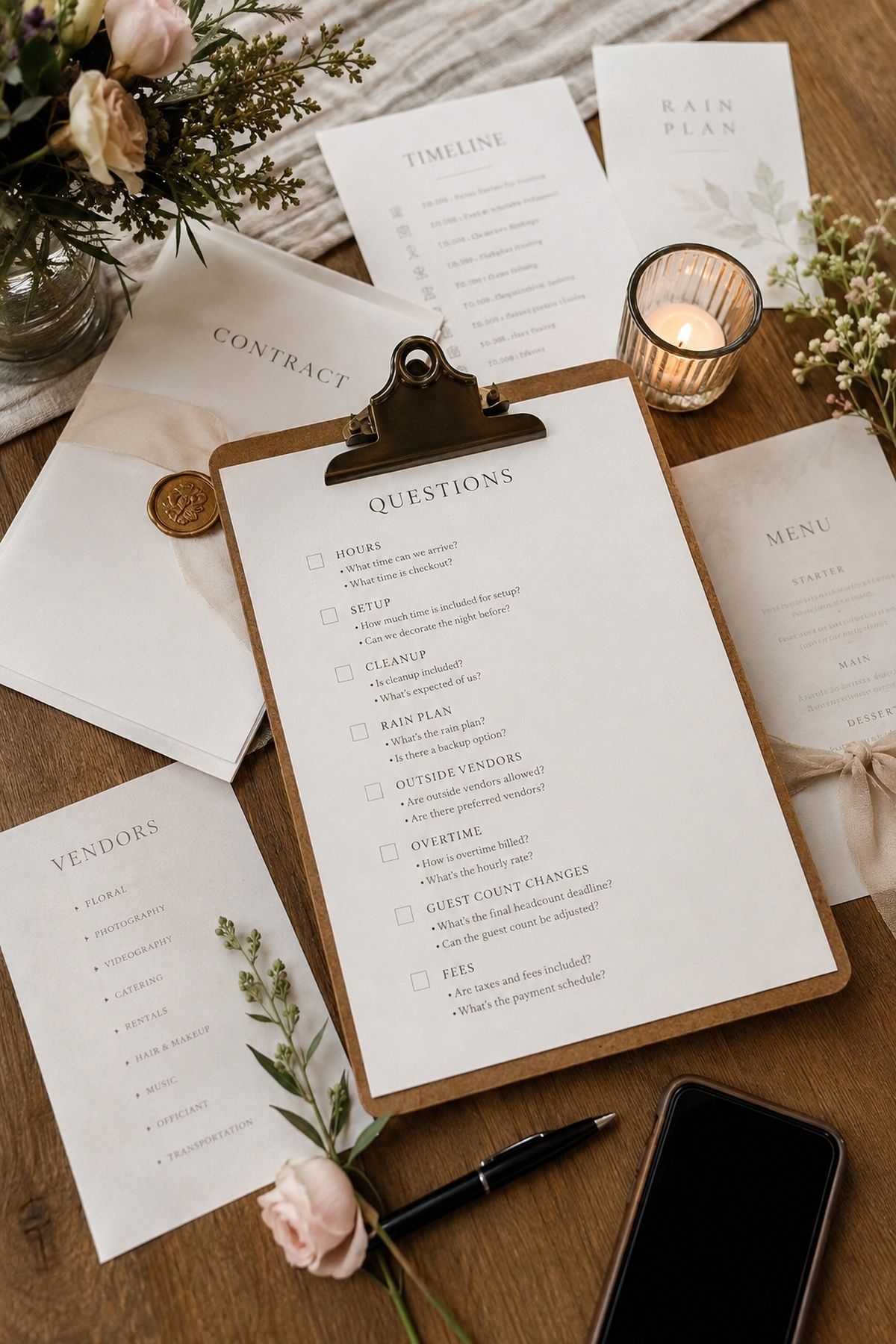
The best micro wedding package questions are specific enough to reveal what happens on the actual day. Ask how many hours are included, when access begins, who sets up, who cleans up, what happens if it rains, whether you can bring outside vendors, how overtime is charged, and what happens if your guest count changes.
Ask to see a sample timeline, a full contract, a menu or vendor list, and photos from weddings similar in size to yours. If your ceremony will be livestreamed for loved ones who cannot attend, ask about Wi-Fi, power, sound, and camera placement, then plan the livestream to keep remote guests from becoming an afterthought.
Personalizing A Package Without Losing The Ease
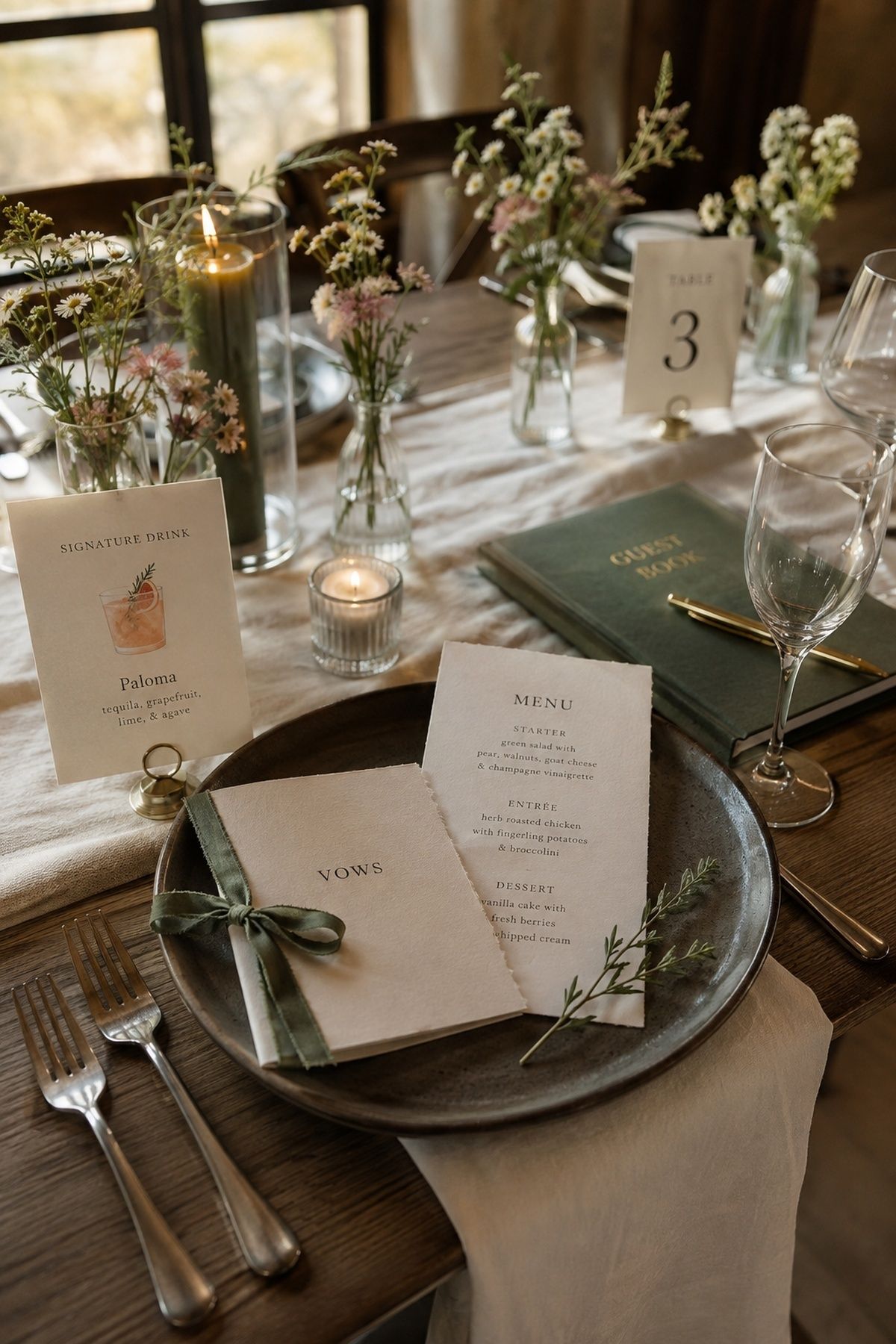
A good package should not make your wedding feel interchangeable. The trick is to personalize the moments guests actually notice. Your vows, ceremony music, dinner menu, table style, signature drink, guest book, flowers, and toast can all make a small wedding feel personal without turning the planning back into a full custom production.
Choose two or three details that carry meaning, then let the package do its job around them. If you are working with a smaller group, your micro wedding guest count will shape what personalization feels natural. Twenty guests can gather around one table. Forty-eight guests may need a clearer seating plan, a stronger sound setup, and a little more reception structure.
Mistakes To Avoid With Micro Wedding Packages
The biggest mistake is assuming “package” means “everything.” The second is choosing the package before choosing the experience. A couple who wants a slow dinner with family may feel boxed in by a two-hour ceremony package. A couple who wants no vendor homework may be overwhelmed by a venue-only rental that requires separate catering, rentals, flowers, music, and cleanup.
Also watch for timelines that are too tight. A small wedding still needs arrival, ceremony, hugs, portraits, food, toasts, dessert, and a graceful ending. Before booking, map the package against a realistic day-of itinerary so the day does not feel rushed just because the guest list is short. The rest of the set lives under Micro Weddings.
When A Package Is The Wrong Fit
A package may be wrong if you are paying for inclusions you dislike, fighting the venue’s rules before signing, or needing exceptions for every meaningful part of the day. It may also be wrong if the vendor cannot answer basic questions clearly. Small weddings feel intimate because the details are close to the couple, not because every choice has been squeezed into a preset menu. Also worth a look: reception ideas for a micro wedding.
If you love a location but not its package, explore micro wedding venues with more flexible rental structures. If you love simplicity but want a stronger bundle, compare all-inclusive micro wedding packages instead. The right path should make you feel more settled, not more talked into something. If you’re planning for under 50 guests, see the guide on how to plan a small wedding.
FAQ
What Is Usually Included In A Micro Wedding Package?
A micro wedding package usually includes a venue or ceremony space, a set number of hours, basic seating, and some level of planning support or day-of contact. More complete packages may include an officiant, photography, flowers, food, cake, music, coordination, and reception staffing. Related reading: micro wedding ideas.
How Much Do Micro Wedding Packages Cost?
Micro wedding package costs vary widely by location, guest count, day of week, season, vendor inclusions, food, photography, and event length. Always compare the advertised price with the true finished cost after taxes, service charges, gratuity, upgrades, travel, attire, beauty, invitations, and reception extras.
Are All-Inclusive Micro Wedding Packages Worth It?
All-inclusive micro wedding packages are worth it when you like the included vendors, trust the style, and value a simpler planning process. They may be less worthwhile if you want unusual decor, a specific photographer, a custom menu, or a flexible timeline that the package does not support.
What Is The Difference Between Venue-Only And All-Inclusive Packages?
A venue-only package mainly gives you the space and sometimes basic rentals or staff. An all-inclusive package usually bundles several wedding services, such as planning, ceremony support, food, photography, flowers, cake, or coordination. Venue-only gives more control; all-inclusive usually gives more convenience.
What Questions Should You Ask Before Booking A Micro Wedding Package?
Ask what is included, what costs extra, how many hours you receive, who sets up, who cleans up, whether outside vendors are allowed, how guest count changes are handled, what the rain plan is, how overtime works, and whether the contract shows taxes, fees, gratuity, and cancellation terms clearly.
What Is Often Not Included In Micro Wedding Packages?
Often-missed extras include the marriage license, attire, beauty, transportation, lodging, invitations, upgraded flowers, extra photography time, alcohol, guest meals, specialty rentals, service charges, gratuity, cleanup, and overtime. A package can still be a good value, but only if you budget for what sits outside it.
Final Thoughts
Micro wedding packages work best when they remove stress without removing the parts of the day that matter to you. Read slowly, ask the slightly awkward questions, and picture the offer as a real wedding day from arrival to last toast. The right micro wedding package should leave you feeling clear, cared for, and free to be fully present with the people gathered closest.
Last update on 2026-11-29 / Affiliate links / Images from Amazon Product Advertising API