

You do not always need a wedding planner for a small wedding, but every wedding needs a day-of owner who is not the couple. A full-service planner is optional for simpler celebrations, while a month-of or day-of coordinator is often worth it when vendors, setup, weather, travel, permits, family dynamics, or venue limits need calm oversight.
A small wedding sounds naturally manageable from the outside. Fewer guests, fewer tables, fewer invitations, fewer opinions to gather. But the real question is not only how many people are coming. It is who will hold the timing, decisions, vendor questions, setup details, family expectations, and tiny practical handoffs while you are getting dressed, taking photos, greeting your people, and actually living inside the day.
That is why the planner question deserves a more generous answer than yes or no. Some intimate weddings work beautifully with the couple planning, a strong venue, and one organized point person. Others look tiny on the guest list and still behave like a full event because the venue is blank-slate, the weather plan is real, the rentals are layered, or relatives need careful communication. The goal is not to hire help for appearances. The goal is to make sure the celebration feels held.

Recommended Wedding Products


No products found.


You Might Also Like These Blog Posts
- How To Plan A Wedding Without A Planner And Still Feel Organized
- Do You Need A Bridal Party Or Just Better Wedding-Day Support
- Day Of Coordinator Mistakes That Leave the Couple Running the Wedding
- Will I Regret Having A Small Wedding Or Just Regret Not Trusting Myself
- Wedding Flower Mistakes That Make Pretty Plans Harder Than They Need To Be
- Wedding Planning Timeline For Overwhelmed Couples Who Need A Calm Start
Do You Need A Wedding Planner For A Small Wedding
The Honest Answer
The honest answer is that a small wedding does not automatically need a full-service planner, but it absolutely needs a person responsible for the day. That person might be a professional planner, a month-of coordinator, a strong venue coordinator with clearly defined limits, or a hired assistant following a detailed timeline. It should not be the couple.
Guest count is only one part of the decision. Twenty guests at a restaurant with one private room, in-house catering, furniture, staff, and a simple ceremony plan is often easier than forty guests on private property with rentals, outside catering, a tent, a shuttle, a generator, and a family member who thinks the ceremony should start later. The number of guests matters, but complexity matters more.
Think of planner support as a spectrum. At one end is full-service planning, where a professional helps from early decisions through final execution. In the middle are partial planning and month-of coordination, where the couple makes many choices but a professional gathers the pieces into a working event. At the simplest end, a venue provides enough structure for a clearly briefed day-of owner to finish the handoff.
The right answer depends on the shape of your celebration: where it happens, how many vendors are involved, how much setup exists, whether weather changes the plan, how much travel guests need, whether permits or private-property rules apply, and how much emotional labor feels realistic without losing the sweetness of the engagement season.
Small Does Not Always Mean Simple
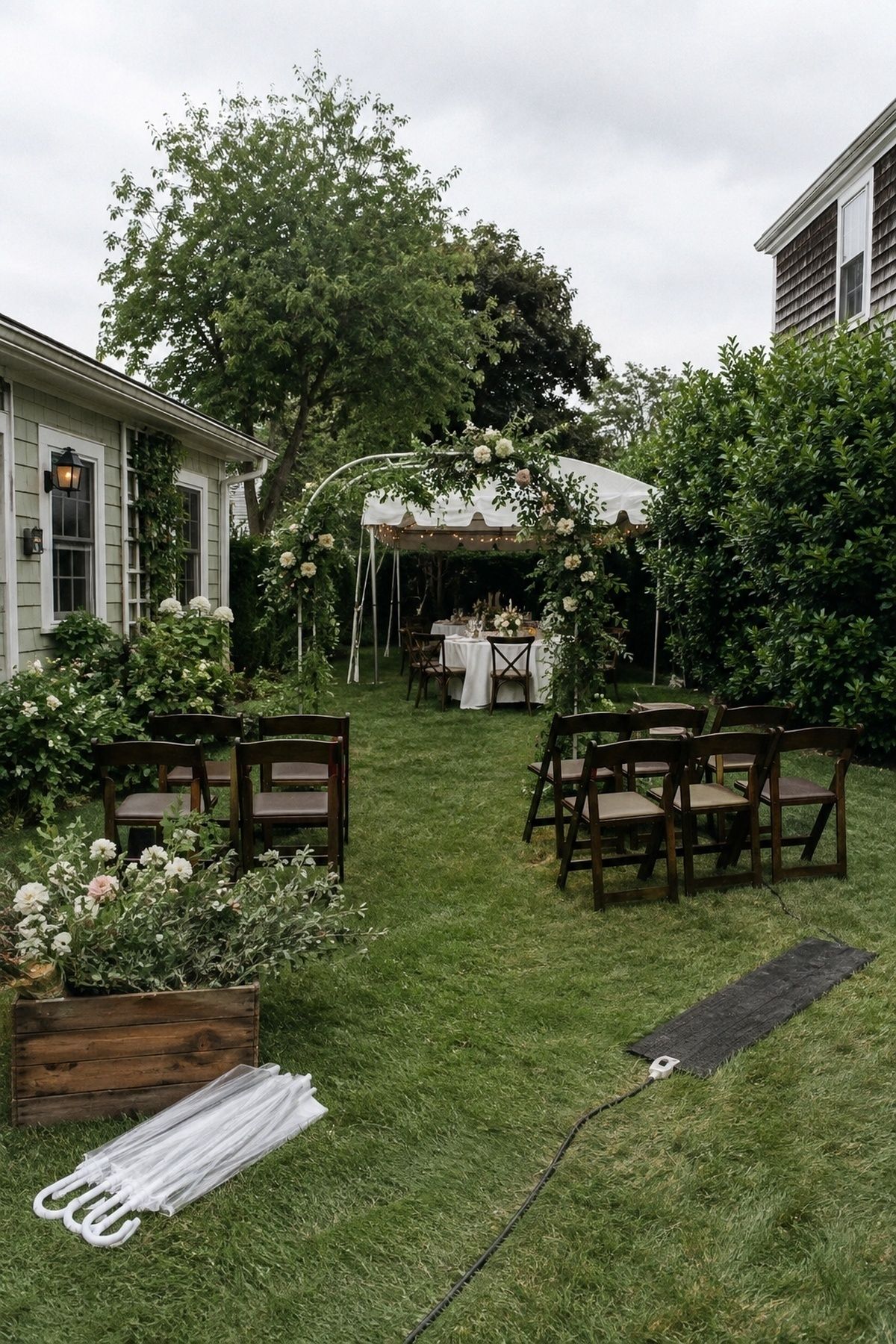
Small weddings often feel more personal because every guest is chosen with care. That intimacy is beautiful, but it also makes each decision feel more visible. When couples ask do you need a wedding planner for a small wedding, this is the part that often gets missed: there are fewer people at the table, yet the seating, timing, speeches, ceremony flow, family photos, menu, and guest comfort still need attention. A smaller guest list does not remove the need for hospitality.
The simplest small weddings usually have one staffed location, limited decor, a short vendor list, an easy weather plan, and a natural flow from ceremony to meal. The harder ones are often the weddings that seem relaxed in theory: a backyard dinner, a family cabin, a private estate, a park ceremony, a destination weekend, or a rented house where nothing is automatically included.
Those settings look stunning, but they ask practical questions. Who unlocks the space? Who receives rentals? Who knows where the caterer parks? Who watches the weather? Who tells guests where to stand for the ceremony? Who moves chairs if dinner is in another area? Who handles trash, tips, leftover cake, lost earrings, late transportation, or a vendor who calls while you are taking portraits?
A small wedding also carries concentrated family dynamics. With a shorter guest list, every inclusion and exclusion feels personal. If parents are contributing money, relatives are traveling, or a no-wedding-party decision leaves friends unsure what role they have, a steady point person keeps the day from becoming an open meeting. Help is not only about logistics. Sometimes it protects the emotional tone.
Full-Service Planner

A full-service planner is involved early and broadly. They help shape the planning path, build or refine the budget, recommend vendors, manage inquiries, review contracts, guide design decisions, track deadlines, coordinate rentals, create the timeline, and lead wedding-day execution. For a small wedding with many moving parts, this saves both time and decision fatigue.
Full-service planning is most useful when the wedding is logistically layered or when the couple has limited bandwidth. If you both work long hours, live far from the venue, have a destination wedding, use a private property, need permits, plan a weekend of events, or want a design-heavy celebration, a planner turns scattered ideas into an actual production plan.
The word production sounds large for an intimate wedding, but it simply means someone is thinking through the full sequence. Where does the ceremony chair delivery go? How many hours does the photographer need? When does catering need access? Are there enough outlets? Is the bar permitted? Who keeps older relatives comfortable? Who confirms the rain plan? Who updates the timeline when the ceremony location changes?
A full planner is also helpful when you want the wedding to feel personal but do not know how to edit choices. Small weddings become overdecorated when couples try to make every corner meaningful. A good planner helps you protect the few details that carry the story and release the extras that only add cost, errands, and setup stress.
Month/Day-Of Coordinator

A month-of or day-of coordinator is usually the best middle path for a small wedding. Despite the phrase day-of, the work often begins weeks before the wedding, because no one runs a celebration well after first learning the plan that morning. A coordinator reviews your contracts, gathers vendor details, builds or polishes the timeline, confirms arrival times, and becomes the point person when the day arrives.
This option works well when you enjoy planning and have already chosen the main pieces, but you do not want to personally manage execution. You still choose the flowers, menu, vows, music, seating, ceremony details, and overall mood. The coordinator gives the plan a spine, then holds that spine when everyone else is emotional, excited, late, hungry, or looking for instructions.
For an intimate wedding, coordination often matters most during transitions. The ceremony starts, guests move to drinks, family photos happen, dinner begins, toasts land, dessert appears, personal items are gathered, and vendors pack out. When no one owns those transitions, the couple becomes the default answer desk. A coordinator quietly keeps the day from leaning on you.
If you are choosing between no help and a full planner, price out coordination before deciding. It solves the exact problem many couples worry about: not whether you know how to make decisions, but whether you remain fully present while those decisions unfold.
Venue Coordinator Does/Does Not

A venue coordinator brings real value, but their first responsibility is usually the venue. They often open the property, protect venue rules, manage in-house catering or bar service, answer building questions, oversee room access, and make sure the venue’s staff knows what is happening. That support matters. It is not automatically the same as wedding coordination for the couple.
Before you rely on a venue coordinator, ask precise questions. Will they create the full wedding-day timeline? Will they contact outside vendors before the wedding? Will they cue the ceremony processional? Will they set out personal decor, guest book, card box, programs, favors, candles, menus, or signage? Will they gather family for photos? Will they distribute final payments or tips? Will they pack personal items at the end?
Some venues offer excellent event management and cover more than expected. Others provide only venue operations. The difference matters because a small wedding often has fewer spare hands. If the venue team handles dinner service but not the ceremony, decor, outside vendors, transportation, or family communication, you still need someone else to own those pieces.
The cleanest approach is to write down what the venue does, what the couple does before the wedding, and what a separate coordinator or trusted day-of owner does on the wedding day. If any important task has no owner, it has quietly returned to you.
When Skip Full-Service
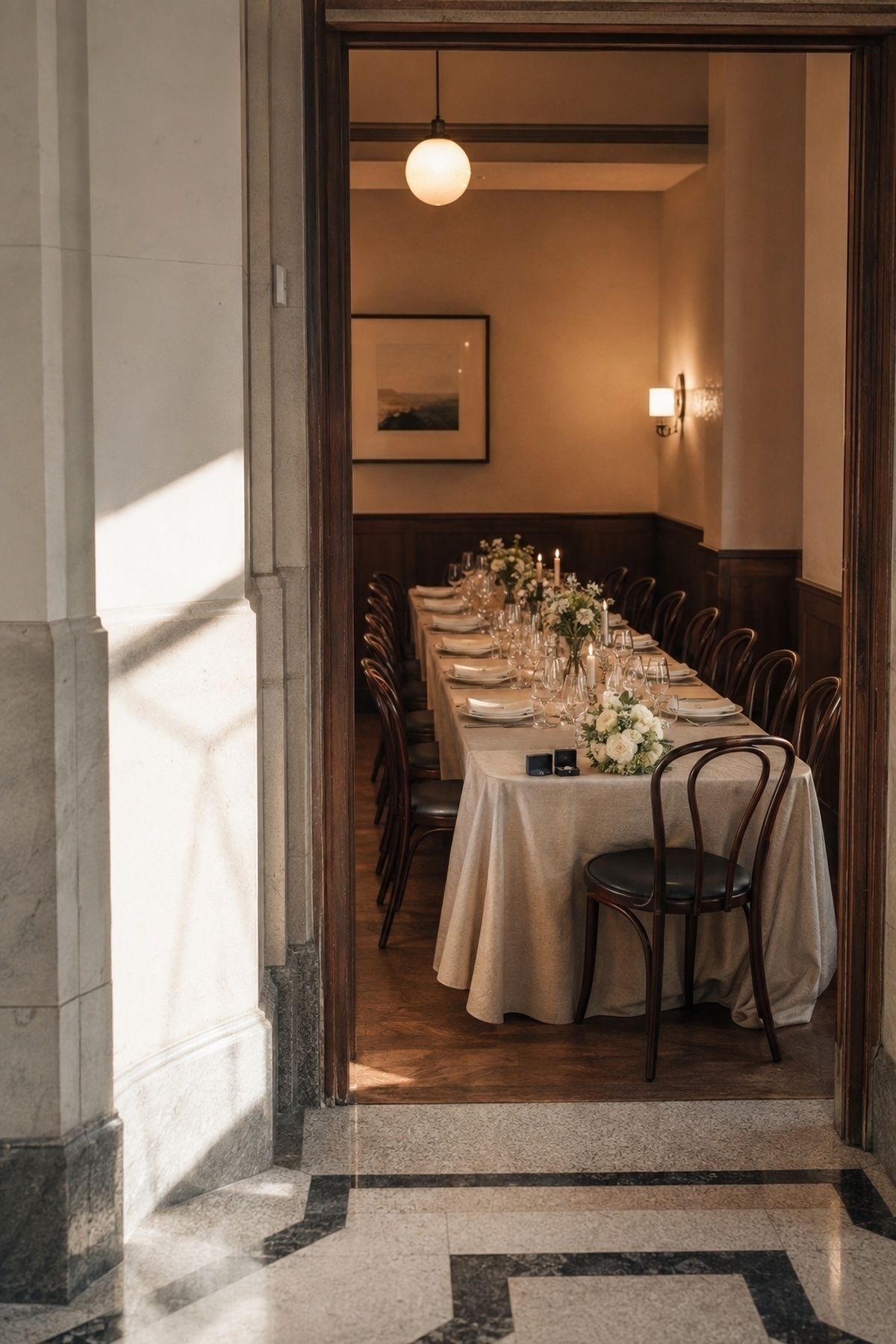
Full-service planning is often unnecessary when the wedding has a naturally simple structure. A courthouse ceremony followed by a private dinner, a restaurant wedding with in-house staff, a small hotel package, a chapel ceremony with a reserved meal afterward, or an elopement-style celebration with a few guests rarely needs months of professional planning.
Skipping full-service works best when you have a manageable timeline, a realistic budget, and only a few vendors to coordinate. You should know the ceremony location, meal plan, guest count, photography needs, transportation reality, and weather backup before you decide the day is simple enough. If those pieces are clear, full planning is probably more than you need.
Full-service is also easier to skip when you genuinely enjoy organizing details and have time to do it well. Some couples find pleasure in comparing vendors, making spreadsheets, writing timelines, and choosing a small set of meaningful details. In that case, a wedding day timeline template, vendor contact spreadsheet, and wedding budget tracker keep your planning organized until a coordinator takes over during the final stretch.
Still, skipping full-service should not mean skipping responsibility. If you do not hire a planner, decide how you will handle vendor communication, setup instructions, guest questions, final confirmations, weather changes, and cleanup. A smaller wedding gives you permission to simplify, not permission to leave the day unsupported.
When Coordinator Worth It
A coordinator is worth it when the wedding is mostly planned but still needs a calm, capable person to run it. This is the sweet spot for many small weddings. You probably do not need someone choosing your florist or designing the reception, but you do need someone who knows the timeline, vendor contacts, ceremony cues, setup instructions, and backup plans.
Coordination becomes especially valuable when there are outside vendors, even if there are only three or four. A photographer needs timing and shot priorities. A florist needs access and placement instructions. A caterer needs arrival, service, and cleanup details. A musician or DJ needs power, cues, and timing. Someone has to connect those professionals so they are not all asking the couple separate questions.
It is also worth considering if you are not having a wedding party. Without attendants, there are fewer built-in helpers for rings, bouquets, family gathering, ceremony lineups, and small emergencies. That choice makes the day feel calmer and more intimate when someone else knows where the vow notebook is, who has the marriage license, and when the ceremony begins.
A coordinator is often the difference between a wedding that looks simple and a wedding that feels simple. Their job is not to make the event elaborate. Their job is to absorb the questions before they reach you.
When Full Planner Better
A full planner is better when the planning itself is the hard part, not only the wedding day. If you do not know where to start, struggle to agree on priorities, have a demanding job season, or feel overwhelmed by every vendor decision, waiting until the final month does not solve the real problem. Earlier guidance is the kinder choice.
Full planning is also stronger for weddings with private-property logistics. Backyard and estate weddings often need restrooms, lighting, power, catering prep space, parking, permits, insurance, tents, rentals, trash removal, noise rules, accessibility plans, and weather decisions. The guest count is small, but the infrastructure is sometimes bigger than a ballroom wedding where everything is already built in.
Destination and travel-heavy weddings often benefit from full planning too. Guests need lodging information, transportation guidance, welcome events, local vendor knowledge, legal details, and contingency plans. If you are hosting people across a weekend, the wedding is no longer only one ceremony and one meal. It is an experience with many points where care shows or unravels.
Family dynamics also justify fuller support. If there are strong opinions, separated parents, financial contributors with expectations, cultural traditions to balance, or guest-list tension, a planner creates structure around decisions before they become emotional negotiations. The best planners do not replace the couple’s voice. They help the couple’s voice stay clear.
The Question That Reveals Need
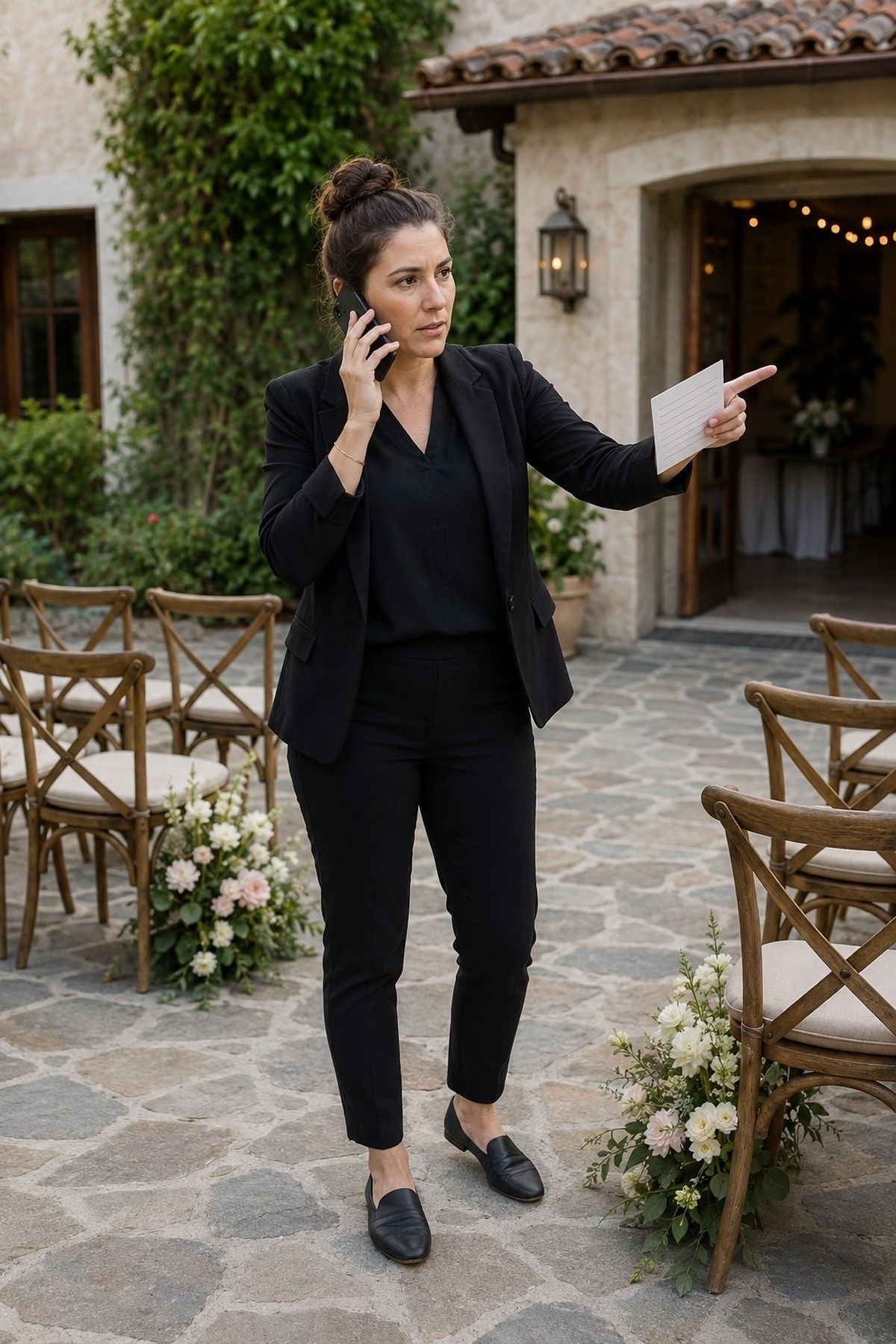
The most revealing question is simple: if something needs a decision on the wedding day, who answers it? Not who knows the answer in theory. Who is dressed, available, sober, calm, informed, and empowered to make the call while you are with your partner and guests?
Ask it across the whole day. Who answers if the florist arrives early? Who tells the caterer where to unload? Who finds the officiant? Who knows whether candles are allowed? Who handles a late family member before the ceremony? Who moves guests inside if rain begins? Who tells the photographer which combinations matter? Who packs the cards, gifts, veil, vows, and leftover dessert?
If the answer is always you, your partner, or a parent who also wants to enjoy the day, the plan needs another layer. That layer does not have to be a full-service planner. It might be coordination, a venue add-on, a hired assistant, or a trusted person with a clear written brief. But the day needs someone who is responsible enough to act.
This is also a kind way to talk about money. Instead of asking whether planner support is worth it in the abstract, ask which problems the support removes. If it removes missed vendor calls, family stress, setup confusion, timeline drift, or the couple becoming the command center, the value becomes easier to see.
Small-Wedding Planner Decision Test
Use this small-wedding planner decision test before you book help or decide to skip it. Count how many statements are true for your wedding: the venue is not full-service; you have more than three outside vendors; guests are traveling; weather could change the layout; the ceremony and reception happen in different places; family dynamics need care; the setup requires rentals or personal decor; permits, insurance, or property rules apply; neither of you wants to manage logistics; no obvious day-of owner exists.
If none or one is true, skipping a planner and relying on the venue plus a simple written plan is reasonable. If two or three are true, month-of coordination is likely worth pricing. If four or more are true, full planning or partial planning deserves a serious look, especially if your timeline is short or your daily life is already full.
Then test the decision against your budget. Planner support should be weighed with the priorities that make the wedding feel cared for: food, photography, ceremony meaning, guest comfort, and a timeline that lets you breathe. If the choice is between a coordinator and a decorative detail that creates more setup work, the coordinator protects the day more than the detail ever could.
Finally, decide what you want to remember. If you want the wedding to feel intimate, unhurried, and emotionally present, the support plan should serve that memory. A small wedding does not need to prove anything by being entirely self-managed. It only needs to feel like the two of you, with the right people in the room and the practical weight held by someone prepared to carry it.
FAQ
Do You Need A Wedding Planner For A Small Wedding?
No, you do not always need a wedding planner for a small wedding. You do need someone besides the couple to own the day-of logistics. If the venue is simple and staffed, a coordinator might be enough. If the wedding has vendors, setup, travel, weather, permits, or family pressure, fuller support is often wiser.
When Can You Skip A Full-Service Planner?
Full-service planning is usually skippable when the wedding has a simple venue, low vendor count, clear budget, easy guest flow, and minimal setup. A restaurant dinner after a courthouse ceremony rarely needs full planning. Even then, assign a coordinator, venue lead, or trusted day-of owner for execution.
Is A Day-Of Coordinator Worth It For A Small Wedding?
A day-of coordinator is often worth it for a small wedding because the couple should not manage vendor arrivals, ceremony cues, timeline shifts, or cleanup. The best version usually starts before the wedding day, with contract review, timeline building, and vendor confirmations so the celebration feels calm.
What Does A Planner Do For A Micro Wedding?
For a micro wedding, a planner helps with budget choices, venue logistics, vendor selection, design editing, permits, timeline flow, guest experience, and day-of management. The work is usually less about making the wedding bigger and more about making a very personal celebration feel smooth, hosted, and complete.
Can Family Manage Wedding Day Logistics Instead?
Family is best for a few contained tasks, not the whole wedding unless the day is extremely simple and they truly want the role. Guests who are emotionally close to you deserve to be present too. If family helps, give them written instructions and keep the responsibilities limited.
Is A Venue Coordinator The Same As A Wedding Coordinator?
No, a venue coordinator is not always the same as a wedding coordinator. A venue coordinator usually represents the venue and its operations. A wedding coordinator represents the couple’s full event flow. Some venues offer more support than others, so ask exactly what they handle before relying on them.
Final Thoughts
So, do you need a wedding planner for a small wedding? Not always. What you need is a clear support plan that matches the real complexity of the day. If the celebration is compact, staffed, and simple, full-service planning is probably unnecessary. If the wedding involves private property, multiple vendors, travel, weather choices, rentals, permits, or tender family dynamics, professional help protects the intimacy you wanted in the first place.
Before deciding, name the exact work you do not want to carry on the wedding day: vendor questions, ceremony cues, weather calls, family gathering, setup checks, payment envelopes, and end-of-night packing. Price coordination while the budget still has room, then choose the level of help that keeps you out of the command center. Build room for the right support. A small wedding should feel close, personal, and beautifully hosted, not like a project you are still managing while the music starts.
Last update on 2026-10-04 / Affiliate links / Images from Amazon Product Advertising API