

Day of coordinator mistakes usually happen when the couple hires too late, assumes coordination begins on the wedding morning, confuses venue support with full-day wedding support, hands over scattered details, gives vendors no single contact, or asks a friend to manage too much without a clear role.
A coordinator is not there to invent the wedding at the last second. The best version of the role protects the plan you have already built, answers questions before they reach you, and keeps the room moving while you are getting married instead of troubleshooting place cards, late arrivals, and vendor calls.
For an intimate wedding, the stakes feel especially personal. Fewer guests do not mean fewer decisions. Someone still needs to know the timeline, the family dynamics, the vendor handoff, the ceremony cues, the setup priorities, and who has authority when the couple is unavailable.

Recommended Wedding Products


You Might Also Like These Blog Posts
- Wedding Day Stress Mistakes That Keep You From Feeling Present
- Wedding Transportation Mistakes That Leave Guests Waiting
- Do You Need A Wedding Planner For A Small Wedding Or Just Better Help
- Wedding Hotel Block Mistakes That Leave Guests Paying More
- Wedding Rehearsal Mistakes That Make The Ceremony Feel Unsteady
- Wedding Photography Mistakes That Steal the Feeling From the Day
Day Of Coordinator Mistakes That Put the Couple Back On Duty
The quiet danger of day of coordinator mistakes is that they do not always look dramatic during planning. A missing contact sheet, a vague friend assignment, or a half-finished timeline feels small until the ceremony morning, when every unanswered question points back to the couple.
Think of coordination as the handoff between planning and presence. Whether you hire a professional coordinator, choose month-of coordinator support, lean on a venue team, or ask a beloved friend for a narrow task, the role needs clear information, fair boundaries, and visible authority before the day begins.
Thinking A Day-Of Coordinator Starts On The Wedding Day

The phrase sounds simple, but literal day-of support is rarely enough. A coordinator who arrives with no timeline history, vendor background, layout plan, family photo list, or ceremony order spends the morning piecing together details that should already be settled. That catch-up work takes attention away from the places you need calm control.
Start the handoff several weeks ahead. Share your timeline, contracts, floor plan, wedding-party names, VIP family details, transportation timing, rain plan, and open questions early enough for someone else to spot gaps. The goal is not to add another planning layer; it is to turn your existing plan into instructions another person understands.
Hiring Coordination Before Understanding The Scope
Wedding coordinator mistakes often begin with mismatched expectations. Day-of coordination, month-of coordination, partial planning, venue coordination, and friend support are different jobs. One person might manage vendor arrivals and ceremony timing, while another only handles venue access, catering setup, or rental rules.
Before you commit, define the role in plain language. Ask who builds the final timeline, who contacts vendors, who attends rehearsal, who handles personal decor, who packs leftovers, who manages final payments, and who makes small judgment calls when something shifts. A smaller wedding still deserves a role that matches the actual workload.
Assuming The Venue Coordinator Will Run The Whole Wedding
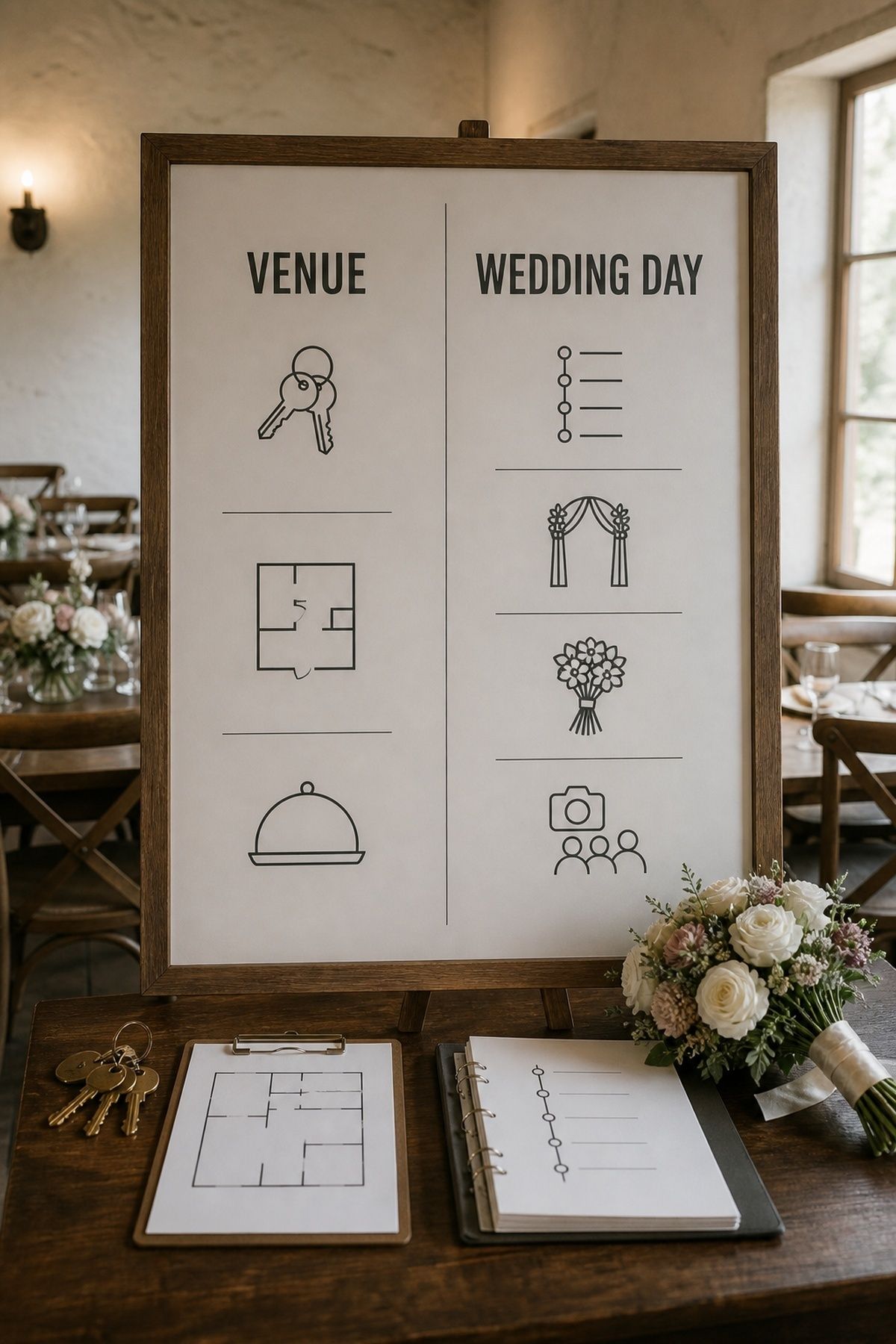
A venue coordinator matters, but that person usually protects the venue’s operations first. They may open rooms, confirm house rules, manage venue staff, or answer catering and access questions. They are not automatically responsible for your photographer timeline, personal flowers, family portraits, ceremony cues, tips, gifts, guest confusion, or the emotional flow of the whole day.
This does not make venue support less valuable. It simply means the couple needs an honest map of what the venue owns and what still sits outside that lane. Once you know the boundary, you may hire support, divide tasks among trusted people, or simplify the day so no one is carrying an invisible event-manager role.
Handing Over A Plan That Lives In Too Many Places
A coordinator should not have to search through texts, emails, screenshots, saved images, payment receipts, and old vendor drafts to understand the wedding. Scattered information leads to missed details, repeated questions, and decisions made from outdated versions of the plan.
Create one final handoff packet. It should include the timeline, vendor contacts, arrival windows, floor plan, ceremony order, family photo groupings, seating details, payments or tips, setup items, cleanup plan, emergency contacts, and permission levels. Keep it short enough to follow quickly and complete enough to stand on its own.
Forgetting Vendor Arrival Times, Load-In Details, And Primary Contacts
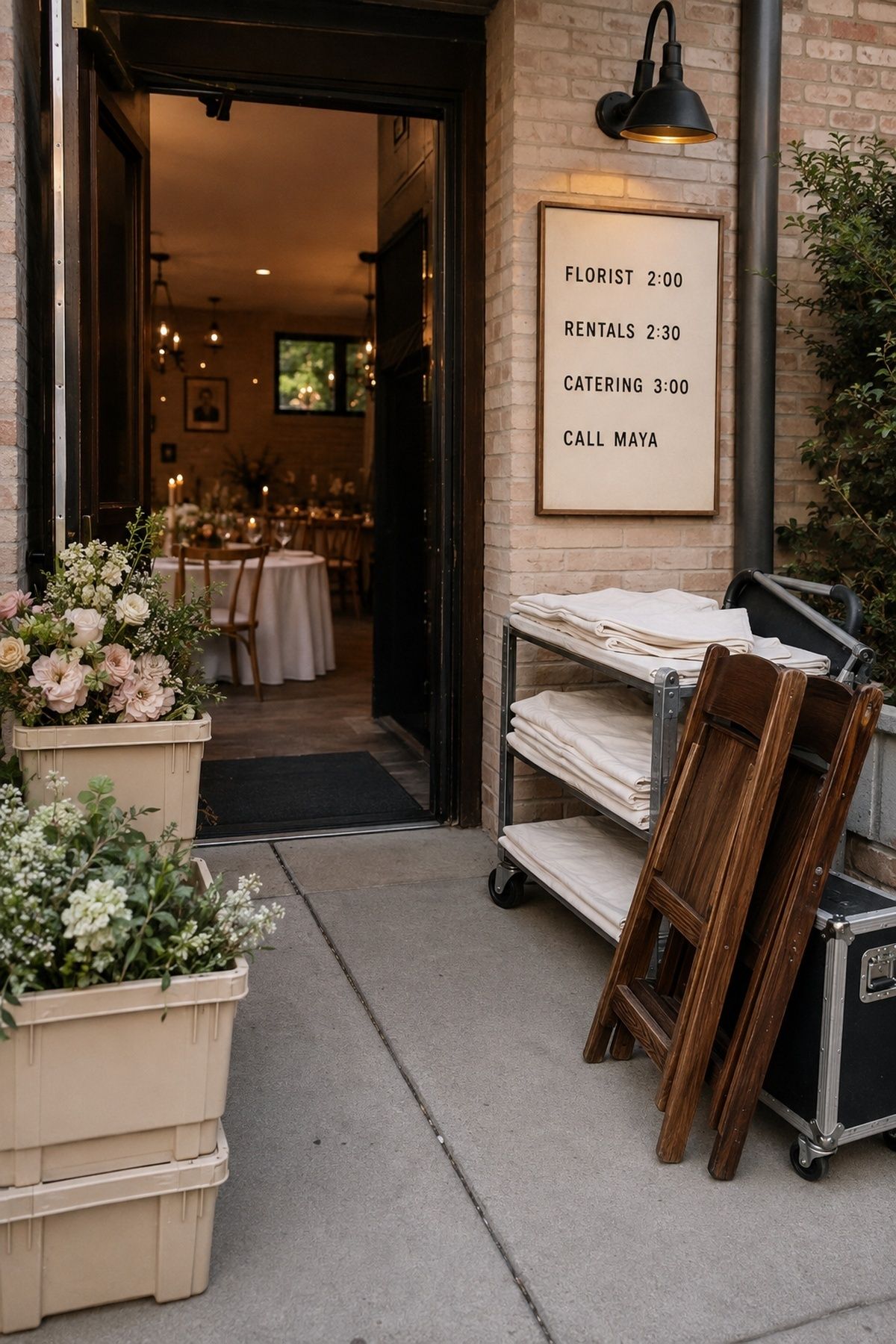
Vendors need more than a wedding date and venue name. They need arrival times, access instructions, loading areas, parking rules, setup windows, meal counts, power needs, contact names, and the person they should call if doors are locked or a delivery is delayed. Without that, the couple becomes the default message desk.
Name one wedding day point person and give that contact to every vendor before the final week. Then make sure the point person has authority to answer practical questions. A beautiful timeline loses power when every vendor still reaches the couple for tiny permissions.
Leaving Setup, Personal Decor, Gifts, Tips, And Cleanup Unassigned

Personal items create some of the sneakiest day of wedding duties. Guest books, vow books, memorial photos, signage, card boxes, favors, candles, ceremony programs, tip envelopes, leftover cake, rental returns, floral repurposing, and late-night cleanup all need named owners. If no one owns them, someone will ask the couple.
Walk through the day as physical objects, not only as moments. Where does each item start? Who sets it out? Who checks that it is in the right place? Who collects it at the end? Who takes it home? That simple path prevents sentimental items and money envelopes from floating through the celebration unattended.
Skipping Ceremony Cues, Family Photo Lists, And Rehearsal Details
The ceremony looks effortless when cues are named in advance. Someone needs to know the processional order, music starts, reader timing, microphone placement, ring location, reserved seats, recessional path, and who lines people up. The same is true for family photos, where missing names and unclear groupings quickly turn into a long shuffle.
Write the ceremony and photo flow in a way another person could run without asking you to interpret it. Include names, relationships, sensitive family dynamics, mobility needs, and must-have groupings. A short rehearsal also gives everyone a calmer sense of where to stand, walk, wait, and gather afterward.
Asking A Friend Or Relative To Coordinate Without Protecting Their Experience

A trusted friend or relative might be perfect for a narrow task. That does not mean they should quietly run the entire wedding while everyone else celebrates. Wedding day delegation mistakes often happen when love is treated as availability, and the person helping discovers too late that they are missing the ceremony, meal, portraits, toasts, or dance floor.
If a loved one is involved, protect them with a realistic scope. Give them a small cluster of tasks, written instructions, backup contacts, and a clear end time. Thank them openly, remove anything that requires constant decision-making, and avoid placing them between family emotions, vendor pressure, and the couple’s private priorities.
Keeping Decision Authority With The Couple All Day
One of the most exhausting day of coordinator mistakes is leaving every decision technically with the couple. Should the ceremony wait five minutes? Where should the florist place extra stems? Is the backup rain spot approved? Should a missing guest’s meal be reassigned? Tiny decisions become intrusive when they reach the getting-ready room.
Choose an authority ladder before the wedding. Decide which choices the coordinator or point person may make alone, which ones go to a parent or partner, and which rare decisions truly need the couple. The more calmly that ladder is set, the less likely you are to spend the day approving ordinary logistics.
Forgetting Weather, Transportation, Late Vendors, And Emergency Plans

Contingency plans need owners, not just ideas. A rain plan means someone knows when the call happens, who moves chairs, where guests go, how musicians and photographers adjust, and which vendors need notice. Transportation delays need the same clarity: who tracks the shuttle, who contacts late family, and who protects the ceremony start.
Build a small emergency map for the problems most likely to touch your day. Weather, traffic, late rentals, missing personal flowers, wardrobe fixes, power issues, family questions, and guest accessibility all deserve one calm next step. The point is not disaster thinking. It is permission for someone else to respond while you stay present.
Not Telling Family And Vendors Who Is In Charge
Authority only works when people know where it lives. If vendors, parents, wedding-party members, and the venue team do not know who is leading wedding day coordination, they will return to the couple out of habit. That is how a clear plan still ends up feeling noisy.
Send a short final-week message naming the point person, their phone number, and the kinds of questions they will handle. Introduce the coordinator at rehearsal or before setup begins. Ask family members to route logistics there, even when the couple is nearby. A calm boundary before the day is easier than redirecting people in formalwear.
Treating The Final Handoff Like A Copy Of Your Checklist
A wedding coordinator checklist is useful while planning, but the final handoff should not be a giant archive of everything you have ever considered. On the wedding day, the point person needs the live version: what is happening, who is responsible, where things go, and what decisions have already been made.
Turn the handoff into categories: timeline, vendors, spaces, people, objects, money, transportation, ceremony, photos, weather, cleanup, and emergency contacts. Then remove duplicates, old drafts, and sensitive details no one needs. The finished packet should feel like a working map, not a planning scrapbook.
Making Coordination Feel Bigger Than The Wedding Itself
The answer is not always to add more professionals, more documents, more apps, or more meetings. Sometimes the smarter move is to simplify the event so the coordination load matches the scale of the wedding. A small dinner, short ceremony, limited setup, fewer moving locations, or clearer vendor scope may reduce the number of things anyone has to manage.
Good coordination should give the couple back their wedding day. It should not make the day feel overproduced or make loved ones feel like staff. The right plan simply keeps practical questions away from the people who are trying to feel the moment they spent months preparing for.
FAQ
Do You Need A Day-Of Coordinator?
You need some form of wedding day coordination if vendors, setup, ceremony timing, family photos, transportation, cleanup, or guest questions will need attention while you are unavailable. That person might be a professional coordinator, a month-of coordinator, venue support plus extra help, or a trusted person with a limited role.
What Happens If You Do Not Hire A Wedding Coordinator?
If you do not hire a wedding coordinator, the couple usually needs to assign the day-of work elsewhere. Without a named point person, vendors and family members often bring timeline questions, setup problems, late arrivals, and small decisions directly to the couple.
What Does A Day-Of Coordinator Actually Do?
A day-of coordinator generally manages the final timeline, vendor arrivals, ceremony cues, setup flow, questions, small problems, and breakdown details based on the plan already created. The exact scope depends on the contract, so clarify duties before assuming the coordinator covers every task.
Can A Venue Coordinator Replace A Wedding Coordinator?
A venue coordinator may handle venue-specific details such as access, room setup, catering rules, staffing, and building policies. A wedding coordinator usually watches the couple’s broader day, including vendors, personal decor, ceremony flow, family questions, and timeline transitions. Ask the venue what their team owns before deciding what extra support you need.
What Should You Delegate On Your Wedding Day?
Delegate vendor questions, setup checks, timeline reminders, family photo gathering, final payments or tips, emergency supplies, ceremony cues, transportation updates, guest questions, gifts, personal items, and cleanup. Keep emotional decisions and private couple moments away from casual task lists.
Who Should Vendors Contact On The Wedding Day?
Vendors should contact one named wedding day point person, not the couple. Share that person’s phone number, decision authority, arrival schedule, and backup contact before the final week so questions go to the right place immediately.
When Should A Day-Of Coordinator Start Working?
A day-of coordinator should start before the wedding day, often several weeks ahead, so they understand the timeline, vendors, floor plan, ceremony order, family details, setup needs, and unresolved questions. Starting early gives the coordinator time to turn your plan into a workable wedding day handoff.
Final Thoughts
The best fix for day of coordinator mistakes is not panic-hiring someone at the last second or handing a friend a messy folder with a hopeful smile. It is deciding what the wedding day needs, naming who owns each part, and giving that person enough plan history to protect your attention.
Before the final week, gather the timeline, vendor contacts, arrival windows, ceremony cues, family photo list, setup items, payments, weather plan, transportation details, and cleanup owners, then tell vendors and family who handles questions. That calm handoff helps when the day starts moving faster than the spreadsheet ever did.
Last update on 2026-10-04 / Affiliate links / Images from Amazon Product Advertising API