

Wedding flower mistakes usually happen when pretty choices ignore season, scale, labor, weather, budget, and guest comfort. For an intimate wedding, the safest floral plan is not more flowers everywhere; it is a smaller group of floral moments that feel intentional, photograph well, survive the day, and leave room for people to talk, eat, move, and enjoy the celebration.
Flowers set the mood faster than almost any other wedding detail. They soften a courthouse bouquet, warm up a private dining room, frame vows in a garden, and make a dinner table feel cared for. Still, florals become stressful when couples plan around perfect inspiration photos instead of the room, the season, the service needs, and the time required to install everything.
The goal is not to fear flowers. The goal is to choose them with the same calm attention you would give the guest list, timeline, food, and photos. A few strong floral decisions often create more atmosphere than a scattered plan that asks too much from the budget or the wedding morning.
Recommended Wedding Products


You Might Also Like These Blog Posts
- Wedding Rental Mistakes That Make The Pretty Plan Fall Apart
- Wedding Vendor Mistakes That Make Planning Feel Like Chasing People
- Wedding Planning Mistakes That Quietly Make Everything Harder
- DIY Wedding Mistakes That Turn Personal Touches Into Extra Work
- Bedazzled Wedding Flower Ideas With Just Enough Sparkle
- Bridesmaid Mistakes That Strain The Friendships You Meant To Honor
Wedding Flower Mistakes That Turn Atmosphere Into Extra Work
Floral planning works best when every stem has a job. Before choosing colors or varieties, decide where flowers will actually change the feeling of the day: the bouquet, the ceremony focal point, the dinner table, the cake moment, the welcome area, or one quiet detail guests see up close.
That lens keeps wedding floral mistakes from spreading through the plan. Instead of asking flowers to decorate every corner, ask them to support the places where guests gather, photos happen, and the room needs warmth.
For a small wedding, this also changes the emotional math. Guests see the bouquet up close, lean over the centerpieces during dinner, and notice whether the ceremony flowers feel connected to the room. A modest floral plan looks generous when the scale is right. A larger plan feels strained when it blocks faces, interrupts service, or needs a team nobody budgeted for.
Choosing Exact Blooms Instead Of A Seasonal Floral Feeling
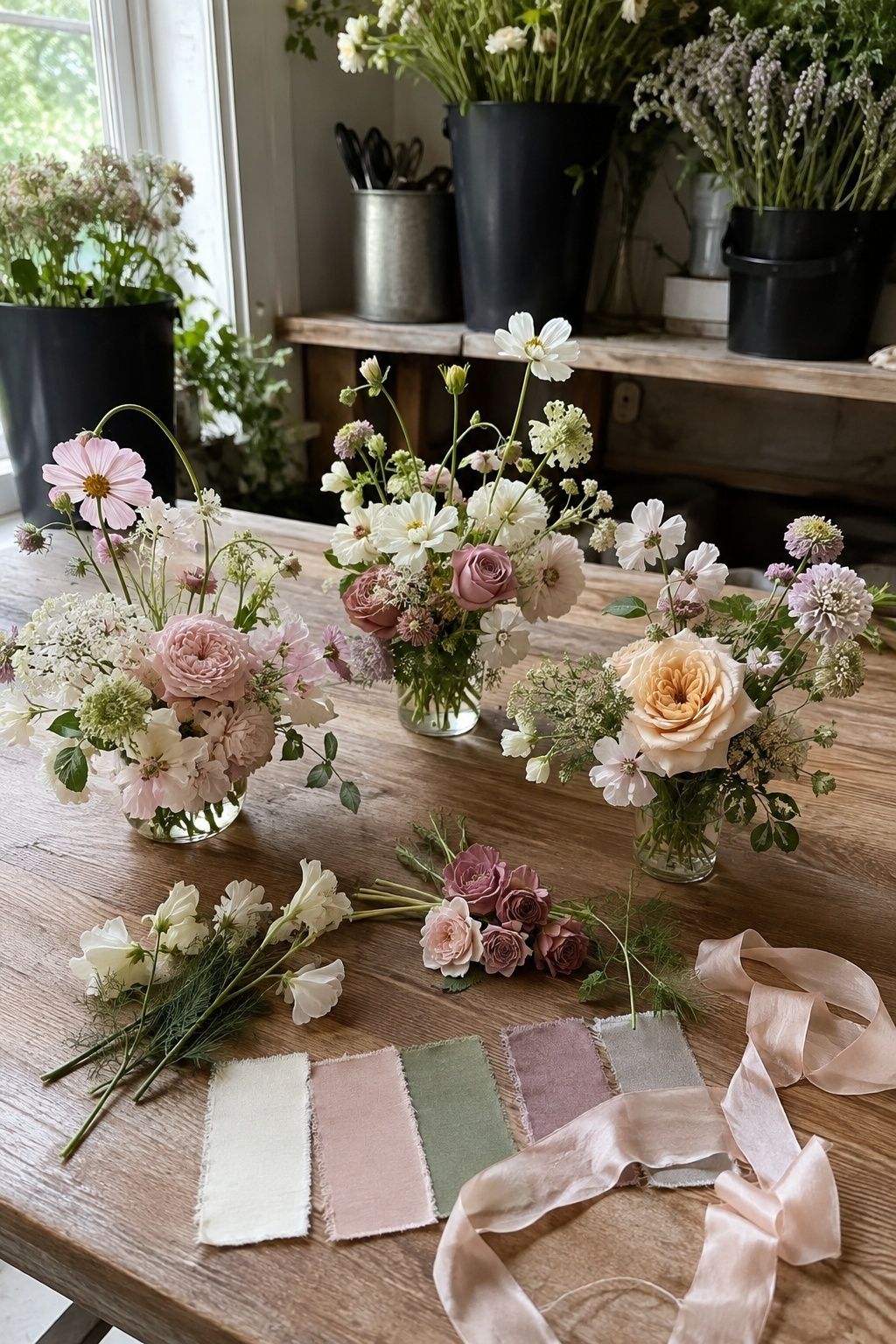
One of the easiest floral planning mistakes is falling in love with a single bloom that may be unavailable, fragile, expensive, or weak in your wedding climate. Exact flowers are lovely in a photo, but a wedding design needs flexibility around color, texture, shape, and mood.
Give your florist the feeling first: airy garden, soft meadow, sculptural white, warm autumn, loose romantic, or clean dinner-party florals. Then discuss seasonal wedding flowers that create the same impression. This protects the design when weather, shipment quality, or local availability changes close to the date.
Starting With Inspiration Photos Before Looking At The Venue
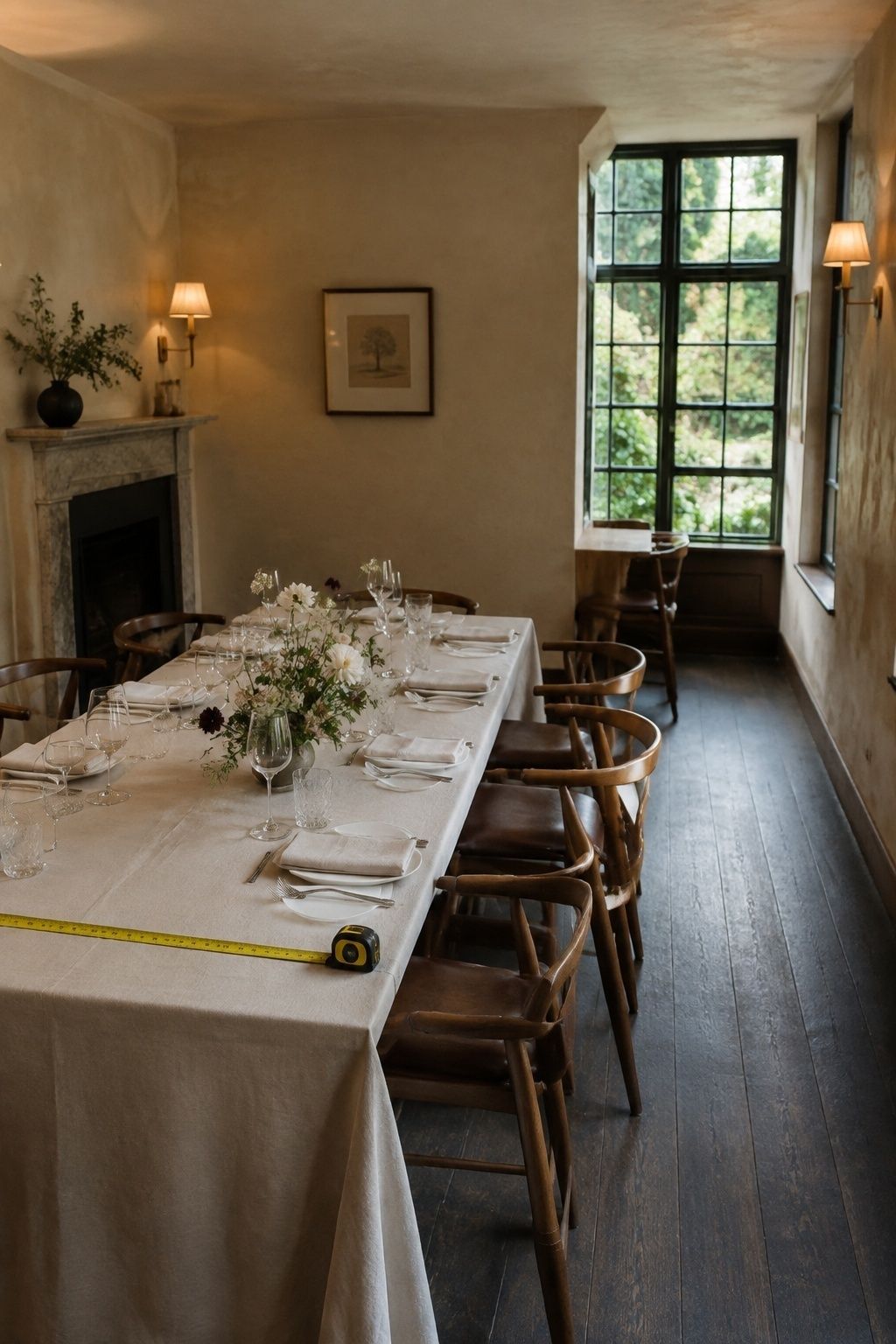
Styled floral photos rarely show ceiling height, room size, guest count, table width, sunlight, loading access, or the way servers move through dinner. A lush ceremony arch might feel magical online and oversized in a tiny chapel. A delicate bud vase plan might disappear in a wide barn with tall ceilings.
Walk the venue before finalizing the flower plan. Notice the natural backdrop, wall color, table shape, existing gardens, mantelpieces, windows, and service paths. In a small room, flowers should sharpen the atmosphere rather than compete with it.
Setting A Flower Budget Without Labor, Delivery, Rentals, And Breakdown

Wedding flower budget mistakes often start with counting stems and forgetting the work around them. Floral cost may include design time, ordering, conditioning, vessels, mechanics, delivery, installation, room flips, rental pickup, strike, and disposal. Those pieces are not fluff; they are the reason the flowers arrive alive and leave cleanly.
Ask for a proposal that separates flowers, labor, delivery, rentals, tax, service fees, setup, and breakdown. If the total feels high, reduce the number of floral moments before cutting the labor that makes the remaining flowers look polished.
Booking A Florist Without Reviewing Fit, Scope, And Contract Details
Wedding florist mistakes tend to appear after the mood board looks settled but the practical terms are vague. A florist may be talented and still not be the right fit for your scale, setup window, communication style, substitution needs, or private dining room logistics.
Review portfolio scale, minimums, sample proposals, delivery radius, staffing, rental terms, substitution policy, payment dates, cancellation terms, and breakdown responsibility. The wedding flower contract should make the work visible, not just the flowers.
Assuming DIY Wedding Flowers Will Automatically Save Money
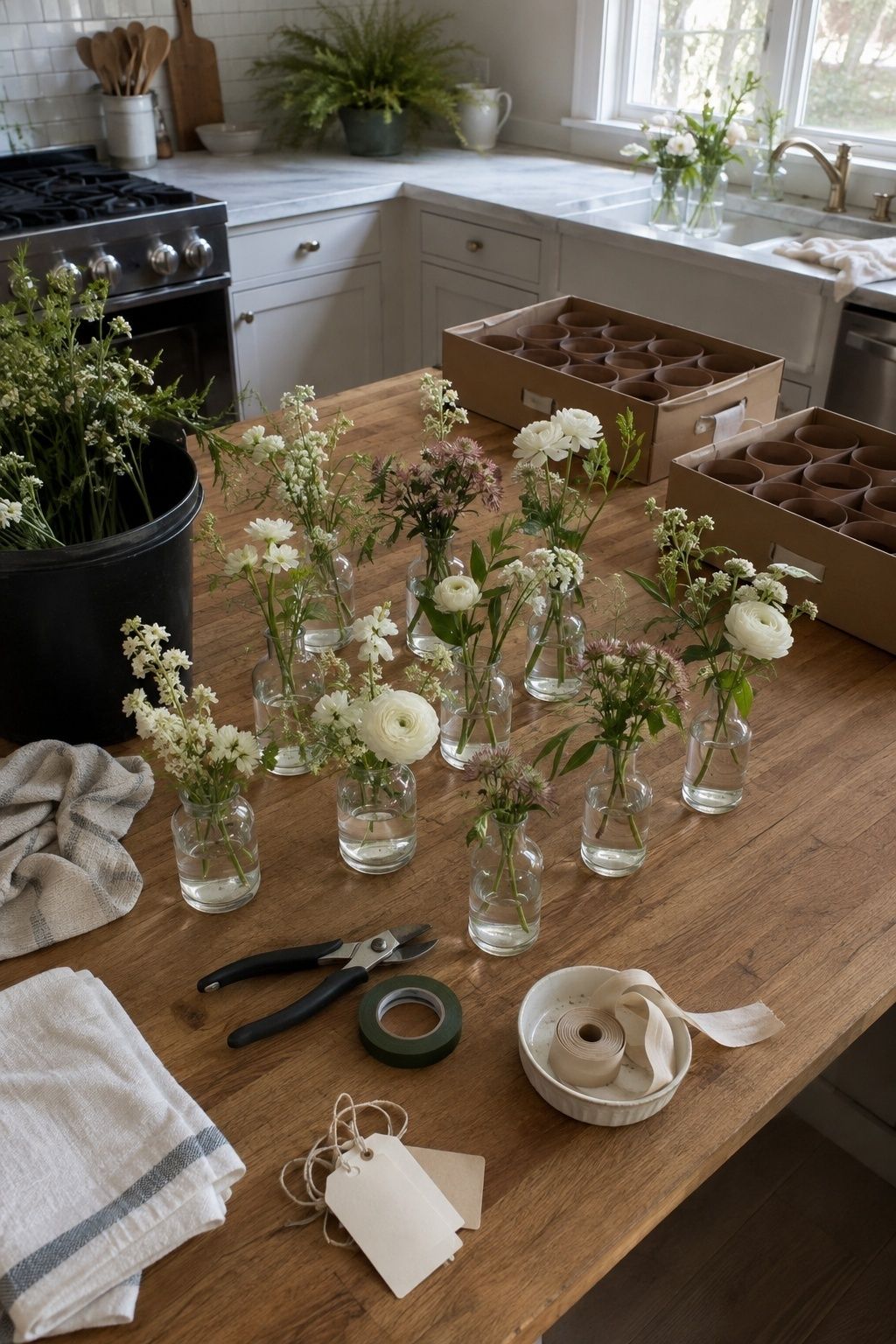
DIY floral mistakes usually come from underestimating time, cool storage, supplies, transportation, mess, and stress. Bud vases, simple bundles, ribbon wrapping, and small table accents may be reasonable. A complex installation or full set of wearables may swallow the final week.
Choose DIY only for pieces that tolerate imperfection and simple assembly. Assign a setup person who is not getting dressed for the ceremony. Buy buckets, snips, towels, tape, labels, and boxes before the flowers arrive so the project does not take over the kitchen at midnight.
If you want a handmade touch, keep it narrow and meaningful. Tie the bouquet ribbon yourself, fill a dozen small vases the day before, or prepare herb bundles for place settings. Leave time-sensitive pieces to someone calm, rested, and separate from the ceremony prep.
Forgetting Heat, Wind, Direct Sun, Travel Time, And Flower Durability
Flowers are living material, which means the prettiest plan still has physical limits. Heat wilts delicate stems. Wind shifts loose arrangements. Direct sun drains freshness. Long drives bruise petals. Restaurant setup windows leave less time for correction.
Talk through the whole path: where flowers are stored, when they leave water, how long they travel, where they sit before photos, and how the room changes through the day. A durable design is not less romantic; it simply respects the conditions around the wedding.
Ordering Bouquets That Are Too Heavy, Fragile, Or Hard To Carry
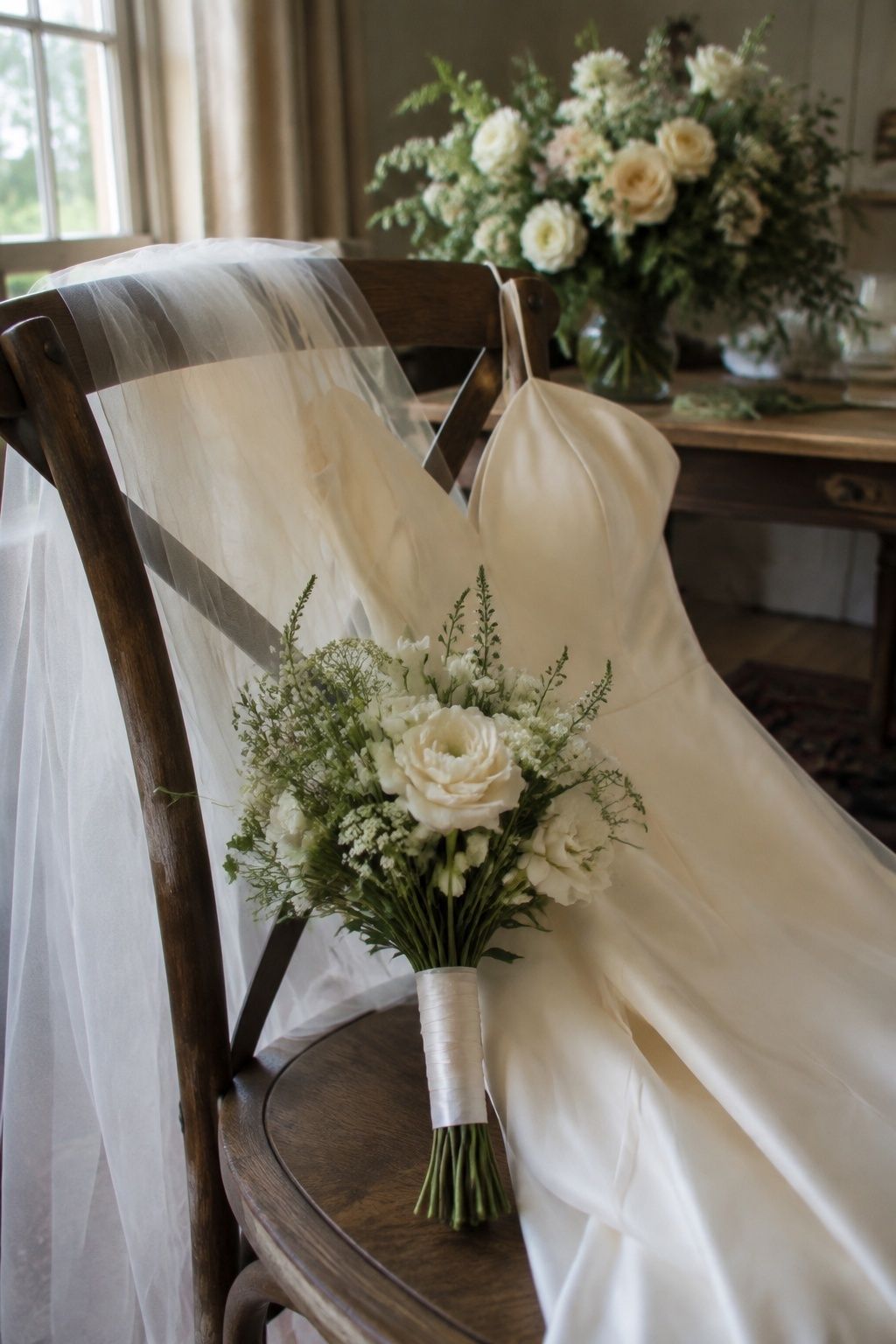
Wedding bouquet mistakes are easy to miss until the bouquet is in someone’s hand. A heavy bouquet affects posture, hugs, portraits, aisle walking, table greetings, and dress movement. A fragile bouquet may shed, stain, droop, or need constant attention.
Match bouquet scale to the outfit, ceremony length, photo plan, and body comfort. A smaller bouquet with beautiful texture, clean ribbon, and a comfortable handle often feels more graceful than an oversized arrangement that has to be managed all day.
Choosing Centerpieces That Block Conversation Across Small Tables
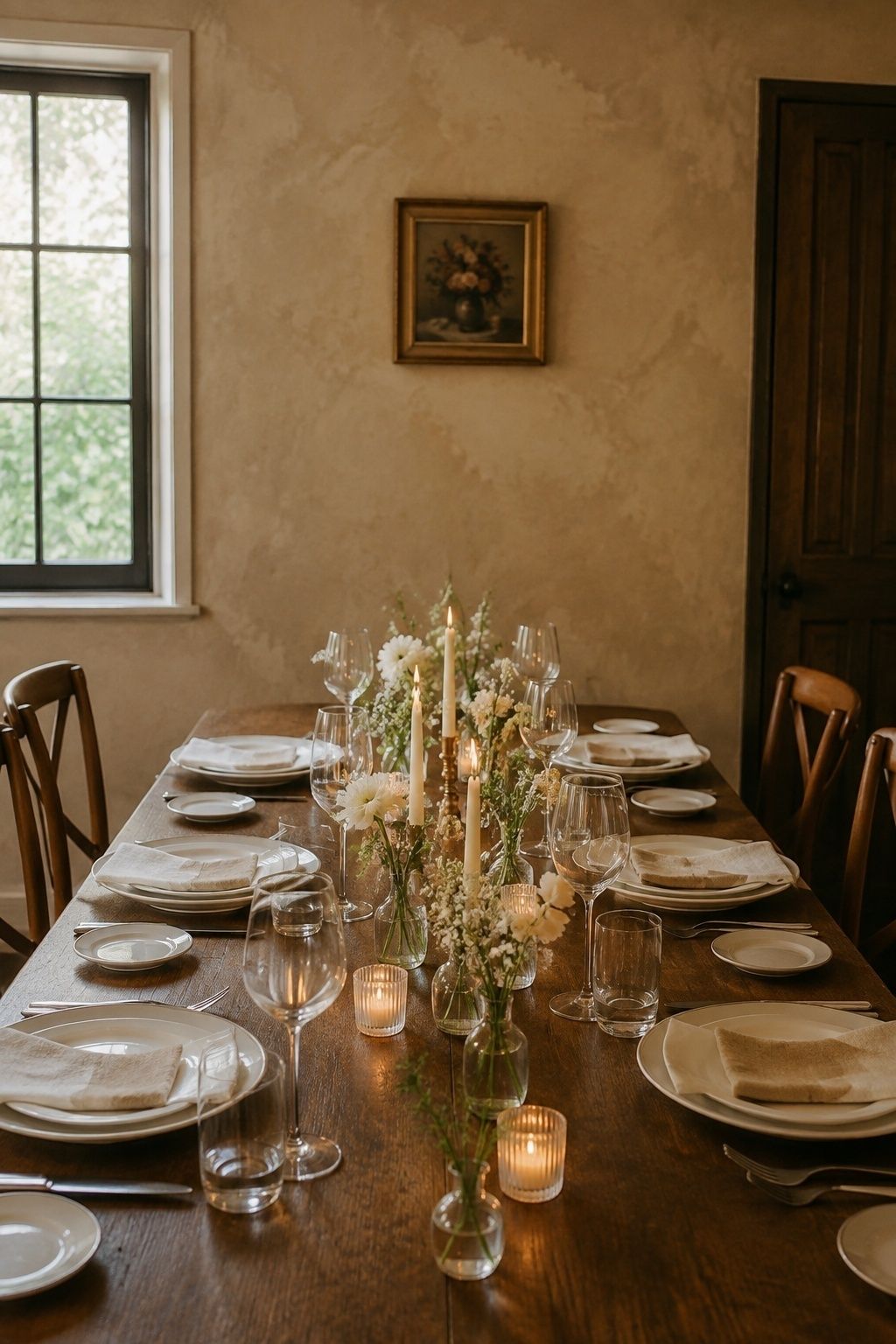
Wedding centerpiece mistakes matter more at intimate dinners because guests are close together. Tall, wide, fragrant, or unstable arrangements interrupt sightlines, crowd plates, interfere with family-style service, and make conversation feel formal in the wrong way.
Measure the table before choosing height and width. Keep flowers low enough for eye contact or high enough to clear faces completely. For narrow tables, smaller vases repeated with rhythm usually feel softer than one crowded arrangement in the center.
Forgetting Fragrance, Pollen, Allergies, And Food-Service Comfort
Guest comfort should shape the floral plan, especially at dinner. Strong fragrance around plated courses, pollen-heavy stems on napkins, loose petals around glassware, and thorny or sticky greenery at place settings create small irritations that guests notice because they are sitting inches away.
Keep scented flowers away from dining surfaces, ask about pollen and shedding, and test anything that touches linens or clothing. Flowers should make the table feel cared for, not delicate in a way that makes guests nervous.
Repurposing Ceremony Flowers Without A Real Movement Plan
Wedding flower repurposing sounds simple until the ceremony ends and nobody knows who moves what, where it goes, whether it fits the new surface, or whether the arrangement survives the trip. A piece designed for the floor may look strange on a bar. A fragile aisle piece may fall apart during the room flip.
Plan movement before the proposal is final. Identify which pieces travel, who handles them, what vehicle or cart is needed, where water waits, and which reception spots are ready. If movement requires too much labor, spend that money on one piece designed for its final location.
Spending Everywhere Instead Of Choosing A Few High-Impact Floral Moments
Small weddings do not need flowers sprinkled thinly across every sign, stair, chair, bar, aisle, bathroom, lounge, and dessert table. That approach often creates more setup work while making each area feel underpowered.
Choose the floral moments that guests will see closely and remember clearly. A beautiful bouquet, one ceremony focal point, low dinner flowers, and a cake or welcome accent may carry the whole day. Restraint gives each piece a reason to matter.
A Simple Floral Check Before You Sign The Proposal
Before signing, ask whether the proposal answers five questions: what atmosphere are we creating, what scale fits the venue, what labor is included, what happens if flowers need substitutions, and how guests experience the tables. If any answer is fuzzy, pause before paying the deposit.
This final check is especially useful for intimate weddings because every floral choice is visible. When the plan respects season, room size, setup time, dinner comfort, and budget, flowers feel effortless instead of like a second wedding to manage. That is the quiet luxury most small celebrations truly need from the flowers themselves.
FAQ
What are common wedding flower mistakes?
Common floral mistakes include choosing exact out-of-season blooms, ignoring venue scale, forgetting labor and delivery costs, booking without clear contract terms, overestimating DIY capacity, choosing centerpieces that block conversation, and planning flower reuse without staff, timing, or placement.
What flowers should you avoid for a wedding?
Avoid flowers that are fragile in your weather, strongly scented during dinner, pollen-heavy around clothing, difficult to source in your season, or too delicate for travel and photos. The exact answer depends on climate, venue, timing, and how long the flowers stay out of water.
Is it a mistake to DIY wedding flowers?
DIY wedding flowers are not automatically a mistake. They work best for simple bud vases, small bundles, ribbon wrapping, or a few casual arrangements. They become risky when the project requires cold storage, complex mechanics, wired wearables, large installations, or wedding-morning setup by the couple.
How do you avoid spending too much on wedding flowers?
Avoid overspending by choosing fewer high-impact floral moments, staying flexible about seasonal stems, asking for labor and rental costs upfront, simplifying centerpiece types, reusing only pieces with a real movement plan, and cutting low-visibility flowers before cutting setup support.
What should you ask a wedding florist?
Ask about seasonal substitutions, minimums, design process, delivery timing, setup staff, rental vessels, breakdown, payment dates, cancellation terms, weather concerns, centerpiece height, bouquet weight, and who handles ceremony-to-reception movement. The answers should make the floral scope feel clear.
Should wedding flowers be seasonal?
Wedding flowers should usually lean seasonal because seasonal options tend to look fresher, travel better, and offer more flexible value. You do not need a strict seasonal-only rule, but you should give the florist room to match color, shape, and feeling when exact blooms are unavailable.
How do you repurpose ceremony flowers at the reception?
Repurpose ceremony flowers by deciding the new location before the wedding, assigning a specific mover, preparing water and surfaces, confirming timing, and choosing pieces sturdy enough to travel. The best moved flowers look intentional in both places, not leftover or rushed.
Final Thoughts
The best flowers for a small wedding are not the most complicated ones. They are the flowers that shape the room, support the ceremony, make dinner feel intimate, and hold up through real movement, weather, photos, hugs, and service. When florals are planned around atmosphere, scale, and logistics, wedding flower mistakes become much easier to avoid.
Before you sign the proposal, walk through the day from bouquet pickup to final cleanup, trim anything that crowds the table or strains the timeline, and choose a floral plan that protects season, labor, and guest comfort. A final pass deserves one small pause.
Last update on 2026-10-03 / Affiliate links / Images from Amazon Product Advertising API