

Will I regret having a small wedding? Probably not if the guest list reflects your real relationships, the smaller size protects the feeling you want, and you are choosing it from values instead of fear. Regret becomes more likely when the small wedding is only a conflict-avoidance move, a budget panic move, or a decision made before you have named who and what truly matters.
A small wedding asks a tender question: what if the most important day does not look as large as everyone expected? That question gets especially noisy when you picture the people missing from the room. You picture the aunt who assumed an invitation, the college friend who always pictured dancing with you, the family friend who watched you grow up, or the bigger version of the party where everyone gathers in one bright, impossible room.
Those thoughts do not automatically mean you are making the wrong choice. They mean the choice matters. Guest lists carry love, history, money, obligation, grief, pride, and family politics in the same tiny spreadsheet. A smaller wedding does not remove those feelings. It just makes you face them earlier.
The goal is not to convince yourself that small is always wiser. Some couples genuinely want the big room, the packed dance floor, the full family web, and the once-in-a-lifetime feeling of being surrounded by nearly everyone who has shaped them. That kind of celebration has its own beauty. Other couples feel most like themselves with twenty, forty, or sixty people, a slower dinner, and enough emotional space to breathe.
So the better question is not whether a small wedding is objectively better. The real question is whether you are likely to regret this specific small wedding. The answer lives in the reason behind the choice, the people affected by it, and the version of the day you keep returning to when no one else is speaking.

Recommended Wedding Products


You Might Also Like These Blog Posts
- How To Tell People You’re Having A Small Wedding With Kind, Clear Scripts
- How To Have A Small Wedding Without Offending People Or Overexplaining
- Small Wedding Guest List Etiquette For A Guest List That Feels Fair
- Wedding Regrets Couples Can Actually Plan Around
- Small Wedding Guest List Wording That Keeps Boundaries Kind
- Wedding Budget Vs Buying A House And How To Choose Without Regret
Will I Regret Having A Small Wedding
Most couples who thoughtfully choose a small wedding regret fewer things than they fear beforehand. They often worry about hurt feelings, missing the bigger celebration, or feeling underwhelmed on the day. Later, the strongest memories usually come from being able to speak with each guest, stay present during the ceremony, and spend money on the parts of the day that mattered most. These common wedding regrets offer a wider view of what couples look back on.
Still, regret is real enough to take seriously. A small wedding creates tradeoffs. You give up some crowd energy. You lose the rare chance to gather extended circles in one place. You invite more direct conversations about who is included. You also risk turning a financial or family-pressure decision into a day that does not feel like yours.
Think of regret as information, not a threat. Pre-wedding nerves often sound urgent, but they are usually vague: What if people are upset? What if it feels too quiet? What if I miss out? True warning signs tend to be more specific: I deeply want my cousins there and I am cutting them only because one parent is angry. I want dancing, speeches, and a packed room, but I keep pretending I do not. I feel relief about the budget but sadness about the wedding itself.
Normal nerves usually move around. One day you worry about offending coworkers. The next day you worry about photos looking sparse. Later you worry about whether dinner will end too early. That kind of worry often reflects the pressure of planning something visible. It deserves kindness, but it does not automatically deserve control.
A real warning sign repeats itself. The same person keeps appearing in your mind. The same image of a fuller ceremony keeps tugging at you. The same conversation with your partner ends with one of you withdrawing. Repetition matters because it shows where the plan is rubbing against a deeper need.
A good small wedding decision leaves room for both truth and tenderness. You get to want intimacy and still grieve the guest list. You get to protect your budget and still admit that some cuts hurt. You get to disappoint people without treating their feelings as imaginary. The point is to make the guest list with clear eyes instead of trying to win an argument against your own heart.
Treat the signs below as an emotional risk assessment. They will not hand you a perfect answer, but they separate normal nerves from the kind of mismatch worth revisiting before deposits, invitations, and family expectations harden around the plan.
Signs You Probably Will Not Regret A Small Wedding
These signs matter because regret often grows where a couple never admitted the tradeoff. When the smaller wedding is chosen consciously, with enough room for grief and honesty, the decision usually settles. It starts to feel less like a cut and more like a shape.
If most of these signs feel true, do not keep interrogating the decision forever. At some point reassurance-seeking starts to mimic doubt. Give yourself a deadline for guest-list revisions, make the final list together, and then shift your energy toward making the chosen wedding generous, warm, and well hosted.
The Guest List Feels Like Your Real Life
A small wedding is easier to trust when the guest list reflects the people who actually know your relationship now. Not everyone who once mattered needs a seat in the room. Not everyone with a family title holds the same place in your present life. If the list feels intimate rather than random, that is a steady sign.
Look at the names without imagining anyone else’s reaction. Do you see people who would comfort you if something went wrong, laugh with you easily, understand the tone of the day, and notice the meaning of the ceremony? If yes, the wedding is small, but it is not empty. It is concentrated.
This is especially important when the wedding has fewer layers of spectacle. The people become the atmosphere. Their warmth, ease, and familiarity shape how the ceremony feels, how dinner unfolds, and how relaxed you feel in photos. A small list chosen with care often feels larger emotionally than a broad list chosen out of obligation.
You Want Time With Guests More Than A Bigger Room
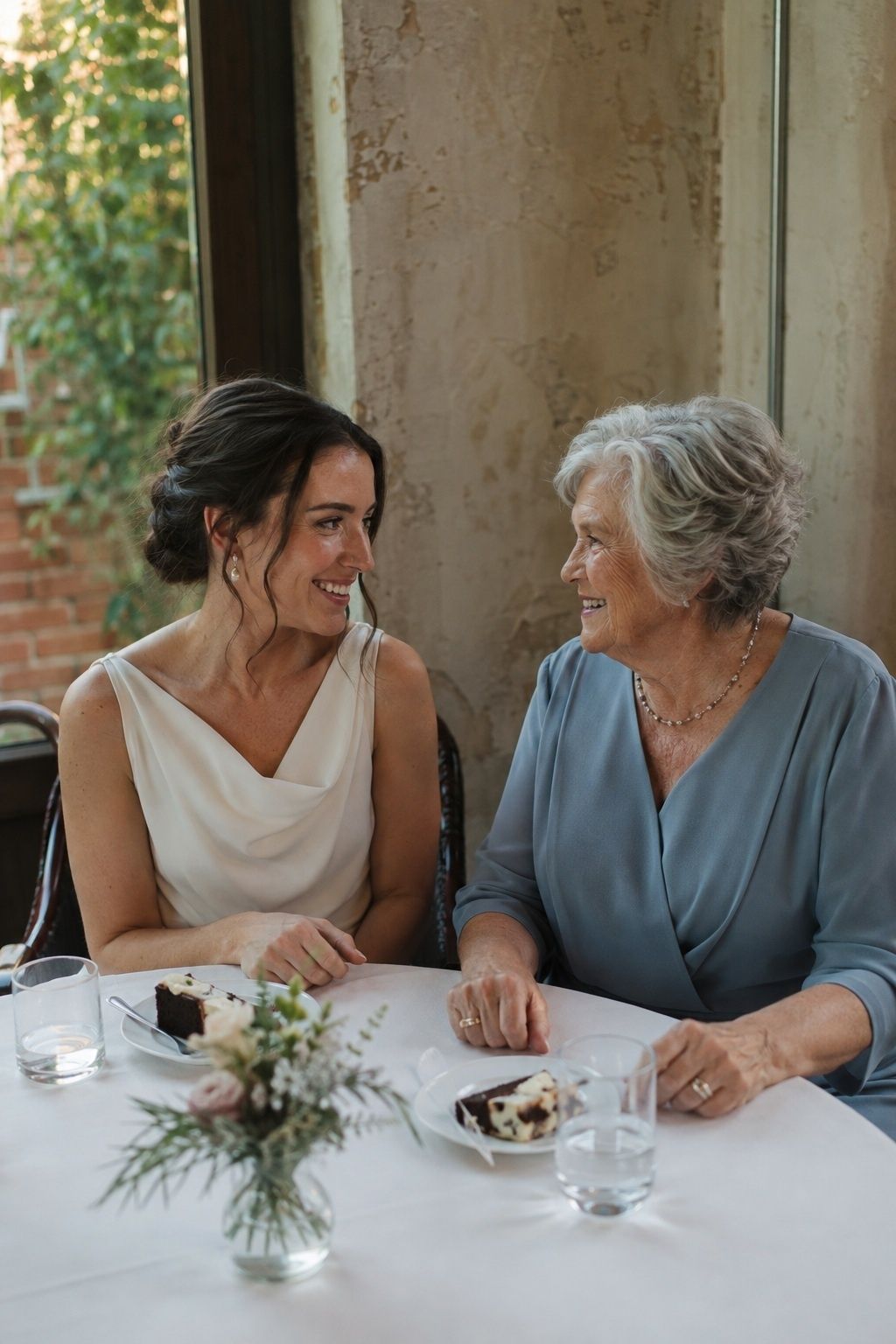
One of the strongest reasons couples choose smaller weddings is time. A large reception often turns the couple into hosts moving from hello to hello. That works beautifully for some personalities. Others feel sad imagining brief hugs with people they invited precisely because they love them.
If your dream is a dinner where you remember conversations, a ceremony where faces feel familiar, and a reception where you are not constantly scanning for the next table, small is aligned with the experience you want. You are not shrinking the celebration. You are protecting attention.
Ask yourself what kind of memory you hope to have the morning after. If the answer is a blur of greetings, loud music, and hundreds of faces, a fuller guest list likely fits. If the answer is knowing exactly what your grandmother said, which friend cried during the vows, and how the table felt after dessert, the smaller wedding is giving you the memory you asked for.
Your Budget Matches Your Priorities
A small wedding often feels right when the money saved is not merely saved, but redirected toward choices you actually value. Better food, a photographer you trust, a comfortable venue, guest transportation, a relaxed weekend, or a honeymoon fund often matters more than inviting every possible social circle.
Regret risk drops when the budget story is honest. It rises when the smaller guest list only exists because money was never discussed clearly. If you have looked at the numbers together and chosen where the money goes, the size becomes part of a values decision rather than a panic decision.
You Feel Relief When You Picture The Smaller Day
Relief is worth listening to. Picture the ceremony, the dinner, the photos, the speeches, and the end of the night. If the smaller version lets your shoulders drop, your body is giving you honest information. It is telling you that intimacy, not expansion, makes the day feel livable.
This does not mean every excluded name feels easy. You still feel sadness about a few people. The key distinction is whether the core image of the wedding feels peaceful. A decision that brings grief around the edges and calm at the center is often stronger than a decision that pleases others while making the whole day feel like theater.
Relief also shows up in practical details. You feel more able to write personal vows, eat dinner slowly, sit with guests, or get ready without a crowded suite. Those small bodily reactions count. Wedding planning often asks couples to ignore their own comfort in favor of what looks impressive. A small wedding invites you to take comfort seriously.
Both Partners Understand The Tradeoff
A small wedding is more secure when both partners understand what is being gained and what is being given up. Trouble starts when one person hears small as intimate and the other hears small as deprived. Before finalizing the list, say the tradeoff plainly.
For example: we are choosing fewer guests so we have a calmer day, but we are giving up the chance to host the whole extended family. If both of you still feel steady after naming the loss, the choice has been tested. It is no longer a fantasy of smallness. It is a real decision.
Signs You Might Regret A Small Wedding
A warning sign does not mean you must abandon the small wedding. It means the current version needs repair. Sometimes the answer is adding ten guests, hosting a casual second gathering, changing the reception style, or clarifying who gets a true exception.
Repair is different from spiraling. Spiraling reopens every decision because anxiety wants a perfect guarantee. Repair changes the exact choice creating the mismatch. If the missing need has a name, address that name. If the whole wedding feels wrong, then a deeper conversation is overdue.
You Are Choosing Small Mainly To Avoid Conflict
A smaller wedding chosen from values feels different from a smaller wedding chosen to dodge one difficult conversation. If you are cutting the list because relatives are arguing, a parent is pushing, or you feel too tired to explain your boundaries, regret deserves attention.
Conflict avoidance often creates a quiet aftertaste. The wedding is technically smaller, but the decision still serves the loudest person in the room. If the guest list is a reaction instead of a choice, pause long enough to separate your preference from everyone else’s pressure.
You Keep Mourning A Specific Missing Person
General guest-list guilt is normal. Specific grief is different. If one name keeps returning, especially someone who has loved you well, honored the relationship, or would deeply change the emotional texture of the day, do not brush that feeling away too quickly.
A small wedding does not require brutal consistency. You are allowed to create a clear line and still make a thoughtful exception when the relationship warrants it. Regret often attaches less to the total number and more to the one person you knew, even then, should have been there.
You Actually Want A Big Celebration
Some couples talk themselves into small because it sounds mature, stylish, budget-conscious, or easier to defend. But wanting a big wedding is not shallow. Wanting a full dance floor, a room of relatives, a loud celebration, or a once-only gathering of many life chapters is a valid desire.
If the bigger version keeps feeling alive in your imagination, listen. You do not have to host a huge wedding, but you should not shame yourself out of wanting one. Regret grows when a couple mistakes self-denial for simplicity.
Try naming the exact thing you want from the bigger version. Is it dancing? Extended family? A grand ceremony entrance? A lively after-party? Once the desire has a name, you have choices. Add guests, lengthen the reception, plan a welcome party, or keep the ceremony small and host a larger casual celebration later.
The Small Plan Feels More Like A Budget Emergency Than A Wedding
A budget limit is responsible. A budget emergency feels different. If every choice is stripped down, every joyful detail is removed, and the day begins to feel like a bill-reduction exercise, the guest count is probably not the only issue.
Instead of asking whether the wedding should be small, ask what small needs in order to still feel like a wedding. Maybe that means a real meal, flowers at the ceremony, professional photos, a beautiful outfit, a quiet first look, or a small after-party. The day needs enough emotional substance to meet the moment.
This is where priorities protect you. A small wedding on a careful budget still deserves one or two choices that feel deeply cared for. Without that, the day risks feeling like everyone was invited to witness restraint rather than joy. Keep the celebration honest, but leave room for beauty.
Your Partner Is Quietly Unhappy
A small wedding chosen by one partner and endured by the other is fragile. The unhappy partner stays quiet because they hate conflict, feel guilty about money, or believe their preferences are less important. That silence often returns later as resentment.
Ask directly: what part of a bigger wedding would you miss? What part of a smaller wedding feels right? What would make this size feel generous rather than restrictive? A guest count should not become proof that one partner’s temperament matters more.
Common Regrets About Small Weddings
These regrets are practical enough to address before the day. They are not arguments against small weddings. They are reminders that small weddings still need hosting, communication, atmosphere, and memory.
They also show why the planning conversation should move beyond guest count. A small wedding is not finished once the list is short. It still needs a room that fits, a timeline with warmth, a plan for family expectations, and enough documentation to let the day live beyond memory.
Wishing One More Circle Had Been Included
The most common regret is not usually wishing the wedding had tripled in size. It is wishing one more circle had been represented: a few cousins, a friend group, local relatives, or people who stood by the couple during a hard season.
This regret is preventable when you define guest circles before cutting names. Instead of choosing person by person in a panic, name the circles: immediate family, grandparents, closest friends, chosen family, essential mentors. Then decide where the wedding ends. Clear circles feel kinder than scattered exclusions.
If one circle is almost included, look closely. Sometimes adding a table prevents years of tenderness around the photos. Other times that table opens a chain of obligations that changes the wedding entirely. Neither answer is automatically right. The key is seeing the ripple before the invitation deadline arrives.
Feeling Too Quiet During The Reception
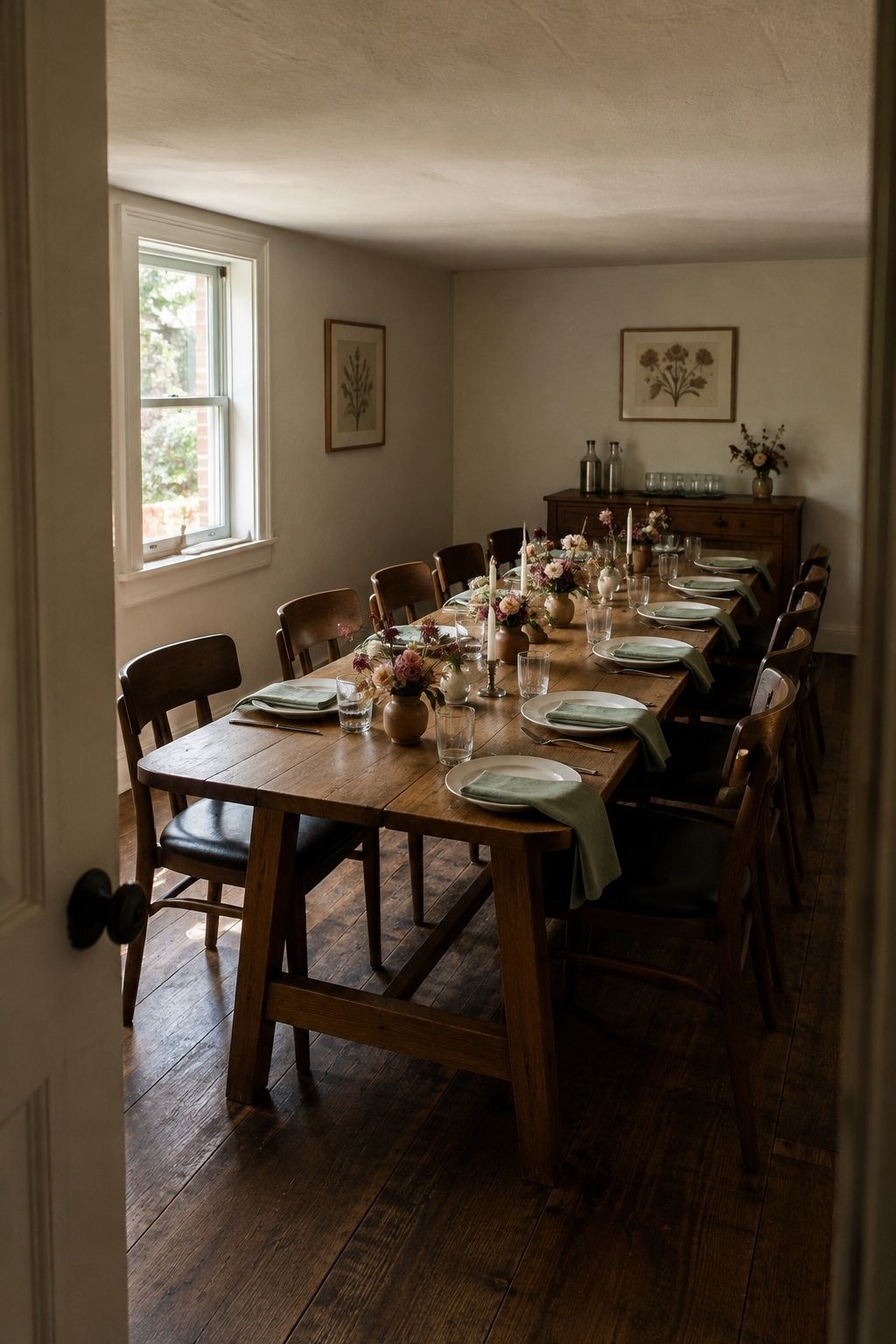
A small wedding sometimes needs a stronger reception plan because fewer people naturally create less ambient energy. A dinner for thirty feels beautiful when the room, music, lighting, seating, and timeline suit thirty. It feels thin when it is placed inside a ballroom meant for two hundred.
If you worry about quietness, do not solve it only by adding guests. Solve the room. Choose a venue that fits the head count, seat people warmly, plan a few natural toasts, keep music present, and give the evening a rhythm. Small does not mean silent.
The room should match the guest count physically and emotionally. Lower ceilings, candlelight, round or banquet tables, a clear dinner flow, and a bar close to the group all make the celebration feel gathered. A small wedding needs density, not clutter.
Underestimating Family Feelings
People who are not invited sometimes feel hurt, especially when they expected a traditional invitation. That does not mean your choice is wrong. It means the communication deserves care. Regret often comes less from excluding people and more from handling the news vaguely, late, or defensively.
The strongest approach is brief and warm. Say the wedding is very small, the guest list was difficult, and you are grateful for the relationship. Avoid overexplaining the numbers. Overexplaining often invites debate, while a sincere boundary gives people less to argue with.
Prepare for disappointment without treating it as proof of failure. A person is allowed to feel sad. You are allowed to keep the boundary. Those two truths hold together. Many guest-list conversations become harder when couples try to make nobody feel anything at all.
Not Capturing Enough Memory
Because small weddings often feel relaxed, couples sometimes under-document them. Later, they wish they had more family portraits, room photos, audio from vows, dinner snapshots, or keepsakes from the people who attended.
Treat memory as part of the plan, not an afterthought. Make a family photo list. Ask someone to gather candid dinner photos. Save vows, menus, cards, and a guest book message. A small wedding deserves the same archival care as a larger one because the people present are the point.
How To Avoid Regretting Your Guest List
The best guest list is not the one nobody questions. That list rarely exists. The best guest list is the one you understand well enough to explain calmly and live with later.
Make The First List Too Big On Purpose
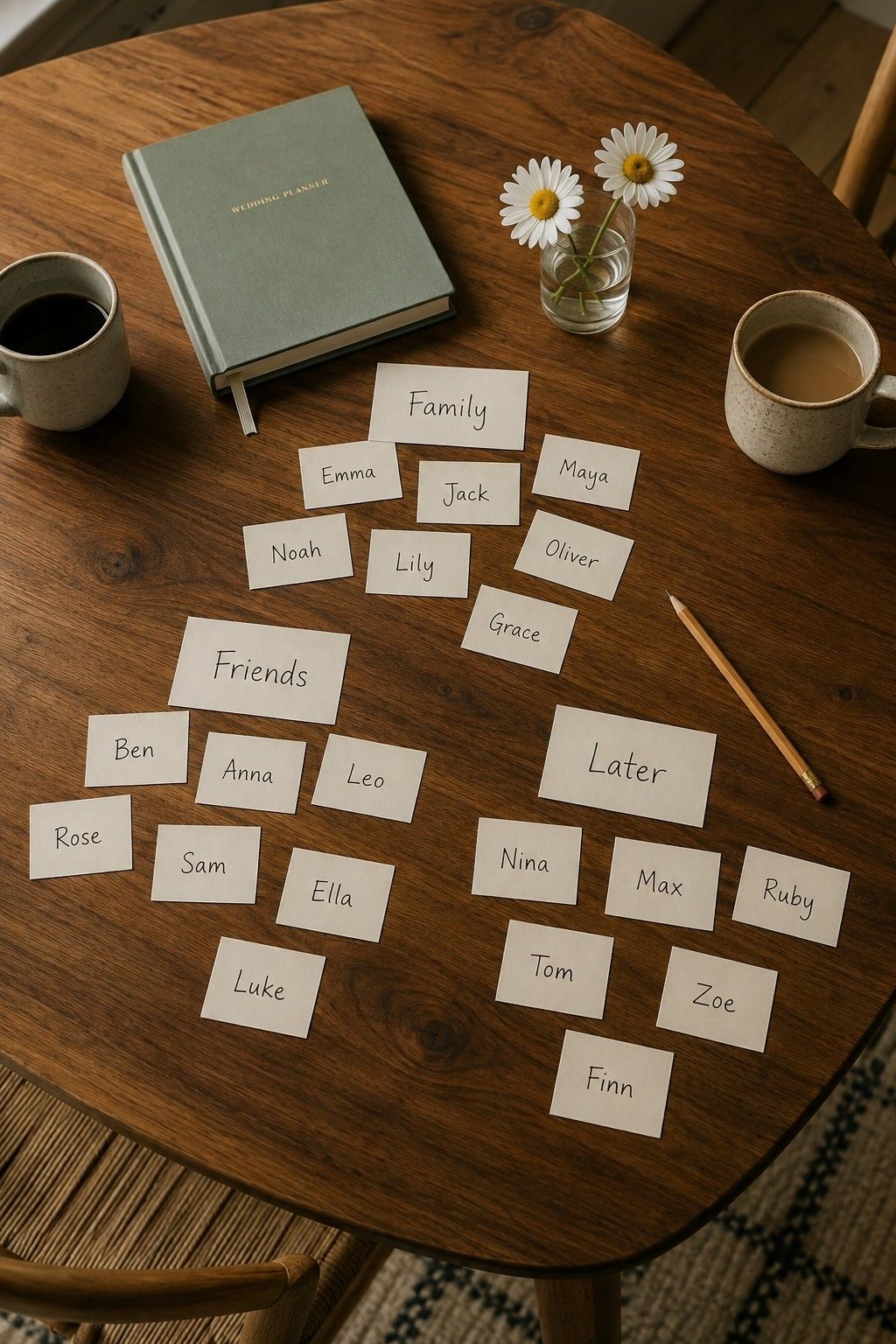
Start with the broad list before you make the real list. Write every plausible name without editing yourself. This relieves the fear that you forgot someone important and gives you a full picture of the social map around the wedding.
Then sort the list into circles instead of cutting randomly. Who is essential to the ceremony? Who is beloved but not close now? Who is included because of family expectation? Who fits a later celebration instead? A clear first list makes the smaller final list feel chosen, not accidental.
Do this between the two of you before outside opinions enter. Once relatives see an early list, every movement feels like a verdict. An early draft gives you and your partner space to be honest before the list becomes public family weather.
Use Relationship Criteria Before Venue Capacity
Venue capacity and budget matter, but they should not be the first emotional filter. If you start with the room limit, every person becomes a math problem. Start with relationship criteria instead: people you speak to regularly, people who honor the relationship, people who will be part of your married life after the wedding.
Once the criteria are clear, use budget and venue size to shape the list. This order protects your heart. It prevents a situation where you cut a meaningful person because a less meaningful obligation took the seat first.
Create A Regret Test For Each Hard Cut
For every difficult name, ask three questions. Would I be sad looking at ceremony photos without this person? Would I expect to explain the exclusion years from now? Is this person part of our future life, not just our past or our parents’ social world?
If the answer is yes across the set, reconsider the cut. If the sadness is mostly about awkwardness, expectation, or guilt, the person likely fits outside the wedding day. This test keeps compassion in the decision without handing the guest list to guilt.
Work through the test together, not separately in anxious midnight scrolls. One partner remembers family history the other does not know. One partner notices a friendship has faded more than nostalgia admits. The conversation is part of the decision.
Plan A Kind Version Of No
A small wedding becomes easier to stand behind when you know how you will communicate it. Draft one warm sentence before questions start. Something like: We are having a very small wedding with immediate family and a few closest friends, so we are not able to invite everyone we love.
The language should be short, honest, and consistent. Do not rank people. Do not blame the venue if that is only half true. Do not promise a later party unless you genuinely plan one. Kindness and clarity work better together than either one alone.
Protect One Memory Ritual For People Not Invited

If excluding people feels painful, choose one small ritual that keeps connection without expanding the wedding. Send announcements after the ceremony, share a printed photo, invite a few people to a casual dinner later, write personal thank-you messages, or host a simple at-home toast after the honeymoon.
This is not a consolation prize for everyone. It is a way to honor relationships that matter while keeping the wedding itself intimate. Sometimes regret softens when the wedding is not treated as the only possible container for love.
Be careful with promises, though. A later party that never happens creates its own awkwardness. Choose a gesture you will actually complete. A handwritten card with a photo often carries more sincerity than a vague promise of celebrating sometime soon.
FAQ
Will I regret having a small wedding?
You are unlikely to regret a small wedding when it reflects your real priorities, includes the people you most need there, and gives you the kind of day you genuinely want. Regret becomes more likely when the guest list is small only because of pressure, fear, or avoidance.
What do couples regret about small weddings?
Common regrets include excluding one meaningful person or circle, choosing a venue that felt too large for the head count, not documenting the day well enough, or underestimating hurt feelings from relatives who expected an invitation.
How do I know if a small wedding is right for me?
A small wedding is probably right if you want real time with guests, feel calmer picturing an intimate room, value budget control, and prefer a personal atmosphere over a large social event. If you keep longing for the energy of a bigger gathering, revisit the plan before finalizing invitations.
Will people be upset if I have a small wedding?
Some people feel disappointed, especially if they expected to be included. That does not automatically make your choice wrong. Clear, kind, early language works best: explain that the wedding is very small and that the guest list was difficult.
Is a small wedding still worth it?
A small wedding is worth it when the scale fits the marriage-centered experience you want. It should still feel hosted, thoughtful, and memorable. Small does not mean bare; it means the attention goes to fewer people and fewer moving parts.
How do I avoid regretting my guest list?
Write the broad list first, sort guests by relationship circle, agree on clear criteria with your partner, test each hard cut for future regret, and prepare a warm explanation for people who ask. Save room for meaningful exceptions when a relationship truly warrants one.
Final Thoughts
Regret is not always a sign that the small wedding is wrong. Sometimes it is the ache of choosing one good thing over another. A bigger wedding offers breadth, reunion, and a rare kind of collective energy. A smaller wedding offers closeness, calm, and more time inside the moments you planned.
The right choice is the one you and your partner understand without needing to perform certainty. If the smaller wedding feels like a values-based decision, let it be small with pride. If it feels like a decision made under pressure, repair it now. Add the person, adjust the room, change the reception, or admit that you want more people there.
You do not owe anyone the largest possible version of your wedding. You do owe yourselves an honest one. Trust that honesty first, then build the guest list around it.
When guest count and atmosphere both feel tender, decide what kind of room lets you stay present with the people you choose. Larger and smaller weddings both ask for honest tradeoffs.
Last update on 2026-10-03 / Affiliate links / Images from Amazon Product Advertising API