

Wedding hair and makeup mistakes usually come from skipping a real trial, changing skin or hair too late, building a rushed timeline, finishing the bride too early, ignoring photos and weather, or forgetting touch-ups. The best plan protects your actual style while keeping the wedding morning calm, comfortable, and on schedule.
Beauty decisions carry a surprising amount of emotional weight. You want to look like yourself, feel polished in photos, trust the people touching your face and hair, and still have enough space on the morning of the wedding to eat, breathe, laugh, and be present.
That balance matters for every wedding size, but it is especially visible at a smaller celebration. A shorter guest list often means fewer attendants, fewer rooms, and fewer layers of production to hide a delay or a look that does not feel right. A calm beauty plan gives your day softness without turning the getting-ready hours into a second event to manage.

Recommended Wedding Products


You Might Also Like These Blog Posts
- Wedding Timeline Mistakes That Make the Day Feel Rushed
- Soft Side Part Wedding Hair Ideas for Romance Without Fuss
- Telenovela Wedding Hair Ideas for Soft Drama That Holds
- Infinity Bun Wedding Hair Ideas for a Sculptural Back View
- Wedding Photography Mistakes That Steal the Feeling From the Day
- Wedding Dress Alterations Mistakes That Make the Dress Run the Day
Wedding Hair And Makeup Mistakes That Steal Calm From the Morning
The most useful beauty plan is not a rigid performance schedule. It is a shared understanding of what will happen, who is responsible, what has already been tested, and where the couple wants the morning to feel easy. Wedding makeup mistakes and bridal hair mistakes tend to look small in advance, then ripple through photos, dressing, transportation, and ceremony timing.
A good plan respects personal style. Natural makeup is not too plain. Minimal hair is not unfinished. Bold lipstick is not too much. Glam waves are not automatically overdone. The mistake is choosing a look without testing whether it feels like you, lasts through the day, photographs well, and fits the actual setting you are stepping into.
Skipping The Trial Or Treating It Like A Casual Appointment
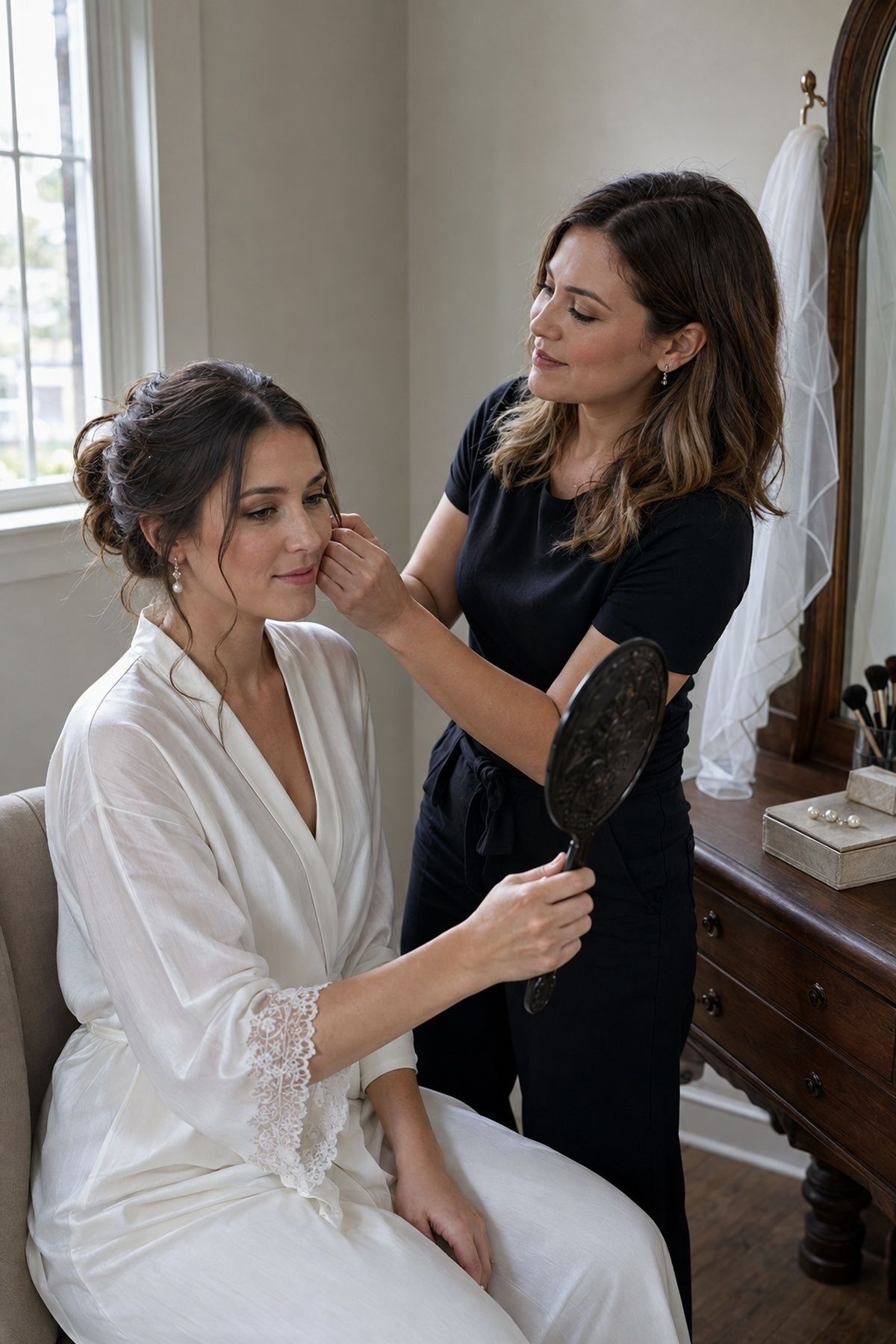
A bridal hair and makeup trial should do more than confirm that an artist is talented. It should reveal how the look wears, how your skin responds, how secure the hair feels, how the makeup photographs, and whether you feel relaxed speaking up. If the trial is rushed or treated like a quick preview, the wedding day becomes the test.
Arrive with the neckline, veil, earrings, hair accessories, and general setting in mind. Notice comfort as much as prettiness. Can you smile without feeling the foundation move? Does the hairstyle pull? Does the lipstick feel like maintenance or joy? A trial is useful because it gives you time to refine, not because it locks you into the first version.
Bringing Too Many Inspiration Photos And No Real Direction
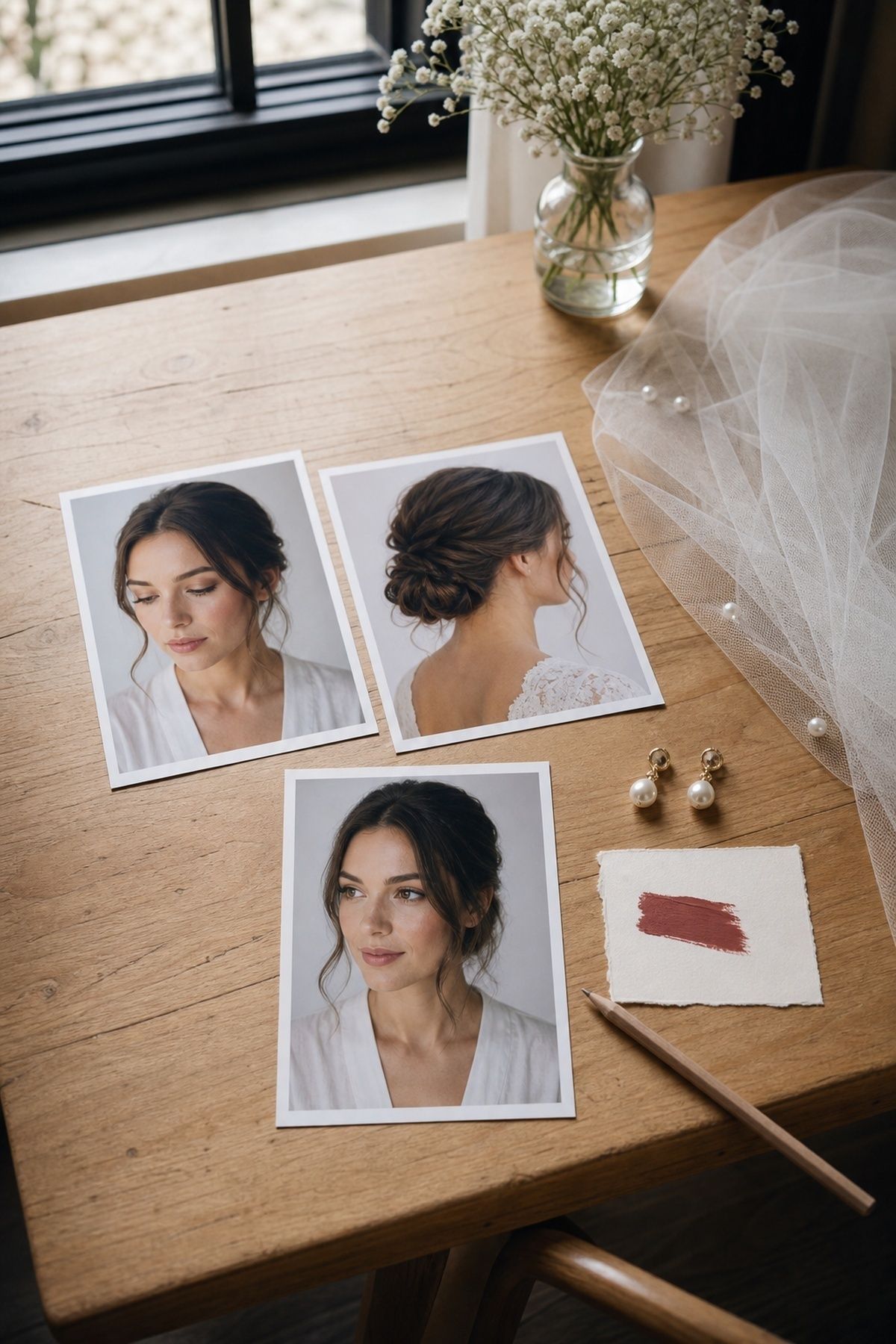
Inspiration photos are useful until they start contradicting each other. A folder full of dewy skin, matte glam, sleek buns, undone waves, heavy liner, barely there color, and dramatic lashes leaves the artist guessing which version feels most true to you. Too many images also hide the practical details that matter most, such as hair texture, face shape, climate, and dress style.
Choose a small set of photos with clear reasons attached. One photo might show the lip color, another the hair shape, another the softness around the face. Bring one or two examples of what you do not want, too. That negative direction often prevents bridal makeup trial mistakes because the artist sees where your comfort line is.
Staying Quiet When Hair Or Makeup Does Not Feel Like You
Many beauty regrets begin with politeness. A bride sees brows that feel too strong, curls that feel too formal, lashes that feel heavy, or a base that feels unfamiliar, then says it looks lovely because the artist worked hard. Kindness matters, but silence does not protect the wedding morning.
Give feedback in specifics. Ask for softer liner, less height, more face-framing pieces, a lighter lip, a lower bun, or a finish that feels closer to your everyday skin. A skilled artist wants that information while there is time to adjust. The goal is not to become a different person for the camera. It is to feel like your most cared-for self.
Trying New Skincare, Treatments, Hair Color, Or Extensions Too Late
Wedding day skin prep should feel steady, not experimental. New facials, peels, active ingredients, self-tanner, brow treatments, hair color, extensions, and dramatic cuts all need enough lead time to settle. A last-minute change looks exciting on the calendar and stressful on the face or hairline.
Keep the final stretch boring in the best possible way. Use products your skin already knows. Schedule hair changes early enough for correction if needed. Test tanning, extensions, and accessories before the final week. Stability gives the artist a reliable canvas and gives you one less thing to wonder about when emotions are already high.
Building The Beauty Timeline Without Artist And Photographer Input
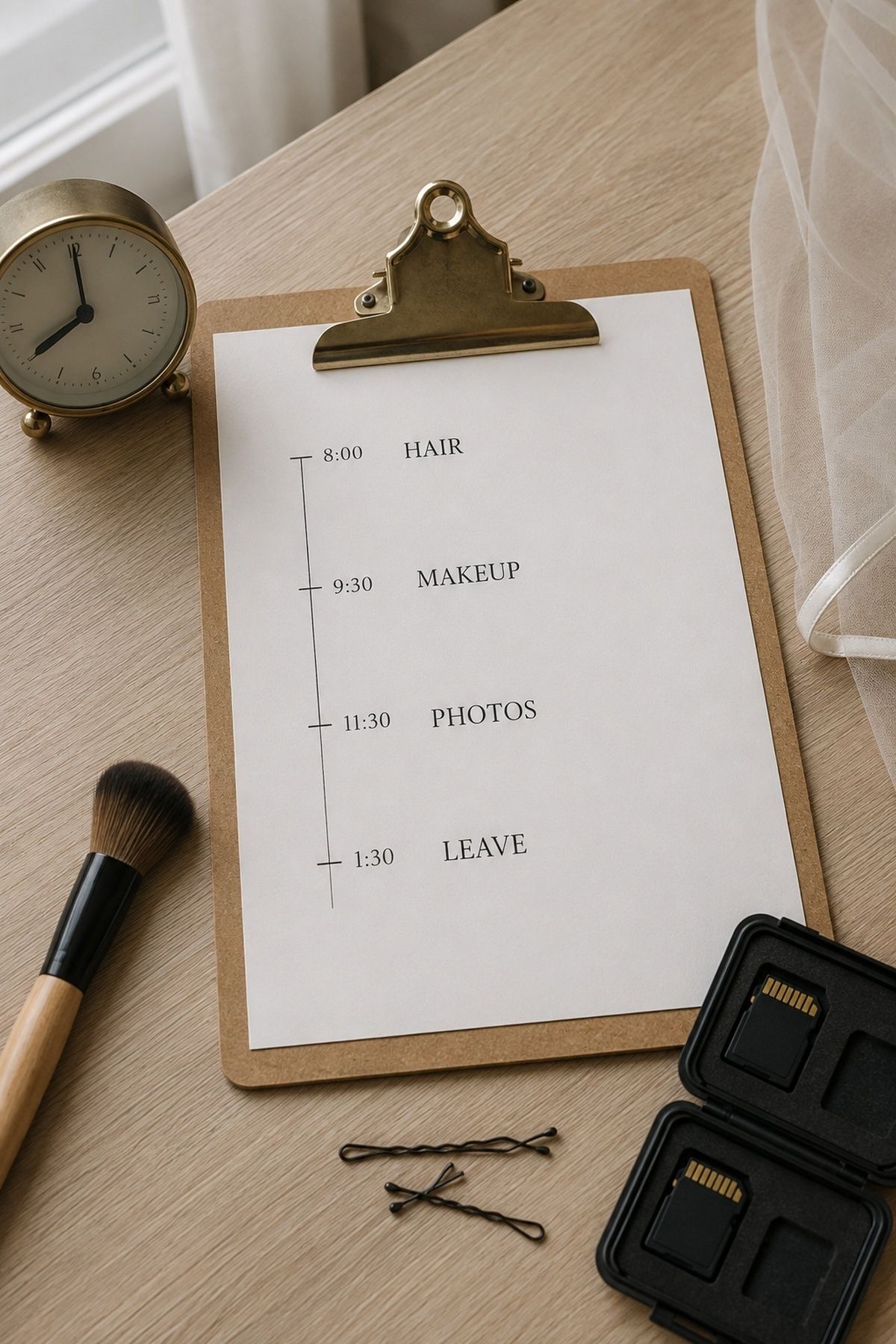
A wedding hair and makeup timeline touches almost every part of the morning. It affects when the photographer arrives, when detail photos happen, when the couple gets dressed, when first look portraits begin, and when transportation needs to leave. If the schedule is built by guessing, beauty becomes the first domino.
Ask each artist how much time they need for the exact services booked, then add a real buffer. Ask the photographer when hair and makeup should be photo-ready for robes, dress moments, portraits, or family pictures. The final timeline should come from the people doing the work, not from a copied schedule made for another wedding size.
Scheduling The Bride Or Key Family Members Too Early
One of the quieter wedding hair and makeup mistakes is finishing the bride too early. It sounds efficient, but freshness matters. Hair loosens, skin needs attention, and makeup loses its just-finished glow long before portraits or the ceremony when the order is poorly planned. Key family members who will appear in early photos also need thoughtful timing.
The bride does not always need to go last, but she should not be abandoned at the beginning of the schedule either. Place the most photographed people where their looks are fresh for the camera and still leave time for getting dressed. For a small wedding, fewer total appointments do not erase the importance of the order.
Forgetting Buffer Time For Setup, Late Arrivals, Redos, And Touch-Ups
Beauty delays rarely announce themselves as dramatic problems. An outlet is across the room. Someone arrives with wet hair. A curl pattern needs another pass. A lash corner lifts. A parent needs help. A redo takes ten minutes, then transportation starts waiting, then portraits shrink.
Build a buffer that serves the morning, not a fake cushion that gets filled with extra tasks. Protect time for setup, final checks, lipstick, veil placement, steaming, snacks, and one quiet breath before leaving. A wedding getting ready timeline should give people room to be human.
Ignoring Weather, Sweat, Tears, Flash, Outdoor Light, And Long Wear
A look that is beautiful at 10 a.m. under soft indoor light still needs to survive the rest of the day. Outdoor ceremonies, warm rooms, happy tears, flash photography, hugs, dancing, wind, humidity, and long wear all change how hair and makeup behave. The plan should acknowledge the setting without making beauty feel clinical.
During the trial, take photos in different light and ask how the look will be secured for your venue and season. Talk through shine, frizz, flyaways, lipstick transfer, veil removal, and touch-ups after portraits or vows. This is where bridal beauty mistakes become preventable: you are testing the real day, not only the mirror.
Overcrowding The Getting-Ready Room

A small wedding does not need a crowded getting-ready suite to feel celebratory. Too many people in one room often means not enough mirrors, chairs, outlets, natural light, table space, or calm. The bride spends the morning answering questions instead of settling into the day when the room is overloaded.
Choose the room for function and feeling. It needs light for makeup, space for hair tools, somewhere clean for the dress, easy access to food and water, and a quiet corner for photos. Invite the people whose presence steadies you. A peaceful room often photographs better because the people in it are actually at ease.
Forgetting A Hair, Makeup, And Skin Touch-Up Kit
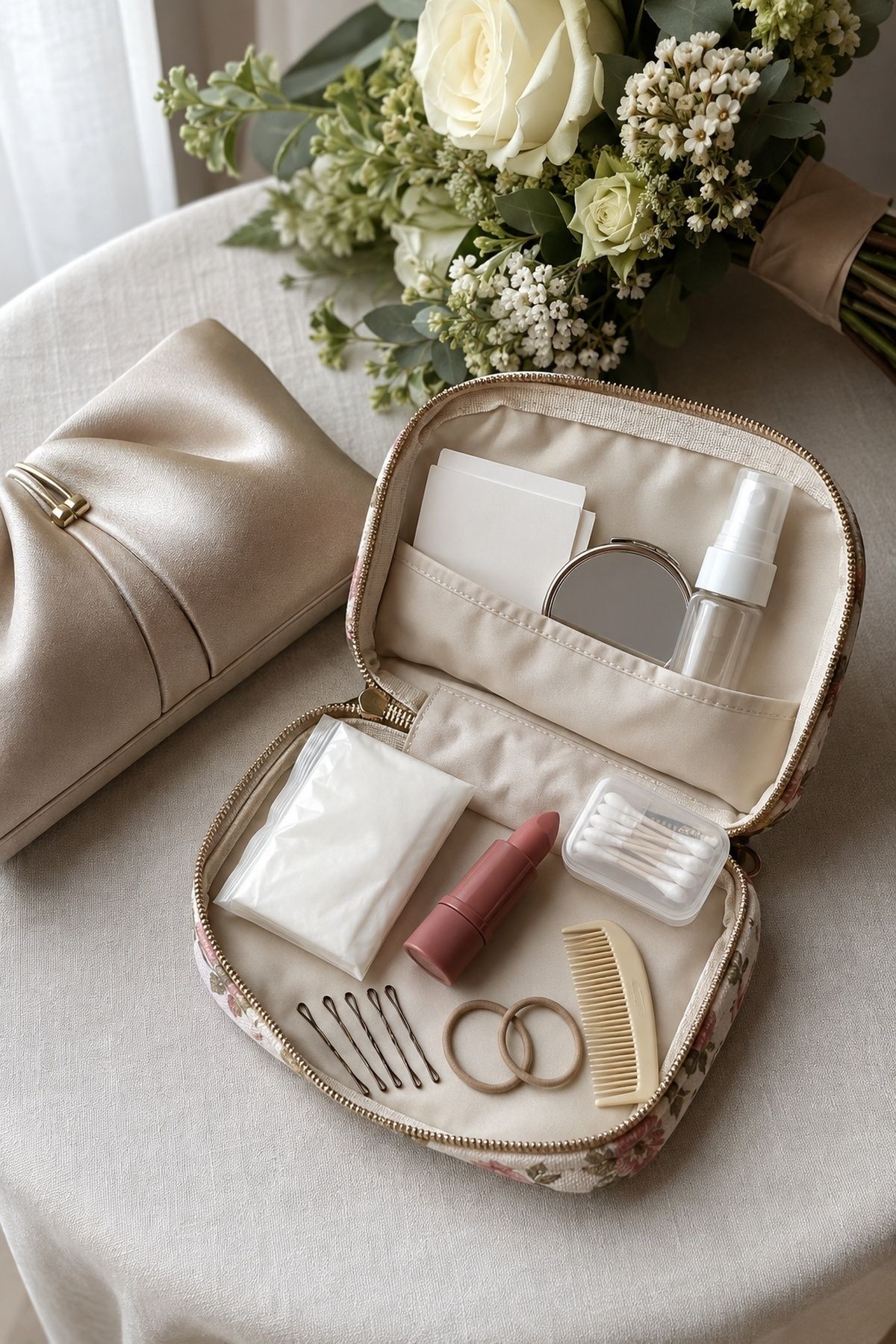
A wedding makeup touch up kit is less about carrying every product and more about knowing what your specific look needs. Ask the artist which categories matter for your skin, lip color, hairstyle, season, and schedule. The answer often includes shine control, lip refresh, pins, a tiny brush, tissues, or a way to smooth the area around the mouth after food and hugs.
Keep the kit small enough that someone will actually carry it. Place it with a trusted person before the ceremony, then decide when touch-ups happen: after portraits, after dinner, before a dress change, or before flash-heavy evening photos. The best touch-up plan is simple enough to follow when the day is already moving.
Not Deciding Who Handles Beauty Questions On The Wedding Morning
Wedding morning beauty mistakes often turn logistical because nobody knows who is allowed to answer. Should the artist wait for a late guest? Who finds the missing lipstick? Who tells the photographer that hair is running behind? Who checks whether a parent is ready for photos?
Name one point person before the day. It might be a planner, coordinator, sibling, friend, or calm family member. Give that person the beauty schedule, artist contacts, room details, and photo timing. Then let the couple stay inside the morning instead of becoming the front desk for every small question.
A Calm Beauty Plan For An Intimate Wedding Morning
The strongest beauty plan is not the most elaborate one. It is the plan that lets the look, room, timing, people, and photos support each other. Review trial details before the final week. Confirm the artist arrival time, setup needs, parking, payment, and service order. Keep meals and water visible. Place accessories in the room before services begin. Decide who carries the touch-up kit.
Then leave space for the part no timeline captures perfectly: the feeling of the morning. The hand squeeze before the dress goes on. The quiet moment after lipstick. The first photo where you recognize yourself. Wedding hair and makeup mistakes are avoidable when beauty is treated as part of the day, not a separate production happening around it.
FAQ
What Are Common Wedding Hair And Makeup Mistakes?
Common wedding hair and makeup mistakes include skipping a trial, bringing unclear inspiration, staying quiet about discomfort, changing skincare or hair too late, guessing the schedule, finishing the bride too early, ignoring weather and photos, and forgetting a realistic touch-up plan.
Do You Need A Bridal Makeup Trial?
A bridal makeup trial is strongly worth scheduling when photos, wear time, comfort, skin response, artist fit, or a specific look matters to you. It gives you room to test the finish, adjust details, and avoid making your wedding day the first full attempt.
How Long Should Wedding Hair And Makeup Take?
Wedding hair and makeup timing depends on the number of services, the complexity of the styles, the artist team size, setup needs, and photo schedule. Ask your artist for service timing, ask your photographer when everyone needs to be ready, then add buffer time for touch-ups, dressing, and delays.
What Should You Not Do Before Wedding Makeup?
Do not start unfamiliar skincare, schedule aggressive treatments, test a new self-tanner, change hair color dramatically, or introduce products your skin has never tolerated close to the wedding. Keep the final stretch steady so the artist is working with skin and hair you already understand.
Should The Bride Get Hair And Makeup Done First?
The bride usually should not be placed first unless the timeline has a clear reason and a strong touch-up plan. It is often better for the bride to be finished closer to dressing and portrait time so the look feels fresh for photos, vows, and the first part of the celebration.
How Do You Keep Makeup Fresh All Day?
Keep makeup fresh by testing the look during the trial, choosing a finish that suits your skin and setting, planning touch-up moments, eating and hydrating, limiting last-minute product changes, and keeping a small kit with the specific items your artist recommends for your look.
What Should You Bring To A Hair And Makeup Trial?
Bring a few focused inspiration photos, details about what you do and do not like, photos of your dress or neckline, accessories if you have them, information about your venue and season, and any skin or hair concerns your artist should know before building the look.
Final Thoughts
The right beauty plan should make the wedding morning feel easier, not busier. When the trial is honest, the timeline is realistic, the room is calm, and the touch-up plan is simple, you get to spend less energy monitoring your face and hair and more energy noticing the people who came close to celebrate you.
Before the final schedule is locked, take photos in different light, save the details that felt most like you, fold the trial results into the timing, and build a morning calm enough for the look to settle. The final week feels lighter when those beauty decisions are already settled.
Last update on 2026-10-03 / Affiliate links / Images from Amazon Product Advertising API