

How do you simplify wedding planning? Cut the number of decisions before you cut anything pretty: invite fewer people, choose a venue that handles several jobs at once, keep one checklist and one shared planning hub, and limit who gets a vote. Protect guest comfort, food, timing and photos, then combine, shrink or skip everything else.
“Why does planning one party feel like a second full-time job?” is the question I hear most from couples about six months in, usually right after they’ve spent an evening comparing napkin folds. The honest answer is that a modern wedding hands you hundreds of small decisions, most of them optional, and every extra guest, vendor and opinion multiplies them, which is why learning how to simplify wedding planning has much more to do with saying no early than with being organized.
I’ve split this into the big choices, how you two make decisions, and the small stuff. We planned our own DIY wedding in 2024, and between that and years of running banquet kitchens, I’ve learned that fewer moving parts almost always means a better day. If you’re not sure yet what kind of day you want, start with how to know what kind of wedding you want.
Recommended Simple Wedding Planning Essentials
You don’t need a shelf of planning gear, just one place to write things down and one place to keep the numbers.


Recommended blogs to read:
- Simple Wedding Planning Checklist For Couples Who Want Less Noise
- Simple Wedding Planning Timeline For A Day That Feels Easy
- What To Do When Wedding Planning Feels Overwhelming And Your Brain Wants To Elope
- 3-Month Small Wedding Planning Checklist For A Short, Sane Timeline
- Small Wedding Planning On A Budget That Still Feels Generous
How Do You Simplify the Shape of the Wedding?
Decide the guest count, venue and hosting style first, because those three choices create or remove most of the work that follows.
1. Choose A Smaller Guest List
Every guest adds more than a chair. Each name brings an invitation, an address to chase, an RSVP to track, a meal choice, a seat on the chart and sometimes a plus-one question, so a list of 40 creates far less admin than a list of 120, even before you look at the budget.
Pick the number first and the names second. A number set in advance gives you a calm answer when someone asks to add a cousin, and it decides almost every other choice, from the room size to how many tables need flowers.
2. Pick A Venue That Solves More Than One Problem
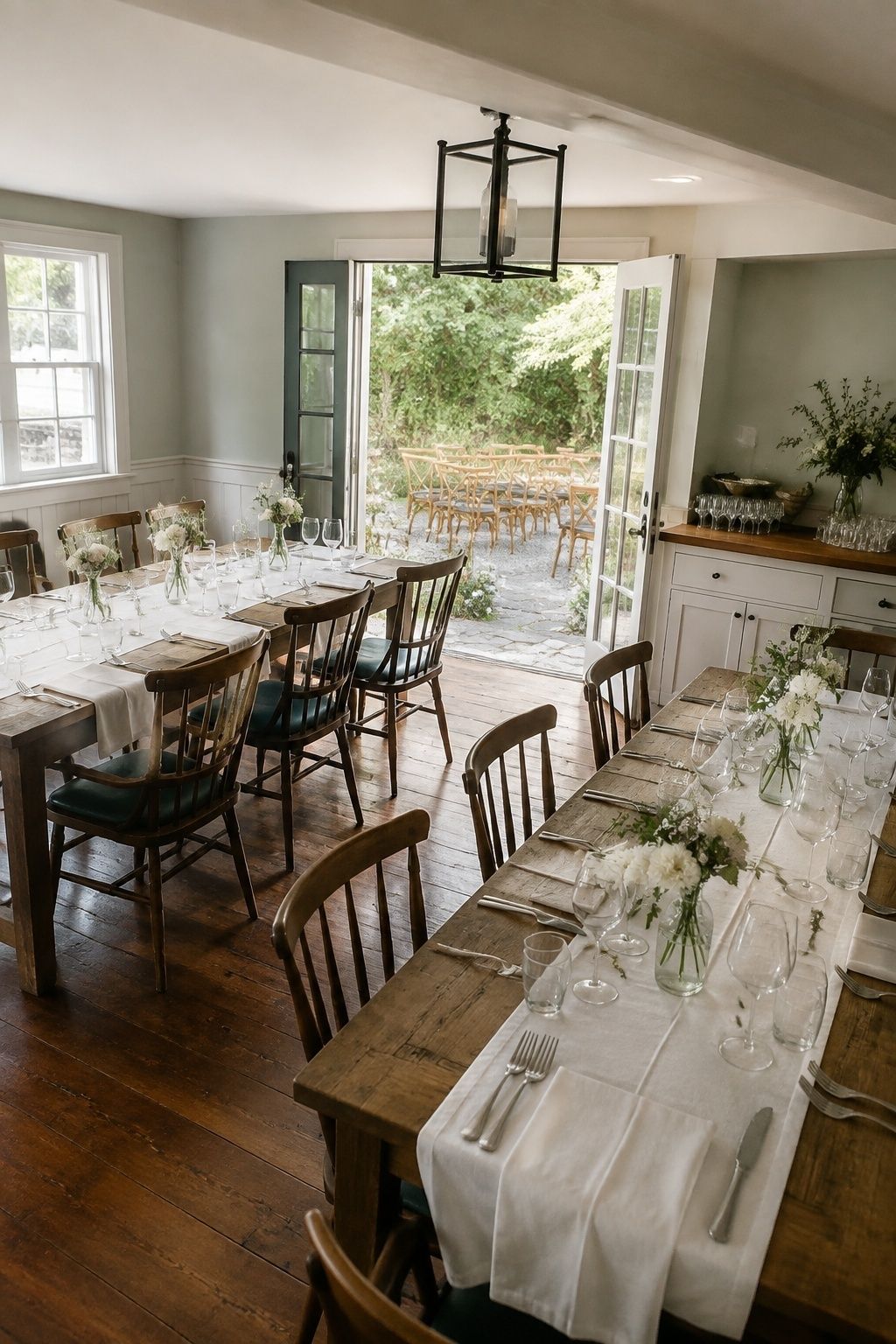
The simplest venue is the one that handles several jobs before you lift a finger, and a room with dinner tables already in place and doors opening onto a garden is a good example, since it gives you a ceremony spot outside, a reception inside and a rain plan in the same building. When you tour, ask what’s included: tables, chairs, linens, a kitchen or in-house catering, a coordinator, sound and an indoor backup. Every yes is a rental you don’t book and a vendor you don’t manage, and a slightly pricier venue that includes all of it often ends up cheaper than a bare barn that needs everything trucked in. Ask for the venue’s preferred vendor list as well, since those teams already know the building, the loading door and the kitchen.
3. Combine Ceremony And Reception Locations
Holding everything in one place cuts out a whole layer of logistics. Here’s what disappears when you do:
- Transportation between venues and the guest confusion that comes with it.
- A second set of decor, a second setup crew and a second timeline.
- The gap hour where guests wander around waiting for the next part.
- Extra vendor travel fees and parking problems.
If you love a church or a park for the ceremony, keep it, but then choose a reception place a short walk or drive away so the move stays easy.
4. Choose One Main Hosting Style
A wedding gets complicated when it tries to be a garden party, a formal dinner and a nightclub in the same evening, since each style needs its own decor, music, food and timing.
Settle on one main style, like a long dinner, a cocktail party or a relaxed backyard lunch, and let the other choices follow it. A dinner-party wedding needs good food, a long table and candles, and it can skip the dance floor rental, the DJ booth and the late-night snack truck without anyone feeling short-changed. Write the style in one line at the top of your planning hub, and check new ideas against it.
How Do You Make Fewer Wedding Decisions?
Keep everything in one place, decide in a sensible order and limit who gets a say. Making the same decision twice wears people out faster than anything.
5. Use One Checklist
Couples often end up with three checklists: one from a magazine, one from the venue and one from a mom who printed hers in 1994. They overlap, contradict each other and make you feel behind on tasks that don’t apply to your wedding at all.
Choose one list and cross out everything that doesn’t fit your size and style on day one. A 30-person dinner doesn’t need a welcome bag line, a shuttle line or a ceremony program line, and seeing those crossed out is a relief in itself.
Then add dates to what’s left, and stop downloading new lists. If a new idea pops up, it goes on the one list or nowhere.
6. Keep One Planning Hub
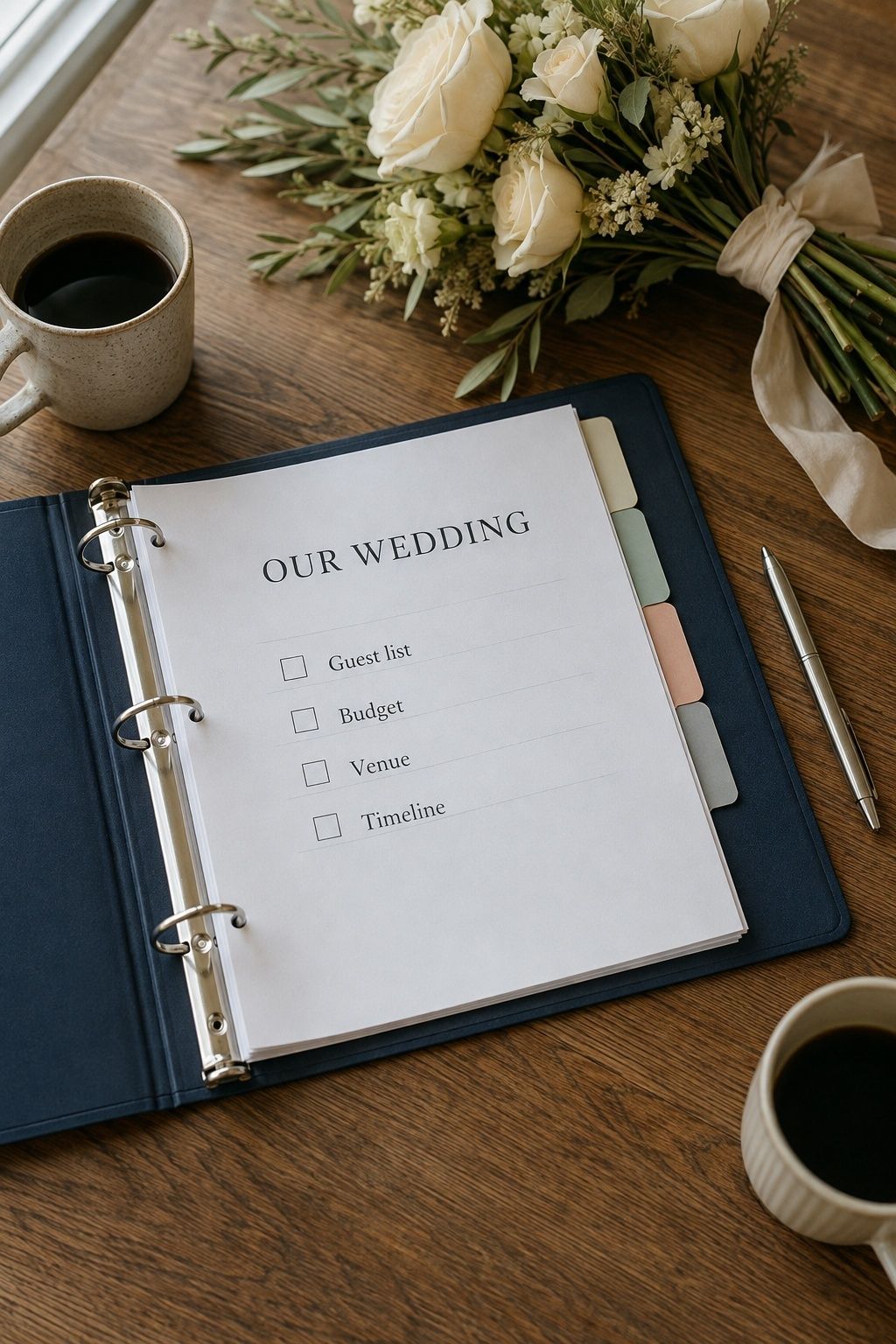
Pick one home for every contract, quote, budget line and guest address, whether that’s a shared spreadsheet, a folder on your phone or an old-fashioned binder with tabs like the navy one here. The format matters much less than the rule that both of you use the same one, because the real time-waster is hunting through email, texts and three different notes apps for the florist’s quote at 11 pm. Give each vendor a tab or a row with their contact, deposit date, balance due and final headcount deadline, and you’ll never have to ask “wait, did we pay the photographer?” again. Share it with the one friend or family member helping on the day, too, so they can answer vendor questions without calling you.
7. Decide In The Right Order
Some decisions lock in others, so making them in the wrong order means making them twice. A sensible order for most weddings:
- Budget and rough guest count.
- Date and venue.
- Caterer, if the venue doesn’t provide one, and photographer.
- Attire, officiant and music.
- Flowers, decor, stationery and the smaller details.
Choosing centerpieces before you’ve booked a venue is how people end up with forty vases that don’t fit the tables, and booking a dress before the date is set can mean a winter gown in July. Give each step a rough deadline and don’t open the next one until the one before is signed.
8. Limit The Number Of Opinions
Everyone will have an opinion, and each one you ask for is one you’ll have to answer. Agree as a couple on who actually gets a vote, usually just the two of you plus anyone contributing serious money on a specific item, and give everyone else jobs instead of votes.
When an unsolicited idea arrives, a friendly “thanks, we’ve already sorted that one” ends it without a debate. If the pressure keeps coming from family, there’s more on handling it in the FAQ below. The fewer people in the decision, the faster each one gets made, and you’ll still get plenty of input at the dress fitting whether you want it or not.
9. Stop Collecting Inspiration After A Decision Is Made
Once a decision is made, close the tab. Pinterest and TikTok are endless on purpose, and if you keep scrolling for centerpieces after you’ve ordered them, you’ll find twenty you like more and start second-guessing a perfectly good choice. Make a small folder of final picks for each category, send it to the vendor, and then stop saving new pins for that category entirely. The fastest way to calm down a wedding feed is to unfollow wedding accounts for a few weeks after the big bookings are done, and I promise the algorithm will survive without you.
Which Wedding Details Can You Simplify?
Decor, stationery, traditions, food and vendor handoffs. Each one can shrink without guests noticing anything missing.
10. Choose Fewer Decor Zones
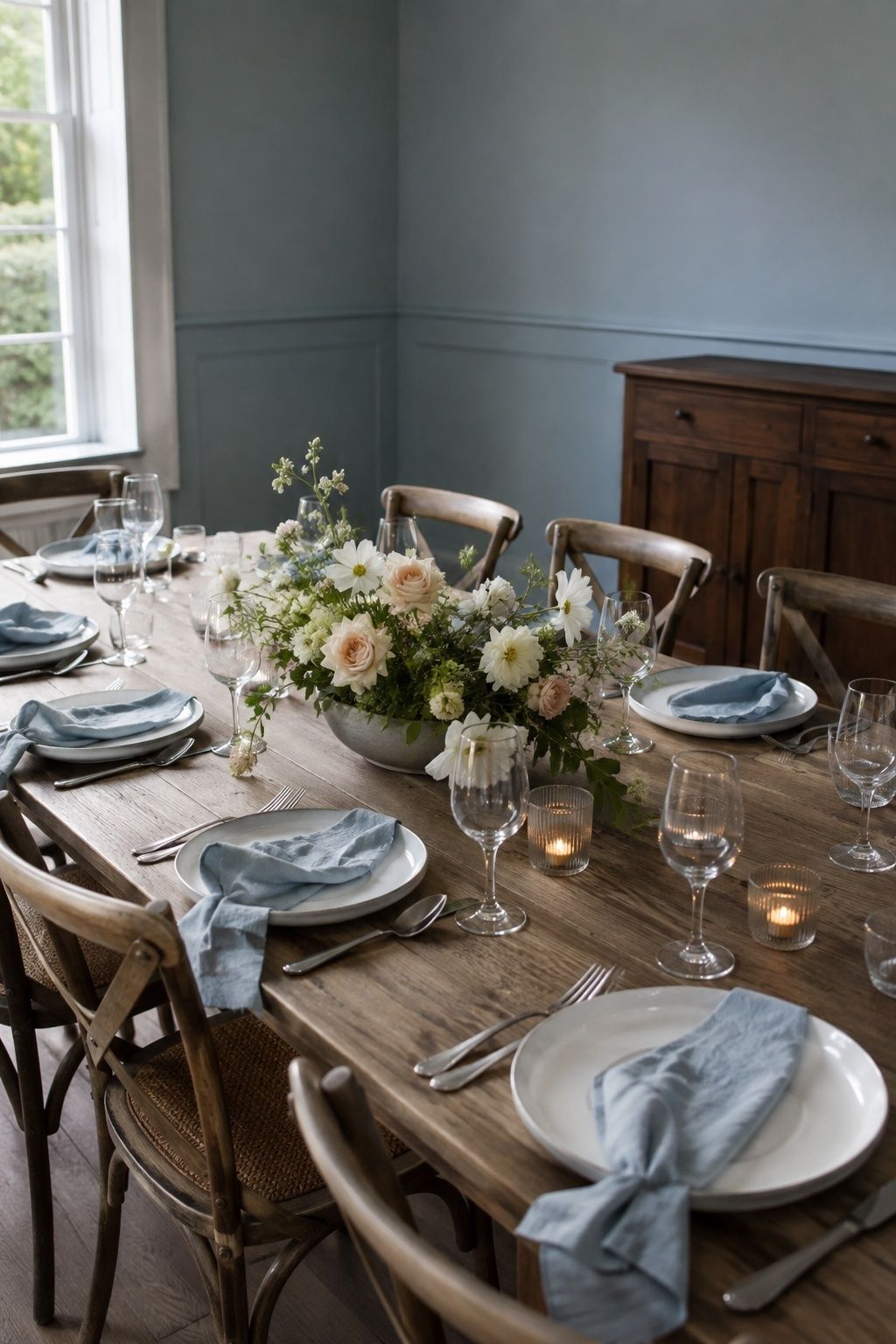
Instead of decorating every corner, pick three or four zones guests actually spend time in: the entrance, the ceremony spot, the dinner tables and maybe the cake or bar area.
The dinner table usually deserves the most, since guests sit there longest, and a pale room with low white florals and blue napkins down one long table already looks finished. Everything else, like the lounge, the bathrooms and the hallway, can stay as the venue left it.
Fewer zones also means fewer things to set up and pack away at midnight, which matters a lot when the setup crew is your friends and family.
11. Keep Stationery Lean
Stationery can quietly turn into a project of its own. A lean version covers everything guests need:
- One invitation card with the date, time, place and RSVP date.
- A wedding website for the details, directions, dress code and hotel info.
- Digital RSVPs, which save stamps and chasing.
- One menu card or one welcome sign on the day, not both plus a program.
Save-the-dates are optional for a local small wedding with three or four months’ notice, and one good paper card that people stick on the fridge does more than a five-piece suite nobody reads past the first page.
12. Cut Duplicate Traditions
Look through the day for traditions that do the same job twice, like a receiving line and table visits, a guest book and a photo booth album, or favors and a late-night snack. Keep the one you like and drop the other.
Traditions that don’t mean anything to you can go entirely. The bouquet toss, the garter toss and the cake smash are all optional, and skipping them frees up time in a timeline that’s always tighter than you think. Ask each other which ones you’d miss, and keep only those.
13. Choose A Simple Menu Structure
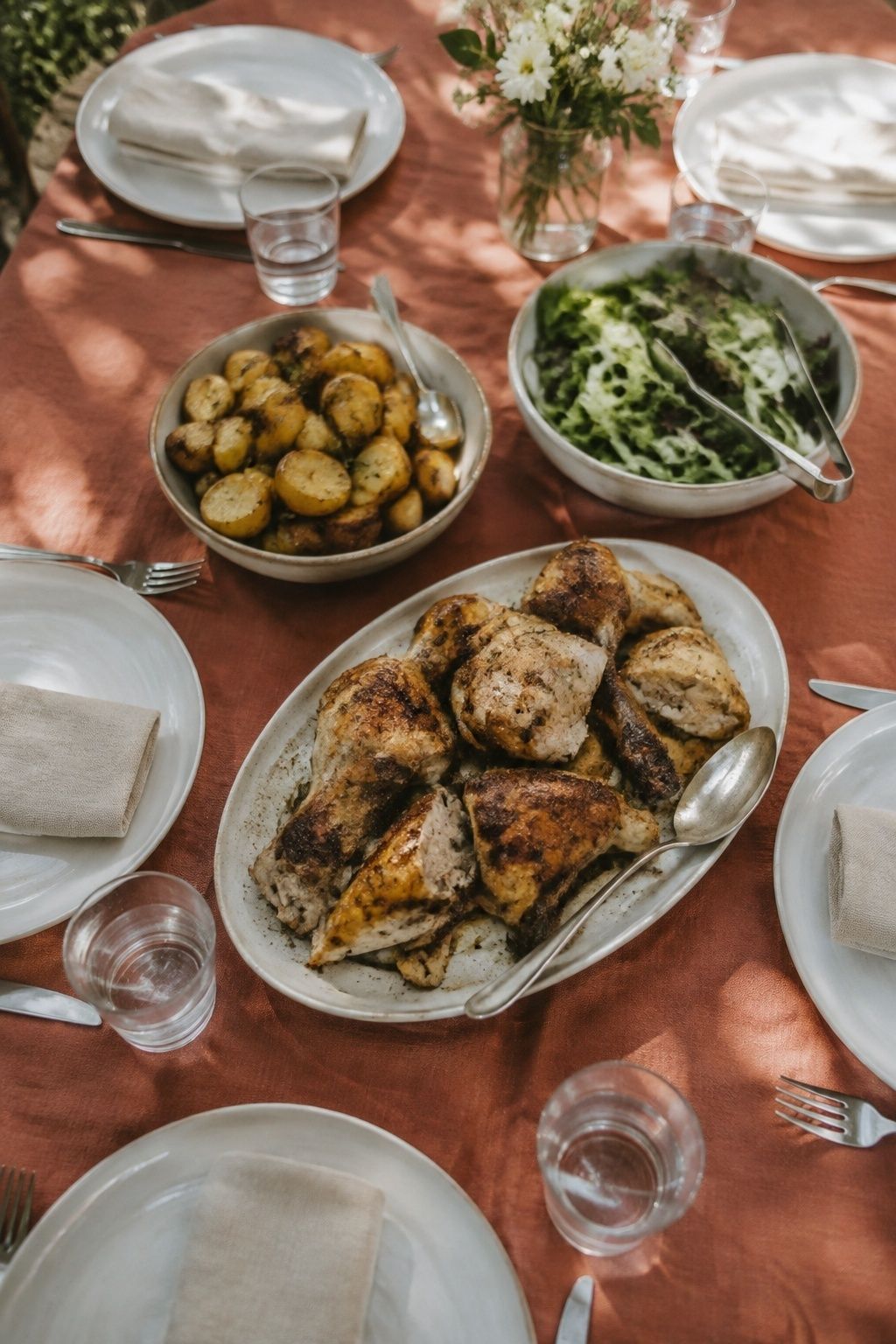
A simple menu structure is easier for the caterer, cheaper for you and usually tastier for guests, because the kitchen can focus on cooking a few things well.
One main with a vegetarian option, two sides, bread and one dessert is plenty, and family-style platters of roast chicken, potatoes and green beans like these remove the whole meal-choice question from your RSVP cards.
Collect allergies on the RSVP instead of meal choices, give the list to the caterer and let them handle it. That one change removes a spreadsheet column and a seating-chart headache.
14. Reduce Vendor Hand-Offs
Every vendor you add is another contract, deposit, call and arrival time, and every handoff between two vendors is a place where things go wrong, like the florist waiting for the rental company to deliver tables. Book vendors who cover more than one job when you can, such as a caterer who handles bar and rentals, a venue with a coordinator or a photographer who also shoots video. Then give one person the timeline and the vendor phone list on the day, so the questions go to them instead of to you in your wedding dress.
What Should You Never Cut?

Guest comfort, good food, a clear timeline and someone in charge on the day. Those four are what guests remember, and cutting them makes a simple wedding feel thin instead of calm.
Comfort is mostly small and cheap: shade and water for an outdoor ceremony, enough seats, a warm room, clear directions and a bathroom that’s easy to find. Rows of chairs under a big tree with carafes of water waiting on a tray take almost no budget and change how the first hour feels for everyone. Keep the photographer too, since a simple day still deserves good pictures.
How Do You Keep a Simple Wedding From Feeling Plain?
Put the money and care into a few things guests touch, eat or hear, and let the rest stay quiet. A long table with real napkins, candles and one great dish feels richer than a room full of small rented decor. Personal details do the rest: a handwritten note at each seat, a song that means something, a family recipe on the dessert table. A simple wedding feels plain when nobody paid attention to the small things, and money rarely fixes that.
What Mistakes Make Wedding Planning Harder?
The big ones are booking details before the venue, inviting more people “just to be safe”, saying yes to every vendor upsell, and planning alone when you have a partner who could take half the list. Another is keeping decisions open for weeks, which feels flexible and actually means thinking about the same question twenty times. For a broader starting point, see Wedding Planning Basics, or read the full guide on how to plan a small wedding.
How Long Does It Take to Plan a Simple Wedding?
A small, simple wedding can be planned comfortably in four to six months, and in a pinch in about three if the venue and caterer have your date free. The early weeks are the busy ones, since venue, food and photographer are the bookings that disappear first, and after that the work drops to an hour or two a week. Longer engagements don’t make the planning easier, they just stretch the same decisions over more evenings.
Should You Hire a Planner to Simplify Things?
A full planner is optional for a simple wedding, but a day-of coordinator is one of the most useful things you can pay for. They take the timeline, answer vendor questions, handle the setup and keep the schedule moving, so you’re not checking the cake delivery between photos. If that’s not in the budget, give the job to one calm, organized friend who isn’t in the wedding party, and hand them the vendor list a week before.
How to Simplify Wedding Planning FAQ
What is the easiest way to plan a wedding?
Choose a small guest list and one venue that includes catering, tables and a rain plan. Then make decisions in order, starting with budget, date and venue, and use one checklist and one shared hub for everything else.
How can you make wedding planning less stressful?
Make fewer decisions and limit who gets a vote. Setting a guest number early, closing the inspiration tabs once something is booked and giving family jobs instead of votes all cut stress fast. If family opinions are the main source, see this guide on family pressure wedding planning.
What can you cut from a wedding without guests noticing?
Duplicate traditions, extra decor zones, programs, separate favors, chair sashes and most signage. Guests notice the food, comfort and timing far more than any of those.
Is a small wedding easier to plan?
Usually, yes. Fewer guests means fewer invitations, RSVPs, seats and meals, and it opens up simpler venues like restaurants and private dining rooms that handle most of the work for you.
Key Takeaways
- Simplify the shape first: guest count, venue and hosting style.
- A venue with tables, catering and a rain plan removes whole vendor categories.
- Use one checklist and one shared planning hub for both of you.
- Make decisions in order and stop browsing once something is booked.
- Cut duplicate traditions, extra decor zones and extra stationery.
- Never cut guest comfort, good food, a clear timeline or a day-of point person.
If You Only Do One Thing, Cross Off a Whole Category
Open your checklist tonight and cross off one entire category you don’t need, like favors, programs, a second venue or a photo booth, and tell your partner it’s gone for good. Removing one whole category does more for your sanity than trimming twenty small things, and it’s the quickest way to feel what simple wedding planning is like before you commit to more.
Last update on 2026-11-29 / Affiliate links / Images from Amazon Product Advertising API