

Family pressure wedding planning gets easier when you decide privately what belongs to you, what belongs to family helpers, and which requests need a kind final answer instead of another debate.
Pressure usually gets louder when a wedding is small because each choice is visible. A guest-list limit, a private ceremony, a simple reception, or a skipped tradition can feel personal to relatives who expected a more familiar version of the day. That does not mean you are wrong. It means the boundary needs to be clear enough to survive disappointment.
The goal is not to win every argument. The goal is to protect your relationship, your budget, your actual wedding vision, and the new family unit you are forming. Warmth helps, but warmth without a boundary turns into repeat negotiations.

Recommended Wedding Products


You Might Also Like These Blog Posts
- Wedding Guest List Family Pressure: How To Set Boundaries Kindly
- How To Handle Wedding Opinions From Family Without Handing Over The Whole Wedding
- How To Plan A Wedding Without Pleasing Everyone And Still Feel Kind
- Is A Wedding Worth The Money When You Want Meaning More Than Pressure
- How To Keep Wedding Planning Romantic When Your To-Do List Has Other Plans
- Wedding Family Boundary Mistakes That Quietly Take Over The Day
Family Pressure Wedding Planning Can Feel Loud, But Your Boundaries Can Stay Clear
Start by naming the kind of pressure you are dealing with. Some relatives push guest count. Some push money decisions, ceremony traditions, wardrobe choices, vendor opinions, seating plans, family roles, or a larger reception than you want. When everything is labeled as “family drama,” it feels impossible to solve. When each issue has a category, you can decide what response it deserves.
A helpful first move is to separate opinions from decisions. Family opinions during wedding planning may be welcome in some areas, such as song ideas, family photo lists, or favorite dessert memories. Final decisions belong to the couple unless you have chosen to give someone a specific lane. The difference needs to be visible before emotions rise.
Define Your Couple Non-Negotiables First
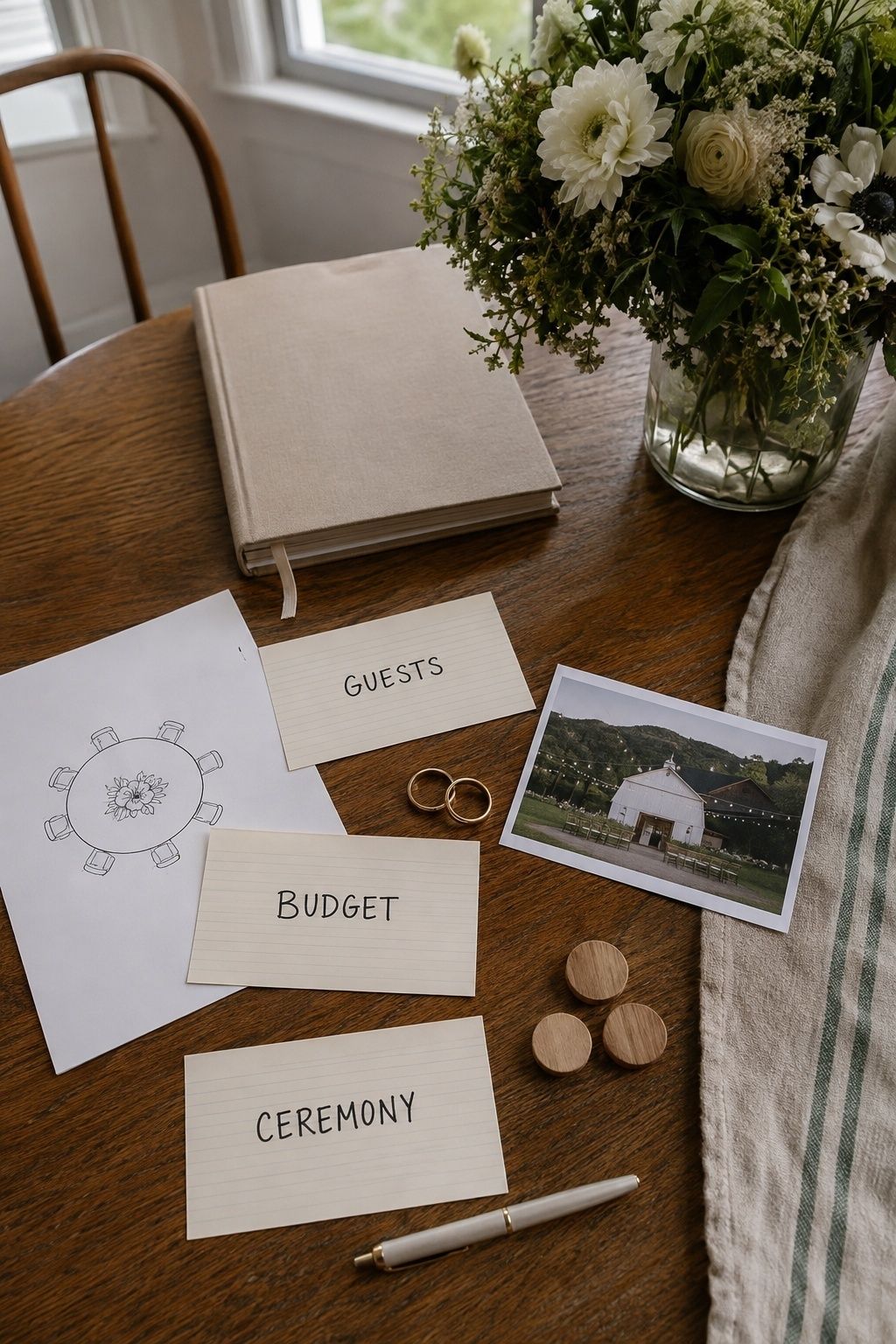
Before you manage parents, in-laws, siblings, or extended relatives, sit together and decide what you will not trade away. Your non-negotiables might include the guest count, total budget, ceremony tone, venue size, alcohol choice, religious elements, privacy level, or whether the wedding stays small.
Keep the list short. If everything is non-negotiable, every family conversation becomes a standoff. Choose the few decisions that would make the day feel wrong if they changed, then let less important preferences stay flexible. That gives you a calmer way to say yes sometimes without surrendering the heart of the wedding.
Give Family Members Clear Lanes
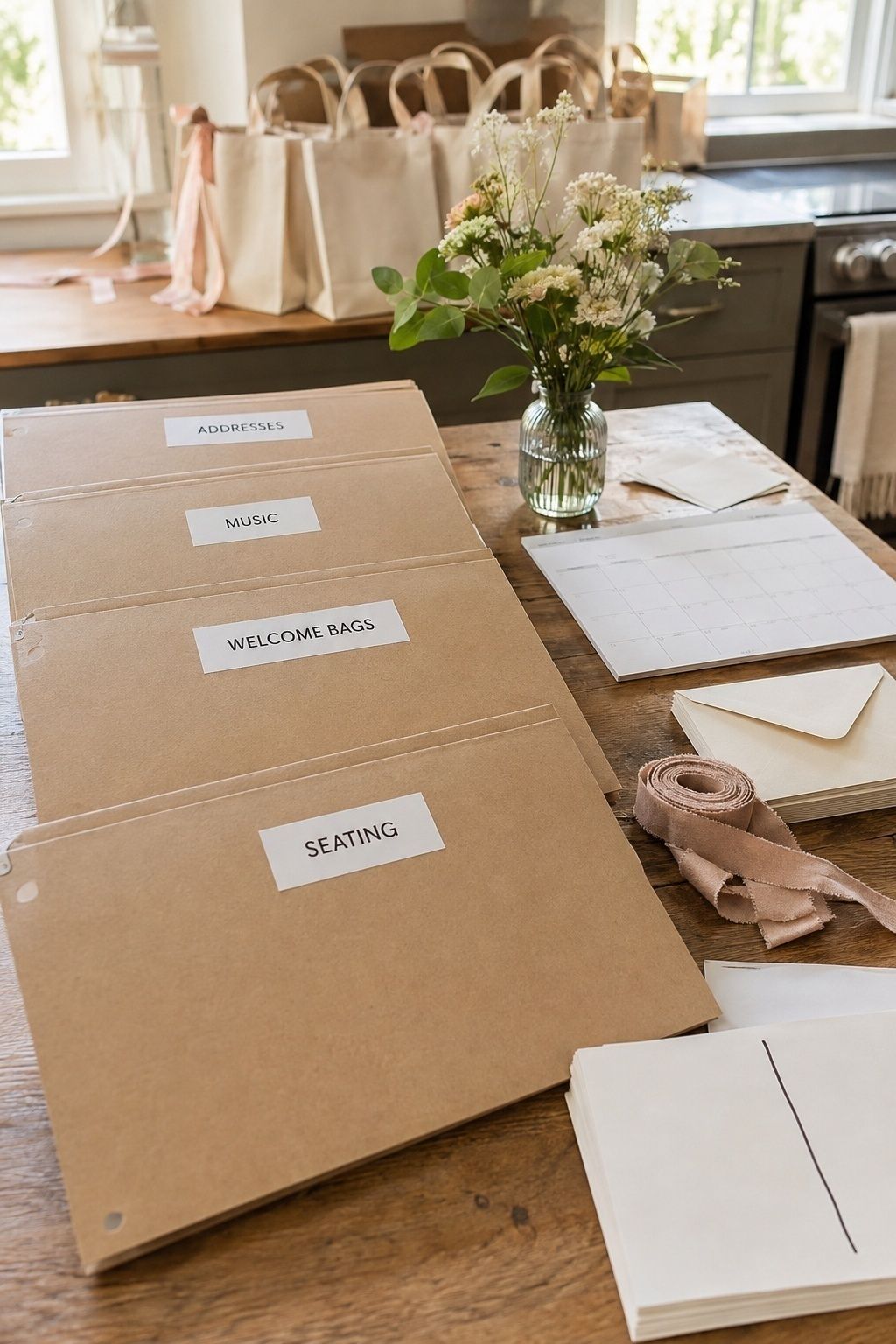
Wedding planning family expectations often grow in empty space. If no one knows where they are allowed to help, relatives may start helping everywhere. Give each involved person a lane with a beginning and an end: rehearsal dinner ideas, hotel suggestions, family addresses, cultural music options, welcome bags, or one parent-hosted guest list draft.
A lane is not a blank check. It should include the decision owner, budget limit, deadline, and what happens after they send their input. For example, a parent can suggest family table groupings by Friday, while you and your partner make the final seating chart the following week.
Let Each Partner Lead Their Own Parent Conversations
Wedding planning conflict with parents becomes harder when one partner is constantly positioned as the reason a family cannot have what it wants. As much as possible, each partner should lead the harder conversations with their own parents. The message should still come from both of you, but the delivery lands differently when it comes from the child in that family.
Before either conversation happens, agree on the exact decision, the reason you are willing to share, and the sentence that closes the topic. The partner leading the conversation should not improvise a softer maybe if the decision is already final. A united answer now prevents a private resentment later.
Clarify Money Before It Turns Into Control

Money can be generous, complicated, or both. If family is contributing, ask what the contribution means before you spend it. Is it a gift with no decision rights? Is it meant for a specific item, such as catering or flowers? Does it come with expectations about guest count, traditions, venue, or vendor choice?
If the money has strings you cannot live with, you may need to decline it, reduce the wedding, or accept only a specific amount for a specific category. Wedding planning parents pressure often softens when the financial agreement is written down in plain language. It becomes much harder for anyone to revise the deal from memory.
Put Decisions In Writing Without Making It Formal

Written decisions are not cold. They are kind to everyone’s memory. After a conversation, send a short note that confirms the outcome: the guest number, budget boundary, role, deadline, or final answer. This can be a text, email, shared planning note, or printed page in a wedding binder.
Written follow-up is especially useful for guest counts, seating plans, ceremony roles, outfit expectations, and who may contact vendors. If a relative later says they thought something was still open, you can return to the written decision instead of re-arguing the whole emotional history behind it.
Protect A Small Wedding From Slow Expansion

Small wedding family pressure often arrives one exception at a time. One cousin, one neighbor, one former coworker, one parent’s close friend, one child who “will not need a seat.” The problem is rarely one person. The problem is that every exception creates the next request.
Set a real guest count and connect it to practical limits: room capacity, dinner layout, budget, ceremony intimacy, or the kind of hosting experience you want. Then decide whether each family gets a fixed number of invites, a review-only suggestion list, or no additions at all. Do not leave the number vague.
Separate Traditions From Control
Traditions deserve a slower conversation than random preferences. A family ceremony element, cultural ritual, religious reading, heirloom, dance, or blessing may carry real meaning. Ask what the tradition represents before deciding whether it belongs in the wedding. Sometimes you can honor the meaning in a smaller form.
Control sounds different. It usually comes with ultimatums, public guilt, comparison, or the idea that your wedding is a referendum on family loyalty. If a request would make the day feel untrue to you, you can acknowledge the tradition and still decline the version being demanded.
Handle In-Laws With Unity, Not Avoidance
In-laws wedding planning boundaries work best when they are not treated as one person’s burden. Your partner should usually lead with their family, but you both need to agree on the boundary first. Otherwise, one person absorbs the pressure while the other stays safely vague.
If an in-law keeps pushing after a decision, your partner can say, “We have talked about it together, and this is what we have chosen.” That sentence matters because it removes the opening for relatives to split the couple into the flexible one and the difficult one.
Allow Disappointment Without Reopening The Decision
Relatives are allowed to be disappointed. They may have pictured a larger wedding, a different ceremony, more family roles, or a more traditional reception. Their disappointment does not automatically mean you need to revise the plan. It may simply mean they need time to adjust.
Try not to rescue every uncomfortable feeling with another compromise. A calm response can be both loving and closed: “I know this is not what you expected. We understand why it feels hard. We have made this decision carefully, and we hope you can support us.” Then stop explaining.
Stop Repeated Debates With A Final-Answer Rule
Repeated debates are a sign that the conversation has become a pressure loop, not a planning need. Choose a final-answer rule for topics that keep returning. You might discuss a major concern twice: once to understand it, once to answer it. After that, you repeat the decision without adding new reasons.
This is especially important for wedding boundaries with relatives who treat every explanation as an invitation to negotiate. More detail can make the boundary weaker. A shorter answer, repeated consistently, often protects the relationship better than a long defense that changes slightly each time.
Bring In Outside Support When The Pattern Gets Too Heavy
Some family pressure is too intense for the couple to carry alone. A planner, coordinator, premarital counselor, officiant, trusted elder, or neutral family mediator can help when relatives ignore capacity limits, threaten to withdraw money, contact vendors behind your back, or turn every wedding choice into a loyalty test.
Outside support is not a failure. It gives the couple a steadier structure and sometimes gives relatives a less emotional person to hear. If the wedding is becoming a proxy fight for old family patterns, getting help early can protect both the event and the marriage you are preparing for.
FAQ
How Do You Handle Family Pressure While Wedding Planning?
Handle family pressure by deciding your couple priorities first, then giving relatives clear roles, deadlines, and limits. Listen once for the concern underneath the request, answer with a shared decision, and avoid turning every comment into a new planning meeting. If a topic keeps returning, repeat the decision calmly instead of adding more explanations.
How Do You Set Boundaries With Parents During Wedding Planning?
Set boundaries with parents by being specific about what they can influence and what is already decided. Give them a lane, such as gathering family addresses or suggesting a limited guest list, but keep final approval with the couple. Confirm important decisions in writing so everyone has the same memory later.
What If Family Is Paying And Wants More Control?
If family money comes with control, pause before spending it. Clarify whether the contribution is a gift, a payment for a specific item, or an exchange for decision input. If the conditions would change the wedding in a way you resent, consider declining the money, reducing the budget, or accepting only a clearly defined contribution.
How Do You Deal With In-Laws During Wedding Planning?
Deal with in-laws by agreeing as a couple first, then having your partner lead the main conversation with their own parents. You can be present and supportive, but the boundary should not make you the outsider blocking their family. Keep the message united, brief, and consistent when follow-up questions come.
How Do You Keep A Small Wedding When Family Wants A Bigger One?
Keep a small wedding by choosing a firm guest count before family lists begin. Tie that count to real limits, such as venue size, dinner layout, budget, or the intimate feeling you want. If you allow family additions, give each side a fixed number and a deadline instead of reviewing endless one-person exceptions.
When Should You Stop Discussing Wedding Plans With Difficult Relatives?
Stop discussing a wedding plan when the decision is final, the concern has been heard, and the conversation has become repetitive pressure. You can say, “We have talked this through and are not reopening it.” Then redirect to something they can help with or end the conversation kindly if they keep pushing.
Final Thoughts
Family pressure can make a wedding feel like a public vote on your choices, but the day still belongs to the two people getting married. Keep your decisions written, your partner aligned, your family roles specific, and your explanations shorter than your boundaries. A small wedding can hold love, tradition, and tenderness without becoming open to every request.
When guest count is the pressure point, name the number early, explain the practical limit once, and let parents know exactly where their input fits before save-the-dates or invitations create new expectations around guest-list pressure from parents.
Last update on 2026-10-03 / Affiliate links / Images from Amazon Product Advertising API