

Wedding regrets usually come from stress, missed time, missing memories, uncomfortable guest choices, or details that mattered less than expected once the day was over.
Most couples do not need a scarier wedding plan. They need a calmer way to notice which choices will still matter after the flowers are gone, the playlist is quiet, and the photos arrive. The biggest wedding regrets are rarely about one imperfect napkin or a centerpiece that leaned slightly to one side. They are usually about presence, people, comfort, and memory.
This is especially true for small weddings. When the guest list is intimate, every conversation, meal, seating choice, and timeline pause feels more visible. A thoughtful plan cannot prevent every tiny ache, but it does lower the odds of looking back and wishing the day had felt more like yours.
Recommended Wedding Products


You Might Also Like These Blog Posts
- How To Plan A Wedding When You Work Full Time And Still Have A Life
- How To Plan A Wedding In One Year Without Turning It Into A Full-Time Job
- Will I Regret Having A Small Wedding Or Just Regret Not Trusting Myself
- How Long Does It Take To Plan A Wedding Without Losing Your Mind
- How To Plan A Wedding Without Pleasing Everyone And Still Feel Kind
- How To Plan A Wedding Under 20000 Without Making It Feel Bare
Wedding Regrets That Are Worth Planning Around
The healthiest regret-prevention plan starts with one honest question: what would feel painful to miss? Not what would look impressive, what would satisfy every opinion, or what would prove that the wedding was planned correctly. What would feel painful to miss when you remember the day five years from now?
For some couples, the answer is photos of grandparents. For others, it is a slow dinner, private vows, time on the dance floor, enough room for divorced parents to feel settled, or a reception that does not swallow the couple in logistics. Those answers deserve more protection than trends.
It also helps to separate emotional regret from ordinary imperfection. A rain shower, a missing candle, or a speech that ran long may become part of the story. A day spent hungry, rushed, unsupported, or pulled away from the people you love lands differently. That is the layer worth planning around.
| Regret pattern | What it usually means | Planning adjustment |
|---|---|---|
| Stress | The couple carried too many decisions on the day | Name a point person before the final week |
| Missed guests | Proximity did not create real time | Plan table visits, a welcome toast, or a hosted meal rhythm |
| Missing memories | Photo priorities were vague | List the people and moments that matter most |
| Awkward room dynamics | Guest list or seating choices felt pressured | Protect emotional fit before adding seats |
| Low-impact spending | Money moved toward details that did not change the feeling | Fund comfort, memory, and meaning first |
Regretting The Stress More Than The Small Imperfections
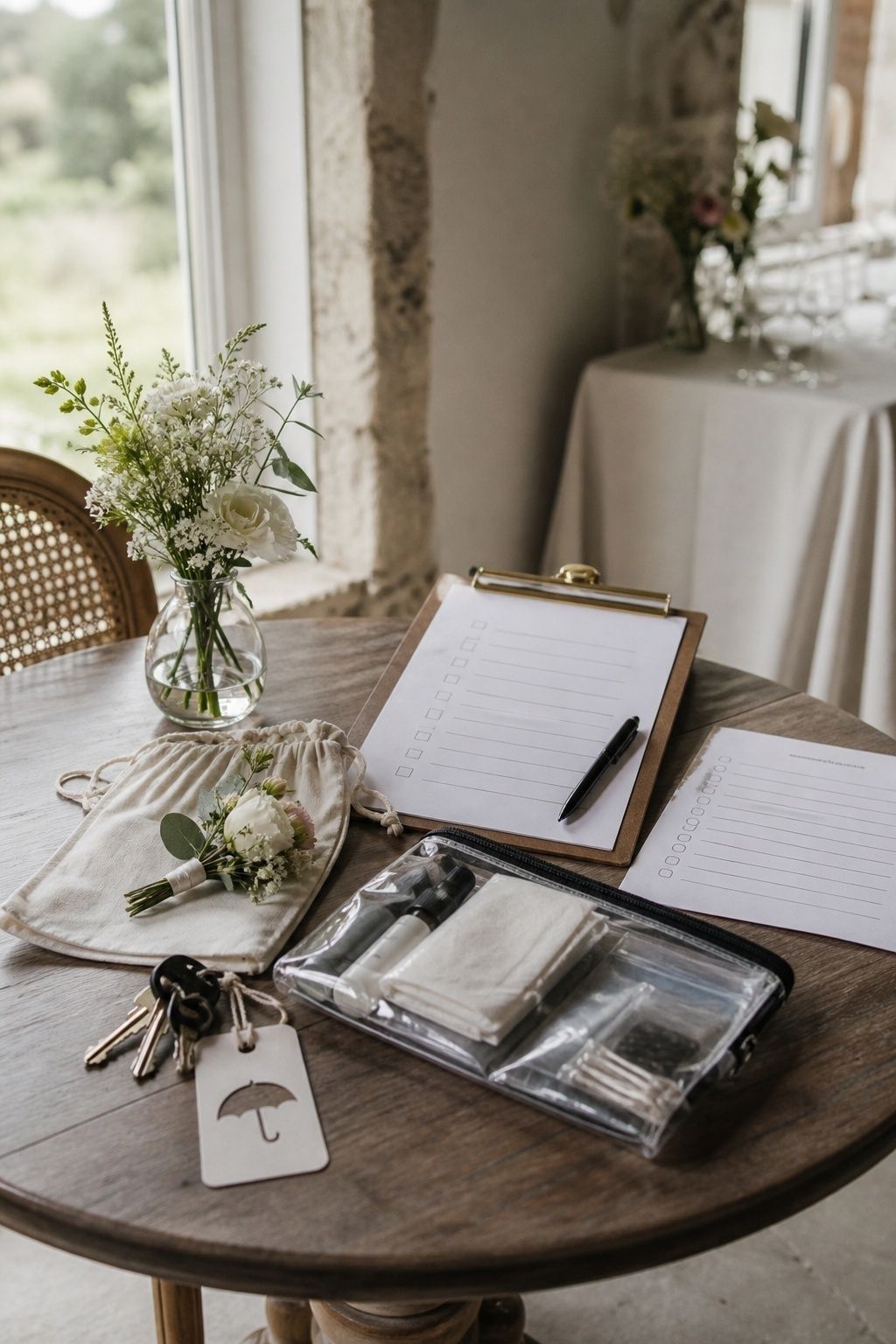
One of the most common wedding regrets is not that something went wrong. It is that the couple felt so tense waiting for something to go wrong that they barely experienced what was going right. A late boutonniere, a damp hem, or a changed seating card should not have enough power to steal the whole day.
Build the plan around lower-pressure handoffs. Give one trusted person the vendor phone numbers, final payment details, ceremony items, and cleanup decisions. Decide which small problems deserve action and which deserve a shrug. Perfection asks you to supervise everything. Presence asks you to trust the plan and return to the room.
A small wedding still benefits from a written owner list. Name who answers vendor questions, who watches the ceremony bag, who knows the rain decision, and who has permission to solve a small issue without interrupting you. The list may be short, but it changes the emotional weight of the morning.
Not Protecting Time With Guests And Family
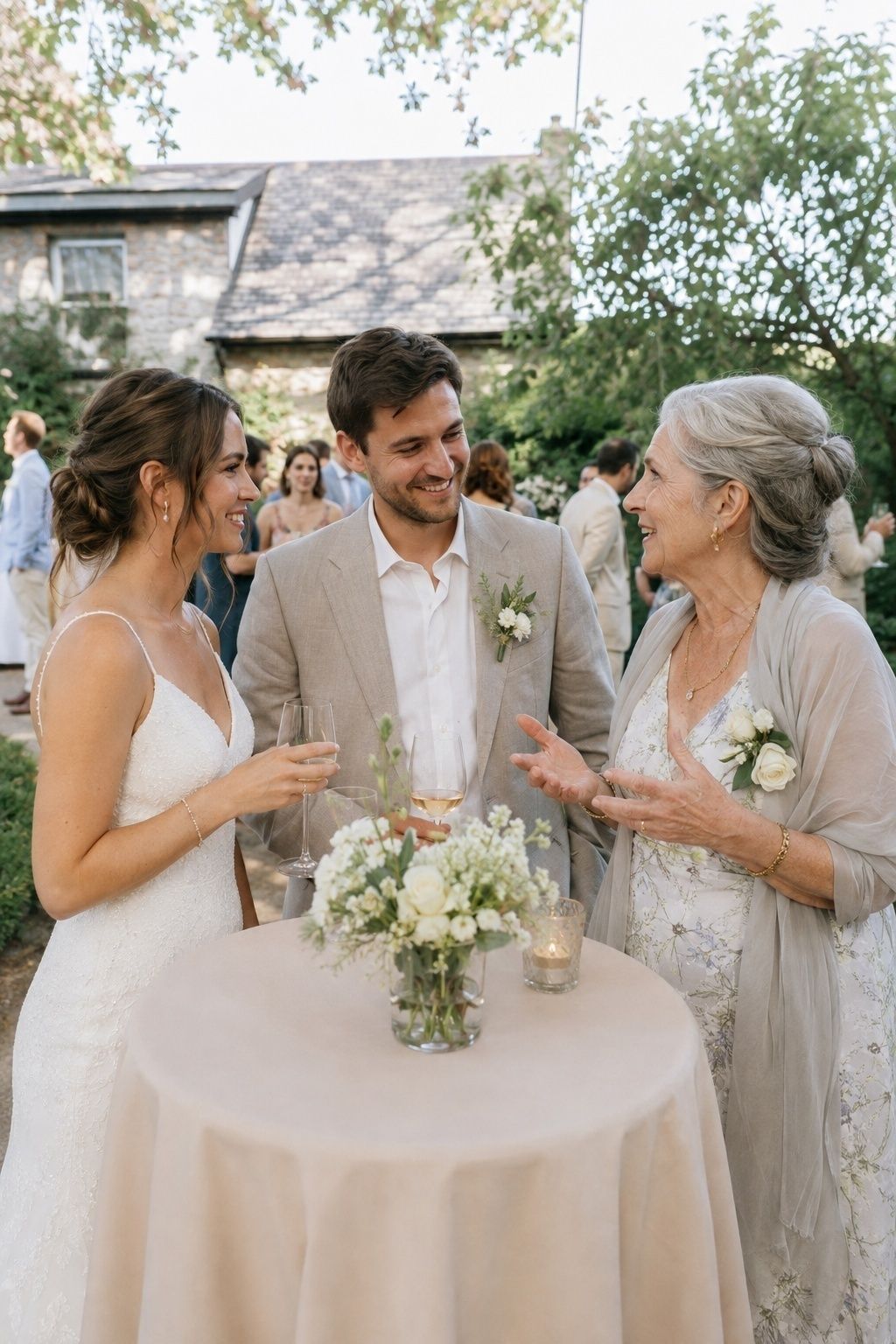
Small weddings create a comforting illusion: because there are fewer people, meaningful time will happen naturally. Sometimes it does. Other times, portraits, dinner service, outfit changes, speeches, and nerves fill the available space, and the couple realizes later that they barely spoke to people who traveled to be there.
Protect guest time on purpose. Add a short welcome drink before portraits, visit tables between courses, schedule family photos efficiently, or host a next-morning coffee for out-of-town guests. The goal is not a rigid receiving line. It is enough structure that closeness does not get left to chance.
If one relative or friend matters deeply, write their name into the timeline as plainly as a portrait cue. That may mean a first look with a parent, a seated conversation during dessert, or a quiet hug before the ceremony. The most meaningful moments often need less production and more permission.
Missing Photos, Video, Or Candid Memories Of Important People
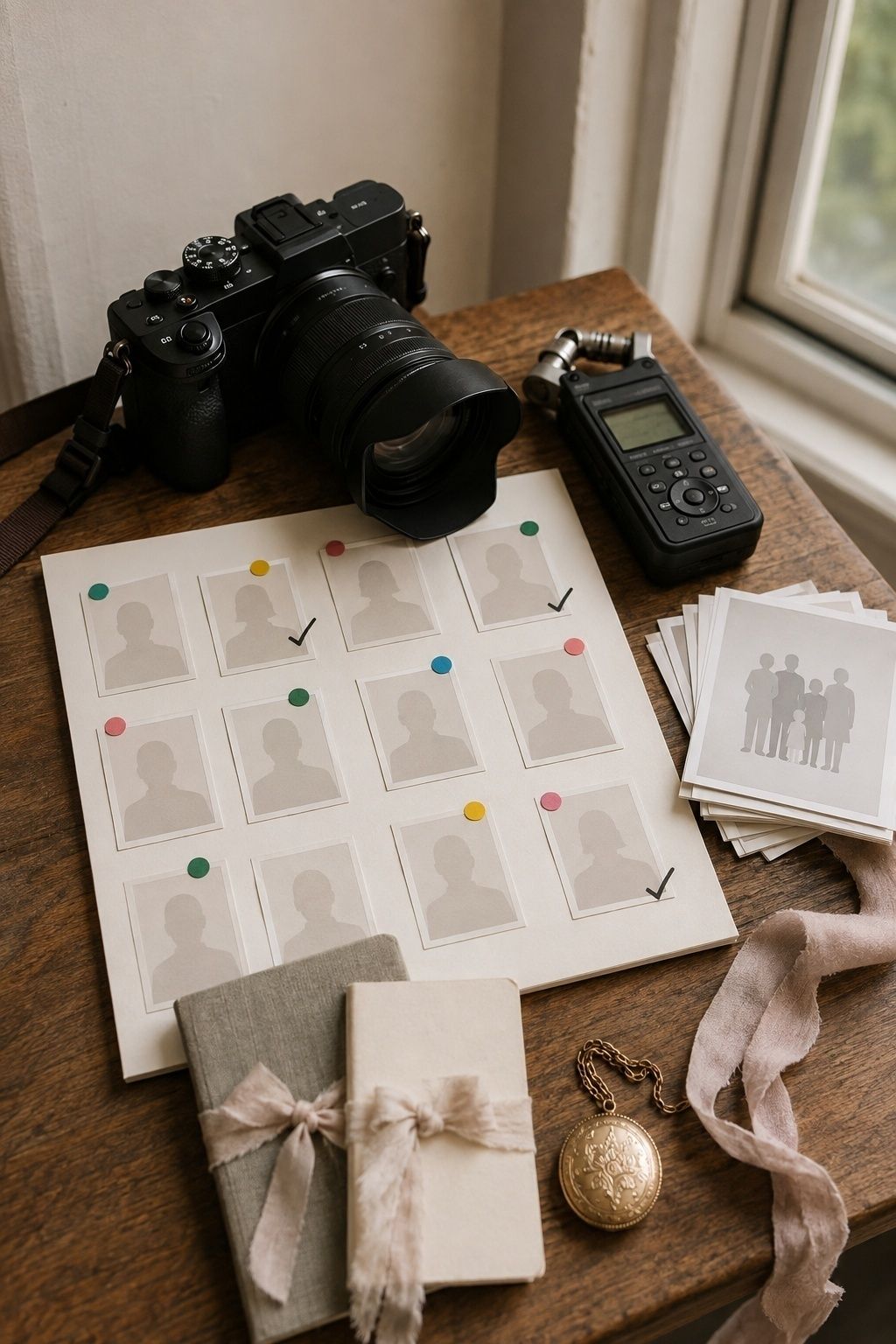
Wedding photo regrets often come from vague priorities. The photographer may capture beautiful scenes and still miss the people who mattered most if no one names them clearly. Grandparents, siblings, childhood friends, chosen family, handmade details, and quiet in-between moments deserve a place on the memory list.
This does not mean building a punishing shot list. Choose the irreplaceable people and moments, then share that short list with the photographer and one family wrangler. If video matters, decide early rather than adding it in panic. Memory spending makes sense when it protects what cannot be recreated.
Think past the couple portraits. Ask for a few frames of the table before dinner begins, your hands around the vows, older relatives greeting each other, friends laughing during setup, and the room after everyone sits down. These ordinary images often become the ones that bring the day back.
Choosing A Guest List Or Seating Plan That Did Not Feel Comfortable
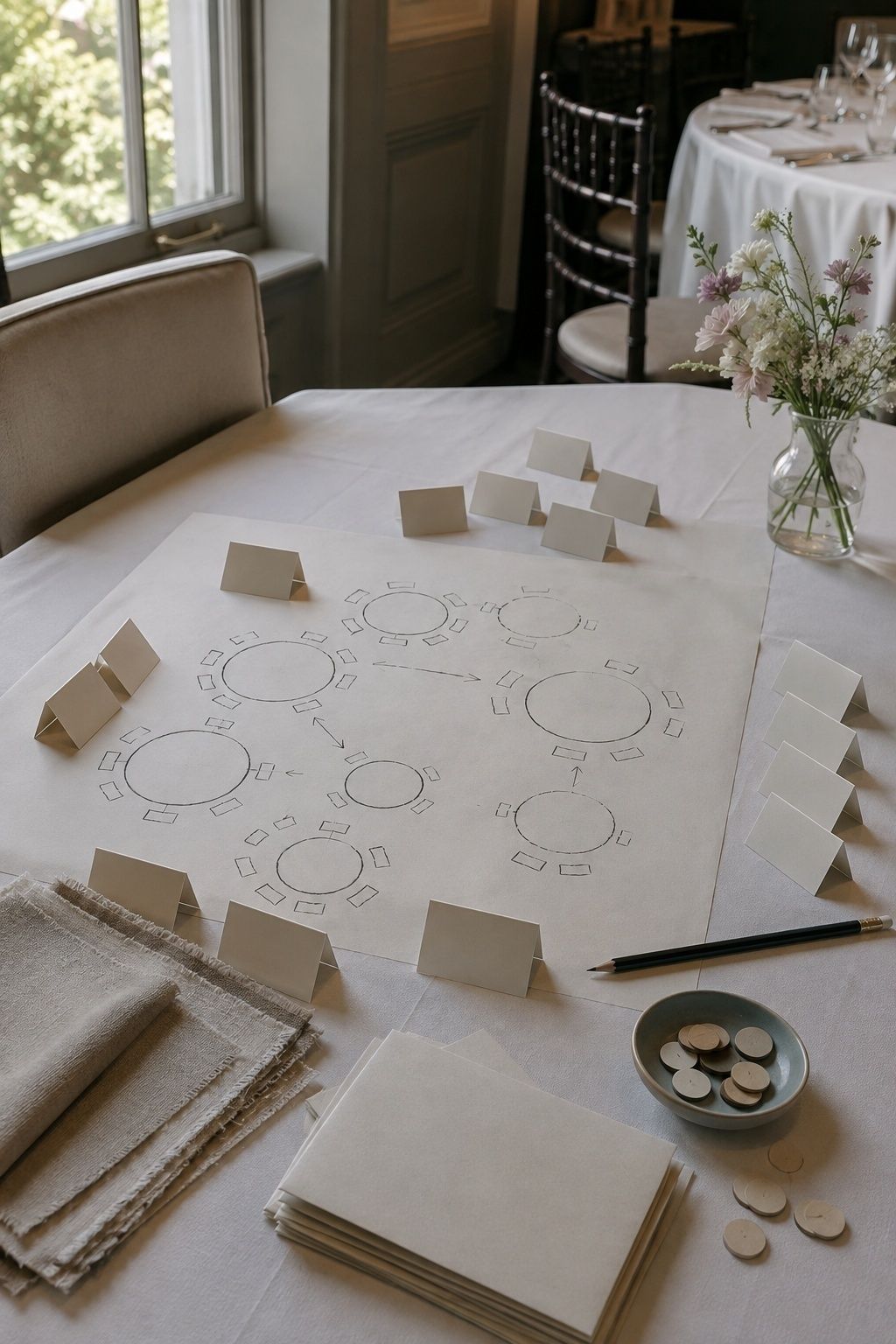
Things couples regret about their wedding often include guest choices made from guilt. One extra invitation may seem harmless, but a small room changes quickly. The energy shifts when the couple adds people who require emotional management, change the budget, or make others feel guarded.
A seating plan has the same power. Do not treat it as a late puzzle of names and chairs. Think about who relaxes together, who needs space, who should feel honored, and who should not be placed in the middle of unresolved tension. Comfort is not dramatic. It is hospitality.
Not Eating, Resting, Dancing, Or Taking In The Reception
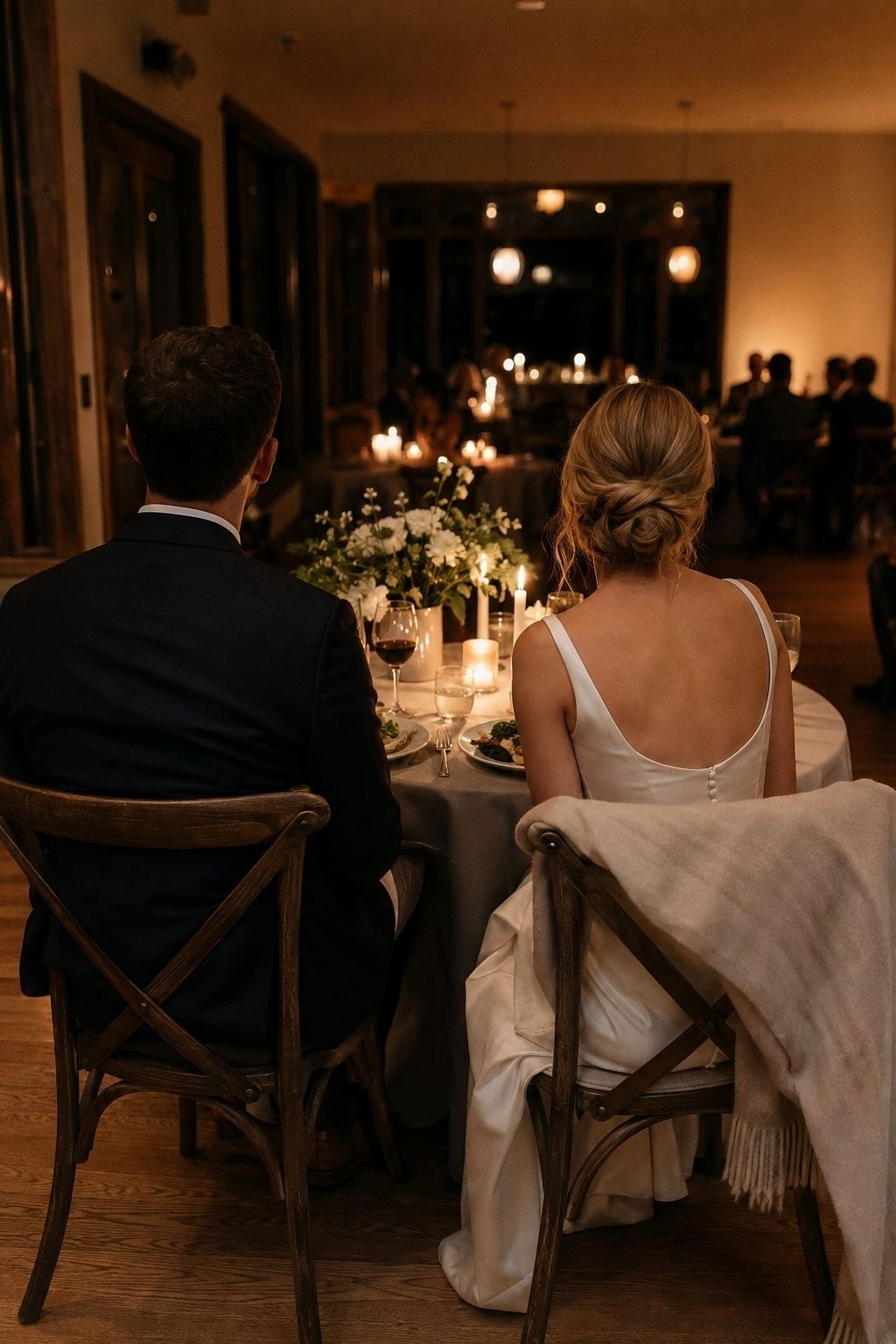
Many bride regrets after wedding celebrations sound simple: I wish I ate the meal. I wish I danced more. I wish I sat down. I wish I looked around. These are not silly regrets. They point to a day where the couple became hosts, subjects, and managers, but not participants.
Plan participation like any other important detail. Ask the caterer to plate food for you first, choose a private snack before the ceremony, schedule ten quiet minutes after portraits, and give the DJ or band a few songs that pull you back to the floor. Your wedding should not happen around you.
Spending Too Much On Details That Did Not Change The Feeling
Low-impact spending is one of the quieter wedding day regrets to avoid. Couples often remember the meal, the music, the vows, the photos, the people, and whether everyone felt cared for. They may not remember the upgraded charger plates, the extra favor layer, or the tiny decor item that consumed three planning nights.
Before adding an upgrade, ask what it improves. Does it make guests more comfortable? Does it protect memory? Does it make the room feel more like the two of you? Does it lower stress? If the answer is mostly “it might look nice,” place it behind the choices that shape the lived experience.
Letting The Day Become A Photo Schedule Instead Of A Lived Experience
Photography matters, and good photos often become one of the happiest wedding lessons learned. But a day that is planned only around images may leave the couple feeling like they visited their own wedding in short, posed intervals. The photo plan should protect memories, not replace them.
Talk through the tradeoffs before the timeline is final. Golden-hour portraits may be worth stepping away for ten minutes. A long staged session during dinner may not be. Give the photographer your priorities, then protect room to laugh, eat, hug, listen, and notice the party as it is happening.
Skipping Private Time Together Before The Night Ends
A small private pause may sound unnecessary at an intimate wedding, but it is often the thing couples wish they had protected. The day moves fast even with thirty guests. Without a planned pause, the couple may go from ceremony to portraits to dinner to speeches to goodbyes without ever standing together long enough to feel the change.
Choose one quiet moment that is only for you. It might be private vows before the ceremony, a five-minute room reveal, a walk after dinner, or a last dance after guests step out. Put it on the timeline and tell the coordinator or point person. A memory does not need to be large to be permanent.
Not Asking For Help With The Final Handoff
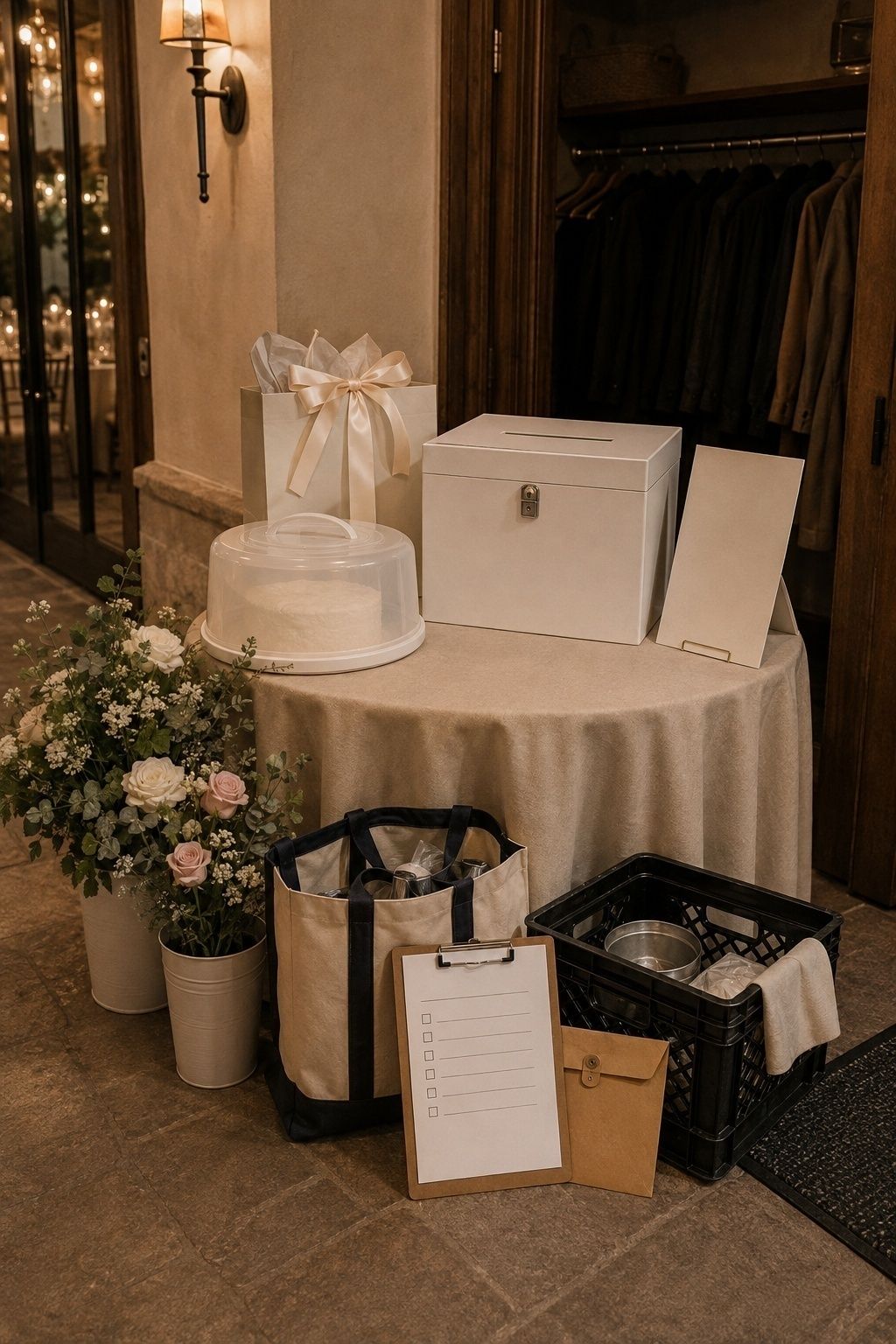
The final hour creates more regret than couples expect. Cards, gifts, flowers, leftover cake, rentals, personal bags, signage, marriage license details, vendor pickups, tips, and cleanup decisions all need a destination. If the couple owns every answer, the night ends in logistics instead of goodbye hugs.
Assign the final handoff before the wedding week. One person handles cards and gifts. One person gathers personal items. One person knows vendor pickup rules. One person has the emergency contact list. These jobs are not glamorous, but they protect the couple from ending a meaningful night as the loading crew.
A Regret-Prevention Check Before You Finalize Plans
Before the final deposits, run a simple regret-prevention check together. Ask what you most want to remember, who needs intentional time, what would make guests uncomfortable, what decision is being made from pressure, and what job still lives in your head because no one else has claimed it.
This check is not meant to produce a flawless wedding. It is meant to bring the plan back to memory, comfort, people, meaning, and ease. If an expensive detail does not serve one of those things, it may be less important than it feels tonight. If a quiet choice does serve them, it deserves protection.
FAQ
What do couples regret most about their wedding?
Couples most often regret feeling too stressed to enjoy the day, missing time with guests, not getting enough meaningful photos or video, spending on details that did not change the feeling, and personally handling logistics. At a small wedding, guest time, seating comfort, and emotional ease matter even more.
What do brides wish they had done differently?
Many brides wish they had eaten, rested, protected a private moment, asked for more help, named photo priorities, or worried less about tiny imperfections. Some also wish they had been firmer about guest list pressure, family expectations, or upgrades that looked urgent during planning but mattered less afterward.
Is it normal to have wedding regrets?
Yes, it is normal to have a few wedding regrets. A wedding is emotional, expensive, fast-moving, and full of people. Small regrets do not mean the day failed. The goal is to prevent the bigger regrets around stress, missed memories, guest comfort, and choices that did not fit the couple.
What wedding regrets can you prevent?
Many preventable wedding regrets start with planning ownership, photo priorities, guest flow, food, seating, timeline pressure, and cleanup. Every emotion and small imperfection will not be controllable, but a realistic timeline, delegated final tasks, protected relationships, and memory-led spending make the day easier to inhabit.
What do couples wish they spent more money on?
Couples often wish they had spent more on the things that preserve or improve the experience: photography, video, food quality, sound, seating, shade or weather comfort, transportation, or coordination support. More spending is not automatically wiser. The best upgrades protect memories, reduce stress, or care for guests.
How do you plan a wedding with fewer regrets?
Plan a wedding with fewer regrets by choosing priorities early, building a guest list that fits the day, naming photo must-haves, protecting time with guests, eating and resting on purpose, and handing off logistics before the final week. The plan should serve memory, comfort, people, meaning, and ease.
Final Thoughts
Wedding regrets are not proof that a couple planned badly. They are usually signs that the day moved too quickly, carried too much pressure, or asked two people to care about too many things at once. Give your best attention to the choices that shape how the day feels: who is there, how you spend time, what gets remembered, where guests feel comfortable, and who carries the work when the celebration begins.
Before the final deposits, choose what deserves money, time, guest comfort, memory protection, and final handoff support, then remove the details that only add pressure before the day.
Last update on 2026-10-03 / Affiliate links / Images from Amazon Product Advertising API