

How to have a small wedding without offending people starts with one clear boundary, one consistent guest-list rule, and warm language that treats the smaller size as a thoughtful choice rather than a problem to defend. Tell close relatives early, invite by relationship group, keep plus-one and family rules consistent, and avoid long explanations that invite negotiation.
Planning a smaller wedding sounds peaceful until the first person assumes an invitation, a parent starts naming distant relatives, or a friend asks where to book a room before invites have even gone out. The guest list is never only a spreadsheet. It touches history, expectations, family roles, friendship circles, budgets, and the quiet fear that someone will treat a smaller celebration as a personal rejection.
The gentlest path is not endless explanation. It is clarity delivered with warmth. A small wedding feels less hurtful when the couple knows the boundary before anyone asks, applies it evenly, and communicates early enough that loved ones do not build plans around an invitation that is not coming. The emotional and practical decisions below keep a small wedding guest list intimate, fair, and easier to stand behind.
Recommended Wedding Products


You Might Also Like These Blog Posts
- How To Tell People You’re Having A Small Wedding With Kind, Clear Scripts
- How To Invite Some Family But Not All To Wedding And Keep It Fair
- Small Wedding Guest List Etiquette For A Guest List That Feels Fair
- Small Wedding Etiquette Rules That Keep Things Kind And Clear
- Small Wedding Guest List Wording That Keeps Boundaries Kind
- How To Seat Divorced Parents At A Small Wedding Without Making Chairs Feel Loaded
How To Have A Small Wedding Without Offending People
How to have a small wedding without offending people is mostly about replacing personal rejection with visible structure. People handle a small celebration better when they understand that the size is limited for everyone, not just for them. That is why small wedding guest list etiquette begins before invitations, before save-the-dates, and before relatives start quietly assuming who will be there.
A small wedding does not require a public apology. It does require a private plan. Decide what small means for your ceremony and reception, decide which relationship groups fit inside that number, and decide what you will say when someone asks about the choice. The more settled you are, the less each conversation feels like a new verdict on someone you care about.
The goal is a wedding that protects the couple’s peace without acting cold. You are allowed to choose intimacy, budget control, venue size, privacy, or a calmer day. You are also responsible for communicating those choices with enough care that people do not hear silence where kindness should have been.
Think of the guest list as part of the design of the day, not a side conflict to survive. A room of twenty people creates a different ceremony, dinner, sound level, photo rhythm, and emotional pace than a room of one hundred. When you explain the wedding through that lens, the smaller size feels connected to the experience you are creating. It is not a quiet verdict on everyone outside the room.
That perspective also gives you a better test for every disputed name: does this person fit the room you are intentionally creating, or are they being added to soothe pressure around the room? The first answer strengthens the wedding. The second usually signals a boundary conversation waiting to happen.
1. Define What Small Means Before Anyone Else Defines It
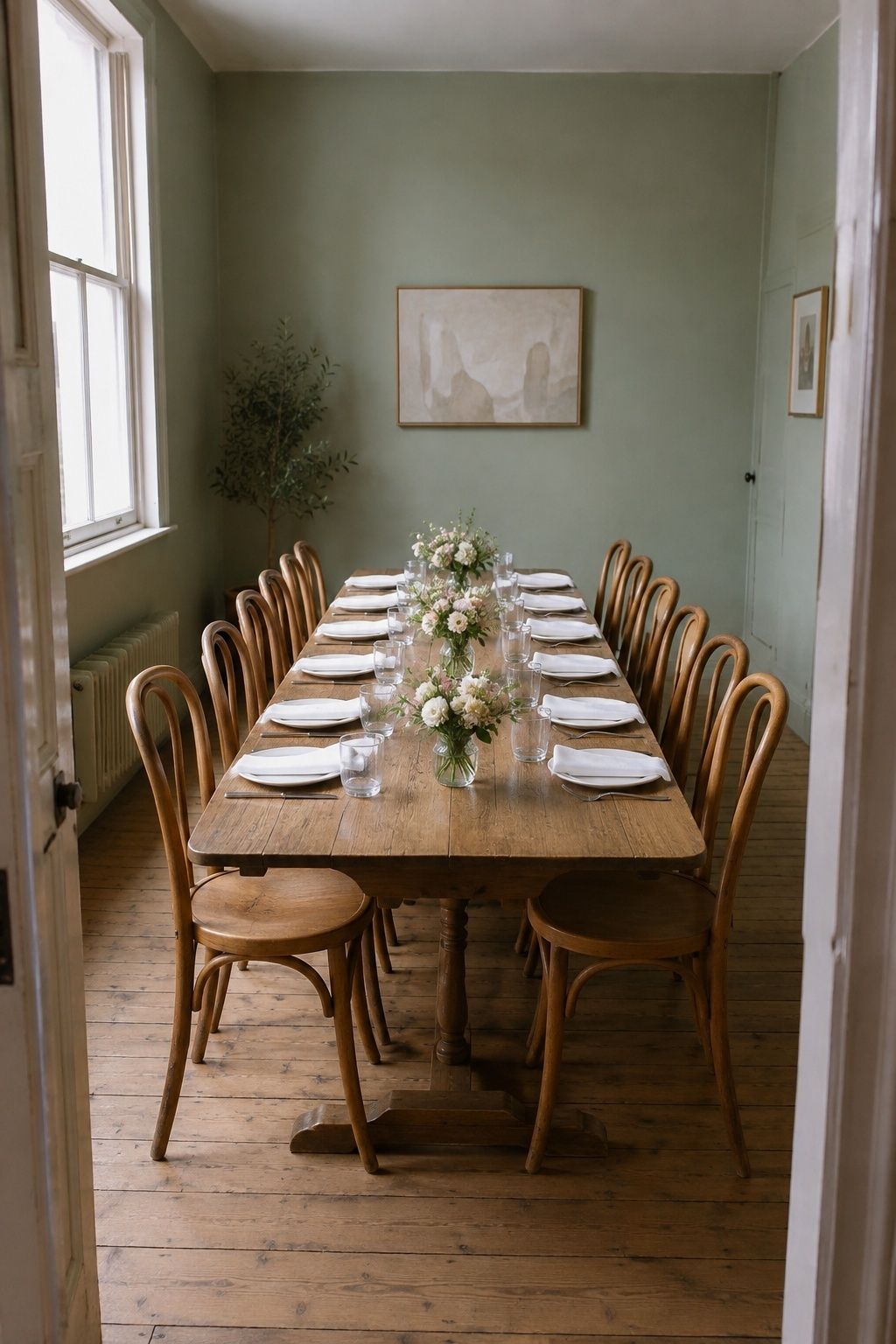
Start with the number that creates the wedding you actually want. For one couple, small means twelve people at a courthouse lunch. For another, it means forty guests in a garden. For another, it means immediate family and closest friends at a micro wedding guest list dinner. A vague promise to keep things small is too easy for other people to stretch.
Write down the maximum number for the ceremony and reception before names enter the conversation. Then test that number against the venue, budget, table layout, and emotional atmosphere. If the room holds thirty, thirty is not a suggestion. If the budget covers twenty-four dinner seats, twenty-four is the boundary. Practical limits give your decision a clear frame.
Once the number is set, speak about it as a shared wedding choice rather than a reaction to specific people. Phrases such as intimate, immediate circle, private ceremony, and limited guest list wording work better than language that sounds like cutting, excluding, or ranking. The size is the structure; the structure protects the relationship.
This step also keeps the couple from promising different versions of the day in different rooms. If one person says the wedding is tiny and the other hints at room later, relatives will naturally push toward the softer answer. A defined number gives both partners the same ground to stand on.
2. Choose The Emotional Reason You Both Stand Behind
A small wedding needs a reason that the couple genuinely believes. It could be a quiet ceremony, a lower-stress day, a meaningful meal with the people who raised you, a venue with a strict capacity, a budget that keeps married life steady, or a desire to spend real time with every guest. The reason does not need to impress everyone. It needs to be true enough that you stop wobbling.
When couples do not agree on the reason, outside pressure slips in quickly. One partner says the wedding is small because of money. The other says it is small because of family tension. A parent hears one explanation, a friend hears another, and suddenly the guest list sounds negotiable. Align privately first.
This matters most when deciding how to keep wedding small without offending family. Family members often respond to uncertainty by trying to solve it. If your reason is steady, you do not need to overexplain the budget, the history, the room size, or the emotional backstory. You simply repeat the same kind truth.
If the emotional reason is privacy, say privacy. If the reason is that you want a calm dinner rather than a large production, say intimacy. If the reason is budget, speak about keeping the celebration sustainable instead of listing exact costs. A reason should clarify the choice, not expose every private pressure behind it.
3. Separate Ceremony Privacy From Reception Hospitality
Some small weddings include a tiny ceremony and a slightly larger dinner. Others keep the full day intimate from start to finish. If different circles attend different parts, decide that structure carefully. People are more likely to feel hurt when a ceremony looks private in language but socially selective in practice.
A ceremony with parents, siblings, children, grandparents, or witnesses is easier to understand than a ceremony with half of one friend group and none of another. Clean categories reduce confusion. If the reception is bigger than the ceremony, make the reception feel hosted and complete, not like an afterthought for people who missed the emotional center.
Reception hospitality does not erase every sting, but it does show respect. Clear start times, enough food, assigned or comfortable seating, personal greetings, and a warm toast tell guests that they were invited to a real celebration. Privacy and generosity work best together.
4. Decide What You Will Share And What Stays Private
Before conversations begin, decide the public version of the guest-list explanation. Keep it short enough to repeat without sounding rehearsed: the wedding will be very small, the venue or format requires a limited guest list, and you are grateful for the love around you. That is enough for most people.
Do not use the guest list as a place to sort through family history in public. If there is small wedding family drama, handle it with the people directly involved, not through a paragraph on the wedding website or a defensive speech at dinner. The invitation list is already emotionally loaded; adding private background often makes it heavier.
A good boundary has a calm edge. It gives the essential truth and stops before it becomes a debate. The sentence should leave room for love without opening the door to negotiation.
5. Build The First List Around Non-Negotiable People
The first list is not everyone you like. It is the people whose absence would change the heart of the day. Usually that includes parents or parent figures, siblings, children, grandparents, chosen family, and the closest friends who are part of your real life now. Starting with the non-negotiable circle keeps the list honest.
Make this list separately, then compare it together. If one partner has ten essential people and the other has three, do not automatically even the number by adding names. Instead, talk about the relationship weight behind each person. Small weddings are personal; symmetry matters less than sincerity.
This first round answers who to invite to a small wedding at the deepest level. These are the people whose presence changes the emotional meaning of the day. Once they are named, the remaining decisions become easier to measure.
6. Use Relationship Groups Instead Of One-Off Exceptions

The fastest way to create hurt is to invite one cousin, leave out another cousin in the same closeness level, invite one coworker, leave out the rest of the team, or include one family friend while skipping others who fill the same role. Small wedding guest list etiquette depends on categories people understand.
Create groups such as immediate family, grandparents, current close friends, wedding party only, partners in long-term relationships, or no coworkers. Then apply each category across both sides as consistently as possible. Consistency does not make every decision painless, but it makes the list easier to explain.
One-off exceptions sometimes make sense for caregiving, travel, estrangement, or a relationship that truly stands alone. Use them sparingly. A small wedding without hurting feelings rests on the sense that people were not compared person by person behind closed doors.
This is where intimate wedding guest list rules become kinder than pure instinct. Instinct changes when someone cries, when a parent pressures, or when a sibling points out an omission. A rule steadies the decision so the couple is not remaking the wedding every time a new name appears.
7. Set Small Wedding Plus One Rules Early
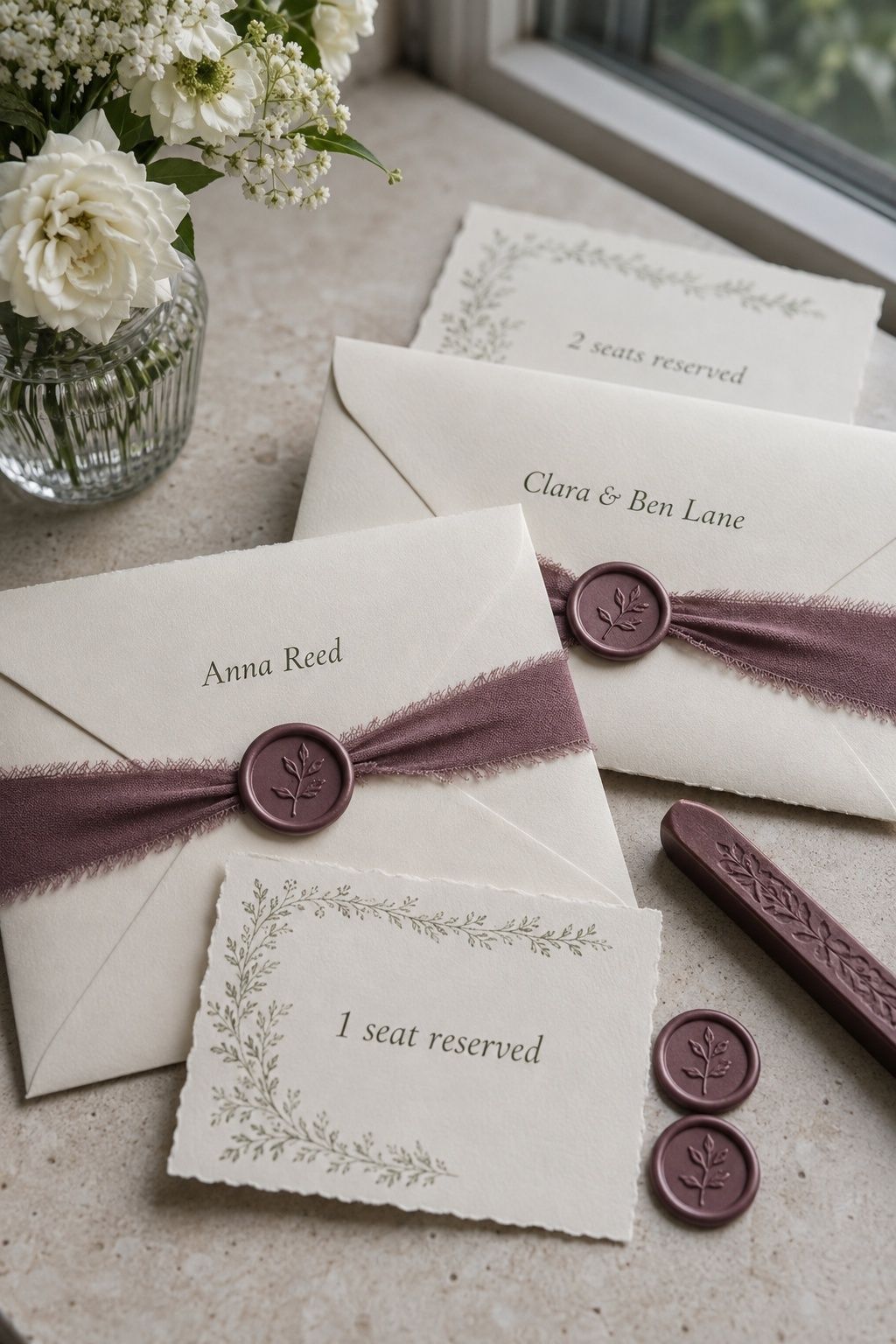
Plus-ones change a small wedding quickly. Ten single invitations could become twenty seats before the couple realizes what happened. Decide the rule before invitations go out: named partners only, spouses and engaged partners, long-term partners the couple knows, or no additional guests because the event is immediate circle only.
Small wedding plus one rules should be written into the invitation plan, RSVP tracker, and family conversations. A guest should not discover the rule from a missing blank line and then receive a different answer by text. The wording on the invitation and the answer from the couple should match.
If someone asks to bring a date, respond with warmth and the same boundary. The rule is about the size and format, not about judging their relationship. This is one of the clearest places where consistency protects feelings.
8. Decide On Children With The Same Precision
Children affect guest count, seating, timing, meals, volume, and the emotional tone of the day. A small wedding with children from immediate family only feels different from an adults-only dinner or a celebration where every child of every invited guest attends. Choose the structure with eyes open.
Use named invitations and a wedding website detail line that fits the decision. Avoid vague wording that leaves parents guessing. If nieces and nephews attend but friends’ children do not, say the wedding is limited to children in the immediate family. That phrasing is clearer than pretending the event is broadly child-free.
Parents often appreciate knowing early, especially when travel or childcare is involved. Early clarity is kinder than a late correction after flights, outfits, or family assumptions are already moving.
9. Treat Coworkers And Casual Circles As Whole Categories
Coworkers, neighbors, hobby groups, and casual social circles become complicated because news travels quickly. If the wedding is small, the easiest rule is often no coworkers unless the person is also a close personal friend outside work. The same logic applies to friend groups from activities, old school circles, or community spaces.
This does not mean you hide the wedding. It means you do not turn every friendly circle into an obligation. A kind office conversation after the wedding is usually easier than a partial coworker guest list that creates daily awkwardness.
When one person from a casual group is genuinely close, treat that relationship honestly and discreetly. Invite them as a close friend, not as a representative of the whole group. Keep public chatter minimal until invitations are settled.
10. Stop Expanding The List To Avoid One Hard Conversation
Many small weddings grow because the couple adds ten people to avoid disappointing one. The result is a wedding that no longer feels intimate, plus a fresh round of people who still did not make the list. Avoidance rarely solves guest-list pressure; it only moves the boundary farther away.
If you are tempted to add someone because the conversation feels uncomfortable, pause. Ask whether you would invite them if they never asked, never hinted, and never had a parent advocating for them. If the answer is no, the issue is not the invitation. The issue is the boundary.
Wedding guest list boundaries are allowed to be emotional. Caring about someone and still not having room for them at a small wedding are truths that sit together. That reality is hard, but it is often cleaner than reshaping the entire day around fear.
11. Tell Immediate Family Before Invitations Are Public
Close family should not discover the small guest list from a save-the-date photo, a forwarded invitation, or a cousin’s excited phone call. Tell parents, siblings, and anyone directly affected before the wider circle hears about plans. Early conversations reduce shock.
The tone should be calm, not confessional. Say that you have chosen a very small wedding, explain the broad limit, and name what that means for the person you are speaking with. If they are invited, let them know the scale. If they are not, speak with respect and do not make the printed invitation carry the blow.
Family conversations also give you a chance to ask for cooperation without surrendering control. Say that you are keeping the list very tight and would appreciate family not promising invitations on your behalf. That one sentence prevents a surprising amount of trouble.
12. Tell Uninvited Loved Ones Only When The Relationship Calls For It
You do not have to announce every non-invitation. Most acquaintances, distant relatives, and loose social contacts do not need a personal conversation before your wedding. The exception is someone close enough to reasonably expect an invitation or someone who has already started planning around one.
This is the heart of how to tell people they are not invited to wedding events without making the moment cruel. Speak only where silence would feel stranger than honesty. A best friend from childhood, a close aunt, or a sibling’s long-term partner deserves more care than a distant acquaintance who hears wedding news through social media.
Keep the conversation short and human. Name the small format, express care, and stop there. Long explanations often sound like an argument waiting to be challenged.
13. Use One Clear Sentence Instead Of A Long Defense
A strong sentence carries most of the weight: We are keeping the wedding to immediate family and a very small circle, so we are not able to invite everyone we love. That kind of language is direct, warm, and closed enough to prevent bargaining.
Limited guest list wording should avoid blame. Do not say the venue forced your hand if you chose the venue because it was small. Do not say the budget is the only reason if privacy matters more. Do not imply that someone barely missed the cutoff. Those details create openings for persuasion.
The best wording sounds settled but affectionate. It says the decision is real and the relationship still matters. That combination is what keeps clarity from feeling icy.
14. Let Parents Share The Boundary, Not Rewrite It
Parents often absorb guest-list questions from relatives long before the couple hears them. Give parents the language you want used and the exact rule they should not exceed. Otherwise, a well-meaning parent could soften the message so much that relatives hear possibility instead of a boundary.
Tell them the guest list is final, the wedding is very small, and no one should promise that more seats will open later. If parents are contributing financially, this conversation needs extra care, but contribution does not erase the couple’s right to choose an intimate format.
When family pressure is intense, the couple should present a united answer. One partner should not become the shield for both families while the other stays silent. A shared boundary feels sturdier and kinder.
15. Keep Wedding Website Language Warm But Brief
A wedding website is useful for logistics, not emotional litigation. Add a short line if needed: Due to our intimate venue and limited guest list, we are celebrating with a small circle. Then move on to travel, schedule, dress code, and RSVP details.
Avoid publishing a long explanation of why certain people were not invited. That turns private relationships into public content and often creates more hurt. Guests visiting the site should feel oriented, not as if they have stumbled into a defense of the guest list.
If guests ask how to explain small wedding guest list decisions to other relatives, give them one sentence to repeat. The answer should sound gracious, consistent, and final.
The website should also match the invitation exactly. If the invitation names only the invited guest, the RSVP page should not offer an open guest field. If the event is adults only, the detail should sit with other practical information, not inside an apologetic paragraph. Clean logistics reduce awkward follow-up messages.
16. Respond To Assumptions Before They Become Plans
When someone says they are excited for the wedding and they are not invited, do not let the assumption drift. A delayed correction feels worse later. Respond kindly in the moment or soon after: We are keeping the wedding very small, so we are not able to include the wider circle, but your excitement means a lot.
Assumptions often come from love, not entitlement. People are excited for you. Still, allowing false expectations to grow creates unnecessary pain. A short correction now is usually gentler than a confusing silence followed by no invitation.
This is especially true for travel, outfits, childcare, and time off. Once someone starts making practical plans, the conversation becomes more embarrassing for everyone.
Use a private channel for the correction whenever the relationship is close. A quick phone call or direct message is more respectful than letting the person discover the truth through an RSVP page that rejects their name. The words do not need to be elaborate; the timing carries much of the kindness.
17. Answer Pushback Without Adding New Reasons
Some people will ask why. Others will say they thought they were closer, or that another relative should be included, or that weddings are family events. Listen briefly, acknowledge the feeling, and return to the same boundary. New reasons invite new arguments.
A steady answer sounds like this in spirit: I understand this is disappointing. We are keeping the wedding extremely small, and the guest list is already set. You do not need to prove the decision again each time someone dislikes it.
Repeat yourself with less detail, not more. The second explanation should be shorter than the first. The third should be shorter still.
18. Do Not Trade Invitations For Peace
An invitation given under pressure rarely creates peace. It often creates resentment, seating strain, and a guest who knows they were added after a difficult exchange. If the wedding is truly small, the boundary needs to survive discomfort.
There are moments where changing the list is the right decision because you realize the original rule was unfair. That is different from trading a seat for temporary quiet. Ask whether the change matches the rule or only rewards the loudest reaction.
Small weddings require a different kind of generosity: emotional steadiness. Offer warmth, conversation, and future celebration without giving away the shape of the wedding day.
19. Handle Social Media With Care
A small wedding becomes harder to explain when public posting arrives before private conversations. If certain close people are not invited, tell them before engagement parties, showers, countdown posts, and wedding-week excitement make the guest list visible.
After the wedding, share photos in a way that celebrates without emphasizing who was absent. Captions do not need to announce that only a select few made the list. Let the day look beautiful and intimate without turning exclusivity into the headline.
Ask close guests not to post invitation details, guest counts, or ceremony access before the day if those details would stir family tension. Discretion is not secrecy; it is considerate timing.
20. Offer Another Moment Only If You Truly Want One
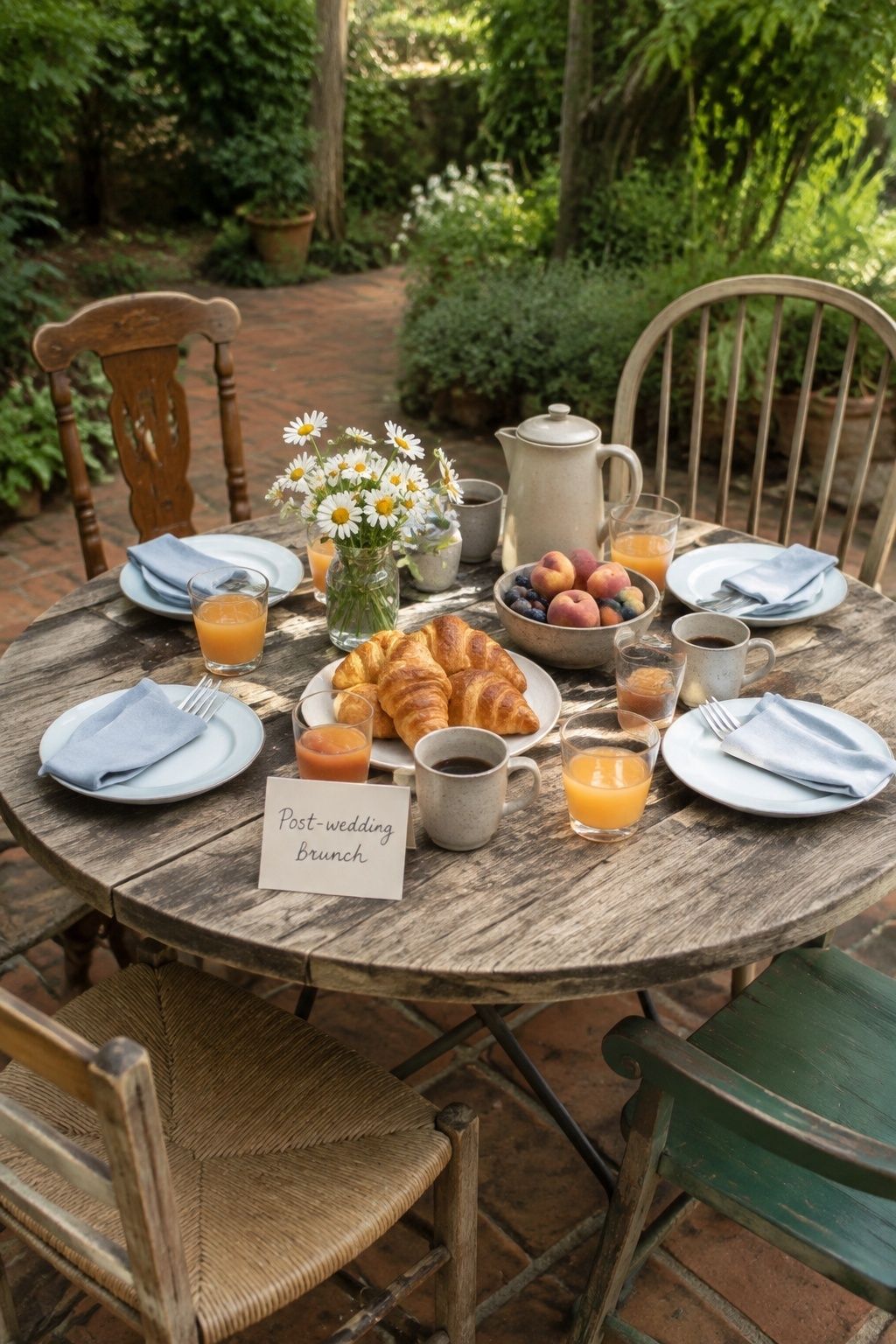
A larger casual gathering, post-wedding brunch, family dinner, or announcement card sometimes softens disappointment for people outside the wedding list. It should not become a guilt project. Offer another moment only if it fits your energy, budget, and genuine desire.
If you do plan something else, name it clearly. A post-wedding dinner is not the wedding. A casual toast is not a substitute ceremony. People appreciate a real invitation more than a vague promise that everyone will celebrate eventually.
Announcement cards are useful for wider circles when the couple wants to share the marriage warmly after the fact. They acknowledge the life event without reopening the guest-list decision.
For some couples, the better choice is no extra event at all. That is acceptable. A small wedding does not create a debt to host every person later. If another gathering would bring fresh stress, let gratitude travel through personal calls, photos shared after the wedding, or thoughtful thank-you messages to people who sent love from afar.
21. Make Invited Guests Feel Fully Hosted
One of the kindest ways to reduce hurt is to make the small wedding feel intentional for the people present. A tiny guest list should not feel like a half-planned version of a larger wedding. It should feel chosen: a beautiful room, enough food, thoughtful timing, and a couple who has space to greet each person.
Small weddings shine when guests sense that the scale improved the experience. A long dinner table, a relaxed cocktail hour, handwritten place cards, a short toast, and unhurried conversation all reinforce why the day is intimate.
This also gives the couple confidence. When the wedding itself feels whole, it becomes easier to stop apologizing for its size.
Hospitality is especially important when invited guests know the list was selective. They should arrive to a celebration that feels cared for from the first detail: clear directions, a warm welcome, a drink or meal at the expected time, and enough space to settle in. The smaller the room, the more each detail is felt.
22. Keep The Story Consistent Across Both Families
Different families often receive different emotional versions of the wedding plan. One side hears the venue is small. The other hears the couple dislikes large events. A friend hears that money is tight. Those mixed explanations make people compare, and comparison fuels hurt.
Use the same core explanation everywhere: the wedding is small by design, the guest list is limited, and the couple is grateful for the love around them. Details shift depending on closeness, but the center should stay the same.
Consistency is not cold. It is what keeps the couple from accidentally turning the guest list into a puzzle everyone tries to solve.
23. Let People Feel Disappointed Without Fixing Every Feeling
Even the most gracious small wedding will disappoint someone. That does not mean the couple did something wrong. It means weddings carry symbolic weight, and people sometimes attach invitation status to closeness, memory, or family standing.
Make room for disappointment without surrendering the boundary. Say that you understand, that you care about them, and that the decision is still final. Those three truths sit together.
Trying to erase every hurt feeling usually leads to overexplaining. Overexplaining leads to debate. Debate leads to exhaustion. A kind boundary leaves space for emotion without placing the couple on trial.
Give people time to adjust. Someone who reacts sharply on the first call often softens once the news is no longer fresh. You do not need to chase immediate approval. A small wedding asks others to accept a limit, and acceptance sometimes arrives after the first wave of disappointment has passed.
24. Return To The Marriage When The Guest List Feels Heavy
Guest-list pressure often makes a wedding feel like a referendum on every relationship in your life. Bring the focus back to the marriage, the vows, and the atmosphere you are trying to create. The guest list serves that day; it should not consume it.
If guilt rises, look at the room you are building. Picture the ceremony, the table, the people who will steady you, the pace of the evening, and the first quiet moment afterward. That vision is not selfish. It is the reason to keep the wedding small.
A small wedding without hurting feelings is not a wedding where no one feels anything. It is a wedding where the couple acts with clarity, warmth, and consistency while allowing the day to remain intimate.
The people who love you most will sometimes wish they could witness more of it. That longing is real without becoming the plan. Your work is to honor the marriage you are making, host the guests you invite with care, and speak to everyone else with enough grace that the relationship has room to continue beyond the guest list.
FAQ
How do you have a small wedding without offending people?
Have a small wedding without offending people by choosing a clear guest-list rule, applying it consistently, telling close relatives early, and using warm language that frames the size as intentional. Avoid blaming individual guests or offering long explanations that make the decision sound open for debate.
How do you explain a small wedding guest list?
Explain a small wedding guest list with one settled sentence: the wedding is intimate, the guest list is limited, and you are grateful for the love around you. Share practical reasons such as venue size or immediate-family format when they are true, but keep private family details private.
Do you have to tell people they are not invited to your wedding?
You do not have to tell every person they are not invited. Tell people who are close enough to reasonably expect an invitation, anyone directly affected by family assumptions, or anyone already making plans. Distant contacts usually do not need a personal non-invitation conversation.
How do you tell family you are having a small wedding?
Tell family early, calmly, and together where possible. Say that you have chosen a very small wedding, name the broad rule, and ask them not to promise invitations on your behalf. If they are disappointed, acknowledge the feeling while keeping the boundary firm.
What guest list rules help avoid hurt feelings?
Guest list rules that reduce hurt include immediate family only, no coworkers, named partners only, adults only, children in immediate family only, or closest current relationships only. The fairest rule is one you apply across both sides without frequent exceptions.
How do you handle people who assume they are invited?
Handle assumptions quickly and kindly. Say that you appreciate their excitement, then explain that the wedding is very small and the guest list is limited. Correcting the assumption early is gentler than letting someone make travel, outfit, or childcare plans around an invitation that is not coming.
Final Thoughts
How to have a small wedding without offending people comes down to a rare mix of tenderness and backbone. Choose the size with intention, build the guest list by clear relationship rules, speak early to the people most affected, and resist the urge to turn every boundary into a long explanation.
Some loved ones will still feel disappointed, because weddings matter. That does not mean your intimate wedding is unkind. It means you should hold the decision with care: warm words, consistent rules, no unnecessary secrecy, and a celebration that feels deeply hosted for the people present.
Let the wedding stay small enough to feel like yours, clear enough for guests to understand, and gracious enough that love remains visible around the edges.
Last update on 2026-10-05 / Affiliate links / Images from Amazon Product Advertising API