

How to tell people you’re having a small wedding is simple in principle: tell close relatives, close friends, and anyone who has been led to expect an invitation before invitations create surprise. For wider circles, wait until someone asks or share a thoughtful announcement after the wedding.
The hard part is not usually the decision to keep the wedding small. Most couples know, deep down, whether they want a private ceremony, a family-only dinner, a 30-person garden celebration, or a guest list built around the people who have been closest through the whole relationship. The hard part is imagining the questions that follow.
Will a cousin feel left out? Will coworkers assume they are invited because they hear about planning every week? Will a family friend ask your parents where their invitation is? Will a friend who invited you to their wedding expect the same in return? A small wedding can be full of peace on the day itself and still bring a strange little storm around the edges.
The goal is not to find perfect words that make everyone delighted. That may not be possible. The goal is to communicate the small guest list with warmth, clarity, and enough finality that the wedding does not become a long season of negotiation.

Recommended Wedding Products


You Might Also Like These Blog Posts
- Will I Regret Having A Small Wedding Or Just Regret Not Trusting Myself
- How To Have A Small Wedding Without Offending People Or Overexplaining
- How To Tell Coworkers They Are Not Invited To Wedding Without Office Drama
- Small Wedding Etiquette Rules That Keep Things Kind And Clear
- Small Wedding Guest List Wording That Keeps Boundaries Kind
- How To Tell Family You Are Eloping
How To Tell People You’re Having A Small Wedding Without Turning The Guest List Into A Debate
The clearest way to handle how to tell people you’re having a small wedding is to separate relationships by responsibility. Some people deserve to hear the news from you because they are close enough to be genuinely surprised. Some people only need an answer if they ask. Some people do not need a pre-wedding notice at all. Broader small wedding etiquette can help with the conversations that follow.
That distinction protects both sides. It keeps loved ones from hearing sensitive news through a stray comment, but it also protects you from sending a message that sounds like, “We are getting married, and you are not invited.” Even if your intention is considerate, the timing can make the message feel sharper than you meant it to be.
Start By Defining The Wedding Circle
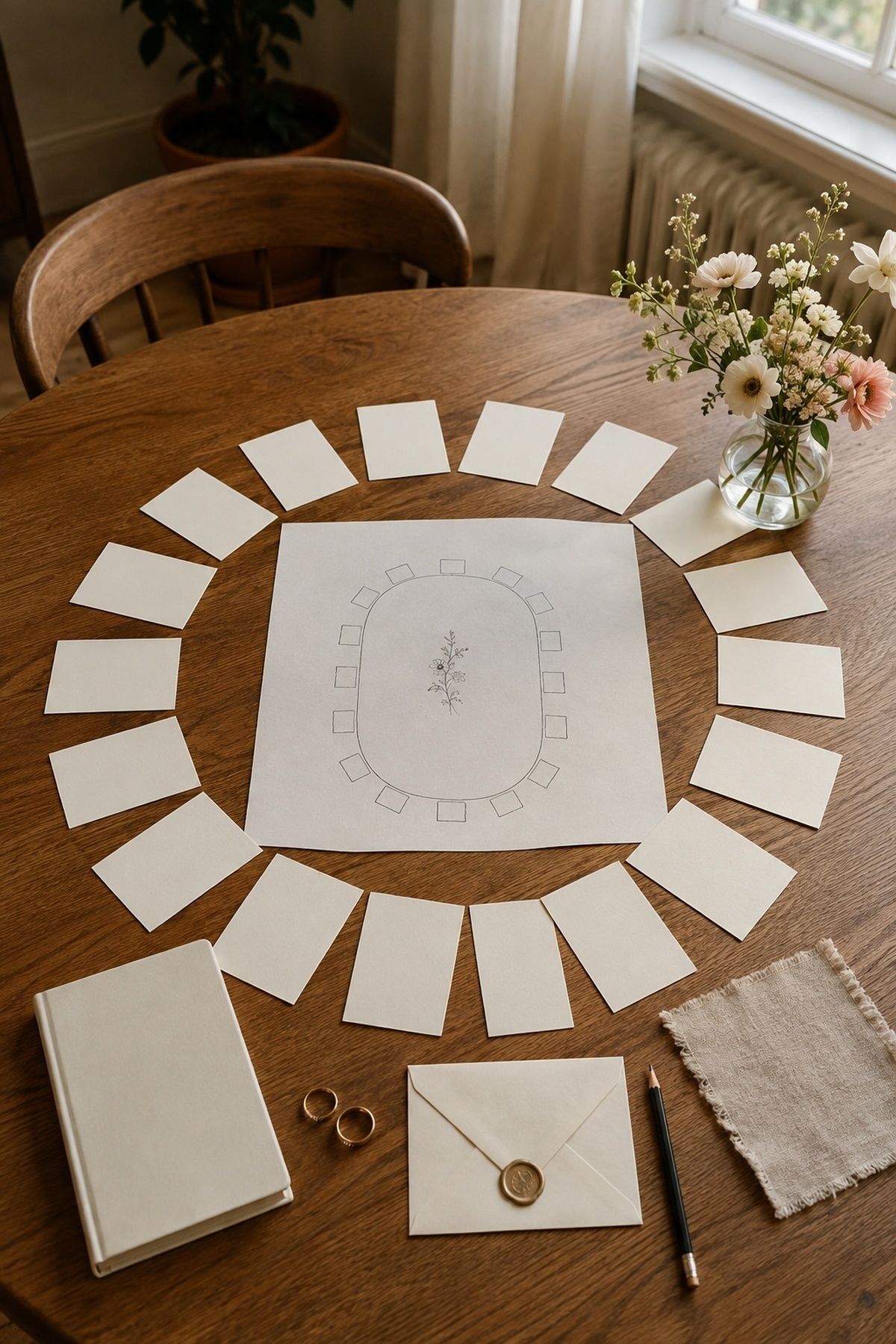
Before you explain the guest list to anyone else, make sure you and your partner can describe it in one calm sentence. Not the whole history. Not the budget spreadsheet. Not the family politics. Just the actual shape of the wedding.
Maybe it is immediate family only. Maybe it is parents, siblings, grandparents, and best friends. Maybe it is a private ceremony followed by dinner with 18 people. Maybe it is a hard venue limit, a destination gathering, a courthouse ceremony, or a backyard meal with no coworkers and no extended family.
That sentence becomes your anchor. It helps you avoid explaining the guest list differently to every person, which is how small decisions start to sound personal. Try a simple internal version like, “We are having a family-only ceremony and dinner,” or, “We are keeping the wedding to immediate family and a few lifelong friends because the space is very small.”
Decide Who Needs To Hear It From You
The people who need a direct conversation are usually the people with a real relationship expectation. That might include a close aunt, a friend you see often, a former roommate, a family friend who hosted you for holidays, or a coworker who hears about the wedding because you are genuinely close at work.
The people who do not need a direct conversation are usually social acquaintances, distant relatives you rarely speak to, old friends who send a kind comment online, neighbors, former coworkers, and people who are mainly curious because weddings invite curiosity. You can be gracious without making every person part of the planning circle.
If you are unsure, ask one question: would this person feel blindsided if they heard later that the wedding was small and they were not included? If yes, a short personal note or call may be kinder. If no, you probably do not need to create a formal non-invitation moment.
Tell The Closest People Before Invitations Create Surprise

Timing matters. A close relative who expects a save-the-date should not have to piece together the answer after invitations have already gone out. A best friend who has been talking with you about venues may need to hear the guest-list boundary before they start picturing themselves at the ceremony.
For someone close, choose a warm channel: a call, a voice note if that is normal for your relationship, or an in-person conversation. Text can work for practical follow-up, but it often feels thin for news that may sting. You are not asking permission. You are giving the person the dignity of hearing it directly.
A brief original script can sound like this: “We wanted to tell you personally before invitations go out. We are keeping the wedding very small, so the ceremony will be limited to a tiny family circle. We love you and did not want you to hear that in a sideways way.”
Keep The Explanation Short Enough To Stay Final
The more you explain, the more there is to debate. If you say the venue is small, someone may suggest a different venue. If you say the budget is tight, someone may offer to pay for two extra plates. If you say you are avoiding family pressure, someone may ask which family member caused the problem.
That does not mean you should sound cold. It means your explanation should stay broad. “We are keeping the wedding very small” is usually stronger than a five-part defense. “We only have room for immediate family” is clearer than a long apology. “We are not able to add guests” is kinder than pretending you will think about it when the answer is already no.
This is especially important with family pressure. A parent, sibling, or relative may want more detail because more detail gives them something to solve. If the decision is already made, repeat the same calm line and move back to the relationship: “I know this is disappointing. We are keeping the wedding small, and we are grateful you understand.”
Answer Direct Questions Without Freezing
Most couples do not get to manage every conversation perfectly. Someone will ask at a family dinner. A coworker will say, “I cannot wait for the wedding.” A friend of a friend will ask where they should stay. Direct questions feel awkward because they collapse the careful boundary into one public moment.
Prepare one answer you can say without panicking. For a casual question, try: “We are keeping it really small, so it will just be a close circle for the ceremony.” For someone asking directly if they are invited, try: “I wish we could include everyone, but we are not able to extend the guest list beyond our immediate circle.”
If someone presses, do not keep adding new reasons. Stay steady: “I understand. It was a hard guest-list decision, but the number is final.” Then shift the conversation gently: ask about their family, their plans, or another part of life you genuinely share.
If this moment is specifically about a friend, the kindest approach is honest and brief. You can say, “This is one of the hardest parts of keeping the wedding small. We are not able to invite our wider friend group, but I care about you and wanted to be direct.” It may still hurt. Your job is to be clear without being careless.
Tell Family About A Small Wedding Before They Start Inviting For You

Family conversations need a little more structure because relatives sometimes see the guest list as shared territory. Parents may assume certain cousins, neighbors, faith-community friends, or long-time family friends are automatic. Grandparents may expect the extended family to be included. Siblings may ask whether their partners or children are invited.
Start with the people closest to the planning: parents, guardians, siblings, or anyone contributing money or hosting. Explain the wedding circle early, before they promise invitations on your behalf. A useful line is: “We are planning a small wedding with a firm guest count, so please do not mention invitations to anyone until we have sent them.”
If a parent wants to soften the message to extended family, agree on the exact boundary first. They can say the wedding will be very small, but they should not imply that more invitations may come later unless that is true. Mixed messages are where resentment grows.
When the guest list itself feels shaky, let small wedding guest list etiquette shape one fair boundary before names become personal. If relatives keep adding names, decide how to keep your wedding guest list small before anyone promises seats on your behalf. When the emotional pressure is coming from parents or extended family, name the pattern as family pressure in wedding planning and answer it with one calm, repeated boundary.
Handle Friends Who Are Not Invited With Care, Not Overexplaining
There is no painless way to tell friends they are not invited to a wedding, but there is a kinder way. Do not make them ask three times. Do not hint and hope they understand. Do not say, “We will see,” if you already know the guest list is final.
Use warm, direct language: “We are keeping the wedding to a very small circle, so we are not able to invite our wider group of friends. I know that may be disappointing, and I wanted to be honest with you.” This keeps the focus on the event size, not the person’s worth.
Offer Another Celebration Only If It Is Real
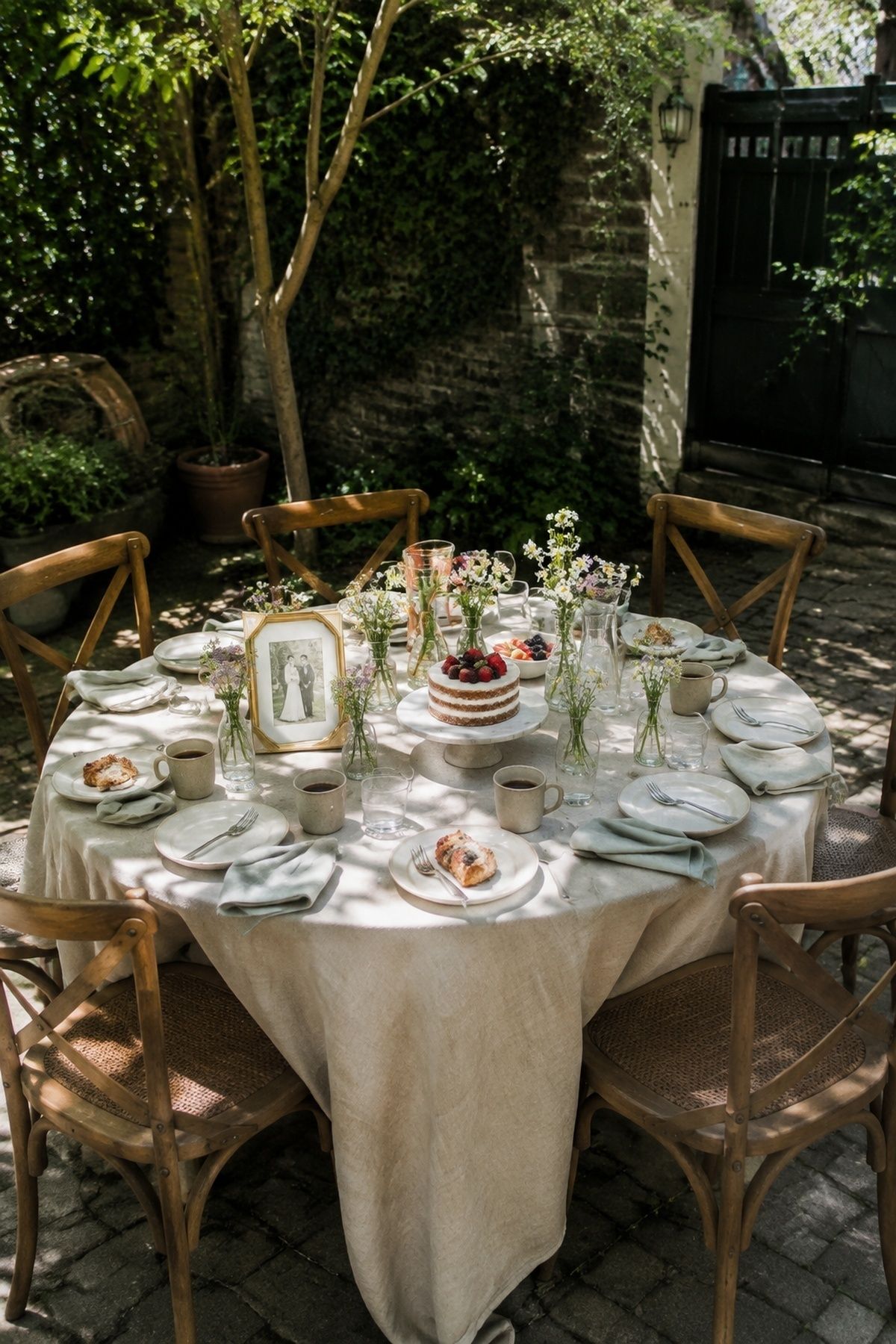
It can be tempting to soften every non-invitation with “we will celebrate later.” Only say that if you mean it. A post-wedding dinner, casual drinks, holiday gathering, shower, brunch, or livestream can be lovely, but an imaginary future event creates another expectation you may have to manage.
If you are planning something specific, keep it simple: “The ceremony will be tiny, but we are hoping to host a casual dinner with friends after the wedding.” If you are not, choose warmth without a promise: “We are grateful for your good wishes and cannot wait to catch up when life settles down.”
Use Announcements At The Right Time
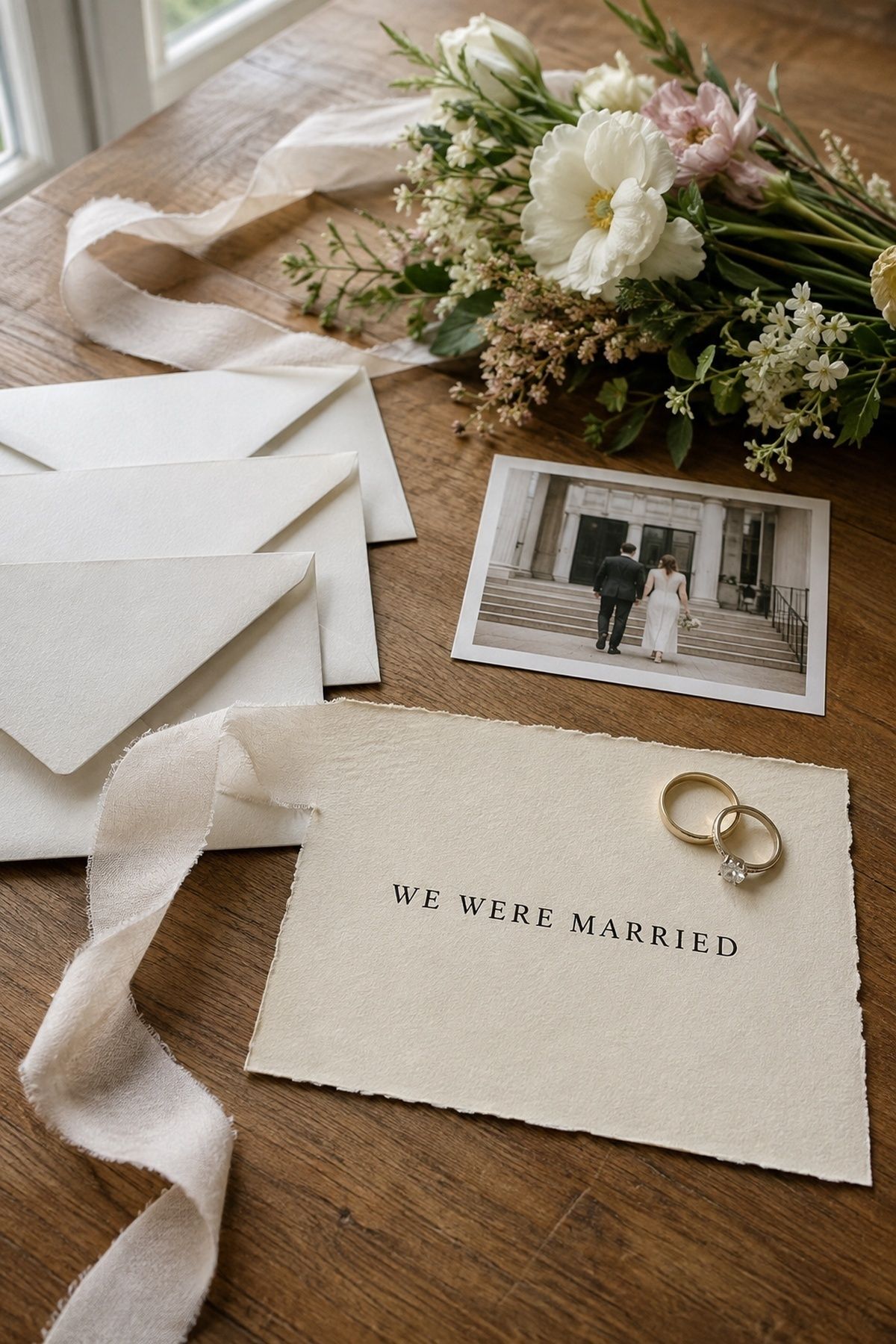
Small wedding announcement wording is usually gentlest after the wedding. Before the wedding, an announcement to people who are not invited can sound like a non-invitation notice, even if you meant it as a considerate heads-up. After the wedding, an announcement is simply news: you were married, you are grateful, and you wanted to share the joy.
Private ceremony announcement wording should not apologize or ask for gifts. It can be as spare as: “We were married in a private ceremony surrounded by immediate family. We are so grateful for your love and good wishes.” Add a photo if you want the card to feel celebratory rather than explanatory.
If you are sending announcements, avoid registry language unless the recipient was invited to a related celebration where gifts are normal. The point is connection, not a second guest-list conversation. Draft announcement wording that shares the joy clearly without reopening who was included.
Stop Reopening The Conversation After The First Answer
Once you have explained the small wedding, let the answer stand. Reopening the conversation can make people think the guest list is still flexible, and it can make you feel as if you have to earn approval over and over again.
If someone circles back, repeat the same boundary with less detail, not more: “I know this is hard. We are keeping the guest list very small, and we are not able to add anyone.” Then move forward. You can still be loving. You can still send birthday texts, host dinner, answer calls, and show up in the relationship. The boundary is about one event, not the entire connection.
That is the quiet heart of small wedding without offending people advice: do not make the wedding do all the work of proving love. A wedding guest list is a hosting decision shaped by space, money, energy, family, and the kind of day you are trying to protect. It matters, but it is not the only measure of a relationship.
FAQ
How Do You Tell People You Are Having A Small Wedding?
Tell the people closest to you directly and briefly. Say that you are keeping the wedding very small, name the broad guest-list boundary, and avoid defending every reason. For casual acquaintances, you usually do not need a pre-wedding notice unless they ask or have been led to expect an invitation.
Do You Have To Tell People They Are Not Invited?
No, not everyone needs to be told they are not invited. A direct conversation is kind for close relatives, close friends, or people who reasonably expected an invitation. For wider circles, a formal pre-wedding notice can feel hurtful, so it is often better to say nothing unless asked.
What Should You Say When Someone Asks If They Are Invited?
Keep your answer warm and final: “We are keeping the wedding very small, so we are not able to invite everyone we care about.” If they press, repeat the boundary instead of adding new reasons. A clear answer may feel awkward for a minute, but mixed signals last longer.
How Do You Explain A Small Wedding To Extended Family?
Explain the category, not the personal ranking. Say the wedding is immediate-family only, family-only, or limited by a small venue. Ask parents or close relatives not to imply extra invitations may come later. Extended family may still feel disappointed, but consistency helps prevent confusion and family-pressure spirals.
Should You Send A Wedding Announcement Before Or After A Small Wedding?
For people who are not invited, a wedding announcement is usually better after the ceremony. Before the wedding, it can sound like a formal notice that they did not make the guest list. Afterward, it reads as happy news, especially if there is no registry mention or gift expectation.
How Do You Avoid Hurting Feelings With A Limited Guest List?
You cannot guarantee no one will feel hurt, but you can avoid making the hurt sharper. Be honest, keep the explanation brief, do not compare relationships, and do not offer fake future celebrations. Reassure close people that the wedding size is limited, not that their relationship matters less.
Final Thoughts
Learning how to tell people you’re having a small wedding is really learning how to hold care and clarity in the same hand. You can love people and still keep the ceremony tiny. You can be honest without turning the guest list into a courtroom. You can let disappointment exist without treating it as proof that you chose wrong.
Start with the people who truly need to hear it from you. Keep your limited guest list wedding wording short, kind, and consistent. Use announcements after the wedding when they will feel like shared joy instead of a reminder of exclusion. The kindest words protect the day while leaving room for love around it, especially when you are explaining a small wedding guest list.
Last update on 2026-10-03 / Affiliate links / Images from Amazon Product Advertising API