

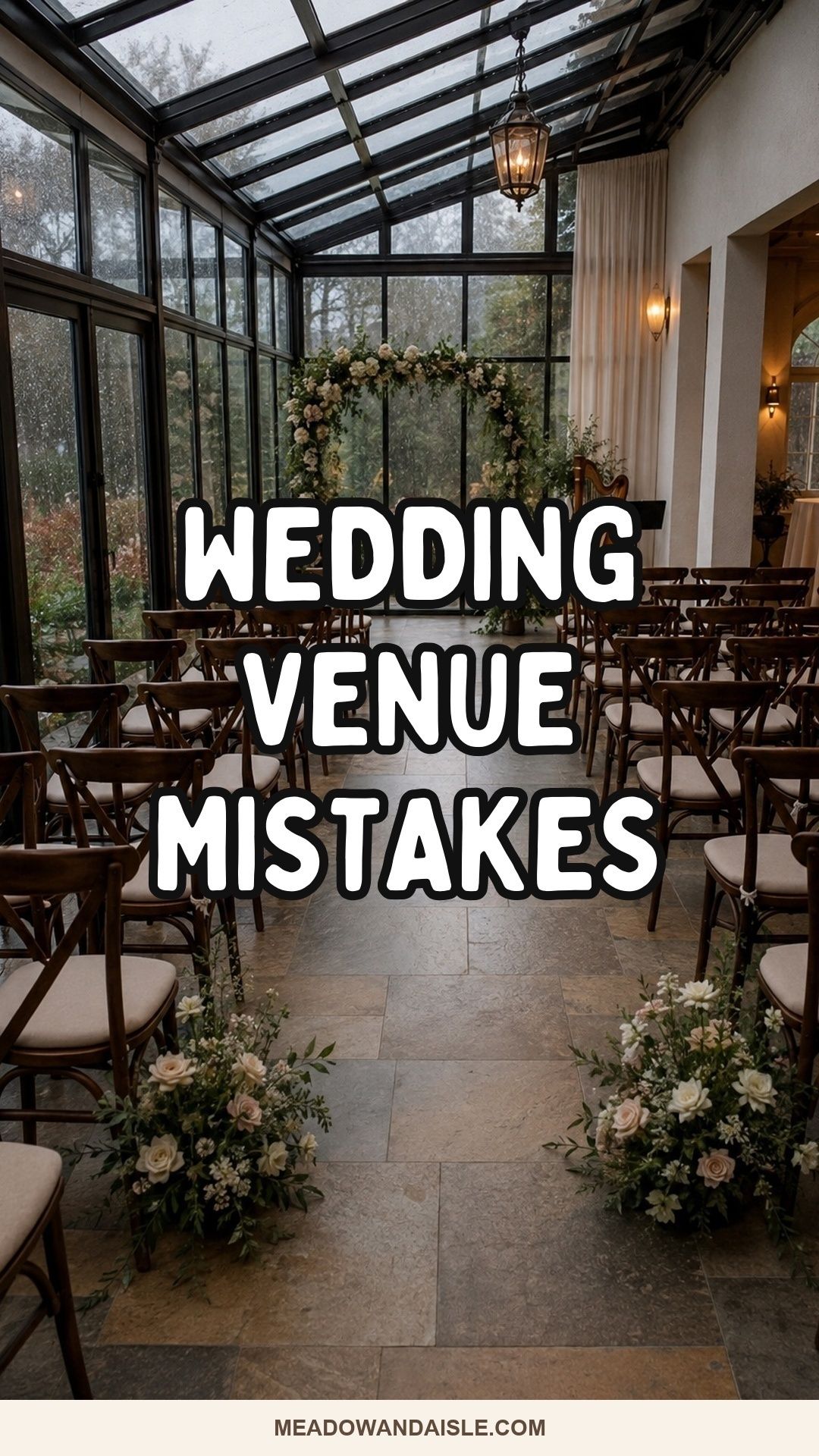
Wedding venue mistakes usually happen when a space looks beautiful on the tour but has unclear costs, tight access time, weak weather plans, awkward capacity, strict vendor rules, or guest-flow problems that only show up after the deposit is paid.
A venue tour is designed to make the space feel possible. The light is pretty, the room is empty, the staff knows the best angles, and the budget still looks soft around the edges. That is exactly why couples need to slow down before a beautiful room becomes a signed contract.
The right venue is not only photogenic. It fits the guest count, budget, weather plan, vendor team, timeline, and kind of hosting you actually want to offer your guests.
Recommended Wedding Products


You Might Also Like These Blog Posts
- Small Wedding Venue Checklist For The Tour Before The Yes
- Wedding Contract Mistakes That Cost More Than The Deposit
- Wedding Vendor Mistakes That Make Planning Feel Like Chasing People
- Airbnb Wedding Venue Rules Before You Fall In Love
- Wedding Budget Mistakes That Make Small Weddings Feel Expensive
- Wedding Rental Mistakes That Make The Pretty Plan Fall Apart
Wedding Venue Mistakes That Hide Behind A Pretty Walkthrough
The tour is only one version of the venue. It shows the room before guests arrive, before vendors need loading space, before rain changes the ceremony plan, before candles meet rules, before dinner tables shrink the dance floor, and before overtime fees turn a relaxed exit into a costly one.
The better way to tour is to imagine the wedding already happening. Where do guests park? How do older relatives reach the ceremony? Where does cocktail hour go if the dining room is being flipped? What does the room feel like with 42 people, not the 150 shown in inspiration photos? Which promises are actually written into the agreement?
These wedding venue booking mistakes are not about being suspicious of every beautiful place. They are about asking enough practical questions that beauty has something stable underneath it.
Falling In Love With The Space Before Defining The Wedding
A venue should answer the wedding you are planning, not quietly rewrite it. Before touring, decide the rough guest count, ceremony style, dinner format, spending range, must-have priorities, and the feeling you want guests to carry home.
Without that definition, almost any pretty room starts to feel persuasive. A huge garden might push you toward rentals you did not budget for. A dramatic ballroom might make an intimate dinner feel thin. A blank studio might look affordable until every chair, glass, light, and linen becomes a separate decision.
Walk into the tour with a simple sentence: this venue needs to host this guest count, at this approximate budget, in this style of celebration. That sentence gives you something sturdier than excitement to measure against.
Comparing Rental Fees Instead Of Full Event Cost
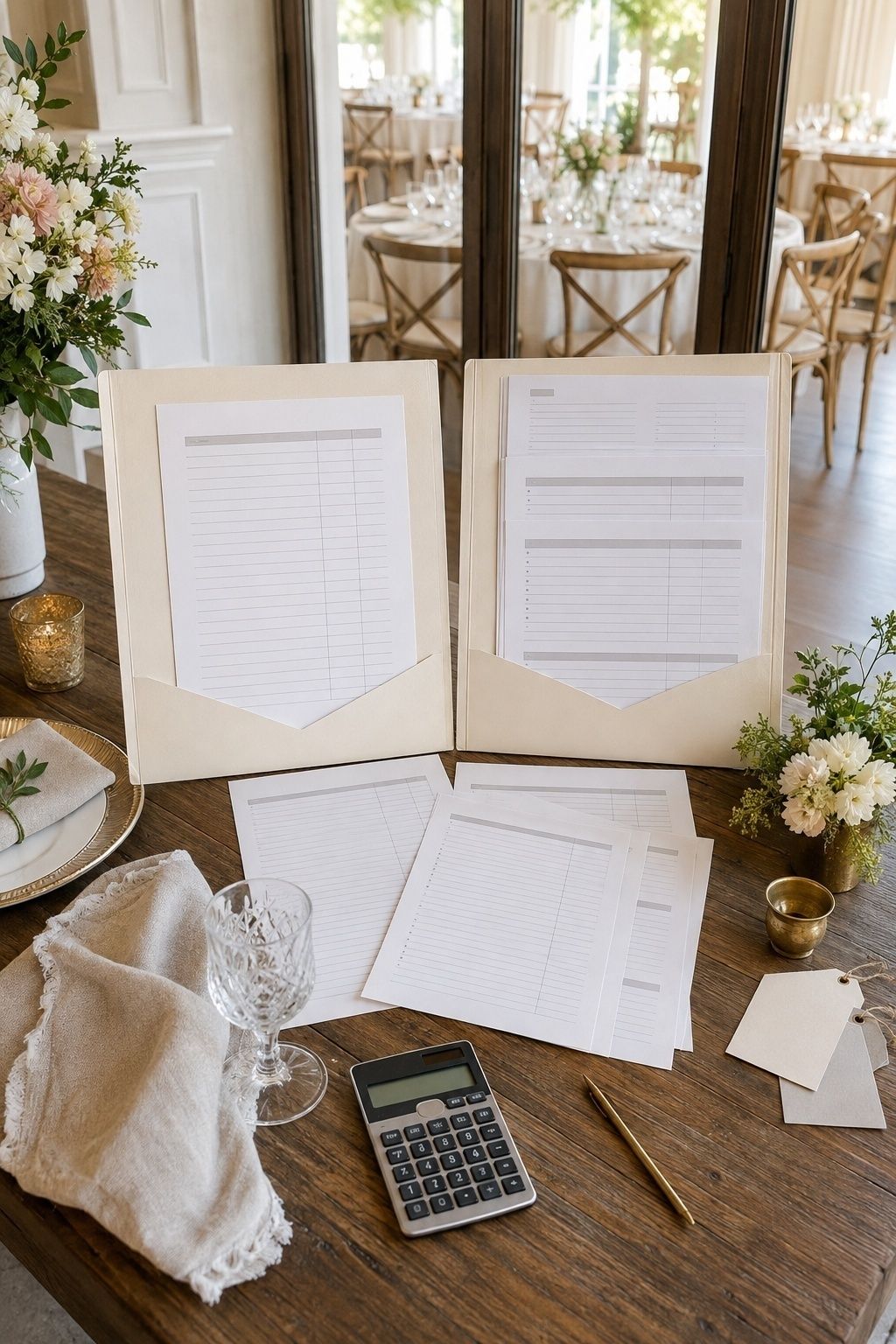
The rental fee is rarely the whole venue cost. Wedding venue hidden fees often live in minimum spends, service charges, tax, gratuity, staffing, setup, breakdown, security, insurance, cleanup, overtime, ceremony fees, coat check, kitchen access, bar packages, and rental requirements.
Ask for a sample estimate that reflects your actual guest count and wedding format. A venue that looks cheaper on the first page might cost more once food and beverage minimums, required staff, late-night pickups, and rental gaps are included. Another venue with a higher rental fee might include tables, chairs, linens, lighting, and coordination support that makes the final number steadier.
The comparison should be full event cost against full event cost. If a venue does not give a realistic estimate before booking, treat the number as unfinished rather than reassuring.
Trusting The Maximum Capacity Number
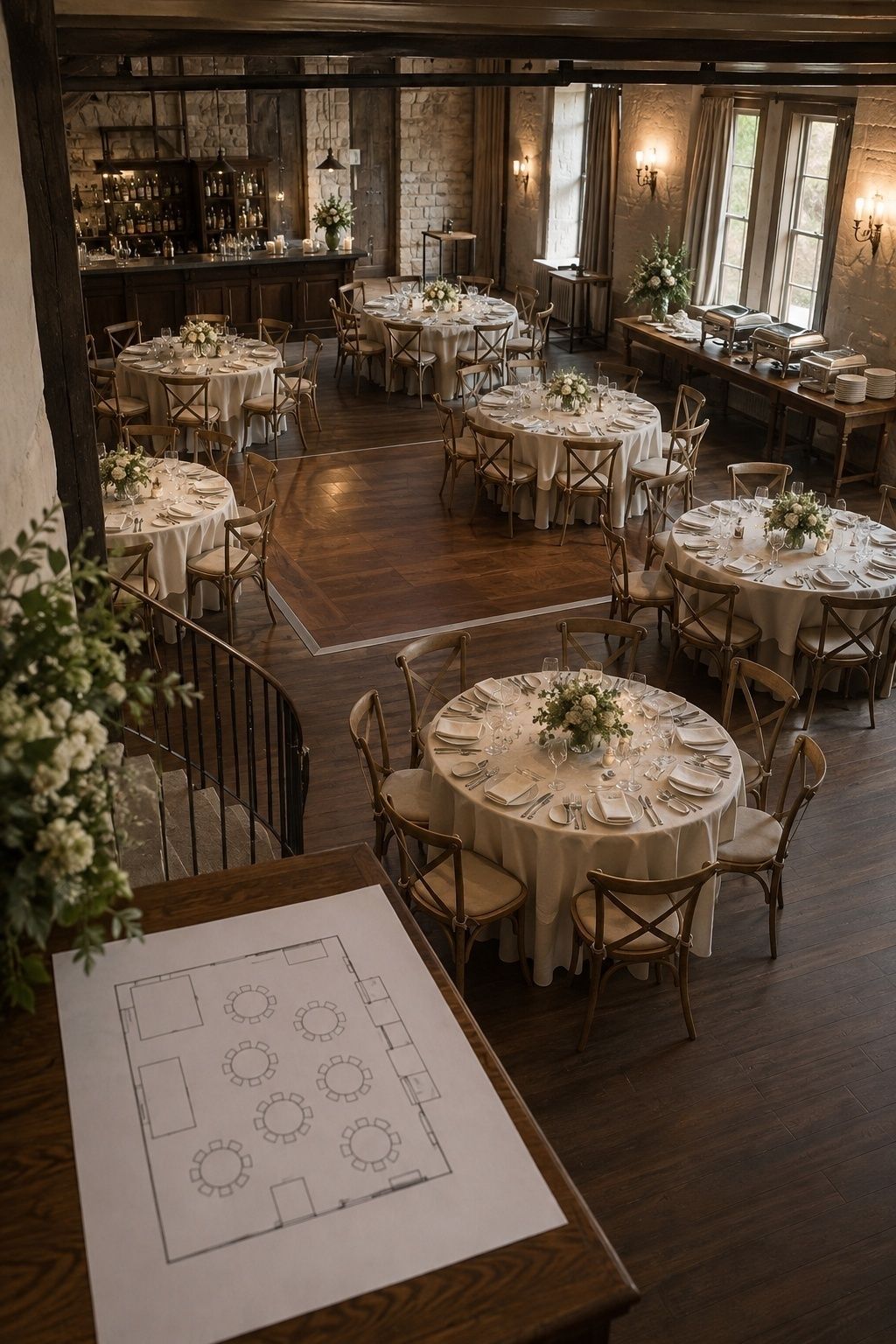
Maximum capacity might mean many things: standing reception, theater-style ceremony, seated dinner without dancing, seated dinner with a tiny dance floor, or a room filled so tightly that guests struggle to move gracefully. The number on the brochure is not the same as the wedding you will host.
Ask to see a floor plan for your real layout. Include the ceremony setup, cocktail hour, dinner tables, buffet or stations, bar lines, dance floor, band or DJ, photo booth, lounge furniture, gifts, escort display, and paths to restrooms. Then ask where guests go during each transition.
Capacity also matters for small weddings. A room that technically fits 40 guests might still feel empty if the ceiling is high, the tables are scattered, or the bar sits far from the dining area. Small wedding venue mistakes often come from choosing a room that fits on paper but never gathers the group emotionally.
Not Asking What Is Actually Included
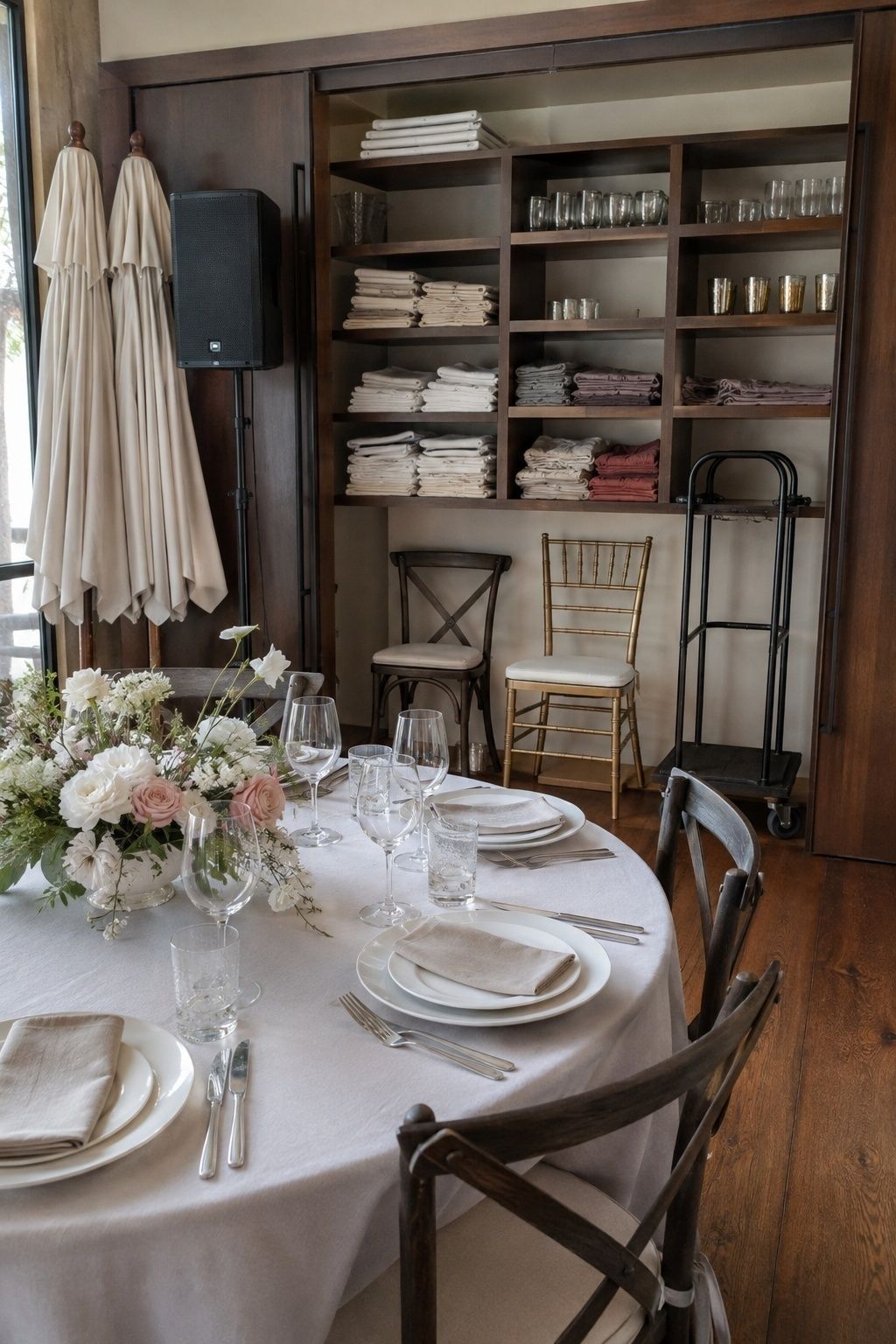
Included is one of the most expensive words in venue planning. It might mean the venue owns tables and chairs, but only one style. It might mean linens are included in white, while the color you imagined costs extra. It might mean a coordinator opens doors, not someone who manages your timeline.
Confirm tables, chairs, linens, napkins, glassware, flatware, lighting, ceremony space, getting-ready rooms, heaters, umbrellas, sound equipment, restrooms, signage, trash removal, setup, breakdown, and basic staff roles. Ask what condition each item is in and whether there are enough pieces for your guest count.
This is where a venue comparison gets calmer. Instead of asking which space is prettier, you are asking which space already contains the pieces your wedding needs and which one quietly moves those costs into another column.
Ignoring Vendor, Catering, Bar, And Decor Restrictions
Wedding venue restrictions reshape the entire wedding design. Some venues require exclusive caterers, approved planners, specific bar providers, in-house rentals, preferred florists, or licensed vendors from a narrow list. Others limit candles, open flames, confetti, sparklers, hanging installations, amplified music, late-night noise, food trucks, or outside desserts.
Restrictions are not automatically bad. They often protect the property, neighbors, licensing, or staff process. The mistake is discovering them after you have imagined a dinner, ceremony backdrop, bar style, or floral installation the venue does not allow.
Ask early how flexible the venue is, what exceptions are possible, what fees apply, and which rules must appear in vendor contracts. If your celebration depends on a certain caterer, open flame, cultural food service, late music, or custom installation, get that permission in writing before you pay.
Signing Before You Understand Access Time
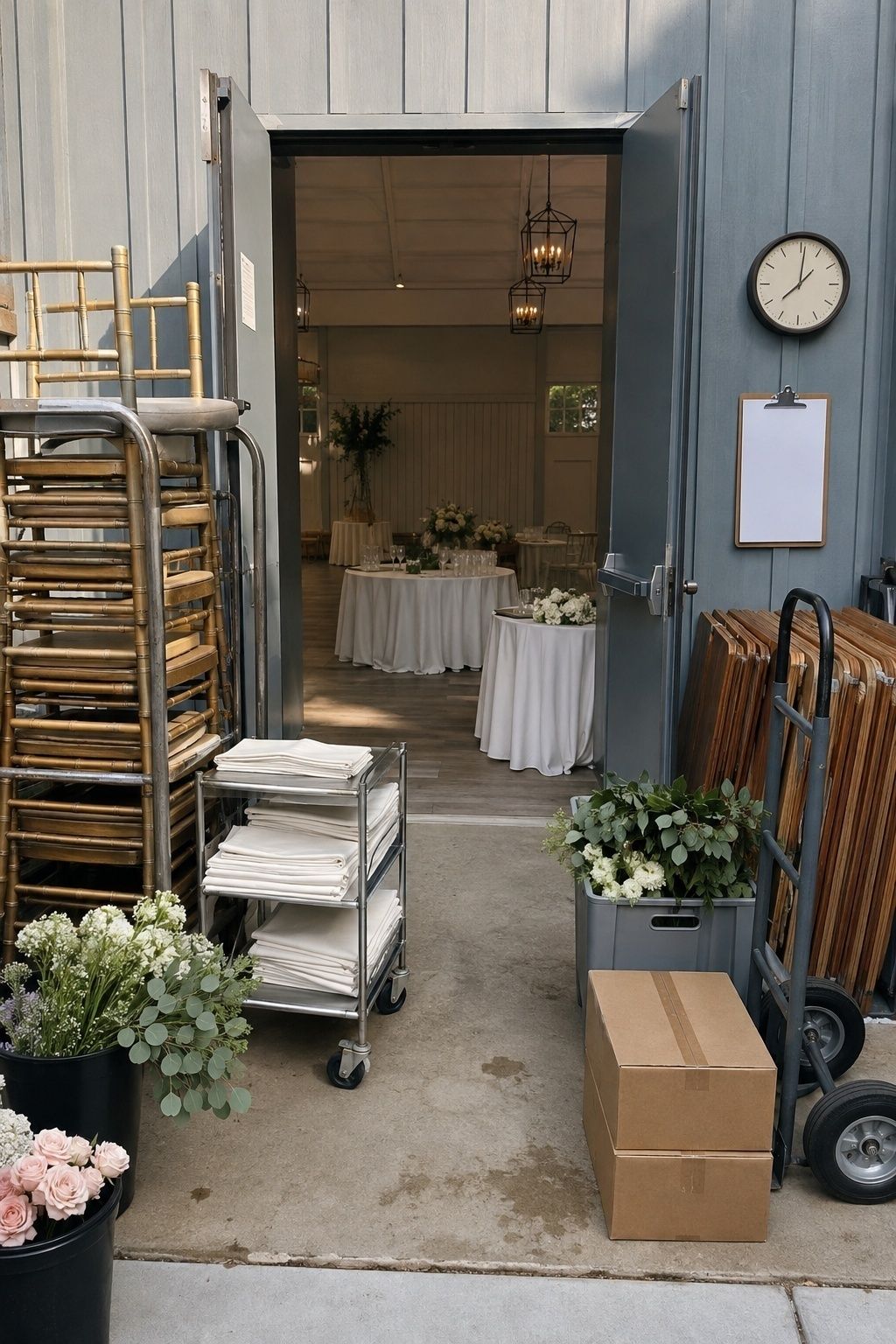
Access time is where calm timelines are either protected or squeezed. A venue might offer a beautiful six-hour event window while vendors need three hours before guests arrive and another hour after everyone leaves. If the contract only covers the party, your setup and cleanup plan is already under pressure.
Clarify when vendors load in, when the couple arrives for photos, when rooms become available, how long setup takes, whether a room flip is required, when music must stop, when guests must leave, when rentals must be picked up, and what overtime costs.
Short access windows create rushed styling, stressed vendors, limited portraits, and expensive late pickups. Before signing, make sure the timeline works for the wedding you want, not just the empty-room tour you saw.
Accepting A Rain Plan You Would Hate On The Wedding Day
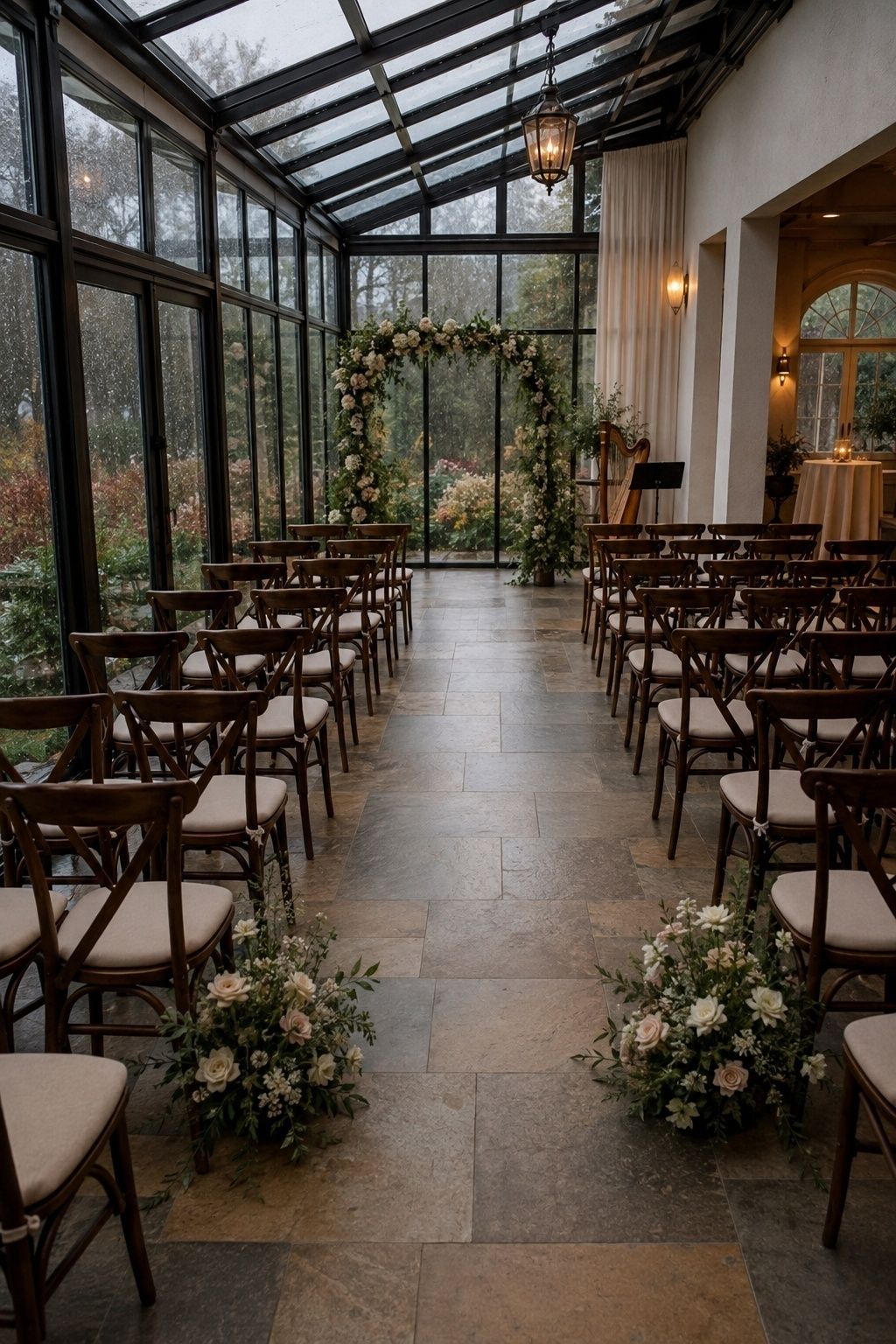
A wedding venue rain plan is not a technicality. If the ceremony is outdoors, the backup plan becomes part of the venue decision. You need to like it enough that the wedding still feels intentional if the weather changes.
Walk the backup space physically. Picture the ceremony chairs, aisle, family seating, music, florals, photos, accessibility, guest arrival, and cocktail hour. Ask who makes the weather call, when that decision happens, whether tenting costs extra, how many guests the backup space seats comfortably, and what happens if rain affects vendor load-in.
If the rain plan feels like a storage room, cramped hallway, rushed flip, or expensive surprise, it is not a plan you should accept quietly. Weather does not need to ruin a wedding, but a disliked backup space changes the whole emotional tone of the day.
Forgetting Parking, Transportation, Accessibility, And Restrooms
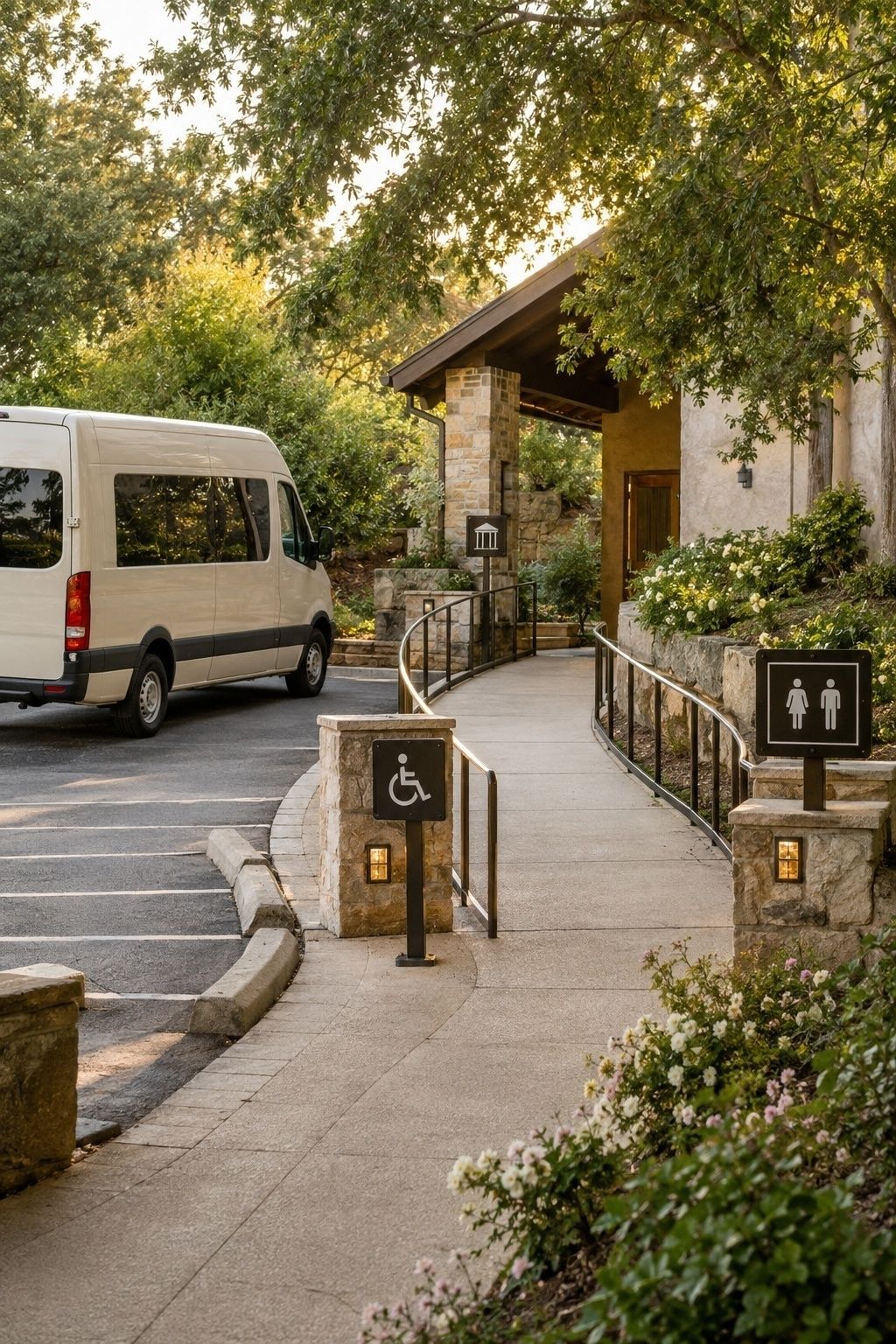
Guests experience the venue before they see the centerpieces. They arrive, park, find the entrance, move through paths, locate restrooms, manage stairs, wait for shuttles, use rideshares, and figure out where coats, bags, strollers, or mobility aids should go.
Ask how many parking spaces are available, whether valet or shuttles are required, where rideshares stop, how older guests enter, whether paths are paved and lit, how far restrooms are from dinner, and what signage the venue allows. A beautiful venue still fails the guest experience when arrival feels confusing or physically strained.
For smaller weddings, these details feel even more personal because every guest is close to the couple. A long unmarked walk, awkward restroom location, or hard-to-find entrance becomes part of the hosting experience.
Overlooking How The Venue Feels With A Small Guest Count
Small weddings need rooms that hold attention close. An oversized ballroom, scattered estate, or cavernous restaurant might make 35 people feel like they are attending separate dinners. The issue is not whether the venue allows a small guest count; it is whether the space helps the group feel gathered.
Ask how the venue handles intimate weddings. Do they close off part of the room, lower lighting, cluster tables, move the bar closer, soften empty corners, or offer a private dining area that feels complete? Also ask whether minimum spends force you to buy more food, bar service, or rentals than your group needs.
A right-sized venue makes a small wedding feel deliberate. The best intimate spaces support conversation, movement, and atmosphere without making the couple decorate their way out of empty square footage.
Not Checking Whether Another Event Happens The Same Day
Some venues host more than one event on the same day. That might be perfectly manageable, but it changes the questions you need to ask. Shared parking, shared restrooms, sound bleed, staff attention, photo access, signage, and guest arrival paths all matter.
Ask whether another wedding, corporate event, restaurant service, or private party will overlap with yours. Confirm which spaces are exclusive, which are shared, who manages wayfinding, and how the venue separates sound and guest movement.
A same-day event is not an automatic no. The risk is assuming exclusivity because the tour felt private. Your contract should make clear which rooms, entrances, gardens, restrooms, parking areas, and photo locations are reserved for your event window.
Relying On Verbal Promises From The Tour
Wedding venue contract mistakes often begin with friendly verbal promises. A staff member says a fee is usually waived, a candle rule is probably flexible, a room might be available early, or an outside vendor should be fine. Then the contract arrives without that promise anywhere on the page.
Before signing, turn every meaningful promise into written contract language, an email confirmation, or an addendum. This includes fees, inclusions, access windows, rain plans, vendor exceptions, bar rules, noise limits, room exclusivity, cancellation terms, payment dates, insurance needs, and overtime rates.
This is not about turning the venue relationship cold. It is about protecting everyone from memory, staff changes, and assumptions. Clear writing lets the planning relationship stay warmer because fewer details are floating around as maybes.
A Venue Reality Check Before You Pay The Deposit
Before you pay, pause long enough to compare the venue against the real wedding. Does the full estimate fit the budget? Does the seated layout fit the count? Do guests know where to arrive, park, move, sit, and leave? Does the rain plan feel acceptable? Do the rules allow the food, music, decor, and timing you want?
Then check the written terms. Look for the exact date, event window, rooms included, setup and cleanup responsibilities, payment schedule, cancellation terms, overtime fees, service charges, vendor rules, alcohol policies, security needs, insurance requirements, and what happens if weather or emergencies affect the event.
Questions to ask wedding venue teams should lead to decisions, not just interesting answers. When a space still feels right after cost, flow, weather, restrictions, access, guest comfort, and written terms are clear, the deposit feels less like a leap and more like a grounded yes.
FAQ
What Are Common Wedding Venue Mistakes?
Common wedding venue mistakes include booking before knowing the full event cost, trusting maximum capacity without a real floor plan, overlooking vendor restrictions, accepting a weak rain plan, ignoring guest arrival and restroom flow, and relying on verbal promises that never make it into the contract.
What Should You Ask Before Booking A Wedding Venue?
Ask about the full estimate, food and beverage minimums, taxes, service charges, gratuity, rentals, staffing, cleanup, overtime, access time, vendor rules, bar policies, rain plans, capacity by layout, parking, accessibility, restrooms, same-day events, cancellation terms, and which promises will be included in writing.
What Are Wedding Venue Red Flags?
Wedding venue red flags include vague pricing, pressure to sign quickly, unclear contract terms, weak answers about weather, missing access windows, unexplained fees, no real floor plan, strict rules revealed late, poor communication, and a backup space that would make the wedding feel like a compromise.
What Hidden Venue Fees Should Couples Check?
Couples should check service charges, tax, gratuity, staffing, security, insurance, cleaning, overtime, ceremony fees, rental upgrades, bar minimums, corkage, cake cutting, coat check, vendor meals, late pickup fees, required valet, and any charge tied to changing rooms, extending time, or using outside vendors.
How Do You Know If A Venue Works For A Small Wedding?
A venue works for a small wedding when the room feels full enough for warmth, the minimum spend fits the guest count, the layout keeps people connected, the bar and dance area are not too far away, and the venue offers right-sized spaces instead of simply allowing fewer guests in a large room.
What Should Be In A Wedding Venue Rain Plan?
A rain plan should name the backup ceremony or reception space, comfortable capacity, decision deadline, setup responsibilities, tent or room-flip costs, photo options, guest paths, vendor load-in changes, accessibility details, and who makes the final weather call. The backup should feel like a real version of the wedding, not an afterthought.
Final Thoughts
The venue you remember fondly will not be the one that simply looked best when empty. It will be the one that held the wedding you were actually planning, gave guests an easy path through the day, and kept wedding venue mistakes from spreading through the budget, weather plan, vendor rules, and written terms.
Before you commit, walk the full guest path, price the real layout, picture the rain plan, ask for written clarity, and choose the space that supports your count, comfort, and celebration style. The decision feels steadier when the important venue questions happen early and the answers still point back to the wedding you are actually planning.
Last update on 2026-10-03 / Affiliate links / Images from Amazon Product Advertising API