

Wedding registry mistakes make gift-giving awkward when guests have too little direction, only costly choices, unclear cash fund wording, outdated sold-out items, or no simple place to find the list. A good registry should feel gracious and useful: enough options, varied price points, clear shipping details, gentle website placement, and a plan for gift records and gratitude cards.
A wedding registry has a strange emotional job. It is practical, but it sits close to money, family expectations, personal taste, and the quiet hope that guests will feel cared for instead of managed.
The goal is not to sound gift-focused. The goal is to give people who already want to celebrate you a clear, low-pressure path. That matters even more for a small wedding, where the guest list is close enough that every registry choice feels a little more personal.
Recommended Wedding Products


You Might Also Like These Blog Posts
- Should You Have A Registry After Eloping?
- Wedding Seating Chart Mistakes That Make Dinner Feel Awkward
- Cash Fund Wording For Small Wedding Guests That Feels Thoughtful
- Wedding Invitation Mistakes That Make Guests Guess
- Wedding Website Mistakes That Make Guests Text You Anyway
- How To Word No Gifts At Wedding Without Making It Weird
Wedding Registry Mistakes That Turn A Kind Gesture Into Guesswork
A thoughtful registry gives guests a little relief. They do not have to guess your kitchen color, wonder whether cash is welcome, text your mother for clues, or buy something random because every remaining item is out of reach.
Most wedding registry etiquette mistakes begin with discomfort. Couples worry that a list sounds greedy, so they hide it, rush it, fill it with safe filler, or avoid updating it after the easiest gifts disappear. The result is usually more awkward for guests, not less.
Think of your registry as hospitality. The list should answer three questions quietly: what would you truly use, what budgets are welcome, and how should guests give without feeling pushed. When those answers are clear, the registry becomes a gracious tool instead of a gift demand.
Not Creating A Registry Because You Do Not Want To Seem Greedy
Skipping the registry often feels humble to the couple, but it leaves guests doing invisible work. People who want to give a wedding gift still need to choose something, and without direction they might guess, repeat gifts, overspend, or ask relatives for private details.
A registry is not a command. It is a clear answer for guests who are already looking for one. For an intimate wedding, frame it as optional guidance: your presence matters most, and the list is there for anyone who has asked what would be useful.
This is one of the wedding gift registry mistakes that grows from good intentions. You are trying not to pressure anyone, but the kinder move is often to offer a simple, varied list and keep the tone grateful.
Building The Registry Too Late For Showers, Save-The-Dates, Or Early Gifters
Some guests shop early. They might bring something to an engagement party, send a gift after the save-the-date, or ask about shower plans before the full wedding website is polished. If the registry is not started, the first wave of giving becomes scattered.
You do not need a perfect list immediately. Start with a small foundation of items and funds you feel good about, then refine it as planning settles. Early structure prevents rushed last-minute choices and gives hosts an easy answer when guests ask.
A late registry also tends to create gratitude-card confusion. When gifts arrive before your tracking system exists, names, addresses, and exact items drift across texts, boxes, and memory. A quiet setup early in the engagement keeps gratitude easier later.
Adding Too Few Items Or Too Narrow A Price Range
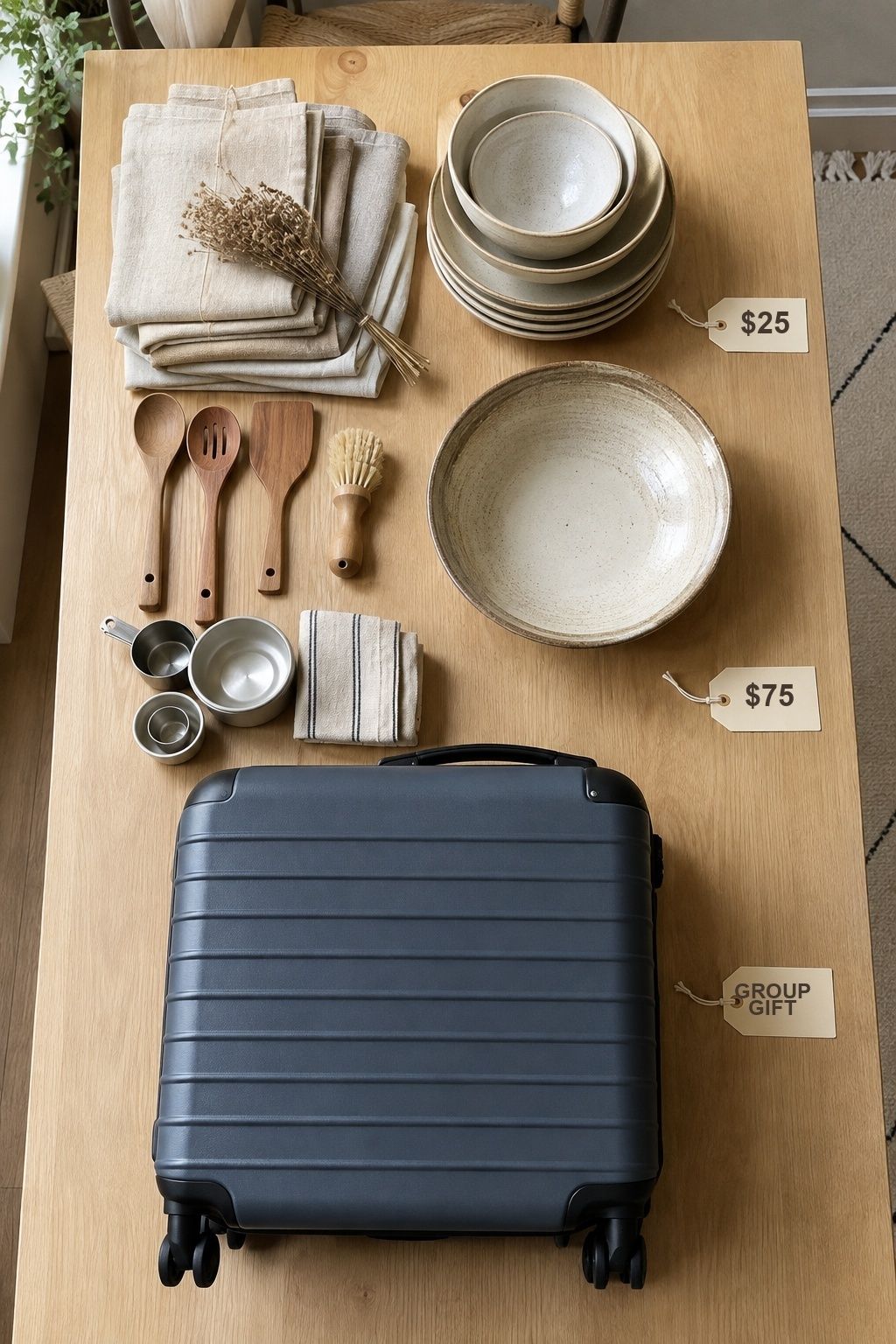
Guests need choice. A registry with only a handful of gifts or one narrow price band makes people wonder whether they are expected to spend more, buy off-list, or combine with someone else. That uncertainty is where awkwardness begins.
Build a range that feels respectful of different households. Include small practical items, mid-range pieces, a few larger group-gift options, and meaningful funds if those fit your life. The point is not a formula. It is enough variety that guests do not feel cornered.
Wedding registry price points matter most when the guest list includes different life stages: grandparents, cousins, friends just starting out, family friends, and people traveling for the wedding. A generous price range tells every guest their celebration is welcome.
Choosing Only Expensive Gifts Or Only Tiny Filler Items
A list of only expensive gifts makes the registry feel like a bill. A list of only tiny filler items has the opposite problem: guests who planned to give something substantial might struggle to find a meaningful option. Both extremes make gift-giving feel less natural.
Balance the list around real use. Add objects you will reach for in daily life, pieces that support hosting or travel, and a few upgrades you would not buy casually but would treasure. Remove items that exist only to fill space.
Group gifting, gift cards, and experience funds also ease the pressure when used thoughtfully. They give guests flexibility without making one price point feel like the only correct choice.
Registering For Things Only One Person Will Use
One-person-use gifts are tricky because wedding gifts are usually understood as support for the couple’s shared life. Personal clothing, private beauty items, individual gadgets, or hobby gear for only one partner can leave guests wondering whether the registry is really about the marriage.
That does not mean every item needs to be traditional. The list can include camping gear, cookbooks, luggage, tools, art, games, or experiences if they genuinely fit the life you are building together. The shared-life test is the useful one.
Before adding anything questionable, ask whether both partners are comfortable receiving it from an aunt, coworker, or family friend. If the answer feels complicated, choose something calmer.
Asking For Cash Without Purpose Or Tangible Alternatives
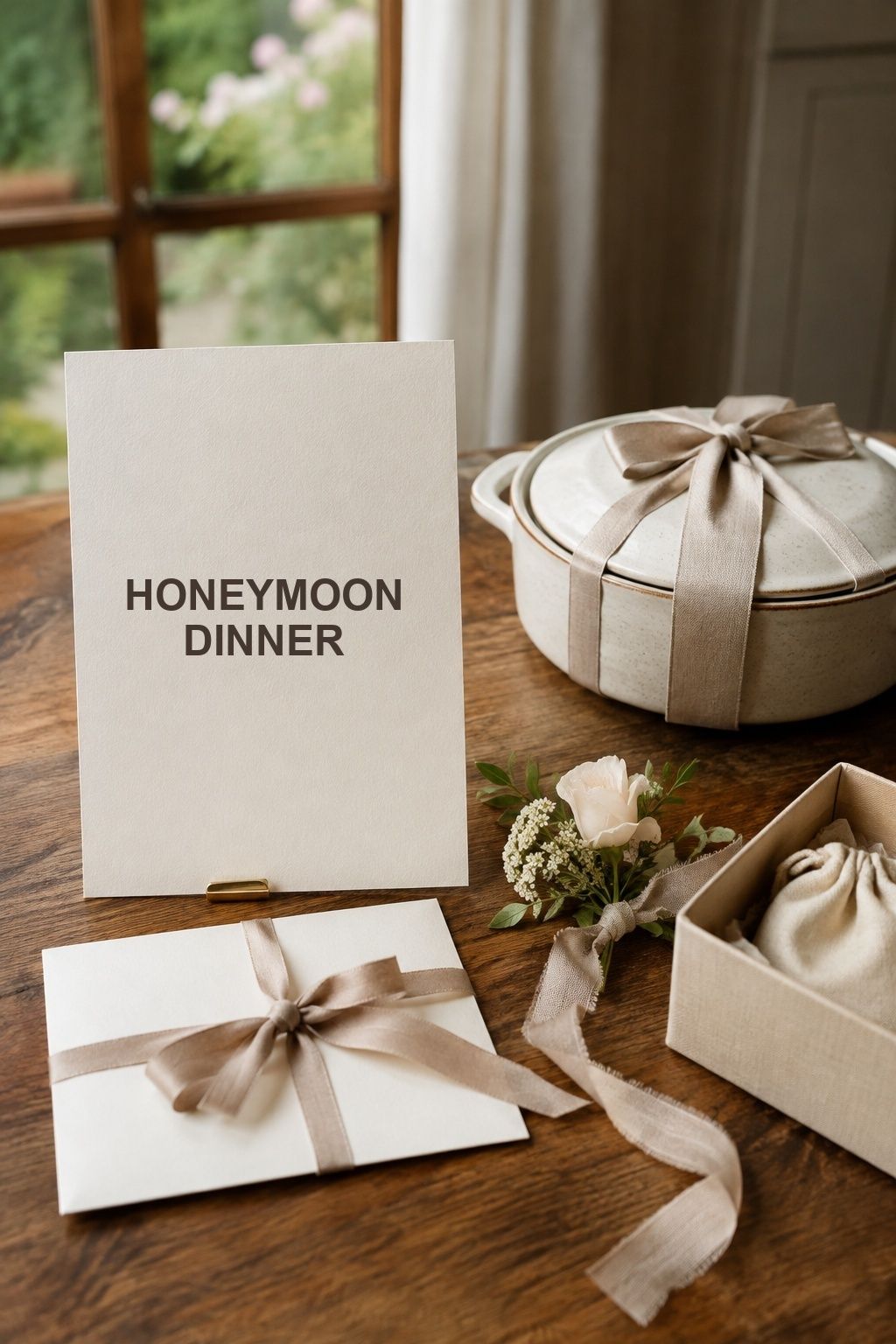
Cash fund wedding registry wording needs warmth. A blunt request for money can feel transactional, especially to guests who grew up choosing wrapped gifts. A little purpose changes the tone: a honeymoon meal, a future home project, date nights, a garden, or a shared experience.
Keep cash funds optional and specific. Guests should understand what the contribution celebrates without feeling assigned to pay for the wedding itself. Tangible alternatives also matter because some people enjoy selecting a physical gift and imagining you using it.
For a close guest list, the most gracious tone is simple: gifts are appreciated, never expected, and the registry includes a few ways to celebrate your next chapter. That language keeps the fund human rather than demanding.
Putting Registry Information On The Main Invitation
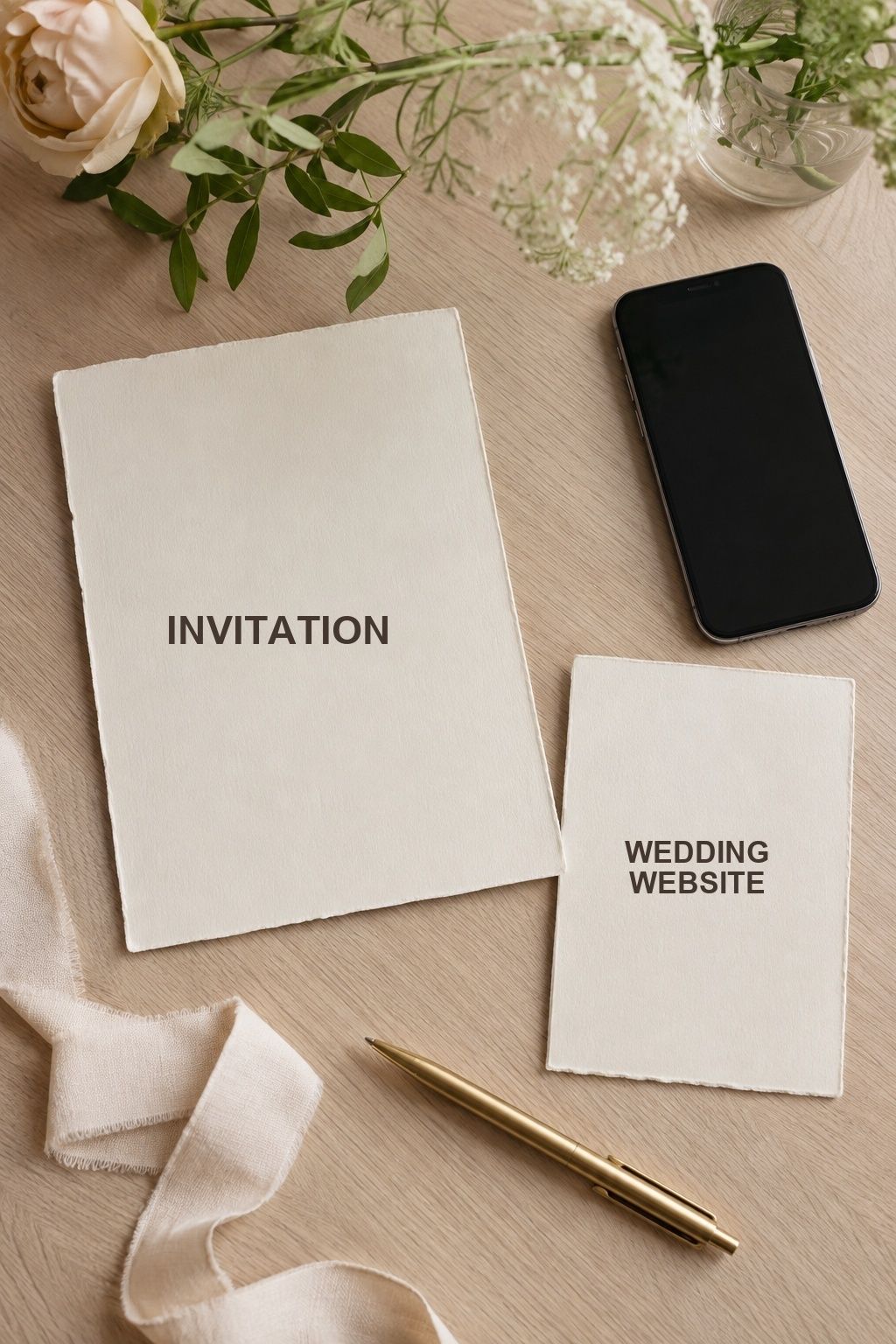
The main invitation should feel like an invitation, not a shopping prompt. Names, date, time, venue, and reception details fit there. Registry information usually feels softer on the wedding website, where guests are already looking for practical details.
If you need to direct people somewhere, include the website address on a details card or wedding website line. Then let the registry page sit alongside RSVP, travel, attire, parking, and schedule information instead of leading the printed invitation.
This is especially important for small weddings. When the guest list is intimate, gift language on the formal invitation can leave the whole event feeling more gift-centered than you intend. Keep the invitation warm and let the website carry the practical pieces.
Forgetting To Update Sold-Out Items And Shipping Details

A registry is not finished the day you publish it. Guests often shop across several months, and the list changes as items sell out, prices shift, shipping windows close, or duplicates appear. A stale registry creates frustration for thoughtful people trying to follow your wishes.
Check the list regularly once showers, invitations, and reminders begin. Add fresh options when popular gifts disappear, remove unavailable items, confirm addresses, and notice whether only high-priced choices remain. Maintenance is part of good registry manners.
Shipping details deserve their own check. Decide whether gifts should arrive at home, at a family address, after the wedding, or through a store hold option. Guests should not have to guess where fragile boxes, travel gifts, or bulky items should go.
Adding Wedding Decor Or Event Expenses To The Registry
There is a difference between a gift for married life and a line item for the party. Asking guests to fund centerpieces, rentals, favors, the bar, or other event expenses often feels uncomfortable because it turns their gift into part of the wedding bill.
Some experiences are lovely as registry items when they point toward your life after the wedding: a cooking class, museum membership, honeymoon dinner, home project, or future weekend away. The difference is emotional. Guests want to celebrate you, not feel responsible for making the event happen.
If money is tight, simplify the wedding budget separately. Do not ask the registry to solve reception costs. That boundary protects the warmth around giving.
Forgetting Older Guests Or Less Tech-Comfortable Guests
A registry that works only for the most online guests can unintentionally leave others out. Older relatives or less tech-comfortable guests might prefer a familiar store, a printable list, a phone number, or a family member who knows how to answer questions gently.
Make the website path simple, keep the registry page easy to find, and choose at least one option that does not require several accounts or confusing checkout steps. If a grandparent asks directly, answer warmly instead of sending them through a maze.
Accessible registry planning is not old-fashioned. It is hospitality. A close wedding often includes people from different generations, and the registry should welcome all of them into the same gracious experience.
Losing Track Of Who Gave What
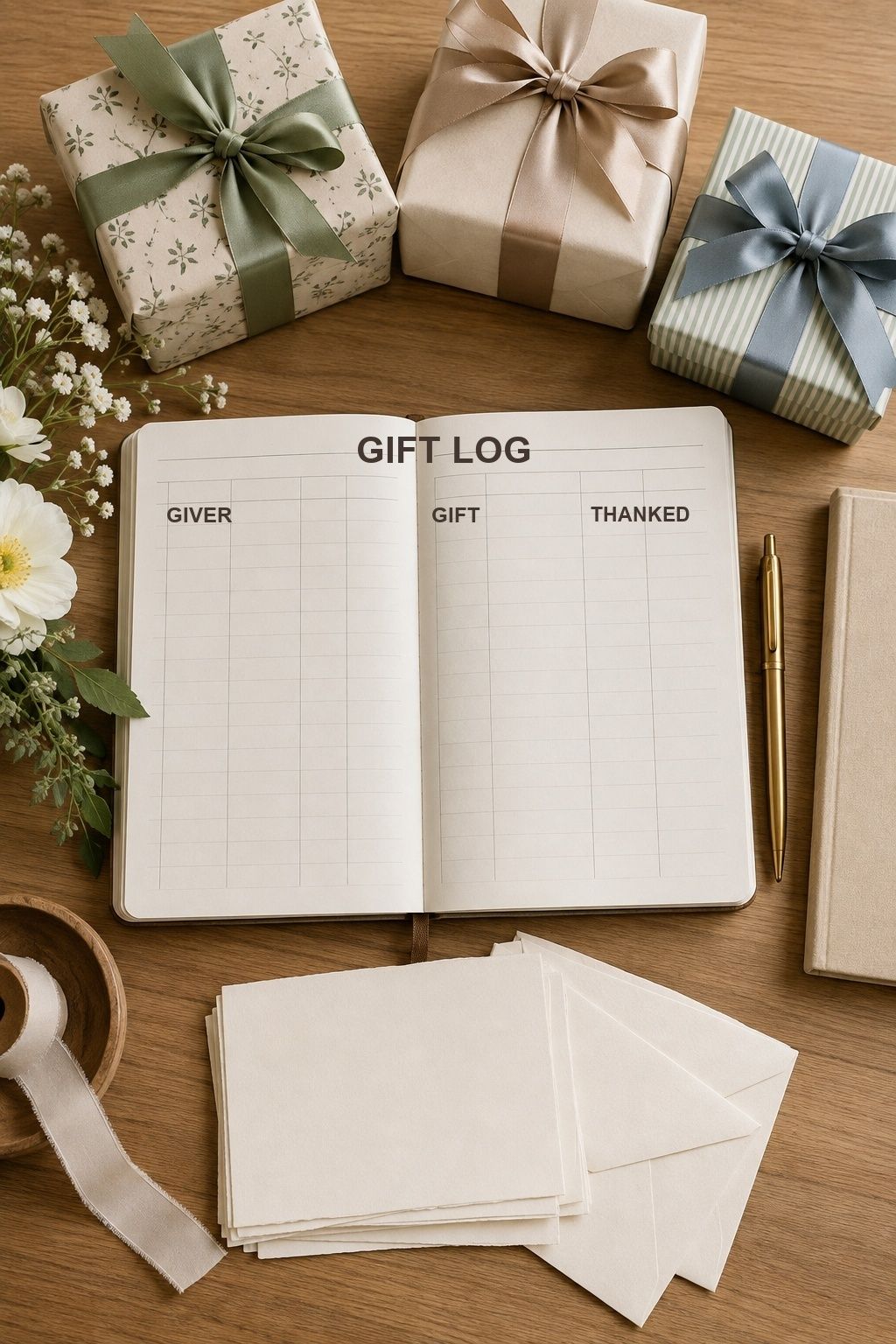
Wedding thank-you-card mistakes often begin before the cards are written. If you do not track each gift as it arrives, you might forget whether a serving bowl came from your cousin, your neighbor, or the group from work.
Keep a gift log from the first package. Record the giver, item, date received, address, whether the thank-you card is written, and whether it has been mailed. A simple spreadsheet or notebook is enough as long as both partners know where it lives.
Gratitude cards feel better when the system is ready before gifts arrive. You are not trying to reconstruct kindness after the fact; you are responding to it clearly, personally, and on time.
A Gracious Registry Check Before You Share The Link
Before the registry goes public, look at it through a guest’s eyes. Is there enough choice? Are there different price points? Are cash funds explained softly? Are the shipping details clear? Are personal-only items removed? Is the website placement easy but not pushy?
Then check the tone. The registry should never apologize for existing, but it also should not sound entitled. The best wording is short, grateful, and practical: for anyone who has asked, here are a few things that would be useful as you begin married life.
That final pass turns the list from a shopping page into a guest-friendly part of the wedding plan. It keeps giving optional, makes choosing easier, and gives you a cleaner path for gratitude afterward.
FAQ
What are common wedding registry mistakes?
Common wedding registry mistakes include not creating a registry, building it too late, offering too few price points, choosing mostly personal items, making cash funds sound blunt, placing the link on the main invitation, forgetting sold-out items, and failing to track gifts for thank-you cards.
What should you not put on a wedding registry?
Avoid gifts meant for only one partner, private personal items, routine household supplies that feel more like errands than gifts, and wedding event expenses such as decor, rentals, favors, or reception costs. Choose items and funds that support your shared life after the wedding.
Is it rude not to have a wedding registry?
It is not rude to skip a registry, but giving gets harder for guests who want direction. A small, optional registry often feels kinder than no guidance because guests have a clear way to choose something useful without asking around.
Where should registry information go?
Registry information usually works best on the wedding website or in word-of-mouth replies when guests ask. Keep the main invitation focused on the celebration details, then place the registry alongside other practical website information such as RSVP, travel, attire, and schedule updates.
How many gifts should be on a wedding registry?
There is no single number every couple needs. The useful test is whether guests have enough real choices across different budgets, especially after early gifts are purchased. If the remaining list starts to feel thin or expensive, add more practical options.
Can you ask for cash on a wedding registry?
Yes, cash funds are common, but the wording should feel optional and specific. Name the purpose, such as a honeymoon experience, future home project, or date night fund, and include tangible gifts too for guests who prefer choosing something physical.
When should you send wedding thank-you cards?
Send thank-you cards as promptly as you reasonably can, especially for gifts that arrive before the wedding. Track each gift as it comes in so the card names the item accurately and reaches the right person without a stressful search later.
Final Thoughts
A registry is not the heart of the wedding. It is a small piece of guest care that works best when it feels clear, varied, and easy to ignore gracefully. The more useful the list is, the less attention it demands.
Before sharing it, review the price range, remove one-person-only items, soften cash fund wording, refresh sold-out options, update shipping details, set up gift tracking, and prepare gratitude-card follow-up so giving feels easy overall.
Last update on 2026-10-03 / Affiliate links / Images from Amazon Product Advertising API