

Wedding guest list mistakes usually happen when couples invite before setting a firm guest ceiling, clear household rules, and a real hosting plan. Start with the room you want, the seats you truly have, and the boundaries you are willing to repeat kindly.
The guest list looks simple until every name carries a memory, a family expectation, a meal cost, and a seat at a table. That is why so many couples feel stuck between being generous and protecting the wedding they actually want to host.
The goal is not to trim people coldly. The goal is to build a room that feels honest, cared for, and possible. When your rules are decided early, wedding guest list mistakes become much easier to spot before they create RSVP confusion, budget strain, or a celebration that no longer feels intimate.

Recommended Wedding Products


You Might Also Like These Blog Posts
- Micro Wedding Guest List: Who Makes The Tiny Cut?
- How To Keep Your Wedding Guest List Small Before It Spirals
- Wedding Guest List Family Pressure: How To Set Boundaries Kindly
- Wedding Guest Experience Mistakes That People Remember For The Wrong Reasons
- Wedding Speech Mistakes That Make the Room Go Quiet
- Small Wedding Guest List Etiquette For A Guest List That Feels Fair
Wedding Guest List Mistakes That Change The Whole Room
A guest list is more than a spreadsheet. It decides who witnesses your vows, how dinner feels, how much breathing room your venue has, and how much emotional energy you spend before the day even arrives. The biggest wedding guest list mistakes begin when couples treat names as separate favors instead of connected hosting decisions. Once the room is set, these wedding music mistakes shape how it feels.
Writing Names Before You Know The Real Guest Ceiling
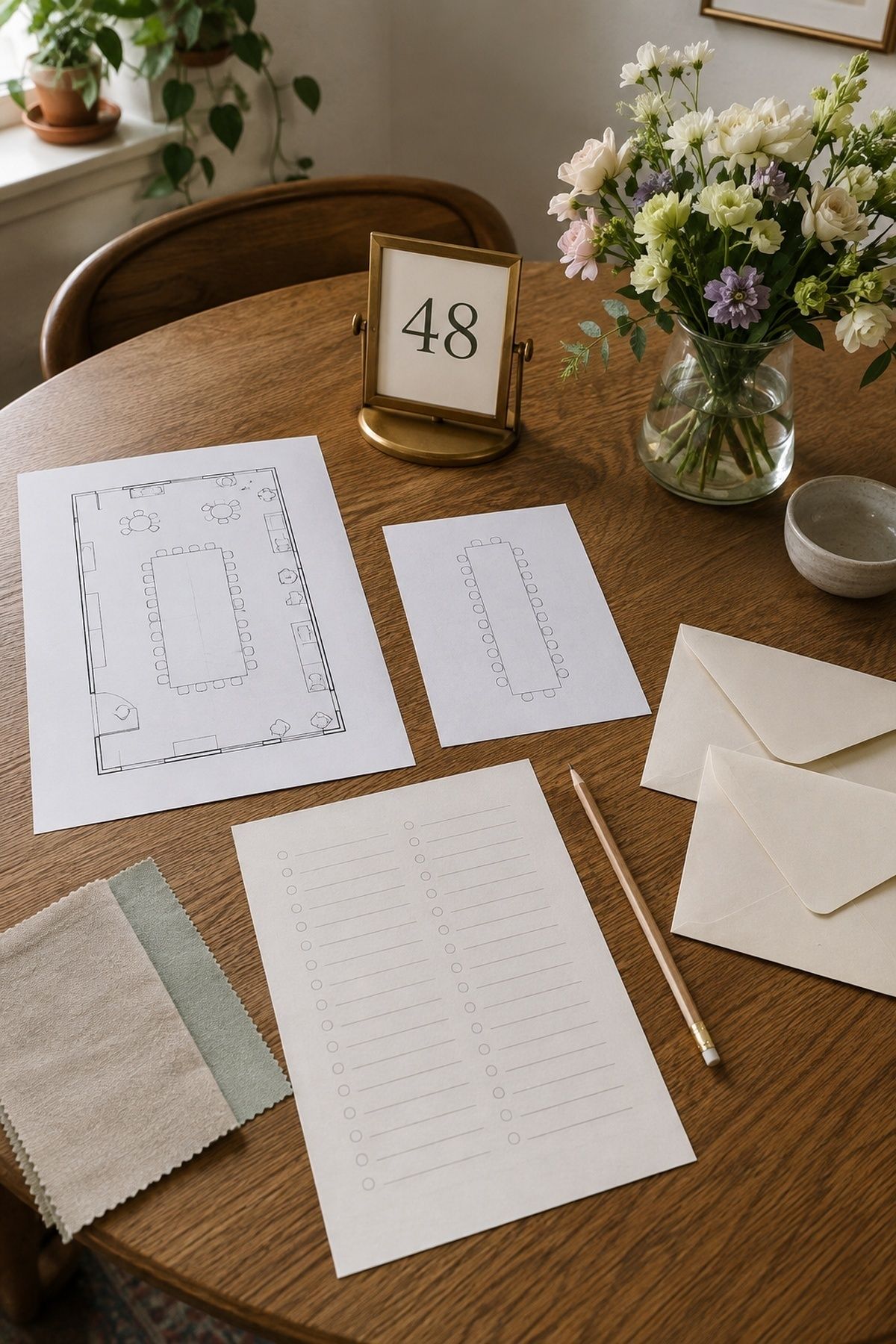
The first mistake is opening a blank list and adding everyone who comes to mind. It feels generous for ten minutes, then suddenly the list is larger than the venue, the budget, or the kind of gathering you pictured. A real ceiling includes invited guests, partners who qualify under your rules, children if they are invited, and the handful of vendor meals your caterer may require.
Decide the number before the names. For an intimate celebration, the emotional ceiling matters too. If the idea of greeting everyone at dinner already feels impossible, the count is telling you something. Build your first pass around the people whose presence changes the meaning of the day, then check whether the room, food, and timeline still feel gracious.
Before relatives begin adding names, put the ceiling in your planning document so every later decision has the same boundary behind it.
Ignoring The Per-Person Cost Behind Every Invitation
Wedding guest count mistakes rarely stop at catering. One extra table may mean linens, rentals, centerpieces, printed pieces, bar service, transportation, parking, favors, and more staff time. A guest who seems like “just one more” might quietly carry a full chain of costs. These wedding rental mistakes show how quickly that chain grows.
That does not mean people are line items. It means every invitation deserves an honest place in the hosting plan. If five extra guests require removing the dessert you loved, stretching the reception staff, or crowding the dinner layout, the choice should be made openly instead of hidden in the budget until later.
Letting Family Requests Arrive Without A Seat Limit
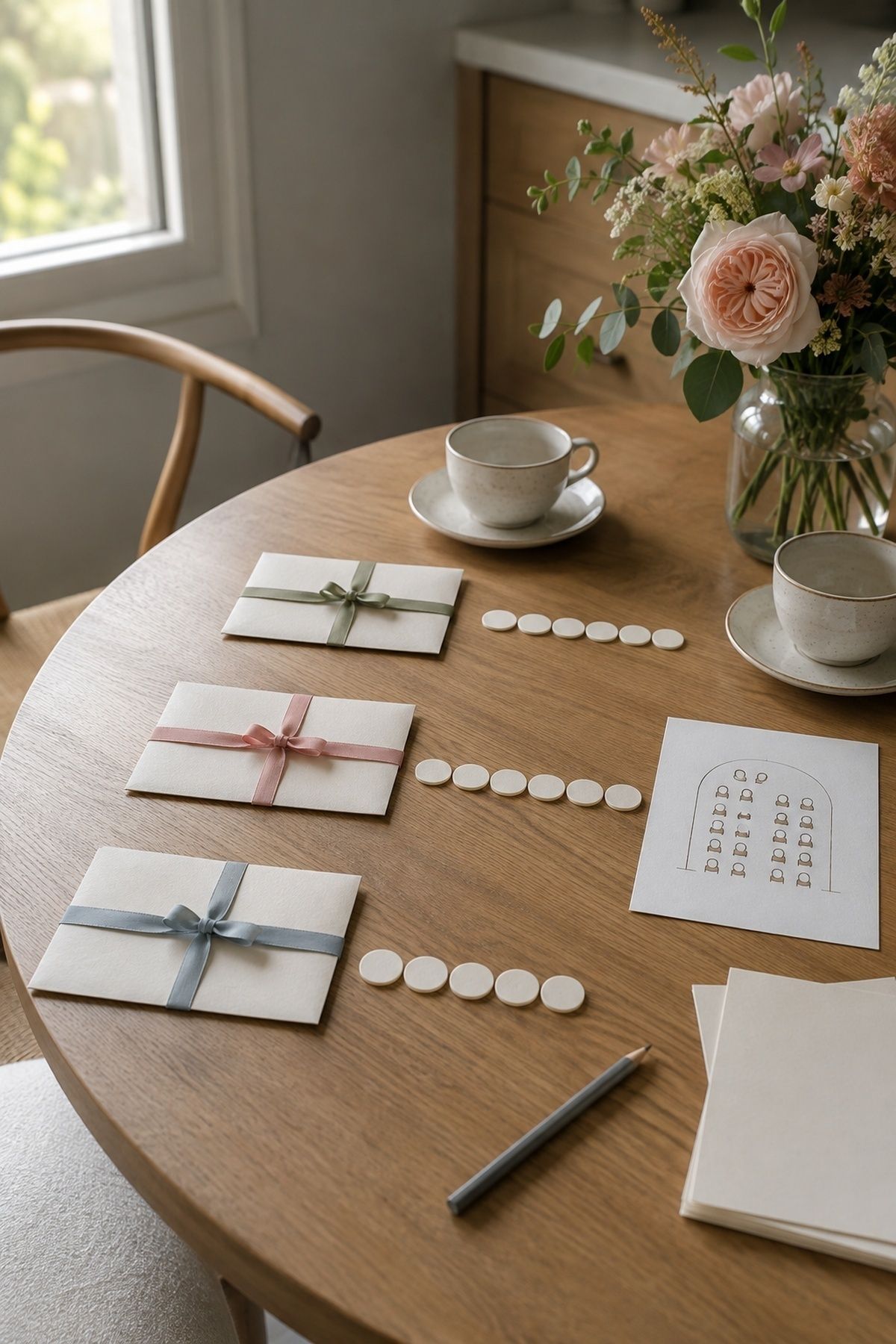
Family pressure usually starts with one harmless addition: an aunt, a neighbor, a family friend who watched you grow up. The trouble is that each side may think their request is the exception. Without a seat limit, your guest list becomes a series of emotional negotiations rather than a shared plan.
Give each contributing family a number, a deadline, and the same rules everyone else follows. If parents are helping pay, the conversation may be more layered, but it still needs limits. The wedding family pressure guest list conversation goes better when you and your partner decide privately what you will protect before the wider family weighs in.
When the list starts shifting after every call, return to the seat count before discussing family pressure, because the limit has to remain clearer than anyone’s opinion.
Making Plus-One Rules One Guest At A Time
One of the most visible wedding plus one mistakes is deciding case by case without a pattern. A cousin gets a date because they asked early. A friend in a newer relationship does not. A single guest travels alone because no one noticed the reception is mostly couples. In a smaller room, those choices are easier for guests to feel.
Pick a rule before invitations go out. You might invite spouses, engaged partners, long-term partners, live-in partners, and guests who will know almost no one. You might not have room for casual dates. The exact rule matters less than applying it consistently and making the invited names unmistakable.
If your count is tight, write the plus-one rule before invitations go out, then ask whether each exception is truly worth the ripple it creates.
Being Vague About Children And Household Invitations

Vague wording causes more hurt than clear wording. “The Smith Family” sounds different from two named adults. “And family” may invite children, adult children, partners, or relatives you never planned to host. If your children policy is selective, adults-only, or limited to immediate family, the invitation language and wedding website need to match.
Wedding guest list etiquette is not about making every person happy. It is about giving people enough clarity to respond honestly. Name invited guests, state the number of reserved seats when needed, and avoid playful phrasing that blurs the boundary.
Inviting Coworkers Or Distant Friends Out Of Guilt
Guilt invitations often happen quietly. You feel awkward seeing someone at work, remember a friend from an old season, or worry that a social circle will talk. Then the guest list starts reflecting avoidance instead of closeness.
Ask a more honest question: would you feel glad to sit across from this person during one of the most personal meals of your life? For a small wedding guest list, that answer matters. You are not ranking human worth. You are deciding which relationships feel right for this particular room, on this particular day.
Sending Save-The-Dates Before The List Is Stable
Save-the-dates feel exciting, but they are promises. Once someone receives one, pulling back is painful and often impossible without damaging the relationship. This is why the guest ceiling, plus-one rule, children policy, family allotments, and venue capacity should be settled before anything leaves your hands.
If you are unsure, wait. A slightly later save-the-date is usually easier than a public reversal. This is especially true for destination weekends, private estates, restaurant buyouts, and other gatherings where travel plans or limited seating make every early signal feel official.
Keeping A B-List Without Enough Timing Or Care
A B-list is not automatically rude, but it becomes rude when guests feel like obvious leftovers. Late invitations, inconsistent circles, or rushed RSVP deadlines make the ranking visible. At a very intimate wedding, a B-list may not fit the tone at all, because each seat feels intentional.
If you keep a second list, make it small, private, and early enough to give guests a real chance to attend. Do not mix close friends across different invitation waves if they are likely to talk. The kinder version of wedding B list etiquette is less about strategy and more about dignity.
Keep second-wave invitations early and discreet, especially if several guests share the same social circle.
Tracking RSVPs, Meals, Addresses, And Households In Too Many Places

One list in your inbox, another in a reminders app, a few verbal RSVPs, and a printed address sheet from six months ago will eventually disagree. Wedding RSVP mistakes often look like missing meals, wrong spellings, surprise partners, duplicate households, or a guest who told one person they were coming and never made it onto the final count.
Choose one tracking system and make it the only place for names, mailing addresses, invitation counts, RSVP status, meal choices, allergies, table details, and thank-you records. If someone texts an answer, transfer it the same day. The final guest list should be boringly clear by the time catering numbers are due.
As responses arrive, update the same RSVP tracker after each reply so meal counts and household names do not drift apart.
Forgetting That Seating Starts With The Guest List
Seating chart mistakes often begin much earlier than the seating chart. If the list has unresolved tension, uneven plus-one rules, vague households, or too many people for the table size, the seating plan only exposes what the guest list already created.
Think about the room while the list is still flexible. Who needs easy access? Which relatives need space from each other? Which solo guests should be placed with people who will draw them in warmly? Good seating is not only logistics. It is a kindness that starts with who is invited and how they will experience the dinner.
Avoiding Boundary Conversations Until They Become Bigger
Waiting rarely makes a guest-list boundary easier. The longer a request sits unanswered, the more likely the other person starts assuming the answer is yes, or the more anxious you become about disappointing them. A brief answer delivered early is usually gentler than a long explanation delivered late.
Keep the wording short: you wish there were more room, the celebration is limited to named guests, the decision is final, and you are grateful they understand. Do not argue the whole list. Do not offer details you would not want repeated. Kind firmness is the point.
Choosing A List That Does Not Match The Feeling Of A Small Wedding
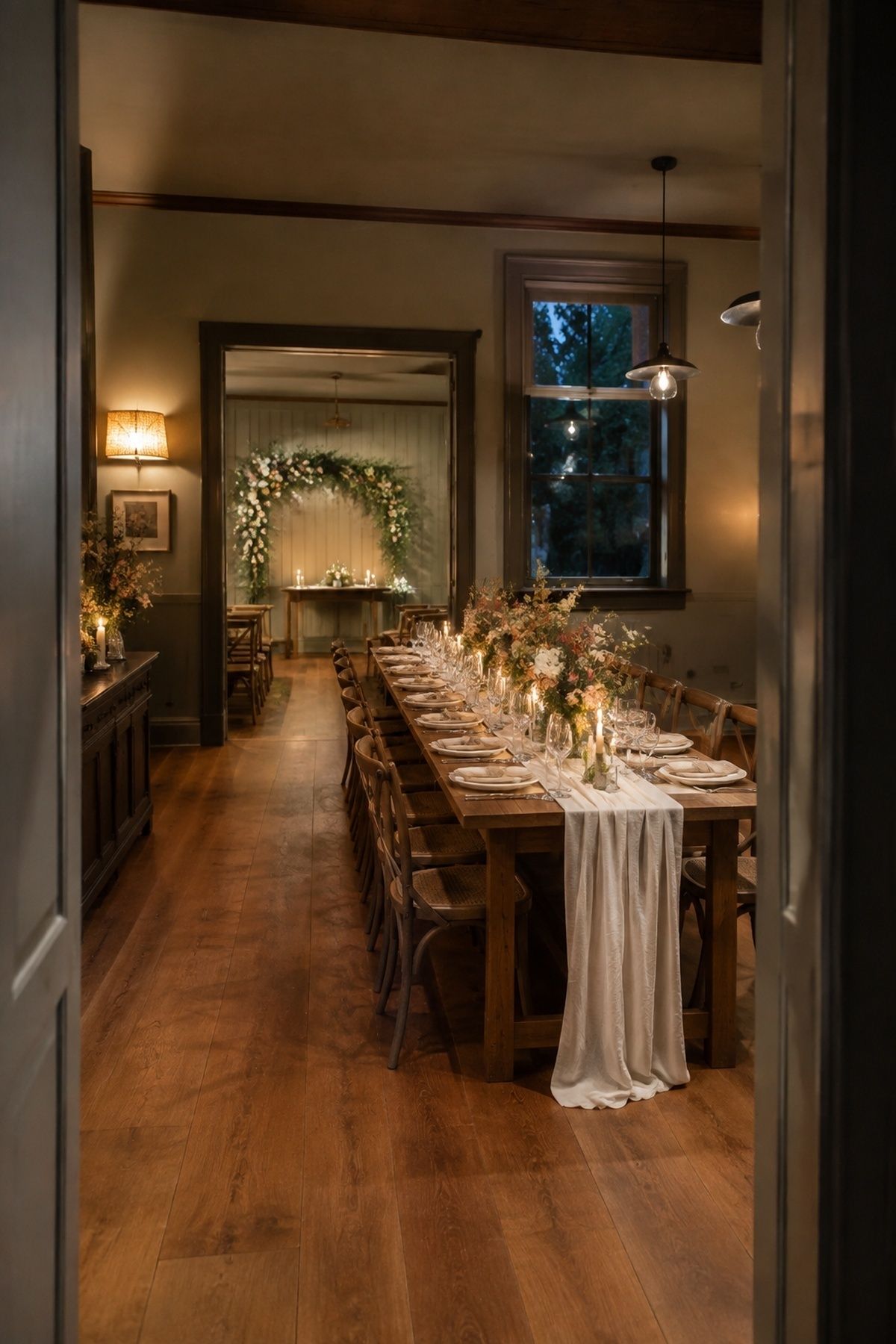
The final mistake is treating the guest list as a fairness exercise instead of a feeling exercise. A small wedding is not just a reduced version of a big one. It asks a different question: who will help the day feel honest, close, and fully yours?
Guest list regrets wedding planning often come from ignoring that answer. Maybe you invited people to avoid a difficult talk. Maybe you excluded someone important because the list had already filled with obligations. Before the invitations go out, say the names aloud with your partner and ask whether the room sounds like the life you are actually building.
FAQ
What Are Common Wedding Guest List Mistakes?
Common wedding guest list mistakes include starting with names before setting a guest ceiling, making plus-one decisions inconsistently, leaving children policies vague, accepting family additions without limits, and tracking RSVPs in too many places. Most problems come from unclear rules rather than from one difficult guest.
How Do You Avoid Guest List Regret?
To avoid guest list regret, decide what kind of room you want before you invite. Start with must-have relationships, check the number against budget and venue comfort, then remove guilt invitations before save-the-dates go out. The best list feels loving, not performative.
Should Every Guest Get A Plus-One?
No. Every guest does not need a plus-one, especially at a small wedding. Couples often invite spouses, engaged partners, long-term partners, or guests who will know almost no one. The rule should be consistent, stated through named invitations, and decided before anyone asks for an exception.
How Do You Handle Family Pressure On The Guest List?
Handle family pressure by agreeing privately as a couple, giving each side a clear seat limit, and naming the tradeoff behind every extra invitation. A loving tone matters, but the answer should not change each time someone is upset. Repetition keeps the boundary from becoming a debate.
Is It Rude To Have A B-List For A Wedding?
A B-list is not always rude, but it needs care. Send any second-wave invitations early, avoid splitting close friend groups across waves, and give people a fair RSVP window. For very intimate weddings, skipping a B-list may feel more honest than ranking guests behind the scenes.
How Do You Decide Whether To Invite Kids?
Decide on children by looking at venue safety, timing, budget, family expectations, and the mood of the event. Then apply the rule clearly: all children, no children, immediate family children only, or nursing infants only. Invitations should name exactly who is invited.
Who Should You Not Invite To A Small Wedding?
Do not invite people only because of guilt, old obligation, workplace awkwardness, or pressure from someone else. A small wedding guest list should hold the people who know your relationship, respect the boundary of the day, and will add warmth to the room you are hosting.
Final Thoughts
The best guest list is not the longest list or the easiest list to defend. It is the list that fits your vows, your budget, your room, and your emotional capacity. When you set the ceiling first, name consistent rules, and answer pressure with warmth, wedding guest list mistakes lose much of their power.
As you make the final calls, protect the celebration you are truly hosting. Decide the guest ceiling together, keep family pressure from rewriting the room, apply plus-one and children rules consistently, and choose the small-wedding fit that lets every welcome feel wholehearted. Revisit the list briefly only after those boundaries are clear.
Last update on 2026-10-03 / Affiliate links / Images from Amazon Product Advertising API