

Cash fund wording for small wedding guests works best when it is short, grateful, optional, and tied to a clear purpose. Put it on your wedding website or details card, not the main invitation, and say that gifts are never expected while any contribution toward your honeymoon, home, or shared future would be warmly appreciated.
Asking for money instead of gifts feels extra tender when the guest list is small. These are not anonymous ballroom guests scanning a registry out of habit. They are parents, siblings, lifelong friends, chosen family, and the people close enough to notice every word you use.
That closeness is exactly why the wording matters. A cash fund feels practical and gracious when it gives guests a clear option without making generosity feel required. It starts to feel uncomfortable only when the message sounds like an invoice, appears too early in the invitation suite, or forgets to thank guests for showing up in the first place.
Recommended Wedding Products


You Might Also Like These Blog Posts
- How To Word No Gifts At Wedding Without Making It Weird
- Small Wedding Invitation Wording Ideas That Feel Clear And Personal
- Small Wedding Guest List Wording That Keeps Boundaries Kind
- Wedding Registry Mistakes That Make Gift-Giving Awkward
- Small Wedding Website Wording For A Small Guest List
- Should You Have A Registry After Eloping?
Cash Fund Wording For Small Wedding
The safest cash fund wording for small wedding guests starts with the relationship, not the money. Guests should hear that their presence matters most, that gifts are optional, and that the fund exists for people who already want a practical way to celebrate your marriage.
Small weddings bring a particular kind of emotional honesty. You are not writing to a crowd. You are writing to people who likely know your apartment, your travel dreams, your renovation plans, your student loans, your family story, or the reason you chose a smaller celebration. The wording should feel like something you could say across a dinner table without flinching.
A good line has three parts: thanks, purpose, and freedom. Thank guests for being part of the day. Name what the fund is for. Then release the pressure by saying gifts are not expected. When those parts sit together, wedding cash fund wording feels like clear guidance instead of a demand.
Name The Purpose Before You Name The Fund
Purpose softens the ask because it turns a vague cash request into a shared picture. A honeymoon fund sounds warmer when guests understand that it goes toward a train trip through Italy, a quiet beach week after a stressful year, or the first vacation you will take as spouses. House fund wedding wording feels gentler when it points toward a down payment, a sofa for the home you are building, or repairs that make daily life easier.
Keep the purpose concise. Guests do not need the full budget, the exact savings gap, or a long explanation of why you do not need physical gifts. A sentence is enough: “We are saving for our first home and would be grateful for any contribution toward that next chapter.” That is clear without becoming too detailed.
For an experience fund wedding wording approach, make the experience feel celebratory rather than transactional. “If you would like to give, we would be honored by a contribution toward our first trip as newlyweds” feels warmer than “please fund our excursions.” The first line invites guests into a memory; the second sounds like a checkout page.
Make Every Contribution Optional
Optional language is the heart of polite cash fund wording. Use phrases such as “if you wish,” “for anyone who has asked,” “should you feel moved to give,” or “gifts are never expected.” These words matter because guests have different budgets, travel costs, family situations, and comfort levels around money.
A small wedding often asks more of each guest than a larger local reception. Some people are taking time off, booking hotels, arranging childcare, or traveling for an intimate weekend. The cash fund should never compete with the cost of being there. Your wording should make attendance feel complete on its own.
The best optional line is direct, not apologetic. Try: “Your presence is the gift we are most grateful for. If you would like to give something more, we have created a small honeymoon fund.” That sentence gives guests both reassurance and direction.
Place The Wording On Your Wedding Website

Wedding website cash fund wording is usually the easiest place to get the tone right. A website has room for a short paragraph, a fund link, a traditional registry link, and a gentle reminder that gifts are optional. Guests who are looking for gift information will find it, and guests who are only checking the ceremony address will not feel cornered.
Create a page labeled “Registry,” “Gifts,” or “Gift Details.” Then keep the copy calm: “We are grateful simply to celebrate with you. For loved ones who have asked, we have added a small cash fund toward our honeymoon and a few registry items for our home.” This gives wedding guests clear cash registry wording alongside physical gift options. These wedding registry mistakes are worth checking before the page goes live.
For very small weddings, the website also prevents repeated conversations. Instead of explaining the fund to every aunt, sibling, and friend, you have one gracious page that says the same thing each time. That consistency protects the tone when family members pass the link along.
Use A Details Card Only For The Website Link
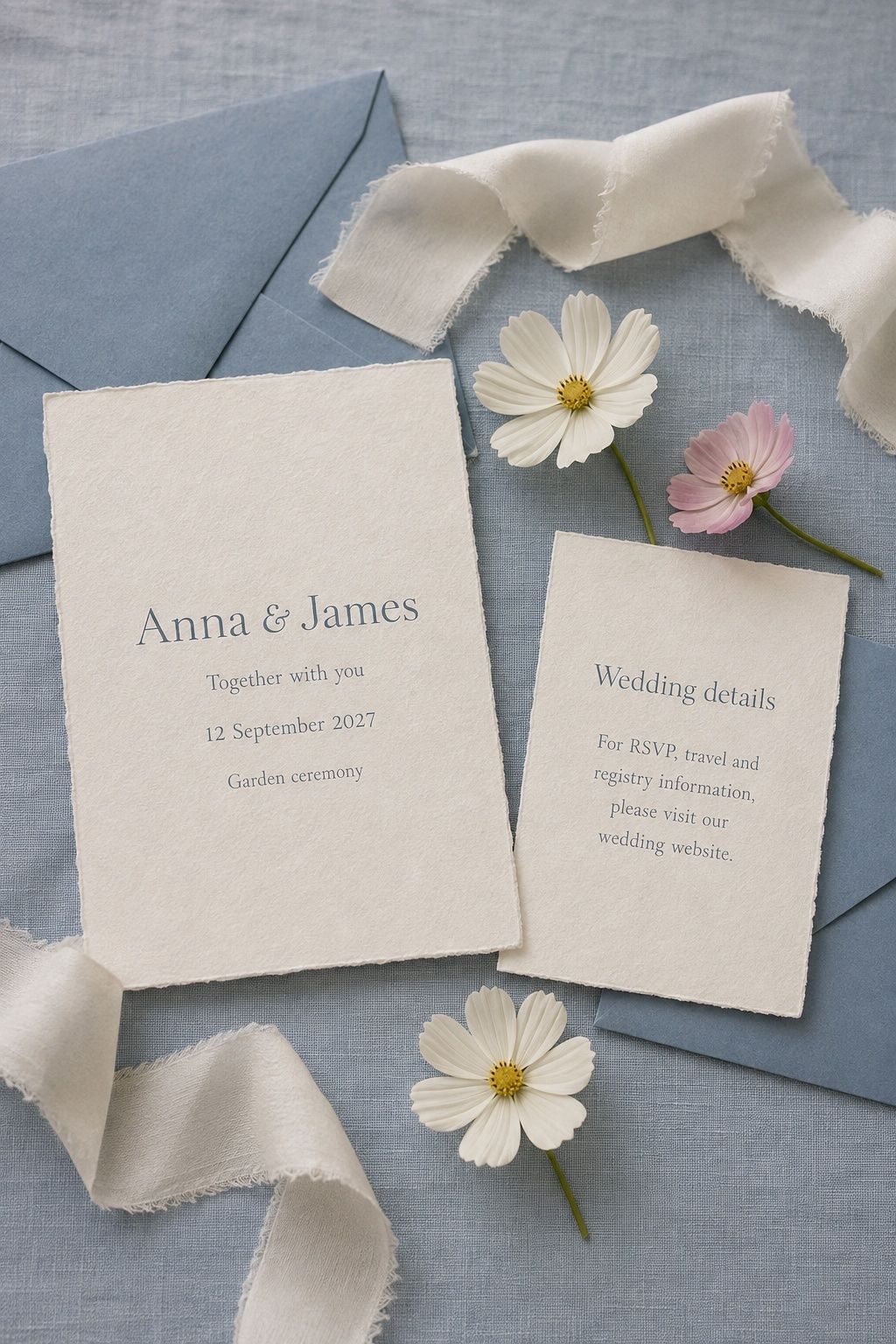
A details card works best as a quiet pointer, not a full cash request. Use it to point guests to the website for RSVP, travel, lodging, attire, and registry details. The card could say, “For RSVP, travel details, and registry information, please visit our wedding website.” Save the cash fund wording itself for the site.
This distinction keeps the invitation suite elegant. Guests receive the main invitation as a warm request for their presence, then the details card as practical direction. Gift information stays one step removed from the emotional invitation, which is why it feels more tasteful.
If your celebration is a destination micro wedding or a weekend gathering, the details card earns its place by carrying logistics. The cash fund should never be the loudest item on that small card. Let travel instructions, RSVP timing, and your website carry the practical work.
Keep It Off The Main Invitation
The main invitation is there to invite. It should not mention cash gifts, registry links, QR codes, honeymoon funds, or gift preferences. Even gracious wording for cash gifts starts to feel presumptuous when it sits on the same card as the ceremony time and place.
This is not about pretending gifts do not exist. It is about sequencing. First, invite people into the day. Then, on the website or a separate enclosure, offer gift information for guests who are looking for it. That order keeps the celebration from feeling like it comes with a payment request.
For a small guest list, this matters even more. Each invitee was chosen carefully. Let the invitation make that emotional truth clear before any registry wording appears anywhere else.
Cash Fund Wording Examples By Purpose
Use these as direction for tone, not as lines to copy word for word. The right version should sound like the two of you, fit the formality of your wedding, and match the real reason the fund exists. A garden dinner for twenty guests needs different language than a city hall ceremony followed by a restaurant party.
Honeymoon Fund Wording That Small Wedding Guests Will Understand
For a small wedding, honeymoon fund wording usually lands best when it begins with gratitude and then names the experience. Try a line such as: “Celebrating with you is more than enough. If you would like to give, we have created a honeymoon fund for our first trip together after the wedding.” It is simple, warm, and clear.
If your guests are close enough to know the destination, mention it lightly. “We are saving for a quiet week in Greece after the wedding” feels more personal than “cash preferred.” Specificity gives the gift a story, especially when guests later ask how the trip went.
Avoid listing every paid activity in the wording itself. The fund platform has room for dinner, ferry, hotel, or museum categories if you like that format. The public paragraph should stay gracious and uncluttered.
House Fund Wedding Wording For A First Home
House fund wedding wording is strongest when it sounds hopeful instead of needy. “We are saving toward our first home together, and for anyone who wishes to give, a contribution to our house fund would be deeply appreciated.” That line names the purpose without turning guests into mortgage math.
If you already live together, shape the line around building a life rather than replacing traditional gifts. “Because our home is already full of the basics, we have created a small fund for the home projects and future plans that matter most to us.” This acknowledges the reason without dismissing physical gifts.
For couples with older relatives who prefer tangible gifts, pair the house fund with a small registry. Some guests feel more comfortable buying linens, frames, cookware, or a card box than sending money online. Giving both paths keeps the experience generous on both sides.
Experience Fund Wedding Wording For Shared Memories
An experience fund works beautifully for couples who value meals, travel, classes, concerts, nature weekends, or a slow first year of marriage more than new objects. The wording should make the memory feel real: “If you would like to give, we would be grateful for a contribution toward the experiences we hope to share in our first year married.”
This option suits a small wedding because the guests often know your personalities. A sibling knows you love a long Sunday dinner. A best friend knows you would rather take a train trip than register for china. Your wording honors that intimacy without oversharing.
Keep the fund name elegant. “First Year Fund,” “Newlywed Experiences,” or “Our Next Chapter” usually feels softer than “cash fund.” The platform label works as practical wording, but the visible language should sound like the life you are beginning.
Future Plans Wording For A Flexible Fund
Some couples do not want to name one exact goal. They are saving for a move, a home, travel, pets, fertility treatments, debt reduction, or a calmer first year. In that case, choose future-focused wording that is honest but not too personal.
Try: “We are grateful for your love and presence as we begin married life. For anyone who would like to give, we have created a small future fund for the plans we are building together.” This keeps the purpose broad while still explaining why cash is welcome.
If the personal reason is sensitive, there is no need to name it. When you write registry wording for cash gifts, make guests comfortable without inviting them into private finances. A graceful phrase such as “our next chapter” is enough.
Cash Fund Etiquette Wedding Guests Actually Feel
For wedding cash fund etiquette, the old rules matter less than the emotional experience guests have when they see the wording. Do they feel invited first? Do they feel trusted to choose their own gift level? Do they understand why the fund exists? Do they still feel welcome if they bring only a card?
Those questions matter because small weddings make every gesture more visible. A guest who travels across the country should not wonder whether the couple expects both presence and payment. A retired grandparent should not feel embarrassed by giving a smaller amount. A friend dealing with layoffs should not feel priced out of celebrating you.
Offer A Small Traditional Registry Too
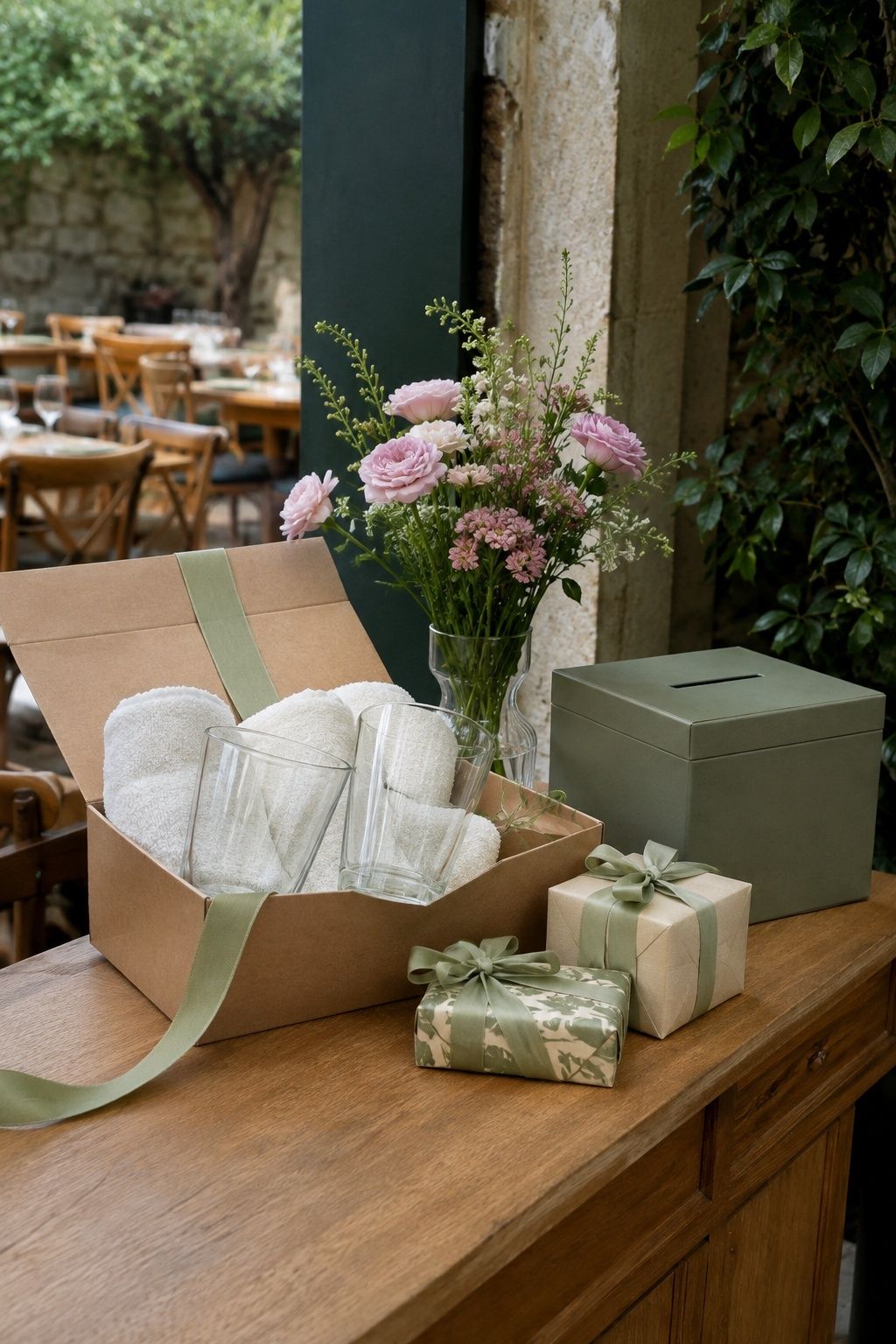
A small traditional registry is not required, but it often makes cash fund wording feel more gracious. It gives guests options: contribute to the fund, buy a physical gift, send a card, or simply attend. Choice lowers pressure.
Choose a short list of items that genuinely fit your life. Everyday glassware, towels, frames, serving sets, luggage tags, cookbooks, or a few home basics are enough. You do not need a sprawling registry just to justify a cash fund.
This works especially well for mixed-generation guest lists. Some loved ones are comfortable with online cash funds. Others want the ritual of choosing and wrapping something. A small registry respects both styles without changing your main preference.
Avoid Suggested Amounts
Do not include suggested amounts in your wording. Even when a platform creates preset buttons, your copy should avoid implying a correct level of generosity. “Any contribution would be appreciated” is enough.
Amounts change the emotional temperature. Suddenly the guest is not thinking about celebrating your marriage; they are wondering whether their gift looks too small. That is exactly the feeling polite cash fund wording should avoid.
If the platform requires preset categories, choose experience labels rather than social pressure. “Dinner on our honeymoon” or “museum afternoon” feels more human than a bare amount. Still, let guests enter their own number whenever possible.
Avoid Cash-Only Language
“Cash only” is efficient, but it sounds cold. It also tells guests what not to do before thanking them for being part of the wedding. Replace it with wording that names your preference gently: “We have created a small cash fund for anyone who would like to contribute.”
Small wedding cash gift wording should leave room for human variation. Someone will bring a handwritten card. Someone will send a framed photo. Someone will give nothing because traveling to the wedding already stretched their budget. Gracious wording makes all of those outcomes feel accepted.
If you truly do not want physical gifts, say it without scolding: “We are keeping our home simple and are not expecting boxed gifts. For anyone who wishes to give, our future fund is linked below.” That is clear while still warm.
Skip Jokes About Money
Money jokes often land differently across generations, cultures, and family histories. A line that feels playful to the couple could sound blunt to a guest who already worries about wedding costs. Humor is risky when the topic is cash.
Skip jokes about bank accounts, empty wallets, expensive honeymoons, or “funding our next adventure.” They rarely add enough charm to balance the possible awkwardness. A sincere sentence will age better.
If your wedding tone is relaxed, sound like yourselves through warmth and specificity. “We are dreaming of slow mornings, good coffee, and one long train ride after the wedding” feels personal without turning the ask into a punchline.
Do Not Use Guilt As A Shortcut
Guilt-based wording is the fastest way to make a fund feel tacky. Avoid mentioning how expensive the wedding is, how hard saving has been, or how much you gave at someone else’s wedding. Guests should not feel responsible for balancing the couple’s budget.
Keep the focus on celebration and gratitude. The line should say, in effect, “Here is an option if giving is something you already want to do.” It should never say, “Here is what we need from you because weddings cost a lot.”
This boundary protects the couple too. When the wording avoids guilt, the fund feels less vulnerable. You are not asking guests to rescue your finances. You are offering a clear gift path for people who ask what would be meaningful.
Keep The Tone Grateful From Start To Finish
Gratitude should appear before the fund, around the fund, and after the fund. Start with the joy of having guests there. Keep the request optional. Then thank guests quickly after the wedding when a gift arrives.
A grateful tone does not need ornate language. “Thank you for loving us so well” or “We are so grateful to celebrate this day with you” feels more sincere than a paragraph trying to defend the cash fund. Let the warmth do the work.
After the wedding, make thank-you cards specific. If someone contributed to the honeymoon, mention a dinner, day trip, or restful morning the gift made possible. If the fund was for your home, mention the home project or sense of stability. Specific thanks turns cash into a remembered gesture.
Give Family One Line To Repeat
Family members often become the informal gift desk. A parent, sibling, or wedding party member gets asked where you are registered, whether you want checks, or whether there is a honeymoon fund. Give them one sentence to repeat so the message stays calm.
Try: “They are not expecting gifts, but they made a small honeymoon fund and registry for anyone who asks.” That line works because it begins with no expectation. It also avoids turning your parents into enthusiastic fundraisers.
If family tends to embellish, write the line down. Send it by text so everyone uses the same wording. This is especially valuable when the wedding is small and relatives already have feelings about who was invited.
Respect Guest Travel Costs
When guests are spending money to attend, say less. A destination wedding, private estate weekend, restaurant buyout, or holiday-weekend ceremony already asks for flights, hotels, clothes, time off, and meals outside the wedding. Gift wording should be quieter in that situation.
Use a line such as: “Your presence, especially with travel involved, means the world to us. Gifts are not expected. For anyone who has asked, our registry and honeymoon fund are linked here.” This acknowledges the real cost of attendance without making a big display of it.
For guests who will not attend, the same wording still works. They are free to send a card or gift if they want, but they do not receive a message that sounds as though absence should be replaced with money.
Thank Guests Quickly After They Give
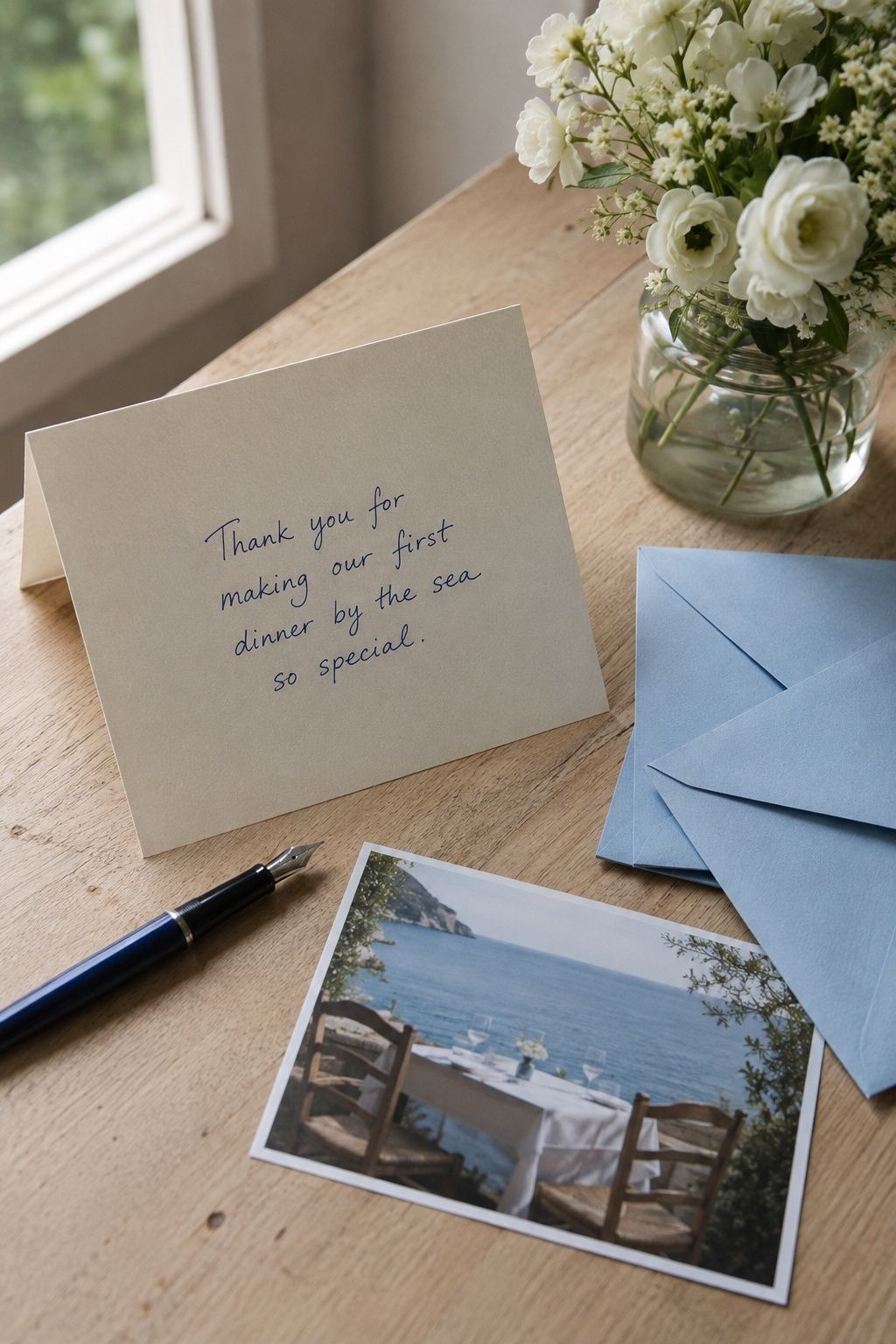
Cash gifts deserve the same warmth and specificity as physical gifts. Send a thank-you as soon as reasonably possible, especially for a small wedding where every guest relationship is close. A prompt card reassures guests that the gift was received and appreciated.
Do not write, “Thank you for the money.” Write what the gift meant. “Your generous contribution to our honeymoon fund will be part of our first dinner by the sea” feels personal. “Your gift toward our home fund brings us closer to the little dining corner we keep imagining” feels like a real update.
If you do not know yet how the money will be used, thank them for being part of your next chapter. Then follow up later with a photo or small update if the relationship is close. That is often what makes cash feel as sentimental as a keepsake.
How To Ask For Money Instead Of Gifts Wedding Guests Will Still Feel Good About
If you are wondering how to ask for money instead of gifts, treat the wording as an etiquette issue: clear, restrained, and centered on guest comfort. You do not need to hide the fund. You do need to make it clear that the wedding is not organized around receiving money.
Think of the wording as a hospitality detail. Guests are already thinking, “What should I give?” Your answer should save them from guessing while preserving their freedom. The fund is an option, not a rule.
Keep Short Wording For Close Guests
Short wording is usually better for close guests. They do not need a long defense of why you prefer cash. They need a gracious line that gives them permission to give in the way that works for your life now.
Try: “We are grateful simply to celebrate with you. If you would like to give, we have created a small fund for our honeymoon.” That single line covers gratitude, optionality, and purpose.
Longer wording makes the request feel more important than it is. If the paragraph spends six sentences explaining the fund, guests start sensing tension in the ask. Confidence is quieter.
Match The Wording To Your Wedding Tone
A formal dinner needs polished wording. A backyard brunch sounds more relaxed. A city hall elopement party feels brief and conversational. The best cash-gift registry wording sounds like the same couple who chose the venue, menu, clothes, and guest list.
For a formal tone, use: “Your presence at our wedding is the greatest gift. Should you wish to honor us with something more, a contribution toward our future fund would be deeply appreciated.”
For a relaxed tone, use: “We truly do not expect gifts. If you have been asking what would mean the most, we have linked our honeymoon fund and a few home items below.” Both versions say the same thing. The voice is what changes.
Make The Fund Easy To Find But Not Impossible To Ignore
Guests who want to give should not have to hunt through five pages of your website. Put the fund under a clear registry or gifts page, and include that page in the same navigation as RSVP, schedule, and travel.
At the same time, avoid making the fund the first thing guests see when they open the site. Let the homepage focus on the wedding date, location, schedule, and welcome. Gift information should be easy to find but not impossible to ignore.
That balance is perfect for small weddings. The guests who care about gifting get a smooth answer. The guests who are worried about flights, accessibility, attire, or arrival time get the practical details first.
Do Not Make The Wedding Feel Transactional
The most important test is whether the wording makes the wedding feel like a transaction. Avoid phrases that connect the gift to the invitation, meal, seat, or relationship. Never suggest that guests are covering their cost or contributing in exchange for being included.
Instead, separate the invitation from the gift completely. Keep “We are so excited to celebrate with you” on the invitation. Keep “For loved ones who have asked, our fund is linked here” on the website. The separation keeps the invitation generous.
If you feel uneasy after saying your own wording aloud, simplify it. Remove explanations, jokes, and pressure. Keep gratitude, purpose, and choice. That small edit usually solves the tone problem.
Where To Put Cash Fund Wording For A Small Wedding
Placement changes how the same sentence feels. A lovely line on a website could feel too forward on the invitation. A short website mention feels natural in a text to a parent. Think about where the guest sees the words before deciding what they should say.
On The Wedding Website Registry Page
This is the best home for full wedding cash fund wording. Begin with gratitude, add the fund purpose, and link to the platform. If you have a few physical gifts, list those nearby so guests have a choice.
A polished structure is: one warm sentence about presence, one sentence naming the fund, one sentence making gifts optional. That is enough for most couples. Do not add a long explanation unless there is a cultural, travel, or family reason that truly needs background.
On The Details Card
On a details card, keep the cash fund invisible and point guests to the website. “For RSVP, travel, and registry details, visit…” is tasteful because it treats gifts as one part of the practical information, not the headline.
If the card has very limited room, skip the word registry entirely. “For full wedding details, visit…” is enough. Guests know that websites often hold gift information, and close family could answer direct questions.
In A Text When Someone Asks Directly
Direct questions deserve direct answers. If a guest asks where you are registered, do not over-apologize. Say, “Thank you so much for asking. We truly do not expect anything, but our honeymoon fund and small registry are here.” Then send the link.
This is often the most natural path for a very small wedding. You are not broadcasting the fund widely. You are answering a real question from someone who already wants to give.
Through Parents Or The Wedding Party
Word of mouth is still one of the most graceful channels for cash fund etiquette. Give your parents, siblings, or wedding party the exact line you want used. Keep it humble and consistent.
A good family repeat line is: “They are not expecting gifts, but they did create a small fund and registry for anyone who asks.” That sentence keeps the pressure low and prevents relatives from adding their own enthusiastic spin.
At A Shower Or Pre-Wedding Gathering
If someone else hosts a shower, let that event have its own gift tone. Some showers are built around physical gifts, recipe cards, lingerie, books, or household items. A cash fund for the wedding does not have to control every related celebration. For the next step, see intimate wedding invitation wording.
If a host asks what to share, give them the same optional language. The couple should not announce the cash fund aloud at the party unless asked. Let the gathering stay social, not financial. For a smaller guest list, read more on planning a small wedding.
Common Wording Mistakes To Avoid
Most cash fund mistakes come from saying too much, too soon, or too sharply. The fix is rarely complicated. Move the wording to the website, shorten the copy, make giving optional, and put the guest relationship back at the center.
Do Not Explain Your Entire Budget
Guests do not need to know the full wedding cost, rent increase, savings goal, home price, or honeymoon total. Too much financial background makes them feel responsible for the numbers. A purpose is enough.
Say “toward our first home,” not “because the down payment is higher than we expected.” Say “toward our honeymoon,” not “because travel is expensive.” Keep the wording focused on the joyful use of the gift.
Do Not Apologize For Wanting Cash
Over-apologizing makes the request feel stranger than it is. Many couples already live together, have the household basics, or would rather put money toward travel, home, or future plans. That preference is reasonable.
Use calm, adult language. “We have created a small fund for our first year married” is enough. You do not need to defend modern registry choices or explain why you do not want another toaster.
Do Not Let The Platform Write Your Whole Message
Cash fund platforms often provide default copy, but it rarely sounds personal. Edit the wording so it sounds like your wedding, your guest list, and your level of formality. Default text often feels too salesy or too broad for an intimate celebration.
Before sharing the page, say the wording aloud. If it sounds like an ad, rewrite it. If it sounds like something you would say to a loved one who asked what you need, you are close.
Do Not Hide The Fund So Deeply That Guests Ask Everyone Else
Being gracious does not mean making the fund impossible to find. If guests have to text your mother, your best friend, and your partner’s sibling to locate the registry, the quiet approach has gone too far. For a related look, see how to ask wedding guests to RSVP.
Place the fund where guests expect it: the wedding website registry page. Then let the wording do the softening. Clear placement plus kind copy is better than hiding the link and creating confusion. You’ll find more like this in the Wedding Guests & Etiquette hub.
FAQ
What Is Good Cash Fund Wording For A Small Wedding?
Good cash fund wording for a small wedding is brief, thankful, optional, and specific. A strong version is: “Your presence is the gift we are most grateful for. If you would like to give something more, we have created a small honeymoon fund for our first trip as newlyweds.” If you like this, browse how to word no gifts at wedding next.
Is It Tacky To Have A Cash Fund For A Wedding?
No, a cash fund is not automatically tacky. It becomes tacky when it sounds demanding, lists expected amounts, appears on the main invitation, or makes guests feel guilty. A gracious fund names a purpose, stays optional, and thanks guests for celebrating with you.
Where Should Cash Fund Wording Go?
Cash fund wording should go on your wedding website registry page, gift page, or a registry section linked from your details card. The details card points to the website, but the full fund wording should stay off the main invitation.
How Do You Ask For Money Instead Of Gifts Politely?
Ask politely by leading with gratitude, naming the purpose, and making the gift optional. Use wording such as: “We are grateful simply to celebrate with you. For anyone who would like to give, we have created a small fund for our home and future plans.”
Should You Mention A Cash Fund On The Wedding Invitation?
No. Do not mention a cash fund on the wedding invitation itself. The invitation should focus on inviting guests to the ceremony or celebration. Put the website on a details card, then place cash-gift registry wording on the site.
How Do You Make A Honeymoon Fund Sound Gracious?
Make a honeymoon fund sound gracious by connecting it to a happy memory instead of asking for cash directly. Say that presence is enough, then offer the fund for guests who wish to give. Keep the wording warm, specific, and free of dollar amounts.
Final Thoughts
Cash fund wording for small wedding guests should feel like hospitality. It gives people who love you a clear answer, while still making room for guests who bring a card, choose a physical gift, spend their budget traveling, or simply celebrate you with full hearts.
The formula is beautifully simple: thank them, name the purpose, make it optional, and place it where gift information feels natural. Once those parts are in place, a cash fund feels less like an awkward ask and more like a thoughtful way to begin married life with the people closest to you.
Couples choosing a fund often feel calmer when the wording keeps the invitation itself focused on gathering.
Last update on 2026-11-29 / Affiliate links / Images from Amazon Product Advertising API