

Rehearsal dinner mistakes usually happen when the night before becomes a holding place for every unresolved wedding detail: travel confusion, family questions, long transitions, late meals, unclear next-morning instructions, and no quiet ending for the couple. A calmer plan gives the dinner one job, protects rest, and moves decisions out of the room before guests sit down.
Rehearsal dinner mistakes matter because this meal lands at the most tender and overloaded point of the wedding weekend. Guests are arriving from flights, attire still needs steaming, ceremony readers need call times, parents have final questions, and the couple is trying to feel present before the day becomes public.
The dinner does not need to solve every etiquette question at the table. It needs to create a softer handoff into the wedding day. The best version feels warm, clear, and contained enough that nobody leaves with more decisions than they brought in.
Recommended Wedding Products


You Might Also Like These Blog Posts
- Wedding Rehearsal Mistakes That Make The Ceremony Feel Unsteady
- Wedding Speech Mistakes That Make the Room Go Quiet
- Wedding Day Stress Mistakes That Keep You From Feeling Present
- Wedding Hair And Makeup Mistakes That Make the Morning Feel Rushed
- Wedding Welcome Party Etiquette For A Warm Start That Does Not Become A Second Wedding
- Small Wedding Planning Mistakes That Make Intimate Days Harder
Rehearsal Dinner Mistakes That Add Night-Before Load
The hardest wedding rehearsal dinner mistakes are not always about etiquette. They are about weight. A couple walks into dinner hoping to exhale, then spends the meal answering parking questions, explaining who is riding where, negotiating a toast, reassuring a parent, and wondering whether there will be any private time before sleep.
A more original way to plan the night is to ask what should be removed from the couple’s mind before the first course arrives. That includes travel handoffs, next-day timing, family pressure, meal pacing, and the emotional exit from the evening. For an intimate wedding, this matters because every question reaches the couple faster.
Giving The Dinner No Clear Emotional Job
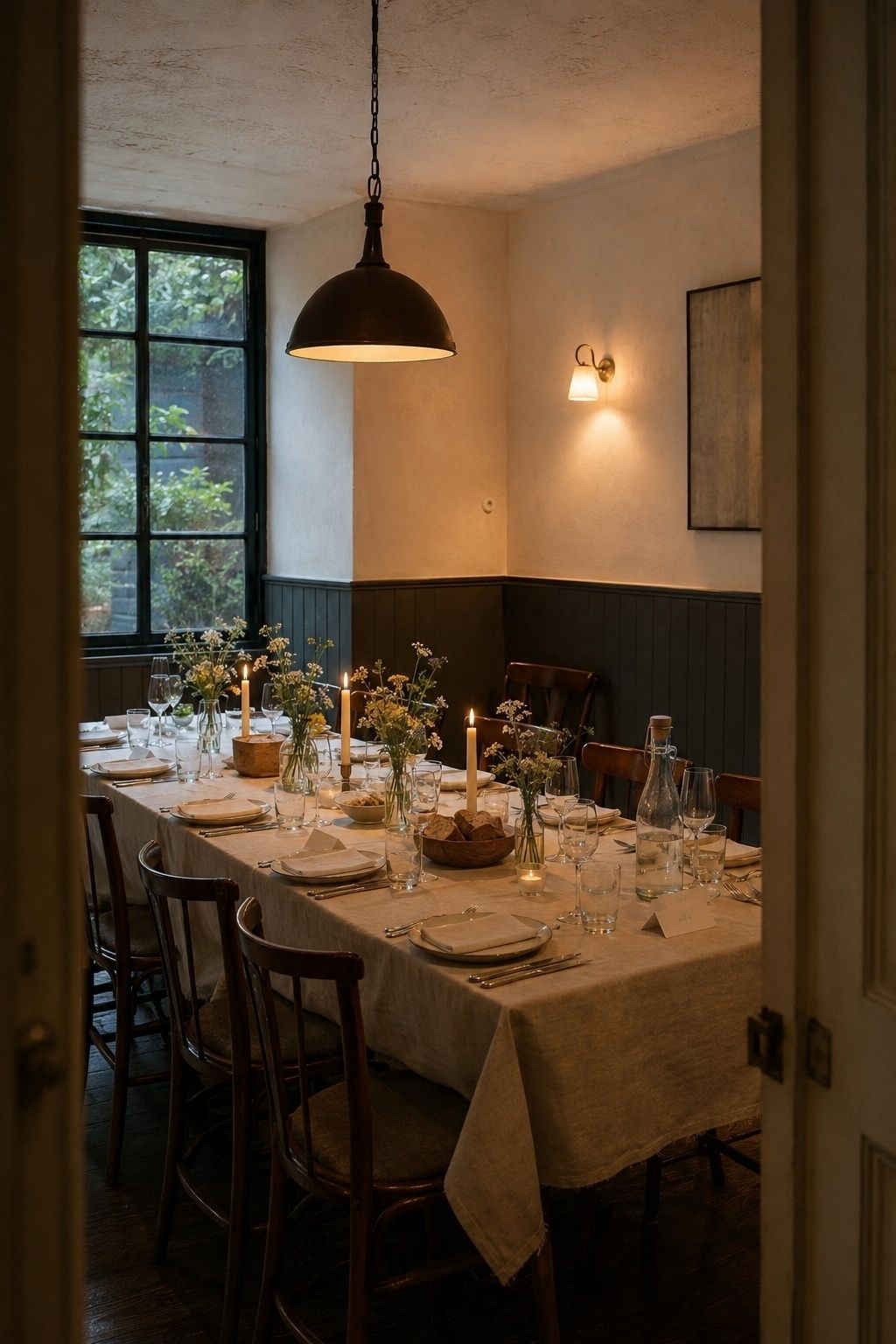
A rehearsal dinner without an emotional job turns into whatever the loudest need demands. One person wants a family reunion. Another wants a speech moment. Someone else wants to discuss the seating chart, while the couple wanted one steady meal with the people closest to the ceremony.
Choose one sentence for the night before anything else is booked. It might be a quiet thank-you, a gentle family introduction, a recovery meal after travel, or a simple gathering before a small wedding. That sentence becomes the filter for speeches, decor, timing, and who receives extra attention.
Treating The Rehearsal And Dinner As One Continuous Obligation

Wedding rehearsal dinner mistakes often begin earlier than dinner. The ceremony walk-through runs long, people linger in the aisle, nobody knows who is driving to the restaurant, and the meal starts with guests already tired. By the time everyone sits down, the evening has been asking for attention for hours.
Build a pause between the rehearsal and the meal. Confirm travel from the ceremony site to the restaurant, tell late arrivals where to meet the group, and give the couple a few minutes away from questions before dinner begins. A short buffer keeps the meal from feeling like the second half of a meeting.
This is also where rehearsal dinner timing mistakes start. If the rehearsal, photos, transportation, cocktails, dinner, dessert, and goodbyes are stacked without margin, the night becomes heavy even when every individual plan sounds reasonable.
Letting Last-Minute Questions Follow You To The Table
A dinner table is a terrible help desk. When the couple is asked about hotel check-ins, welcome bags, dress steaming, tip envelopes, breakfast plans, shuttle times, ceremony call times, or whether Aunt Linda is still invited to something, the evening stops feeling like a meal and starts feeling like a lobby.
Move practical questions to a text thread, printed card, planner, sibling, or point person before dinner. Ceremony readers, attendants, parents, and helpers should know the next-day basics before dessert arrives. The couple deserves to taste the food without becoming the weekend’s information desk.
Allowing Family Expectations To Surface During The Meal
Rehearsal dinner etiquette mistakes feel sharper when they appear in public. A parent asks who is paying for the bar tomorrow. A relative wonders why a cousin was not included. Someone brings up divorced-parent seating, speech order, family photos, or a tradition the couple thought had already been settled.
Handle expectation conversations before anyone is seated. Hosts, parents, and close relatives need private clarity on money, guest boundaries, dress level, and public thanks. The dinner should not become the place where old assumptions discover they are no longer in charge.
This is the right place for compact rehearsal dinner guest list mistakes, rehearsal dinner seating mistakes, and rehearsal dinner toast mistakes to be settled quietly. Decide who is included, which relationships need space, and which voices are speaking before family emotion has an audience.
Over-Scheduling Guests Who Just Arrived
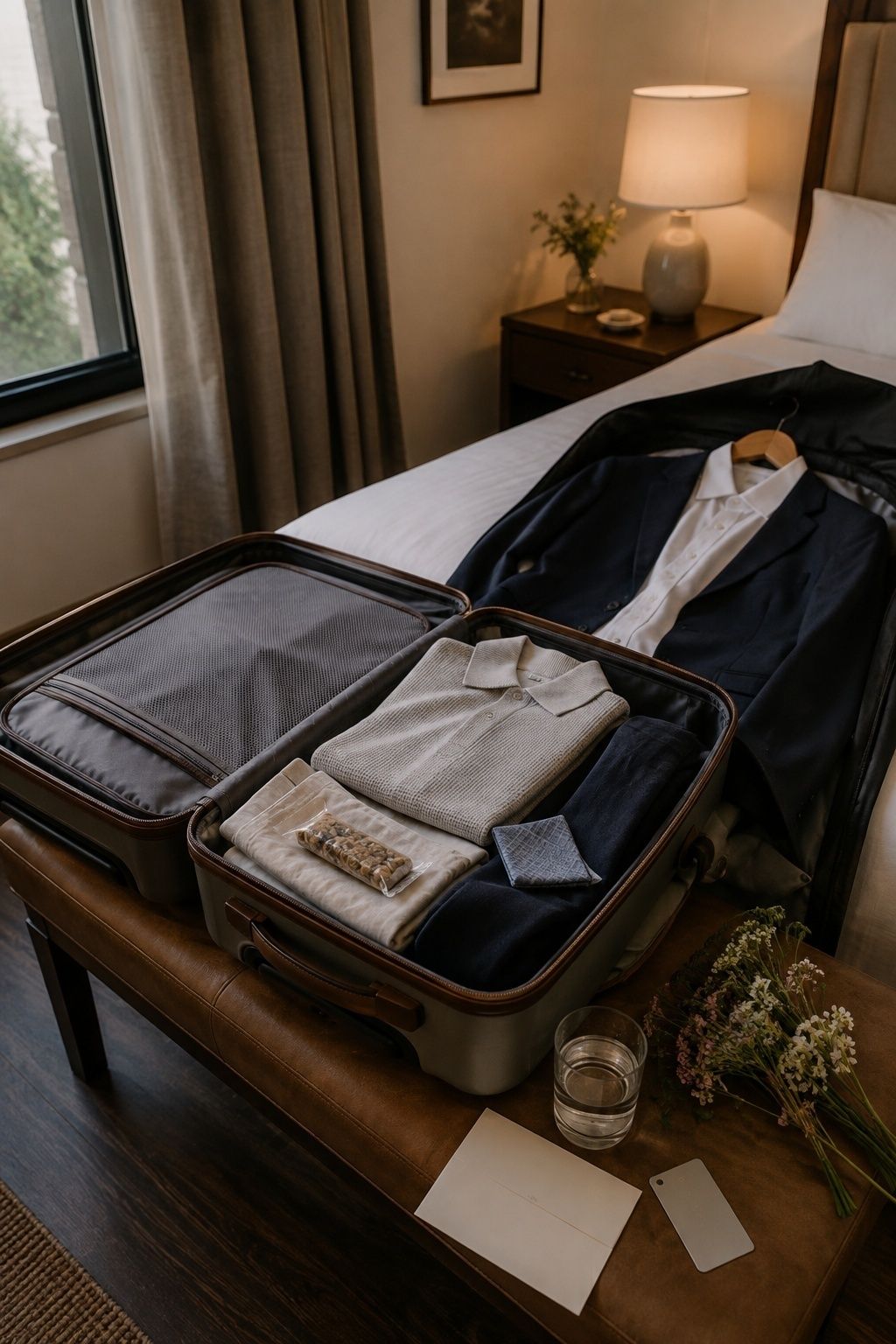
Guests who have just flown in are not starting from the same energy level as local relatives. They have handled delayed flights, rental cars, hotel check-ins, wrinkled clothes, missed meals, and a new city. Asking them to move from airport to hotel to rehearsal to dinner to drinks creates a night that looks festive on paper and exhausting in real life.
Give travel-weary guests permission to arrive directly at dinner when rehearsal attendance is not needed. Keep the first drink easy, the meal predictable, and the ending gentle. For small weddings, intimate rehearsal dinner ideas work best when they notice who is tired, not only who is important.
Choosing A Meal Too Formal For The Actual Group
Formality becomes a burden when it does not match the people in the room. A multi-course meal with a dressy code might be lovely for one family and stiff for another. A casual pizza night might feel warm to the couple and confusing to relatives expecting a hosted dinner. The mistake is not the style; it is choosing style without understanding the room.
Let the group’s real needs shape the meal. Older relatives might need chairs that are easy to reach. Young attendants need food they recognize. Parents might need a setting that feels hosted without becoming ceremonial. A small dinner that fits the group beats a polished event that asks everyone to act more formal than they feel.
Forgetting One Person Who Cues The Evening Forward
The couple should not have to announce every transition. Without one calm person cueing the room, guests drift between arrival drinks, dinner, quick toasts, dessert, payment questions, rides, and goodbyes. That is when rehearsal dinner planning mistakes become visible: nobody knows whether the night is beginning, pausing, or ending.
Choose a host, planner, sibling, attendant, or trusted friend to keep the evening moving. That person greets late arrivals, tells the server when speeches are brief, reminds speakers of the time, cues dessert, and helps people leave without turning the couple into stage managers.
Keep toast guidance compact. The rehearsal dinner speech order only needs enough structure to prevent an open mic, protect the meal, and leave the couple feeling loved rather than trapped in a second program.
Forgetting To Protect Private Time After Dinner
The night before a wedding is not only a guest-facing moment. The couple still needs a private landing. They might want to exchange gifts, open letters, check attire, breathe alone, call a loved one, or simply sit together before the wedding day becomes public.
Plan the exit as carefully as the entrance. Decide who handles the bill, leftovers, gifts, welcome-bag extras, and transportation questions so the couple is not caught at the door. A warm goodbye at the right time protects the emotional privacy that makes the wedding morning feel calmer.
Sharing Next-Morning Details Too Late
Next-morning details feel small until they are missing. Hair and makeup call times, photo arrivals, breakfast plans, hotel checkout, shuttle pickup, ceremony-reader timing, family photo order, garment steaming, and who carries personal items should not be explained across a noisy dinner table.
Send the essential details before dinner, then place a short printed reminder in welcome bags or hand it to the people with jobs. This lowers rehearsal dinner timing mistakes because the evening stops being the last possible place to distribute information.
Keeping Young Attendants And Older Relatives Out Too Long
Flower girls, ring bearers, junior attendants, grandparents, and older relatives often carry more fatigue than the schedule admits. A late dinner, long speeches, or a restaurant with a long wait between courses asks them to spend energy the wedding day still needs.
Give these guests an easier version of the evening. Seat them where exits and restrooms are simple, serve them early when needed, and release them before the final linger. Their comfort is part of the couple’s peace, especially when parents are trying to manage children and still be present.
Blurring A Welcome Dinner And Rehearsal Dinner Without Explaining The Difference
Some couples combine a rehearsal dinner with a welcome dinner, especially when the wedding is small or guests are traveling. That works beautifully when the invitation explains what people are attending. It becomes confusing when some guests think they are invited to a ceremony-adjacent meal and others think it is an open welcome gathering.
Name the difference with kindness. The rehearsal dinner might include ceremony participants and immediate family, while the welcome portion might open later for travelers. Or one intimate dinner might include everyone important. The key is avoiding a two-tier feeling that nobody understands until they arrive.
Thanking Hosts In A Way That Creates Pressure
Public thanks should feel generous, not loaded. If hosts have contributed money, planning time, restaurant connections, or family labor, name the gratitude without turning the moment into a ledger. A long speech about sacrifice, cost, or who made the dinner possible risks creating pressure instead of warmth.
Agree on thanks before the dinner. A short welcome, a sincere toast, or a private gift often works better than public accounting. This keeps family generosity from becoming another emotional task for the couple to manage in front of everyone.
Choosing A Menu Or Service Style That Stretches The Evening

The menu does not need to outshine the wedding to cause stress. It only needs to run too slowly. A long tasting menu, complicated ordering, understaffed private room, delayed dessert, or separate check confusion stretches the evening until rest disappears.
Pick service that matches the next morning. Pre-set menus, family-style platters, simple courses, or an earlier dessert cue often feel more loving than an impressive meal that traps everyone in the room. The food should support connection, not become the reason nobody gets to bed.
Skipping The Final Handoff Packet
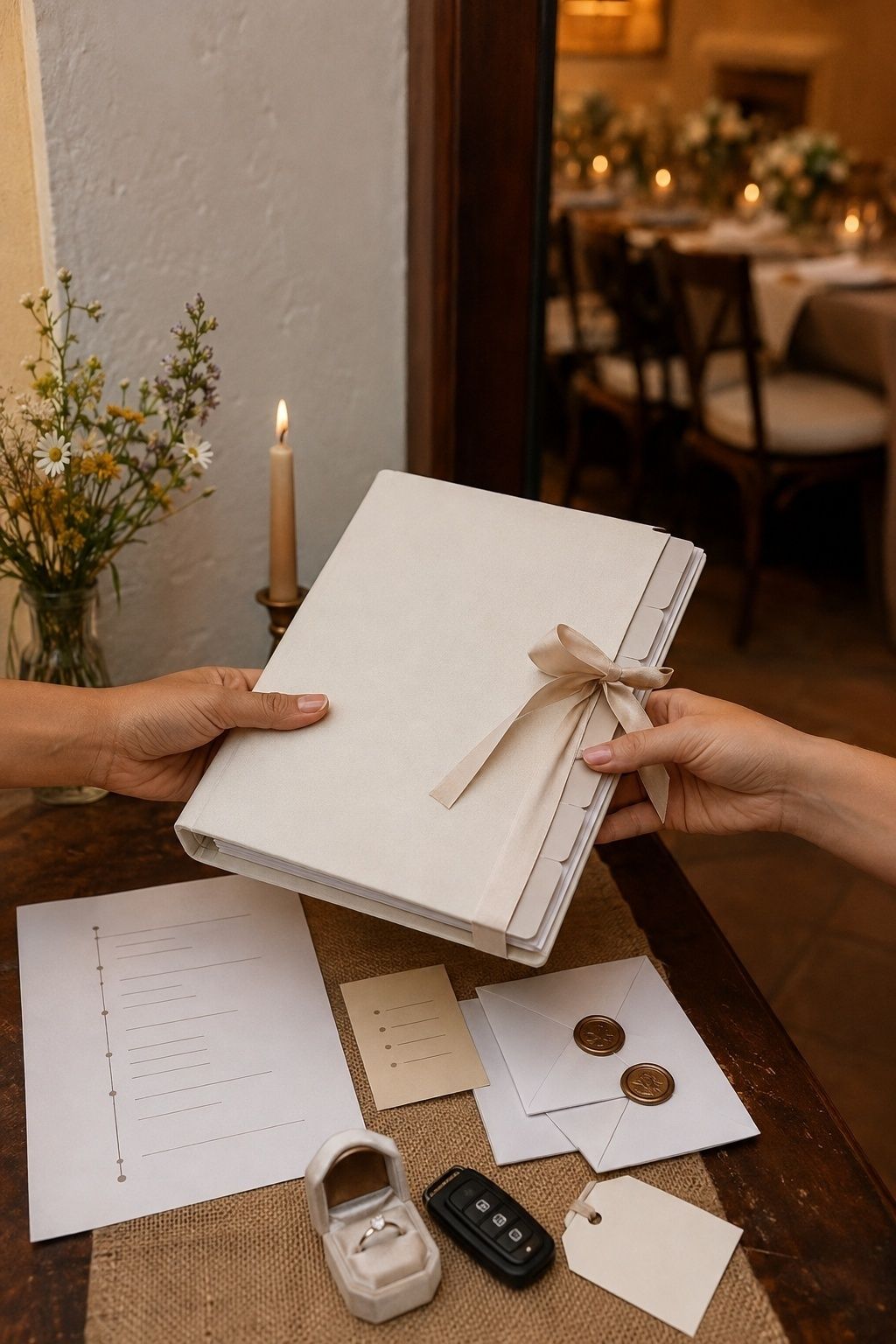
A final handoff packet sounds unromantic until it prevents night-before texting. It might include call times, transportation, who has the rings, where flowers arrive, contact numbers, vendor balances or tip-envelope instructions, breakfast plans, photo timing, and any instructions for ceremony readers or attendants.
Give that packet to the planner, point person, parent, or attendant before dinner begins. Then tell the couple they are off duty unless something truly urgent happens. The best rehearsal dinner planning fixes are the ones that keep those questions from ever reaching the table.
FAQ
These rehearsal dinner mistakes come up most often when couples are trying to keep the night before useful without letting logistics, travel, speeches, or family pressure take over the meal.
What Are Common Rehearsal Dinner Mistakes?
Common mistakes include giving the dinner no clear emotional job, blending the rehearsal and meal into one long obligation, answering last-minute questions at the table, over-scheduling travelers, choosing slow service, sharing next-morning details too late, and leaving the couple without private time afterward.
Who Should Be Invited To The Rehearsal Dinner?
Most couples begin with the people needed for the rehearsal, immediate family, close ceremony roles such as the officiant or readers when appropriate, and partners where the relationship and budget call for it. For anyone asking who to invite to rehearsal dinner, the clearest answer is the circle with a real reason to rehearse, support, travel, or steady the couple.
Should Rehearsal Dinner Seating Be Assigned?
Assigned seating is useful when it lowers friction: families are meeting, older relatives need easier access, young attendants need parents nearby, or tense relationships need space. It does not need to be formal; it only needs to make arrival easier.
How Long Should A Rehearsal Dinner Last?
A rehearsal dinner is usually best when it feels complete in about two hours, though travel, service style, and guest count might shift that slightly. Work backward from hair, makeup, photo, transportation, and setup times so the ending protects the wedding morning.
Who Gives Toasts At The Rehearsal Dinner?
The speakers should be chosen before dinner, with brief timing and one person ready to cue the next part of the evening. A host welcome and a few short toasts are usually enough; the night does not need an open mic or a second reception program.
How Do You Avoid Family Awkwardness At A Rehearsal Dinner?
Avoid family awkwardness by moving expectation talks out of the meal, seating for ease, keeping thanks gracious rather than loaded, and giving practical questions to a point person. The dinner should give everyone enough structure to be kind without asking the couple to manage old dynamics in public.
Final Thoughts
The best rehearsal dinner is not the one with the most impressive menu, the longest welcome, or the most polished sense of tradition. It is the one that removes weight from the night before. Guests know where to be. Helpers know what they are carrying. The couple gets to leave the table as people, not project managers.
As you finish the plan, reduce rehearsal dinner mistakes by moving logistics out of the meal, giving the evening one emotional job, protecting sleep, and handing tomorrow’s details to someone other than the couple. A little tradition matters when it lightens the room instead of steering it.
Last update on 2026-10-04 / Affiliate links / Images from Amazon Product Advertising API