

Small wedding etiquette means being specific about who is invited, consistent with guest-list boundaries, and genuinely generous to the people who are attending. A small wedding is not rude when the invitation wording is clear, partners and children are handled by a fair rule, family expectations are managed early, and the day is hosted with visible care.
A small wedding can feel beautifully simple in your imagination and surprisingly complicated the moment the guest list becomes real. Every name carries a relationship, a history, a possible expectation, and sometimes a parent or friend who assumes there is always room for one more chair.
That is where small wedding etiquette matters. It is not about defending your choice to have fewer guests. It is about making the choice graciously: clear enough that people do not have to guess, kind enough that invited guests feel cherished, and steady enough that the wedding does not slowly become larger than the one you meant to host.
Recommended Wedding Products


You Might Also Like These Blog Posts
- Small Wedding Plus One Etiquette For A Gracious Guest List
- Small Wedding Guest List Etiquette For A Guest List That Feels Fair
- How To Tell People You’re Having A Small Wedding With Kind, Clear Scripts
- Small Wedding Guest List Wording That Keeps Boundaries Kind
- How To Have A Small Wedding Without Offending People Or Overexplaining
- How To Plan A Reception Only Wedding That Guests Understand
Small Wedding Etiquette That Keeps The Guest List Kind, Clear, And Calm
The first rule is to stop treating a small wedding like a large wedding with missing people. It is its own kind of celebration. The room is closer, the guest experience is more personal, and every invitation decision is more visible because there are fewer places for inconsistency to hide.
Good intimate wedding etiquette begins with a shared definition. Are you hosting immediate family only? Close family and a few friends? A private ceremony followed by a wider dinner later? A 40-person wedding weekend where every guest is part of the whole rhythm? Once you know what kind of small wedding you are planning, decisions become less personal and more principled.
Decide What Kind Of Small Wedding You Are Hosting
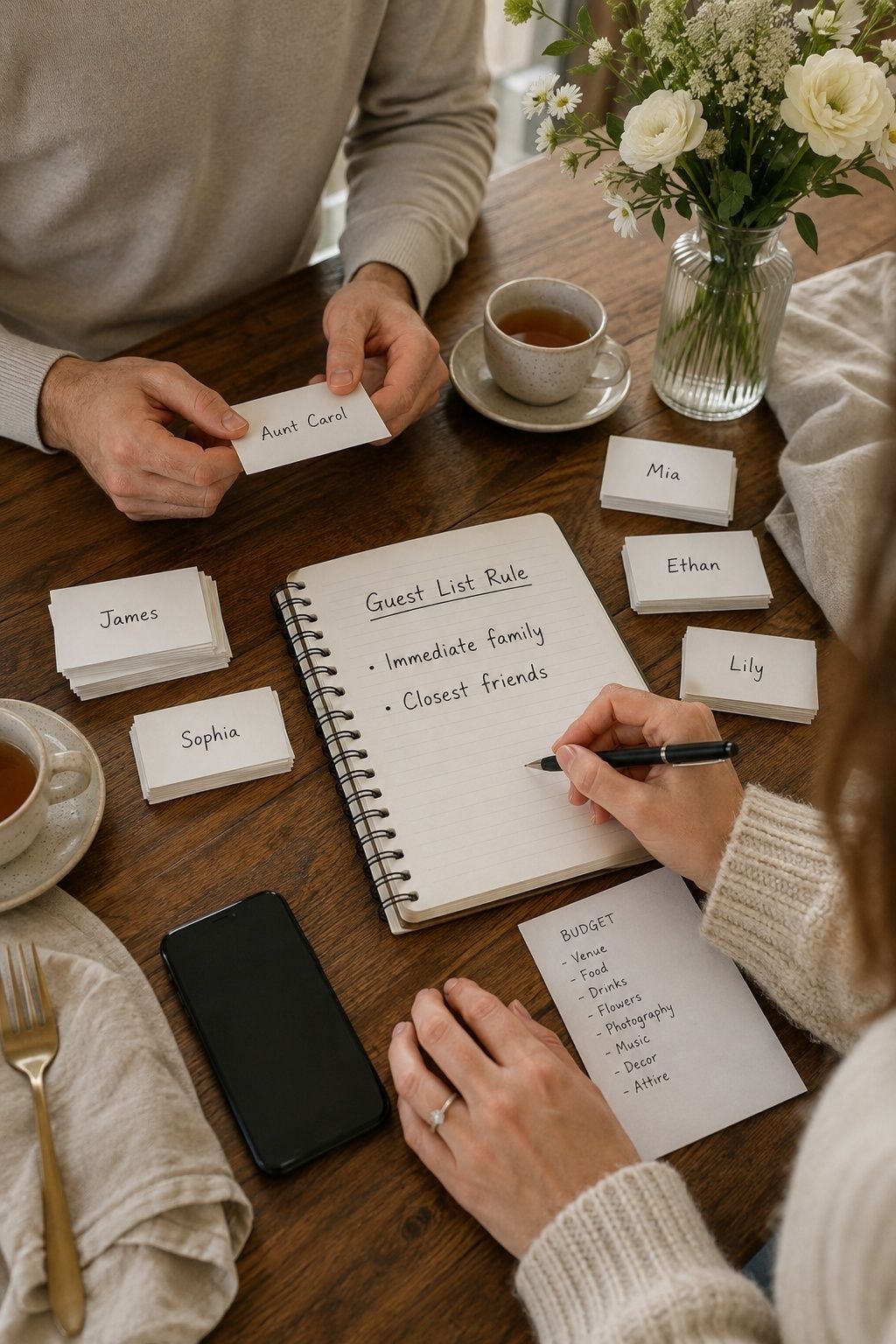
Before you discuss invitations with anyone else, choose the shape of the wedding together. A family-only ceremony has different manners than a closest-friends dinner. A private ceremony with a later party needs different wording than a full wedding with 35 guests. A destination micro wedding may need more travel care than a local courthouse ceremony followed by brunch.
This decision is the quiet foundation for small wedding guest etiquette. Instead of debating every individual person in isolation, you can return to the wedding’s purpose: “We are keeping the ceremony to immediate family,” or “We are hosting the people we see as part of our everyday life.” The more consistent the category, the less likely people are to feel ranked.
Write the rule down privately before invitations go out. It can be emotional, but it should be clear. If your rule has exceptions, name them now. Exceptions are not automatically wrong; hidden, improvised exceptions are what make a small wedding feel unfair.
Make The Invitation Do The First Etiquette Work
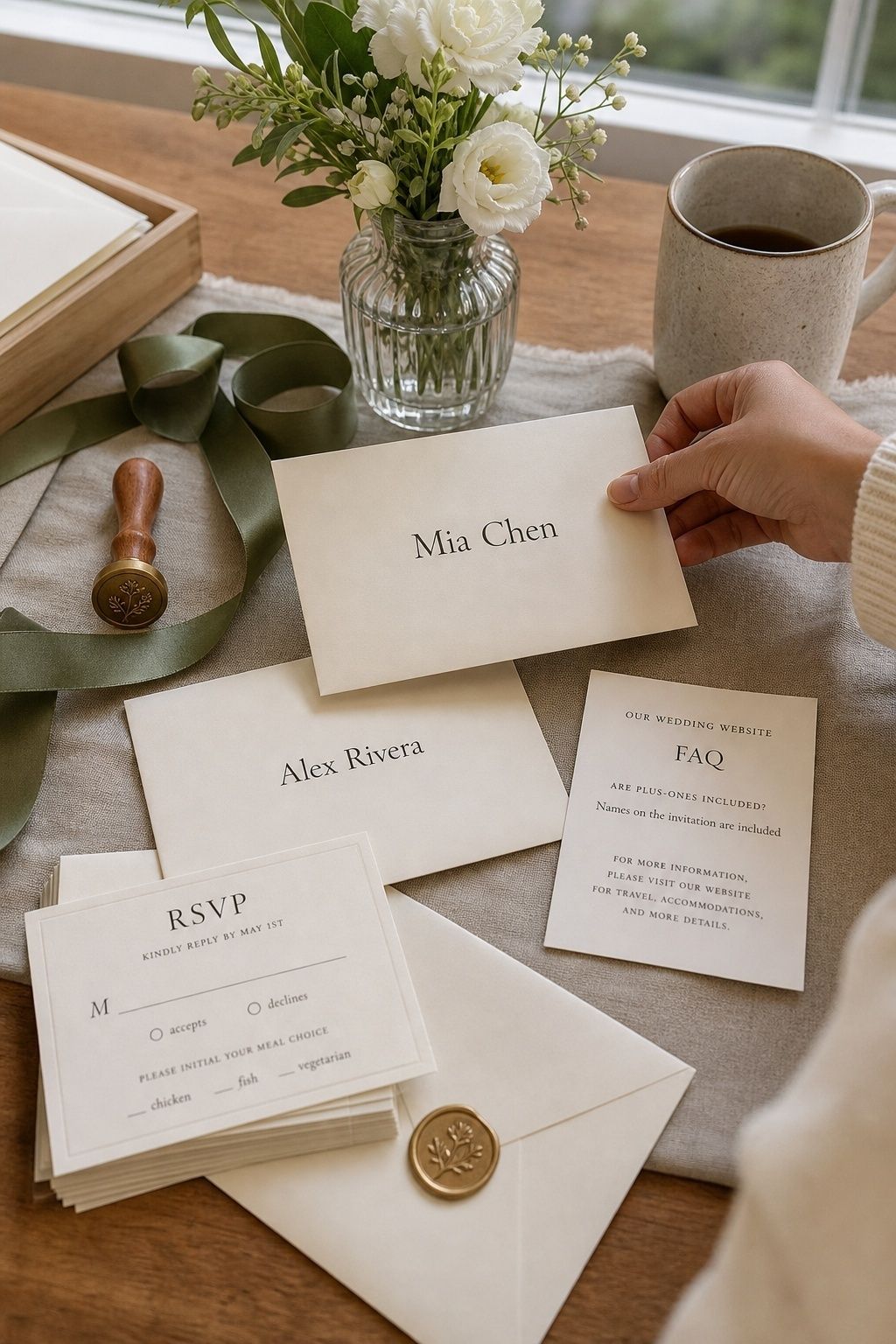
Small wedding invitation etiquette depends on clarity. Guests should know who is invited by reading the envelope, invitation, RSVP card, and wedding website without needing to decode your intentions. Use the names of the exact people invited. If a partner is invited, name that partner. If children are invited, name them or address the invitation to the family members included.
A small wedding is not the place for vague language that leaves room for assumptions. Avoid wording that makes guests wonder whether they can bring a date, whether children are included, or whether the ceremony is private but the reception is open. If your website includes an FAQ, keep it factual and warm: the celebration is intimate, seats are limited, and the names on the invitation reflect the guest list.
Clear invitations are not cold. They prevent awkward conversations later. They also protect your invited guests from the strange discomfort of discovering at the last minute that they misunderstood the plan.
Treat Partners And Plus-Ones With A Consistent Rule
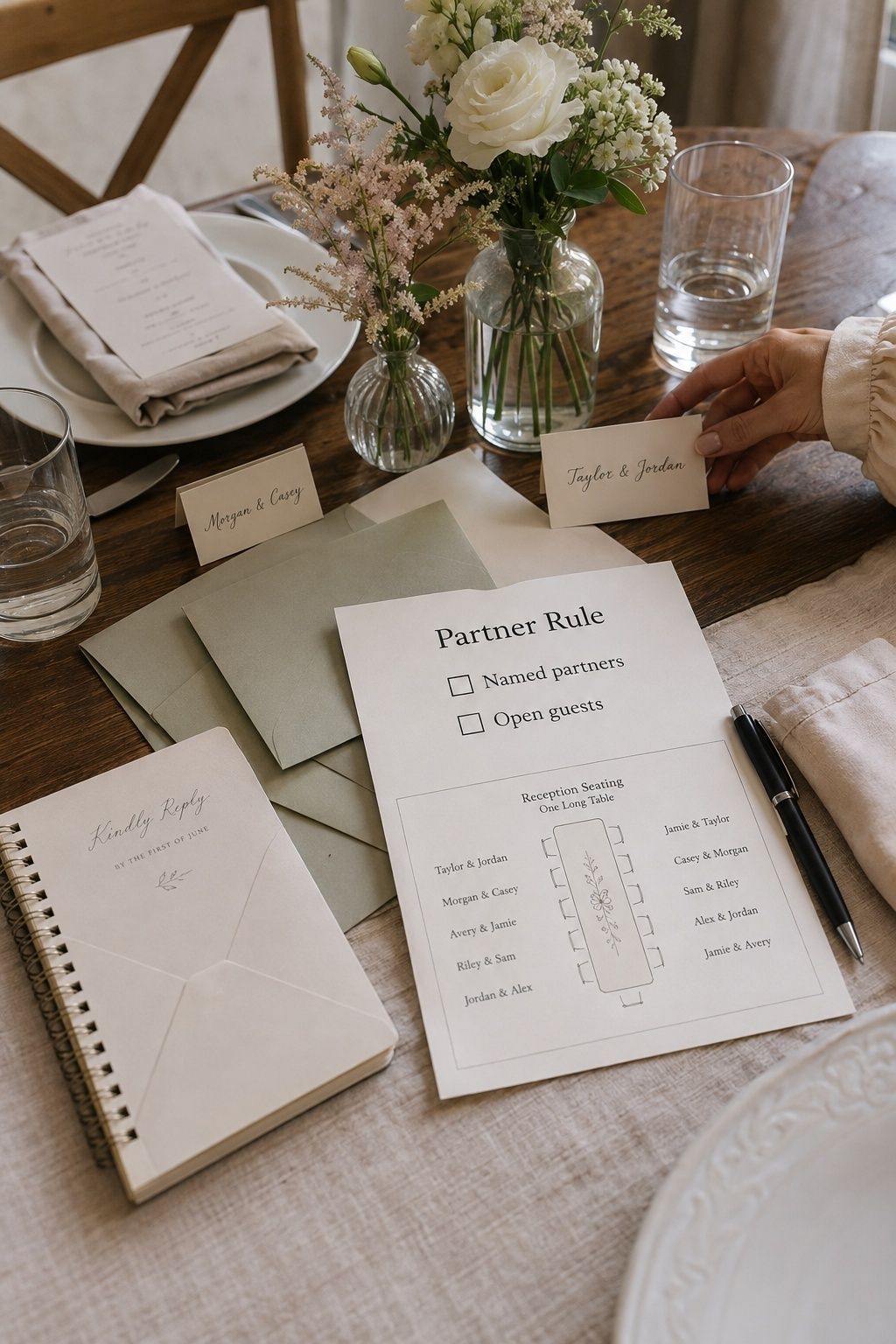
The tender spot in plus-one etiquette for a small wedding is the difference between a named partner and an open guest. A spouse, fiance, live-in partner, or long-term partner is usually part of the social unit you are inviting. If you mean to include that person, use their name. A plus-one is different: it gives someone permission to bring a guest of their choice.
For a small wedding, you do not have to offer open plus-ones to every single guest. What you do need is consistency within similar groups. If one college friend receives an open guest and another does not, people may read the decision as a judgment. If your rule is established partners only, apply it gently and evenly.
Also consider the experience of solo guests. If someone is traveling far, knows almost no one, or may need support, a guest may be the gracious choice even if the wedding is small. Etiquette is not only about limiting seats; it is also about imagining how the room will feel from the guest’s side.
Decide On Children Before Guests Ask
Children can change the size, tone, timeline, and logistics of an intimate wedding quickly. Decide early whether your wedding is adults-only, open to all children, limited to immediate-family children, or limited to children in the wedding party. Then make the invitation match the decision.
The kindest wording is usually calm and practical, not apologetic or defensive. If children are not invited, say that the celebration will be adults-only or that you are only able to accommodate the named guests on the invitation. If a few children are invited for family reasons, avoid making public comparisons. The goal is clarity without turning private family decisions into a public policy debate.
Small weddings make uneven rules more noticeable, so be thoughtful before making exceptions. If you invite one cousin’s children but not another’s, be prepared for questions. Sometimes the right exception is worth explaining. Sometimes the kinder path is a simpler rule.
Handle Family Expectations Without Turning The Wedding Over
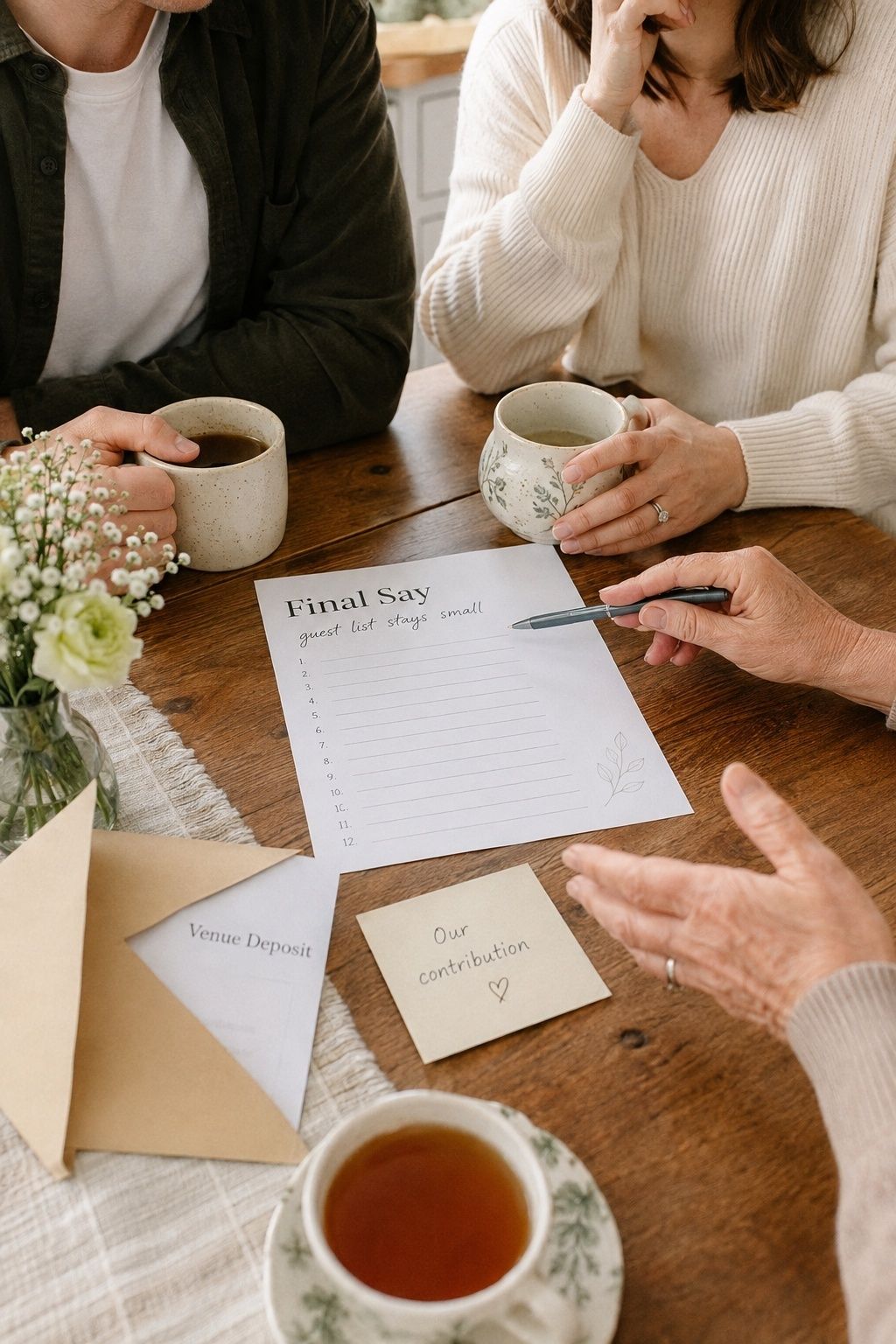
Small wedding family expectations can feel hardest when relatives hear “small” and assume it still includes their version of essential people. Parents may want longtime friends invited. Grandparents may expect certain cousins. Someone may treat a limited guest list as a statement about love, loyalty, or family standing.
Try to separate listening from surrendering. You can hear why a guest matters to a parent without automatically adding that person. You can honor family relationships without letting the wedding become a family reunion. A helpful phrase is: “We are keeping the guest list connected to the size of the ceremony we can host well.”
If someone is contributing financially, discuss guest expectations before accepting the money. It is much easier to say, “We are grateful, but we need to keep final say over the guest list,” before deposits are paid than after a parent has mentally assigned ten extra seats.
Tell People Only When A Conversation Is Truly Needed
You do not need to announce to every acquaintance that they are not invited. Most people will understand when no invitation arrives, especially if they are not in your closest circle. Explaining too widely can accidentally make the wedding feel more exclusive, not more gracious.
Direct conversations are for people who reasonably expected an invitation because of closeness, recent involvement, or family context. Keep those conversations brief, warm, and steady. You do not need to list every reason, compare them with invited guests, or over-apologize until the boundary sounds negotiable.
If you are planning a private ceremony and a later celebration, say that plainly. If you are not hosting a wider event, let the explanation be gentle and complete: you are keeping the wedding very intimate, you care about the relationship, and you hope to celebrate together another time in a way that feels sincere.
Host The Invited Guests With Extra Care

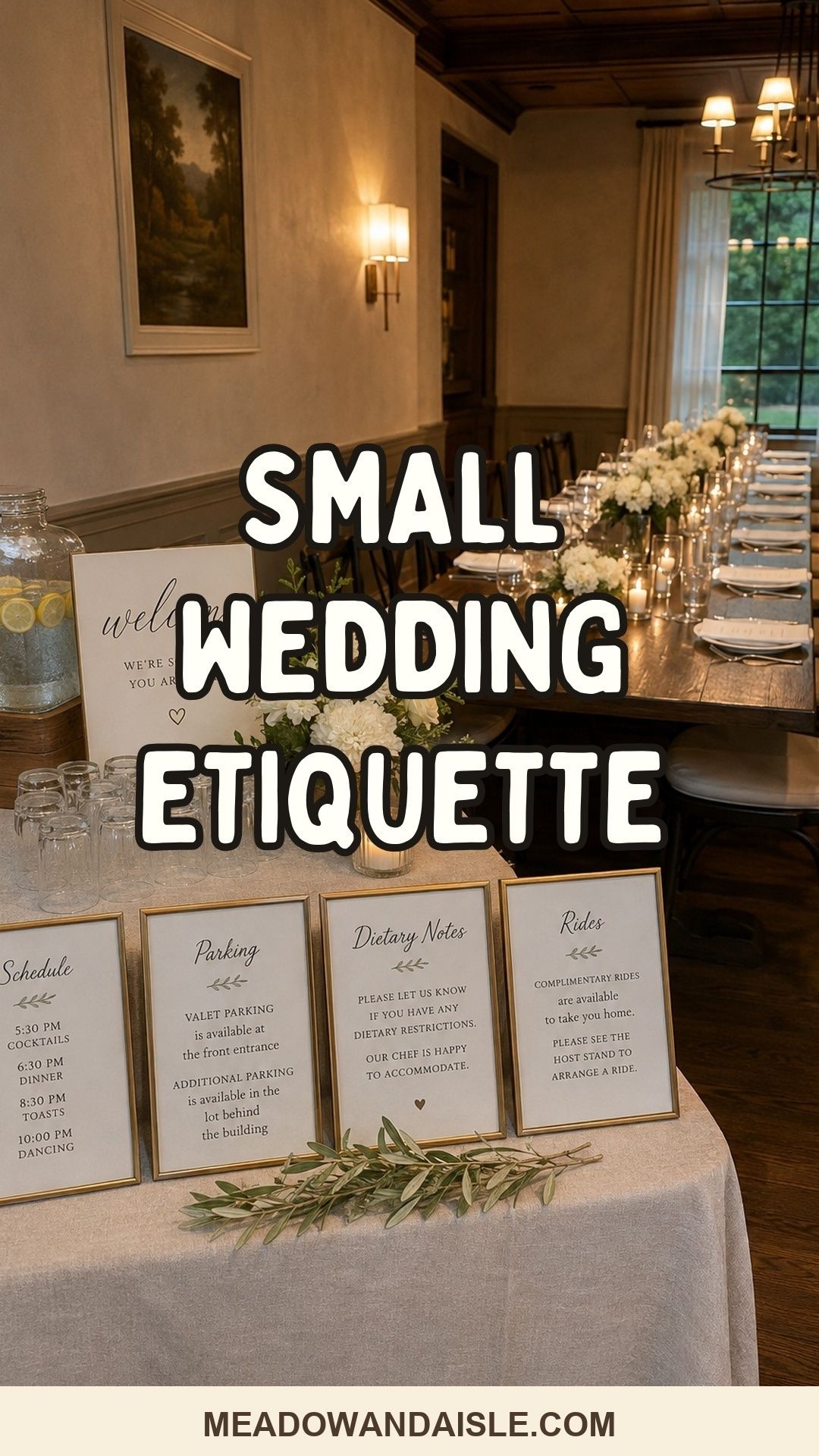
The best answer to the fear that a small wedding is rude is visible hospitality. Once the guest list is set, pour your attention into the people who will be in the room. Help them arrive easily, understand the schedule, feel comfortable in the space, and know what kind of celebration they are joining.
Think beyond the invitation. Share dress code context that actually helps. Give parking, accessibility, lodging, and timing details before guests have to ask. Seat solo guests with care. Make sure older relatives have comfortable chairs, shade, warmth, or transportation support. If dinner is the heart of the wedding, make the meal feel generous rather than squeezed.
Small wedding hosting etiquette is wonderfully practical. Fewer guests means you can notice more: dietary needs, conversation flow, ceremony visibility, restroom access, welcome drinks, late-night rides, and thank-you notes that feel personal. That care is what keeps a limited invitation list from feeling like a limited welcome.
Avoid Etiquette Mistakes That Feel Bigger In A Small Room
Small weddings magnify manners. A vague invitation, uneven plus-one choice, public guest-list conversation, or casual comment about who “made the cut” can travel quickly because the social circle is smaller. Registry pressure can also feel sharper when guests know the event is intimate and the relationship is close.
Avoid defensive explanations that make guests feel like a burden. Avoid blaming one partner, one parent, or one side of the family. Avoid saying the wedding is “tiny” if photos will later show a much larger gathering. Be honest enough to be trusted and discreet enough to be kind.
Most etiquette problems are easier to prevent than repair. Decide the rule, communicate it through the invitation, repeat it gently when needed, and then move the energy back toward welcome. Your guests do not need every planning detail. They need to know where they stand and that they are wanted.
FAQ
What is proper etiquette for a small wedding?
Proper etiquette for a small wedding is to define the guest list clearly, invite named guests only, apply rules consistently, and host the people attending with real care. The smaller the wedding, the more important it is to avoid vague invitations, hidden exceptions, and explanations that make people feel ranked.
Is it rude to have a small wedding?
No, it is not rude to have a small wedding. It becomes uncomfortable only when communication is unclear, guests hear conflicting stories, or people are treated inconsistently. A small wedding can be deeply gracious when the couple is honest about limits and generous toward the guests they do invite.
How do you tell people you are having a small wedding?
Tell only the people who genuinely need a direct conversation. Keep the wording warm and simple: you are having an intimate celebration with limited space, so the guest list is very small. Avoid comparing invited and uninvited people. For wider circles, a wedding announcement after the day is often enough.
Do you have to give plus-ones at a small wedding?
You do not have to give every guest an open plus-one at a small wedding. Established partners should usually be invited by name, while casual dates are optional. The fairest approach is to choose a consistent rule, make it clear on the invitation and RSVP, and consider solo guests who may know few people.
How do you handle family expectations for a small wedding?
Handle family expectations early, before extra names become assumed invitations. Listen kindly, then return to the wedding size you can host well. If money is involved, clarify whether financial help comes with guest-list expectations before accepting it. A calm boundary is usually kinder than a reluctant yes.
What should guests know before attending a small wedding?
Guests should know exactly who is invited, whether children or plus-ones are included, the dress code, timing, location details, parking or travel notes, and any ceremony-to-reception plans. Because the gathering is intimate, clear information helps guests arrive relaxed and feel fully welcomed.
Final Thoughts
Small wedding etiquette is really the art of holding two truths at once: your wedding cannot include everyone, and your choices can still be kind. A smaller guest list asks for more clarity, not more guilt. It asks you to be honest about the room you can host and tender with the relationships around it.
When you use clear invitations, steady plus-one rules, thoughtful child and family boundaries, and careful hospitality, the wedding begins to feel less like an exclusion exercise and more like a beautifully hosted gathering. As you refine the trickiest invitation conversations near the end of planning, keep your wording calm, brief, and grounded in explaining a smaller wedding guest list.
Last update on 2026-10-04 / Affiliate links / Images from Amazon Product Advertising API