

How to plan a reception only wedding starts with clear ceremony boundaries, a thoughtful guest list, a complete hosted reception, and wording that tells guests exactly what they are joining. Treat the celebration as a real wedding event, not an afterthought, and guests will understand the format much more easily.
A reception only wedding carries one delicate question underneath all the logistics: how do you protect the privacy of the ceremony while still making invited guests feel warmly included in the marriage celebration? The answer is not to over-explain every family reason or apologize for your choice. The answer is to plan the reception with enough clarity, timing, food, and welcome that no one has to guess what the event means.
This is especially true for small ceremony big reception plans, courthouse vows, destination ceremonies, and already married reception celebrations. The ceremony has either happened privately, will happen separately, or stays with a smaller circle for personal reasons. The reception is where you host the wider circle with care. Once you separate those two truths, wedding reception only planning becomes calmer, kinder, and much easier to explain. For more on planning a post elopement party, start with the main guide.
Recommended Wedding Products


You Might Also Like These Blog Posts
- What To Call A Party After Eloping So Guests Understand The Vibe
- Small Wedding Etiquette Rules That Keep Things Kind And Clear
- Reception After Private Ceremony Wording That Keeps Expectations Clear.
- How To Plan A Small Wedding That Still Feels Big-Hearted
- Intimate Wedding Invitation Wording For Every Small Celebration
- How To Plan A Non Traditional Wedding That Still Feels Thoughtful
How To Plan A Reception Only Wedding
How to plan a reception only wedding is really a sequence of guest-facing choices. First, define why the ceremony is private or separate. Next, decide who is invited to the reception and what kind of hospitality they will receive. Then choose a format with a clear beginning, enough food, a natural emotional center, and invitation wording that explains the celebration without making anyone feel sorted into a lesser tier.
A private ceremony public reception works best when the reception has its own shape. Guests should not arrive wondering whether they missed the real wedding. They should understand that they are gathering to celebrate the marriage, share a meal or party, offer good wishes, and spend time with the couple. That means the reception needs welcome, pacing, seating, food, and a few intentional moments, even if it is relaxed.
The most common mistakes happen when couples focus only on reception only invitation wording and forget the event itself. A beautiful card will not fix a confusing guest list, a late start time, a cash-bar surprise, or a reception that feels like a gift request with music. Build the celebration generously first. Then the words have something honest to describe.
Think of the reception as the part of the wedding your invited guests actually experience. That shift makes the plan sharper. Instead of asking whether you are “allowed” to skip the public ceremony, ask what guests need in order to feel honored at the celebration they do attend. They need clear timing, a gracious welcome, enough food, a place to sit or mingle comfortably, and a few cues that connect the party to your marriage.
That does not mean recreating a ceremony in disguise. It means building an event with emotional weight. A short thank-you from the couple, a displayed portrait from the private vows, a family toast, a first dance, a cake moment, or a simple line in the welcome speech gives the room a clear signal that this is not just a party after a secret event. It is the public celebration of a real marriage.
Decide Why The Ceremony Is Separate
The first planning choice is the reason behind the separate ceremony. Some couples want private vows, a courthouse date, religious privacy, a destination ceremony with local reception later, legal timing before a move, health considerations, family complexity, or a tiny ceremony followed by a bigger celebration. You do not owe every guest the whole story, but you do need a consistent explanation for close family and anyone likely to ask.
Keep the reason simple and steady. “We are having a private ceremony and would love to celebrate with you at the reception” is enough for most people. If the ceremony already happened, use that fact plainly. If it will happen privately earlier the same day, avoid hiding it. Hidden ceremony timing often creates more hurt than a kind, confident sentence ever would.
Protect The Privacy Without Making Guests Feel Excluded
Reception only wedding etiquette depends on the difference between privacy and exclusion. A ceremony with just the couple, witnesses, parents, children, or immediate family is easy for most guests to understand. A ceremony with half the local guest list, followed by a reception for everyone else, needs much more care. The more visible the split feels, the more generous and clear the reception should be.
Before you send invitations, look at the ceremony list through a guest’s eyes. Are entire groups treated consistently? Are siblings handled the same way where possible? Are local friends being invited only to the later party while others in the same circle attend both? If the answer feels awkward, adjust the ceremony list or make the reception more complete and less tiered.
This is where couples often need to be brave earlier rather than stressed later. A private ceremony public reception is easiest to defend when the ceremony boundary is clean: parents only, children only, immediate family only, legal witnesses only, or couple only. Once the boundary becomes “a few people from every circle,” it starts to look less like privacy and more like ranking. Choose the boundary that creates the least emotional cleanup.
Decide Whether The Reception Is Same-Day Or Later
A wedding reception after private ceremony feels different depending on timing. A same-day reception usually reads as the public celebration of a private ceremony. A reception weeks or months later feels closer to an already married reception, especially after an elopement, courthouse wedding, or destination ceremony. Both formats work, but they need different guest expectations.
Same-day receptions need precise arrival wording and a timeline that does not leave guests waiting while ceremony guests transition. Later receptions need a warmer opening that bridges the time gap: a toast, a few photos, a story from the ceremony day, or a welcome from the couple. Guests do not need a full reenactment. They need a reason to feel part of the celebration now.
If the reception is weeks or months later, give it its own date with confidence. Avoid language that makes the celebration sound like a delayed obligation. Say that you are married and gathering loved ones to celebrate. Then plan the event around what that gathering is meant to feel like: a dinner, a dance party, a family brunch, a garden toast, or a relaxed open house with plenty of food and easy conversation.
Set A Tone That Matches The Real Event
The invitation, food, venue, dress code, and schedule should all describe the same kind of evening. A black-tie reception after a private ceremony asks for a polished meal, clear seating, and formal guest care. A backyard celebration asks for comfort, weather plans, good food, and friendly arrival details. A restaurant dinner asks for punctual timing and table flow.
Problems start when the tone promises one thing and the reception delivers another. If the invitation feels like a formal wedding reception, guests will expect more than a casual bar meet-up. If the reception is a relaxed open house, say that gently. Matching the words to the actual event is one of the simplest ways to keep a reception only wedding from feeling confusing.
Build The Reception Around Hospitality
Hospitality is the heart of a reception only wedding. Guests are not attending the vows, so the reception must carry the welcome. Plan enough food for the time of day, enough seating for the style of service, easy parking or arrival instructions, accessible restrooms, a clear RSVP path, and a timeline that gives people something to join right away.
Generous does not have to mean expensive. A brunch reception with coffee, pastries, eggs, and a short toast is generous. A dinner-party reception with assigned seats and family-style food is generous. A cocktail reception with substantial passed bites, stations, and clear timing is generous. The point is that guests feel hosted, not merely invited to stand around after the private part is over.
Hospitality also means removing guesswork. Tell guests whether they should eat beforehand, whether there will be dancing, whether children are included, whether the dress code is formal or relaxed, and whether the couple will be available for greetings throughout the event. Every clear detail lowers social anxiety. That matters because reception-only formats are less familiar to some guests than a ceremony-and-reception sequence.
Plan The Reception Only Guest List
Your reception only guest list should be built with consistency before sentiment starts pulling at the edges. Decide who attends the private ceremony, who attends the reception, and whether anyone receives both invitations. The rules do not have to be harsh, but they should be clear enough that you could explain them without sounding defensive.
Start With The Ceremony Circle
Name the ceremony circle first because it affects every etiquette choice afterward. If the ceremony is couple only, with witnesses, immediate family, or parents and siblings, write that down before reception names are added. A truly private ceremony is easier to communicate because guests understand that the vows were not an open social event.
If you need language for close relatives, use a personal conversation before the invitation arrives. The calmest version is early and direct: explain that the ceremony will be very small, then invite them warmly into the celebration that follows. Do not let the printed invitation do all the emotional work.
Create Reception Guest Tiers By Relationship, Not Pressure
Once the ceremony circle is set, build the reception list by relationship groups. Immediate family, extended family, close friends, friend groups, neighbors, coworkers, and community circles each need a clear boundary. This protects you from adding people one by one because someone asked, hinted, or assumed they were included.
If your reception follows an elopement or courthouse wedding, the guest list often comes down to who you want present for the first public celebration, not who was owed a ceremony seat. Keep plus-ones, children, and coworkers consistent inside each group so the invitation list feels considered rather than improvised.
Be especially careful with obligation invites. A reception-only format already asks guests to understand a nontraditional structure, so the list should not be padded with people you feel uneasy hosting. If you would not sit with them, feed them well, greet them warmly, and thank them sincerely, they are probably not right for this particular reception list. A smaller, fully hosted room feels better than a larger room filled by guilt.
Avoid Half-In And Half-Out Local Groups
The trickiest reception only guest list problem is the half-in, half-out circle. If three cousins attend the ceremony and four local cousins are invited only to the reception, the division will be noticed. If two friends from the same group attend the vows and eight arrive later, the later group could feel like they were good enough for dinner but not the wedding.
Sometimes there are real reasons: venue capacity, witness roles, parents only, children only, or cultural expectations. When that happens, make the boundary visible by role rather than preference. “Immediate family only” is cleaner than a quiet mix of favorites. Reception only wedding etiquette becomes much easier when guests understand the line without having to decode it.
Use Wording To Reinforce The Boundary Kindly
Guest-list clarity should show up in the wording, website, and personal conversations. If only invited names are included, make that clear through the envelope, RSVP form, or website count. If children are not included, keep the phrasing gentle and direct. If the ceremony is private, do not add ceremony location details to reception-only invitations.
For limited guest lists, wording works best when it focuses on the scale of the celebration rather than making guests feel personally rejected. The same principle applies here. Reception guests should feel invited into a real celebration, while ceremony privacy remains a calm boundary.
Choose A Reception Style That Feels Complete
The right reception style makes the format clear before anyone says a word. A seated dinner, brunch, cocktail party, backyard gathering, restaurant buyout, or open house all create different expectations for timing, attire, food, speeches, and movement. Choose the version that lets you host well within your budget and emotional bandwidth.
Seated Dinner Reception
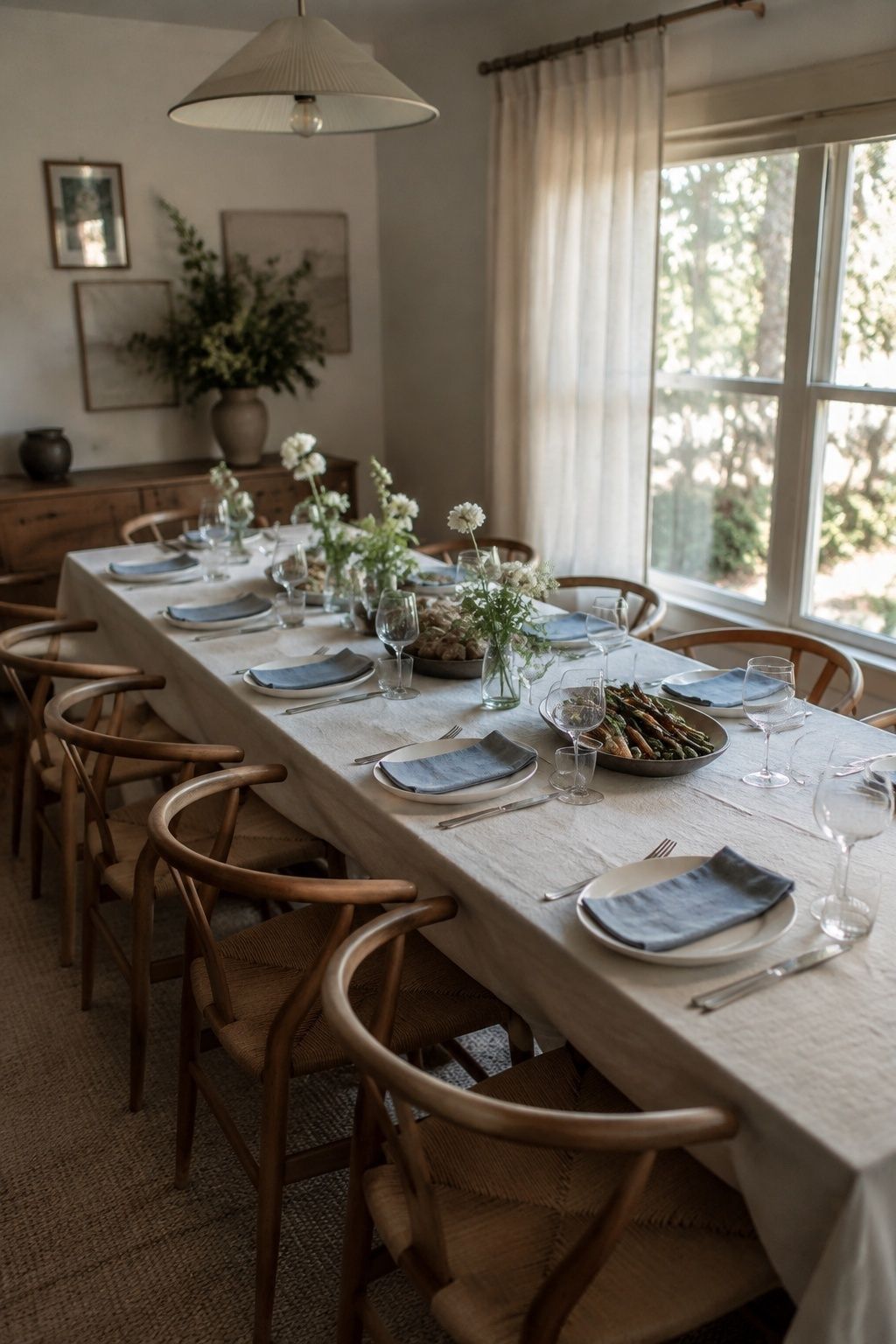
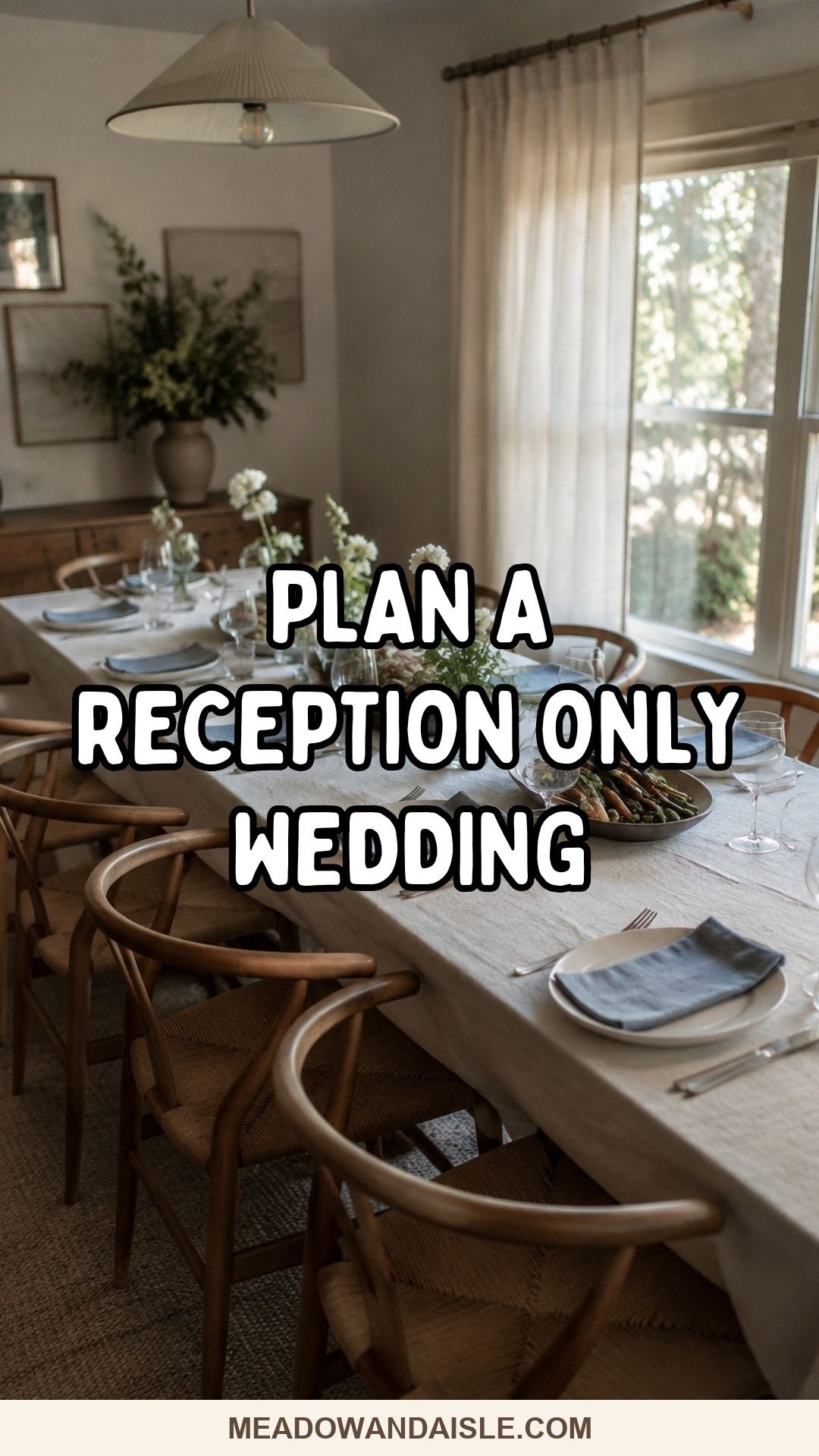
A seated dinner is the clearest way to make a reception only wedding feel complete. Guests arrive, find a table, hear a welcome, share a meal, and celebrate the couple in a familiar rhythm. This style works beautifully for small ceremony big reception plans because the reception does not feel like a leftover party. It feels like the hosted public celebration.
Plan the seating with care, but keep it simple. Assigned tables are often enough unless meal choices require exact seats. Add one welcome toast early so everyone understands why they are gathered, then let dinner carry the warmth. If you want first dance, cake, or parent moments, place them after the main course rather than stacking them at arrival.
Cocktail Reception With Substantial Food

A cocktail reception works when the food is truly enough for the time and invitation wording. If guests arrive at dinner hour, passed appetizers alone rarely feel generous. Add stations, small plates, or a clear earlier start time. Provide seating clusters for older guests, pregnant guests, and anyone who does not want to hold a plate all evening.
This style suits couples who want mingling, music, and a shorter celebration without formal dinner service. It also needs strong arrival flow: coat check if needed, drinks ready, food moving quickly, and a visible place for the couple to greet people. The less formal the format, the more the logistics have to quietly protect guest comfort.
Write the invitation with extra food clarity for this format. “Cocktail reception” means different things to different guests. Some will expect snacks; others will expect a full meal served in a less formal way. If you are offering enough food for dinner, say so through “cocktails and substantial bites” or “cocktail-style dinner reception.” If it is truly light, choose a time outside the dinner window.
Brunch Or Lunch Celebration
A brunch or lunch reception is graceful after a morning private ceremony or courthouse appointment. It feels light, intimate, and naturally less performance-heavy than an evening reception. Think coffee, sparkling drinks, seasonal food, small cake, short toasts, and a clear ending that lets guests enjoy the rest of the day.
Brunch also keeps the budget steadier without making the event feel thin. You still need enough food, attentive service, and a meaningful welcome, but you probably do not need a dance floor, late-night music, or heavy bar plan. For couples comparing reception ideas after an elopement, brunch is often the warmest option for a family-centered celebration.
Restaurant Private Room
A restaurant private room is one of the strongest reception-only formats because hospitality is built in. Tables, service, menu, glassware, cleanup, and staff are already part of the setting. Confirm timing, menu choices, bar structure, speeches, cake or dessert, accessibility, and whether the room feels private enough for a wedding celebration.
This style works especially well for an already married reception. The couple arrives, welcomes everyone, shares a meal, and lets conversation do the emotional work. Add printed menus, a few flowers, a small photo display, or a welcome sign if the room needs a wedding signal, but do not bury a good restaurant under unnecessary extras.
Backyard Or At-Home Reception
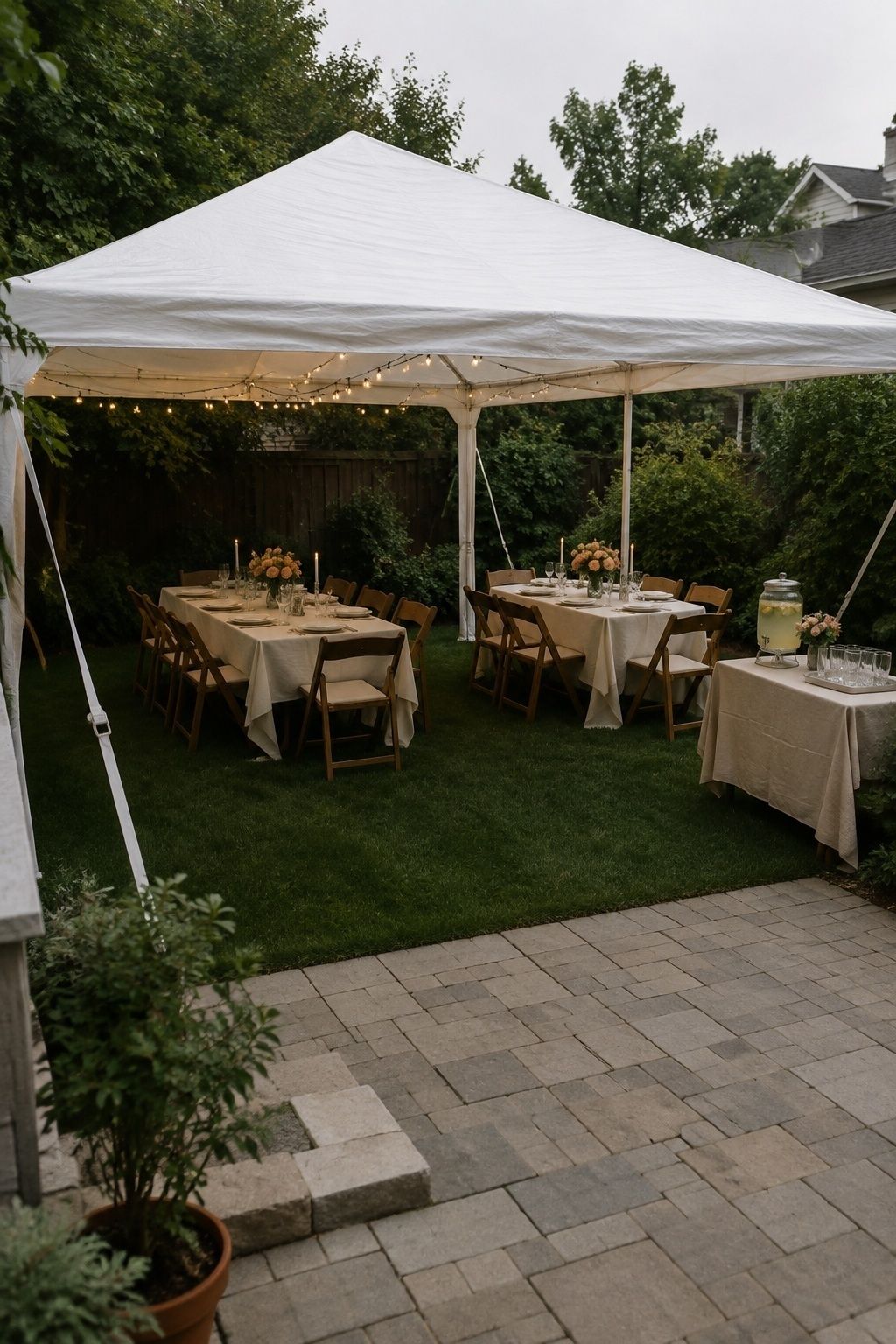
An at-home reception only wedding feels personal, but it asks for honest infrastructure. Restrooms, weather cover, lighting, parking, trash, food safety, rentals, cleanup, noise rules, and guest flow matter more than many couples expect. A backyard is not automatically simpler than a venue. It is simpler only when the guest count and service plan fit the property.
Keep the experience warm and grounded. A family-style meal, dessert table, relaxed seating, soft music, and short welcome toast often feel better than trying to mimic a ballroom reception outdoors. If the ceremony already happened reception guests should still feel that the home was prepared for them, not simply opened after the fact.
At-home receptions also need a cleanup plan that is invisible to guests. Decide who handles trash, dishes, rentals, leftover food, flowers, gifts, and late arrivals before the first person walks in. The couple should not end the night carrying recycling in wedding clothes. Hiring a server, bartender, cleanup lead, or day-of coordinator for a backyard reception is often the difference between charming and exhausting.
Open House Or Drop-In Reception
An open house reception works best when the invitation makes the format unmistakable. Guests need the time window, food style, attire, and whether there will be a toast or cake moment at a specific hour. Without that, people arrive at random times and wonder whether they missed the couple, the meal, or the emotional center of the celebration.
This format suits casual local celebrations, post-ceremony home gatherings, and couples who want to greet a wider circle without a long formal reception. It is not ideal if many guests are traveling or expecting a full evening. When guests invest real time and travel, choose a more anchored format with a shared meal or clear main event.
If you choose an open house, create one anchor moment anyway. A toast at four o’clock, cake at five, or newlywed thank-you at the midpoint gives guests a reason to time their visit. Without that anchor, the couple spends the whole event repeating the same story while guests drift in and out without a shared memory.
Build A Reception Only Wedding Timeline
A reception only wedding timeline should never make guests feel as if they are waiting for a ceremony they were not invited to attend. The reception starts when the reception starts. Work backward from guest arrival, then add couple photos, ceremony transition, vendor setup, food service, speeches, music, cake, and departure in a way that keeps the room cared for.
Before The Reception
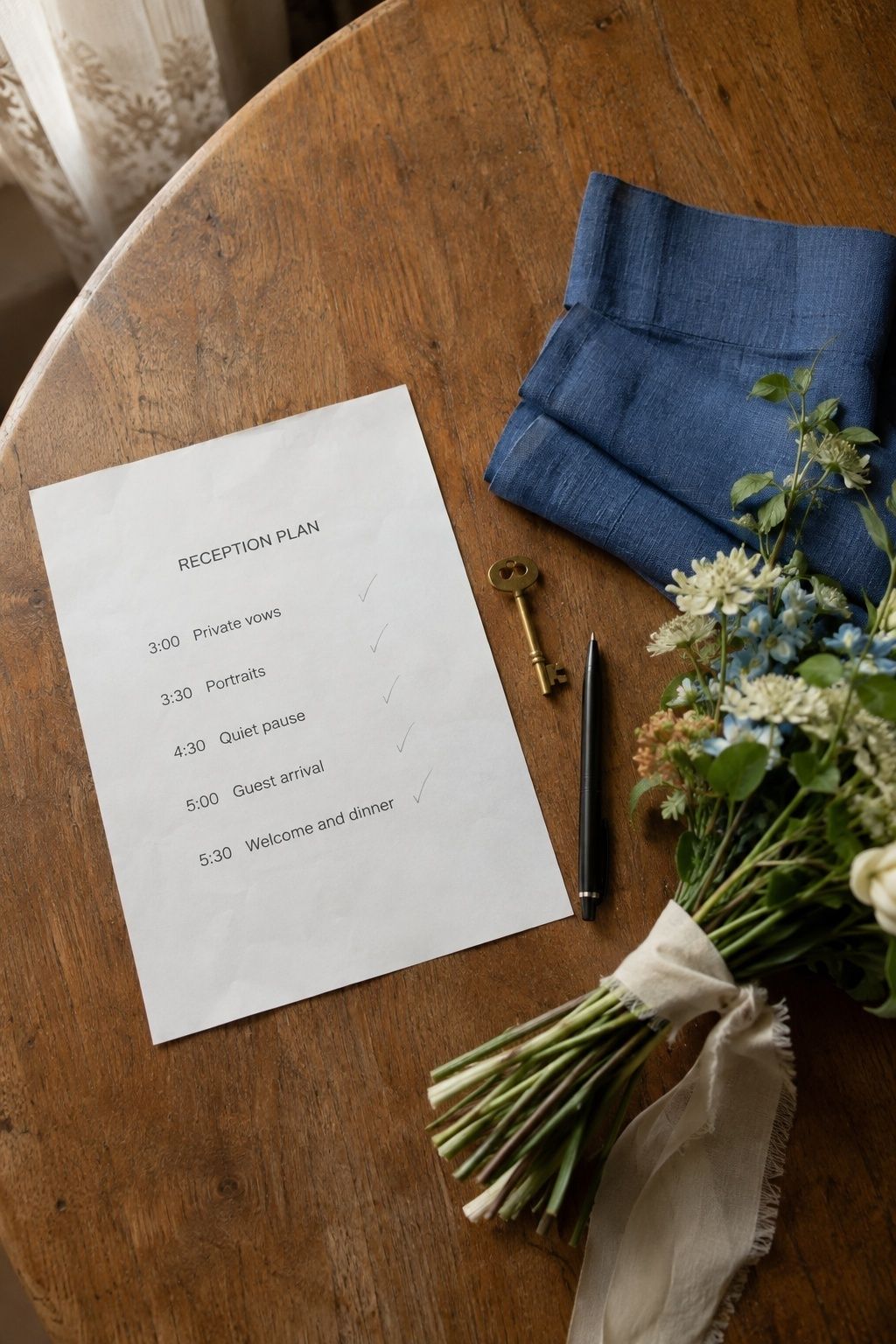
Before guests arrive, handle ceremony photos, family portraits, transportation, room setup, and any private pause you need as a couple. If the ceremony happens earlier that day, build enough buffer so reception guests are not held outside while the couple is still taking pictures. If the ceremony happened days or months earlier, use this time for getting ready and final venue checks.
Assign someone besides the couple to answer vendor questions. That person should know where gifts go, when doors open, who cues the welcome, where the couple enters, and what to do if guests arrive early. Reception-only formats rely heavily on first impressions. Calm arrival logistics let everyone relax into the celebration.
Build private ceremony time with a buffer, not wishful math. If vows end at 3:00 and reception guests arrive at 5:00, the couple still needs travel, portraits, touch-ups, a quiet breath, and a chance to enter the reception without looking rushed. The more emotionally intense the private ceremony is, the more valuable that quiet margin becomes.
Guest Arrival And Welcome
Guest arrival should feel immediate and warm. Offer drinks, music, a coat area if needed, clear seating or mingling space, and a visible welcome point. If the couple is greeting guests personally, keep the line informal. If the couple is entering later, make sure hosts or close family are present so the room does not feel unattended.
A welcome toast is useful at the beginning. It anchors the reception, names the marriage celebration, and prevents the odd feeling that guests have arrived halfway through a story. Keep it short: thank guests for celebrating, mention that the ceremony was private or already took place, and invite everyone into the meal or evening ahead.
Meal, Toasts, And Shared Moments
The meal is where a wedding reception after private ceremony becomes real for guests. Serve food soon enough that people feel cared for, especially if they have traveled or arrived after work. Toasts should be limited and intentional. One welcome, one family toast, and one couple thank-you is often plenty for a reception-only celebration.
If you want to include a first dance, cake cutting, or parent dance, choose moments that feel natural for your reception style. These traditions do not have to be skipped just because the ceremony was private. They also do not have to be included to prove the event is a wedding. Let the reception style decide the rhythm.
Photos, Music, And Mingling
Plan photos in a way that does not remove the couple from guests for too long. If formal portraits are already finished, use reception time for candid groups, table visits, and a few images with loved ones who were not at the ceremony. If you want to show ceremony photos, display a small selection rather than turning the reception into a slideshow everyone must watch.
Music should match the format. A playlist works for brunch or dinner. A musician adds warmth to a restaurant or garden reception. A DJ makes sense if dancing is a central part of the evening. Reception only wedding timeline choices should put connection first, then entertainment. Guests need time with the couple more than they need a packed program.
For photos, tell the photographer which guests did not attend the ceremony. Those people are often the ones who care most about getting a warm picture with the couple at the reception. A short shot list for grandparents, siblings, close friends, and travel guests keeps the reception from disappearing into only candids.
Last Call, Send-Off, And Aftercare
End the reception with the same clarity you used at the beginning. Announce last call if there is a bar, cue dessert or final song, and make transportation details easy. A formal send-off is optional. A warm goodbye at the door, a final toast, or a quiet last dance could fit better than sparklers or a big exit.
After the reception, send thanks promptly and share a few photos if guests were curious about the ceremony. Thank-you cards matter for gifts, but gratitude also matters for presence. Reception-only weddings sometimes ask guests to trust an unfamiliar format. A sincere follow-up closes the loop with grace.
Handle Reception Only Invitation Wording Clearly
Reception only invitation wording should tell guests what they are invited to attend. It does not need to defend the private ceremony, recite every planning reason, or soften the truth until the event becomes unclear. How to word reception only wedding invites depends on whether the ceremony is private, already happened, or happening separately with a smaller circle.
Name The Event As A Celebration
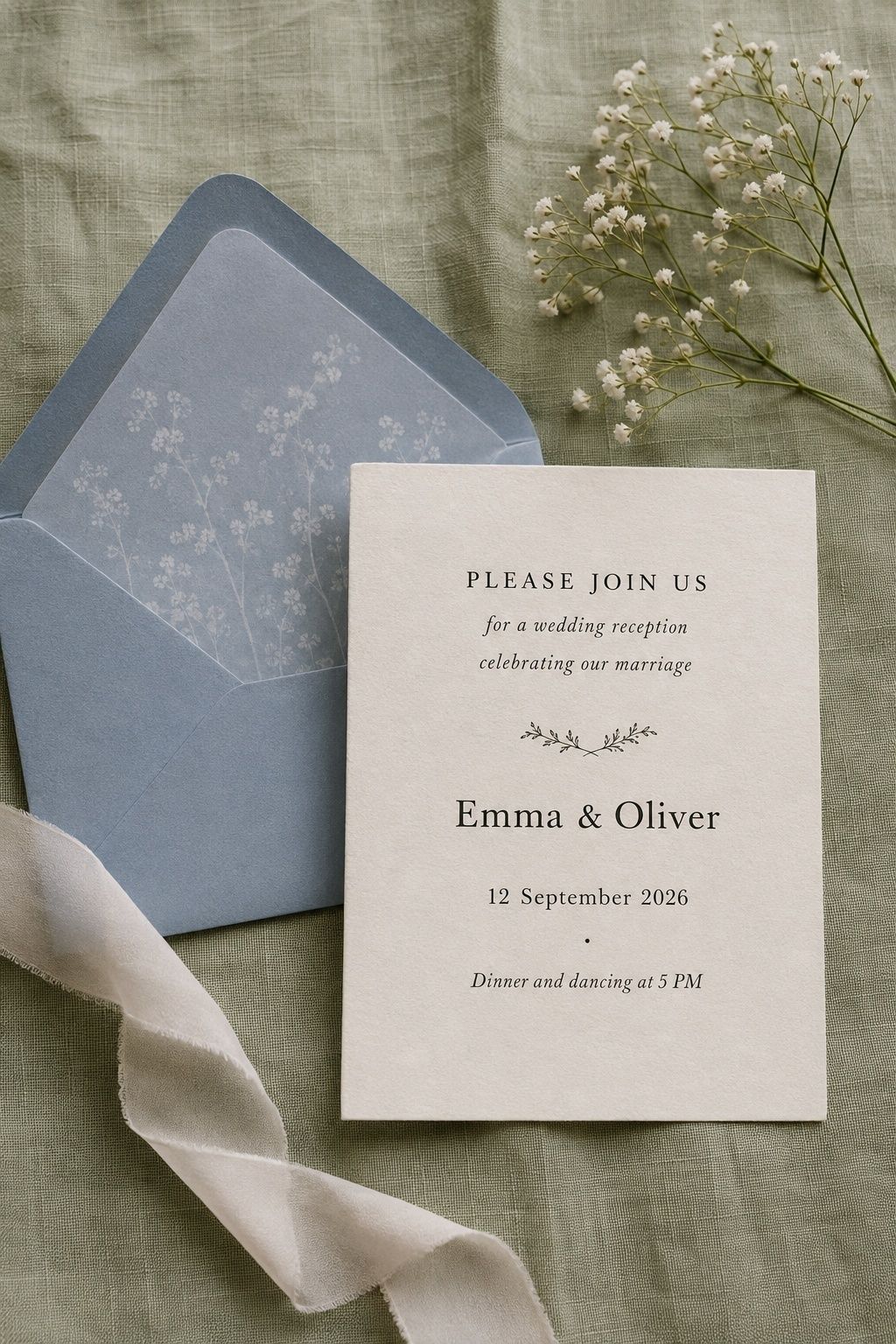
Use words like reception, celebration, dinner, or party after the marriage, depending on the tone. “Please join us for a wedding reception celebrating our marriage” is clear. “Celebrate with us after our private ceremony” is clear. “Join us for dinner and dancing in honor of our marriage” is clear. Guests should immediately know they are invited to the celebration, not the ceremony.
When couples are choosing reception after private ceremony wording, the principle stays the same: focus on the event guests are invited to attend. Do not lead with apology. Do not hide the ceremony status. Do not make the invitation sound like a normal ceremony invitation if there will be no ceremony for that guest.
Say Whether The Ceremony Is Private Or Already Happened
If the ceremony is private, say that simply. If you are already married, say that simply too. Ceremony already happened reception wording should not pretend the wedding is still upcoming in the traditional sense. Guests will understand a celebration after private vows, but they need the timeline to be honest so travel plans, expectations, and emotions line up.
Avoid too much detail on the main invitation. The card is not the place to unpack family dynamics, venue limits, legal timing, or why a public ceremony was not right for you. Save personal explanations for private conversations. The invitation should carry warmth, date, time, place, RSVP, dress tone, and the fact that the reception celebrates your marriage.
Send Separate Details To Ceremony Guests
If some guests are invited to both ceremony and reception, send ceremony details separately. That avoids placing private information where reception-only guests could see it. A small insert, direct email, personal text, or password-protected website section works, as long as the reception invitation itself remains clean and accurate.
This is also where RSVP tools earn their place. You need to track who is attending the ceremony, who is attending the reception, meal choices, plus-ones, children, and arrival needs without mixing groups publicly. Keep the system quiet and organized so the guest experience feels seamless from the outside.
Include RSVP, Dress Code, And Food Expectations
Reception-only invitations should include the same practical details as any well-hosted wedding event: date, start time, venue address, RSVP deadline, RSVP method, attire, parking if needed, meal style, and whether the event includes dinner, brunch, cocktails, dancing, or an open house window. The more unusual the format, the more useful these details become.
Food expectations deserve special clarity. “Dinner reception,” “brunch celebration,” “cocktails and heavy hors d’oeuvres,” or “open house with light bites” tells guests how to plan. Vague reception wording often creates the wrong expectation. Clear hospitality language protects both guest comfort and your budget.
Send invitations early enough for the kind of reception you are hosting. Local dinner receptions usually need a standard invitation window, while holiday weekends, destination gatherings, or celebrations with travel deserve more lead time. If some guests also attend the private ceremony, send those ceremony details separately and quietly. That keeps the reception-only invitation focused and prevents accidental hurt.
Reception Only Wedding Etiquette Mistakes To Avoid
A reception only wedding is not rude by default. It becomes uncomfortable when guests feel misled, under-hosted, or treated as an audience for gifts rather than loved ones invited to celebrate. Most etiquette mistakes are preventable once you look at the plan from the reception guest’s point of view.
Do not invite guests to a dinner-hour event without enough food. Do not imply there will be a ceremony if there will not be one. Do not include registry details on the main invitation. Do not ask guests to travel far for a loosely planned drop-in unless the relationship and hospitality justify it. Do not split similar social groups in a way that feels like ranking.
If your celebration follows an elopement, the etiquette lens is simple: guests usually respond well when the couple is honest, appreciative, and generous with the celebration they are actually hosting. The same is true here. You do not need to stage a second ceremony. You do need to make the reception feel worth attending. The rest of the set lives under Ceremony & Reception.
Also be careful with gifts. Keep registry information on a wedding website or by request, not on the main reception invitation. If you truly prefer no gifts, say so gently on the website or details card. Either way, the event should feel centered on celebration and connection, not on what guests bring with them. Keeping it small? See our micro wedding vs elopement guide.
FAQ
How do you plan a reception only wedding?
Plan a reception only wedding by separating the ceremony decision from the hosted celebration. Confirm whether the ceremony is private, already happened, or happening with a small circle, then build the reception guest list, format, food, timing, and invitation wording around that truth. A strong plan starts with one clear event sentence, then lets every booking choice match it.
Is a reception only wedding rude?
A reception only wedding is not rude when guests are clearly invited to a generous celebration of the marriage. The risk comes from confusion: vague ceremony language, too little food, uneven guest tiers, or a reception that feels centered on gifts. A simple rule works well here: if guests understand the format, timing, meal, and reason for gathering, the etiquette feels much warmer.
Who should be invited to a reception only wedding?
Invite the people you genuinely want present for the public celebration of your marriage. Build the list by relationship groups so boundaries feel consistent: immediate family, extended family, close friends, local circles, or coworkers. Decide the private ceremony circle first. Then create the reception list around the wider celebration, avoiding a confusing mix where similar guests receive noticeably different invitations.
When should reception only wedding invitations be sent?
Send reception only wedding invitations about six to eight weeks before the celebration for most local events. Choose an earlier window for destination receptions, holiday weekends, or guests who need flights, lodging, childcare, or time off. Set the RSVP deadline from the date your caterer, restaurant, or venue needs final numbers, then give yourself a quiet buffer for missing replies.
How do you word a reception only wedding invitation?
Word a reception only wedding invitation by naming the event as a celebration, reception, dinner, or party honoring the marriage. Mention that the ceremony is private or already took place when needed, then give date, time, location, RSVP, attire, and meal expectations. Avoid ceremony-start language on reception-only invitations, because that sets up guests to expect vows they will not attend.
Do reception only weddings need a full wedding timeline?
Reception only weddings need a clear reception timeline, but not always a full traditional wedding schedule. Plan guest arrival, welcome, food, toasts, photos, music, cake or dessert, and closing. The guest-facing timeline should come first, because that is the event most people experience. Private ceremony timing, portraits, setup, and vendor arrivals sit behind it quietly.
Final Thoughts
A reception only wedding works when the couple treats it as a complete celebration rather than a compromise. The ceremony stays private or separate for reasons that are real to you, and the reception becomes the warm public gathering where guests are fed, welcomed, thanked, and included in the joy of the marriage.
If you remember only one planning rule, make it this: clarity is kindness. Tell guests what they are invited to, host them generously, and let the reception have a beginning, a meal or meaningful hospitality, and an emotional center. That is how to plan a reception only wedding that feels gracious instead of confusing, with invitation timing and RSVP clarity accounted for.
Last update on 2026-11-29 / Affiliate links / Images from Amazon Product Advertising API