
How to plan a non traditional wedding: choose the marriage experience you actually want, confirm the legal requirements, then design the ceremony, meal, timeline, and guest communication around that choice. A non traditional wedding still feels thoughtful when it is clear, hosted, meaningful, and comfortable for the people invited.
A non traditional wedding usually starts with one quiet problem: the standard wedding timeline does not feel like yours. You love the idea of being married and still feel oddly detached from the ceremony aisle, cocktail hour, plated dinner, first dance, cake cutting, and packed dance floor that seem to arrive as one inherited script.
That does not mean the day has to become chaotic, vague, or hard for guests to understand. The most beautiful unconventional weddings still feel hosted. They still have rhythm, welcome, legality, food, comfort, and a sense of occasion. They simply choose those things on purpose.
Think of this as thoughtful editing rather than rebellion for its own sake. You are not trying to prove that weddings are old-fashioned. You are designing a gathering where the marriage is clear, the people are cared for, and the parts you keep have real meaning.
Recommended Wedding Products


![The Knot Ultimate Wedding Planner [Revised Edition]: Worksheets, Checklists, Etiquette, Timelines, and...](https://meadowandaisle.com/wp-content/plugins/aawp/public/image.php?url=YUhSMGNITTZMeTl0TG0xbFpHbGhMV0Z0WVhwdmJpNWpiMjB2YVcxaFoyVnpMMGt2TlRGRmVVRnBablp0Tmt3dVgxTk1NVFl3WHk1cWNHYz18MTc5MTIzMjg1Nw=)

You Might Also Like These Blog Posts
- How To Plan A Small Wedding That Still Feels Big-Hearted
- How To Plan A Wedding That Feels Like Us Instead Of A Beautiful Stranger’s Pinterest Board
- How To Plan A Reception Only Wedding That Guests Understand
- How To Plan A Wedding Without Pleasing Everyone And Still Feel Kind
- Civil Ceremony Ideas for a Legal Wedding That Still Feels Personal
- Wedding Guest Experience Mistakes That People Remember For The Wrong Reasons
How To Plan A Non Traditional Wedding With Meaning And Ease
To plan a non traditional wedding, begin by separating the marriage from the expected production around it. The marriage needs legal care, a promise, and the people or witnesses required in your location. The celebration needs welcome, timing, food, comfort, and emotional clarity. Everything else is a design choice.
This distinction gives you freedom without leaving guests confused. A ceremony in a garden followed by breakfast feels complete. A courthouse signing followed by a restaurant dinner feels deeply romantic. A weekend cabin gathering with vows at sunset feels more ceremonial than a ballroom timeline when everyone understands the shape of the day.
Decide what the day should feel like, then make practical choices that protect that feeling. For peaceful, avoid a schedule that forces you through twelve photo moments and three outfit changes. For communal, seat people close enough for conversation. For artful, give the setting, paper, music, and meal enough attention to feel intentional.
Define The Wedding You Actually Want
Before looking at venues or alternative ideas, make the wedding smaller on paper. Not smaller in guest count necessarily, but smaller in assumptions. Name the essentials: legal marriage, ceremony, meal, music, photos, people, setting, clothes, words, traditions, money, timing. Then build the day from the essentials that make sense.
Choose The Feeling Before The Format
Start with three words you want the day to hold. Try intimate, playful, reverent. Or stylish, relaxed, family-centered. Or adventurous, quiet, communal. These words become the filter for every decision that follows.
A couple who chooses quiet, sacred, and simple will make different choices from a couple who chooses immersive, theatrical, and social. Both styles feel non traditional. The point is not to copy a cooler format; it is to build a day with an emotional center.
Once you have the words, test common decisions against them. A late-night dance floor fights a quiet wedding but serves a social one. A vow exchange without an audience protects a sacred wedding but feels too hidden for a communal one. This keeps planning from becoming a pile of isolated preferences.
Separate Marriage, Ceremony, And Party
A traditional wedding often layers the legal act, ceremony ritual, and reception party into one afternoon. Divide them if that serves the day. Sign the license with witnesses and host vows later. Share a tiny ceremony with immediate family and invite friends to dinner. Hold a public celebration after a courthouse wedding.
Dividing the day also softens pressure. If legal requirements feel stressful, handle them simply. If vows feel intimate, exchange them away from the crowd and use shorter public promises. If the party matters most to your families, give the celebration warmth without pretending it is a standard ceremony.
Sketch a simple timeline before booking anything. The tiny ceremony fits the morning, portraits fit before lunch, and the guest celebration fits sunset. Or one small dinner gives you everything you wanted without a second event at all.
Decide What Still Needs To Feel Ceremonial
Even very relaxed weddings need at least one moment where the day gathers itself. Choose vows, a ring exchange, a blessing, a shared toast, a song, a spoken tribute, a family ritual, a license signing, or a walk into dinner together.
This ceremonial cue tells guests that they are not just attending a nice meal. They are present for a marriage. Keep it simple if that suits you, but give the day a clear emotional hinge.
The cue does not need to be long. A two-minute welcome, a shared passage, a short ring exchange, or a toast before dinner shifts the atmosphere. Guests relax when they understand the reason everyone has gathered.
Set Boundaries Around Outside Expectations
Non traditional weddings tend to invite opinions because people are less sure what to expect. Decide early which choices are open for family input and which choices rest with you as a couple. Money, guest list, religious elements, parent moments, and invitations deserve especially clear boundaries.
Warm boundaries sound settled, not combative. Try: We are keeping the ceremony very small, then hosting dinner for everyone afterward. Or: We are not doing a formal wedding party, but our closest people will sit with us in the front row.
Give relatives something true to hold instead of only telling them what is missing. Mention the beautiful meal, the family photos, the toast, the blessing, the front-row seats, or the relaxed time together. People often soften when they picture where their love still has a place.
Non-Traditional Wedding Formats To Consider
The format is the skeleton of the day. Choose one that fits your guest count, budget, setting, and emotional comfort. The best format makes the wedding feel easier to host, not harder to explain.
A Ceremony Followed By An Intimate Dinner
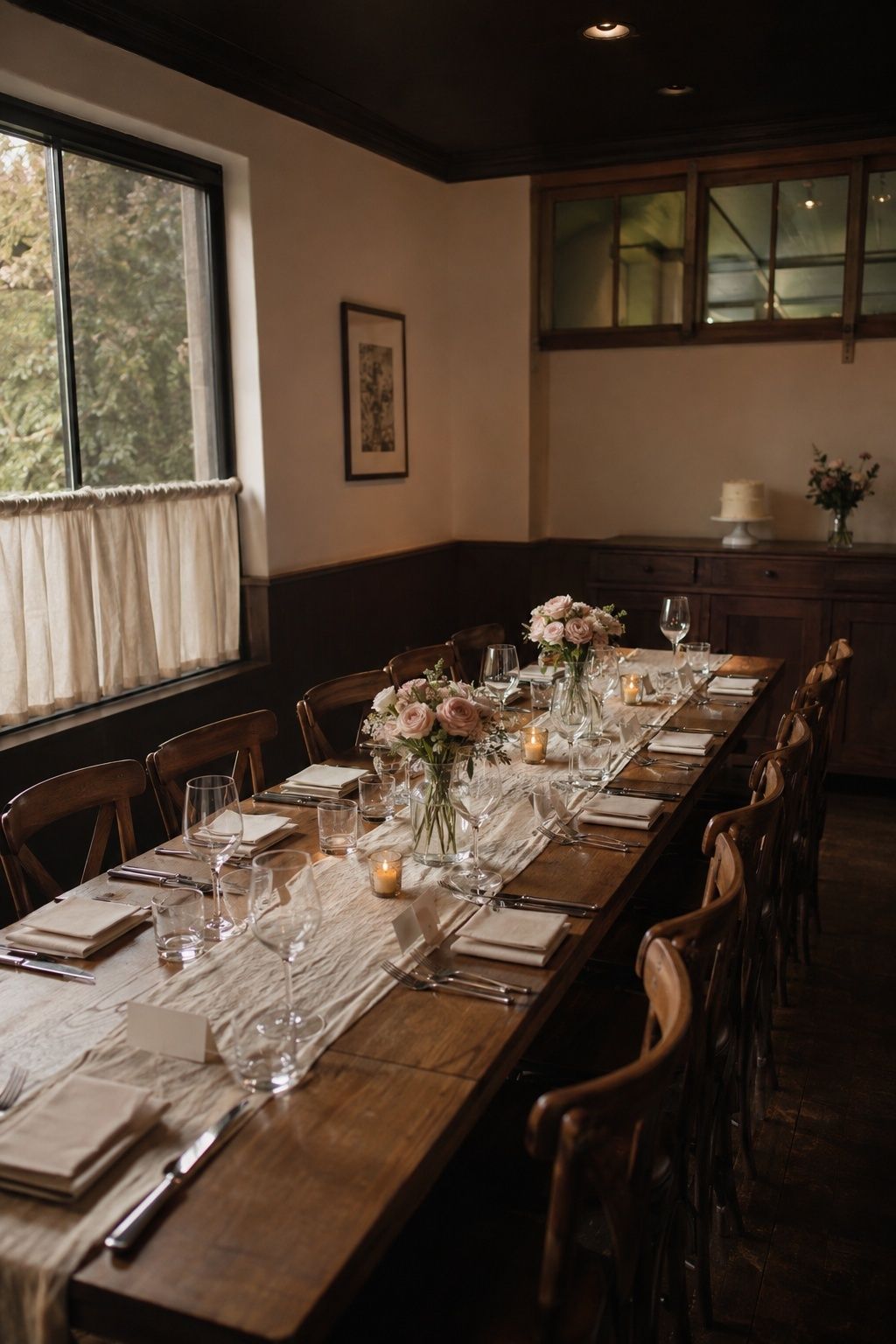
This is one of the most graceful non traditional wedding formats: a short ceremony, then a beautiful dinner in a restaurant room, garden, home, or small venue. It succeeds because guests immediately understand the flow. They witness the promise, then sit down to celebrate it.
Make the dinner feel wedding-level with printed menus, place cards, candles, a welcome toast, and a thoughtful seating plan. You do not need a dance floor for the evening to feel complete.
This format also suits couples who want a refined event without a ballroom feeling. Spend on the meal, photography, flowers for the table, and good lighting. Skip the details that only make sense for a larger reception, such as a big DJ setup or complicated room flip.
A Reception-Only Celebration
A reception-only wedding fits well when the legal ceremony is tiny, remote, family-only, or already complete. The key is honest invitation wording. Guests should know whether they are attending a celebration of a marriage rather than a ceremony followed by a reception.
Open the event with a toast, a few words from the couple, a slideshow, a short blessing, or a first song together. That gives the celebration a wedding pulse instead of making it feel like a generic party.
If some guests will feel surprised by the missing ceremony, say it plainly on the invitation and again on the website. The celebration should not require decoding. A warm line such as, We exchanged vows in a small ceremony and look forward to celebrating with you at dinner, is usually enough.
A Brunch Or Lunch Wedding
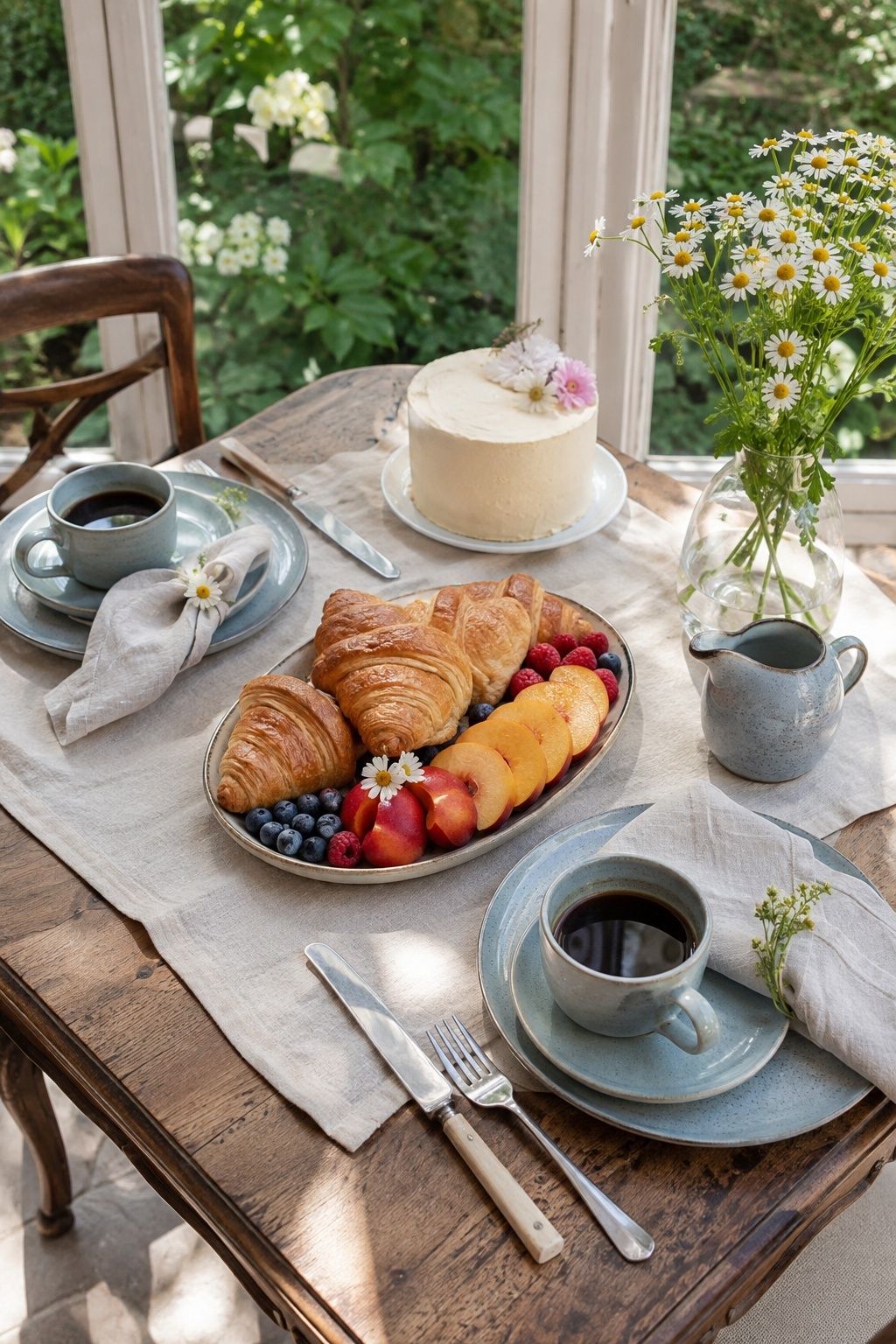
Morning and midday weddings naturally loosen the expected script. Brunch makes room for garden vows, pastries, coffee, fruit, omelets, jazz, and an earlier goodbye. Lunch suits courthouse weddings, restaurant weddings, and family-forward celebrations.
Be clear about timing and attire so guests do not arrive expecting an evening dance party. A daytime wedding feels refined when the table is beautiful, the service is smooth, and the ceremony has a defined place in the schedule.
The earlier hour also changes the budget conversation. Alcohol needs often shrink, music feels lighter, and the day ends before everyone is exhausted. Save that breathing room for a slow meal, portraits in soft daylight, or a quiet getaway afterward.
A Weekend House Gathering
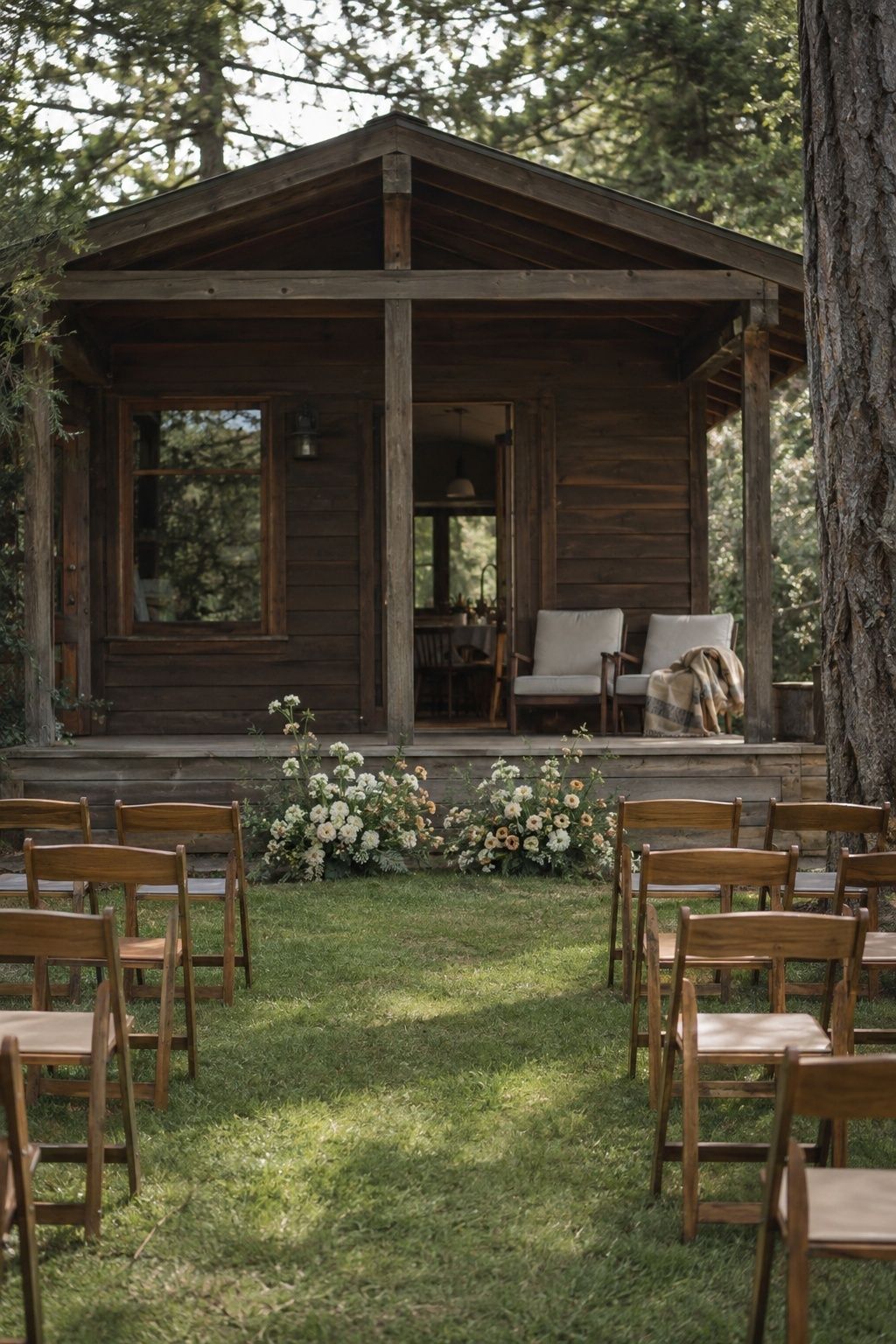
For a very small group, a rented house, family home, cabin, or coastal cottage creates a wedding that feels like a shared chapter rather than a single event. Guests cook, sit outside, get ready slowly, and gather for vows at the moment that feels right.
This format needs more planning than it appears to need. Confirm sleeping arrangements, bathrooms, parking, cleanup, food service, weather backup, noise rules, and who is actually hosting each part of the weekend.
Be careful with emotional labor here. A house wedding sounds easy until one person is managing linens, groceries, trash, breakfast, family questions, and the ceremony playlist. Bring in paid staffing where the gathering needs it, even if the wedding itself stays small.
A Courthouse Plus Celebration Day
A courthouse wedding becomes more than an errand when you frame the whole day with care. Wear something you love, invite witnesses, book portraits, choose flowers, reserve a table, and plan a toast afterward.
The celebration happens the same day or later. Either way, let the courthouse moment feel deliberate. Bring a folder for documents, confirm witness rules, and leave enough time that the legal part does not feel rushed.
Small details do a lot in this format. A bouquet, a favorite perfume, a reservation card, a classic car, handwritten vows, or a tiny cake at lunch turns the day from administrative to memorable without adding a large production.
An Activity-Based Wedding
Some couples build the celebration around a shared experience: a wine tasting, boat ride, gallery dinner, cooking class, picnic, hike, bowling night, concert, garden tour, or supper club. This suits a small guest list and a clear plan for food, rest, and weather.
Choose an activity that welcomes your actual guests, not just your ideal version of them. A long hike could be meaningful for two people and miserable for a grandparent. A wine tasting delights friends but leaves sober guests sidelined. Hospitality still comes first.
If you choose an activity, create a soft landing around it. Give guests a place to sit, food before or after, a clear schedule, and an opt-out that does not make anyone feel awkward. The activity should gather people, not test them.
A Tiny Ceremony Now And A Larger Party Later
When timing, money, family logistics, health, travel, or emotional bandwidth are complicated, split the wedding into two moments. Marry now with a small ceremony, then host a broader celebration when you have the capacity to do it well.
Keep the story clean. Tell guests what already happened, what they are being invited to, and whether gifts, attire, or speeches are expected. A later party feels generous when the invitation is clear and the gathering has its own sense of occasion.
This approach suits families who live far apart or couples who want to protect the ceremony from crowd management. Treat each event as complete in its own way: the tiny ceremony gets tenderness, and the later party gets welcome, food, music, and gratitude.
Shape A Ceremony That Feels Like You
The ceremony is where many non traditional weddings become most meaningful. It ranges from brief and secular to spiritual, funny, quiet, musical, family-led, officiant-led, or reserved for only the closest people. What matters is that the words and actions match the promise you are making.
Confirm The Legal Requirements First
Legal requirements are not wedding traditions. They are location-specific rules around licenses, officiants, witnesses, declarations, signatures, filing, and timing. Before you remove or rewrite ceremony elements, confirm what must happen for the marriage to be valid.
Some couples choose a tiny legal signing, a micro wedding, an elopement, a delayed reception, or a destination-style vow trip; the important part is that the official steps are handled before the creative format takes over.
Write Vows That Match Your Relationship
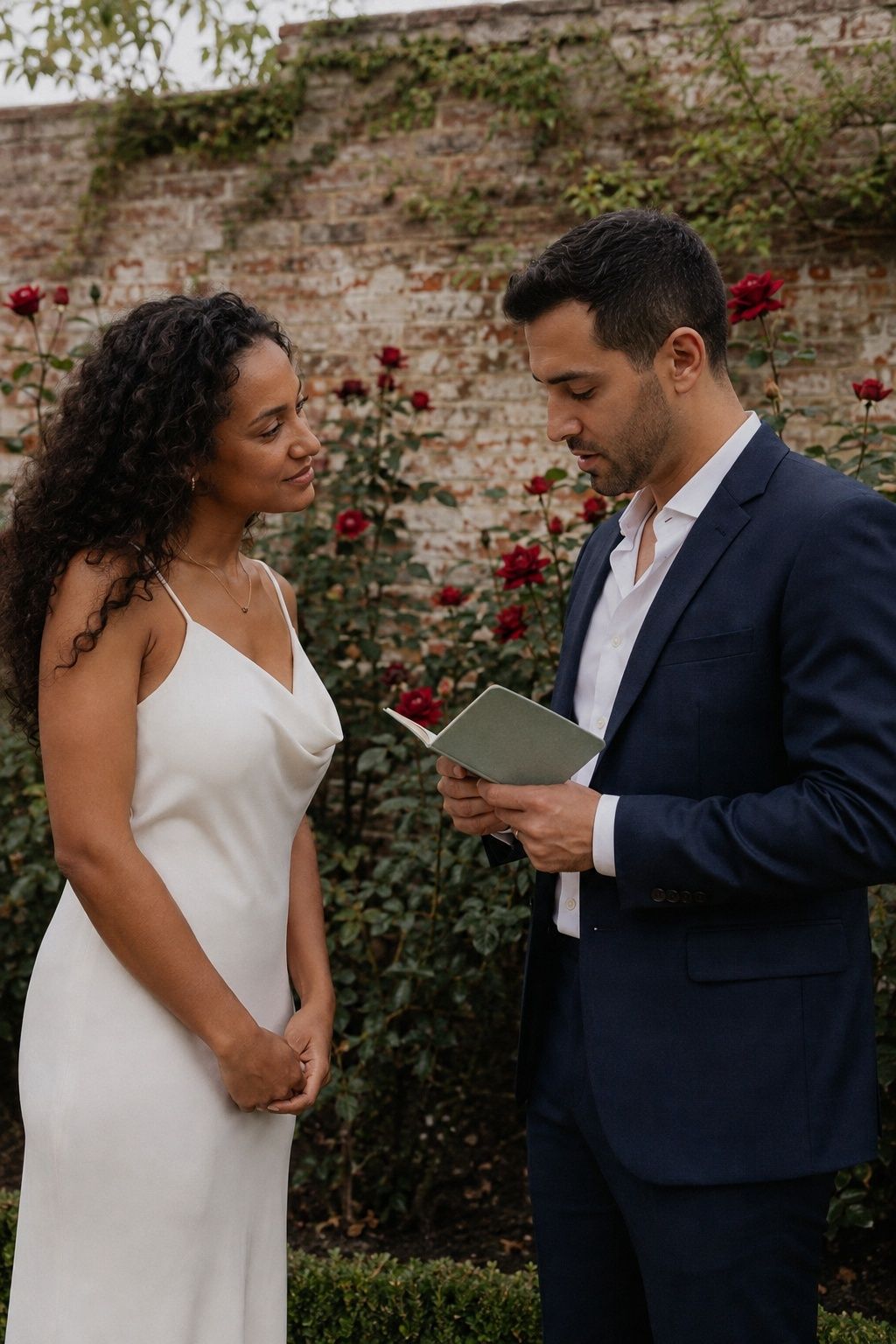
Personal vows do not have to sound poetic to be powerful. They should sound like promises sturdy enough to live inside. Talk about what you are choosing, what you honor in each other, what you will practice, and what the marriage means beyond the wedding day.
If public vulnerability feels overwhelming, exchange personal vows away from the crowd and use shorter repeat-after-me vows in front of guests. That choice often gives couples the intimacy they want and the clarity guests expect.
Keep a printed copy somewhere safe even if you plan to speak from your phone. Wedding days have wind, nerves, dim light, and disappearing batteries. Vow books are not just pretty; they keep the promise physically present.
Invite The Right Voices Into The Ceremony
A non traditional ceremony includes a friend officiant, a sibling passage, a grandparent blessing, children, chosen family, or no extra voices at all when those voices serve the promise. Choose people who bring steadiness, not just people who expect a role.
Give every speaker boundaries: word count, tone, length, deadline, and where their moment appears. A ceremony feels personal without becoming an open mic.
Choose a ceremony voice who understands the tone you want. A funny friend suits a backyard gathering and feels wrong for a grief-aware family ceremony. A calm officiant gives an unconventional structure grounding because they know how to hold the room.
Keep Or Rewrite Rituals With Intention
Rituals are flexible. Rings, handfasting, candle lighting, family blessings, cultural customs, music, spoken passages, aisle walks, and unity moments all allow smaller or revised versions. The question is what the ritual is meant to hold.
If a ritual honors heritage, faith, grief, parent relationships, or family identity, make the decision slowly. Adapt without dismissing the meaning. Ask what part is essential and what part is simply habit.
When two families bring different traditions, do not force symmetry. One side needs a formal blessing while the other feels honored by a song or a meal. Balance comes from respect, not from giving every custom the same number of minutes.
Design The Guest Experience So It Feels Hosted
A non traditional wedding asks guests to follow a less familiar path, so your hosting needs to be extra clear. Good guest experience is not about being fancy. It is about removing confusion, hunger, discomfort, and awkward waiting.
Tell Guests Exactly What They Are Attending
Your invitation and wedding website should name the event clearly. Ceremony and dinner. Marriage celebration. Reception after a small family ceremony. Courthouse celebration lunch. Vows and picnic. Guests do not need a long defense, but they do need an accurate picture.
Include start time, end time when relevant, food expectations, attire, location details, parking, accessibility, weather backup, and whether the ceremony is happening in front of them. The less traditional the format, the more valuable the practical details become.
Tone matters. You do not need apologetic wording. Say the plan as if it is normal because, for your wedding, it is. Guests take emotional cues from the invitation, the website, and the way close family talks about the day.
Build A Timeline With Natural Transitions
Unconventional weddings still need movement. Guests should know when to arrive, where to put coats, when the ceremony begins, when food appears, how to move between spaces, and what signals the end of the celebration.
Transitions are where many casual plans become messy. Assign someone to gather guests, cue music, move flowers, announce dinner, walk older relatives to the right place, and keep the couple from managing logistics in wedding clothes.
Write the timeline from the guest’s point of view. Arrival. Welcome. Ceremony or opening toast. Food. Photos. Dessert. Final moment. Departure. If any part leaves people wondering what to do next, add a cue, a sign, a host, or a line on the website.
Prioritize Food, Seating, Sound, And Weather

If guests are fed, seated, able to hear, and physically comfortable, they will forgive almost any missing tradition. If they are hungry, confused, too hot, standing too long, or unable to hear the vows, the most creative format will feel careless.
Write down the practical details: chair count, meal timing, water access, shade, heaters, restroom access, transport, microphones, dietary needs, and backup plans. Thoughtfulness often looks like logistics before it looks like decor.
This is especially important for outdoor, restaurant, home, and activity-based weddings where the venue does not automatically provide the usual wedding infrastructure. Ask boring questions early. Boring questions are often what keep the day beautiful.
Give Family A Role Without Rebuilding Tradition
Some relatives worry that a non traditional wedding means they are being left out. Offer roles that fit your format: front-row seats, a toast at dinner, a spoken passage, a getting-ready visit, a family photo list, a blessing, a reserved table, or greeting guests.
You do not have to recreate a wedding party or formal parent dances to honor people. The role should feel sincere and manageable, not like a compromise that quietly brings back the entire traditional timeline.
For sensitive family dynamics, assign roles quietly and with care. A divorced parent needs a separate photo time. A sibling who expected to stand up front appreciates a spoken passage. A close friend feels loved simply by getting ready with you and sitting close.
Make Non-Traditional Choices Feel Cohesive
Cohesion is what keeps an unconventional wedding from feeling random. Guests do not need every detail to be formal, but they should feel one clear mood across the day.
Repeat a few design cues: a color palette, paper style, floral shape, music mood, menu language, table texture, or phrase from the ceremony. A courthouse lunch with handwritten menus and a single flower at each seat feels more intentional than a large reception filled with disconnected ideas.
Cohesion also comes from restraint. You do not need every alternative idea you saw online. Choose the details that serve your relationship, your guests, and your setting. Leave room for conversation, weather, photos, and the small pauses where the day starts to feel real.
A good test is whether the wedding still makes sense when you describe it in one sentence. We are having garden vows and a long family dinner. We are signing the license with two witnesses and hosting a cocktail celebration. We are bringing twenty people to a cabin for a weekend of meals and vows. If the sentence feels clear, the design usually will too.
Mistakes To Avoid When Planning A Non-Traditional Wedding
The first mistake is skipping structure because you are skipping tradition. A non traditional wedding still needs a host plan, a timeline, vendor direction, guest communication, and a legal checklist.
The second mistake is surprising guests with practical details. A cocktail-style reception without enough food, a ceremony with no seating, a destination-style gathering with unclear transportation, or an activity that excludes part of the guest list creates stress that good wording could have prevented.
The third mistake is treating family disappointment as proof that you made the wrong choice. Sometimes disappointment simply means people imagined a different format. Listen with kindness, clarify what will still happen, and stay anchored in the wedding you are actually able to host well.
The fourth mistake is making choices only to look original. If you love a first dance, have one. If you want a cake, serve it. If a white dress delights you, wear it. Non traditional does not mean every familiar thing has to disappear.
Another mistake is forgetting vendor defaults. Tell the photographer there is no cake cutting. Tell the DJ there is no grand entrance. Tell the caterer dinner starts after a short toast instead of a cocktail hour. Tell the officiant which legal words are required and which vows or rituals are personal. Clear direction keeps other people’s templates from quietly taking over.
FAQ
How do you plan a non traditional wedding?
Plan a non traditional wedding by choosing the marriage experience first, then building the legal ceremony, guest list, venue, meal, timing, music, and communication around that experience. Decide what feels meaningful, what guests need to know, and which traditions deserve a smaller or different shape.
What makes a wedding non traditional?
A wedding feels non traditional when it changes the expected format, setting, timing, roles, attire, ceremony language, reception flow, or guest experience. It still becomes elegant and organized when the choices are shaped around the couple rather than a default script.
Can a non traditional wedding still feel like a wedding?
Yes. A non traditional wedding still feels like a wedding when guests understand they are witnessing or celebrating a marriage, the couple is clearly honored, and the gathering has emotional focus. Vows, rings, a blessing, a legal signing, a meal, or a shared toast all create that feeling.
What can you do instead of a traditional wedding reception?
Instead of a traditional wedding reception, host a restaurant dinner, brunch, picnic, cocktail party, supper-club celebration, backyard meal, museum gathering, rooftop drinks, activity-based celebration, or reception-only party after a smaller ceremony. The strongest option gives guests food, comfort, conversation, and a clear reason to gather.
How do you explain a non traditional wedding to guests?
Explain a non traditional wedding plainly and warmly. Tell guests what the event is, when to arrive, what to wear, whether they will see a ceremony, what food will be served, and any timing details that affect comfort. Do not over-defend the decision; give them the information they need to participate easily.
What traditions can you skip at a non traditional wedding?
Skip the wedding party, bouquet toss, garter toss, grand entrance, cake cutting, first dance, parent dances, formal speeches, favors, matching attire, receiving line, and late-night dancing. Keep the legal requirements and guest-care details that make the day clear, fed, seated, and gracious.
Final Thoughts
A non traditional wedding becomes thoughtful through clear choices. Move the ceremony, shrink the guest list, change the meal, skip the dance floor, rewrite the vows, dress differently, or celebrate after the legal signing. Give each choice enough care that the day still feels gathered, generous, and complete.
A thoughtful wedding is not defined by the standard order of events. It is defined by the promise at the center, the welcome around it, and the sense that every visible choice was made by the two people getting married.
Before you finalize the plan, walk through the day as a guest and as a couple. Ask where the marriage becomes clear, where people eat, where older relatives rest, where the legal documents go, who knows the timeline, and what moment gives the day emotional completion. Those practical questions leave plenty of room for creativity and protect the celebration from feeling improvised. Non-traditional ceremony routes such as elopements, micro weddings, simple license signings, and delayed parties all feel steadier when the official marriage steps receive care.
Last update on 2026-10-03 / Affiliate links / Images from Amazon Product Advertising API