

What to call a party after eloping depends on the tone you want guests to expect. The clearest options are post-elopement party, post-elopement reception, wedding celebration, celebration of marriage, or elopement celebration dinner, as long as the wording makes it clear that you are already married and inviting loved ones to celebrate.
Naming the event feels tiny until the invitation is open in front of you. Suddenly every phrase seems to say something different. Reception sounds official. Party sounds casual. Celebration of marriage sounds polished. Elopement party sounds honest, but not every family hears the word elopement the same way.
The real goal is not finding the cutest phrase. It is choosing a name that gives guests the right picture before they decide what to wear, whether to bring a gift, how long to stay, and whether they should expect vows. A small after-wedding gathering feels smoother when the name tells the truth kindly.
Recommended Wedding Products


You Might Also Like These Blog Posts
- How Soon After Eloping Should You Have A Party?
- Party After Eloping Etiquette For Sharing The Joy Without Rewriting The Day
- Post Elopement Party Invitation Wording For Every Kind Of Celebration
- Should You Have A Registry After Eloping?
- Who To Invite To A Post Elopement Party When You Want It Intimate
- How To Plan A Reception Only Wedding That Guests Understand
What To Call A Party After Eloping
The best party after eloping name is simple, accurate, and matched to the event guests will actually attend. A private dining room with speeches and a photographer deserves different language than a Sunday brunch at home. A destination homecoming needs different cues than a family-only dinner two weeks after city hall.
Start with the most honest noun. If the gathering has a meal, timeline, and formal hosting, reception is fair. If it is relaxed and social, party works. If you want the wording to soften family feelings, celebration of marriage often lands better. If the event is tiny, dinner or brunch gives guests the clearest picture.
Couples searching what to call a party after eloping are usually trying to solve three problems at once: how formal the invitation should sound, whether guests will feel left out of the private vows, and how to avoid language that makes the event feel like a second wedding. The name should lower that tension, not add another layer of explanation.
Think of the title as the front door. Guests step through it before they see the dress code, menu, or schedule. A good title tells them whether to expect dinner, cocktails, brunch, photos, dancing, a toast, or simply a warm room of people celebrating the marriage. Once the title is steady, the invitation details become easier to write.
How To Match The Name To The Actual Event
Match the name to the most concrete part of the gathering. If the event is built around a seated meal, put dinner in the name. If the main plan is drinks and mingling, cocktail celebration is more useful than reception. If the event includes a timeline, speeches, music, dessert, and a photographer, post-elopement reception tells the truth.
The size of the guest list matters as much as the schedule. A twenty-person family meal sounds natural as an elopement celebration dinner. A seventy-person event with printed invitations, a dance floor, and assigned seating sounds more like a reception after private ceremony. Neither is better; the best name simply makes the scale legible.
Formality should also show up in the words. Celebration of marriage feels polished enough for a private club, hotel dining room, or formal restaurant. After-elopement party feels right for a backyard, brewery, garden, or friend’s home. Happily-ever-after party works only when that playful tone matches both the couple and the guests.
The timing gives another clue. A party two weeks after the vows works with direct elopement language because the marriage still feels fresh. A celebration six or twelve months later often benefits from anniversary-style wording or a homecoming angle, especially when travel, family schedules, or a destination elopement created the delay.
The host also affects the right name. If parents are hosting, celebration of marriage or reception after private ceremony often sounds gracious on a formal invitation. If the couple is hosting, post-elopement party or marriage dinner feels more personal. If friends are helping, happily-ever-after party or after-elopement party keeps the tone light.
When two names both seem right, choose the one that creates fewer follow-up questions. A beautiful phrase that needs three extra explanations is not doing enough work. A slightly simpler phrase that tells guests what to expect will feel better once RSVPs, attire questions, and family calls begin.
A Simple Naming Formula
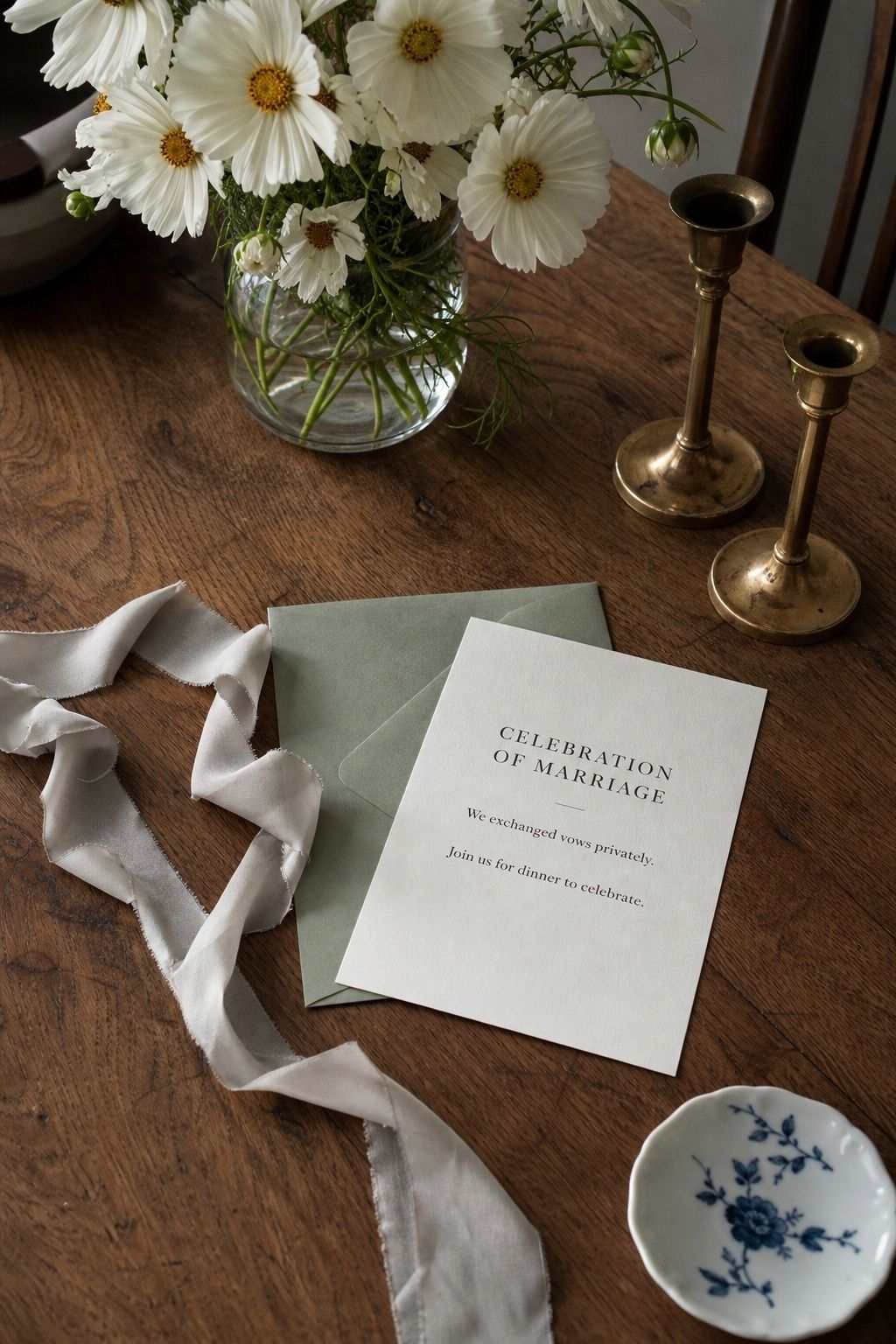
Use this structure when the invitation feels stuck: choose a warm title, then add one plain sentence that explains the marriage timeline. The title carries the mood. The sentence carries the clarity. That combination keeps the invitation gracious without asking one phrase to do all the work.
For example, a couple hosting a formal dinner could use celebration of marriage as the title and then say that they exchanged vows privately earlier in the season. A couple hosting friends in the backyard could use after-elopement party and then explain that the evening is for food, drinks, photos, and cheering together.
If family feelings are delicate, choose the least dramatic wording. Celebration of marriage, marriage dinner, and reception after private ceremony all sound calm. They give relatives a clear role in the celebration without making the invitation feel like an argument about the elopement itself.
If the guest list is mostly friends, direct wording usually works better. We eloped party, happily-ever-after party, or after-elopement party makes the event feel like a joyful reveal. Just keep the details specific enough that guests know whether they are dropping by for cake or dressing up for a hosted evening.
Tiny Wording Details That Change The Tone
Small wording choices change how the whole invitation feels. Celebrate with us sounds softer than join us for our reception. After our private vows sounds calmer than since you missed the ceremony. We are newly married sounds warmer than we already got married. None of these phrases is wrong, but each one leads guests toward a different emotional temperature.
Use the couple’s names early, especially if parents or relatives are hosting. A line such as honoring the marriage of the couple feels formal, while come celebrate with us feels direct from the couple. The host voice should sound like the actual host, otherwise the invitation starts to feel borrowed from a different kind of wedding.
If there were hurt feelings around the elopement, stay away from language that overexplains the choice. Long explanations invite debate. Clear celebration wording gives everyone a graceful way forward. Let the invitation acknowledge private vows and then immediately focus on the shared meal, toast, photos, or party ahead.
If the event is intentionally small, keep the name intimate too. Marriage dinner, family celebration, and private reception all help guests understand the guest list has been chosen with care. A huge-sounding title for a tiny room creates unnecessary expectation, while a smaller title lets the celebration feel complete at its real size.
The stationery style should echo the same choice. Heavy script, wax seals, and black envelopes make the event feel formal before guests see the details. Simple typography, soft color, and relaxed phrasing make a small dinner or backyard celebration feel intentional without dressing it up as something else.
The website should repeat the same name, not introduce a second one. If the invitation says post-elopement reception and the website says casual party, guests start guessing. Use one title everywhere, then let the details page explain food, attire, timing, parking, gifts, and the private ceremony timeline.
Post-Elopement Party
Use this name when the gathering is relaxed, social, and plainly after the private vows. It tells guests the ceremony has already happened, but it still sounds warm rather than formal. This works for backyard evenings, restaurant rooms, cocktail hours, and house parties where the main plan is food, photos, hugs, and a short toast.
Post-Elopement Reception
Choose this when the event has more reception energy: invitations, hosted meal, photographer, cake, music, or a set timeline. The word reception signals that guests should treat it as a real wedding-related event. Add one sentence on the invitation saying the vows were exchanged privately so no one arrives expecting a ceremony.
Wedding Celebration
Wedding celebration feels simple and flexible. It suits couples who want the event to sound special without explaining every detail in the title. Use supporting copy to say that you are already married and gathering loved ones to celebrate. This label works especially well for mixed-age families because it feels familiar without promising a ceremony.
Celebration Of Marriage
Celebration of marriage is polished, gracious, and useful when the word elopement feels too loaded for your family. It sounds formal enough for a dinner, cocktail party, or private dining room, but it still avoids pretending the event is the wedding ceremony. Pair it with clear dates so guests understand the marriage happened first.
Happily-Ever-After Party
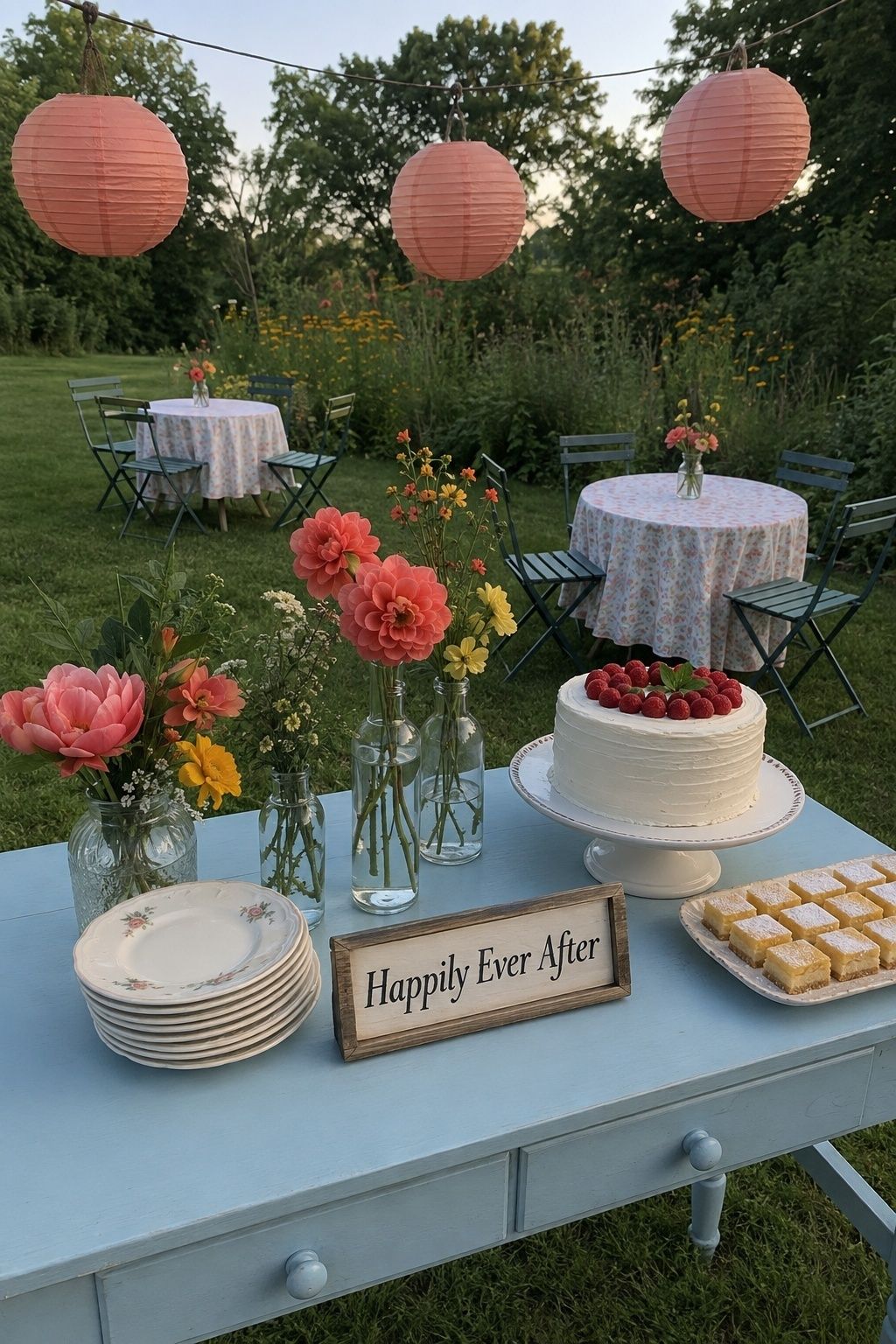
This is the playful choice. It fits a casual crowd, a dessert party, a colorful backyard night, or a late celebration with dancing. Use it when the guest list knows your tone and enjoys less formal wording. If relatives prefer traditional language, add a subtitle such as a celebration after our private vows.
Reception After Private Ceremony
This name is direct and helpful when the private ceremony matters to the story. It tells guests they are invited to the public celebration, not the vows. It is especially useful when family feelings are tender because the wording is honest without sounding defensive. Keep the rest of the invitation warm and welcoming.
Elopement Celebration Dinner
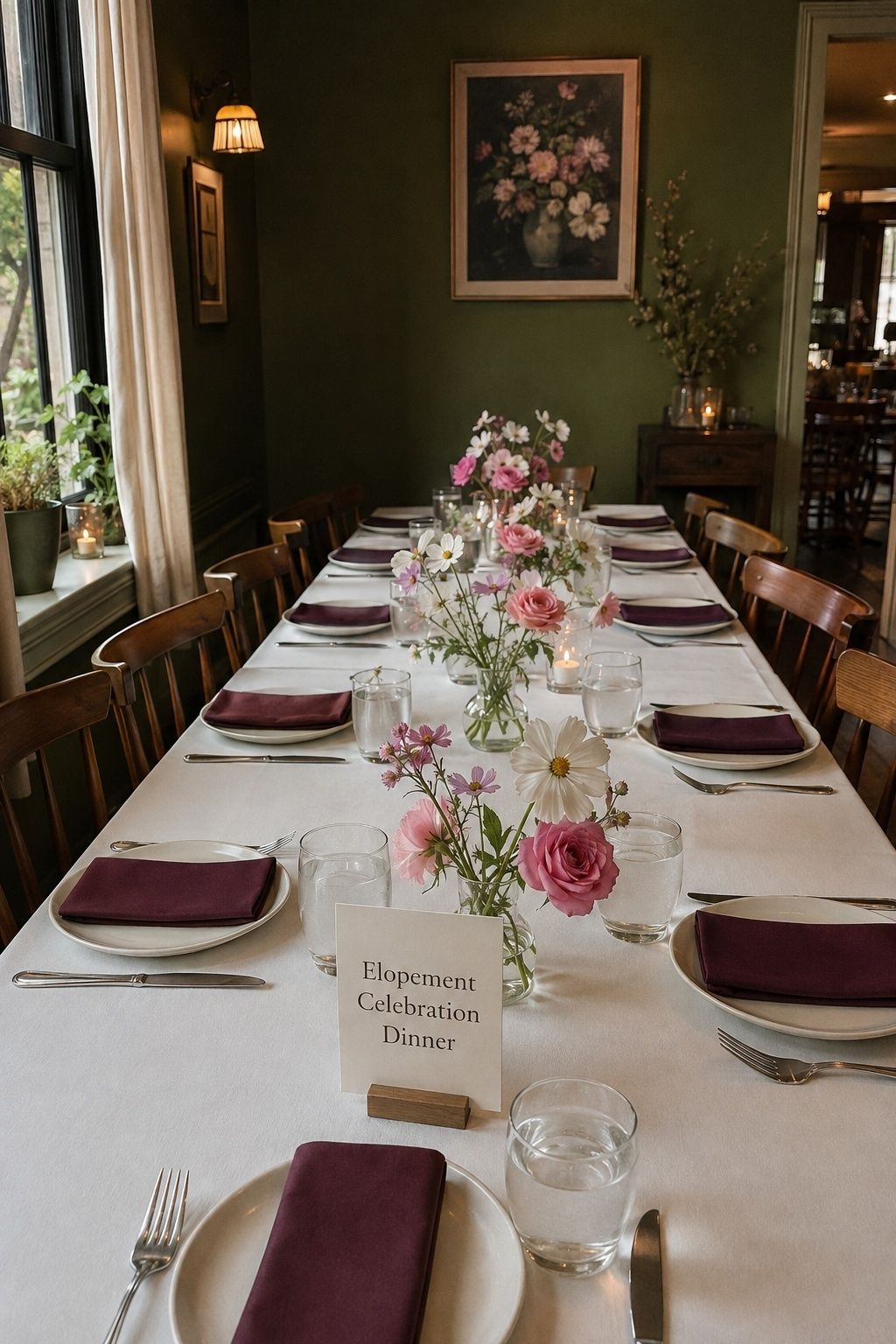
Use this for a seated meal, private room, supper club, family table, or small restaurant buyout. Dinner in the name sets the clearest expectation of all: guests know they will be fed, seated, and welcomed for conversation. This name keeps a small event from sounding smaller than it is.
Casual Marriage Celebration
Casual marriage celebration works when you want guests comfortable and cheerful instead of overdressed and uncertain. It tells people the tone is easy, but the purpose still matters. Add dress code and food details so casual does not become vague. This label is great for brunches, patios, gardens, and home gatherings.
Family Celebration After Eloping
This name fits a smaller gathering centered on parents, siblings, grandparents, and chosen family. It is honest about the elopement and tender about the people invited afterward. Use it when the guest list is intentionally narrow. The wording also helps explain why the event is not open to every friend or distant relative.
Cocktail Celebration After Eloping

Cocktail celebration after eloping sounds festive and adult without promising a full dinner. Use it for passed appetizers, drinks, music, and a short toast. Put the timing and food level on the invitation so guests know whether to eat beforehand. A clear cocktail label keeps the evening stylish without pretending to be a formal reception.
Brunch Celebration After Eloping
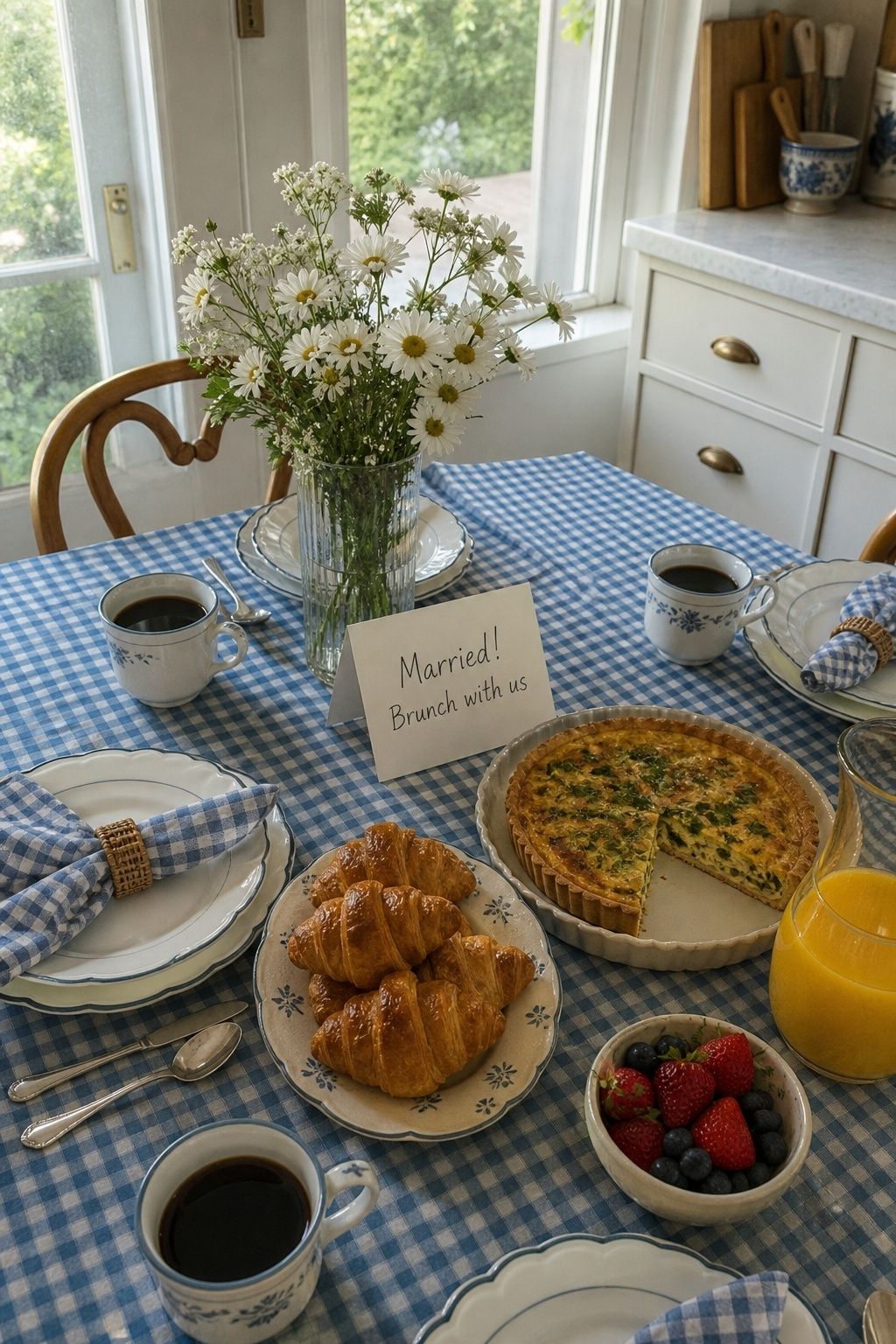
Brunch celebration after eloping feels bright, gentle, and guest-friendly. It works for city hall couples, low-key families, or anyone who wants a shorter event with coffee, pastries, savory food, and daytime photos. The name makes the hosting obvious, which helps guests arrive in the right clothes and mood.
Anniversary-Style Celebration
If the party is many months after the vows, anniversary-style celebration gives the delay a graceful frame. It works best when the elopement date has passed long enough that a standard reception label feels disconnected. Use the invitation to connect the dots: you married privately, then chose this date to gather everyone.
Homecoming Celebration
Homecoming celebration works beautifully after a destination elopement. It sounds warm, local, and story-driven. Guests understand that you are returning from a private wedding trip and gathering them for the after-party. Use food, photos, music, or a signature drink from the destination to make the name feel natural.
Marriage Dinner
Marriage dinner is intimate, restrained, and very clear. It suits ten to thirty guests, one long table, a private dining room, or a home meal with candles and printed menus. The simplicity is the point. Guests know the event is a meal honoring the marriage rather than a full reception with every tradition.
After-Elopement Party
After-elopement party is casual and unmistakable. It is a good choice when you want the wording to do practical work without feeling formal. It fits backyard gatherings, breweries, picnic-style events, and friend-heavy celebrations. Add the date of the private ceremony elsewhere so the name does not have to carry every detail.
We Eloped Party
We eloped party is cheeky, direct, and best for couples with a playful voice. It works for informal invitations, text-forward stationery, and groups who already know the story. Because the phrase is so casual, balance it with clear hosting details: time, place, food, attire, and whether gifts are expected or gently skipped.
How The Name Changes Guest Expectations
The event name quietly answers several guest questions. Reception suggests a more hosted evening, usually with a meal, dressier clothing, and at least one formal moment. Party suggests mingling, lighter structure, and a more relaxed mood. Dinner, brunch, and cocktails tell guests how to plan around food.
The name also shapes gift expectations. A reception after eloping feels closer to a traditional wedding event, so some guests will look for a registry. A casual marriage celebration or brunch feels less gift-centered. If you prefer no gifts, put that detail on the wedding website or details card rather than forcing the event name to solve it.
Formality matters too. A black-tie post-elopement reception, a garden cocktail celebration, and a backyard after-elopement party all sound different because they are different. Let the name, venue, dress code, menu, and invitation style agree with each other.
That is why what to call a party after eloping should be decided before ordering stationery or building a wedding website. Once the name is settled, every supporting detail has a job: confirm the private ceremony, describe the celebration, and help guests arrive comfortable.
Small Celebration Examples
For twelve immediate family members at a favorite restaurant, marriage dinner is often the cleanest name. It sounds intimate and complete without borrowing the weight of a full reception. Add the elopement date, the restaurant time, and a line about gathering around the table to celebrate.
For thirty friends in a backyard with music and dessert, after-elopement party or happily-ever-after party works better. Those names let the event feel lively instead of ceremonial. Add food timing, attire, parking, and the fact that the ceremony already happened so no one waits for a processional.
For fifty guests in a private room with toasts, cake, and dancing, post-elopement reception gives the right amount of structure. It tells guests the event is more than a casual drop-in. Add reception after private ceremony wording if older relatives need extra clarity about what part of the wedding day was private.
For a destination elopement followed by a local gathering, homecoming celebration feels warm and story-rich. It lets the party acknowledge the place where the vows happened while welcoming guests back into the couple’s everyday community. A few photos, menu details, or music choices connect the celebration to the destination.
For a courthouse elopement with a lunch afterward, keep the name practical. Celebration lunch, marriage lunch, or elopement celebration lunch tells guests exactly how to plan their day. This is especially useful for weekday events where people need to understand the time commitment before they RSVP.
For a party that includes a short blessing or family toast, avoid names that sound like a second ceremony unless guests will truly witness vows. Reception after private ceremony or celebration of marriage gives that family moment room without changing what the event is. Guests feel included, and the private ceremony stays private.
How To Handle Family Questions About The Name
Family members sometimes ask why the event is not simply called a wedding reception. Answer with the practical difference, not a defense of the elopement. Say the vows already happened privately, and this gathering is the celebration afterward. That explanation is short, accurate, and much easier to repeat than a long emotional history.
If parents want a more traditional phrase, look for overlap instead of turning the name into a power struggle. Post-elopement reception, celebration of marriage, and reception after private ceremony all give traditional guests a familiar frame while still respecting the private ceremony. The name stays generous without becoming inaccurate.
If friends suggest something funny that does not fit the relatives, save the joke for a sign, cocktail name, or speech. The invitation title should orient every guest, including the people who need the most clarity. Playful details still have room once the main event name has done its practical job.
When in doubt, say the name out loud as if an older relative, close friend, and coworker each received it. If all three would understand the event, you are close. If one person would arrive expecting vows or a formal dinner that is not happening, add a subtitle or choose a more concrete name.
What Not To Call It If Guests Could Be Confused
Avoid names that imply a ceremony when none is happening. Wedding ceremony, vows, nuptials, and wedding day celebration all point guests toward a moment they expect to witness. If the vows already happened privately, the public gathering needs language that honors the marriage without hiding the timeline.
Be careful with second wedding, make-up reception, belated wedding, or finally celebrating. Those phrases sound apologetic or slightly awkward, even when everyone means well. They frame the event around what guests missed instead of what they are invited to enjoy. A clean name feels more confident.
Vague wording creates problems too. Join us for a party sounds friendly, but guests still wonder what kind of party it is. Put a direct marriage line under the title: a party to celebrate our marriage, a dinner after our private vows, or a reception after our elopement. Clear does not have to be stiff.
How To Choose The Right Name
Choose the name by working backward from the guest experience. If guests will sit for dinner, use dinner. If they will mingle with drinks, use cocktail celebration. If they will see photos, hear toasts, and stay for dessert, reception or celebration both fit. If the group is mostly close family, use language that feels warm at the table.
Then test the name against one practical question: would a guest know what they are walking into? If the answer is yes, the name is doing its job. If the answer is no, keep the title simple and add one clarifying line underneath. The subtitle often carries the nuance better than the main name.
A useful pattern is: joyful title first, plain explanation second. For example, call the event a celebration of marriage, then explain that you exchanged vows privately and would love to celebrate with dinner. That rhythm keeps the invitation beautiful while protecting guests from confusion.
What The Invitation Needs To Say
The invitation should say the couple is already married, the gathering is for celebration, and what guests should expect when they arrive. That does not require a long explanation. It requires a calm sentence that gives the private ceremony its place and then turns toward the joy of being together.
Include the original elopement date if the timing could be confusing. Include the meal style if the party starts around lunch or dinner. Include dress code if the venue or name does not make formality obvious. Include RSVP details because small celebrations need accurate counts for food, seating, and family expectations.
Keep apologies out of the invitation. Loved ones sometimes have real feelings about missing the ceremony, and still the invitation does not need to ask forgiveness. It should welcome guests into the part they are included in now: celebrating a marriage that has already begun.
FAQ
What Do You Call A Party After Eloping?
Call it a post-elopement party, post-elopement reception, wedding celebration, celebration of marriage, elopement celebration dinner, or reception after private ceremony. The best choice depends on formality. Use reception for a hosted, wedding-like event and party or dinner for a relaxed gathering.
Is It Called A Reception If You Already Eloped?
Yes, reception is accurate if the event functions like one. The key is adding wording that the ceremony already happened privately. Post-elopement reception or reception after private ceremony gives guests the right expectation without making them wonder whether vows will happen again.
What Should An Elopement Party Invitation Say?
An elopement party invitation should say that you married privately, name the celebration, and give the practical details guests need. Include date, time, location, RSVP, dress code, and meal style. Keep the tone joyful and direct rather than apologetic, especially for a small family or friend gathering.
Is Celebration Of Marriage A Good Name After Eloping?
Celebration of marriage is a strong name after eloping because it feels warm, polished, and accurate. It works for dinners, cocktail parties, restaurant receptions, and family gatherings. Add one line about the private vows so guests understand the event honors a marriage that has already happened.
How Do You Make It Clear There Is No Ceremony?
Make it clear by saying the vows were exchanged privately and guests are invited to celebrate afterward. Put that idea at the top of the invitation, not buried in details. A phrase like reception after private ceremony or celebration after our elopement sets expectations immediately.
What Is The Least Awkward Name For A Party After Eloping?
The least awkward name is usually the plainest one: post-elopement party for casual events, post-elopement reception for formal events, or celebration of marriage for a softer family tone. Choose the phrase that sounds like the actual gathering, then add practical details so guests feel oriented.
Final Thoughts
No single name carries every feeling around an elopement, but the right phrase makes the celebration feel honest from the first line. Choose wording that matches the food, room, timing, guest list, and level of tradition you actually want. Then let the rest of the invitation fill in the details with warmth.
If you are still deciding what to call a party after eloping, choose the phrase that creates the fewest questions for the people you love. Clear does not have to mean plain, and beautiful does not have to mean vague. The strongest wording sounds like the event and gives guests a real sense of welcome.
The right name helps guests arrive ready to celebrate instead of quietly sorting out what they missed. Whether you choose post-elopement reception, celebration of marriage, elopement dinner, or a playful after-party name, the best version tells the truth and invites people into the joy.
If your wording still feels tense, lead with the marriage, name the event plainly, and keep the guest experience specific from the invitation through the final toast.
Last update on 2026-10-03 / Affiliate links / Images from Amazon Product Advertising API