
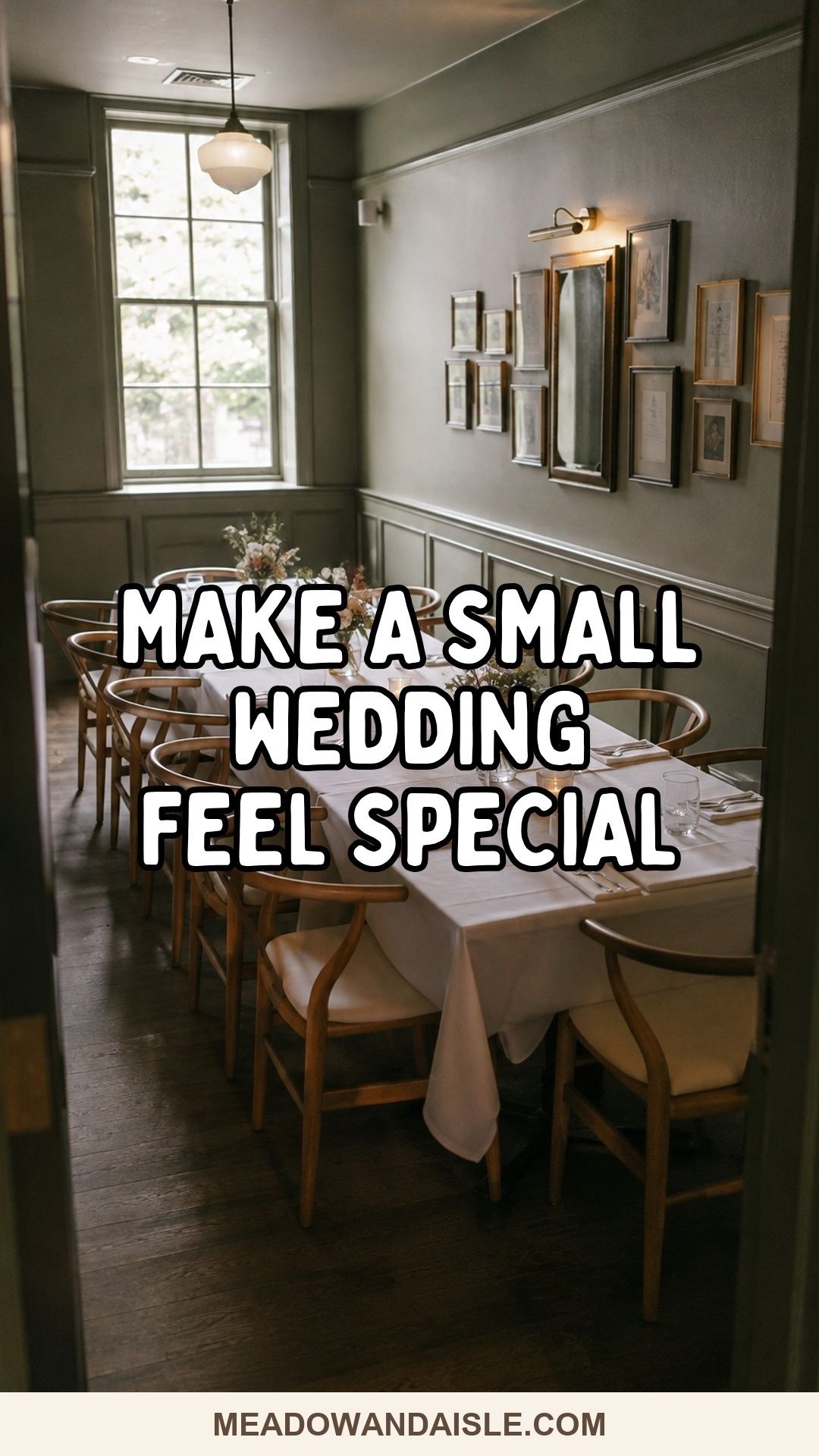
How to make a small wedding feel special starts with treating the guest count as an advantage, not an apology. Give the ceremony more emotional weight, host the meal beautifully, build in real conversation, and choose personal details that feel generous because every guest is close enough to notice them.
A small wedding often carries a quiet fear: what if it feels less like a wedding and more like dinner after paperwork? That worry is understandable. Big weddings come with built-in signals: a crowded room, a dramatic aisle, a full dance floor, a wall of flowers, a formal timeline. A smaller celebration asks for a different kind of confidence.
The beauty is that intimacy gives you room for depth. With fewer people, the vows are easier to hear. The meal gets better. The timeline has space to breathe. Guests are not anonymous faces across a ballroom; they are witnesses woven into the story.
The goal is not to shrink a large wedding until it fits. The goal is to design a day that feels complete at its own scale: warmer, closer, more intentional, and easier to inhabit.
Recommended Wedding Products


You Might Also Like These Blog Posts
- Low-Key Wedding Planning Ideas That Still Feel Special
- Affordable Small Wedding Venues That Still Feel Special
- How To Plan A Wedding Under 10000 With Warmth And Intention
- Micro Wedding Ideas That Feel Anything But Small
- How To Make A Wedding More Personal Without Turning It Into A Theme Party
- What Makes A Wedding Memorable After The Flowers Come Down
How To Make A Small Wedding Feel Special
The secret to how to make a small wedding feel special is to stop measuring it against the wrong room. A forty-person wedding is not missing one hundred chairs. It is gaining eye contact, better pacing, a richer meal, more flexible spaces, and a guest list filled with people who actually understand why the vows matter.
A small wedding feels underwhelming when it borrows the bones of a large one and simply removes parts. A big ballroom with empty corners, a long reception timeline with too few natural transitions, and decor chosen to fill space rather than create closeness all make the day feel reduced. The better move is to design from the center outward.
Start with the promise. Then build the room around the people who are there to witness it. Let the ceremony hold attention. Let dinner feel like an event, not an afterthought. Let the table carry beauty. Let guests feel personally expected. Let the timeline give you time to speak, hug, laugh, and remember what is happening.
Special does not have to mean expensive, dramatic, or overdecorated. It means the day has a strong emotional shape. Guests arrive and sense care. The ceremony feels intentional. The reception has warmth and rhythm. The details point back to your life together instead of trying to prove the wedding is big enough.
Think of the guest count as creative permission. Fewer invitations free budget for better food, better light, more personal stationery, a meaningful location, and a calmer schedule. Fewer tables free you to write place cards by hand, choose linen napkins, pour a favorite wine, display family photos, or greet every person without rushing past them.
A small wedding also lets you protect the moments that get swallowed at larger events. The room hears every line of a ceremony passage. Grandparents have time with you during dessert. Guests share a blessing at dinner. A restaurant, garden, intimate room, family home, tiny chapel, or candlelit table gets chosen because it holds feeling rather than capacity.
It also pays to define what “special” means before other people define it for you. To some couples, special means formal attire, a full ceremony program, live music, and dinner served in courses. To others, it means bare feet in a garden, handwritten vows, one long table, and parents laughing over dessert. Neither version is more legitimate. The right version is the one that lets the marriage feel honored instead of minimized.
That distinction matters because small weddings often attract comments that sound innocent but plant doubt. “Only thirty people?” “Are you doing anything afterward?” “Will there still be dancing?” Those questions do not have to become instructions. You are allowed to answer them with a wedding that has its own rhythm: intimate ceremony, beautiful hosting, personal details, and enough emotional presence that the day feels unmistakably complete.
The day begins to feel complete when every choice suits the scale. Instead of asking, “Will this feel like a real wedding?” ask, “What would make this exact gathering feel worthy of the promise?” That question changes everything.
Shape The Whole Day Around A Special Feeling
Before buying decor or choosing a timeline, decide what kind of closeness the day should hold. A small wedding gets its atmosphere from clarity. If the feeling is chosen early, every later decision has a place to land.
Choose A Feeling Guests Will Understand Right Away
Pick three words for the day before picking colors. Intimate, candlelit, unhurried, joyful, reverent, garden-like, family-centered, elegant, cozy, artful, dinner-party, coastal, or sacred all lead to different decisions. The right words should sound like the two of you, not like a rental catalog.
Then translate the words into visible choices. “Unhurried” means fewer locations and no awkward gap between ceremony and dinner. “Candlelit” means lower light, warm tables, and a venue that looks better after sunset. “Family-centered” means seating that draws relatives into conversation, time for photos, and a ceremony that names the people who shaped you.
This is how a small wedding stops feeling casual by accident. The feeling arrives before guests have time to compare headcounts. They step into a garden courtyard, an intimate dining room, a chapel, a terrace, or a family backyard and understand the mood instantly.
Give that feeling a few anchors guests will experience with their senses. If the day is meant to feel candlelit, let the first view include warm light, not just candles waiting for dinner. If it is meant to feel garden-like, let herbs, seasonal flowers, linen, and fresh air show up early. If it is meant to feel sacred, keep the ceremony space quiet before guests arrive. Atmosphere works best when it starts at the threshold.
Choose A Space That Feels Full At Your Guest Count

The room matters. A space that seats two hundred will make thirty guests feel scattered unless it is divided carefully. A room made for thirty to fifty guests feels generous, settled, and alive. The same budget looks different when the scale is right.
Look for places that already hold atmosphere: a restaurant with an intimate room, an inn with a garden, a small chapel, a greenhouse, an artful home, a library, a terrace, a vineyard dining room, or a long table under trees. Architecture, view, light, and texture do much of the work.
If you already have a larger venue, use furniture and timing to draw everyone closer. Keep the ceremony chairs tight enough for warmth. Move dinner into the most intimate area. Use curtains, plants, lighting, or screens to make the unused space disappear from the guest experience.
Pay attention to sound, too. In a small room, echo, street noise, or loud dinner music feels personal because there is no crowd to absorb it. Ask the venue where speeches sound best, whether the ceremony needs a microphone, and how music carries during dinner. A room that sounds warm often feels more expensive than a room that only looks good in photos.
Let The Timeline Breathe Instead Of Stretching It
A small wedding does not need the full marathon of a large wedding. Too much empty time makes the day feel thin. Too little time makes it feel like a quick appointment. The balance is a timeline with fewer formal pauses and better transitions.
Build the day around a clear ceremony, a relaxed cocktail moment, a beautiful meal, and one intentional ending. Choose cake and champagne, a final toast, a slow last dance, a family photo, or a walk through the garden together. Give every segment a reason.
Small weddings shine when guests are not stranded between events. Keep drinks close to the ceremony, dinner close to the gathering space, and photos planned so the couple is not gone forever. The special feeling comes from presence, not from filling hours on a timeline.
Build in breathing room for the couple as well. Ten quiet minutes after the ceremony, a tucked-away plate before dinner, or a short walk before rejoining guests lets the day feel felt instead of managed. A small wedding gives you the rare chance to be present without disappearing from your own celebration.
Make The Ceremony Carry More Meaning
The ceremony is the fastest way to make a small wedding feel unmistakably like a wedding. When the vows, space, words, music, and witnesses feel chosen with care, nobody leaves wondering whether the day was “enough.”
Give The Ceremony Its Own Setting
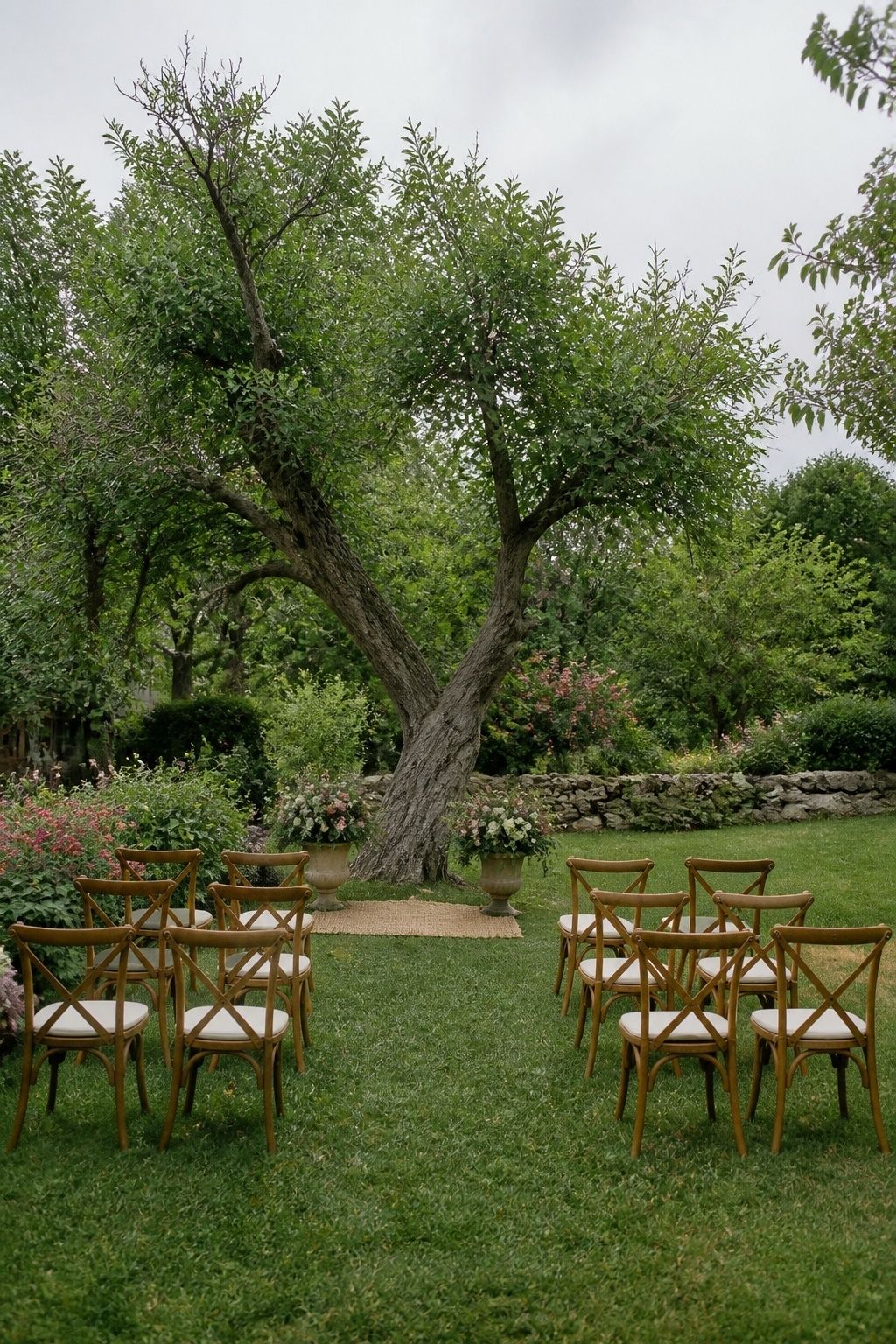
Even if the ceremony lasts fifteen minutes, give it a defined place. An aisle of chairs, a rug under your feet, a floral urn, a mantel, a tree, a window, a view, or a candle grouping tells guests that this part deserves attention.
The setting does not have to be grand. In fact, intimacy often works better. Guests close enough to hear breath in the vows are part of the emotion. A small arc of chairs around the couple feels more present than distant rows copied from a ballroom layout.
If the reception happens in the same place, let the ceremony setting transform after the vows. Move the flowers to the dinner table, use the rug under the cake table, or carry ceremony candles into the guest book area. Reusing beauty gives the whole day continuity.
Give the ceremony a visual beginning as well. Guests should understand where to stand, where to sit, and where to direct their attention. A welcome drink is lovely, but the marriage moment deserves its own hush. Even a simple aisle and two floral arrangements tell the room to gather itself.
Write Vows Or Promises That Fit The Room
A small guest list gives vows unusual power. The people listening are close enough to know the difference between performance and truth. That does not mean the vows need to be dramatic. They need to sound like the couple.
Reserved couples often exchange fuller letters before the ceremony and keep public vows short. More expressive couples write personal promises with specific memories, values, humor, and tenderness. Either version feels special when the words have been chosen instead of copied from a generic script.
Ask the officiant to shape the ceremony around your relationship, not only the legal language. A short story, a family blessing, a poem, a moment of silence, or a few words about why these witnesses were invited gives the ceremony emotional architecture.
If personal vows feel too exposed, exchange them together before the public ceremony and speak shared promises aloud during the service. That keeps the ceremony meaningful while protecting the parts of the relationship meant only for the two of you. Small weddings do not require emotional overexposure to feel sincere.
Invite Guests Into The Moment Without Making Them Perform
Guests at a small wedding often want to feel included, but inclusion does not have to mean handing everyone a microphone. Choose gentle participation. Ask guests to stand for a communal blessing, warm the rings, sign a witness page, place flowers in a shared vessel, or speak one short word of hope during dinner instead of during the ceremony.
The key is consent and ease. Some relatives love speaking aloud. Others freeze at the thought. Offer roles to people who will feel honored by them, and give quieter guests meaningful ways to witness without pressure.
A small guest count also makes the front row feel less symbolic and more relational. Seat parents, grandparents, siblings, chosen family, and close friends where they are visible to you. That closeness changes how the vows feel.
For guests who have traveled far or carried extra wedding work, include them through warmth rather than obligation. A mention in the welcome toast, a flower placed on their chair, a seat close to the couple, or a quiet thank-you before dinner often feels more genuine than a formal role created only for optics.
Make The Exit Feel Like Arrival, Not An Ending
After the kiss, give the room a cue. Music, a glass of champagne, bells, a group hug, a toast, or a short walk together carries the ceremony energy into celebration. Without that cue, a tiny ceremony sometimes dissolves too quietly.
The cue should fit the scale. A huge confetti tunnel often feels staged for twenty guests, while a champagne pour, live acoustic song, petal toss, or immediate family photo feels natural. Let guests know where to go next so the feeling keeps moving.
That transition is part of the wedding’s emotional rhythm. The ceremony creates meaning; the exit releases it into joy. A small wedding feels special when both parts get attention.
Do not underestimate the first five minutes after the ceremony. If guests know where champagne is waiting, where family photos begin, and when dinner starts, the day feels graceful. If everyone stands around asking what happens next, the ceremony’s glow thins quickly. Clarity is hospitality.
Design A Reception Guests Actually Feel Part Of
The reception is where a small wedding either becomes unforgettable or starts to feel like an ordinary dinner. The difference is hosting. Guests should feel that their seat, meal, conversation, and comfort were chosen with care.
Spend On The Meal Guests Will Remember
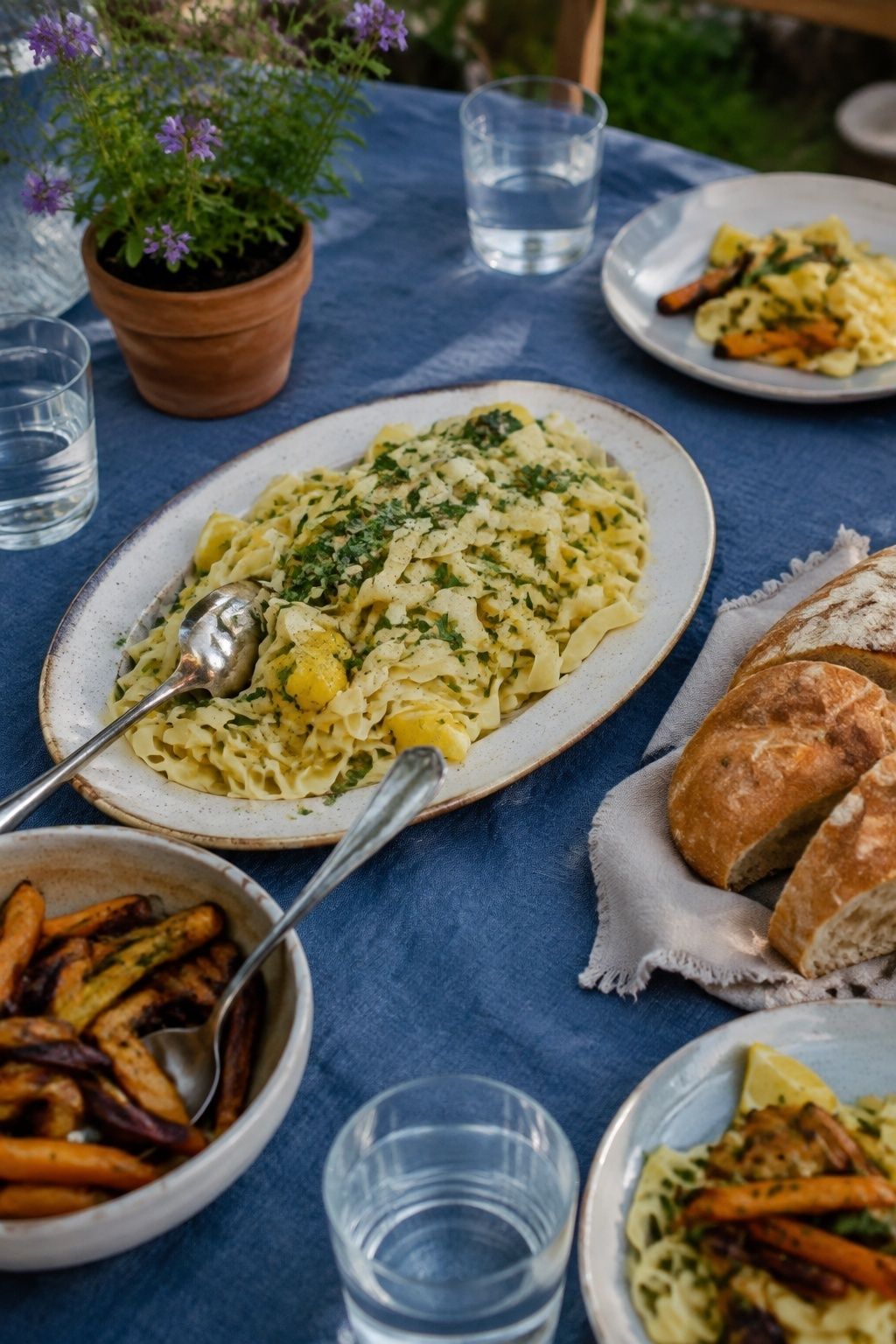
Food is one of the strongest places to invest. With fewer guests, a better meal often becomes realistic: a dedicated chef, family-style dinner, seasonal menu, wine pairing, restaurant buyout, chef’s counter, favorite dessert, or late-night comfort dish that actually means something to you.
The meal does not have to be formal. It has to feel cared for. A beautiful pasta dinner, coastal seafood table, backyard paella, brunch with good coffee, or candlelit restaurant menu all feel special when the timing is smooth and guests are fed generously.
Spend less on spectacle if that leaves more room for hospitality. Guests remember being comfortable, full, included, and able to talk. A small wedding gives the meal the chance to become part of the story instead of background service.
Ask your caterer or restaurant how the meal will feel with your exact guest count. A plated dinner creates polish. Family-style service creates warmth. Stations encourage movement. A tasting menu turns dinner into the main event. The best choice is the one that matches the room and gives guests a sense that the celebration has been hosted, not merely fed.
Use One Beautiful Table As The Centerpiece
A single long table, a U-shaped dinner, or a few connected tables often feels more intimate than scattered rounds. The table becomes the room’s heartbeat. Candles, linen, flowers, menus, and place cards matter more because everyone is close to them.
This is where small wedding table ideas earn their keep. Choose texture over clutter: linen napkins, low flowers, taper candles, fruit, handwritten names, good glassware, and enough room for actual plates. Guests should not have to move decor to eat.
Think about sightlines. A small reception feels warmer when guests see the couple and one another easily. Avoid centerpieces that block faces. Keep speech moments seated if that feels natural. Let the table encourage conversation instead of turning dinner into a display.
One table also lets you spend where texture matters. Instead of stretching decor across twenty rounds, you are dressing a smaller surface with intention. Better linens, beautiful candles, printed menus, ceramic plates, or flowers with movement all feel thoughtful rather than excessive because guests are close enough to experience them.
Give Every Guest A Thoughtful Seat
At a small wedding, seating is not just logistics. It is guest care. Every placement changes the conversation, so think through who relaxes together, who needs a buffer, who would love a new connection, and who needs easy access to exits, bathrooms, shade, warmth, or quiet.
Place cards make a small reception feel intentional rather than casual. They also prevent the awkward moment where guests hover, wondering whether the table is assigned. A tiny card with a name, ribbon, pressed flower, menu, or handwritten line turns a seat into a welcome.
If everyone already knows one another, mix the room gently. If families are meeting for the first time, seat natural bridges between groups. The smaller the wedding, the more each conversation shapes the evening.
Couples sometimes avoid assigned seating because the wedding is small, but that often shifts the work onto guests. Thoughtful seating removes uncertainty. It tells a shy friend where to land, keeps older relatives comfortable, and prevents close family from feeling accidentally sidelined.
Plan Conversation Instead Of Hoping It Happens
Conversation is one of the gifts of an intimate wedding, but it still needs conditions. Keep music at dinner low enough for speech. Leave enough time between courses. Avoid a timeline packed with announcements. Give guests something warm to talk about besides travel and weather.
Simple prompts work beautifully: a menu that names a family recipe, a photo at each table, a short toast from someone who knows both partners, a memory display, or a guest book station where people leave marriage wishes. The point is not forced entertainment. It is a gentle opening.
For a very quiet crowd, add structure with a welcome toast, one shared story, or a small activity after dinner. For a lively crowd, protect room for natural connection. A small wedding is rarely boring when people feel invited into the emotional center of the day.
You also get to choose the social temperature. Not every intimate wedding needs games or prompts. Some rooms need permission to linger. Others need one person to open the emotional door. Let the guest list set the tone, then design the dinner so people have both comfort and something to respond to.
Create One Reception Moment With Lift
A small reception does not need a full list of formalities, but it benefits from one moment that lifts the room. Choose a first dance, champagne tower, cake cut, group toast, live song, family-style dessert reveal, late-night espresso bar, or dance set that makes the evening feel like an occasion.
One strong moment works better than five half-hearted ones. If dancing feels natural, make the music excellent and keep the floor close to the tables. If dancing is not your crowd’s language, choose a dinner-centered moment: toasts, stories, cake, coffee, or a shared blessing.
The lift tells guests, “This is not just dinner.” It gives the celebration a peak without pretending the reception is a nightclub or ballroom event. That honesty is what makes the scale feel confident.
Place that lifted moment where the energy naturally wants to rise. A first dance before dinner often feels too exposed in a tiny room, while a song after the first toast feels joyful. Cake before speeches often feels rushed, while cake after dinner gives the evening a sweet landing. Timing turns a simple idea into a memory.
Add The Details Only A Small Wedding Gives You Room For
The best small-wedding-only details are not decorative filler. They are signs that the couple had enough space to care personally. Use them sparingly, and make sure each one deepens welcome, memory, ceremony, or atmosphere.
Write Personal Cards For Guests

Handwritten cards are one of the clearest ways to make a small wedding feel special. With twenty, thirty, or forty guests, a short card at each place setting is realistic. It tells people they were invited on purpose, not because the list needed filling.
Keep each card brief. Thank them for a specific memory, name what their presence means, or write one line about why you wanted them there. The writing does not need polish. It needs warmth and truth.
If writing every card feels like too much, divide the list between partners or write letters only for immediate family and the wedding party. Another option is a shared welcome letter placed at each seat that names the circle as a whole.
These cards also change how guests enter dinner. Instead of searching for a chair and waiting for food, they find proof that their presence matters. That small pause at the table often becomes one of the tenderest memories of the reception.
Display Photos That Tell The Relationship Story
Photo displays often feel more powerful at a small wedding because guests are close enough to recognize the faces. Mix couple photos with family wedding portraits, childhood images, travel photos, pet photos, and snapshots with the people in the room.
Choose a display style that fits the venue: framed photos on a mantel, a gallery wall along the cocktail path, a memory table, small frames on the dinner table, or instant camera prints added during the night. Avoid overcrowding. A few meaningful images have more force than a scrapbook wall guests rush past.
This detail also lets guests from different parts of life understand the whole story. College friends meet grandparents. Siblings meet work friends. The relationship becomes visible across years, not only through the ceremony script.
For late loved ones, keep the tribute simple and steady. A framed photo, small candle, favorite flower, or line in the ceremony program honors memory without turning the reception into a memorial. The scale of a small wedding makes quiet gestures feel visible.
Choose Music That Feels Like A Shared Memory
Music changes the room instantly. For a small wedding, choose songs for arrival, ceremony, dinner, and the ending with more intention than volume. A string duo, acoustic guitarist, pianist, small jazz group, or carefully built playlist often feels more intimate than a huge sound system.
Use songs that hold real associations: the song from your first trip, the artist your family plays while cooking, the track that always pulls friends onto the floor, the quiet song that makes the ceremony feel grounded. The music should make guests feel closer to you.
If the crowd is small and dancing is uncertain, do not force a long dance block. Try a short dance set after dessert, a first dance that opens into one favorite song for everyone, or a dinner playlist that keeps the evening alive without demanding a packed floor.
Ask one trusted guest what kind of music lets the room relax. Sometimes the couple’s favorite songs are perfect for ceremony and portraits, while dinner needs something more generous to the whole table. Personal does not have to mean obscure. It means chosen with care.
Spend On Photography And Light
Photography lets a small wedding feel real long after the day ends. Because there are fewer guests and fewer formalities, the images have room for texture: hands during vows, dinner laughter, parents listening, a candlelit toast, a hug after the ceremony, shoes under the table at the end of the night.
Choose a photographer who understands intimacy. Ask to see full small-wedding galleries, not only large reception highlights. You want someone comfortable capturing quiet emotion, dinner light, family dynamics, and documentary moments that do not look staged.
Light deserves planning too. Candles, lamps, string lights, golden-hour portraits, and a well-lit dinner table often matter more than extra decor. A beautiful small wedding looks best when the room glows and faces are easy to see.
Give the photographer a guest map before the wedding. In a small group, the relationships matter: the aunt who raised you, the friend who introduced you, the grandparent who traveled carefully, the sibling who hates attention but means everything. Knowing those ties lets the gallery feel like your actual life.
Give The Ending A Clear Shape
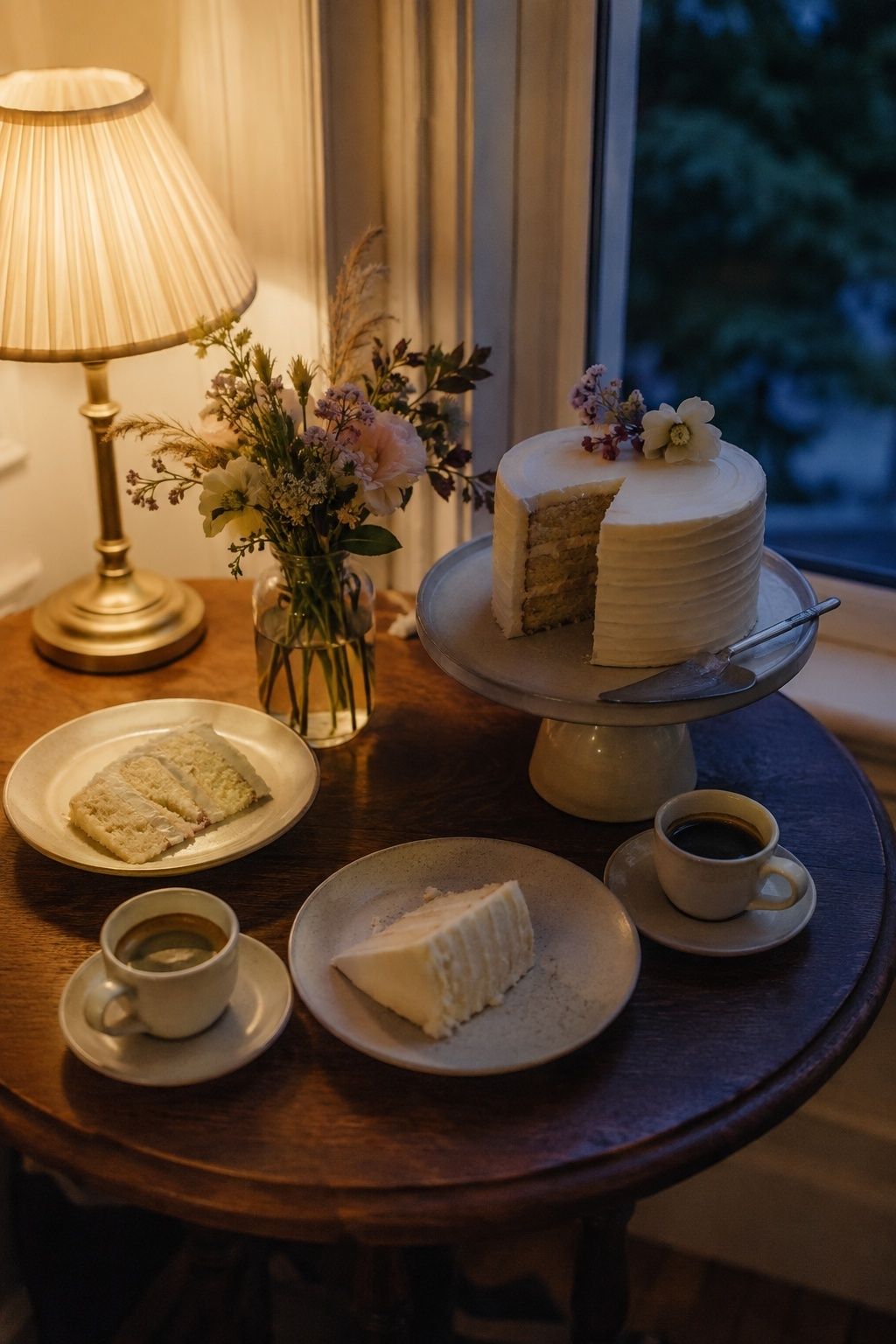
Small weddings sometimes fade out because everyone feels relaxed and nobody wants to interrupt. A gentle ending protects the memory. Choose a final toast, last song, sparkler-free farewell, coffee and cake moment, quiet last dance, or group photo before older guests leave.
Tell the photographer and planner what the ending is. Tell the DJ or musician when to cue it. Let guests feel the evening land instead of simply noticing that people are putting on coats.
The ending does not have to be theatrical. It simply needs intention. A small wedding that begins with welcome, moves through meaning, and ends with warmth feels complete.
Consider how guests will leave, especially after an intimate dinner. Are rides arranged? Is there a final drink? Does the couple stay until the end or slip away earlier? A clear ending keeps the night from feeling unfinished and lets everyone leave with the same emotional picture.
FAQ
How do you make a small wedding feel special?
Make a small wedding feel special by designing around intimacy instead of apologizing for it. Choose a space that feels full, give the ceremony strong emotional focus, host a beautiful meal, seat guests thoughtfully, add personal cards or meaningful details, and protect enough time for real conversation.
How do you make a small wedding not feel boring?
A small wedding feels boring when the timeline has empty stretches or the reception has no emotional peak. Add one moment with lift, such as a group toast, first dance, live music, candlelit dinner, dessert reveal, short dance set, or shared story. Keep food, music, and conversation flowing.
What makes an intimate wedding memorable?
An intimate wedding becomes memorable through closeness, not excess. Guests remember hearing the vows, being welcomed by name, eating a meal that feels generous, seeing family history in the details, and having enough time with the couple to feel truly included.
How do you make guests feel included at a small wedding?
Make guests feel included through assigned seats, personal welcome cards, clear roles for anyone giving ceremony passages or toasts, a ceremony layout that keeps them close, and a reception timeline that gives the couple time to speak with everyone. Inclusion should feel warm, never forced.
What should you spend money on for a small wedding?
Spend money on the parts guests and the couple will actually feel: the venue fit, ceremony setting, food and drinks, photography, lighting, seating comfort, music, and a few personal details. A small guest count often lets you upgrade quality instead of buying more of everything.
How do you make a micro wedding feel like a real wedding?
A micro wedding feels like a real wedding when it has intention, witnesses, ceremony, celebration, and care. Give the vows a defined setting, dress in a way that feels special, serve a proper meal or toast, document the day beautifully, and end with a moment that marks the occasion.
Final Thoughts
How to make a small wedding feel special is not a question of adding more until the guest count disappears. It is a question of letting the day become more itself. More present. More personal. More carefully hosted. More emotionally clear.
A small wedding has its own kind of abundance. It gives you the chance to hear the ceremony, taste the meal, speak to every guest, notice the table, hold the hand of someone who raised you, and move through the day without feeling swallowed by production.
When the guest list is intimate, every choice speaks louder. Let those choices say: this promise matters, these people matter, and this scale was chosen with love.
A smaller guest list deserves real planning weight.
Last update on 2026-10-03 / Affiliate links / Images from Amazon Product Advertising API