

Wedding guest experience mistakes happen when the invitation promises a warm celebration, but the real route through the day feels unclear, unattended, or harder than it needed to be. The fix is a guest-journey audit that checks every handoff from the first instruction to the final goodbye.
Wedding guest experience mistakes are rarely about one rude moment or one missing luxury. They usually appear when the emotional promise of the wedding is not matched by the practical path guests have to follow: the wording they receive, the door they enter, the person who greets them, the place they wait, the room they navigate, and the way they are released at the end.
At a small wedding, the room tells the truth quickly. A confusing welcome feels personal. One awkward table is visible. A delayed meal affects everyone at once. Older relatives and quiet guests often leave early without making a fuss. The good news is that a hosted feeling rarely requires more spending. It comes from designing the route so guests feel expected, oriented, comfortable, and gently carried from one part of the day to the next. The full picture is in wedding mistakes to avoid.
Recommended Wedding Products


You Might Also Like These Blog Posts
- Wedding Guest List Mistakes That Make the Room Feel Wrong
- Wedding Reception Mistakes That Quietly Drain the Room
- Wedding Planning Mistakes That Quietly Make Everything Harder
- Wedding Rehearsal Mistakes That Make The Ceremony Feel Unsteady
- Wedding Seating Chart Mistakes That Make Dinner Feel Awkward
- Wedding Photography Mistakes That Steal the Feeling From the Day
Wedding Guest Experience Mistakes That Break The Hosted Feeling
A comfortable wedding does not mean every guest gets a custom day. It means the main route through the celebration feels intelligible. Guests understand what kind of day they accepted, where to place their attention, who is looking after the room, and what happens after each emotional moment ends. That route matters more than isolated fixes because guests experience the wedding as one continuous visit.
The wedding mistakes guests notice most are often transitions. The invitation creates an expectation, the arrival either confirms or unsettles it, the ceremony asks people to settle their bodies, the post-ceremony moment needs a handoff, and the reception room needs to explain itself without making guests hunt for clues. In a small celebration, this route is the article. Every choice should make the invited person feel more welcomed into the day.
When The Invitation Promise And The Real Arrival Do Not Match
The guest experience begins before anyone reaches the venue. An invitation, wedding site, or text from the couple quietly teaches guests what kind of celebration they are entering. If the tone suggests an intimate dinner but the day begins with a remote parking lot, no greeting, and a confusing entrance, guests start the wedding by correcting their expectations instead of settling into joy.
Match the promise to the path. If the wedding is relaxed, tell guests how relaxed it really is. If the ceremony is outdoors, name the ground, shade, and shoe reality plainly. If the reception is a seated dinner, make arrival time and meal timing feel dependable. This is not about overexplaining. It is about keeping the first emotion of the day from being uncertainty.
Letting Pre-Arrival Questions Follow Guests To The Venue
Pre-arrival information gaps become wedding hospitality mistakes because guests carry them into the day. They wonder whether the ceremony starts at the listed time or the arrival time. They guess about parking. They pack the wrong shoes. They arrive hungry because the meal timing was vague. None of these issues needs drama to be memorable; a guest who feels underprepared spends the first part of the wedding solving basics.
Give guests plain information in the places they already check. Arrival window, ceremony start, address quirks, parking, shuttle pickup, terrain, weather reality, shoe guidance, food timing, and key transitions should all be written in simple language. For older relatives, parents with small children, and out-of-town guests, this clarity is care delivered early. It improves the guest experience before the first flower is placed.
Losing The First Five Minutes Of Welcome
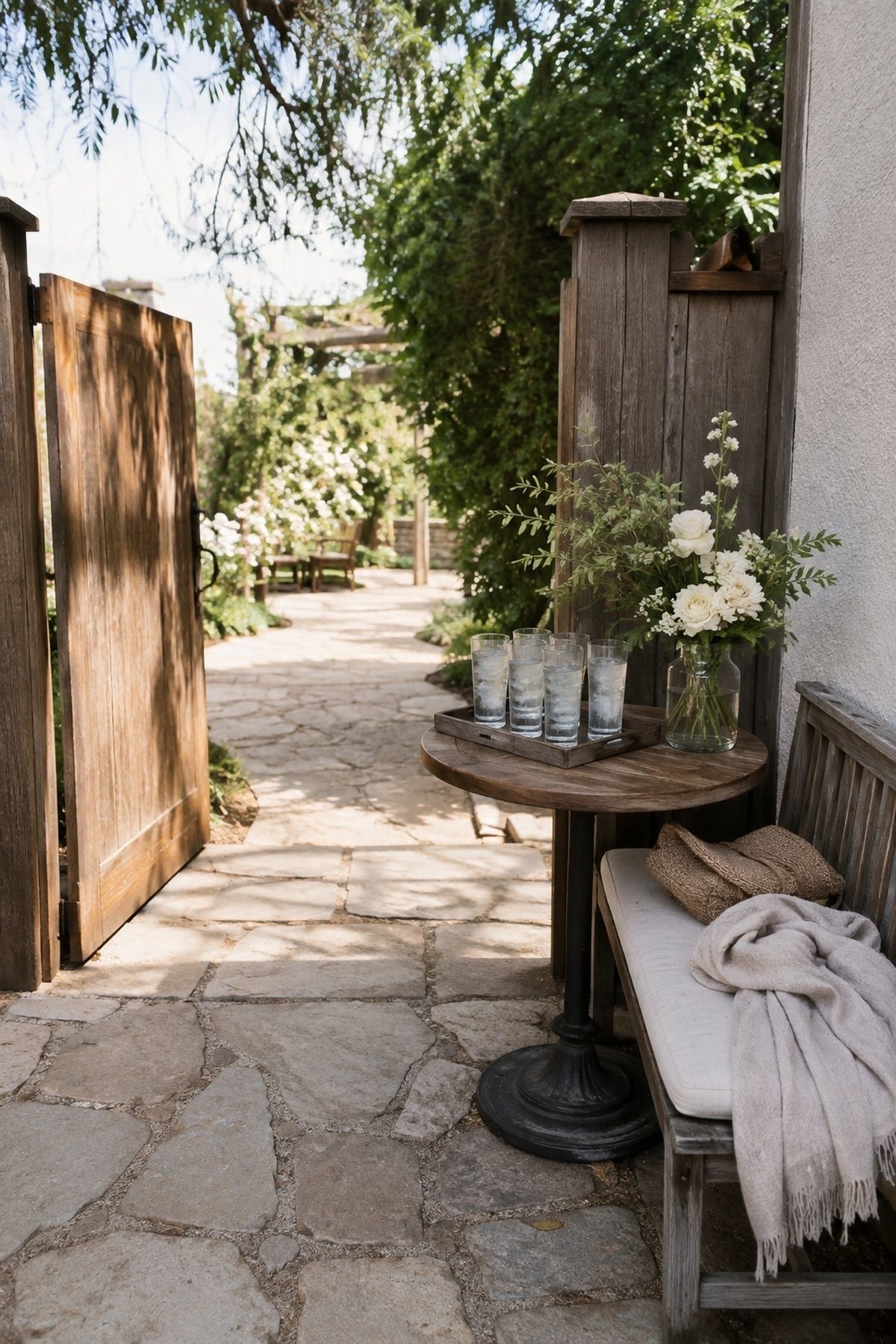
The first five minutes at the venue shape the whole visit. Guests step out of a car, look for the entrance, adjust their clothes, scan for someone they know, and decide whether they are in the right place. At a small wedding, a missing greeting feels more pointed than it does in a crowd. People do not need a formal receiving line; they need one human signal that they have arrived correctly.
Assign the welcome. Put a calm person at the entrance, not the busiest member of the wedding party. Give them the guest list, the bathroom location, the coat plan, the ceremony direction, and the language for any delay. A welcome sign helps, but a person does what signage never fully does: lowers shoulders, answers the first question, and makes the room feel intentional.
Treating The Ceremony Wait As Empty Time
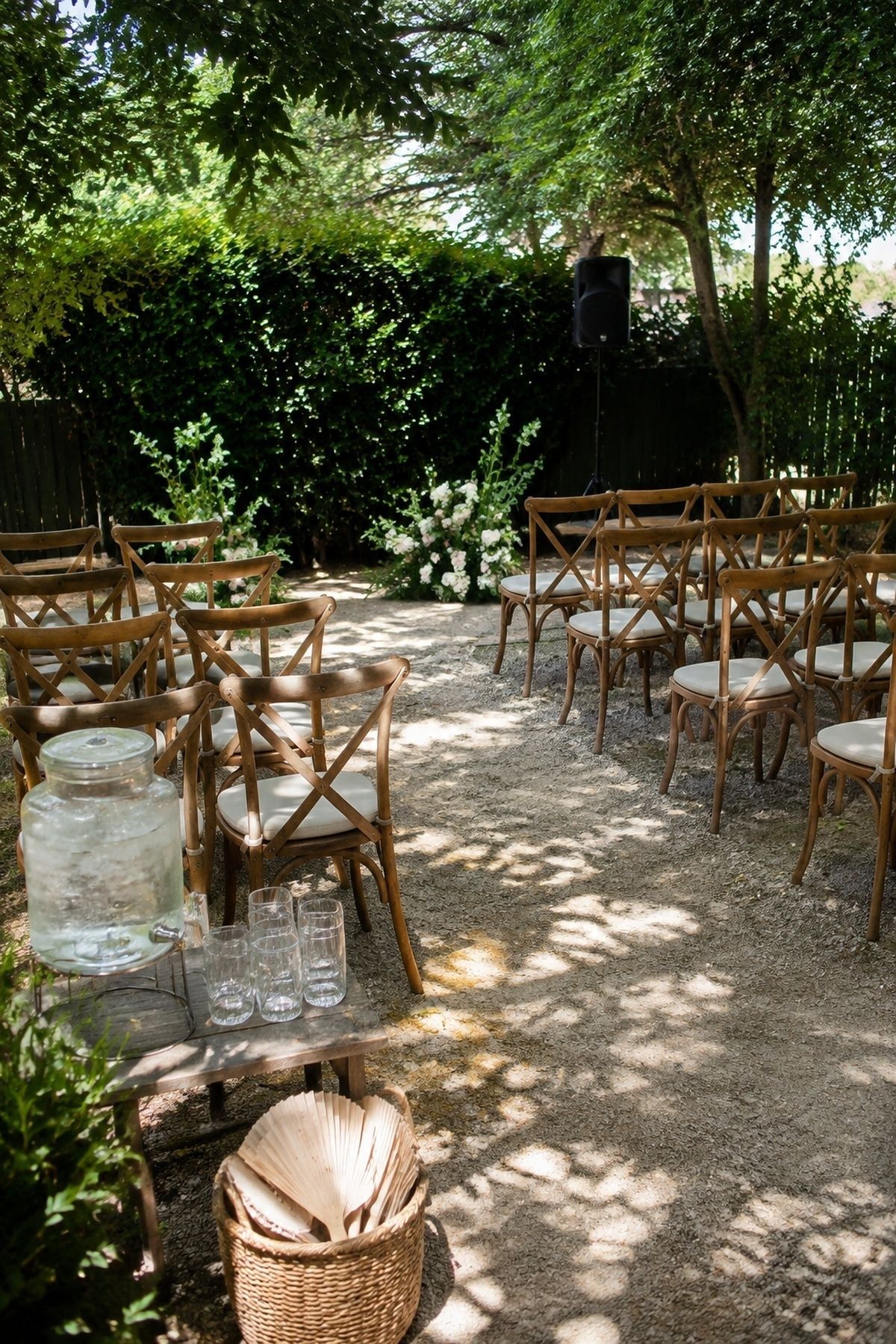
Wedding ceremony guest comfort is not only about the vows. It includes the ten or twenty minutes before them, when guests are seated, waiting, adjusting to the space, and taking cues from the environment. A quiet wait feels reverent when bodies are comfortable and sound is clear. The same wait feels strained when chairs are hard, sun is sharp, wind takes the programs, or the back row hears only fragments.
Design the wait as part of the ceremony. Check shade, sound, aisle width, chair spacing, and sightlines from the back row. Put water where arrival naturally slows. Choose program fans, blankets, or umbrellas only when the setting asks for them. A short ceremony still has a physical experience, and comfort helps guests stay emotionally present instead of counting minutes.
Dropping The Handoff After The Recessional
The recessional gives guests a burst of emotion, and then the day suddenly needs instructions. Do they stay seated? Follow the couple? Move to a patio? Wait for family photos? Head straight to drinks? This small hinge often creates wedding guest complaints because people move from witnessing something meaningful into a practical vacuum.
Give the handoff a voice. The officiant, planner, musician, or a trusted friend should tell guests what comes next in one warm sentence. At a micro wedding, that sentence might be all the structure the room needs. It keeps the couple from becoming traffic directors and prevents guests from lingering in the ceremony space because nobody has released them.
Turning Cocktail Hour Into A Holding Room
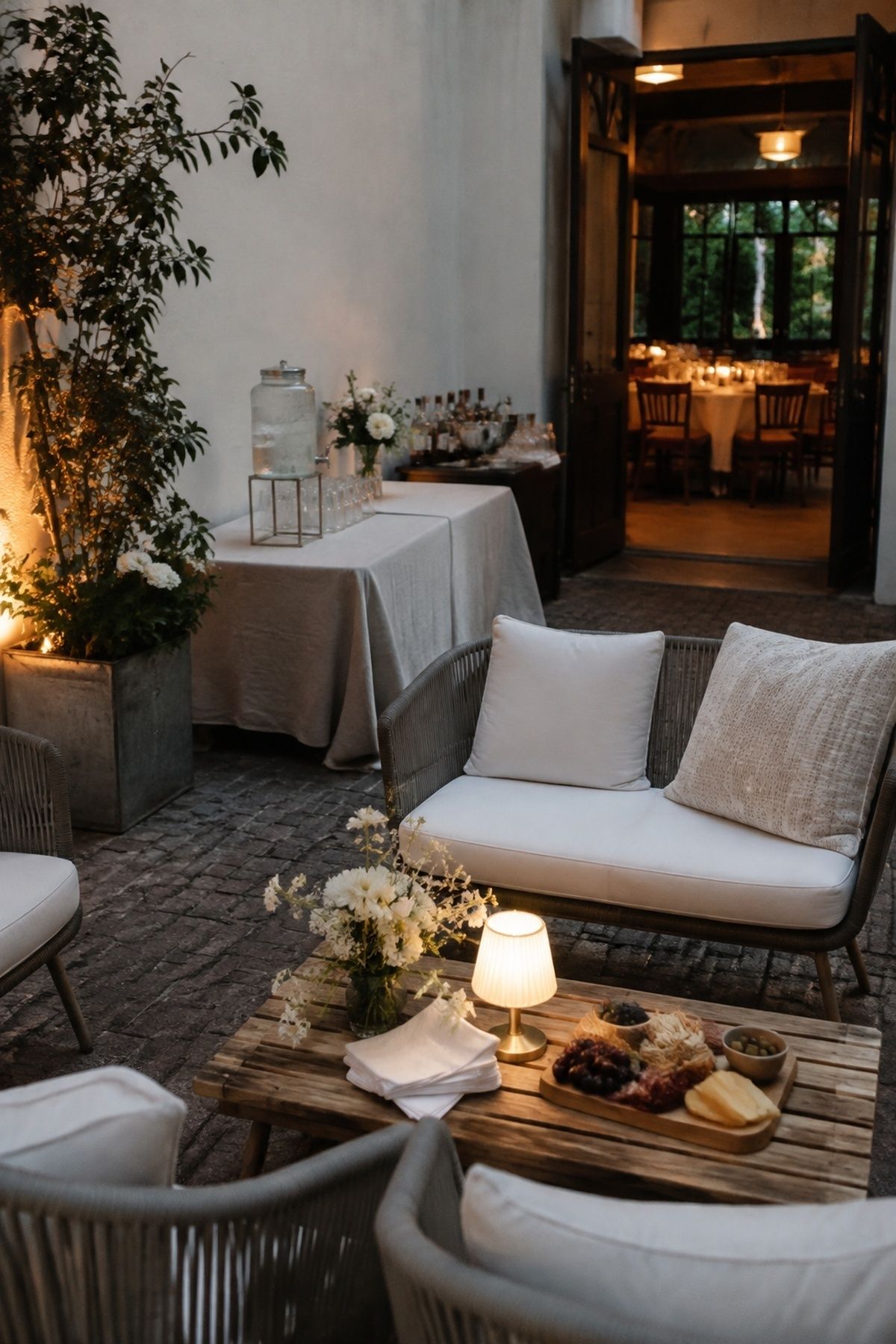
Cocktail hour should feel like a hosted pause, not a place where guests are stored while the real wedding happens elsewhere. This is the difference between a pleasant interlude and a holding pattern. The issue is not whether guests receive a full spread or a luxury bar. It is whether the pause has enough orientation, seating, water, sound level, and warmth to feel intentional.
Use food and drinks as one part of the welcome rather than the whole plan. A water station protects comfort while the bar warms up. One passed bite or small grazing board reassures guests that dinner is coming. A few chairs let older relatives stay in the room instead of retreating. Keep photo time honest, and ask someone to update guests when the next move is close.
Making The Dinner Room Hard To Understand
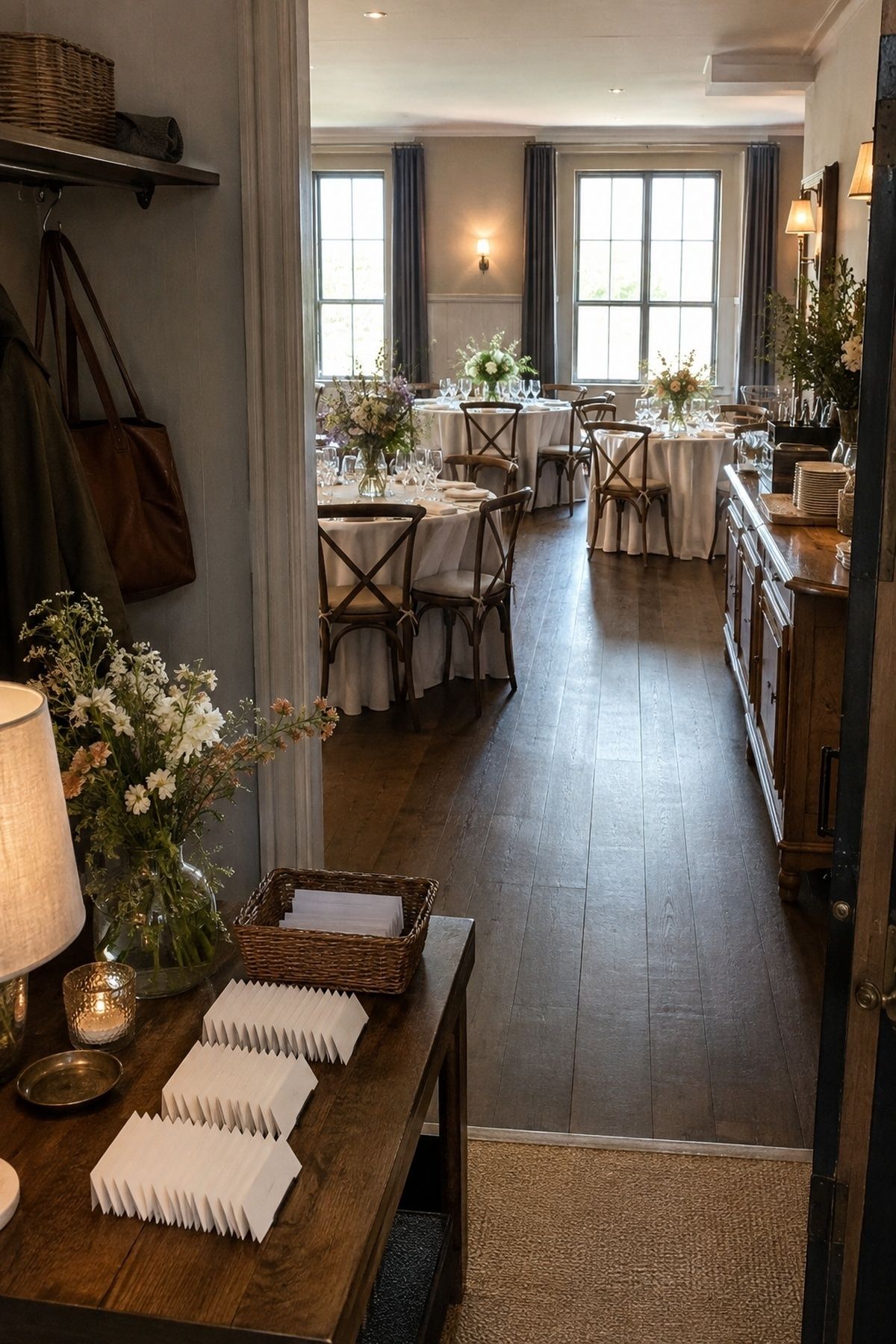
When guests enter dinner, they need to understand the room quickly. Where is the seating display? Are they choosing a table or looking for an assigned seat? Where do cards, coats, bags, and strollers go? Is the meal plated, family-style, buffet, or stations? These are wedding reception guest mistakes when the room is lovely but illegible.
Make the room explain itself at a glance. Place the seating display where guests naturally enter, keep table numbers visible, and make the first service cue clear. Food and bar choices work here as supporting details: if guests order at a counter, visit stations, or wait for family-style platters, the path should feel obvious before hunger makes confusion sharper.
Missing Table-Level Care In A Small Room
Seating plans often get treated as etiquette puzzles, but table-level care is more intimate than that. It asks whether each guest has a dinner that feels possible to enter. A shy cousin placed between strangers, a widowed aunt far from familiar faces, or a college friend stranded at a family table creates a feeling no centerpiece fixes.
For small weddings, build tables around conversation safety first. Pair guests with at least one easy connection, protect elders from speaker blast or long walks, and keep the couple close enough to the room that dinner does not feel abandoned. Wedding seating chart mistakes have their own full topic, but here the lens is simple: does each person have a place that feels comfortable for the length of the meal?
Forgetting Where Guests Put What They Carry
Guests arrive with coats, bags, cards, phones, medication, heels, strollers, gifts, and sometimes mobility aids. A wedding that has no obvious place for those things quietly asks guests to manage the event around the things they brought. These are not glamorous details, which is exactly why they matter.
Choose practical landing places. Mark the coat area, card table, restroom path, stroller corner, and bag-friendly seating before the day begins. Put water where guests gather, not only where drinks are sold. If the wedding moves outdoors, think about soft ground, evening temperature, and the route back inside. Guest comfort wedding mistakes often hide in the places couples stop seeing because the details feel ordinary.
Protecting Older Guests’ Dignity And Quiet Needs
Wedding accessibility mistakes are not only ramp and restroom questions. They are dignity questions. Older guests, pregnant guests, guests with hearing needs, and guests with limited stamina often avoid asking for help because they do not want to become the story. They simply participate less, leave early, or stay in the one spot that feels manageable.
Handle these needs privately and early. Reserve aisle seats, shorten walking routes, arrange a closer drop-off, place chairs during standing portions, keep a few seats away from speakers, and make dietary information easy for servers to identify. This is not a separate kindness project. It is part of the hospitality promise the couple makes to the people who took the trouble to be there.
Letting Sound Decide Who Gets Included In The Conversation
Sound shapes inclusion. If the ceremony audio drops, guests in the back become observers instead of witnesses. If dinner music overwhelms the tables, quieter people stop trying. If speeches are too soft, only the front rows receive the emotion. Noise and silence both decide who gets included.
Test sound as a guest, not as the person checking the equipment. Listen from the last ceremony row, the loudest dinner table, the hallway where elders gather, and the corner where children or quiet guests drift. Keep speeches brief as a courtesy to attention, but let this post own the bigger question: does the room allow people to hear, speak, and rest without fighting the atmosphere?
Ending The Night Without A Gentle Hand-Off

The end of a wedding should not feel like the hosts disappeared before the guests knew how to leave. This is especially true at intimate celebrations, where people often expect a warmer close. A confusing shuttle, dark parking area, unclear rideshare pickup, missing coat plan, or overcomplicated send-off leaves a last impression that does not match the tenderness of the day.
Plan the last handoff as calmly as the first. Decide who tells guests where coats are, when cars arrive, where pickup happens, and how the couple wants to say goodbye. Dessert, last call, music, and transportation should not compete for attention. A clear ending lets guests leave feeling complete instead of slowly realizing the wedding has dissolved around them.
Running A Guest Route Rehearsal Before Wedding Week
The final audit is not a vendor meeting or a design review. It is a rehearsal of the invited person’s route. Begin with the message guests receive before the wedding, then move through parking, greeting, ceremony seating, the post-ceremony cue, cocktail hour, dinner entry, table experience, restrooms, personal items, sound, quiet breaks, and the final exit. Browse Wedding Mistakes to Avoid for the other posts in this group.
Ask one question at each point: what does a guest need to feel at ease here? The answer might be a person, a sentence, a chair, a sign, a glass of water, a sound check, a closer route, or permission to leave gracefully. This audit keeps the post from becoming a duplicate of food, bar, speech, seating, or transportation advice. The whole day is the subject, and the guest’s sense of being expected is the measure. Planning for under 50 guests? Start with small wedding planning mistakes.
FAQ
These answers cover the wedding guest experience mistakes couples ask about most when they want the day to feel easier, warmer, and more clearly hosted without turning every decision into a bigger expense.
What Do Wedding Guests Notice Most?
Wedding guests usually notice whether the day makes sense. They remember the welcome, the ease of moving through the venue, the comfort of the ceremony, the clarity of transitions, the way dinner feels at the table, and whether anyone seems to be looking after the room.
What Annoys Guests At A Wedding?
Guests get frustrated when they have to solve the day alone. Unclear arrival details, missing human cues, awkward waiting areas, confusing room flow, hard-to-find practical spaces, exhausting sound, and vague endings all create avoidable friction. Food, drinks, speeches, and transportation matter most when they interrupt that larger sense of being hosted.
How Do You Improve Guest Comfort On A Budget?
Improve guest comfort on a budget by clarifying the pre-arrival information, assigning a greeter, adding visible water, placing chairs where pauses happen, checking sound from the back of the room, marking practical spaces, and giving each transition a human cue. These choices cost far less than many decor upgrades and often make the day feel more thoughtful.
What Wedding Details Are Safe To Skip?
Favors, extra decorative signs, elaborate lounge corners, oversized programs, complicated send-off props, and photo-only details are often safe to skip. Keep the details that clarify arrival, support ceremony comfort, orient the dinner room, protect conversation, mark practical spaces, and make departure easy.
How Do You Make A Small Wedding Feel Hosted?
Make a small wedding feel hosted by giving guests a clear first welcome, a comfortable place to wait, a dinner table that feels comfortable, practical spaces they do not have to hunt for, sound that supports conversation, and a gentle ending. Intimate weddings feel warm when the care is visible without becoming fussy.
Final Thoughts
Wedding guest experience mistakes are not about failing to please every personality in the room. They are about the small breaks in hosting that make people manage themselves instead of entering the celebration fully. When the promise, arrival, ceremony, handoffs, dinner room, practical spaces, sound, and goodbye all feel considered, guests have more attention left for the vows, the meal, and the people they came to celebrate.
As you finish the plan, choose one person to own each handoff, remove one confusing instruction, and give every pause a purpose before adding another pretty detail. The celebration will feel more generous when guests move through it certain that someone has made space for them.
Last update on 2026-11-29 / Affiliate links / Images from Amazon Product Advertising API