

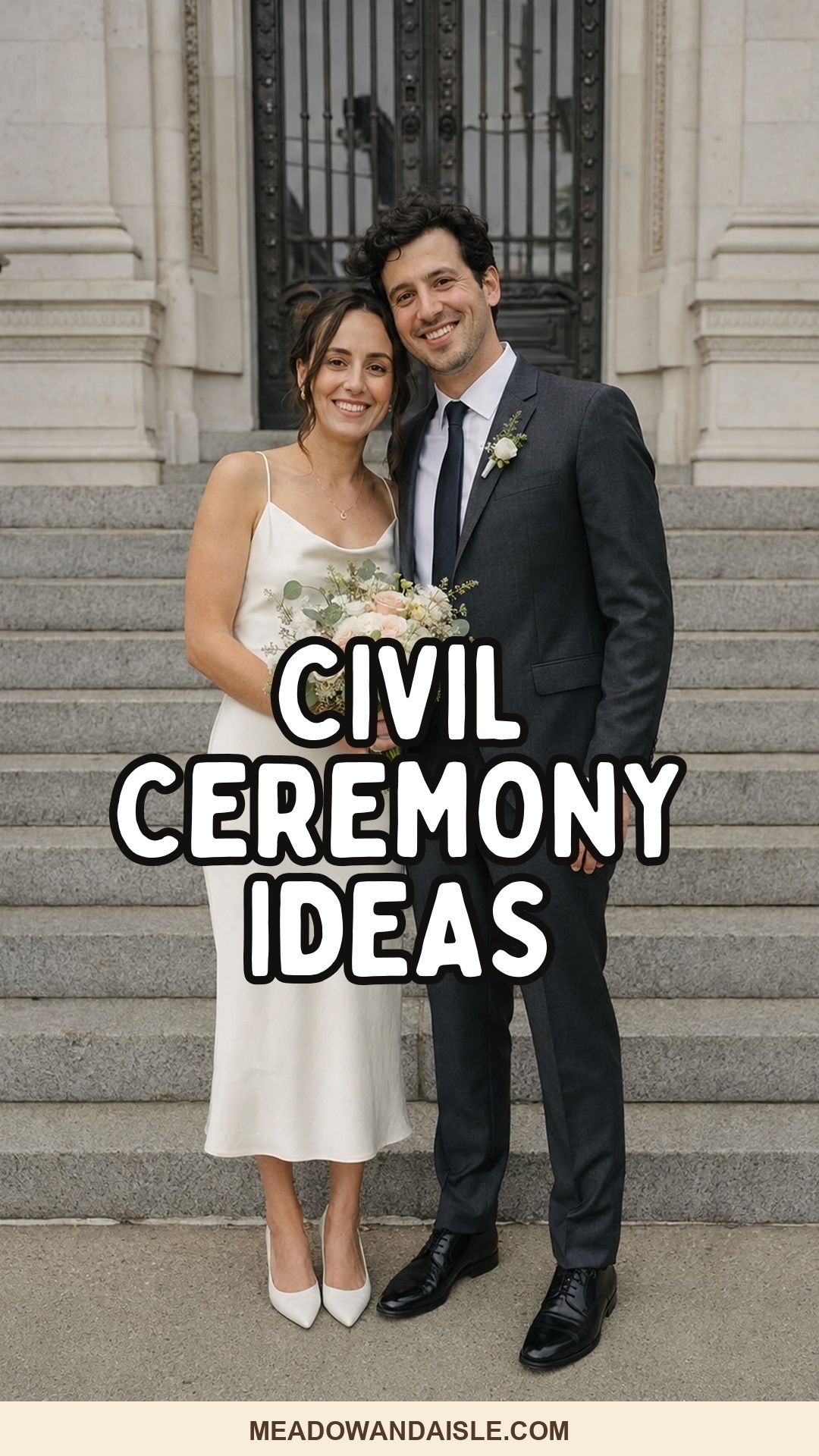
Civil ceremony ideas work best when the legal part is clear and the emotional part still feels like you. Start by confirming the rules where you will marry, then add personal vows, witnesses you love, rings, a short reading, meaningful music if allowed, simple flowers, photos, and a small meal afterward so the ceremony feels warm without becoming confusing.
A civil ceremony is often short, practical, and secular, but it does not have to feel bare. The key is to separate what the law requires from what the couple can personalize, then design the space between those two things with care.
Recommended Wedding Products


You Might Also Like These Blog Posts
- Civil Ceremony Photography Ideas for Proof of a Beautiful Small Day
- Courthouse Micro Wedding: Make The Small Moment Count
- Registry Office Wedding Dress Ideas for a Civil Ceremony With Style
- Court Wedding Ideas For A Day That Still Feels Like Yours
- Micro Wedding Ceremony Ideas With Real Heart
- Parasols Wedding Ceremony Ideas for Shade, Shape, and Soft Photos
Civil Ceremony Ideas For A Clear, Personal Legal Wedding
The best civil ceremony ideas begin with a calm understanding of what the ceremony is. A civil wedding ceremony is a nonreligious legal ceremony performed or recognized by someone with authority to marry you in that location. Depending on where you live, that person might be a judge, clerk, mayor, justice of the peace, registrar, celebrant with legal authority, or another approved officiant.
That legal authority matters more than the room. A civil marriage ceremony might happen at a courthouse, city hall, registry office, approved venue, private room, garden, home, or rented restaurant space if local rules allow it. Some places keep the official ceremony inside a government office. Others allow approved venues or mobile officiants. Some require specific words. Some require witnesses. Some have strict limits on music, readings, cameras, guests, timing, or what can be said.
That is why the first planning move is not flowers or outfits. It is confirming the license process, waiting period, officiant authority, location rules, witness rules, required documents, ceremony wording, fees, and certificate process for the exact place where you plan to marry. Once those facts are clear, the civil ceremony can become simple in the best possible way: focused, honest, and easy for everyone present to understand.
Decide What Must Be Legal And What Can Be Personal
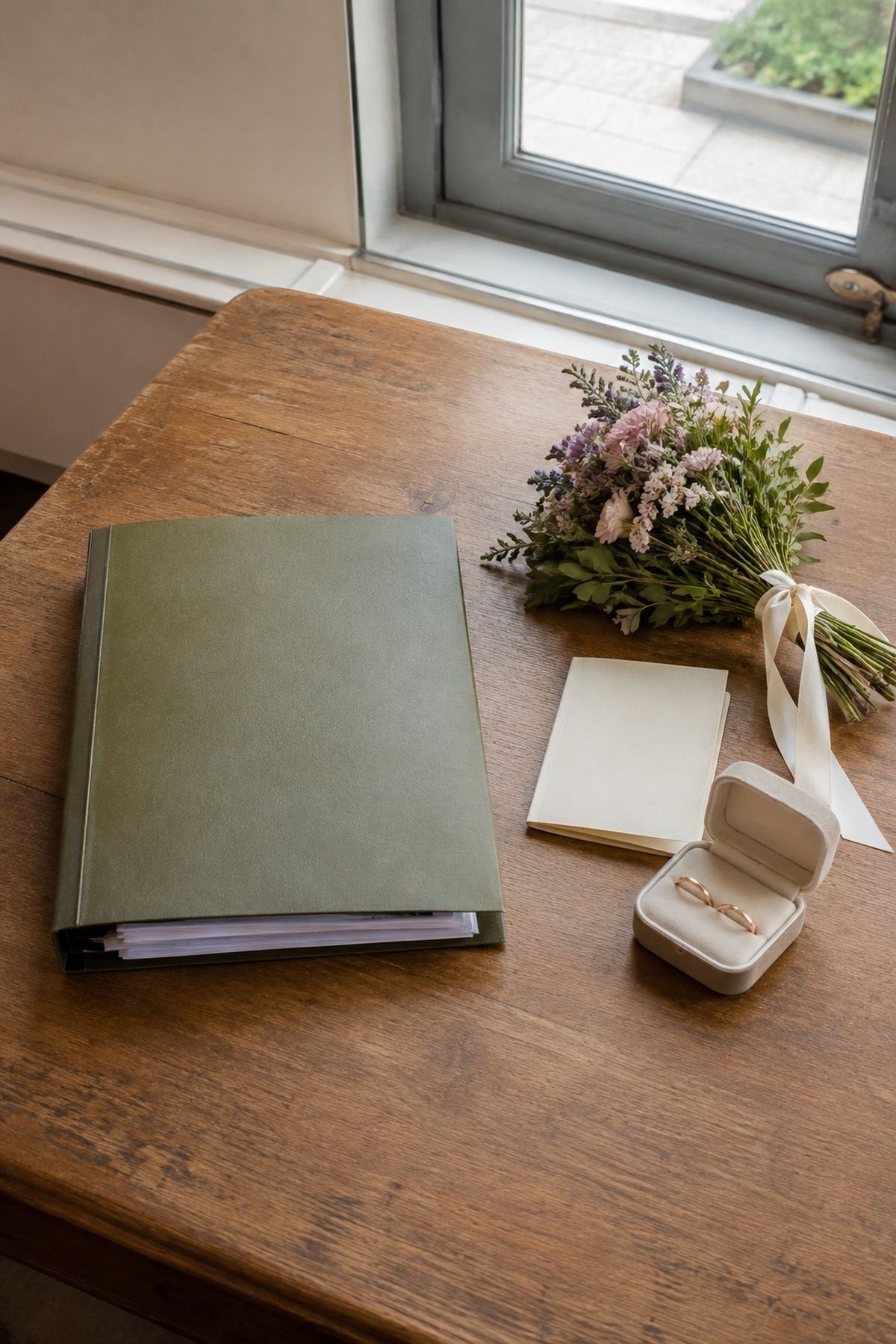
A civil ceremony works beautifully when the couple treats the legal requirements as the frame, not the whole painting. The civil ceremony legal requirements may include only a declaration, a signing, an officiant statement, witness signatures, or a brief exchange of legally recognized vows. Around that, you may be able to add a processional, personal vows, rings, readings, music, a welcome, a kiss, photos, or a short gathering afterward.
Ask the ceremony office or officiant what is required, what is optional, and what is not allowed. If personal vows cannot happen during the official portion, they can still happen privately before the appointment, outside after the signing, at dinner, or in a second symbolic ceremony later. The day does not become less meaningful because the official room is simple. It becomes easier to design when you know where the boundaries are.
Build A Short Ceremony Flow Guests Can Follow

Guests relax when they understand what is happening. A civil ceremony does not need a long program, but it does benefit from a clear beginning, middle, and end. For many couples, the simplest flow is arrival, welcome, short statement about marriage, legal declarations, personal vows if allowed, ring exchange, signing, pronouncement, kiss, photos, and a clear transition to the next part of the day.
If the official civil wedding ceremony is very brief, tell guests beforehand that the legal part will be short and that the celebration continues afterward. That one sentence prevents people from feeling startled when the ceremony is over in a few minutes. It also gives you permission to put emotional energy into the moments around the appointment instead of trying to stretch a legal script beyond what the setting can hold.
Choose Witnesses With Intention

Civil ceremony witnesses can be a legal requirement, a sentimental role, or both. In some places, you need one or two witnesses who meet age or identification rules. In others, witnesses may not be required at all. Confirm the rule first, then choose people who will arrive on time, understand the responsibility, and feel emotionally right for the moment.
For a small civil wedding ceremony, witnesses can also become the heart of the guest list. A parent, sibling, best friend, adult child, or long-time mentor can sign the paperwork and stand near you during the vows. If your office allows only witnesses inside, invite everyone else to meet you for photos or a meal afterward so the guest experience still feels planned rather than excluded.
Make The Vows Fit The Room
Civil ceremony vows should be honest, brief, and comfortable to say out loud. A formal room can make very dramatic wording feel awkward, while a tiny room can make long vows feel too exposed. Aim for a few sentences that name your promise, your partnership, and the tone of the life you are choosing together.
If the officiant provides required legal wording, do not rewrite it without permission. Instead, add personal vows before or after that required exchange if allowed. A vow book is useful because it gives the moment a visual cue and keeps nervous hands busy. It also turns the words into something you can keep, especially if the ceremony itself is short.
Add One Reading Instead Of Several
Civil ceremony readings work best when they are short, secular, and easy to hear. A poem, literary passage, personal letter, family blessing without religious content, or a few lines from a loved one can add warmth without slowing the legal appointment. Choose one reading unless you have a private venue and enough time for a fuller ceremony.
Give the reader a printed copy with large type and a backup copy in the document folder. If the ceremony office does not allow readings in the official room, the same words can be spoken during a photo pause, toast, private vow exchange, or dinner. Timing may change, but the sentiment can still belong to the day.
Use Rings As A Visible Emotional Moment
A ring exchange is one of the easiest ways to make a civil ceremony feel like a wedding rather than an errand. Even if the legal script is brief, rings give the couple, witnesses, and photographer a visible moment to hold. Confirm whether the official ceremony includes rings or whether you need to request that addition.
Bring the rings in a small box, pouch, or tray so they do not disappear into a coat pocket at the exact wrong second. Assign one person to carry them and one person to check before leaving for the appointment. A civil ceremony may be simple, but it still deserves the same tiny systems that protect any wedding day.
Keep Music Realistic For The Location
Music can soften a civil ceremony, but only if the location allows it. Some courthouses and city halls do not allow music in the ceremony room. Some approved venues allow a speaker, live musician, or playlist. Some offices allow music only before or after the official words. Ask before you build the moment around a song.
If music is allowed, choose one entrance song and one exit song rather than a full ceremony playlist. Keep the volume modest, test the speaker, and make sure someone other than the couple controls it. If music is not allowed, use the song during the drive, first look, portrait session, or dinner entrance. The feeling can still show up where it belongs.
Let Flowers Be Simple And Useful
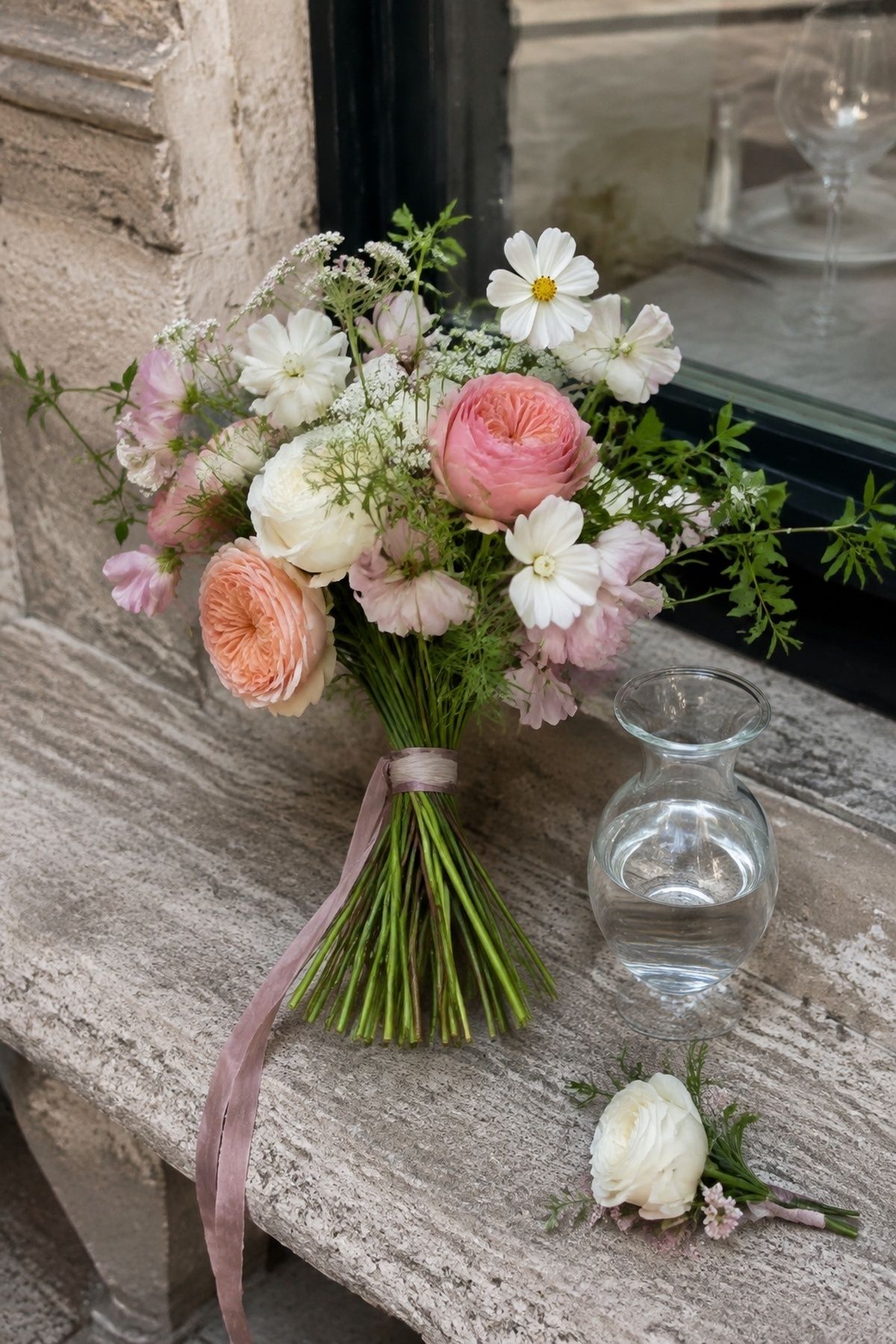
A simple bouquet or boutonniere can do a lot in a civil ceremony. It gives the couple something beautiful to hold, adds softness to photos, and marks the day as ceremonial without needing installations or rentals. For a courthouse civil ceremony, compact flowers are usually better than sprawling arrangements because security lines, elevators, benches, and narrow rooms can make large florals difficult.
Choose flowers that travel well and do not shed everywhere. A small bouquet, single statement stem, ribbon-wrapped posy, dried floral pin, or pocket boutonniere can carry the mood. If the ceremony is followed by lunch or dinner, ask the florist to make the bouquet easy to place in a vase so it can become part of the table.
Plan Photos Around The Legal Pace
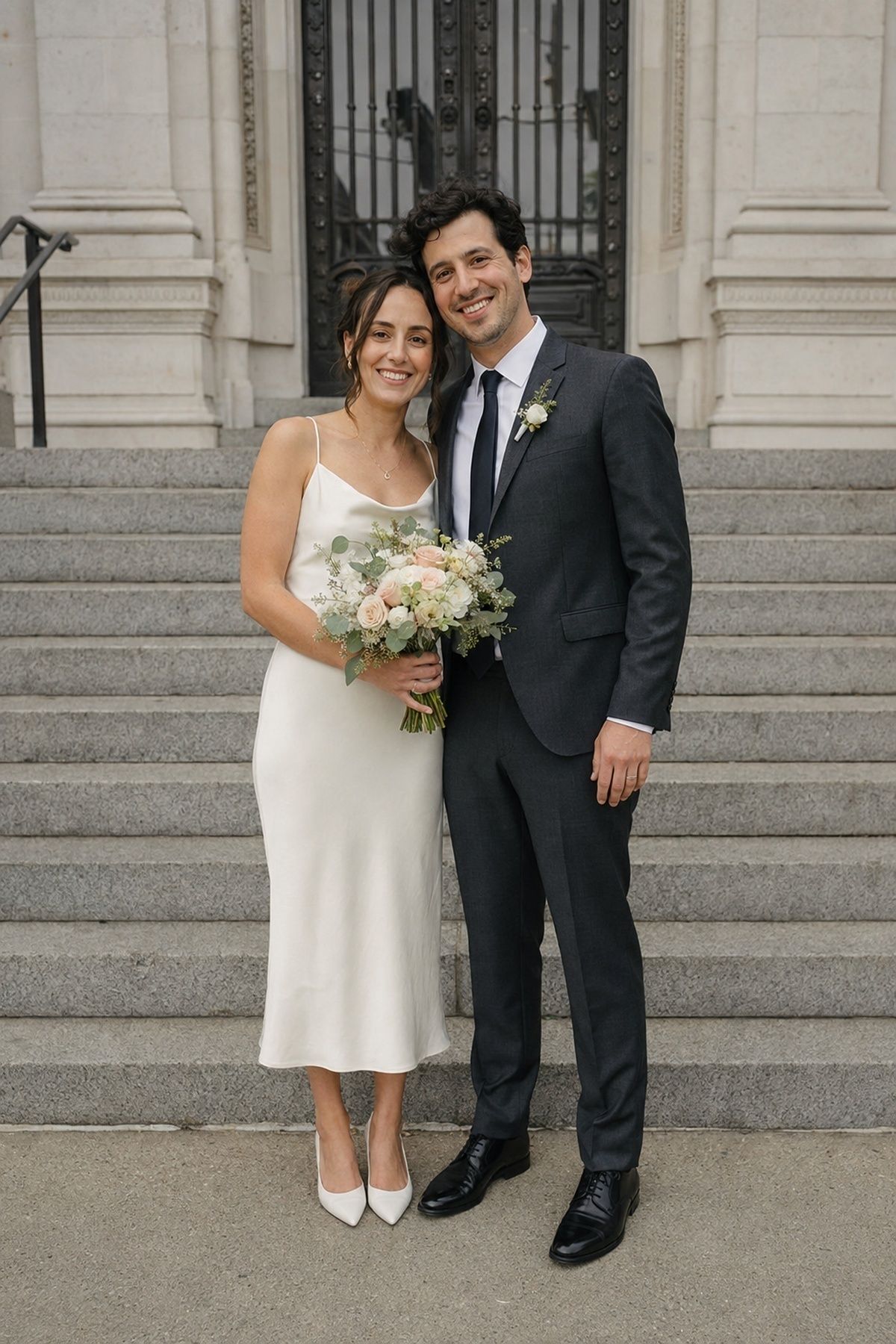
Civil ceremonies move quickly, so photography needs a plan. Ask whether photos are allowed during the official ceremony, where the photographer may stand, whether flash is permitted, and how long you can remain in the room afterward. If the answer is strict, plan portraits outside, on the steps, near a pretty doorway, at a park, or at the restaurant before guests sit down.
Small weddings are an advantage here because the photo list can be short and meaningful. Capture the couple, witnesses, immediate family, rings, signing moment if allowed, exit, bouquet, and first married portraits. Then stop. A civil ceremony day can lose its charm if everyone spends an hour waiting through combinations that do not matter.
Make The Guest Experience Clear
Guest clarity matters more at a civil ceremony than many couples expect. People may not know whether to dress formally, bring flowers, stand, sit, clap, wait outside, go through security, or join the meal afterward. A small information card or wedding website note can answer the basics without making the day feel fussy.
Tell guests the exact address, arrival time, parking plan, security requirements, guest limit, ceremony length, and what happens next. If only witnesses can attend the legal portion, say that warmly and directly. A guest who understands the plan is much more likely to feel included, even when the official room is tiny.
Give The After-Ceremony Meal Real Weight
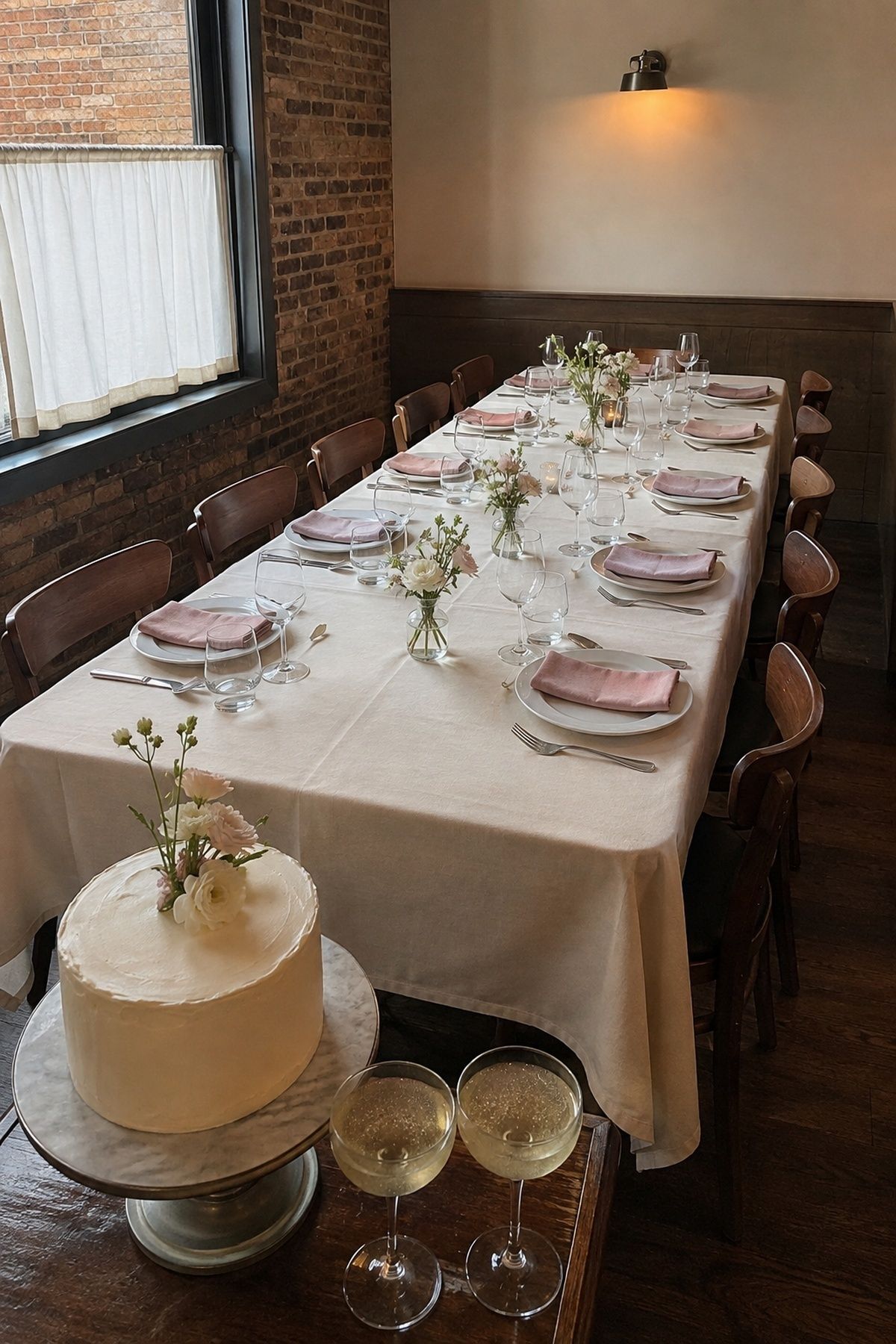
The meal after a civil ceremony often becomes the emotional center of the day. It may be brunch, coffee and cake, a private dining room, a backyard lunch, a hotel-suite toast, or a favorite restaurant dinner. Because the legal ceremony is simple, the meal gives people time to exhale, tell stories, make toasts, and feel the shift from appointment to celebration.
Book somewhere close enough that guests do not drift or get lost. Add one thoughtful detail: printed menus, a small cake, a champagne toast, a family-style dish, place cards, a shared dessert, or a short speech from a witness. You do not need a full reception timeline. You need a landing place that says the ceremony mattered.
Keep The Ceremony Secular Without Making It Cold
A non religious wedding ceremony can still feel deeply tender. Secular does not mean emotionless. It simply means the ceremony does not rely on religious language, prayers, hymns, or sacred readings unless your jurisdiction and officiant allow them in a separate context. Warmth can come from the couple’s story, chosen witnesses, music, family memories, personal promises, and the way the officiant speaks about commitment.
If family members expect a religious ceremony, explain the civil ceremony in practical terms: this is the legal wedding, and the couple is choosing words that fit their beliefs and the rules of the location. If you plan a blessing, cultural ritual, or symbolic exchange later, keep it clearly separate from the legal appointment so guests understand what each moment is doing.
Use A Document Folder So The Morning Stays Calm
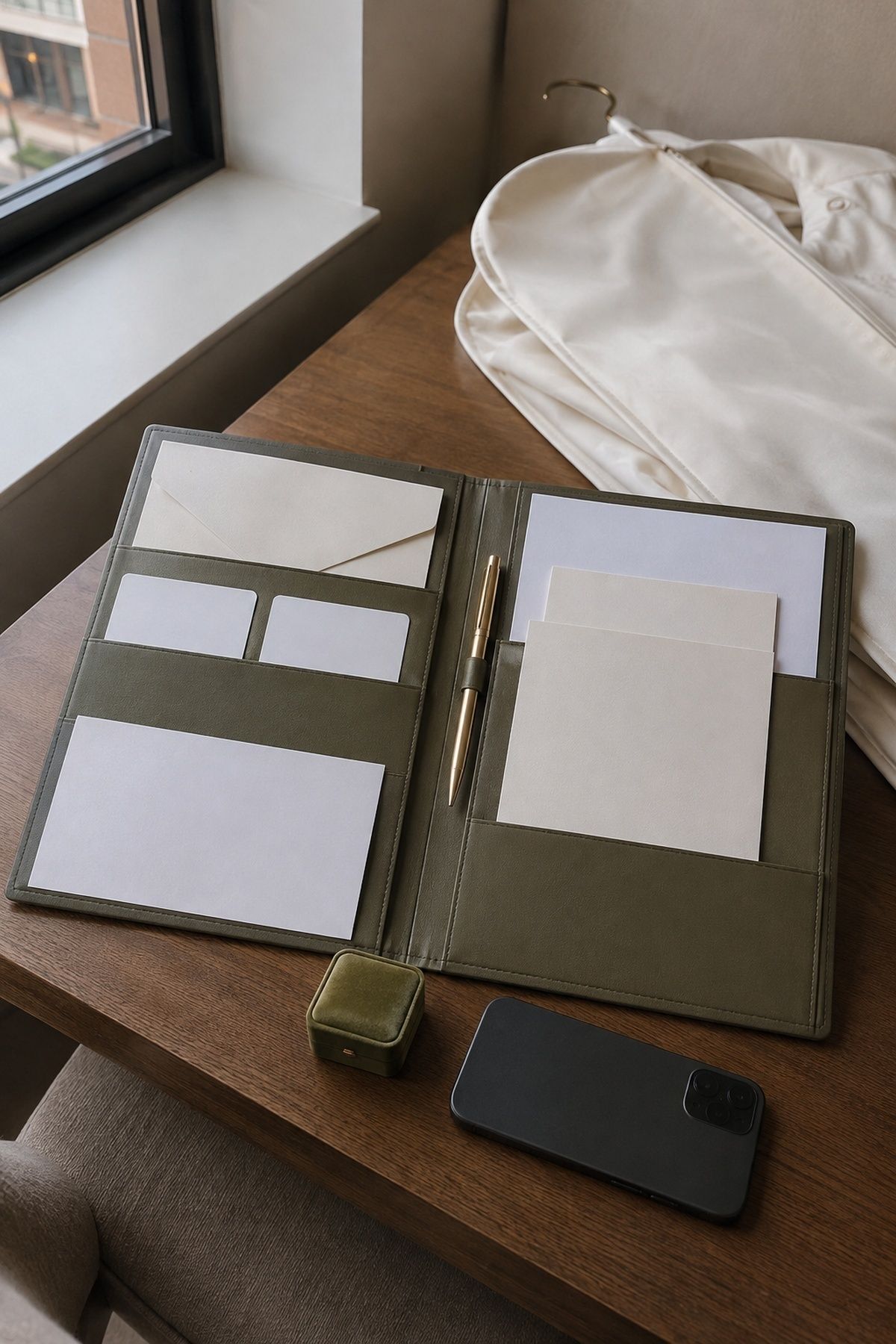
The least romantic detail may be the one that saves the day. Put every required document in one folder before the wedding morning: license, IDs, appointment confirmation, witness information, payment proof if needed, vow copies, reading copy, ring reminder, and contact numbers. Local offices can be strict, and missing paperwork can turn a meaningful day into a stressful one.
Give the folder to the person most likely to stay calm under pressure. That may be one partner, a witness, a parent, or a planner. The couple should not be digging through bags while dressed for the ceremony. A civil ceremony may be small, but it still deserves a preflight that lets everyone breathe.
Avoid The Mistakes That Make Civil Ceremonies Feel Flat
The most common mistake is assuming the ceremony will personalize itself. A legal appointment can be beautiful, but it usually needs one or two chosen emotional details. The second mistake is assuming every civil ceremony has the same rules. A city hall wedding ceremony in one place may allow guests and photos, while another may allow only the couple and witnesses.
Other mistakes are easier to prevent: inviting more guests than the room allows, writing vows that are too long for the setting, forgetting witness requirements, skipping the after-ceremony plan, wearing shoes that make walking between locations miserable, or letting family expectations rewrite a ceremony that is supposed to fit the couple. Keep the plan clear, kind, and small enough to hold.
Civil Ceremony Timing For A Small Wedding Day
A small civil wedding ceremony often works best with a gentle half-day plan. Leave extra time for arrival because government buildings, parking, security lines, elevators, and check-in desks can create delays. Ask guests to arrive earlier than the ceremony time and give witnesses a separate reminder so the legal part is not held up by someone circling the block.
A simple timeline might include getting ready, a first look, travel to the ceremony location, check-in, the civil ceremony, immediate family photos, couple portraits, and a meal. If the appointment is early, plan brunch or lunch. If it is late afternoon, plan dinner. If it is midweek, tell guests exactly how long you expect the celebration to last so they can arrange work, childcare, and travel.
Small weddings can also split the emotional pieces across the day. Private vows before the appointment can make the legal ceremony feel less pressured. A reading at dinner can let a loved one speak without worrying about courthouse timing. A ring photo afterward can preserve the detail even if the official exchange was too quick for a perfect shot.
FAQ
What is a civil ceremony?
A civil ceremony is a nonreligious ceremony that is performed or recognized by a legally authorized person. It usually focuses on the legal act of marriage or civil partnership rather than religious rites. The exact wording, location, officiant authority, documents, witnesses, and signing process depend on the rules where the ceremony happens.
Is a civil ceremony the same as a legal wedding?
A civil ceremony can be the legal wedding when it follows the marriage rules in that jurisdiction. That usually means the couple has the right license or notice, the officiant has legal authority, any required witnesses are present, and the required paperwork is completed. A symbolic ceremony without legal authority is not the same thing, even if it feels wedding-like.
What happens during a civil wedding ceremony?
A civil wedding ceremony often includes a welcome, a short statement from the officiant, legally required declarations or vows, an optional ring exchange, a pronouncement, a kiss, and signing paperwork. Some ceremonies are only a few minutes long. Others allow readings, music, personal vows, guests, photos, and a more traditional flow if the location and officiant permit it.
Do you need witnesses for a civil ceremony?
You may need witnesses for a civil ceremony, but the rule is local. Some places require one or two witnesses. Some have age, identification, language, or relationship rules. Some do not require witnesses at all. Confirm this before inviting guests, because witness requirements can affect who must be present and who can sign the marriage paperwork.
Can a civil ceremony include vows, readings, or music?
Many civil ceremonies can include vows, readings, or music, but only within the rules of the location and officiant. Some offices allow personal vows and secular readings. Some allow rings but not music. Some require the ceremony to stay very brief. Ask what is allowed before writing the ceremony, then move any extra personal moments to before, after, or during the meal if needed.
How do you make a civil ceremony feel personal and meaningful?
Make a civil ceremony feel personal by choosing witnesses with care, writing short vows, exchanging rings, adding one allowed reading or song, carrying simple flowers, planning photos, and giving the day a thoughtful ending. The goal is not to make the legal ceremony bigger than it is. The goal is to give the short official moment enough context, beauty, and warmth to feel like the start of married life.
Final Thoughts
A civil ceremony can be intimate, practical, and quietly emotional all at once. Once the legal requirements are confirmed, the personal choices become easier: who stands with you, what you say, what you wear, what you carry, where you take photos, and where everyone gathers afterward. Keep the official part clear, give guests enough information, and choose a few details that make the day feel like yours.
As you confirm the rules where you will marry, remember that local wording and witness expectations vary; in England and Wales, for example, registrar presence, witnesses, and nonreligious-content details around a civil ceremony appear on marriage and civil partnership ceremony planning, while your own city, county, state, or country controls what applies to your wedding.
Last update on 2026-10-04 / Affiliate links / Images from Amazon Product Advertising API