

How TikTok affects wedding planning comes down to speed: ideas arrive quickly, opinions sound urgent, trends turn over before deposits are due, and ordinary decisions start feeling like public tests. Use TikTok for logistics, real-couple lessons, vendor questions, and style language, then price every saved idea against your budget, guest count, venue, and the kind of day you actually want to remember.
TikTok is not the enemy of a thoughtful wedding. It gives couples a front-row view into real timelines, honest regrets, cost breakdowns, dress fittings, vendor questions, guest comfort ideas, and practical shortcuts that older wedding media often polished away. One helpful video could save you from a confusing RSVP setup, a weak ceremony sound plan, or a vendor question you did not know to ask.
The problem starts when the app becomes the loudest planner in the room. A couple opens it for invitation wording and leaves believing their wedding needs a content creator, private last dance, custom newspaper, audio guest book, outfit change, dramatic reveal, upgraded tablescape, and a completely different dress. That is not inspiration anymore. That is decision pressure wearing a pretty filter.
Recommended Wedding Products


You Might Also Like These Blog Posts
- How Pinterest Affects Wedding Planning Budgets And How To Stop The Spiral
- How Social Media Affects Wedding Budgets Before You Even Notice
- What To Do When Wedding Planning Feels Overwhelming And Your Brain Wants To Elope
- How To Say No To Expensive Wedding Trends Without Feeling Behind
- Small Wedding Planning Mistakes That Make Intimate Days Harder
- Small Wedding Planning On A Budget That Still Feels Generous
How TikTok Affects Wedding Planning
TikTok affects wedding planning by turning a slow, personal process into a constant stream of advice, performance, comparison, and fresh options. That matters because wedding decisions already carry emotion. Add an app that rewards strong opinions, fast cuts, dramatic reveals, and before-and-after transformations, and even grounded couples start wondering whether their quiet plan is enough.
The healthiest way to use TikTok wedding planning content is to treat it as a library, not an authority. It could show you a smarter timeline, a better question for the caterer, or a dress detail that clarifies your taste. It does not know your budget, your family dynamics, your venue rules, your energy level, your guest list, or the private reasons this wedding matters.
It Makes Planning Feel Faster Than The Real Timeline

A wedding usually unfolds over months of contracts, fittings, tastings, conversations, guest replies, payments, and slow decisions. TikTok compresses that into seconds. You see the reveal, the finished table, the dress change, the perfect clip, the vendor mistake, and the regret list without seeing the weeks behind them.
That compression makes couples feel late even when their timeline is normal. A person planning an intimate wedding for next spring watches five videos in a row about already-booked vendors, dated details, and must-do planning tasks, then feels behind before checking whether any of those tasks apply to their actual celebration.
Use speed as a signal, not a command. If a video exposes a real deadline, write it down and check it against your venue, vendor contracts, and guest needs. If it only creates a rush around a decorative extra, let the urgency pass before money follows it.
Your real calendar should lead; the feed should only add questions worth checking.
That order keeps urgency in its proper place.
That small pause protects both your budget and attention.
It Turns Hot Takes Into Decision Anxiety
WeddingTok loves certainty. One creator says a tradition is required, another calls it outdated, and a third turns the same choice into a joke. Those posts perform well because they make viewers react quickly. They are less useful when you are trying to make a calm decision with real money attached.
Hot takes are especially rough for small weddings because intimate plans often break traditional rules on purpose. You skip a wedding party, have dinner instead of dancing, wear a simple dress, invite fewer relatives, or hold the ceremony in a restaurant garden because those choices fit the day. A stranger’s dramatic opinion should not outrank the reason your smaller wedding exists.
When a video makes you anxious, translate it into a neutral question. Instead of “Is this cringe?” ask, “Does this choice fit our guests, budget, setting, and comfort?” That calmer question gives you back the steering wheel.
It Speeds Up Trend Cycles
Wedding trends now rise quickly, spread widely, and get judged almost as quickly as they appear. A couple saves an idea during the engagement, then sees videos months later declaring it overdone. That is a strange way to plan an event that depends on signed contracts, ordered clothes, printed items, and deposits.
The best defense is choosing a personal reason before choosing a trend. A champagne tower, colorful veil, film-style photo session, private last dance, or audio guest book holds up better when it reflects your relationship or guests. It feels shakier when it only exists because the internet made it feel current.
For an intimate wedding, trend cycles matter less than atmosphere. Your guests are close enough to notice whether the ceremony feels sincere, dinner flows well, and the room feels like you. They are less concerned with whether your details match the fastest-moving wedding trend label.
It Adds New Vendor Categories

One of the clearest TikTok-era shifts is the rise of wedding content creators. This role focuses on phone-first clips, behind-the-scenes moments, vertical video, quick turnaround, and social-ready footage. It is different from photography and videography, which usually prioritize polished images, edited films, archival quality, and a fuller record of the day.
For some couples, a content creator is genuinely useful. They want casual clips, quick delivery, and no pressure on friends to film. For others, the role adds another vendor, another timeline contact, another shot list, and another cost in a budget that already needs discipline.
Before booking, decide what problem the vendor solves. If the answer is “we want memories in our camera roll tomorrow,” price the role honestly. If the answer is “everyone else seems to have one,” pause. Small weddings deserve vendors who support presence, not vendors added out of fear that the day will disappear if it is not posted quickly.
Also think about how another camera changes the room. A content creator who works quietly, respects the photographer, and understands the ceremony plan feels easy. A content plan that asks for constant direction, repeated moments, or extra staging pulls attention away from the people right in front of you. Ask for examples of full wedding-day coverage, not only highlight clips, before deciding whether the service fits your tone.
It Makes Budget Creep Feel Like Staying Current
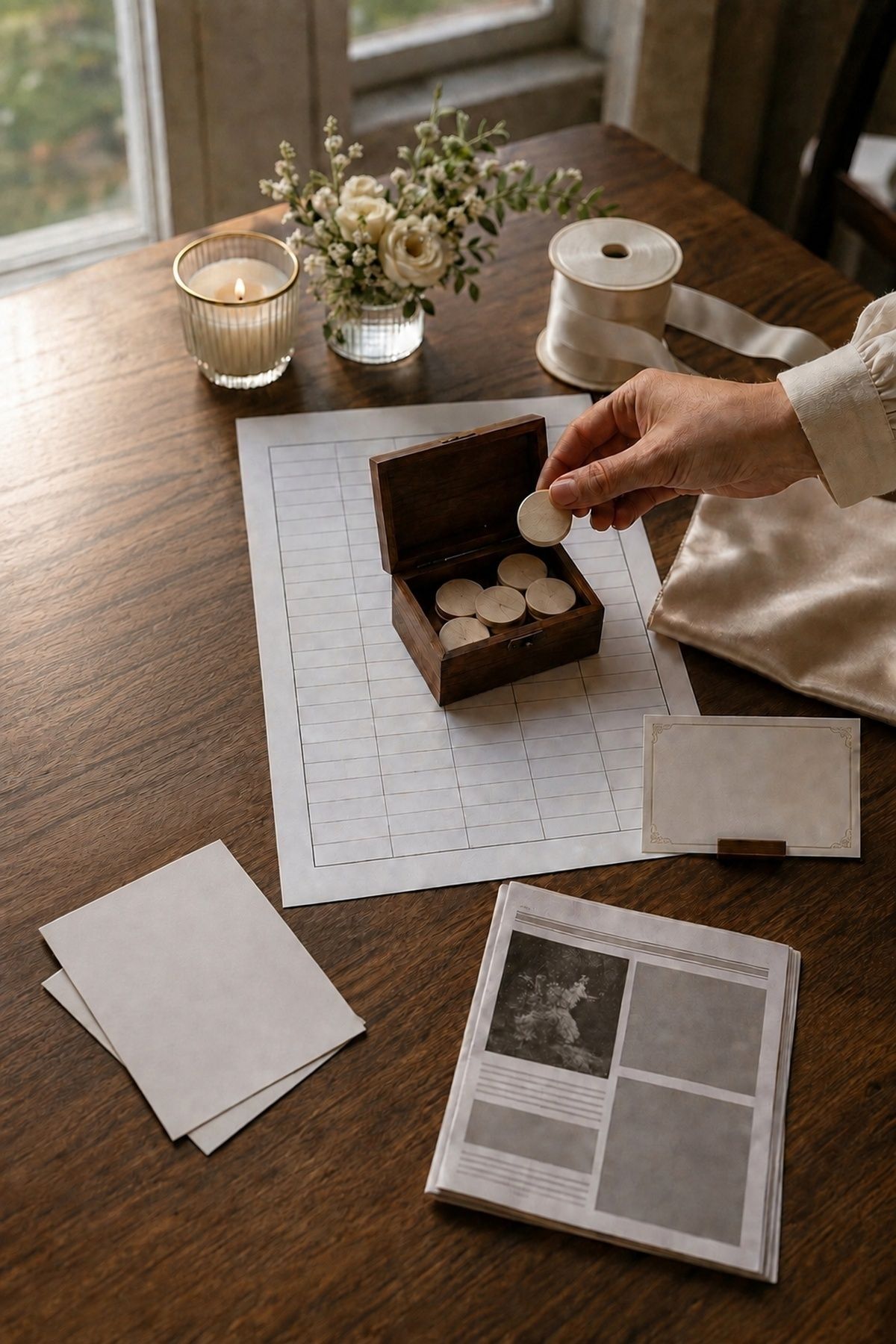
TikTok wedding trends rarely arrive as one giant expense. They arrive as small yeses: upgraded signage, a second outfit, a content creator, a printed newspaper program, a personalized welcome box, a late-night snack, a guest book phone, a dramatic cake moment, a ceremony backdrop, or extra flowers for one photo.
Each item looks lovely. Together, they pull money from food, guest comfort, photography, transportation, ceremony sound, or the buffer that protects the final month. Budget creep feels reasonable when every added detail has a video proving it worked beautifully for someone else.
Create a rule before scrolling: no saved idea becomes a purchase until it has a real cost, a setup owner, a timeline location, and a reason stronger than “I saw it three times this week.” That one rule turns trend pressure back into planning.
It Makes Dresses And Details Harder To Choose
Endless dress and detail content creates a strange kind of restlessness. A bride or groom makes a thoughtful choice, then keeps seeing better lighting, newer silhouettes, different accessories, bolder veils, softer flowers, more dramatic tables, and comments that make a settled decision feel unfinished.
This is not really about taste. It is about volume. When your feed never stops showing alternatives, your brain keeps reopening decisions that were already good enough. That is exhausting during wedding planning, especially when alterations, deposits, stationery, and vendor orders have real deadlines.
Protect chosen categories. Once you buy the dress, choose the suit, approve the flowers, or confirm the tablescape, mute or avoid content that reopens that category. You are not limiting inspiration. You are protecting peace after a decision has done its job.
It Rewards Dramatic Before-And-After Planning
TikTok is built for transformation. A plain room becomes a floral installation. A backyard becomes a reception. A dress becomes a second look. A messy planning moment becomes a clean final reveal. Those edits are satisfying, but they leave out the quiet middle where weddings actually succeed.
Real planning is less dramatic. It is confirming arrival times, asking about outlets, checking rain plans, finalizing the seating list, paying balances, adjusting meal counts, ordering extra candles, and deciding who answers questions on the wedding morning. Those choices rarely make thrilling videos, yet they shape the guest experience.
Let the dramatic ideas inspire mood, then return to the practical middle. A wedding that photographs beautifully but runs poorly will not feel as good as a simple wedding where guests know where to go, when to eat, what to expect, and how loved they are.
It Pushes Couples Toward Content Over Presence
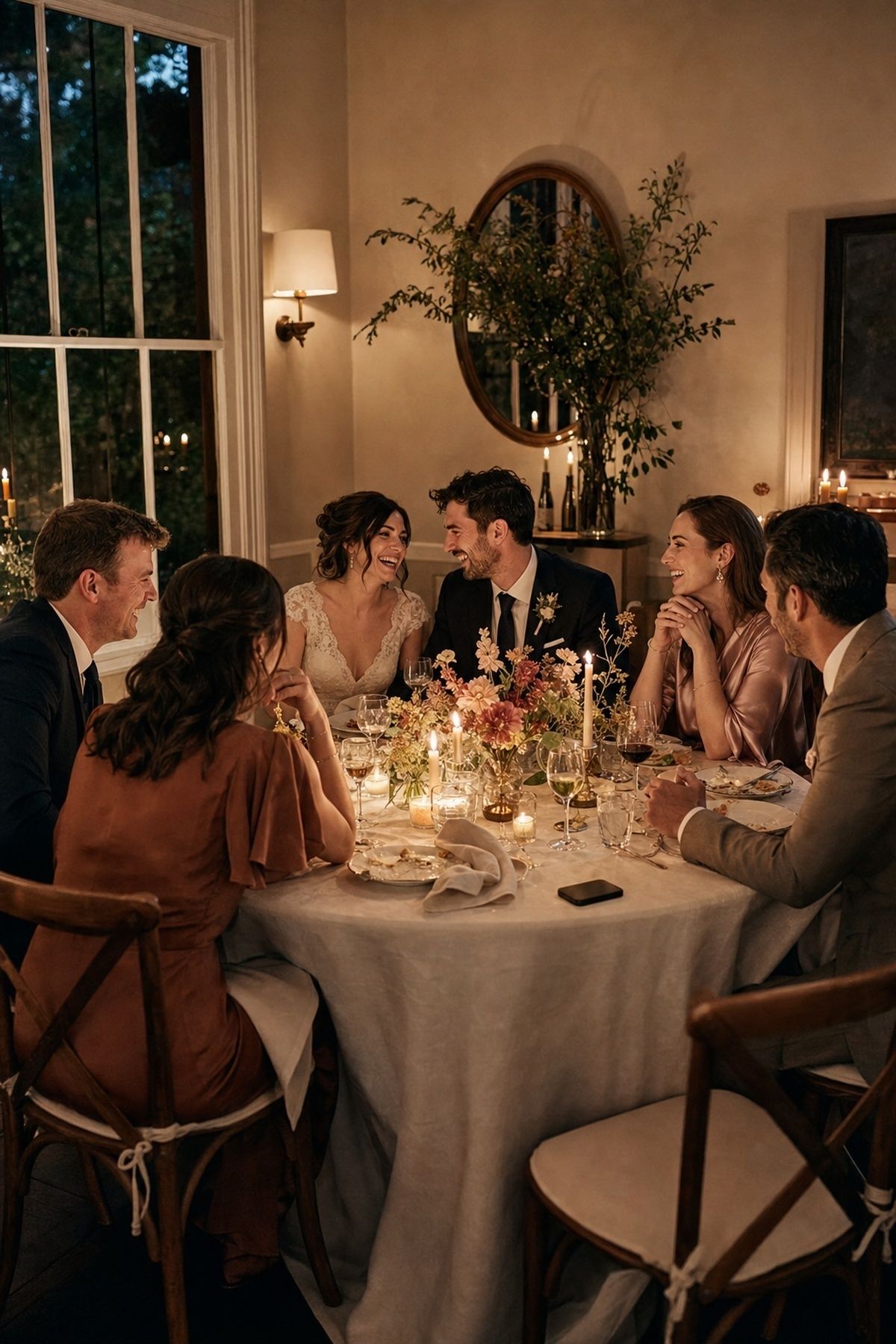
Documenting a wedding is normal. Building the day around documentation is different. TikTok makes it easy to imagine every moment as a clip: getting ready, first look, aisle walk, vows, private vows, outfit reveal, table reveal, cake reveal, dance reveal, exit reveal. Suddenly the day has to perform from every angle.
Small weddings are especially vulnerable to this because the guest count is intimate. If too many moments become staged for the camera, the room starts feeling like a set instead of a gathering. The people who traveled to be present should not feel secondary to the shot list.
Choose a few moments worth documenting well, then leave space for things that only matter in the room. A private laugh, a parent squeezing your hand, a table full of old friends, or a slow dinner conversation does not need to become content to count.
It Surfaces Useful Real-Couple Lessons
The helpful side of WeddingTok is real. Couples share what they regretted, what cost more than expected, what guests noticed, what they would book earlier, which questions mattered, and which details did not survive the day. That lived experience is valuable when you treat it as data instead of a command.
Look for videos that explain tradeoffs. A useful post says why something worked, what it cost, who handled it, what the venue required, and whether guests cared. A weaker post only says everyone needs it, nobody needs it, or the choice is embarrassing. Specificity is the difference between advice and noise.
Keep a running record of real lessons, not just pretty saves. Write down practical warnings: send RSVPs earlier, ask about cleanup, feed people before speeches, check sound outside, assign someone to gather family, carry an emergency kit, or protect time alone after the ceremony. Those lessons make a wedding stronger without turning it into a trend pile.
It Helps You Ask Better Vendor Questions
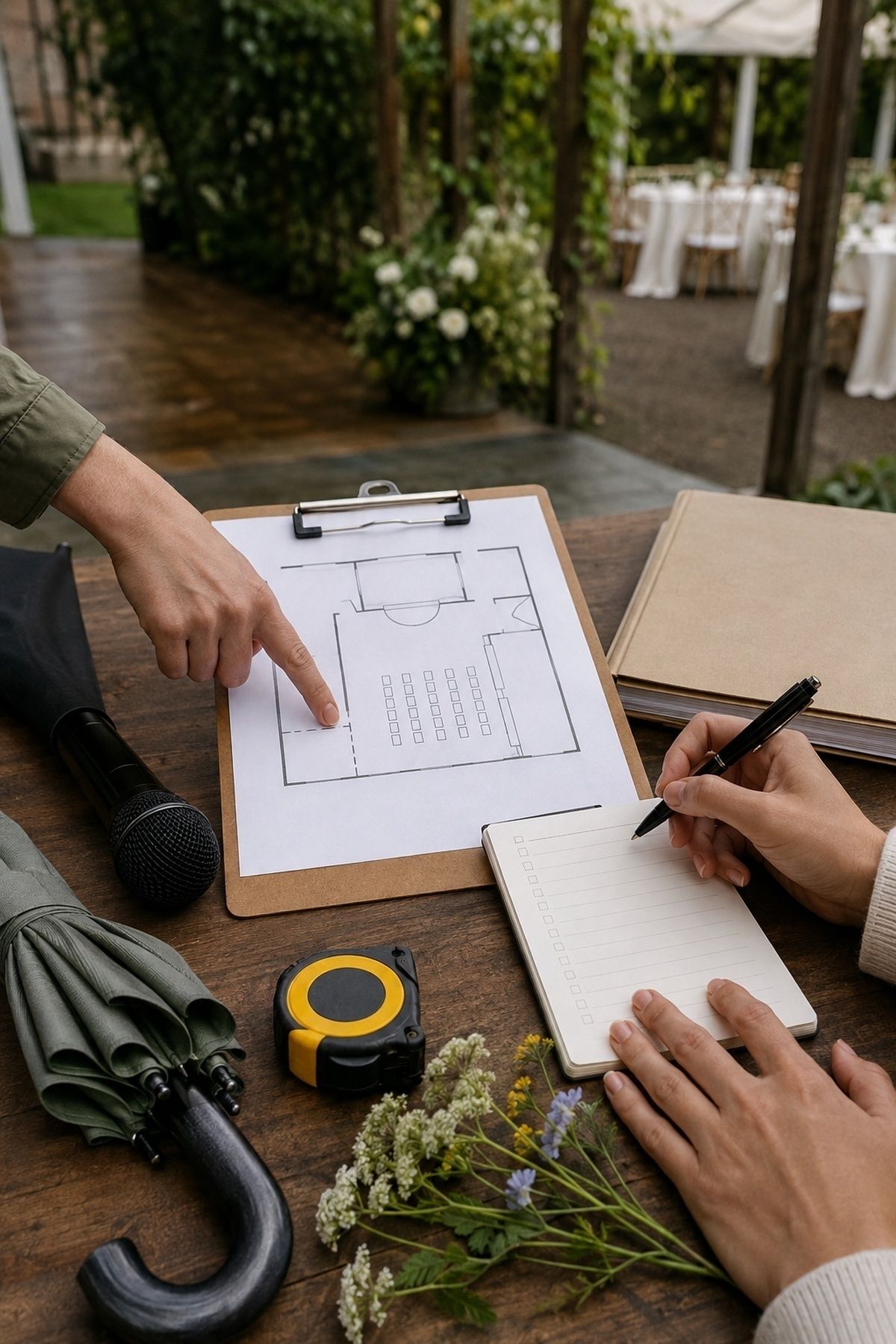
TikTok wedding hacks are most useful when they improve questions, not when they replace professional advice. A short video could reveal that a venue needs a rain flip plan, a caterer needs final meal counts earlier than expected, or a florist needs clarity about repurposing ceremony arrangements.
Turn each useful hack into a vendor question. Ask how long setup takes, who moves decor, what fees are not listed yet, whether the bar has minimums, what happens if guests arrive early, how food is kept warm, who cues the processional, and what the cleanup plan includes.
This keeps the app in the right role. It helps you notice issues, while the vendor answers for your actual venue, date, contract, and guest count. A small wedding still needs real coordination; a clever video is not a substitute for someone owning the day-of plan.
It Overloads Small Weddings With Too Many Ideas
An intimate wedding does not need fewer ideas because it is less important. It needs fewer ideas because the day is closer, more personal, and easier to overcrowd. A 24-person dinner with six viral moments starts feeling busy instead of intentional.
Small weddings are strongest when the couple chooses fewer, better signals: a meaningful ceremony, a comfortable meal, thoughtful lighting, good music, clear guest communication, and one or two details with personality. Too many trend pieces compete for attention in a small room.
When a saved idea tempts you, ask whether it deepens the experience or simply adds another thing to manage. If it needs storage, setup, explanation, extra labor, extra filming, or a new vendor, it has to earn that space.
This filter is not meant to make the wedding plain. It is meant to keep the day legible. In a small room, guests notice the whole atmosphere at once: how the ceremony sounds, whether dinner feels relaxed, whether the couple seems present, whether the room has enough warmth, and whether the timeline leaves space to talk. A viral detail should support that atmosphere instead of competing with it.
It Makes Planning Feel Public Before The Wedding Happens
BrideTok and WeddingTok sometimes make the engagement feel like a public performance before anyone has arrived. Couples absorb opinions about budgets, bodies, dresses, guest lists, family roles, vendor choices, and timelines long before they have a finished plan to protect.
This pressure lands hard when your wedding is smaller than the weddings filling your feed. You start explaining choices no one has questioned yet: why the guest list is short, why the flowers are simple, why there is no wedding party, why the dinner is private, why the dress is understated, or why the budget has a firm ceiling.
You do not owe the internet a defense of your wedding. Share what feels joyful, keep private what feels tender, and remember that most guests will experience the day once, in real time, without judging it against a feed.
The Helpful Side Of WeddingTok
The best WeddingTok content gives you language for choices that used to feel vague. It helps you describe your style, understand vendor timelines, ask about hidden fees, plan a better getting-ready morning, choose guest-friendly signage, or notice why a ceremony microphone matters outside.
It is especially useful for budget transparency. Real couples often share what they spent, what surprised them, and where they would reallocate money. Treat those numbers as examples, not promises. Market, season, guest count, and venue rules change everything, but the categories themselves are useful reminders.
Helpful TikTok wedding planning content usually has a grounded tone. It names the wedding size, shows the tradeoff, and leaves room for different choices. Save those posts. Ignore content that turns one person’s preference into a universal rule.
A helpful video also survives a quiet follow-up question. What was the guest count? What was the venue type? Who handled setup? Was the idea affordable because family helped, because the market was cheaper, or because another category was smaller? Those details keep social media wedding planning from becoming fantasy math.
The Pressure Side Of TikTok Wedding Planning
The pressure side shows up as comparison, urgency, and fear of choosing wrong. You see couples with larger budgets, more help, better lighting, stronger vendor teams, different bodies, different families, different cities, and different guest expectations. Then your own wedding starts looking unfinished because it is not designed for the same life.
TikTok also loves labels. “2026 bride,” “dated wedding trends,” “things guests hate,” “wedding mistakes,” and “never do this” posts make normal preferences feel risky. Some of them contain useful warnings. Many are built to make you watch, comment, worry, and keep scrolling.
When the pressure gets loud, return to your private criteria: who is coming, what they need, what you value, what the venue allows, what the budget protects, and what kind of memory you want. A smaller wedding benefits from this clarity because every added idea is visible in the room.
How To Use TikTok Without Letting It Plan For You

Sort every saved video into three buckets. The first bucket is logistics: timelines, guest communication, vendor questions, packing lists, payment trackers, marriage license reminders, weather plans, and day-of handoff ideas. These saves are allowed into the planning meeting first.
The second bucket is style language: colors, textures, dresses, flowers, tables, music, food, ceremony mood, and the feeling you want guests to notice. These saves are useful for describing taste, but they should become purchases only after the budget and venue are clear.
The third bucket is entertainment: hot takes, reactions, extreme budgets, dramatic transformations, luxury details, viral fights, and trends you enjoy watching but do not need to copy. Keep them out of your actual checklist. They are allowed to be interesting without becoming assignments.
Once a week, review only the first two buckets. Delete duplicates, write down the useful questions, and pick no more than one idea to price. If the idea does not survive a real quote, setup plan, and guest-comfort check, it stays a video.
Share the buckets with the person planning with you. Many conflicts start when one partner keeps saving atmosphere and the other keeps tracking cost, with neither seeing the other’s private pile of worry. A short weekly review turns the feed into a conversation: which ideas solve a problem, which ideas describe taste, and which ideas are only fun to watch?
Then create one pause rule for reactive saves. If a video makes you feel embarrassed, behind, cheap, unfashionable, or suddenly desperate to change a signed decision, wait at least a day before acting. Urgent feelings deserve kindness, but they do not always deserve a deposit.
A Small-Wedding Filter For Viral Ideas
Use a five-question filter before adding any viral wedding idea to an intimate celebration. Does it serve the guests in the room? Does it fit the timeline without rushing the ceremony, meal, or portraits? Does it require a new vendor or extra labor? Does it steal money from something more meaningful? Would you still want it if nobody filmed it?
If the idea passes, give it a clear place. A content creator could cover the morning only. An audio guest book could sit by the bar during cocktail hour. A second outfit could work for dancing, not dinner. A dramatic dessert could replace favors instead of adding another cost.
If the idea fails, release it without guilt. You are not having a less stylish wedding. You are choosing a wedding that has enough room for conversation, family, vows, food, photographs, and the people who matter. TikTok rewards addition. Intimacy often rewards editing.
One useful final test is the after-wedding test. Imagine opening your photos a year later, without the pressure of the feed. Would you be glad this idea was part of the day, or would you mostly remember the money, time, and attention it required? The ideas that pass that test are usually the ones worth keeping.
FAQ
How does TikTok affect wedding planning?
TikTok affects wedding planning by speeding up trends, advice, comparisons, and spending pressure. It also gives couples useful real-life lessons, vendor questions, and budget examples. The best next step is to sort saved videos into logistics, style, and entertainment so only practical ideas enter the actual plan.
Is TikTok helpful for wedding planning?
Yes, TikTok is helpful for wedding planning when it improves decisions rather than creating panic. Save videos about timelines, guest comfort, vendor questions, budget surprises, and mistakes couples genuinely learned from. Be more careful with hot takes, luxury reveals, and trend lists that make every choice feel urgent.
How do TikTok wedding trends affect budgets?
TikTok wedding trends affect budgets by making optional extras feel normal or necessary. A few small additions quickly become a new vendor, more decor, extra printing, added rentals, or another timeline demand. Price each trend with labor, setup, and cleanup included before letting it into the budget.
What is WeddingTok pressure?
WeddingTok pressure is the feeling that your wedding must match the speed, style, opinions, and content-ready moments you keep seeing online. It often shows up as second-guessing, budget creep, and fear of looking dated. Reduce it by muting categories you have already decided.
How do you use TikTok wedding hacks wisely?
Use TikTok wedding hacks wisely by turning each hack into a question, not an automatic task. Ask whether it fits your venue, guest count, budget, timeline, and vendor contracts. If it solves a real problem, keep it. If it only adds performance or pressure, leave it online.
How can small weddings avoid TikTok trend overload?
Small weddings avoid TikTok trend overload by choosing fewer ideas with clearer purpose. Protect ceremony, meal, comfort, photography, and real conversation before adding viral details. A good filter is simple: would this idea still matter if nobody posted it, and does it make the room feel more cared for?
Final Thoughts
How TikTok affects wedding planning is not only about trends. It is about who gets authority over your attention. The app helps you notice a smarter question, a useful timeline habit, or a detail that feels like you. It also tempts you to believe that a peaceful, intimate wedding is missing something because it does not look like a feed.
Let TikTok give you ideas, then let your real wedding make the decisions. Your budget, guests, family, venue, timing, and energy deserve more weight than any viral opinion. A small wedding should feel present in the room before it feels shareable on a screen, and that standard leaves room for inspiration.
Last update on 2026-10-03 / Affiliate links / Images from Amazon Product Advertising API