

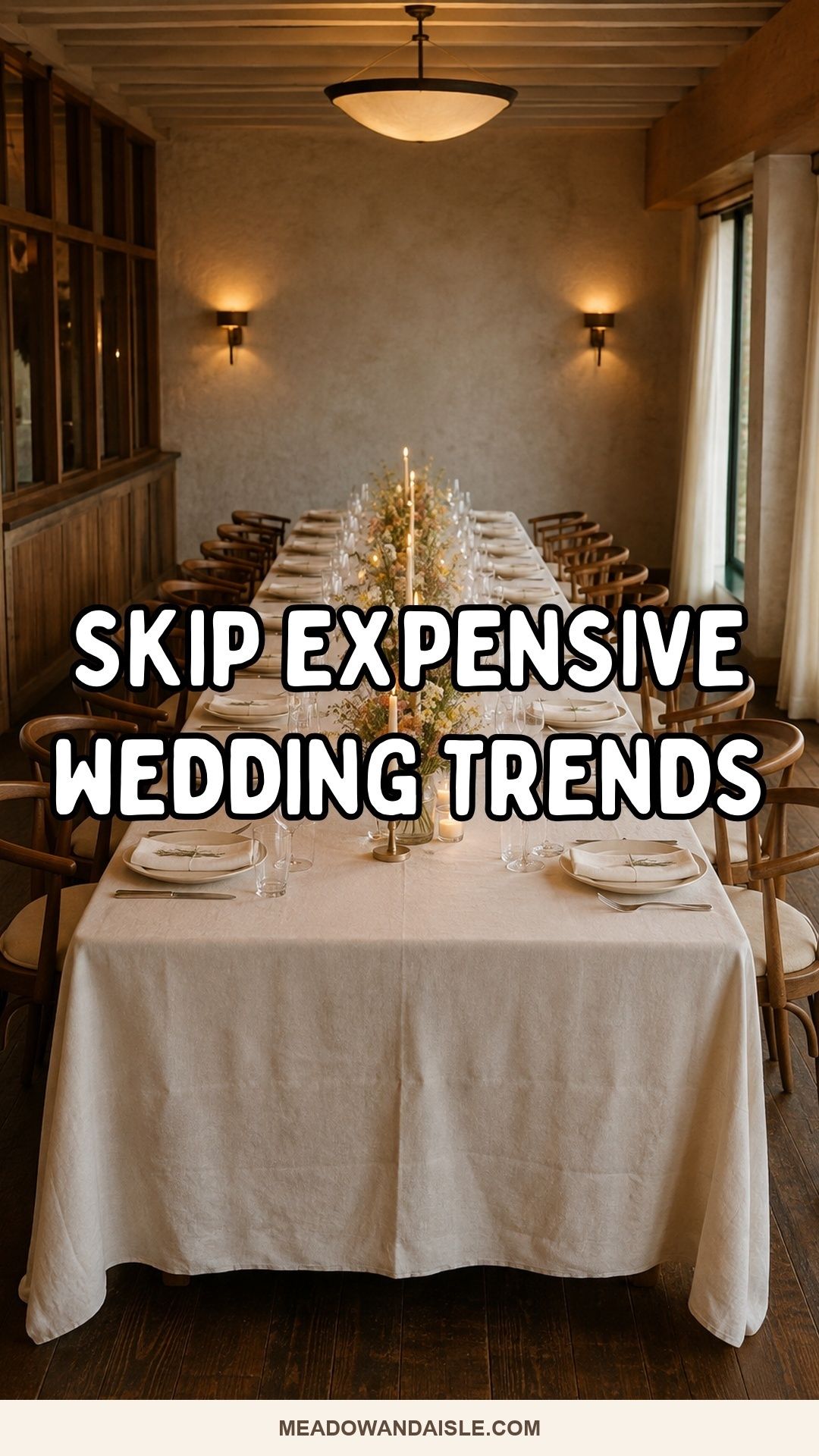
To say no to expensive wedding trends, name your real priorities first, price the full trend, and keep only the details that serve your guests, budget, or memories. How to say no to expensive wedding trends is not about rejecting style; it is about choosing a wedding that feels current because it is intentional, not because every viral idea made it onto the invoice.
If you are wondering how to say no to expensive wedding trends, you are probably not trying to make your wedding feel plain. You are trying to protect it from becoming a performance you never meant to fund. The hard part is that trend pressure rarely arrives as one giant decision. It arrives as small, polished suggestions: a better backdrop, a fuller floral install, a second outfit, custom napkins, champagne towers, late-night snacks, content coverage, welcome bags, after-party decor, and just one more moment that will look beautiful online.
A small wedding often makes this pressure feel even sharper. With fewer guests, every choice is visible, and it is easy to worry that skipping a trend will make the day look unfinished. In reality, intimate weddings often become more elegant when the couple chooses fewer details with more meaning. Guests remember warmth, ease, good food, honest emotion, and a room that feels cared for. They rarely remember whether the seating chart copied the latest template.
The goal is not to become anti-trend. Some trends are charming, useful, or deeply personal when they fit the couple. The goal is to stop letting trend momentum make decisions for you. Use your priorities, your guest experience, and your actual budget as the filter, then let the rest fall away without apology.
Recommended Wedding Products


You Might Also Like These Blog Posts
- Why Are Weddings So Expensive And What Can You Actually Control
- How Social Media Affects Wedding Budgets Before You Even Notice
- Wedding Budget Mistakes That Make Small Weddings Feel Expensive
- How TikTok Affects Wedding Planning When Every Idea Feels Urgent
- How To Make A Cheap Wedding Feel Expensive Without Pretending
- How To Choose Wedding Priorities As A Couple Before Everyone Else Gets A Vote
How To Say No To Expensive Wedding Trends With Confidence
How to say no to expensive wedding trends begins with deciding what the wedding is supposed to do. That sounds simple, but it changes everything. A wedding is not a showroom. It is a ceremony, a gathering, a hosted meal or celebration, and a memory your closest people step into with you. When a trend supports that purpose, keep it. When it only adds pressure, debt, or a photo moment you do not care about after midnight, let it go.
The most graceful no is specific. Instead of saying, “That is not affordable for us,” which frames the choice as a loss, try saying, “We are putting the budget toward the meal, the music, and a room that feels comfortable.” Instead of saying, “We do not want trendy decor,” say, “We are keeping the design focused so the ceremony and dinner feel personal.” You are not apologizing for a smaller wedding. You are explaining the shape of a deliberate one.
Name The Wedding Priorities Before Looking At Trends
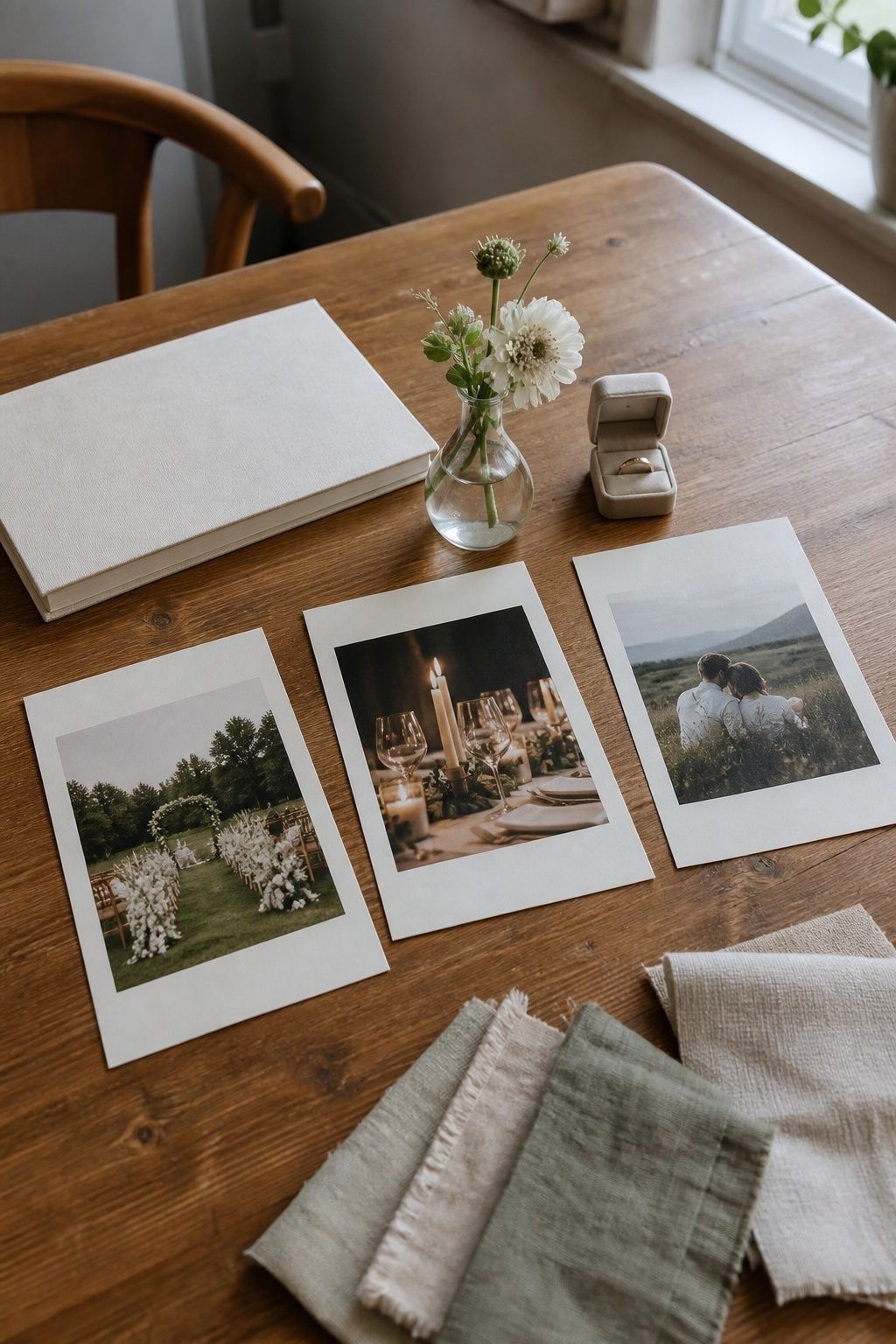
Before opening another saved folder, choose three priorities for the day. They could be a warm ceremony, a beautiful dinner, relaxed photography, a comfortable guest flow, meaningful music, or one design detail that makes the room feel like yours. Keep the list short enough to guide decisions. If everything is a priority, the trend with the prettiest image usually wins.
For a small wedding, this priority list is especially powerful because the day does not need layers of spectacle to feel complete. A candlelit table, handwritten vows, a garden ceremony, a private dining room, or a carefully chosen dress carries more feeling than a dozen scattered upgrades. Once your priorities are named, each trend has to earn its place by supporting one of them.
Price The Full Trend, Including Labor And Setup
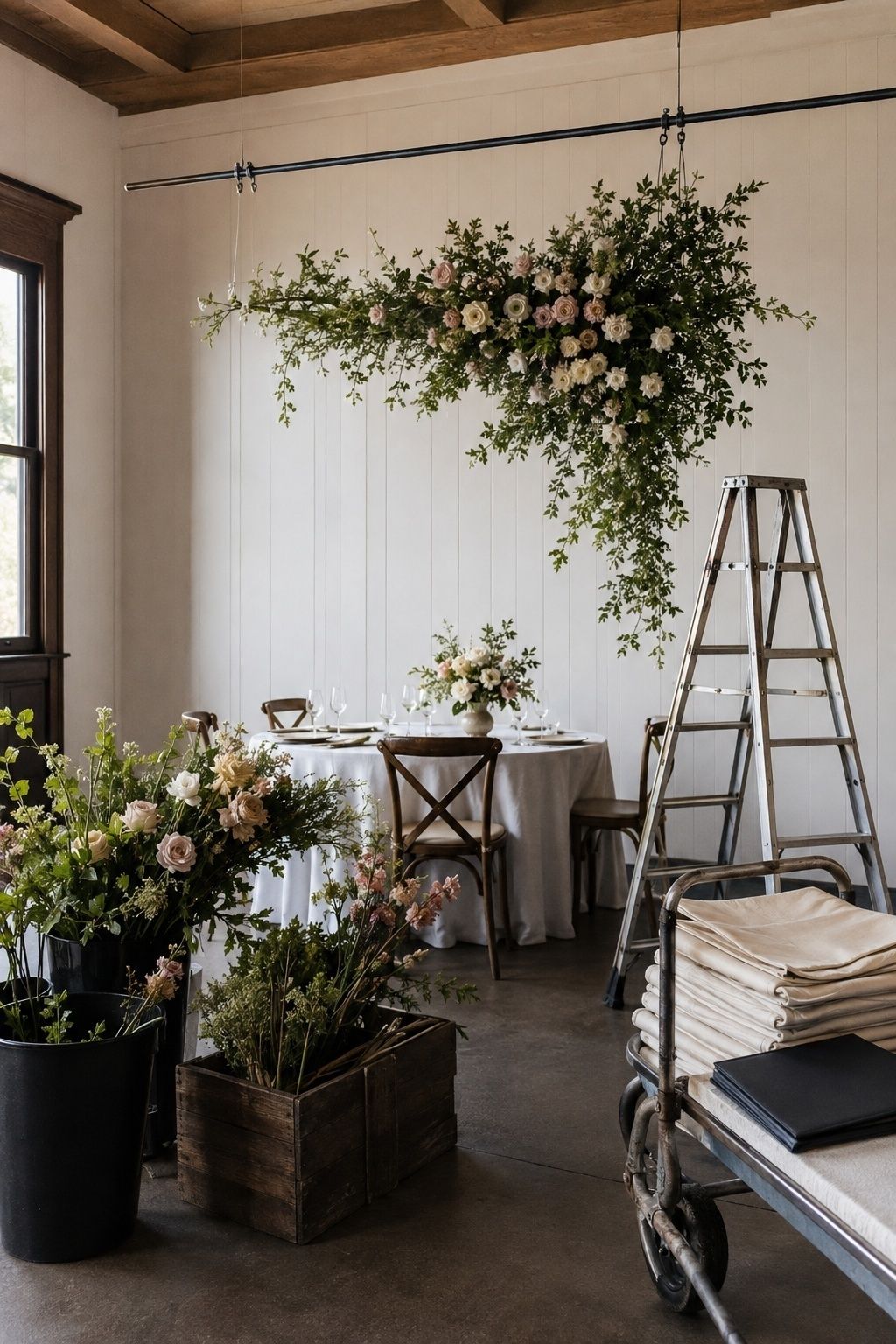
A trend rarely costs only the item you first notice. A hanging floral installation often requires rigging, delivery, staff, extra setup time, venue approval, strike labor, and a rain or wind plan. Custom signage often involves design, printing, stands, delivery, calligraphy, and someone responsible for placing it. A late-night food moment adds staff hours, rentals, service fees, and waste when the guest count is small.
Ask for the complete number before deciding. Then compare it with something guests will directly feel: better chairs for an outdoor ceremony, a more generous dinner, transportation support, stronger photography coverage, or a coordinator who keeps the day calm. If the full cost still feels worthwhile, the trend deserves a place. If the number only makes sense when you pretend the extras do not exist, that is useful information.
Ask Who The Trend Is Actually Serving
Some trends serve the couple beautifully. A private last dance creates a tender pause. A champagne tower feels festive when the couple loves the ritual and the room handles it easily. A statement dress change feels joyful for someone who truly wants fashion to be part of the story. The question is not whether a trend is popular. The question is whether it serves the people in the room.
If the honest answer is “this is mostly for photos,” slow down. Photos matter, but the wedding still needs to feel good while it is happening. If a detail makes guests wait, crowds a small room, interrupts dinner, creates stress, or steals money from something more central, it is probably serving the feed more than the wedding. That is usually the moment to say no.
Choose A Smaller Version When The Idea Has Meaning
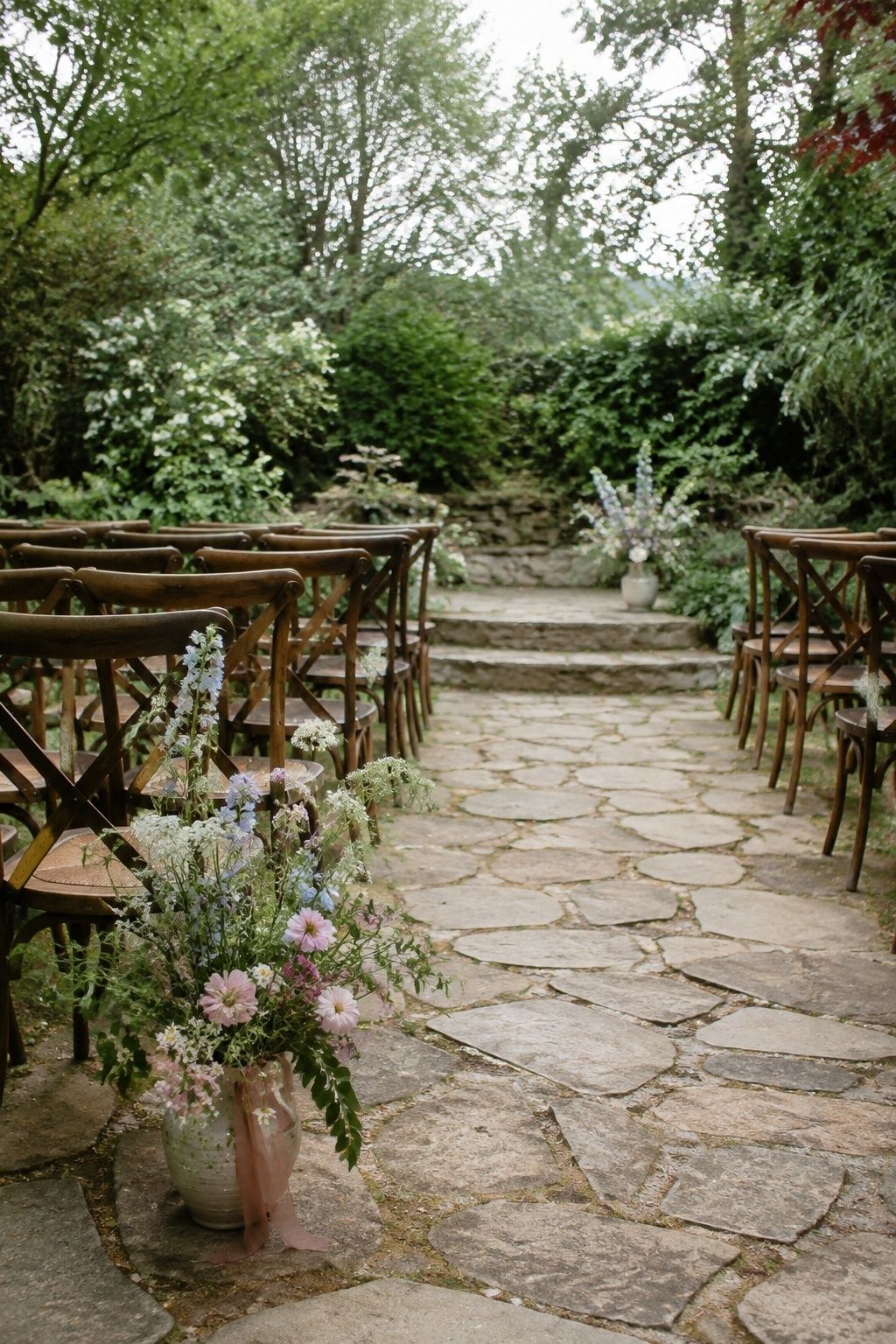
Saying no does not always mean removing the idea completely. Sometimes the better choice is a smaller version with more feeling. If you love the romance of a floral aisle, use flowers only at the entrance and altar instead of lining every chair. If you love personalized details, write a message at each place setting instead of ordering a full custom favor suite. If you love a fashion moment, choose one accessory that changes the look rather than a second complete outfit.
This approach works beautifully for wedding trends on a budget because it protects the emotional center of the idea. You keep the part that feels like you and release the part that exists mainly because the internet made the larger version look normal. In a small wedding, guests are close enough to notice the thoughtful version.
The smaller version also gives the design more clarity. Instead of scattering money across every trending detail, one chosen moment becomes easier to see, photograph, enjoy, and remember. That restraint keeps the room from feeling busy and gives the couple more room to spend on the pieces that shape the day itself.
Skip The Trend When It Only Fixes Comparison Anxiety
Comparison anxiety has a particular feeling. You were content with the plan, then a post made your wedding seem too simple. Suddenly the dinner needs more candles, the ceremony needs a backdrop, the bar needs a signature display, and the invitation suite needs another layer. Nothing actually changed about your guests, budget, venue, or priorities. Only the comparison did.
When that happens, wait at least forty-eight hours before spending money. Look back at your priority list. Ask whether the trend solves a real problem or simply soothes a moment of insecurity. Many expensive wedding trends to skip are not bad ideas; they are ideas that entered the plan at the wrong emotional moment.
Put Guest Comfort Ahead Of Viral Moments
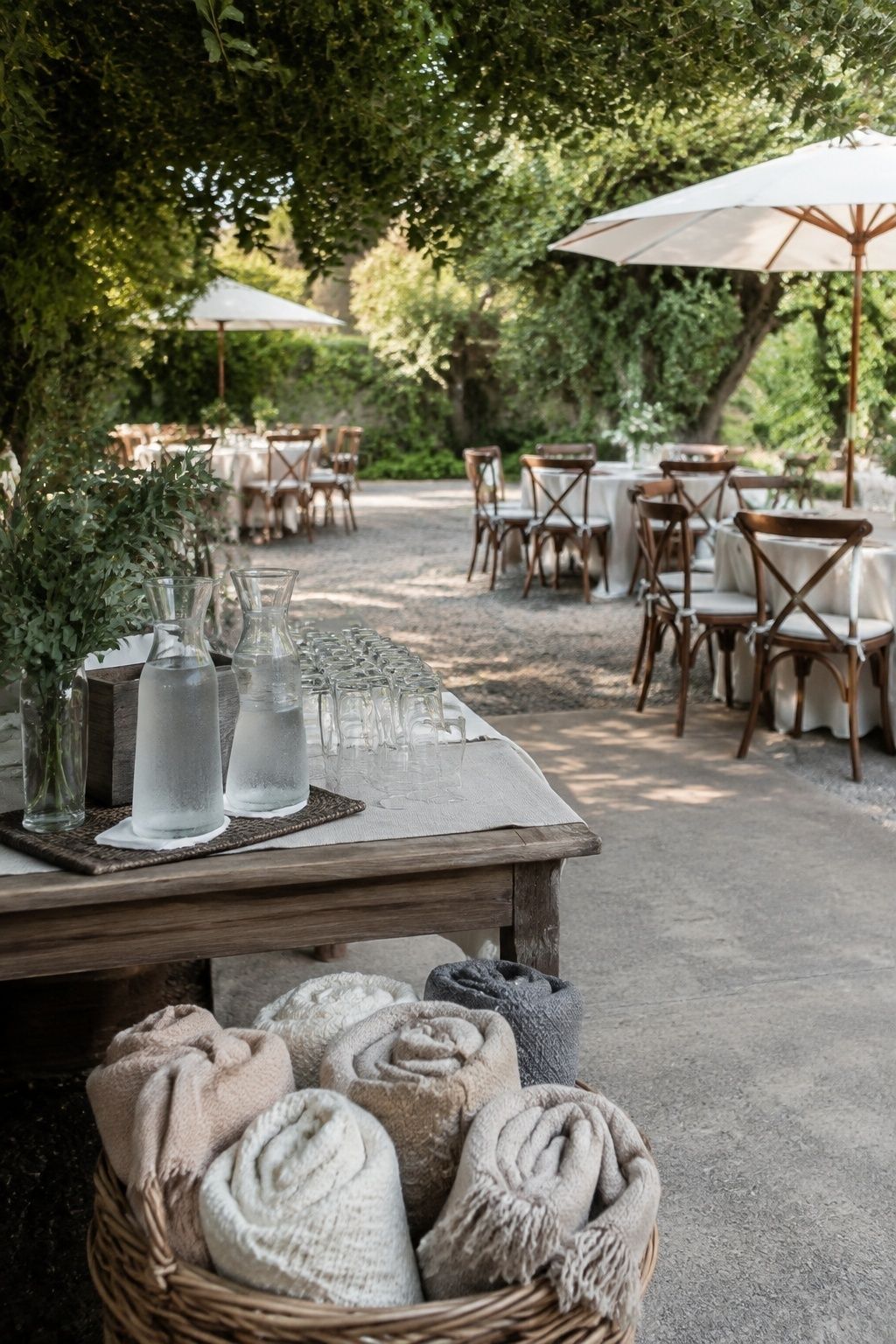
Guest comfort is not dull. It is one of the quietest forms of elegance. Clear timing, enough food, a comfortable temperature, available water, easy seating, visible restrooms, and a plan for older relatives or traveling guests will do more for the wedding than a trend that photographs well but creates friction.
This is where a small wedding has an advantage. You notice what your specific guests need. If your group loves long dinners, spend on the table. If many guests are traveling, simplify the schedule. If your families will be emotional during the ceremony, protect sound and seating before adding decor. Wedding guest experience over trends is not a compromise; it is the foundation of a day people remember kindly.
Say No To Trend Pressure From Social Media
Social media wedding pressure is persuasive because it shows finished moments without showing invoices, labor, storage, decision fatigue, or the couples who later wished they had spent differently. It also repeats the same details until they start to feel required. After enough scrolling, a content trend begins to look less like an option and more like the entry fee for having a beautiful wedding.
Give your saved inspiration a job. Keep images that show mood, texture, color, or feeling. Remove images that only make you feel late, behind, or underfunded. Then translate inspiration into decisions your own venue holds well. A courtyard dinner, a family home, a city hall ceremony, or a private room does not need to imitate a destination editorial to be stylish.
Say No When Family Calls A Trend A Tradition
Sometimes wedding trend pressure arrives wearing the language of tradition. A relative expects a full bridal party, printed programs, favors, a big cake, a bouquet toss, a morning-after brunch, or a reception size that no longer fits the couple’s budget. Some traditions matter deeply. Others continue mostly because no one wants to be the first person to question them.
Use calm wording that honors the relationship without reopening the decision. Try, “We know that is familiar, and we have chosen a simpler version that fits the size of the wedding.” Or, “We are keeping the celebration focused on the ceremony and dinner, so we are not adding that event.” If money from family is involved, name the budget boundary early and in writing so generosity does not become an open invitation for extra spending.
Say No When A Vendor Upsell Does Not Match The Day
Vendor suggestions often help. They also tend to be built for larger weddings than yours. A bigger floral package, extended bar service, extra stationery pieces, upgraded rentals, more entertainment, or additional photo coverage suits some couples and stays unnecessary for your room, timeline, or guest count.
When an upsell appears, ask three questions. What problem does it solve? What happens if we do not add it? Is there a smaller version that fits our actual wedding? A vendor who understands intimate events should be able to answer clearly. If the answer is mostly about making the wedding feel more impressive, you are allowed to decline.
Keep One Or Two Current Details And Let The Rest Go
A wedding feels current without being trend-loaded when the details suit the couple and the setting. Choose one or two modern touches, then let them breathe. A sculptural cake, a softer seating chart, a color-drenched table, a nontraditional guest book, a custom cocktail, a textured veil, or a smaller ceremony arrangement gives the day a fresh point of view without turning every surface into a statement.
This is also how intentional wedding planning keeps the budget from scattering. When every category gets an upgrade, none of them feel especially meaningful. When one or two details are chosen with care, they become part of the memory. Guests sense restraint when it is done with confidence.
Replace Expensive Florals With One Intentional Focal Point
Florals become expensive quickly because beauty often depends on volume, mechanics, labor, seasonality, and setup. If flowers matter to you, focus them where emotion gathers: the ceremony backdrop, the dinner table, the bouquet, the bar, or the entrance. One generous focal point usually feels more luxurious than small arrangements spread thinly across every surface.
If the floral trend does not fit the budget, create atmosphere with candles, fruit, fabric, branches, potted herbs, borrowed vessels, or a few dramatic stems placed well. A small wedding does not need a room-sized installation to feel romantic. It needs a clear visual moment that supports the setting instead of fighting it.
Replace Elaborate Signage With Clear Useful Signs
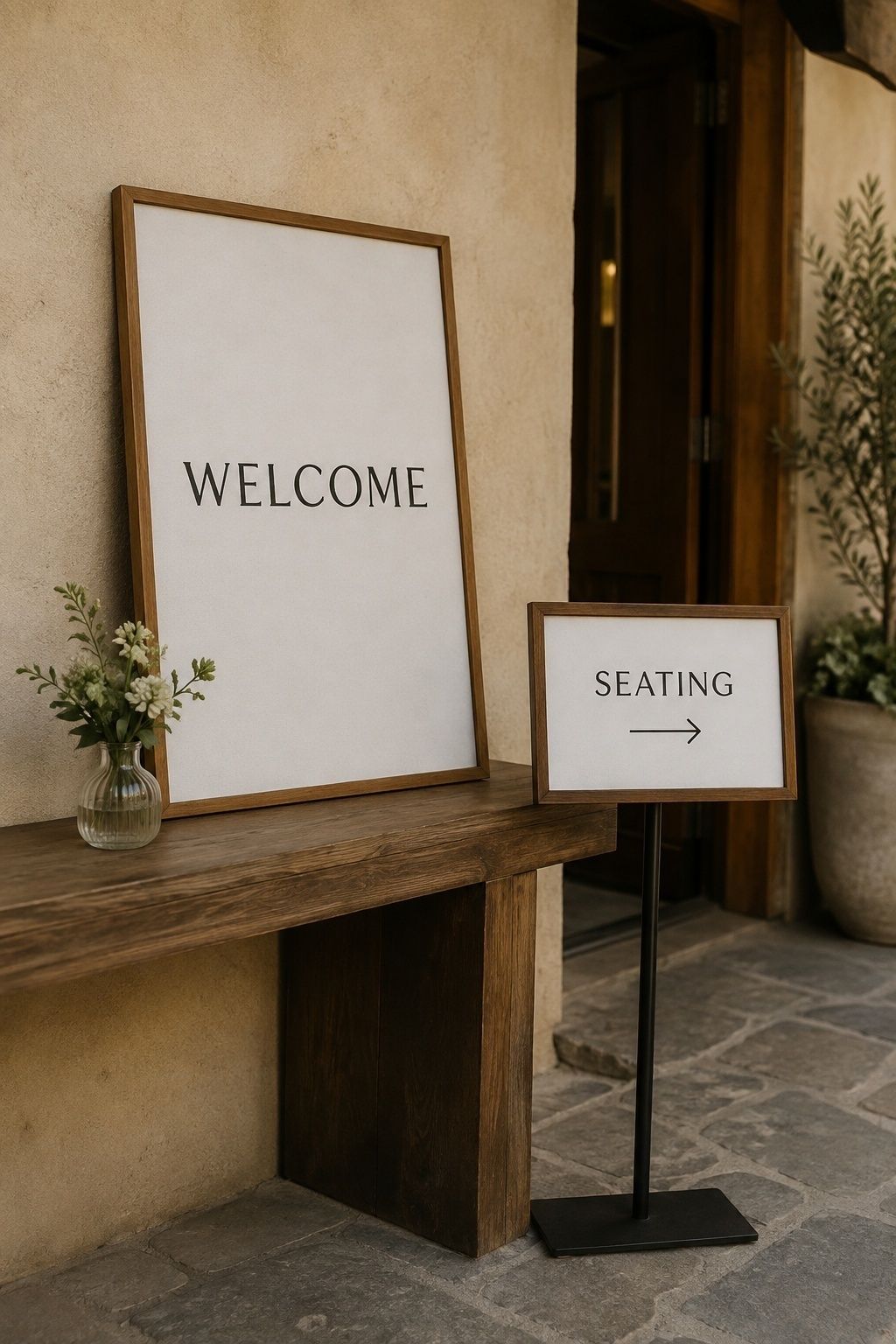
Signage is one of those categories where the trend outruns the need. Guests need to know where to go, where to sit, what is being served, and whether there are any important instructions. They do not need a sign for every joke, hashtag, bar ingredient, favor table, dessert name, and decorative corner.
Choose a few signs that reduce confusion. A welcome sign, seating chart, bar menu, or simple table labels are often enough. Keep the materials consistent and readable. If the design budget is tight, invest in better paper, clean typography, or one framed piece rather than many small signs that create visual noise.
Replace Multi-Event Pressure With One Well-Hosted Gathering
Modern wedding weekends quietly turn one intimate celebration into several invoices. Welcome drinks, rehearsal dinner, morning-after brunch, after-party, activity bags, and farewell gatherings are lovely when they fit the couple, the location, and the budget. They also exhaust guests and stretch the couple thin when they are added from pressure.
If the wedding is small, one well-hosted gathering often feels more complete than a weekend full of underfunded events. Put energy into the ceremony and meal. Offer clear travel information. If you want extra connection, choose one low-pressure touch: a casual coffee meet-up, a family-hosted dinner, or a simple welcome message. Hospitality does not have to become a schedule.
Replace Favors With Food, Comfort, Or Personal Thanks
Favors are easy to buy because they feel like gratitude in object form. But many guests would rather have enough food, easy transportation, a comfortable chair, a drink they enjoy, or a sincere thank-you. If favors fit your story, keep them small and useful. If they feel like one more trend line, skip them.
For an intimate wedding, a handwritten place-card message often feels more generous than a branded item guests leave behind. Late-night coffee, shawls for a cool garden ceremony, umbrellas, boxed cake slices, or a family recipe printed at each place setting work beautifully, too. The best replacement is not cheaper for the sake of cheapness; it is more connected to the people present.
Replace Photo-Only Decor With Atmosphere Guests Feel
Photo-only decor is designed for one angle. Atmosphere works from every seat. If a detail looks wonderful in a square image but makes the room crowded, blocks conversation, limits movement, or does not matter once the photo is taken, rethink it. A wedding should photograph beautifully because it feels alive, not because the room was built around a single shot.
Spend on things guests experience: flattering light, candles that warm the table, music that fits the room, linens that soften the setting, a drink station that prevents a bottleneck, or a ceremony layout where everyone hears clearly. These choices do not scream trend, but they make the wedding feel composed.
Use Calm Wording When People Ask Why You Skipped Something
You do not need a defensive speech for every skipped trend. Prepare a few calm sentences and repeat them as needed. “We are keeping the day simple and focused.” “That detail is beautiful, but it is not where we want to spend.” “We chose the version that fits our guest count.” “We would rather make dinner feel generous than add another display.”
The tone matters. If you sound unsure, people treat the decision as unfinished. If you sound peaceful, most people move on. Wedding budget boundaries are easier to respect when they are stated as part of the plan rather than a temporary obstacle waiting to be negotiated.
Stop Revisiting Decisions After They Are Made
One of the most expensive habits in wedding planning is reopening decisions. Every revisit invites comparison, new quotes, new accessories, rush fees, and second-guessing. Once you have made a thoughtful choice, write down why it works. Then give yourself permission to stop shopping.
This is especially important with skip wedding trends decisions. If you chose not to have a full floral ceiling, do not keep searching floral ceilings. If you chose a simple cake, stop collecting dramatic cake images. Your attention is part of the budget. Spend it where decisions are still open.
Track Every Trend Against The Budget
A trend should not enter the wedding as a vague maybe. Give it a line in the budget with a real estimate, tax, service, delivery, and labor if needed. Then mark what would have to move if the trend stayed. Would you reduce flowers elsewhere? Shorten coverage? Skip welcome drinks? Cut guest comfort? Use savings? Add debt?
This exercise makes how to avoid wedding overspending much less emotional. The trend becomes a tradeoff, not a fantasy. If the tradeoff feels good, keep it. If it quietly harms something more important, the answer is no. Couples often regret spending when they never saw the exchange clearly before signing.
Let A Small Wedding Look Selective Instead Of Incomplete
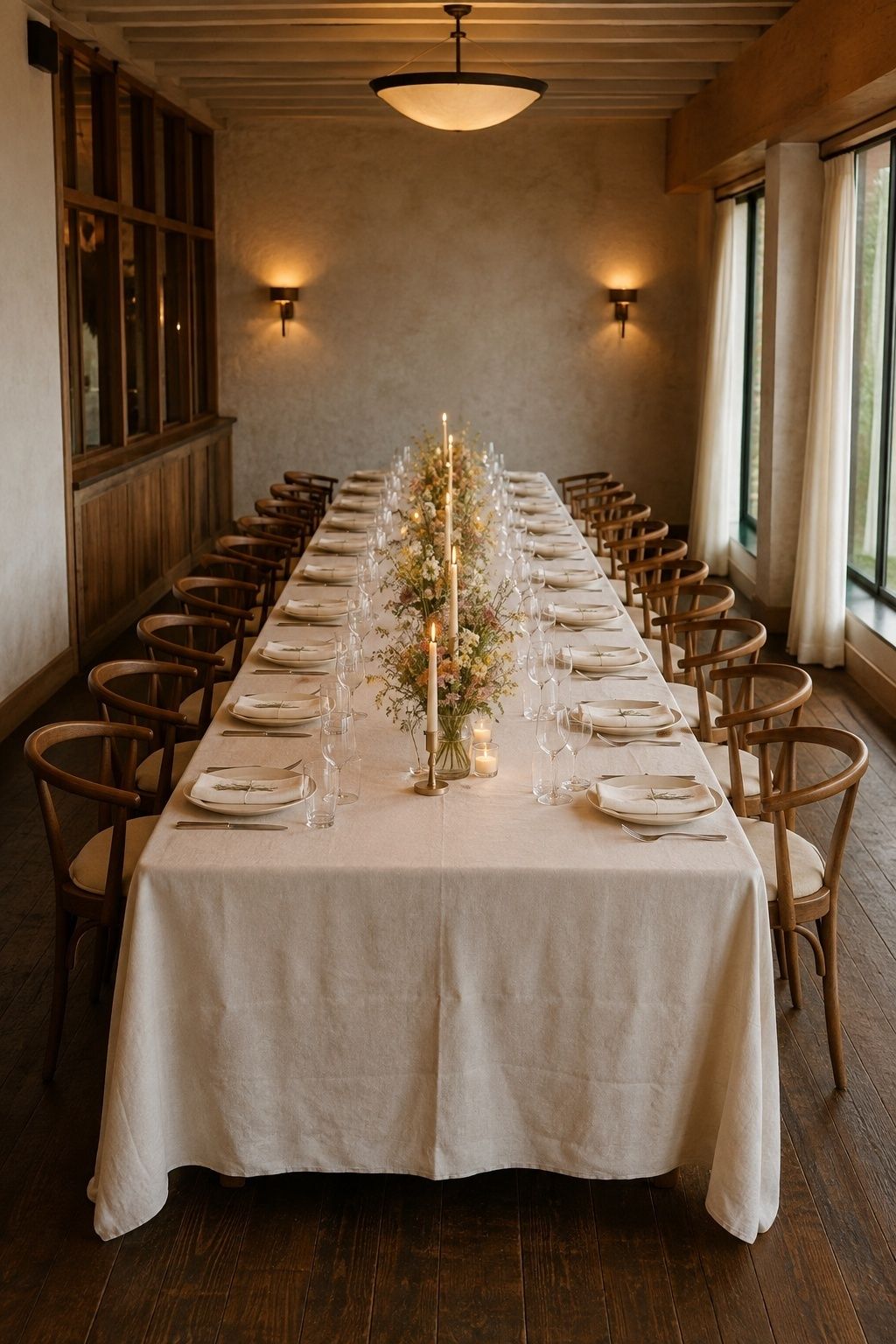
A small wedding does not need to imitate a large wedding at a smaller scale. It gets to be selective. It holds fewer tables, fewer speeches, fewer signs, fewer events, fewer florals, fewer formalities, and still feels deeply finished. The measure is not how many trend categories appear. The measure is whether the choices that do appear feel considered.
This mindset changes the emotional texture of planning. Instead of asking, “Will people notice what we skipped?” ask, “Will guests feel welcomed into what we chose?” A selective wedding has room for conversation, presence, and style that reflects the couple. That is different from a wedding that feels empty. It is a wedding with restraint.
How To Decide Which Expensive Wedding Trends To Skip
Use a simple five-question filter before approving any trend over a meaningful cost threshold. Does it support one of your top three priorities? Will guests experience it, or is it mostly for one photo? Does the full price include labor, delivery, tax, and setup? Would you still want it if no one posted it? What has to leave the budget if it stays?
If a trend passes those questions, it deserves a place. If it fails, decline it while the decision is still clean. Expensive wedding trends to skip are usually the ones that depend on comparison, not connection. They make the plan feel more impressive from a distance but less peaceful up close.
When the answer is no, replace the trend with a positive choice. Instead of “no champagne tower,” choose “a beautiful first toast at dinner.” Instead of “no floral ceiling,” choose “flowers where guests enter the ceremony.” Instead of “no welcome bags,” choose “clear travel details and snacks at the hotel.” This keeps the planning energy moving toward hospitality instead of loss.
What To Say When You Decline A Wedding Trend
The words you use make a no feel settled instead of sharp. For a vendor, keep the reply practical: “Thank you for pricing that option. We are going to stay with the simpler version because it fits the guest count and the budget better.” That sentence acknowledges the idea, names the reason, and closes the loop without criticizing the suggestion.
For family, use language that protects both the relationship and the decision. “We know that detail is meaningful in some weddings, and we have decided to focus ours on the ceremony and dinner.” Or, “We are keeping the celebration small, so we are choosing fewer traditions and giving the ones we keep more attention.” This kind of wording is gentle, but it does not ask for permission.
For friends who are excited about ideas from their own feeds, warmth helps. “That is beautiful, and I see why you love it. We are trying not to add more pieces right now.” Appreciate the inspiration without making it part of the wedding. Not every good idea needs to become your assignment.
For your own second-guessing, write a private decision reminder. Keep it as plain as, “We skipped the custom bar display because we wanted more room for dinner and photography.” Later, when another image makes you doubt yourself, the reminder shows that the decision was thoughtful. Wedding budget regrets often grow in the space where couples forget why they made earlier choices.
The best scripts are short because long explanations sound like openings for negotiation. If someone pushes, repeat the same sentence with calm consistency. “We are comfortable with the plan we chose.” “That is not where we are spending.” “We are keeping the day focused.” A boundary does not become more respectful because it has fifteen supporting reasons. It becomes more respectful when it is clear.
Decide which questions you will answer and which ones you will gently leave alone. People ask why there is no bridal party, no favors, no brunch, no champagne tower, or no dramatic floral moment. Answer once with warmth, then move the conversation back to what you are excited to share with them.
If the trend is connected to money from parents or relatives, separate gratitude from control. Try, “We are grateful for your help, and we want to be clear before anything is booked: we are not adding a larger guest list, extra events, or a second decor package.” Put the decision in writing after the conversation so everyone remembers the same version.
If you and your partner disagree, do not make the trend the enemy. Ask what each of you is trying to protect. One person protects money, and the other protects beauty, family approval, photos, or a feeling of once-in-a-lifetime celebration. Once the need is named, a smaller, cleaner choice usually appears: one floral moment instead of many, one outfit detail instead of a full change, one hosted gathering instead of a full weekend.
A good no should leave the wedding feeling lighter. It should remove a cost, reduce a decision, protect a priority, or make the room easier to host. If saying no only creates resentment, revisit the underlying need. If saying yes creates stress, debt, or a wedding that feels less like you, trust the boundary. The most useful wedding trends are the ones that fit into the life you are building, not just the image you are trying to capture.
FAQ
How Do You Say No To Expensive Wedding Trends?
Say no by naming what the money is already doing. Use simple wording like, “We are keeping the budget focused on the ceremony, dinner, and guest comfort.” Then stop explaining. How to say no to expensive wedding trends is easier when the decision is tied to a clear priority instead of framed as a lack.
Which Wedding Trends Are Not Worth The Money?
Wedding trends are not worth the money when they serve photos more than people, require hidden labor, create guest inconvenience, or replace something more meaningful in the budget. Common examples include excessive signage, overbuilt favors, large floral installs, multi-event extras, and any upgrade chosen only because other weddings online had it.
How Do You Avoid Wedding Trend Pressure From Social Media?
Limit inspiration once your main decisions are made. Keep images that clarify mood, color, or feeling, and delete images that only create panic. Before buying anything from a post, ask whether it fits your venue, guest count, budget, and priorities. Social media should help you see possibilities, not rewrite the wedding.
How Do You Tell Family You Are Skipping A Wedding Tradition?
Tell family with warmth and finality. Try, “We understand why that tradition matters, and we have chosen a simpler version that fits the wedding we are planning.” If family money is involved, clarify which decisions are already settled. Respectful wording works best when it does not invite a fresh debate.
Can A Wedding Feel Stylish Without Trendy Details?
Yes, a wedding can feel stylish without trendy details when the choices are cohesive, personal, and comfortable. Good lighting, thoughtful tables, clear stationery, flattering attire, a warm ceremony, and a generous meal often feel more polished than many viral extras. Style comes from intention, not the number of trends included.
What Should You Do When A Trend Does Not Fit Your Budget?
When a trend does not fit your budget, either scale it down or replace it with the feeling it was meant to create. Use one focal arrangement instead of a full floral install, a handwritten message instead of favors, or candles instead of heavy decor. If the smaller version still feels forced, skip it.
Final Thoughts
Saying no to expensive wedding trends is really a way to protect the wedding from becoming louder than the relationship at the center of it. You are allowed to want beauty. You are allowed to care about style. You are also allowed to decide that some beautiful ideas fit someone else’s celebration, not yours.
A small wedding gives you permission to be selective. Choose the details that carry meaning, comfort, and atmosphere. Price the full tradeoff before you say yes. Use calm language when other people question the choice. Then let the wedding feel finished because it is honest, hosted well, and full of the people who make the day matter.
Keep choosing details that protect your budget, guest comfort, and sense of ownership. A selective wedding can feel modern when the choices are personal enough to stand without every expensive trend.
Last update on 2026-10-03 / Affiliate links / Images from Amazon Product Advertising API