

Why are weddings so expensive? Because a wedding combines a private event, full food service, skilled labor, scarce peak dates, custom work, guest-count math, and emotional pressure in one day. The most useful budget move is to separate costs that grow with every guest from fixed costs and optional pressure spending, then cut with intention instead of panic.
If the first round of quotes made your stomach drop, you are not unusually bad at planning. Wedding prices feel shocking because most couples have never bought a full-day private event before. A restaurant dinner, birthday party, or family holiday does not usually include a ceremony setup, reception floor plan, staffed bar, rentals, timeline management, formal photography, flowers, music, cleanup, contracts, insurance, and backup decisions.
The uncomfortable part is that some wedding costs are real structural costs, while others are traditions, upgrades, comparison habits, and family expectations dressed up as requirements. Once you know which is which, the budget becomes less mysterious. You start seeing the levers that actually lower the bill: fewer guests, simpler service, flexible dates, clearer priorities, and a firm line around details that only add pressure.
Recommended Wedding Products


You Might Also Like These Blog Posts
- Wedding Budget Mistakes That Make Small Weddings Feel Expensive
- What Gen Z Is Really Spending On Weddings And What Actually Feels Worth It
- How To Cut A Wedding Guest List To Save Money And Stay Kind
- How To Say No To Expensive Wedding Trends Without Feeling Behind
- How Much Should A Small Wedding Cost Without Feeling Like Too Much
- How To Make A Cheap Wedding Feel Expensive Without Pretending
Why Are Weddings So Expensive?
The honest answer is not that every couple is choosing wildly or every vendor is adding mystery charges. Weddings cost so much because they stack many expensive systems together: space, food, staffing, production, beauty, clothing, paperwork, transportation, music, photography, decor, weather backup, and family hosting. The bill looks emotional, but much of the math is operational.
Still, you are not powerless inside that math. A wedding budget breakdown becomes clearer when every line falls into one of four buckets: guest-count based, fixed, optional, or emotional-pressure spending. Guest-count costs grow with each person. Fixed costs stay fairly steady whether you invite 20 guests or 120. Optional costs are beautiful when they fit and easy to release when they do not. Emotional-pressure costs are the purchases made to satisfy comparison, guilt, or fear.
That framework also keeps the planning conversation from becoming personal too quickly. When a quote feels high, the first question is not whether you have failed or whether the vendor is unreasonable. The first question is what the quote is carrying. Is it food and staff for every guest? A calendar minimum? A specialized skill? A custom design? An optional upgrade? A family expectation? Once the cost has a role, you have a calmer way to respond.
A Wedding Is A Private Event, Not A Normal Dinner Reservation
A normal dinner reservation uses an existing room, menu, staff rhythm, kitchen system, table setup, and closing routine. A wedding asks for a private version of all of that, then adds ceremony timing, music cues, guest arrival, family seating, photography moments, speeches, cake service, decor setup, vendor access, cleanup, and someone responsible when the timeline shifts.
That is why even a simple wedding dinner costs more than a nice meal out. You are not only paying for plates of food. You are paying for a hosted environment where 40, 80, or 150 people arrive at the same time, need service at the same time, and expect the day to move gracefully.
The private-event piece also adds responsibility. Someone has to decide when vendors enter, where supplies go, how guests find seats, what happens if dinner runs late, where coats and gifts land, when speeches begin, who clears glassware, and how the room resets for dancing. Those details are quiet when they are handled well, but they still require time, staffing, and coordination.
Guest Count Multiplies More Than Food
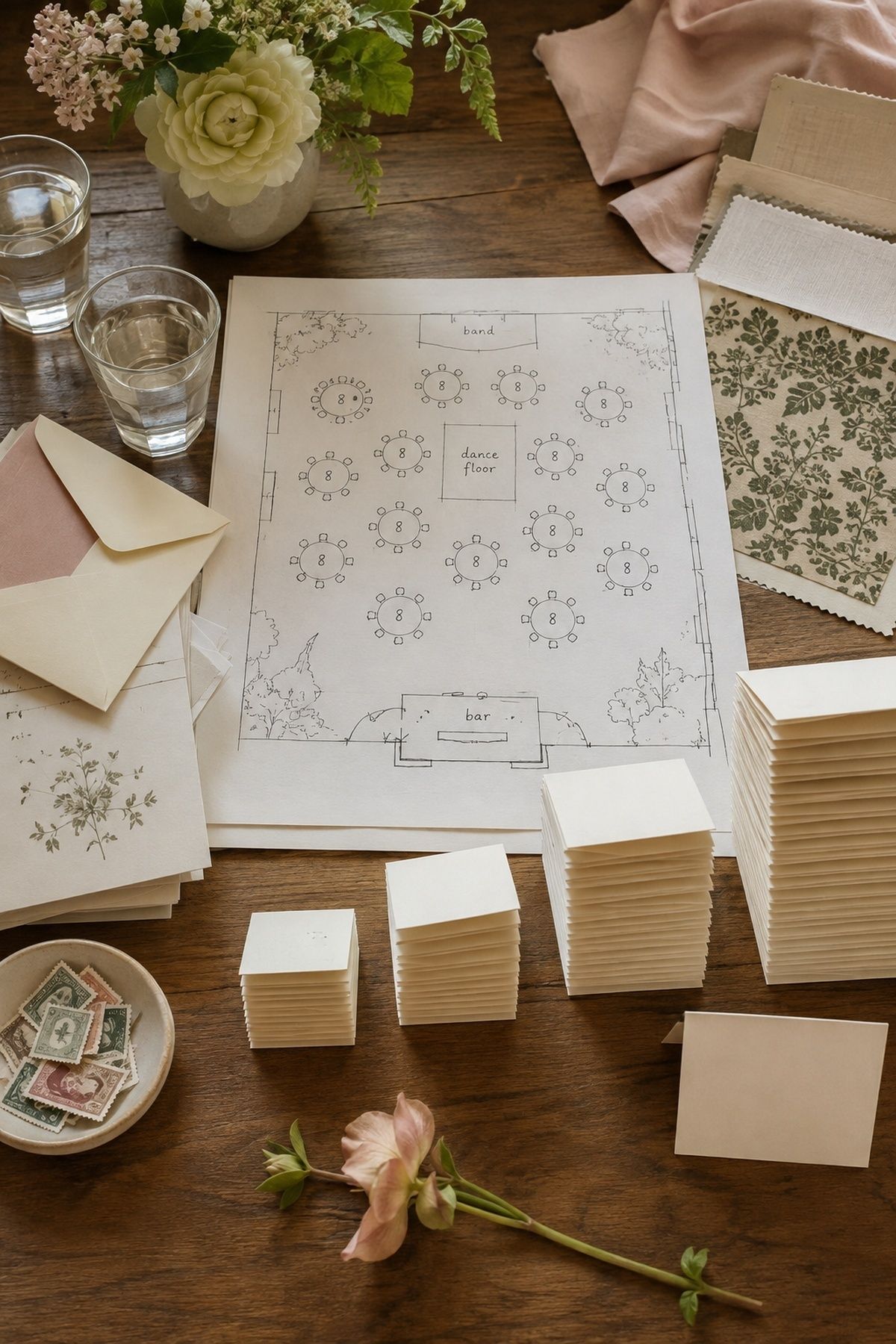
Guest count is the fastest-moving cost lever because each added person touches more than the meal. One additional invitation affects appetizers, dinner, dessert, bar service, chairs, linens, place settings, favors, stationery, shuttle needs, restroom demand, ceremony seating, waitstaff, and sometimes the size of the room itself.
This is where wedding guest count cost gets sneaky. A couple often thinks, “It is only ten more people,” but those ten people arrive as ten dinners, ten bar estimates, ten seats, ten napkins, ten place cards, and possibly another table, another server, or a larger venue tier. Cutting decor rarely changes the budget as quickly as refining the list.
Guest count also changes the emotional shape of the day. A 34-person dinner asks for one kind of hosting: personal conversation, simple seating, a smaller room, and fewer transitions. A 134-person reception asks for crowd movement, more bathrooms, a stronger sound plan, vendor meals, multiple table groupings, and a timeline that keeps many people comfortable at once. Both are real weddings. They are simply different events to produce.
Venue And Catering Usually Carry The Heaviest Load
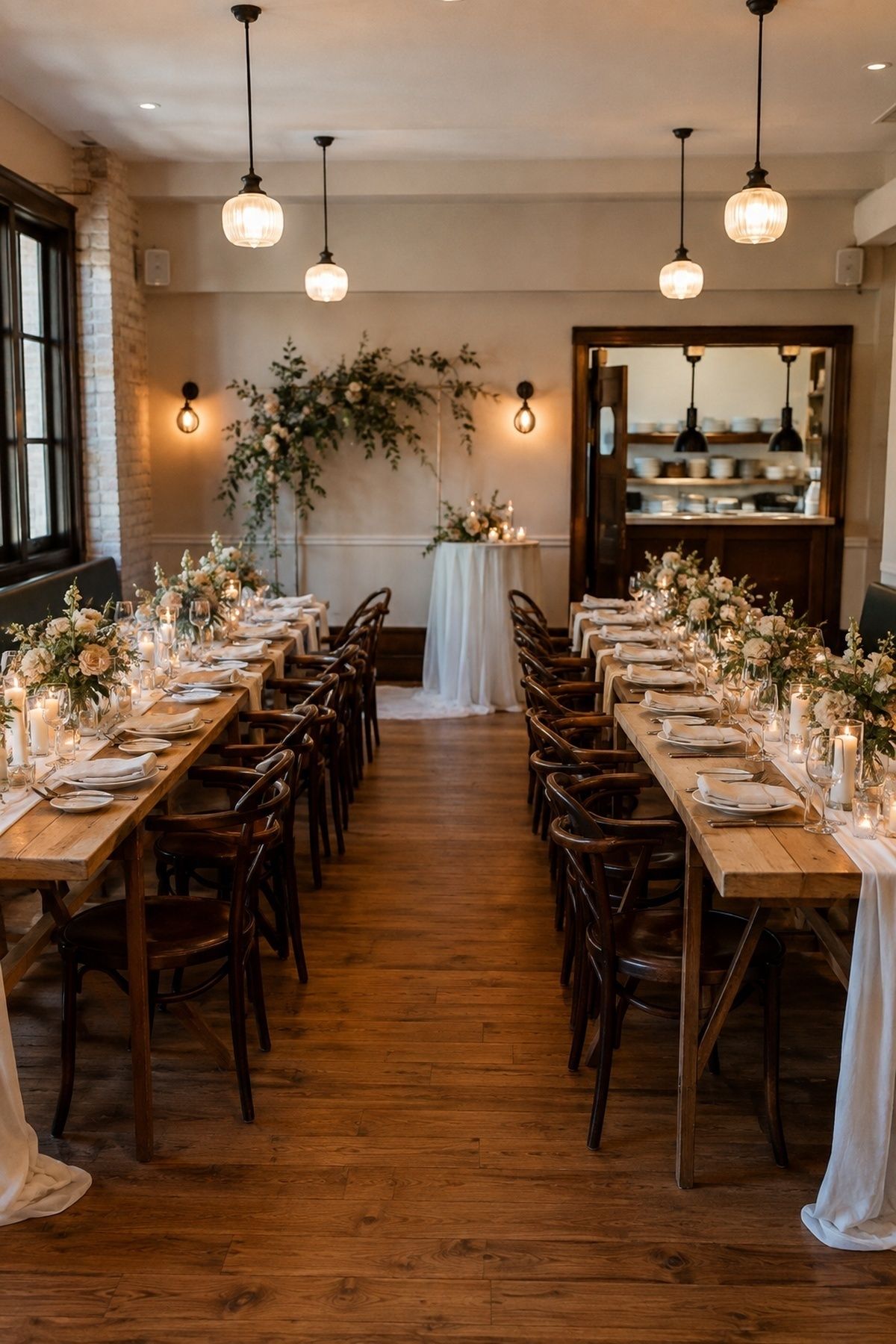
Wedding venue costs and wedding catering costs often shape the entire budget because they hold the core event: the space, meal, drinks, staffing, tables, service flow, kitchen access, setup windows, cleanup rules, and contract minimums. A venue fee that looks low at first glance still has room for rentals, security, bar staffing, insurance, ceremony fees, and outside catering charges.
Look at venue and food together, not as separate fantasies. A pricier-looking venue that includes tables, chairs, linens, dishes, staff, bathrooms, parking, rain backup, and basic coordination often beats a blank space that needs every item brought in. The cheapest room is not always the cheapest wedding.
Ask each venue for the real scope before comparing numbers. A useful estimate includes rental time, ceremony fee, reception fee, food and beverage minimum, bar rules, service charge, taxes, staffing, required rentals, cleanup, parking, security, overtime, and outside-vendor fees. Two venues with the same starting price often finish far apart once the required pieces are visible.
Wedding Labor Is Concentrated Into One High-Stakes Day
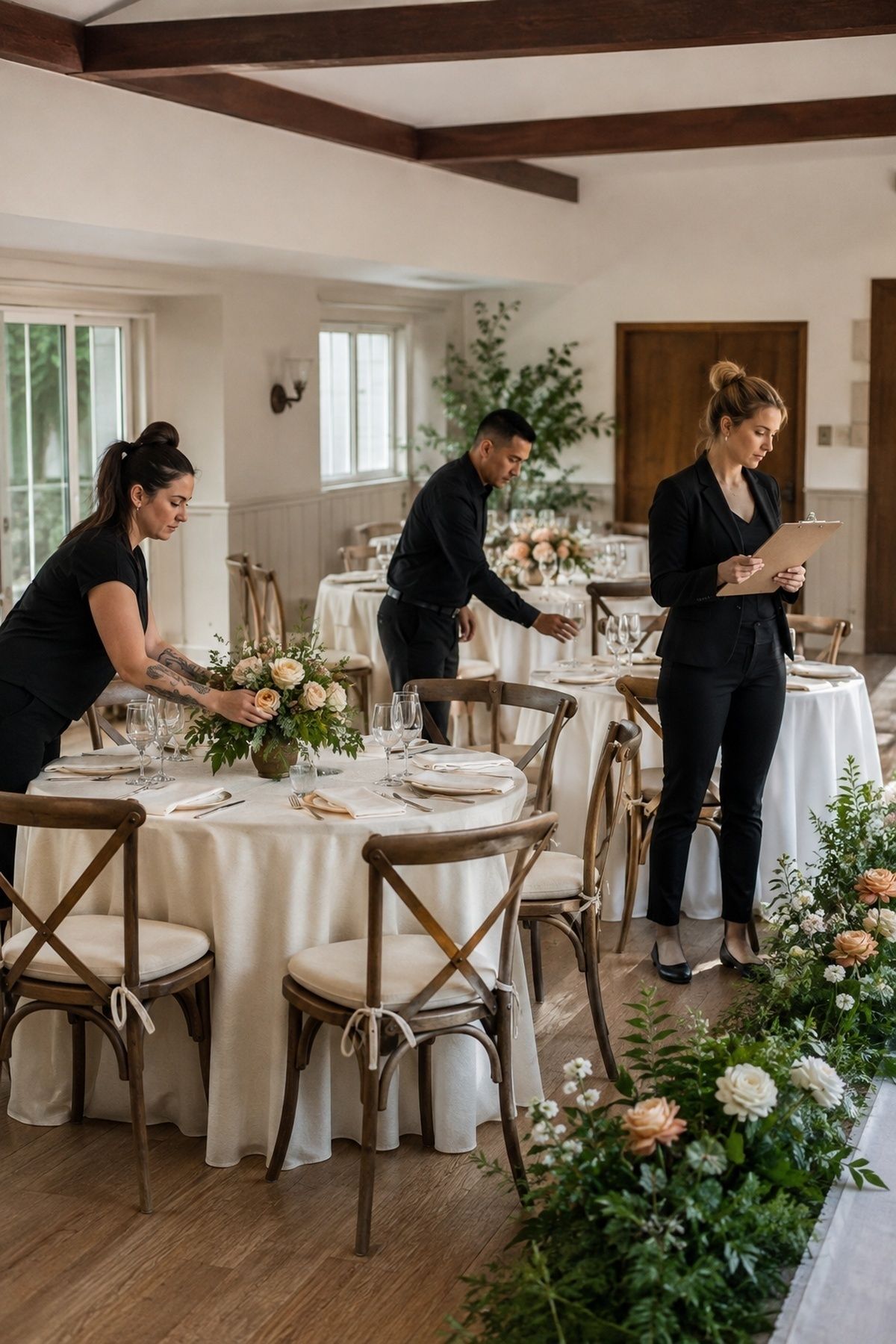
Wedding labor costs feel invisible until you list the people behind the day: servers, bartenders, cooks, planners, coordinators, florists, delivery teams, rental crews, drivers, cleaners, DJs, assistants, photo teams, beauty artists, musicians, tailors, and venue staff. Many of them also work before the wedding through proposals, timelines, design revisions, ordering, packing, scheduling, and email.
The work is concentrated and unforgiving. A florist has one delivery window. A photographer has one chance at the vows. A catering team has one dinner service. A coordinator has one live timeline. That pressure is part of the price, and it explains why a short event still carries a serious professional cost.
Respecting labor also helps you cut better. Instead of asking skilled people to do the same work for less, reduce the scope. Choose fewer floral locations. Shorten photo coverage. Use a smaller menu. Reduce the number of rentals. Simplify the floor plan. A leaner scope protects the vendor relationship and keeps the wedding more realistic.
Peak Saturdays Create Scarcity Pricing
Popular Saturdays in beautiful seasons are limited. Vendors and venues do not have endless prime dates, so the dates everyone wants tend to cost more or book faster. That scarcity is one reason average wedding cost 2026 conversations keep circling back to timing, demand, and flexibility.
A Friday dinner, Sunday brunch, weekday ceremony, winter date, morning wedding, or shorter restaurant reception often changes the quote conversation. It also narrows the event into something more intentional. If the date matters less than the people around the table, flexibility becomes one of the most elegant budget tools you have.
Flexibility works best when it is attached to a clear priority. If your priority is a specific photographer, choose the date around their availability. If your priority is a garden venue, look at shoulder season or brunch. If your priority is family travel, keep the date convenient and simplify other pieces. Budget relief rarely comes from being flexible about everything; it comes from knowing where flexibility is least painful.
Custom Work Takes More Time Than Couples Expect
Custom wedding work looks like romance from the outside, but it is time from the vendor side. Floral recipes, tailored menus, custom stationery, signage, seating displays, altered dresses, specialty desserts, photo shot lists, floor plans, and ceremony programs all require decisions, revisions, ordering, making, transporting, and setting in place.
That does not mean custom details are wasteful. It means they deserve a place only when they carry real meaning or create guest comfort. A handwritten menu for a 22-person dinner feels personal and worth it when the meal matters to you. A dozen custom signs for a venue guests already understand are often budget noise.
A good custom-detail test is whether the detail solves something or says something. Solves something means it helps guests move, eat, sit, hear, dress, or understand timing. Says something means it reflects your relationship in a way a generic rental would not. If the detail does neither, it is probably just filling visual space.
Inflation And Materials Still Affect Wedding Categories
Wedding inflation 2026 is not a single line item. It shows up through food prices, imported flowers, paper, fabric, apparel, fuel, delivery, wages, shipping, glassware, candles, and replacement costs for small businesses. A bouquet, dinner plate, rental truck, or altered suit still has to move through the same wider economy as everything else.
This is worth naming without letting it swallow the whole conversation. You do not need an economics lecture to plan a wedding. You do need to understand that many categories have become more expensive before the word “wedding” ever enters the quote.
The practical response is to ask where substitutions are possible. Seasonal flowers, local menu ingredients, digital RSVPs, simpler paper goods, fewer deliveries, reused ceremony florals, and rentals already owned by the venue all soften material pressure. None of those choices require the wedding to feel bare. They simply keep the design closer to what is available and efficient.
Service Fees, Taxes, Tips, And Overtime Add Up Late

Hidden wedding costs make the final number feel different from the first number. Service charges, taxes, gratuities, delivery, setup, breakdown, coat check, security, cake cutting, corkage, valet, vendor meals, extra hours, cleanup, damage deposits, and overtime change the budget after the pretty proposal page has already made the wedding feel possible.
Ask for the out-the-door estimate before you fall in love with a base price. The best question is simple: “What additional charges should we expect if our guest count, timeline, or setup stays exactly like this?” A clear vendor will not be offended by a clear budget question.
Then build a buffer before choosing upgrades. A budget with no room for tips, taxes, late transportation, weather backup, postage, alterations, and final-week errands is not really balanced. It is just waiting to surprise you. A modest cushion feels less exciting than extra decor, but it protects the couple from turning every final invoice into a crisis.
Photography And Video Are Often Fixed-Cost Investments
Photography and video do not shrink in perfect proportion to guest count. A 30-person wedding still has getting-ready moments, ceremony coverage, portraits, dinner details, speeches, first dances, family photos, editing, backups, insurance, equipment, software, travel, and delivery. The guest list is smaller, but the professional day is still substantial.
This is why small weddings sometimes surprise couples. They save on meals and rentals, but a photographer’s talent, preparation, shooting time, editing time, and archive care remain valuable. Instead of assuming this category should drop sharply, decide what coverage matters most and choose hours accordingly.
For an intimate wedding, that often means skipping all-day coverage and protecting the emotional arc: final getting-ready moments, ceremony, family portraits, couple portraits, dinner details, speeches, and a little celebration. Shorter, thoughtfully timed coverage often respects the budget better than asking a full-day creative team to compress a full-day workload unrealistically.
Family Expectations Expand The Wedding Quietly
Family pressure rarely arrives as one huge budget demand. It arrives as “just invite them,” “we should host a brunch,” “your aunt expects a shuttle,” “we need a bigger room,” “that tradition matters,” or “people will talk.” Each request sounds small in isolation. Together, they turn a focused wedding into a larger hosting project.
Money conversations should happen early and specifically. If family contributes, ask whether the money is a gift, a loan, or connected to guest-list expectations. If the contribution brings obligations that change the wedding completely, the couple deserves to know that before deposits are signed.
It also helps to separate gratitude from automatic agreement. You are allowed to appreciate support and still protect the wedding size, tone, and budget. A simple boundary sounds like, “We are grateful, and we are keeping the guest list to the people we are able to host well.” Clear language saves money because it prevents the list from expanding one exception at a time.
Social Media Makes Optional Details Feel Required
Online inspiration has a way of turning extras into emotional homework. A champagne tower, second outfit, content creator, dramatic reveal, custom dance floor, flower meadow, welcome box, audio guest book, and oversized seating chart all look charming in isolation. The problem begins when every saved idea starts acting like proof that the wedding is not enough yet.
Choose your visual priorities before scrolling too deeply. If great photos matter, invest in light, timing, and a photographer you trust. If guest intimacy matters, spend on dinner flow, sound, comfort, and enough time together. Inspiration should sharpen the wedding, not inflate it.
One useful rule is to choose one visual moment and let the rest support it quietly. That moment could be the ceremony backdrop, dinner table, cake display, dress, flowers, or dance floor. When every corner tries to be the moment, the budget scatters. When one piece carries the visual drama, the wedding feels more edited and the spending becomes easier to defend.
Last-Minute Decisions Usually Cost More
Last-minute wedding choices often cost more because the flexible options are gone. Rush shipping, emergency rentals, overtime, extra labor, limited vendor availability, late alterations, and expedited printing all punish delay. Waiting also weakens your ability to compare calmly.
This does not mean every decision needs to happen at once. It means the high-impact decisions need a deadline: guest count, venue, food, photo coverage, ceremony plan, attire, transportation, and weather backup. Once those are steady, the smaller details have less power to turn into expensive emergencies.
If you are planning quickly, choose a weekly decision rhythm. Put one night aside for money, one for vendor replies, and one for personal details. Keep a single shared list of deposits, due dates, contract questions, and open choices. Rushed planning gets more expensive when decisions scatter across texts, tabs, and memory.
Where Small Weddings Actually Save Money
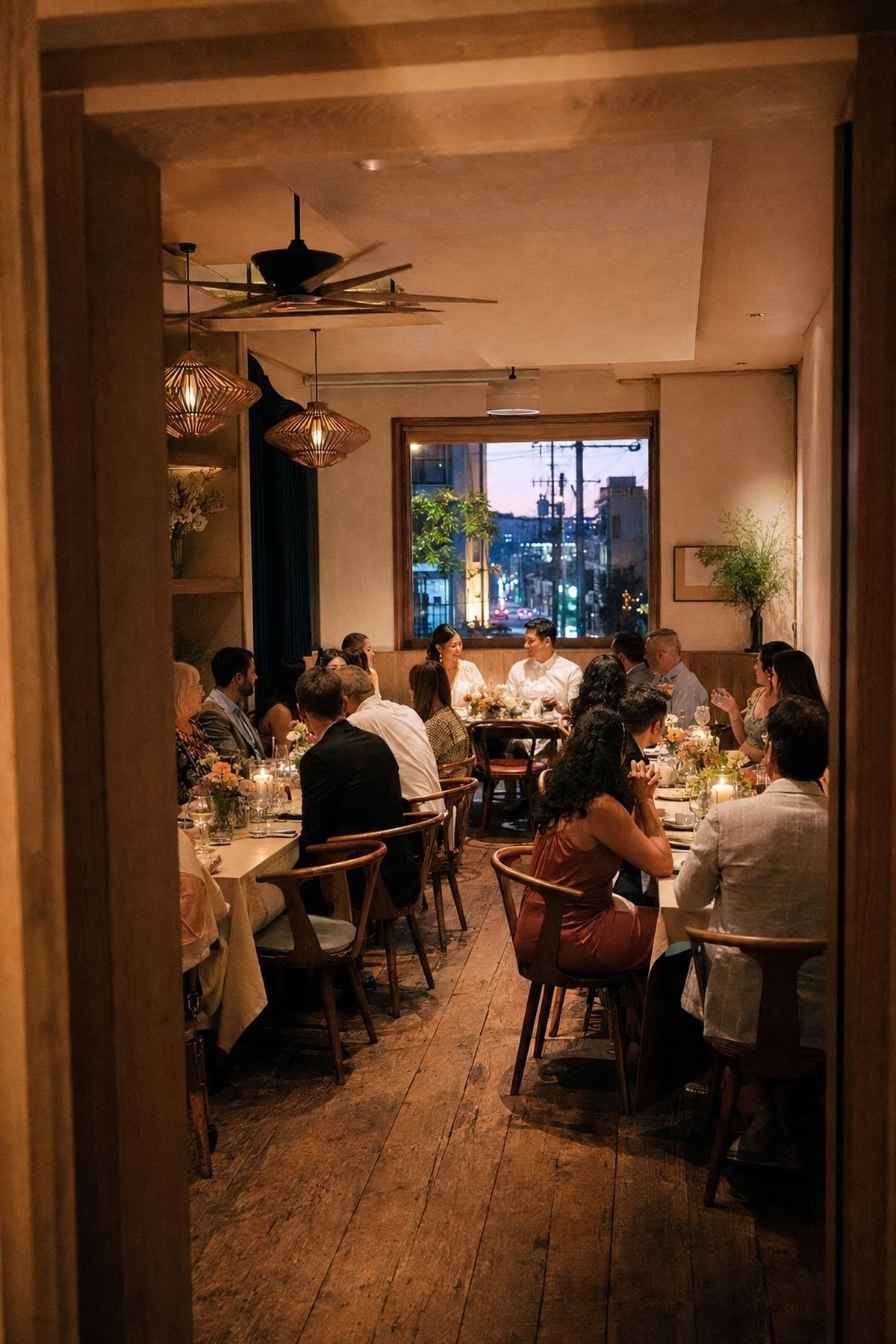
Small wedding cost savings are most obvious in the places tied to guest count. Fewer guests usually means fewer meals, fewer bar servings, fewer chairs, fewer tables, fewer linens, fewer invitations, fewer favors, fewer programs, fewer shuttles, and a smaller room. It also gives you more freedom to choose a restaurant private room, courthouse-plus-dinner plan, backyard reception, brunch, weekday ceremony, or intimate venue that would not work for a crowd.
The savings are not only financial. Smaller weddings reduce decision clutter. With 28 guests, you spend less time managing seating politics, table counts, transportation waves, rental quantities, and family branches you barely know. The celebration becomes easier to host well, and that often makes it feel more generous rather than less complete.
The key is to keep the smaller format honest. If you cut the guest list from 120 to 40 and then add luxury rentals, elaborate florals, custom welcome gifts, a full weekend schedule, and multiple outfits, the savings will fade. A small wedding saves best when the whole event format gets simpler with the guest list.
A courthouse ceremony followed by dinner, for example, saves because it reduces room time, setup, rentals, and ceremony production. A restaurant private room saves because tables, chairs, dishes, food, drinks, staff, bathrooms, and cleanup already exist in one place. A backyard reception saves only when the home setting does not require tenting, flooring, bathrooms, generators, heavy rentals, parking fixes, and a large cleanup crew.
Where Small Weddings Still Cost Real Money
A smaller wedding still needs a real budget because some costs stay fairly fixed. Photography, attire, beauty, rings, officiant, marriage license, transportation, planning help, vendor travel, music, minimum spends, and deposits do not disappear just because the room is intimate. A florist still orders, designs, transports, and installs. A photographer still edits. A coordinator still manages a live day.
Minimums deserve special attention. A venue, caterer, florist, or rental company often requires a base spend that makes sense for their staffing and calendar, even if your guest count is low. This is not automatically unfair. It simply means the vendor is pricing the resources required to take the date and execute the work.
Plan for fixed costs first, then let the guest-count savings do their work. If photos, food, and an intimate room matter most, protect them. If a category does not change how the day feels or how guests are cared for, it becomes a natural place to simplify.
For a smaller wedding, the best question is not “Why is this still expensive?” The better question is “Which parts of this cost stay the same at our size, and which parts should shrink?” That question gives you a fair way to evaluate quotes without assuming every category should fall evenly.
A Simple Way To Decide What To Cut First
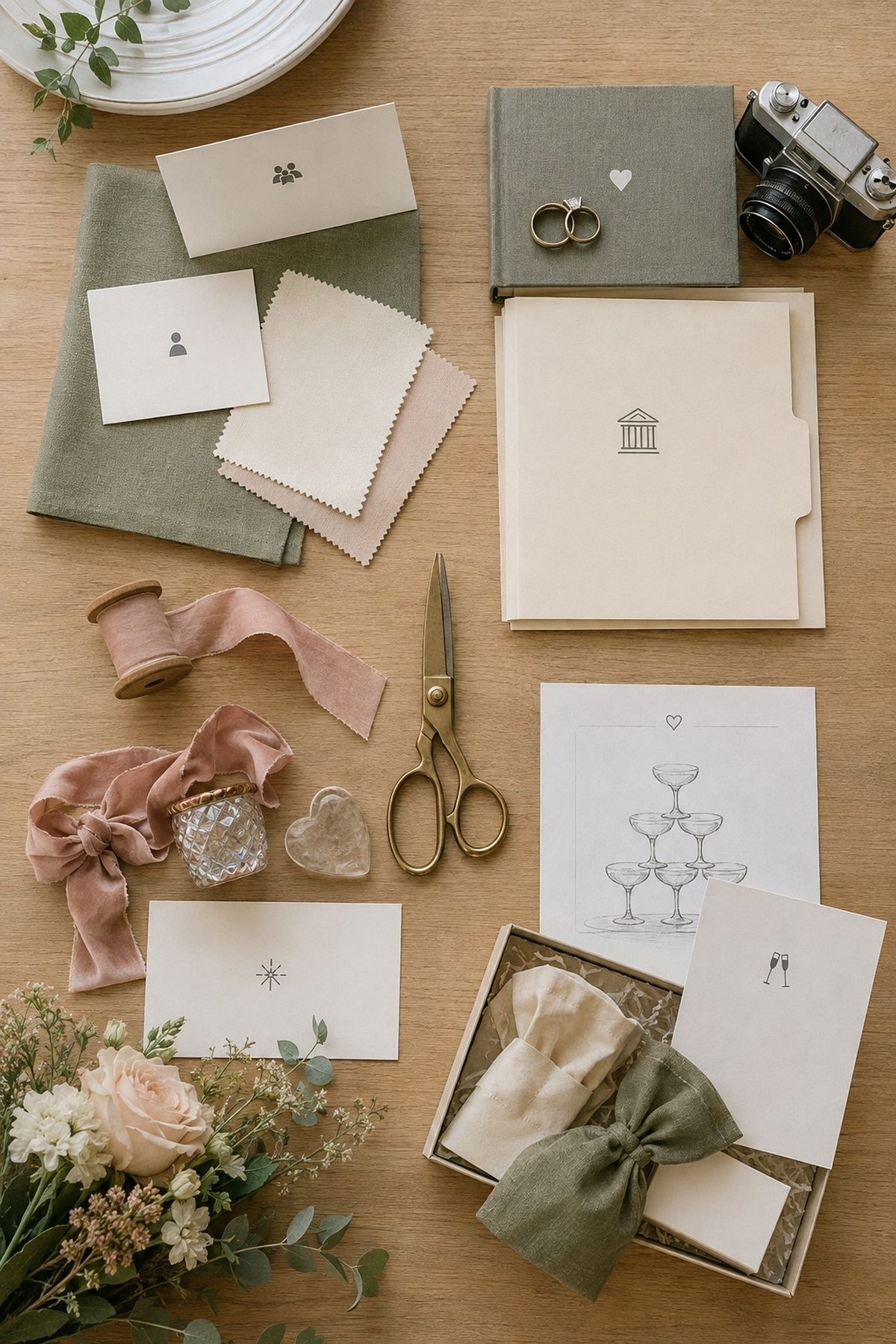
When the budget feels swollen, do not start by cutting the details you actually care about. Sort every expense into four labels: guest-count based, fixed, optional, and emotional pressure. Guest-count based costs include meals, bar, rentals, stationery, transportation, and favors. Fixed costs include photo coverage, attire, officiant, license, beauty minimums, and many vendor retainers. Optional costs include upgrades that are lovely but not essential. Emotional-pressure costs are the ones you would drop instantly if nobody had an opinion.
Cut optional and pressure spending first. Then look at guest count, date, format, and service style. A shorter reception, brunch meal, private dining room, limited bar, smaller wedding party, digital RSVP system, fewer printed pieces, borrowed accessories, or simpler floral plan changes the budget without hollowing out the meaning of the day.
Be careful with cuts that make the wedding harder to experience. Guest comfort, accessible seating, weather backup, sound, enough food, and basic coordination protect everyone in the room. Spending less should make the wedding clearer, not more chaotic.
If two people disagree about a cut, bring the conversation back to the day after the wedding. Which choice will you still feel grateful for when the room is empty, the photos are backed up, and the bills are real? That question has a way of quieting both guilt spending and thrill spending. It leaves the budget attached to memory, comfort, and the marriage that begins after the party.
FAQ
Why Are Weddings So Expensive?
Weddings are expensive because they combine a private venue, food service, skilled labor, timing, rentals, decor, photo coverage, guest hosting, and emotional expectations. Start by separating fixed costs from guest-count costs. That makes the budget easier to understand and shows where a smaller guest list or simpler format changes the total fastest.
What Is The Most Expensive Part Of A Wedding?
Venue and catering usually carry the heaviest load because they include space, food, drinks, staffing, service, setup, cleanup, rentals, and minimums. Before booking, ask for the full estimated total with taxes, service fees, gratuities, overtime, and required add-ons. The base rental fee rarely tells the whole budget story.
Why Does Guest Count Affect Wedding Cost So Much?
Guest count affects wedding cost because each person adds more than dinner. Guests also affect bar estimates, tables, chairs, linens, place settings, invitations, favors, staffing, transportation, cake, and sometimes venue size. If the budget feels too high, guest count is often the strongest lever before cutting meaningful fixed costs.
Are Wedding Vendors Overcharging?
Some quotes will be wrong for your budget, but high pricing does not automatically mean overcharging. Wedding vendors often price labor, insurance, equipment, prep time, setup, cleanup, editing, admin, and the risk of one high-stakes day. Ask clear questions, compare full scopes, and choose vendors whose work and communication fit your priorities.
How Can You Make A Wedding Less Expensive?
You make a wedding less expensive by reducing guest count, choosing a flexible date, simplifying food and bar service, limiting custom details, avoiding rush decisions, and cutting optional pressure spending first. Protect the pieces that shape guest comfort and memory, then release details that mainly exist to satisfy comparison or obligation.
Do Small Weddings Actually Save Money?
Small weddings usually save money when the format stays simpler too. Fewer guests reduce meals, drinks, rentals, stationery, favors, transportation, and room size. Fixed costs such as photography, attire, officiant, license, beauty, and vendor minimums still need planning, so the strongest savings come from pairing a smaller list with a simpler event style.
Final Thoughts
Expensive does not always mean wasteful. A wedding is a real event with real labor, materials, logistics, and care behind it. The stress begins when the spending is unexplained, inherited, or stretched across details that do not support the day you actually want.
If you came here wondering why are weddings so expensive, let the answer give you power instead of dread. Keep the costs that protect your people, your vows, your comfort, and your memories. Question the costs that grow from guilt, comparison, and automatic tradition. A smaller, clearer wedding still feels generous, personal, and financially sane, especially when wider cost pressure is showing up in wedding-related spending.
Last update on 2026-10-03 / Affiliate links / Images from Amazon Product Advertising API