

Wedding seating chart mistakes make dinner feel awkward when guests struggle to find seats, fit comfortably, or sit with people who make the evening easier. Start the chart before the final week, proof every name, and treat each table as part of the guest experience.
A seating chart looks like a late-stage admin task until it starts holding every delicate part of the reception: family history, mobility needs, table capacity, meal service, plus-ones, solo guests, and the simple hope that everyone feels expected.
The best seating plans do not announce themselves. They quietly move guests through cocktail hour, soften tense dynamics, keep dinner service clear, and let the room feel hosted instead of managed. That is why avoiding wedding seating chart mistakes matters so much for a smaller or more intimate celebration.
Recommended Wedding Products


You Might Also Like These Blog Posts
- Wedding Registry Mistakes That Make Gift-Giving Awkward
- Unplugged Ceremony Mistakes That Make The Phone Request Feel Awkward
- Wedding Speech Mistakes That Make the Room Go Quiet
- Wedding Guest List Mistakes That Make the Room Feel Wrong
- December Wedding Colors for a Festive Wedding, Not a Holiday Seating Chart
- How To Seat Divorced Parents At A Small Wedding Without Making Chairs Feel Loaded
Wedding Seating Chart Mistakes That Quietly Shape The Dinner
A reception table is never just a table. It decides who relaxes first, who has to make conversation across a gap, who reaches the buffet easily, who hears the speeches, and who spends dinner wondering why they were placed there. The most common wedding seating mistakes happen when couples treat the chart as a puzzle of names instead of a plan for comfort, flow, and emotional ease.
This does not mean every choice needs to be formal or perfect. It means the chart deserves the same care as the menu, music, and ceremony timing. Guests remember whether they felt included, whether they knew where to go, and whether the room seemed to understand who they were to you.
Waiting Until The Final Week To Start Table Groups
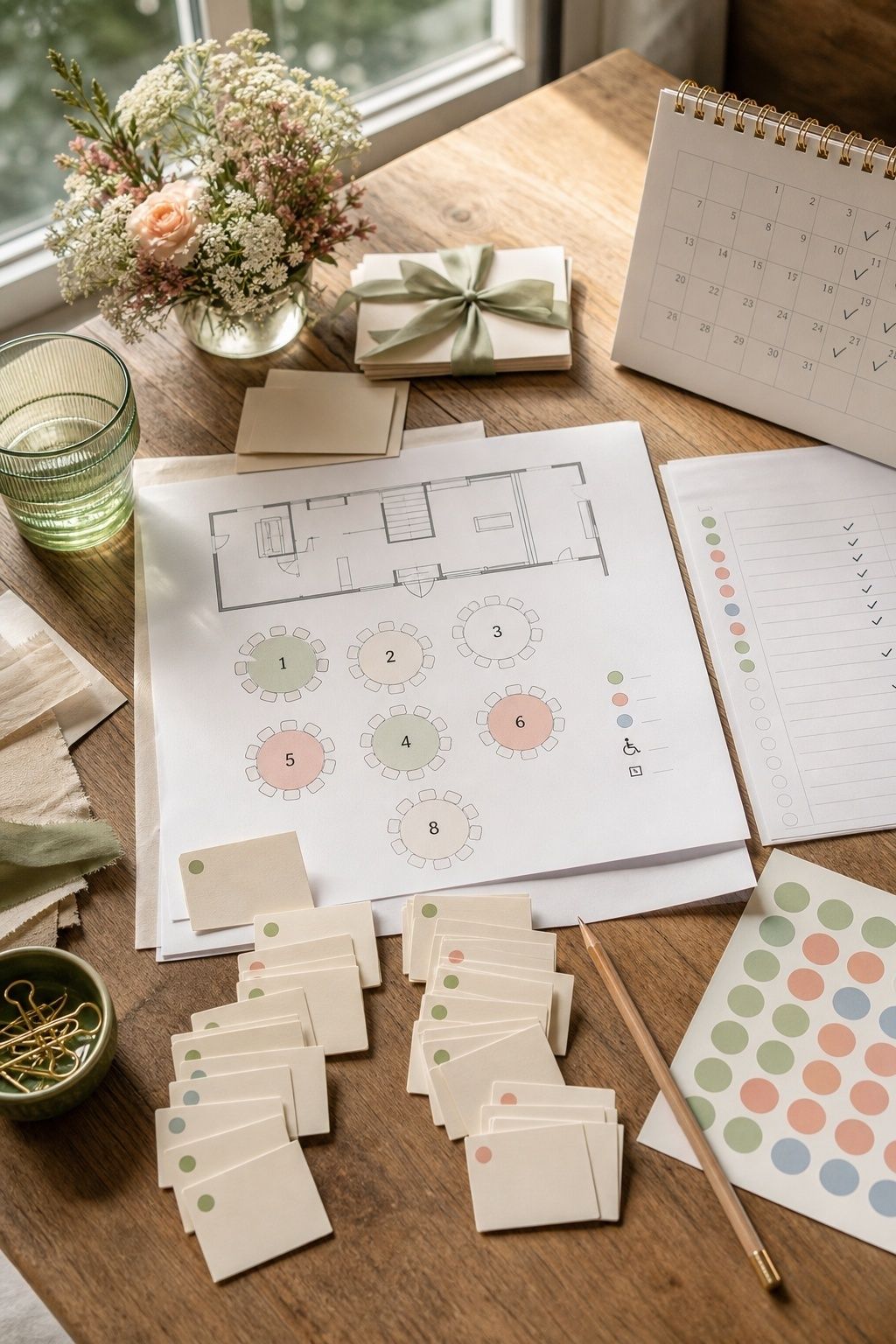
The final week already carries outfit pickups, vendor confirmations, family arrivals, weather decisions, and the small emotional swell of realizing the wedding is actually here. If table groups begin then, every name feels urgent and every family detail feels larger than it is.
Start a rough version as RSVPs arrive. Mark households, meal choices, mobility needs, children, relatives who need space, guests who will know almost no one, and anyone who should be close to an exit, restroom, or quiet area. The chart will change, but the thinking will be done before pressure narrows your patience.
Build the first pass by relationships, then check the room. A small wedding has fewer hiding places for a strained table, so the early draft gives you time to notice where the room feels warm and where it feels forced.
Choosing Open Seating When Dinner Needs Structure
Open seating is not automatically an open seating wedding mistake. It may work for a casual cocktail reception, a family-style backyard meal, or a very small group where every guest already understands the room. The trouble starts when guests arrive hungry, dressed up, and unsure whether they are saving seats, splitting couples, or joining a table that looks full.
Assigned tables are often the kinder middle ground. Guests still choose their exact chair, but they know where to land. That small cue prevents the awkward drift that happens when older relatives, solo friends, or guests who are less socially assertive have to negotiate the room for themselves.
If dinner is plated, tables are limited, family dynamics are layered, or the guest count is above a true dinner-party size, give the reception some structure. Clarity feels more generous than pretending everyone will sort it out gracefully.
Assigning Seats When Assigned Tables Would Be Enough
The opposite problem also happens. A couple assigns every chair when the reception only needs table assignments. That level of control may create more stress than ease, especially if guests naturally shift for children, hearing needs, conversation, or a late-arriving relative.
Ask what the meal truly requires. Plated dinners with meal indicators may need assigned seats, especially if servers deliver entrees directly. Buffet, family-style, or station meals usually need assigned tables more than exact chairs. The goal is not control for its own sake; it is a dinner that begins without confusion.
This distinction also keeps wedding table assignment mistakes from becoming emotional. You may need Aunt Maria and Uncle James at different tables, but you may not need to decide whether every cousin sits to the left or right of a centerpiece.
Forgetting A Confirmed Guest, Plus-One, Or Late RSVP
Few wedding seating chart problems feel worse than a guest arriving to find no place for their name. It may be a plus-one added after a phone call, a late RSVP that never moved from a text thread, a child included on the meal count but not the table plan, or a guest whose name was misspelled enough to look missing.
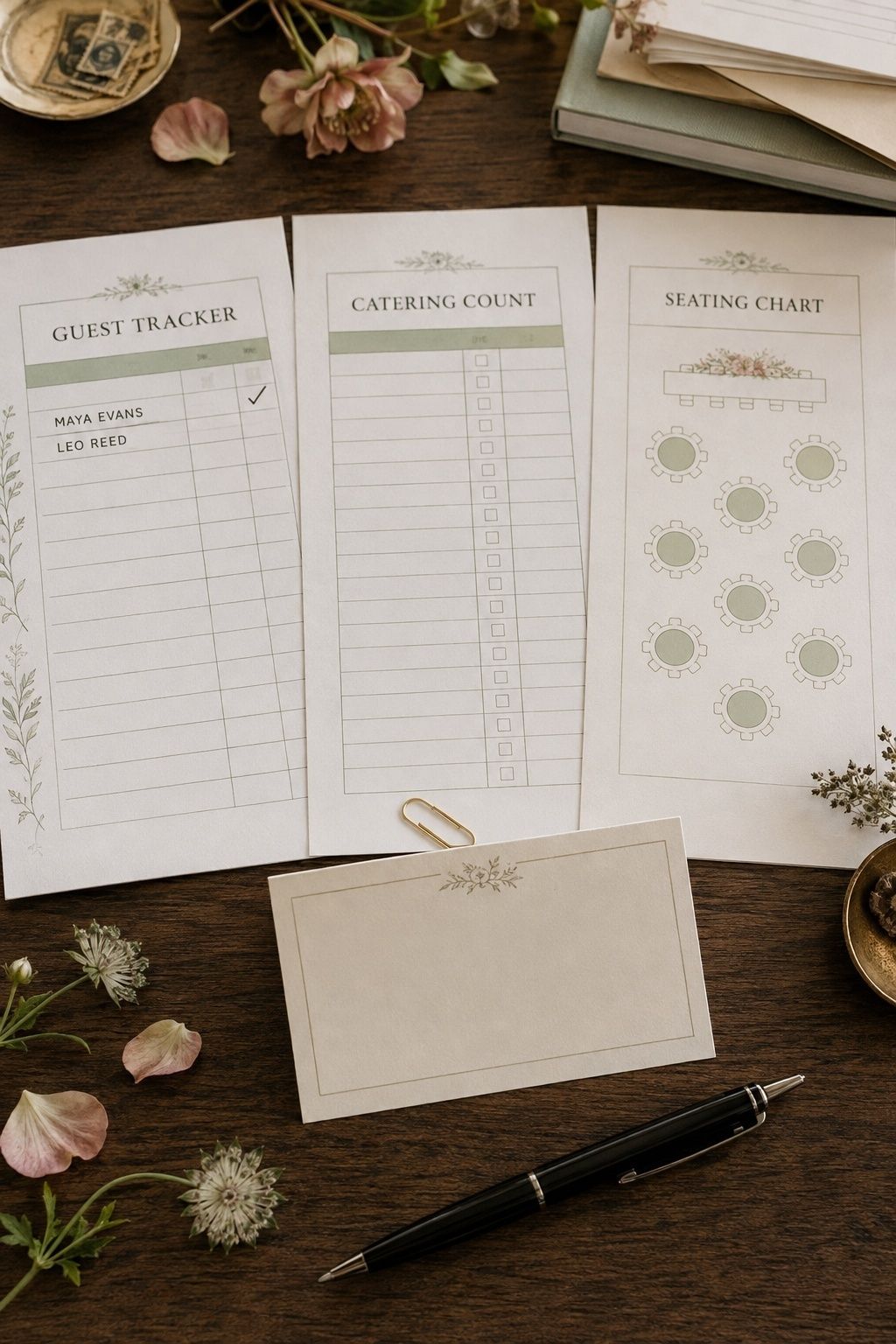
Before printing, reconcile three lists: the final guest tracker, the catering count, and the seating chart. Every attending adult, child, partner, and vendor meal should have a clear status. Then ask one person who did not build the chart to compare the names line by line.
Keep one small adjustment plan for the room. A flexible chair, a blank escort card, and a calm point person prevent a tiny list error from becoming the guest’s first memory of the reception.
Creating A Leftover Table For People Who Know No One
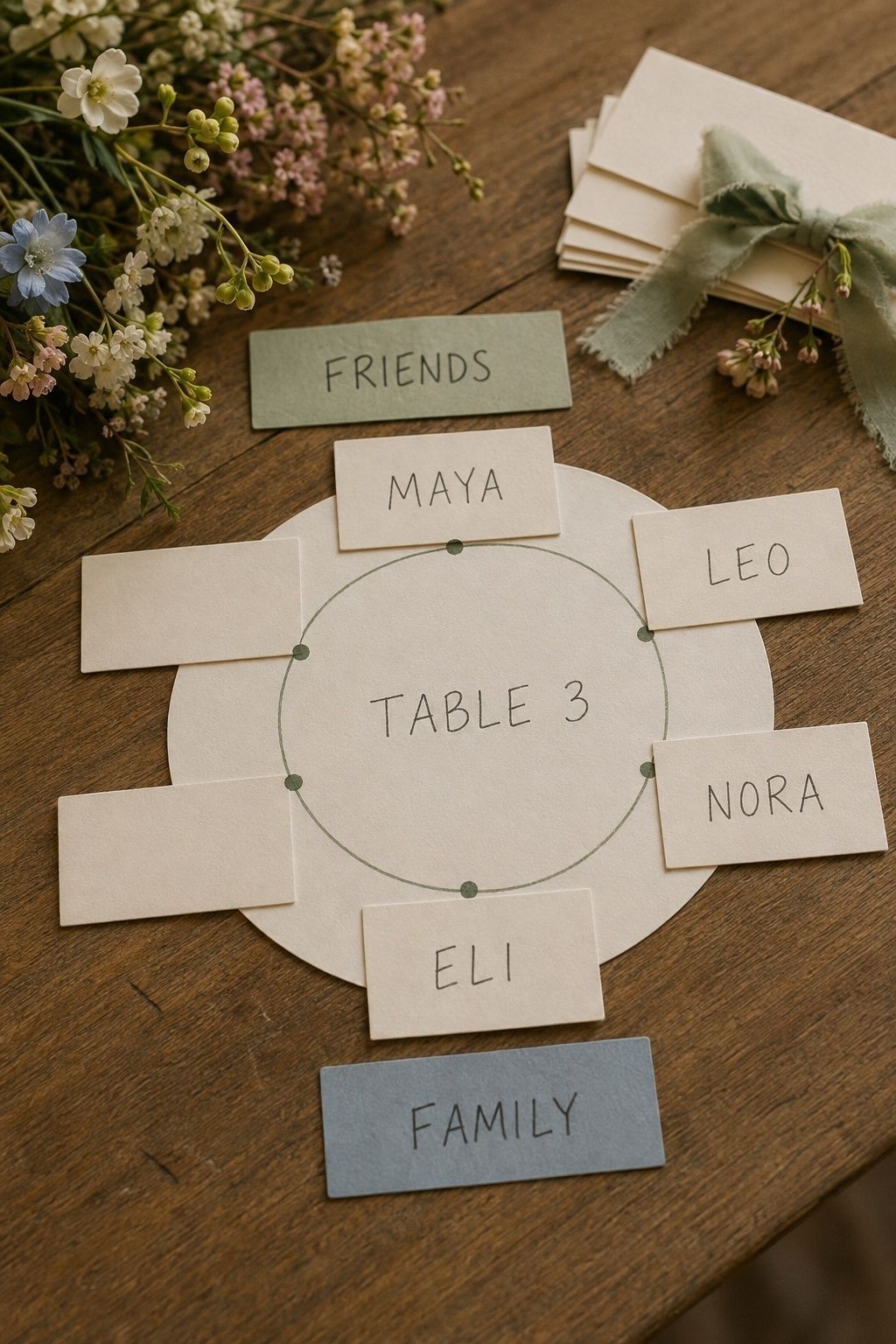
Guests notice when a table was made from whoever did not fit elsewhere. The people seated there may be perfectly lovely, but the table often has no shared connection, no natural host, and no reason to feel intentional. In a smaller wedding, that uncomfortable grouping becomes even more visible.
Place each guest around at least one thread of connection: a friend they know, a shared age range, a similar life season, a common interest, or someone warm enough to draw others in. If a guest is traveling alone, seat them where conversation will start easily rather than where an empty chair happened to remain.
When the numbers do not divide neatly, adjust the layout instead of sacrificing the people. A seven-person table that feels alive is better than an eight-person table that feels assembled by leftover space.
Making A Singles Table Based On Relationship Status
The wedding singles table mistake comes from assuming relationship status is enough to build a good table. It rarely is. A single college friend, widowed aunt, divorced cousin, and work friend may have very little in common beyond not bringing a partner.
Seat people by comfort, not category. A solo guest may prefer friends from the same era, relatives they enjoy, or a table where couples will include them naturally. The point is not to hide that someone came alone; it is to avoid making that the most important fact about them.
If several single friends already know each other and would enjoy one another, a table may feel joyful. If not, let relationship status fall lower on the list than warmth, familiarity, and conversation.
Ignoring Divorced Parents, Exes, Estrangement, Or Family Tension
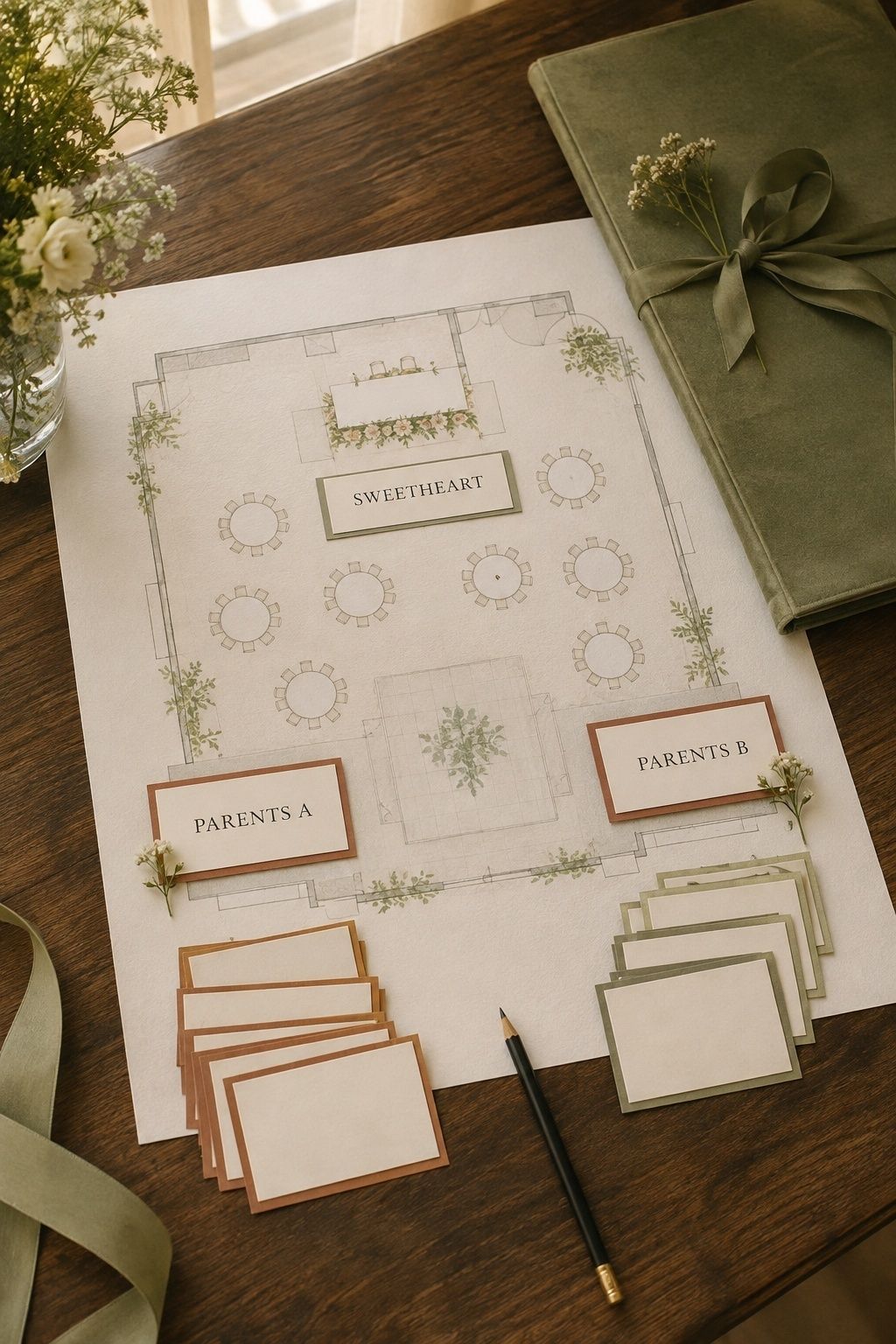
Wedding divorced parents seating deserves calm attention long before the chart is printed. The aim is not to dramatize family history or pretend everyone feels the same. The aim is to protect the ceremony and dinner from avoidable discomfort.
Think through remarriages, partners, stepfamilies, exes, estranged relatives, and anyone who needs distance to remain gracious. Seat important people where they feel respected without creating a public ranking. Sometimes that means separate parent tables. Sometimes it means one family table, a sweetheart table for the couple, or a careful ceremony seating plan that differs from dinner.
Ask a trusted relative about sensitive dynamics if you are unsure, but keep the final decision quiet and firm. Complicated family situations do not need a spotlight; they need enough space to behave kindly.
Giving One VIP Table A Clearly Worse Location
Parents, grandparents, siblings, attendants, and deeply important guests notice more than the table number. They notice whether the couple is visible, the toasts are easy to hear, the meal is comfortable to reach, and the emotional center of the room includes them.
Not every VIP table needs to be identical, but no one important should feel exiled near a service door, speaker, drafty entrance, restroom line, or obstructed view. If family structure makes one central table impossible, create balance through thoughtful placement on both sides of the room.
Grandparents and guests with mobility needs should usually get practical comfort before symbolic proximity. A slightly less central table with easy access may feel more loving than a prominent table that requires a difficult walk.
Overstuffing Tables Or Ignoring Accessibility Needs
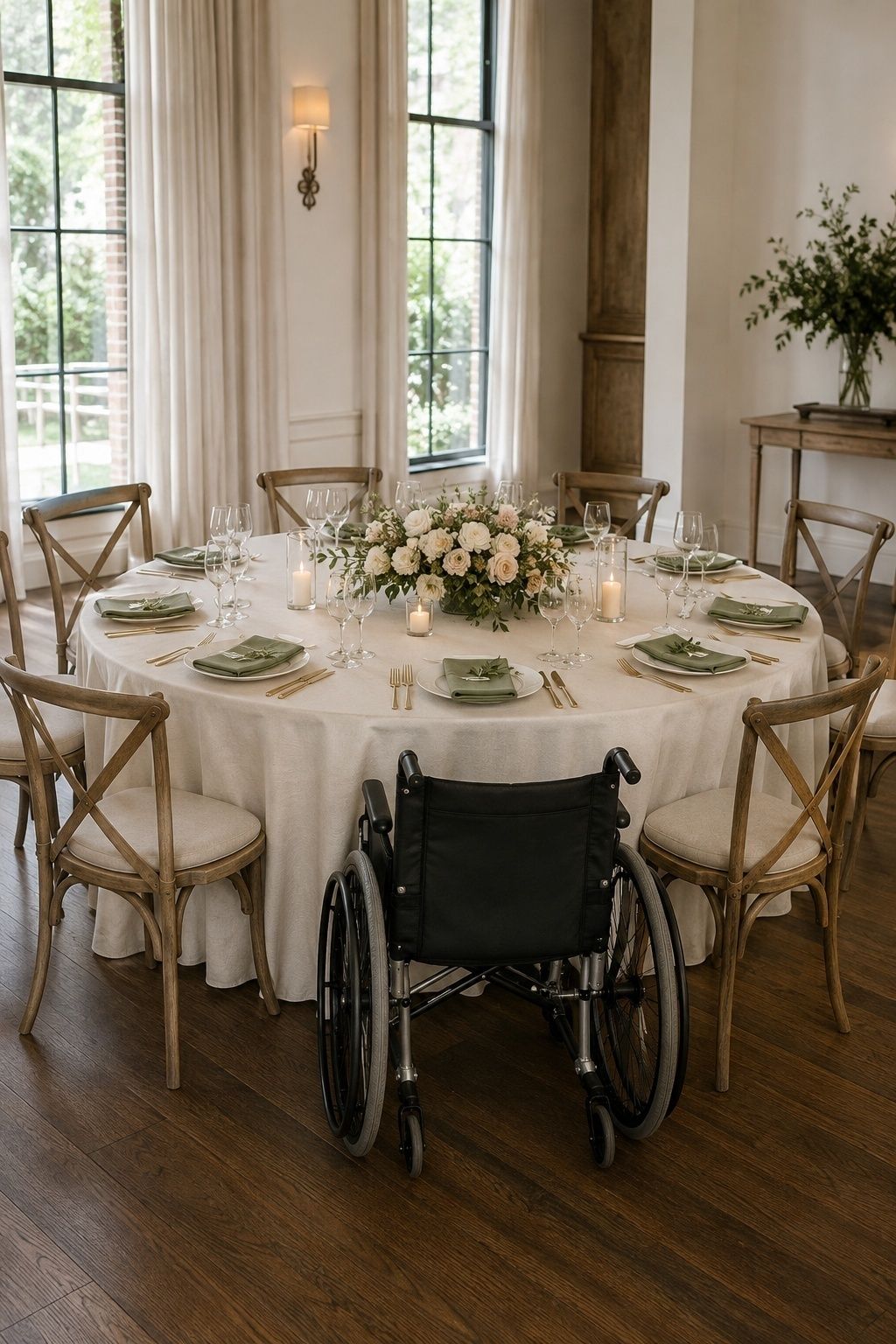
A table that technically seats ten may not feel good with ten adults, full place settings, glassware, favors, chargers, menus, bread plates, candles, and a large centerpiece. Overstuffing creates the kind of discomfort guests remember because it follows them through the whole meal.
Ask the venue what each table size holds comfortably for your meal style, not only what it holds at maximum capacity. Leave space for wheelchairs, walkers, strollers, high chairs, service routes, and guests who need to stand or move without squeezing between chairs.
Accessibility is not a minor consideration. It shapes whether guests arrive at dinner already tired, whether servers move safely, and whether the reception feels gracious instead of crowded.
Misnumbering Tables Or Making The Display Hard To Scan
A beautiful wedding seating chart display fails if guests have to squint, crowd the entrance, or decode a table number that does not match the room. This is one of the easiest mistakes to prevent and one of the most frustrating to experience.
Sort names alphabetically unless the display is very small and table-based sorting is unmistakably clear. Choose high contrast, legible type, consistent surnames, and table numbers that match the floor plan. Place the display where guests naturally pause, not where it blocks the doorway or bar line.
Escort cards may be gentler for larger or more complex guest lists because each person finds one card and moves on. A single board may be lovely for a smaller group, as long as the lighting, height, and crowd flow make it easy to use.
Blocking Guest Flow, Service Paths, Sightlines, Or The Dance Floor
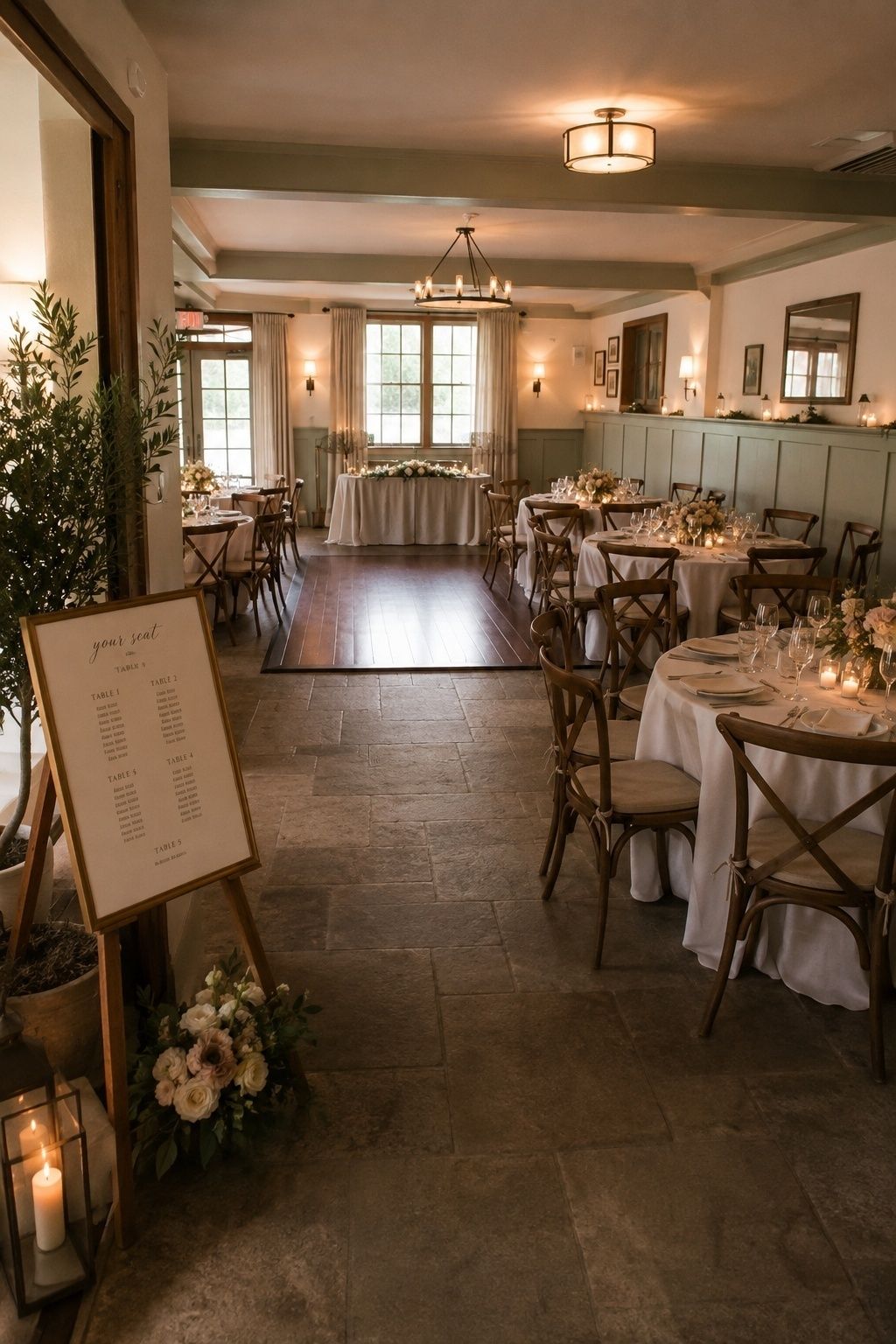
Seating is part of the floor plan, not a separate document. A table that looks perfect on paper may trap guests behind the band, crowd the bar, block a catering route, or leave older relatives staring around a column during speeches.
Walk the room as a guest. Enter from cocktail hour, find the chart, move to the table, sit down, look toward the couple, look toward the dance floor, then imagine servers carrying plates through the same space. The chart should support movement before it supports symmetry.
Small receptions need this check too. Fewer tables may tempt couples to spread the room too widely, but distance changes energy. Keep the meal connected enough for toasts, laughter, and shared moments to travel.
Skipping A Final Third-Party Seating Check
By the time you finish the chart, you may be too close to it to see mistakes. A fresh set of eyes often catches the misspelled surname, the duplicated table number, the former couple placed together, the missing high chair, or the guest who should not be seated beneath a speaker.
Choose one careful person for the proofing pass. Give them the guest tracker, meal count, floor plan, and final chart. Ask them to check names, table numbers, relationships, accessibility, and whether any table feels like an afterthought.
Then stop reopening the whole chart for every small opinion. Good wedding seating chart etiquette balances care with decisiveness. Once the practical and emotional checks are complete, the chart has done its job.
FAQ
What Are Common Wedding Seating Chart Mistakes?
Common wedding seating chart mistakes include waiting too long to group tables, forgetting a confirmed guest or plus-one, overstuffing tables, placing tense relatives together, creating a leftover table, making signage hard to scan, and ignoring guest flow. Most mistakes come from rushing the chart after the final count.
Is Open Seating A Bad Idea At A Wedding?
Open seating is not always bad. It may work for casual receptions, very small dinners, or gatherings where everyone knows one another. It becomes risky when dinner is plated, guests do not know many people, family dynamics are sensitive, or the room has limited table capacity.
How Do You Avoid Seating Chart Drama?
Avoid seating chart drama by starting early, marking sensitive relationships privately, seating guests by comfort rather than obligation, and asking one trusted person to proof the final plan. Do not invite wide family debate once the practical checks are complete. Too many opinions often create the drama couples hoped to avoid.
Should Every Wedding Guest Have An Assigned Seat?
Every guest does not always need an assigned seat. Many weddings only need assigned tables, especially for buffet or family-style meals. Exact seats matter more for plated service, meal indicators, complicated family dynamics, narrow table layouts, or formal place-card settings where servers need precise information.
How Do You Seat Guests Who Do Not Get Along?
Seat guests who do not get along at different tables, ideally where each person still has a comfortable group. Avoid public explanations, dramatic separation, or obvious punishment placements. If the relationship is highly sensitive, ask a trusted family member about distance needs before the final chart is printed.
Where Should The Seating Chart Be Placed?
Place the seating chart where guests naturally pass between cocktail hour and dinner, with enough space to pause without blocking an entrance, bar, or service route. The chart should be well lit, legible at standing height, and close enough to the reception room that guests do not lose the table numbers.
How Do You Seat Divorced Parents At A Wedding?
Seat divorced parents according to the actual relationship, not a single etiquette rule. Some families feel comfortable together; others need separate tables, partners included, or balanced placement near the couple. The best plan honors important people while preventing the reception from becoming a public display of old tension.
Final Thoughts
A seating chart is one of the last ways you tell guests they were thought about before they arrived. When the table groups are clear, the display is easy to scan, the sensitive relationships are handled quietly, and the floor plan lets people move, wedding seating chart mistakes lose their power to shape the meal.
Before you freeze the final floor plan, picture every guest leaving cocktail hour, finding their name, walking to dinner, and settling in without worry. Make one calm pass across the chart and the evening feels gracious, comfortable, and ready for the conversations you actually want at the tables.
Last update on 2026-10-04 / Affiliate links / Images from Amazon Product Advertising API