

The wedding details worth splurging on are the ones guests experience, the ones you will keep, and the ones that make a small celebration feel cared for. Put extra money toward food, photography, ceremony comfort, a few personal details, and the one visual moment that carries the room instead of spreading the budget across forgettable extras.
It is easy to feel pulled between every pretty idea at once, especially when you are trying to decide what wedding details are worth splurging on before the full budget feels settled. A better question is not whether a detail is popular, but whether it changes the memory of the day. Small weddings make that question easier because fewer guests mean each choice has more presence.
Let every extra dollar prove its purpose. Spend where the detail supports hosting, photographs, ceremony, comfort, or meaning. Save where the detail needs effort but leaves almost no emotional trace. For more on how much should a small wedding cost, start with the main guide.
Recommended Wedding Products


You Might Also Like These Blog Posts
- What Wedding Details Can You Skip Without Regret
- What Gen Z Is Really Spending On Weddings And What Actually Feels Worth It
- Is A Wedding Worth The Money When You Want Meaning More Than Pressure
- Gen Z Wedding Budget Tips For A Celebration That Still Feels Like You
- What Decisions Matter Most When Planning A Wedding Before Details Take Over
- How Social Media Affects Wedding Budgets Before You Even Notice
What Wedding Details Are Worth Splurging On
What wedding details are worth splurging on depends on the wedding you are hosting, but the strongest answers usually share one trait: they affect people in real time. Guests remember being fed well, hearing the ceremony, sitting comfortably, finding their seats easily, and seeing a couple make choices that feel personal rather than performed.
For an intimate wedding, the splurge does not have to be large. A better dinner for thirty people, a photographer who understands quiet moments, one lush ceremony arrangement, or handwritten place cards with meaning could matter more than a long list of upgrades copied from a bigger reception.
Start With The Memory Test
Before adding money to any detail, ask what memory it creates. If the answer is only that it looks expensive in a shopping cart, pause. If the answer is that people will feel welcomed, the ceremony will feel grounded, or your photographs will carry the tone of the day, the detail is worth a closer look.
This test is especially helpful for a small wedding because guests interact with more of the day. A thoughtful dinner, soft lighting, comfortable chairs, and a clear seating plan feel generous. A pile of novelty details photographs once, then often turns into clutter.
Splurge On Food Guests Will Actually Enjoy

Food is one of the safest splurges because it shapes the whole reception. You do not need the fanciest menu, but you do need enough food, a service style that fits the timeline, and a meal that feels like real hosting. For a small guest list, upgrading the meal often feels more memorable than buying more decor.
Think about the experience around the food too. Passed bites during portraits, a family-style dinner, late coffee with dessert, or a short cocktail hour with substantial snacks gives the day a relaxed rhythm. A simple menu served warmly beats an ambitious menu that arrives late or leaves guests hungry.
Protect Photography That Fits Your Day
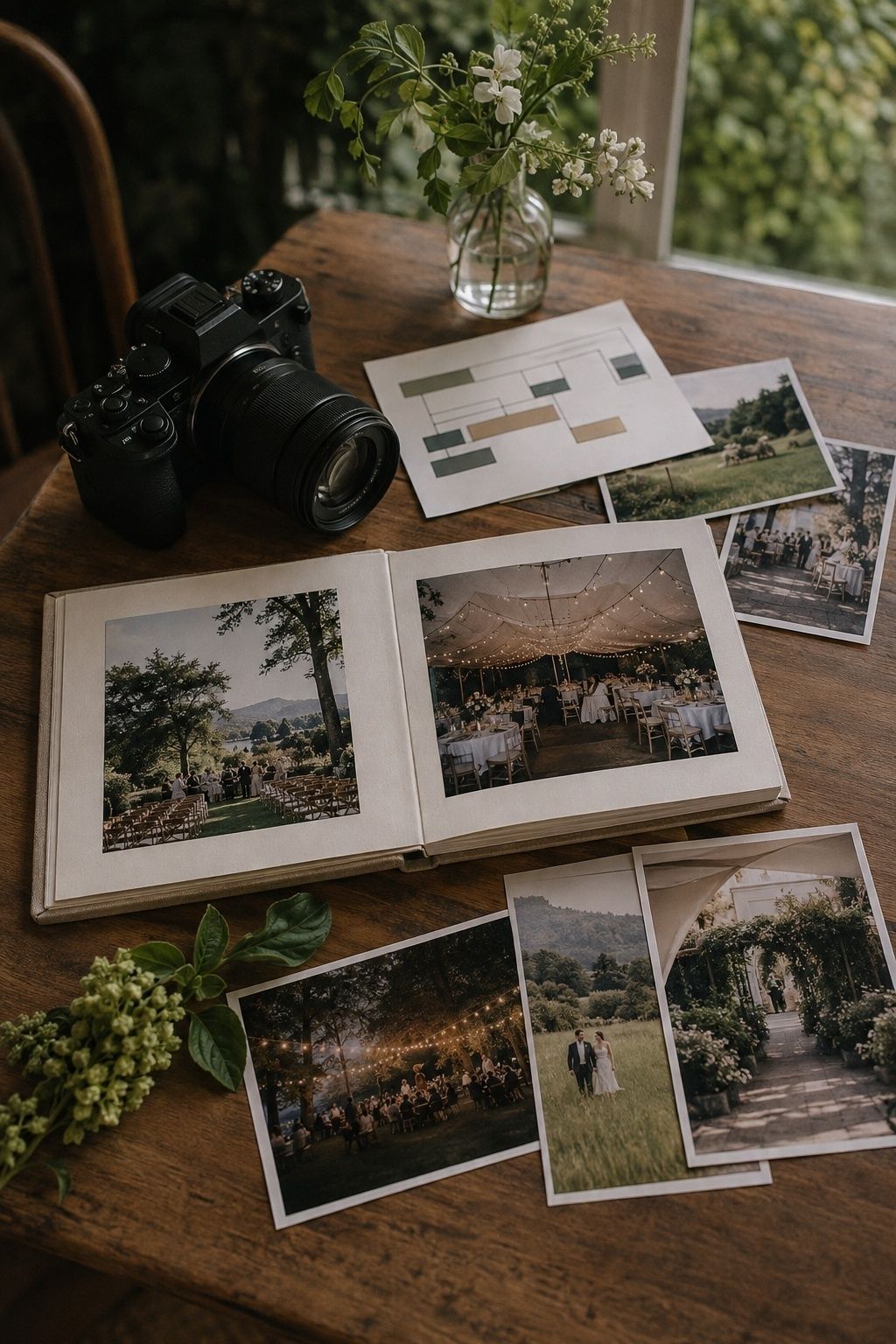
Photography is worth protecting because it is one of the few things that remains after the day ends. The splurge does not always mean the largest package. It means hiring someone whose style fits the emotion of your wedding and giving them enough time to capture the ceremony, portraits, family groupings, room details, and natural guest moments.
Small weddings often have tender, unscripted moments that need a calm photographer more than a huge team. If the budget is tight, choose fewer hours with the right person instead of full coverage that feels visually wrong. Plan the timeline so the key moments happen while coverage is active.
Spend On Ceremony Comfort And Sound
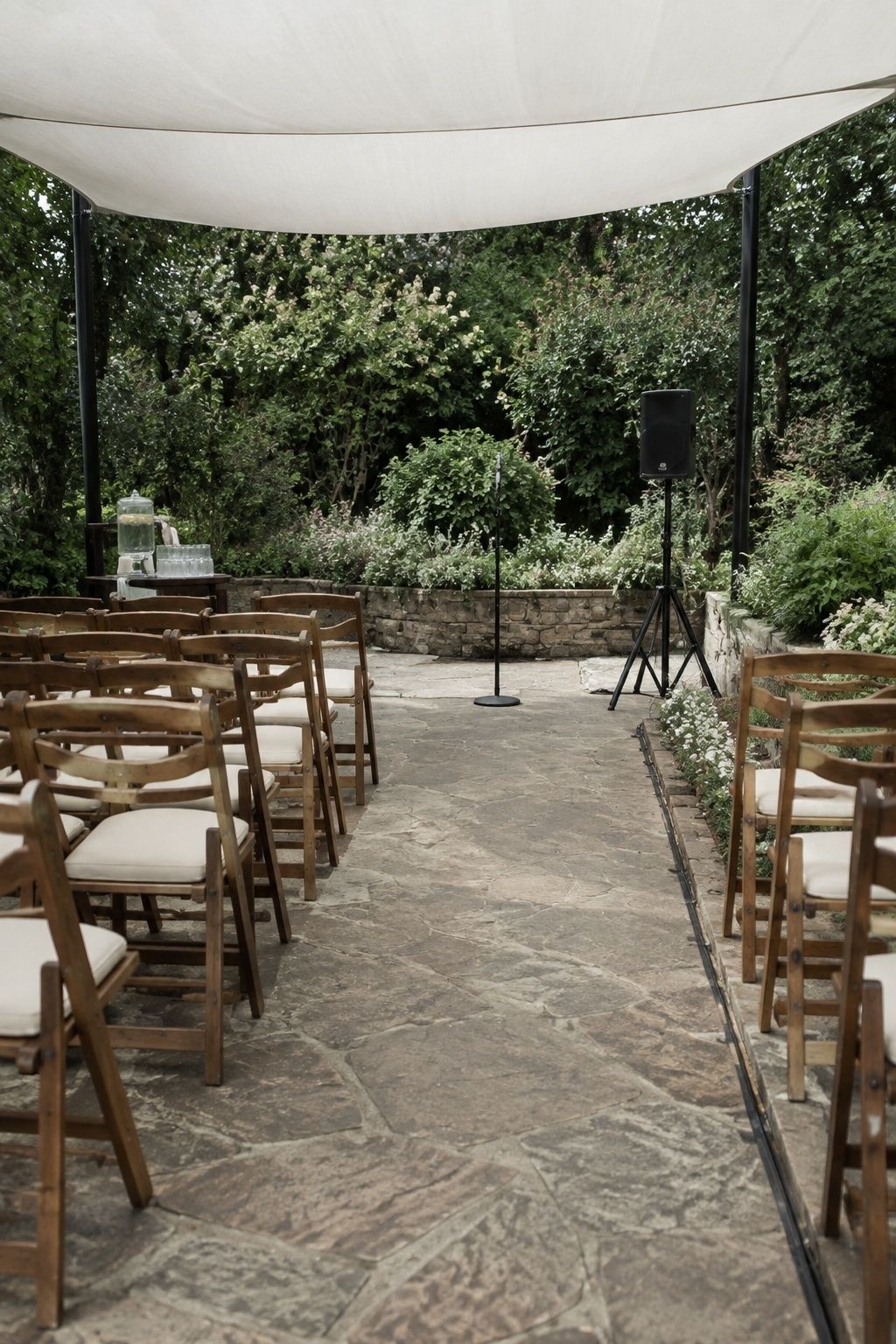
The ceremony is easy to underfund because it is short, but it sets the emotional tone. Splurge on the basics that help people feel present: chairs that make sense for the setting, shade or warmth, clear sound, a stable aisle plan, and an officiant or ceremony structure that feels personal.
A small ceremony feels incredibly intimate when every guest sees, hears, and understands what is happening. This is a better use of money than dramatic props that do not support the vows. If the ceremony is outdoors, comfort is part of the design.
Choose One Visual Anchor Instead Of Many Tiny Upgrades
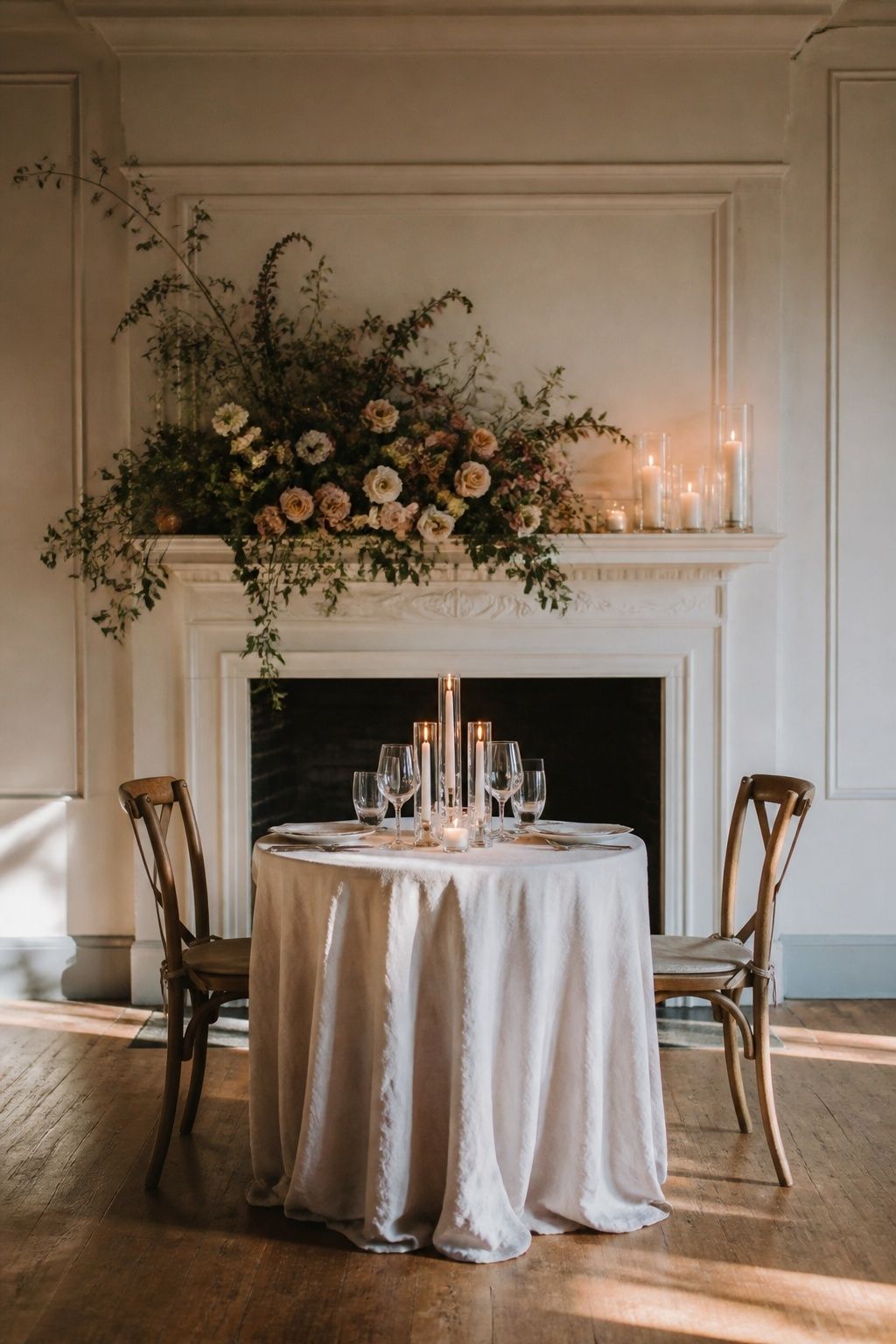
One focused visual anchor usually works harder than ten minor upgrades. That could be a ceremony arch, a fireplace floral piece, a candlelit sweetheart table, a beautiful long dinner table, or a floral garland reused from ceremony to reception. The point is to create a place where the wedding feeling gathers.
This is where faux floral garland, candles, linen texture, and rented statement pieces earn their place when they are used with restraint. Spend on the area guests will see longest and the photographer will use most. Let other areas stay simple and calm.
Make Guest Comfort Feel Intentional
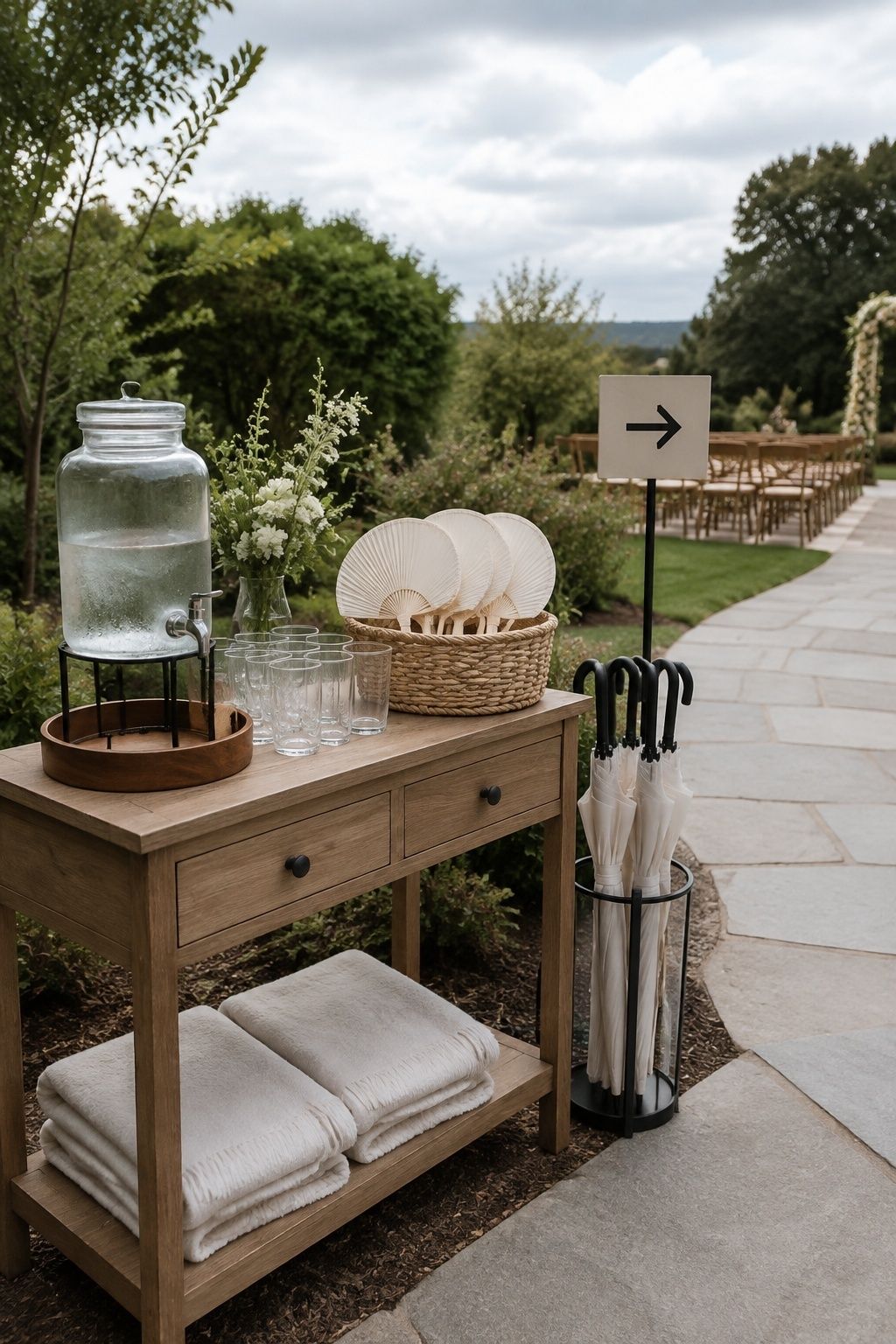
Guest comfort is not a boring category. It is the reason the wedding feels easy. Splurge on transportation clarity, accessible paths, enough restrooms, water before the ceremony, heaters or fans, umbrellas, good signage only where it solves confusion, and a seating plan that avoids awkward wandering.
A printable seating chart or a simple escort display is worth it when it helps a dinner move smoothly. The goal is not decorative signage everywhere. The goal is to remove friction so guests settle in and enjoy the celebration.
Spend On Personal Details People Will Feel

Personal details are worth money when they invite people into the relationship. A handwritten place card, a family recipe dessert, a favorite wine, a small memory table, a custom vow book, or a song choice with history makes a small wedding feel deeply specific.
This does not mean buying personalized everything. Choose one or two details with a real reason behind them. Guests do not need your names printed on every surface to understand that the day reflects you. They need moments that reveal the life you are building.
Upgrade The Table If Dinner Is The Main Event

If your wedding centers on dinner, the table is a smart place to splurge. Better candles, linen napkins, low flowers, comfortable chairs, warm glassware, printed menus, or thoughtful place settings make one table feel special without decorating the whole venue.
The key is choosing details guests touch or sit with for a while. For a thirty-person reception, a table upgrade has real impact because every guest experiences it. For a larger event, choose the elements that repeat cleanly without straining the budget.
Use A Cash Fund To Protect The Right Splurge
A cash fund card template helps couples redirect generosity toward the part of the wedding or honeymoon that matters most. If family wants to help, invite support for photography, the dinner, the honeymoon meal you will remember, or the ceremony flowers instead of accepting random upgrades that complicate the plan.
Keep the language gracious and simple. The point is not to make guests pay for the wedding. It is to give loved ones a clear way to contribute when they have already asked how to help.
What Couples Are Actually Spending
Wedding spending varies wildly by location, guest count, season, venue type, and family expectations. Average wedding cost numbers should inform the conversation lightly, not control what your small wedding deserves.
A better approach is to build your own priority map. Write the full budget, remove a buffer, list the nonnegotiables, and then assign money in order of impact. The first dollars should protect hosting and memory. The next dollars shape style. The last dollars are for extras that are lovely but optional.
Use a wedding budget planner and guest list tracker together. Guest count changes the price of food, drink, rentals, paper, table decor, cake, staffing, and room size. Seeing those pieces together keeps the splurge conversation honest.
Gen Z Priorities
Younger couples often care less about following a traditional template and more about making the day feel like them. That shift helps the budget because it gives permission to skip details that only exist from habit.
The best splurges for values-led weddings usually support connection: a smaller guest list, a better meal, meaningful photography, personal vows, a favorite musician, a beautiful shared table, or a private after-party. These details feel modern because they are chosen from the couple’s actual life.
If you are planning with family money, explain the priorities early. It is easier to say, “We are spending more on dinner and photography, and less on favors and extra paper,” before someone has imagined a completely different event.
Where Social Media Changes The Budget
Social media makes every detail look urgent because each one appears alone, perfectly lit, and detached from the full invoice. A champagne tower, custom signage, floral ceiling, outfit change, audio guest book, and after-party dress each seems manageable until they sit in the same budget.
Use inspiration as a mood check, not a shopping list. Save the images that show a feeling, then ask what practical choice creates that feeling in your actual venue. Warmth could come from candles instead of a floral installation. Personal style could come from vows instead of custom merch.
If a detail only exists because it photographs well for strangers, it is probably not the splurge. If it photographs well and improves the real experience for your guests or your future memories, it could be worth keeping.
What To Cut Without Regret
Cut favors, excess signage, complicated welcome bags, luxury napkin upgrades, chair decor, elaborate save-the-dates, too many printed inserts, duplicate dessert displays, custom items used for minutes, and anything that requires a lot of setup for very little memory.
Also cut details that fight the venue. If a room already has character, you do not need to cover every corner. If the guest count is small, you do not need a large escort installation. If dinner is casual and warm, you do not need formal layers of paper at each place.
The kindest budget edit is usually a full removal, not a weakened version of every idea. Keep the meaningful detail strong and let the low-impact detail disappear.
Sample Tradeoffs
If photography matters most, choose shorter florals, simpler paper, and fewer pre-wedding events. If dinner matters most, keep the guest list intimate and skip expensive favors. If flowers matter most, choose one dramatic focal point and keep table arrangements low and simple. For the next step, see Gen Z wedding budget tips.
If family expects a larger guest list, simplify the finish level: fewer courses, less custom paper, a shorter bar window, and a venue with rentals included. If the couple wants a highly personal celebration, protect the small guest count and spend on details guests will touch, hear, taste, or remember. For more ideas in this vein, browse Budget Weddings.
What wedding details are worth splurging on becomes clearer when every extra dollar has to beat another possible use. A floral installation has to beat better photography. Custom signage has to beat better food. A second outfit has to beat a calmer timeline. That comparison keeps the spending connected to the wedding, not just the trend. For a smaller guest list, read more on how to plan a small wedding.
FAQ
Which wedding details are usually worth the extra money?
Food, photography, ceremony comfort, guest ease, and one strong visual moment usually deserve the first extra dollars. For a small wedding, spend more where guests will feel the care and less on extras that only look useful in a mood board. Related reading: what Gen Z is really spending on weddings.
What should you decide before choosing any splurges?
Start with the guest count, budget ceiling, and emotional priority. A couple hosting an intimate dinner should splurge differently than a couple planning a dance-heavy reception. Once you know whether the day is about meal, ceremony, photographs, music, or family time, the right details become easier to choose.
What splurge mistakes make a wedding budget harder?
The biggest mistake is upgrading details before pricing the whole wedding. Small upgrades become expensive when they require extra delivery, setup, labor, storage, or rentals. Another mistake is copying another wedding’s priorities. A good splurge should fit your guest list, venue, timeline, budget, and relationship.
Why do selective splurges work so well for small weddings?
Small weddings are ideal for selective splurges because each dollar serves fewer people. Upgrading dinner, place settings, photography, flowers, or guest comfort stretches further without multiplying the cost across a huge crowd. Choose fewer details, make them more thoughtful, and let the intimacy do part of the work.
When should splurge decisions happen in the planning process?
Choose splurge priorities before major deposits, then revisit them after venue and food quotes arrive. Budget-wise, protect core hosting first, keep a buffer, and assign splurge money only after required costs are visible. The timeline should leave enough time to compare vendor scope instead of panic-buying upgrades late.
How do you make wedding splurges feel personal?
Make each splurge answer a real part of your story. Choose a meal you love, flowers that fit the setting, music with history, photographs in your preferred style, or guest details that reflect how you host. Personal splurges feel specific; generic splurges feel like rented status.
Final Thoughts
The best wedding splurges are not always the loudest ones. They are the choices that make people comfortable, preserve the moments, and help the day feel unmistakably yours.
Keep asking what the detail changes. If it improves the meal, the vows, the photographs, the guest experience, or the emotional shape of the day, it deserves room in the budget. If it only adds pressure, let it go and give the money to something that will matter.
Last update on 2026-11-29 / Affiliate links / Images from Amazon Product Advertising API