

The decisions that matter most when planning a wedding are the ones that shape every later choice: the feeling of the day, spending ceiling, guest range, season or date, venue and food format, ceremony meaning, guest comfort, memory priorities, and who owns the day-of plan. Save favors, signage, minor decor, and trend choices for after those foundations are clear.
Wedding planning gets loud quickly because tiny choices arrive dressed as urgent ones. Napkin colors, welcome signs, favor boxes, signature drinks, seating chart fonts, and photo booth props all feel strangely important when you have not yet named what the wedding is supposed to protect.
The calmer way in is to separate decisions that define the wedding from details that decorate it. If you are asking what decisions matter most when planning a wedding, start with the choices that change your budget, guest experience, venue search, vendor list, timeline, and emotional bandwidth. Decorative decisions deserve attention later, after the structure of the day is steady.
This decision hierarchy is for couples who want a wedding that feels intentional without becoming a second full-time job. You do not need to know every answer today. You only need to know which answers deserve to come first.
Recommended Wedding Products


You Might Also Like These Blog Posts
- What To Do First When Planning A Wedding So The Rest Feels Clear
- Date Planning Wedding Engagement Ideas That Make The Season Feel Like You
- How To Plan A Wedding In One Year Without Turning It Into A Full-Time Job
- How To Stop Second Guessing Wedding Decisions After The Deposit Is Paid
- Wedding Planning Order Of Tasks That Keeps You From Backtracking
- What Month Should You Start Planning A Wedding For A Calmer Engagement
What Decisions Matter Most When Planning A Wedding Before The Pretty Details Take Over?
The first decision is not the venue, the dress, or the color palette. It is the feeling you want people to carry home. Do you want the wedding to feel intimate, festive, sacred, relaxed, elegant, playful, family-centered, private, outdoorsy, food-focused, or like a full weekend reunion? That feeling becomes the filter for everything else.
Without a feeling filter, every idea gets equal weight. A champagne tower sounds fun. A live painter sounds special. A custom escort wall looks beautiful. A late-night snack sounds generous. The problem is not that any of those details are wrong. The problem is that they steal attention from the choices that make the day feel like yours.
Try writing one sentence together before you book anything: “We want our wedding to feel like…” Then finish it with three words. Warm, unrushed, and deeply personal. Elegant, lively, and family-forward. Simple, outdoorsy, and joyful. If a future decision does not serve those words, save it for a later round.
Set The Spending Ceiling Before The Dream Expands
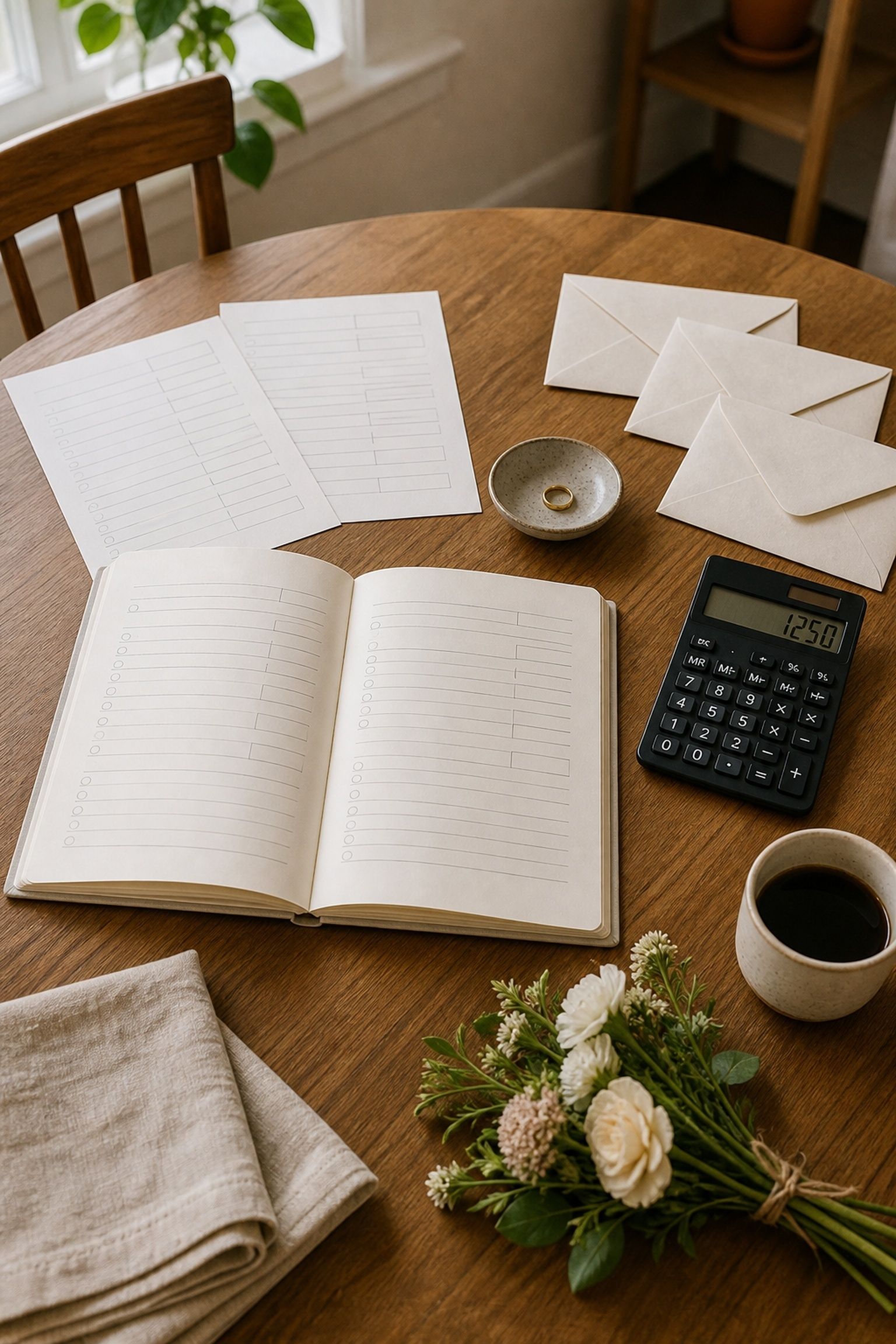
The spending ceiling matters because it gives every other decision a real boundary. A wedding budget is not only a spreadsheet. It is a line around stress, family expectations, vendor choices, and what kind of celebration lets you enter marriage without resentment.
Start with the highest total you are willing to spend, then separate that number from the amount you would feel peaceful spending. Many couples have room to stretch further than they emotionally want to. Name both numbers. The stretch number protects you from emergencies. The peaceful number protects you from quietly building a wedding that makes you anxious every time another invoice arrives.
This is also where outside contributions need honest language. If family is helping, ask whether the money is a gift, a contribution with preferences, or a contribution with decision rights. It is much easier to talk about that before deposits are paid than after someone has decided their check should include authority over the guest list, bar, ceremony, or invitations.
Once the ceiling is named, protect a small cushion for hidden wedding costs couples forget, from alterations and service fees to tips, postage, vendor meals, overtime, and backup weather items. A beautiful plan feels fragile when every dollar has already been assigned to visible details.
Choose A Guest Range Before Choosing The Room
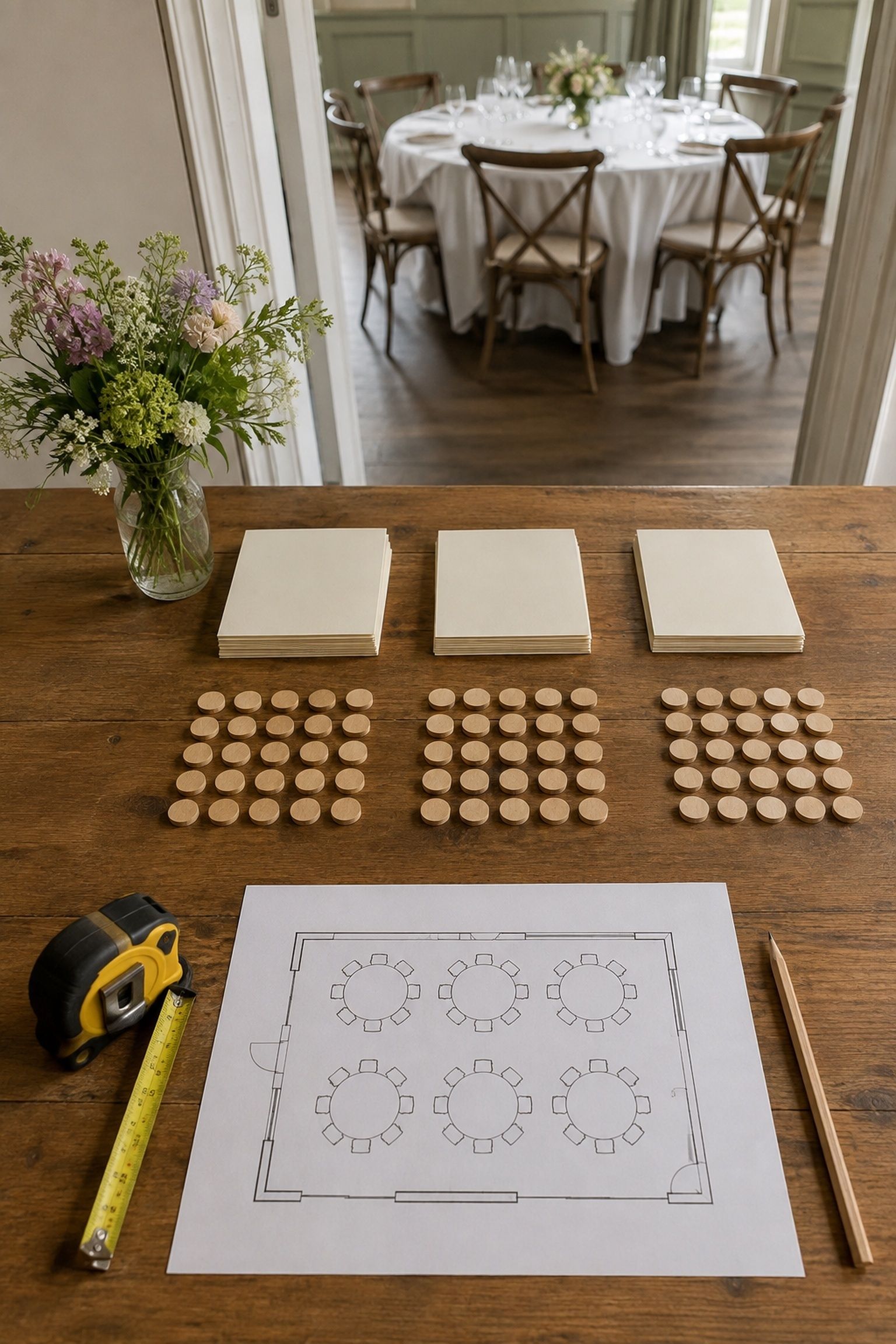
Guest count is one of the most powerful wedding decisions because it changes almost everything: venue size, food cost, invitation timing, seating, transportation, rental needs, photography flow, and how much time remains for each person. It also changes the emotional tone. Thirty guests and one hundred guests are not the same event with different chair counts.
Before you tour venues, choose a guest range instead of a fantasy number. For example, “We are comfortable between 45 and 60,” or “We are choosing an immediate-family wedding under 25.” A range gives you room to make human adjustments without letting the list expand endlessly.
If the guest list is tender, decide your rule before names become negotiations. Are you inviting only people you both know well? Immediate family only? Friends you speak to regularly? No children except nieces and nephews? No coworkers unless they are real-life friends? The rule will not remove every hard feeling, but it keeps the conversation from becoming a case-by-case emotional courtroom.
This decision deserves care because hospitality costs follow every name. A guest list template helps, but the deeper work is deciding what kind of room lets you feel present, generous, and financially honest at the same time.
Pick The Season Or Date Range Before Falling For A Venue
The date or season matters because it controls weather, travel, venue availability, attire, floral direction, daylight, guest comfort, and vendor demand. You do not need an exact date before you begin looking, but you do need a realistic window.
Ask which matters more: a meaningful date, a specific season, a guest-friendly travel window, or access to a certain venue. If your anniversary date matters most, stay flexible about venue and day of week. If autumn weather matters most, start earlier, adjust the budget, or release the idea of a Saturday. If elderly relatives are central, weather and travel ease deserve more weight than the most photogenic month.
A season also carries mood. Spring often feels fresh and garden-led. Summer feels bright, outdoor, and social. Autumn often feels textured and intimate. Winter feels candlelit and formal. Let the season support your wedding feeling instead of choosing it only because a date happens to be open.
Once the window is chosen, the planning pace becomes clearer. A fixed high-season Saturday asks for earlier booking. A flexible weekday dinner gives you more room. The right timeline comes from the decision, not the other way around.
Decide Venue And Food Format Together
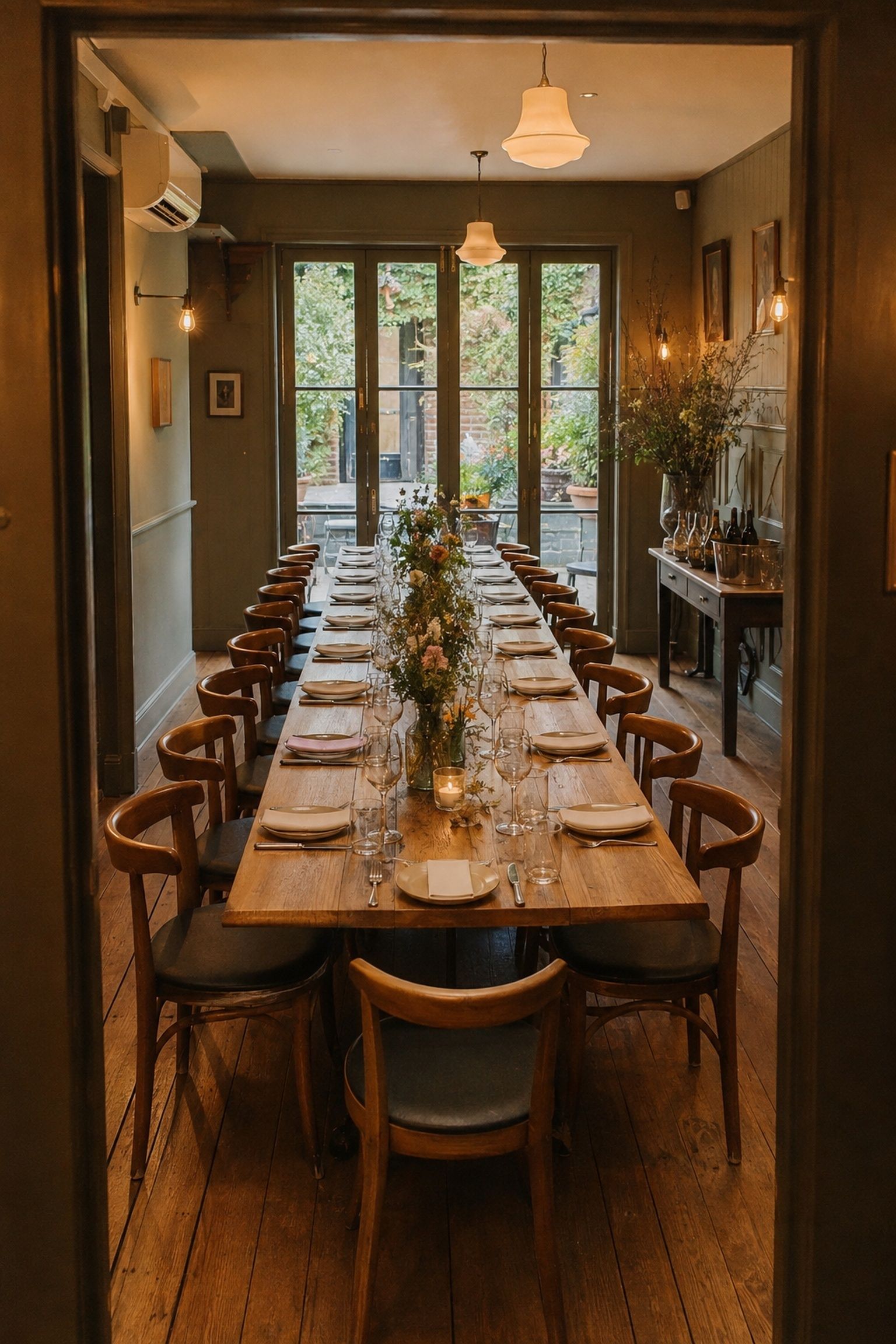
Venue and food should be decided as a pair because guests experience them together. A blank-space loft with outside catering is a different planning animal than a restaurant private room. A family property with a tent is different from a staffed inn. A cocktail reception, brunch, tasting menu, buffet, food truck, backyard supper, and formal plated dinner all create different budgets and timelines.
Before you ask whether a venue is pretty enough, ask what it requires. Does it include tables, chairs, linens, kitchen space, restrooms, staff, bar service, sound limits, parking, setup time, cleanup, weather options, accessibility, and a point person? A venue that looks affordable turns expensive when every practical need has to be rented, delivered, insured, powered, staffed, and removed.
Food format is also a values decision. If you want the wedding to feel like a long dinner party, protect the meal and seating. If you want dancing and movement, food should be easy to serve and not trap guests too long. If you want a tiny ceremony followed by a beautiful restaurant meal, the venue choice is less about a traditional wedding package and more about a room where people talk comfortably.
This is one of the places where a wedding planning checklist helps only after the couple chooses a direction. The checklist organizes tasks. The couple still has to decide whether the wedding is a hosted meal, a relaxed gathering, a ceremony-forward celebration, or a full reception.
Protect Ceremony Meaning Early
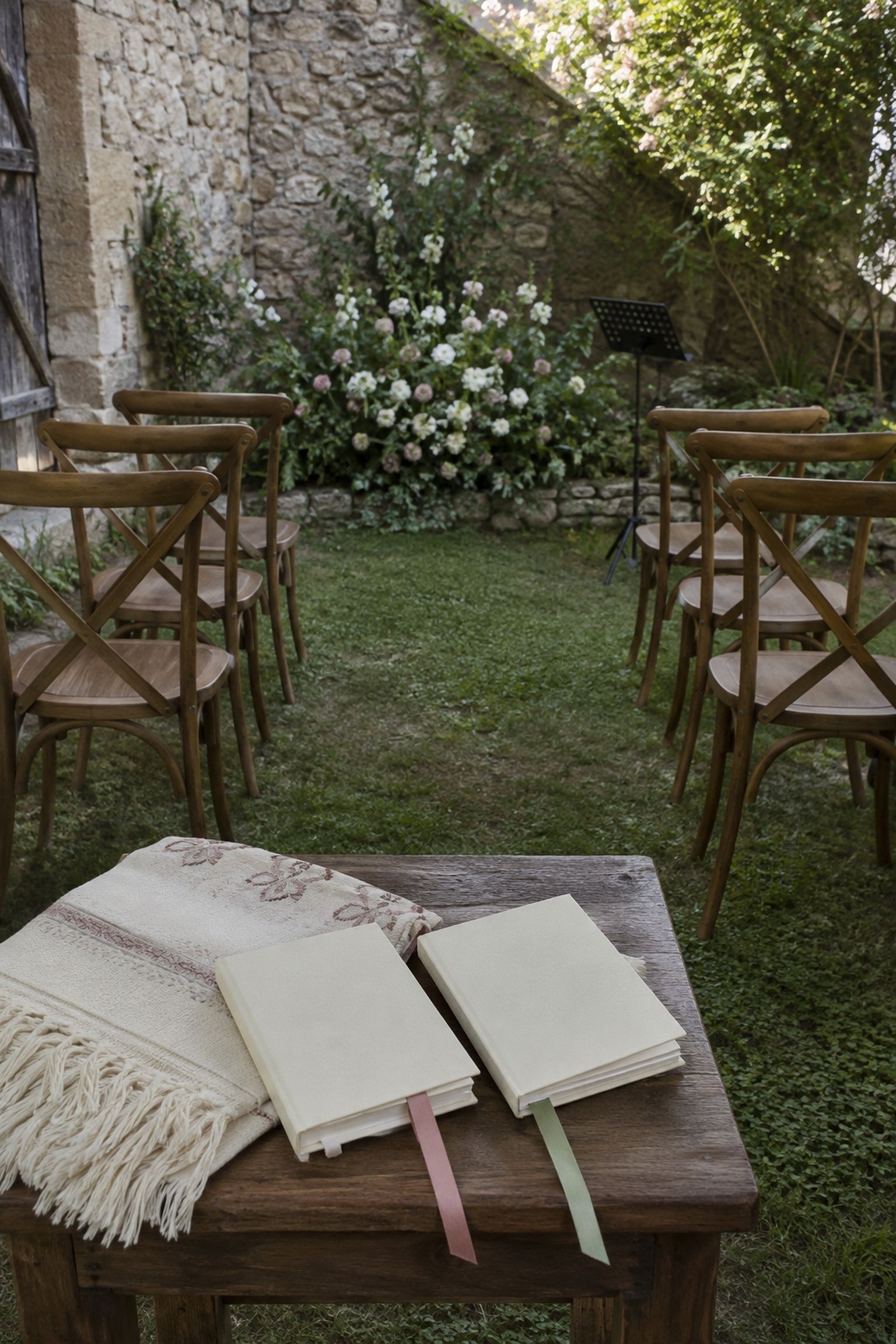
The ceremony is easy to postpone because it seems simple compared with venue contracts and catering proposals. But ceremony meaning is one of the decisions that matter most when planning a wedding because it explains why everyone is gathered in the first place.
Decide whether you want a religious ceremony, civil ceremony, symbolic ceremony, friend-officiated moment, cultural tradition, private vow exchange, or something very brief and simple. Then decide how much of yourselves you want inside it: personal vows, readings, music, family blessings, unity rituals, honoring loved ones, or a quiet moment for just the two of you.
This choice affects officiant booking, legal paperwork, venue layout, family expectations, music, timeline, rehearsal needs, and photography priorities. It also affects the emotional memory of the day. A wedding with beautiful flowers still feels strangely thin when the ceremony is treated as a placeholder between getting ready and dinner.
You do not need to script every word early. Just decide what the ceremony is meant to hold. Sacredness, gratitude, humor, heritage, privacy, community, and tenderness all shape the rest of the planning in quiet ways.
Make Guest Comfort A Foundation, Not A Fix
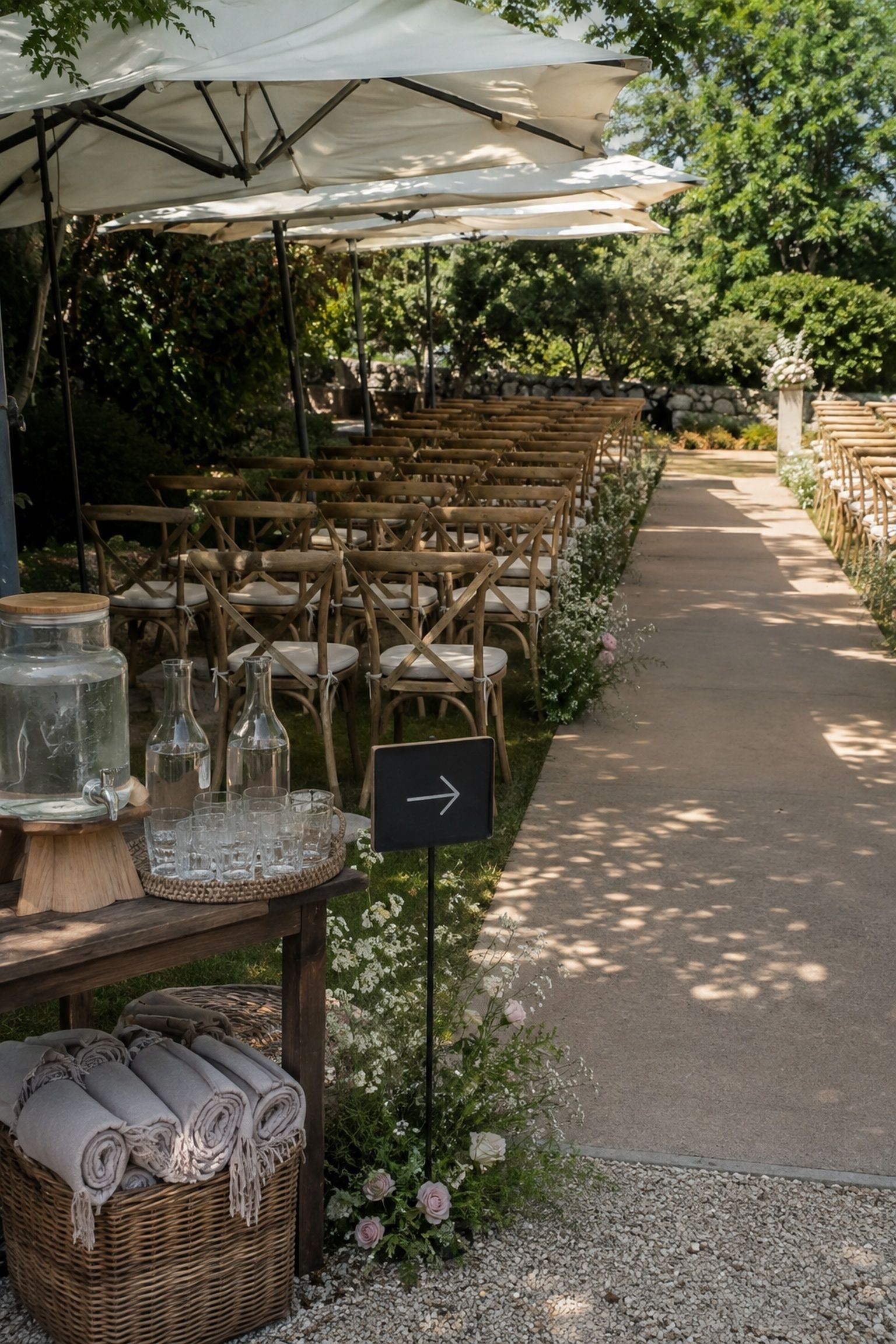
Guest comfort is not the same as trying to please everyone. It means thinking clearly about the people you are inviting and removing preventable friction wherever possible. Temperature, seating, bathrooms, directions, parking, transportation, food timing, dietary needs, accessibility, shade, coat storage, and clear communication all matter more than many decorative details.
This decision becomes especially important when guests are older, traveling, bringing children, navigating mobility needs, attending an outdoor ceremony, or moving between locations. A visually stunning wedding still feels uncomfortable when guests are hungry, confused, too hot, too cold, standing too long, or unsure where they are supposed to go.
Think through comfort before you spend heavily on style. If the budget is tight, a shuttle, extra restroom, earlier meal, clearer map, better seating, or shaded ceremony often serves the wedding more than elaborate signage. Guest comfort is often invisible when done well, which is exactly why it deserves a high place in the hierarchy.
The best version of hospitality still feels like you. You are not building a conference. You are making it easier for the people you love to relax into the celebration.
Name The Memories You Are Willing To Pay For
Memory priorities help you decide what wedding details are worth splurging on because they connect spending to future meaning. Ask what you will care about five years from now: the ceremony words, the photos, the meal, the music, the flowers, the clothes, the people gathered, the weekend together, or the feeling of being calm.
This is where couples often discover they do not want the same wedding in every category. One person might care deeply about photography because photos become family history. The other might care about food because hosting well feels like love. Neither priority is shallow. The task is to rank them together before the budget gets drained by scattered mid-level spending.
Choose three memory anchors. These are the parts of the day you are willing to fund, protect, and plan around. Then choose three low-priority categories where “good enough” is truly allowed. This exercise keeps the wedding from becoming expensive everywhere and meaningful nowhere.
A wedding decision tracker is surprisingly useful here. Not because the tracker is romantic, but because it records why you chose something. Later, when a new idea appears, compare it against the memory anchors instead of starting the emotional debate again.
Assign Day-Of Ownership Before The Timeline Gets Complicated

Day-of ownership is the decision couples often make too late. Someone has to know the plan, answer vendor questions, cue transitions, handle setup issues, protect the couple from unnecessary interruptions, and make judgment calls when small things change. That person should not be either of you.
The owner might be a planner, day-of coordinator, venue coordinator with a clearly defined role, professional assistant, or trusted person with limited responsibilities. What matters is that they are available, informed, sober, calm, and allowed to act. A vague “everyone will help” plan usually means no one owns the moment when help is actually needed.
Assigning ownership early also reveals whether your wedding is more complex than it looked. If the owner would need to manage rentals, outside catering, transportation, weather changes, ceremony cues, family photo wrangling, private-property rules, and end-of-night packing, professional support deserves a serious look. If the venue handles nearly everything and the day is simple, the support plan stays lighter.
This decision protects presence. The point is not to create a perfect event. The point is to keep the couple from becoming the information desk during their own wedding.
What Matters Most For A Small Wedding
For a small wedding, the highest-impact decisions become even more visible. The guest list, meal format, ceremony meaning, and room layout matter more because every person is close to the center of the day. There is less crowd energy to hide awkward timing, uncomfortable seating, or a vague reason for gathering.
Small weddings work best when the couple chooses intimacy on purpose instead of treating it as a reduced version of a large wedding. Decide who truly needs to be in the room, what kind of hospitality makes them feel cared for, and what kind of ceremony matches the closeness of the guest list. Then let the style follow that decision.
The budget hierarchy also shifts. With fewer guests, you might spend more per person on food, photography, flowers, lodging, or a private dining experience. Or you might intentionally spend less overall and keep the wedding simple. Both choices work beautifully when the smaller scale serves the life you want, not only the math.
If family feelings are part of the challenge, decide the guest-list rule, communication tone, and boundary plan before invitations. A small wedding without a clear explanation often feels like exclusion. A small wedding with a clear reason feels intimate, honest, and kind.
Which Wedding Details Should Wait
Save many wedding details until the foundation is set: favors, signage, linen texture, cake topper, welcome bags, specialty cocktails, bridesmaid proposal gifts, guest book style, table numbers, menu cards, napkin folds, ceremony programs, and tiny decor moments that only make sense after the venue and guest count are real.
These details are not silly. Some become genuinely meaningful when chosen at the right time. But early in planning, they create fake progress. You might spend three nights choosing candle holders while the guest list, spending ceiling, or food format remains unsettled. That is planning motion, but not planning clarity.
Keep a simple later list for ideas you like but are not ready to decide. Write them down, then return after the venue, budget, guest range, ceremony, meal, and day-of ownership are settled. If the idea still serves the wedding, keep it. If it only adds cost or setup, release it.
This is one of the kindest ways to reduce overwhelm. You are not saying no to beauty. You are saying not yet to choices that need the larger shape of the wedding before they make sense.
A Couple Priority Exercise That Actually Works
Set a timer for twenty minutes and answer these separately first. What do I most want to feel on the wedding day? What do I most want our guests to feel? What am I afraid will take over planning? What am I willing to spend on without regret? What would I be relieved to skip? What decision do I keep avoiding because it might disappoint someone?
Then compare answers without correcting each other. Circle any overlap. Those are your shared priorities. Star any answers that are different but deeply felt. Those are the places that need compromise, not dismissal. Cross out anything neither of you truly cares about but both of you assumed weddings are supposed to include.
Next, choose five foundation decisions for the next two weeks: feeling, spending ceiling, guest range, date range, and venue or food format. Do not let yourself wander into details until those five have a working answer. A working answer might change later, but it gives the wedding a spine.
Finally, write one shared rule for future choices: “If a decision does not support our top three priorities, fit the budget, or improve guest comfort, it waits.” That sentence will save you from dozens of small decisions pretending to be emergencies.
FAQ
What Decisions Matter Most When Planning A Wedding?
The decisions that matter most when planning a wedding are the foundational ones: the feeling of the day, total spending ceiling, guest range, season or date, venue and food format, ceremony meaning, guest comfort, memory priorities, and day-of ownership. Those choices shape almost every later detail.
What Wedding Decisions Should Couples Make First?
Couples should first decide the wedding feeling, budget ceiling, guest range, date or season, and general venue or meal format. These choices give the plan its shape. Once they are clear, vendor searches, style choices, timelines, and smaller details become much easier to evaluate.
How Do You Choose Wedding Priorities As A Couple?
Choose wedding priorities by answering separately first, then comparing what overlaps. Each person should name what they want to feel, what they want guests to feel, where they would spend without regret, and what they would happily skip. Shared answers become the top priorities.
What Matters Most For A Small Wedding?
For a small wedding, the guest list, ceremony meaning, meal format, room comfort, photography, and day-of flow usually matter most. Because every guest is close to the center of the day, hospitality and emotional clarity are more important than filling the wedding with extra details.
Which Wedding Details Can Wait?
Wedding details to save for later include favors, signage, table numbers, welcome bags, napkin folds, cake toppers, minor decor, guest book style, specialty cocktails, and other small styling choices. Decide them after the budget, guest count, venue, food, ceremony, and timeline are clearer.
How Do Priorities Help With Wedding Budget Decisions?
Priorities help with wedding budget decisions by showing where money creates the most meaning or comfort. Instead of spending a little on everything, couples protect the categories they value most, choose good-enough options elsewhere, and avoid expensive details that do not support the wedding they actually want.
Final Thoughts
What decisions matter most when planning a wedding? The ones that keep the day honest: what it should feel like, what spending level feels comfortable, who is invited, when and where it happens, how people are fed, what the ceremony means, how guests are cared for, what memories matter, and who carries the plan while you are living it.
Once those decisions are steady, the pretty details become easier and more enjoyable. Choose flowers, paper, candles, outfits, songs, and tiny personal touches with a clearer sense of what they are supporting. Set the priorities before the styling decisions, protect the guest experience before the visual extras, and name the day-of owner before the timeline starts leaning on you. The wedding has a much better chance of feeling like a real celebration instead of a thousand tabs left open in your head.
Last update on 2026-10-03 / Affiliate links / Images from Amazon Product Advertising API