

How to stop second guessing wedding decisions starts with sorting real new facts from fear, comparison, and pressure. Give each choice one calm check against your budget, guest comfort, priorities, and contracts. If it still fits, close it, stop shopping for that category, and protect the choice from fresh opinions.
The hardest part often arrives after the deposit is paid. You found the venue, chose the photographer, picked the dress code, booked the florist, or sent the invitation proof. Then a reel, a cousin’s comment, a cheaper package, or one beautiful wedding photo makes the whole decision feel shaky again.
That spiral turns one imperfect choice into something that feels powerful enough to ruin the entire day. It usually is not. Most wedding decision regret is not proof that the choice is wrong. Often it is your mind reacting to money, visibility, family pressure, endless inspiration, and the strange weight of choosing something once for a day that matters.
This is especially tender for intimate weddings. With fewer guests, every detail starts to feel more exposed. The table count is smaller, the ceremony is closer, and the choices feel personal because everyone will see them up close. The answer is not to reopen every decision. The answer is to judge each choice by fit, meaning, budget, and guest care.
Recommended Wedding Products


You Might Also Like These Blog Posts
- How To Avoid Wedding Decision Fatigue When Every Choice Feels Too Loud
- What Decisions Matter Most When Planning A Wedding Before Details Take Over
- What To Do When Wedding Planning Feels Overwhelming And Your Brain Wants To Elope
- How To Plan A Wedding Around Your Values Without Losing The Plot
- Wedding Venue Mistakes That Look Fine On The Tour
- How To Plan A Wedding When You Work Full Time And Still Have A Life
How To Stop Second Guessing Wedding Decisions
The basic rule is simple: check facts once, then either change the decision or let it stay made. A real issue deserves action. A fresh wave of fear deserves steadiness. Mixing those two creates wedding planning indecision, because every feeling starts to look like evidence.
Start by asking what changed. Did a vendor update the contract? Did the guest count shift? Did the cost move outside the number you agreed on? Did a guest need affect accessibility, timing, food, or travel? Those are facts. Bring them into a calm conversation with your partner or planner.
If nothing real changed, the doubt is probably coming from comparison, fatigue, or the pressure of permanence. That does not mean the feeling is fake. It means the feeling needs a boundary before it turns into a full redo. Confidence often arrives after commitment, when you stop testing the choice against every new option.
Think of the wedding as a set of connected promises instead of a gallery of isolated details. A chair choice only needs to seat people well and fit the room. A menu only needs to feed guests generously inside the budget. A ceremony backdrop only needs to frame the vows in a way that feels right for the setting.
That shift matters because overthinking turns every choice into a symbol. Suddenly the napkins are not napkins; they become proof that you have taste, proof that you spent enough, proof that your family approves, proof that the photos will land. No small object should carry that much pressure. Let details become details again.
A wedding is built from many good-enough, well-aligned choices, not one flawless chain of perfect decisions. You need your venue to fit the guest list, your budget to remain honest, your guests to be cared for, and the day to feel like the two of you. You do not need every linen, song, favor, and font to win an imaginary contest.
If you came here for how to stop second guessing wedding decisions, begin with this sentence: I am allowed to close a decision that still fits the wedding we are actually having. Put it inside your planning folder, budget sheet, or shared calendar. Then use the structure below whenever a finished choice starts asking to be reopened.
First, Identify What Kind Of Doubt This Is
Not all doubt asks for the same response. Some doubt is practical. Some is emotional. Some comes from your family. Some comes from the internet. Naming the type keeps wedding planning buyer’s remorse from turning into a full planning spiral.
Before you change anything, put the doubt into one of these five buckets. That small pause gives you a cleaner answer than scrolling, texting five people, or asking a vendor to hold three more options while you panic.
New Information Doubt
New information doubt happens when a real fact changes after the choice. The quote increases. The contract contains a clause you missed. The ceremony time moves. A guest now needs wheelchair access. A vendor changes ownership. The weather plan no longer fits the space.
This kind of doubt deserves attention because it is rooted in the wedding you are actually planning. Do not dismiss it as overthinking. Bring the fact into the open, check the impact, and decide whether the choice still works. If the issue affects safety, access, money, timing, food, or legal requirements, treat it as real.
The key is to solve the fact, not reopen the entire category. If the florist’s minimum increased, you are dealing with flowers and budget, not whether the whole wedding style is wrong. If the shuttle time shifted, you are solving guest arrival, not questioning the venue all over again.
Comparison Doubt
Comparison doubt begins when another wedding makes yours feel smaller, plainer, cheaper, less stylish, or less impressive. You felt happy with a candlelit dinner until you saw a full floral ceiling. You liked your simple invitation until a designer suite appeared in your feed.
The trap is that you are judging your wedding through someone else’s priorities. Their budget, venue, guest count, culture, season, family dynamic, and sponsor list are not your planning criteria. A choice is allowed to be beautiful for them and unnecessary for you.
When comparison hits, ask what the other wedding awakened. Did it reveal a true preference, or did it create panic about being judged? Put a true preference into the one check window. Panic about judgment is not a reason to erase a decision that already fits.
Family-Pressure Doubt
Family-pressure doubt feels like guilt wearing a planning outfit. A parent wanted a larger guest list. A sibling thinks the venue is too casual. A relative dislikes the menu. Someone says, “People will expect more.” Suddenly the decision feels wrong, even though it matched your plan before that conversation.
A loved one’s disappointment is real, but it is not automatically a planning emergency. Your wedding choices need to honor your partnership first. Family input has weight, especially when someone is contributing money or hosting traditions, but input is not the same as final authority.
Ask whether the concern points to guest care or to preference. “Grandma is not able to manage the stairs” is a guest-care issue. “Your cousin likes a bigger band” is preference. Handle the first. Thank the second kindly and close the door.
If money from family is involved, separate contribution from control. A clear agreement about which decisions they fund and which decisions remain yours reduces friction. Without that boundary, every comment starts to feel like a hidden invoice.
Cost Doubt
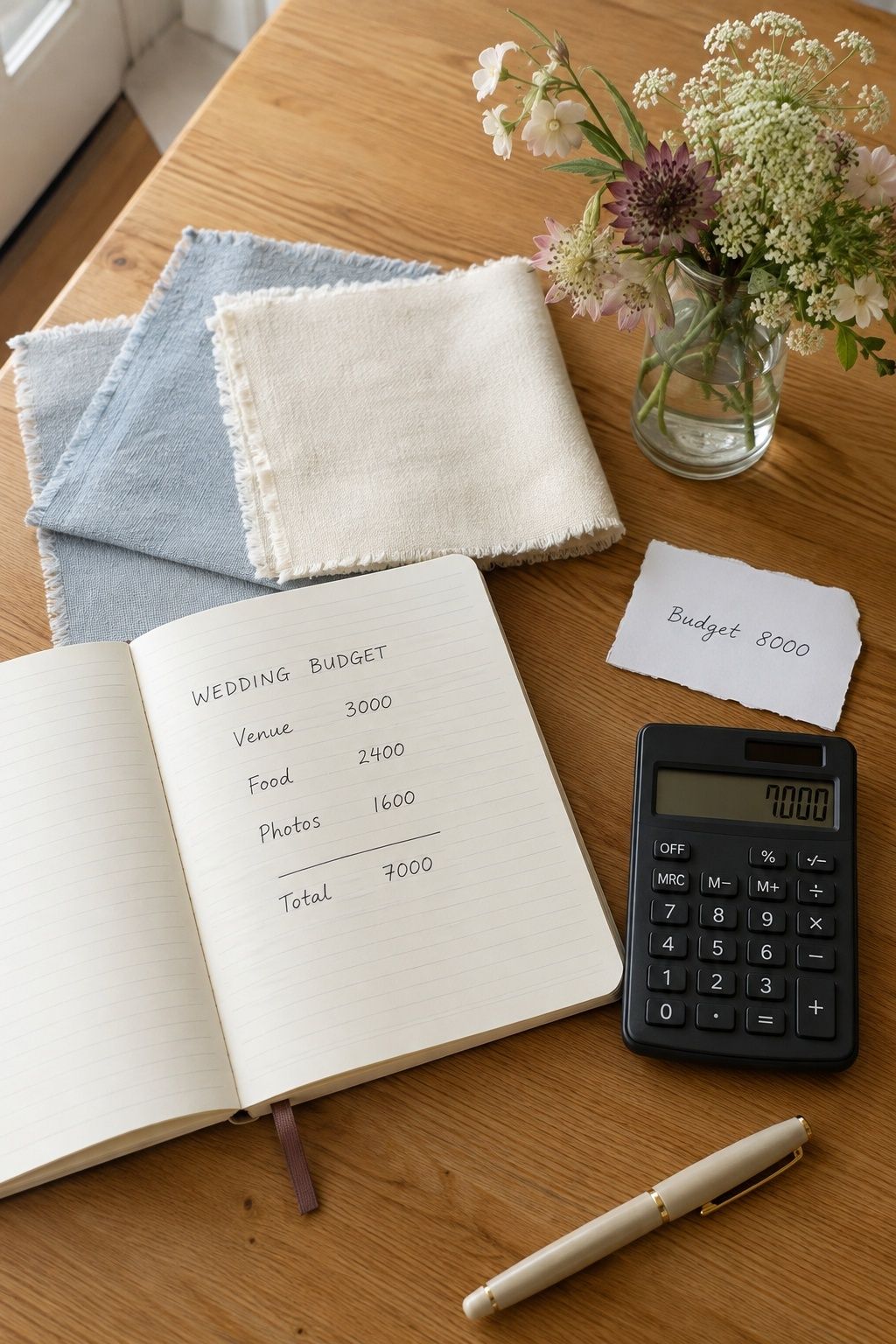
Cost doubt appears when a paid choice starts feeling heavier than it did on booking day. The venue deposit looks enormous. The photographer’s balance is coming due. You find a lower price somewhere else. You wonder whether the choice was romantic in theory and reckless in real life.
This deserves a budget check, not a late-night scroll. Compare the full cost to your current wedding budget, payment schedule, cancellation terms, and the value the choice gives the day. Sometimes the answer is to keep the vendor and trim elsewhere. Sometimes the answer is to change because the cost now harms the rest of the wedding.
Do not compare a full-service quote to a stripped-down listing and call it regret. Cheaper often means fewer hours, less setup, no travel, no staffing, fewer rights, or more work for you. Cost doubt needs numbers, not vibes.
If the number still feels heavy after the math, ask where the heaviness is coming from. It could be fear of judgment, discomfort spending on yourself, worry about debt, or frustration that the wedding expanded beyond your first vision. Each answer points to a different fix.
Perfection Doubt
Perfection doubt is the belief that a single flawless option exists and you are one more search away from finding it. It turns wedding choices regret into a loop because every good option becomes temporary. You like the dress, but there could be a better dress. You like the venue, but there could be a better venue.
That thinking is exhausting because weddings are made of taste, constraints, timing, weather, people, and money. Perfect is not a stable target. It moves every time you see something new.
When perfection doubt appears, ask whether your current choice meets the agreed criteria. If it does, let it be complete. A decision does not have to be the best possible choice in the world. It has to be a good choice for your real wedding.
Create A Decision Closure System
A closure system gives each finished choice a fair check without letting wedding decision fatigue take over. It also keeps your partner from hearing the same question every three nights until both of you are drained.
Use this system for any choice that keeps resurfacing: venue, food, attire, flowers, photography, guest list, music, stationery, rentals, timeline, or wedding party plans. The steps are short on purpose. Long systems become one more thing to maintain.
For couples planning together, use the same system for both partners. One partner should not be forced into endless reassurance while the other partner spirals alone. Put the choice, concern, and trigger in front of both of you. Then close it together.
Write The Reason You Chose It
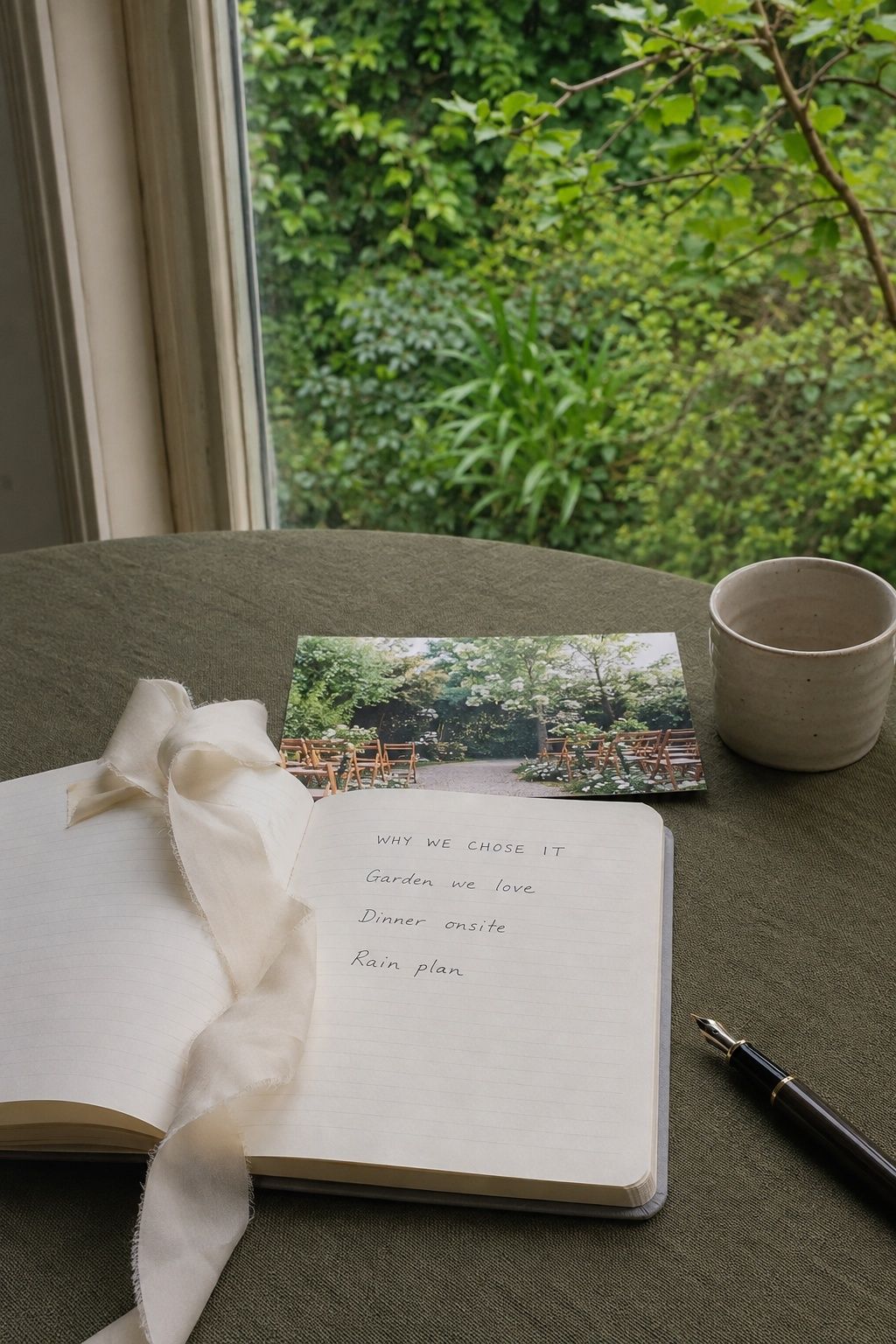
Write the original reason in one or two sentences. “We chose this venue because it has a rain plan, dinner happens onsite, and the garden feels like us.” “We chose this photographer because her galleries feel calm and she understands small ceremonies.”
This protects the calmer version of you from the more anxious version of you. It also creates wedding decision closure because the choice has a record beyond whatever you saw most recently online.
Do this before asking for more opinions. The original reason often reminds you that the choice was not random. It solved something. It matched something. It gave you relief before comparison made it wobble.
Check It Against Your Priorities
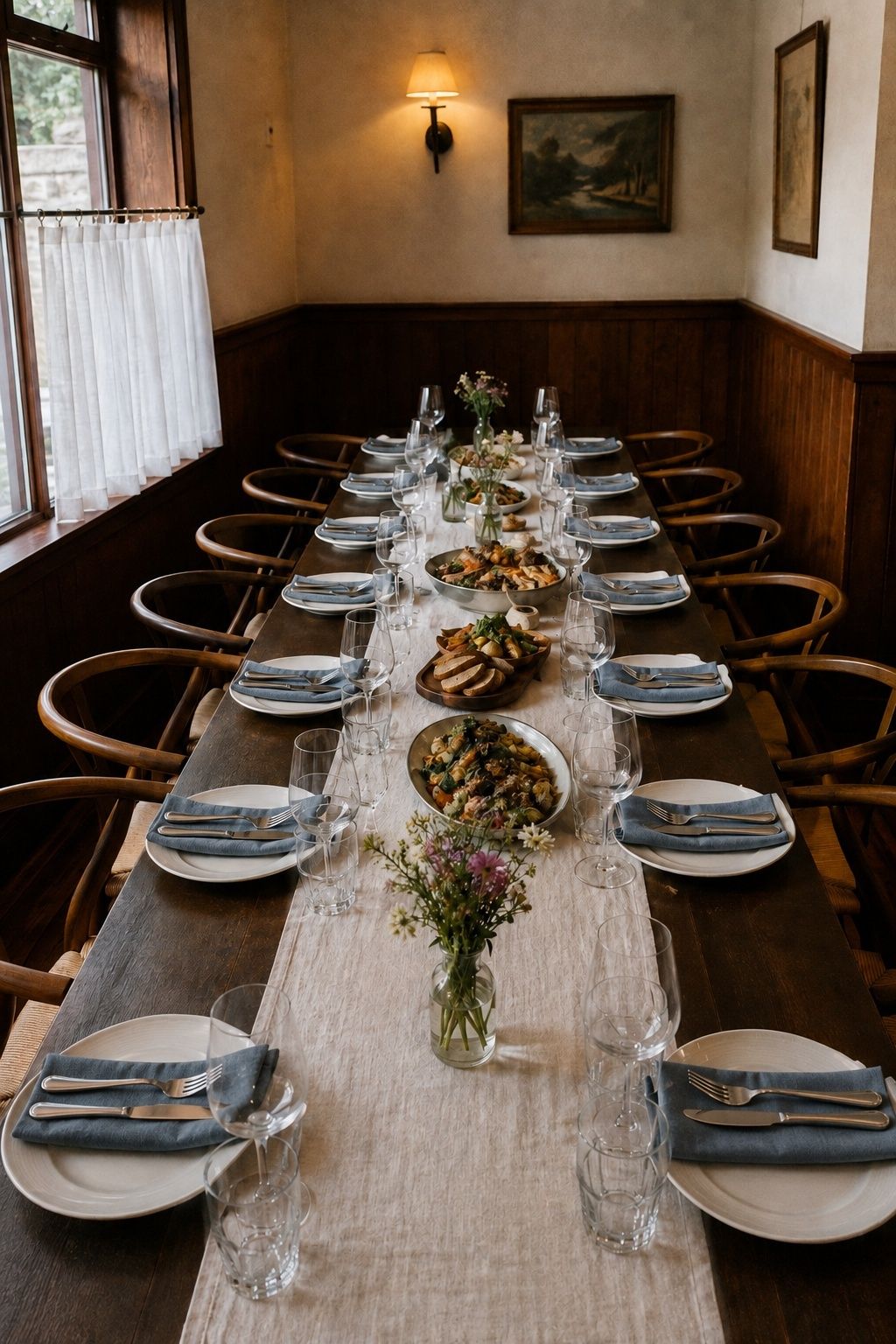
Every decision should pass through the priorities you and your partner actually chose. Guest comfort. Budget. Ceremony meaning. Food. Photography. Privacy. Ease. Family tradition. A small wedding that feels personal. Whatever your list is, use it as the filter.
A choice that passes your priorities deserves more trust than a trend that appeared this morning. If your top values are intimacy, good food, and a low-stress timeline, then a quiet restaurant dinner is often more aligned than a dramatic ballroom setup.
This is where how to trust wedding decisions becomes practical. You are not trying to feel confident in a vacuum. You are asking whether the choice still serves the wedding you agreed to build.
If the priorities were never written down, write them now. Choose three to five. Keep them plain: warm dinner, relaxed timeline, beautiful photos, comfortable guests, meaningful ceremony, honest budget, or close family. A short list is easier to obey than a dreamy paragraph.
Give Yourself One Review Window
Choose one specific time to check the decision. Put it on the calendar. Bring the contract, budget number, partner input, and any actual concern. Then decide. No scattered checking in bed, no searching during lunch, no asking three more people because the feeling came back.
Set aside twenty minutes for a small detail or one evening for a major vendor. The point is not to rush. The point is to keep reopening wedding decisions from becoming the default rhythm of planning.
At the end of the window, pick one of three outcomes: keep, change, or gather one missing fact by a deadline. Do not leave it in a foggy fourth category called “still thinking” for six weeks.
After the window closes, mark the decision as closed somewhere visible. That could be a spreadsheet cell, a planner page, a shared planning app, or a folder label. The mark matters because the brain likes proof that a loop has ended.
Decide What Would Actually Trigger A Change
List the triggers that would justify changing the decision. Good triggers include a contract issue, a cost that breaks the budget, a guest accessibility problem, a safety issue, a timeline conflict, a vendor trust concern, or a clear mismatch with your priorities.
Weak triggers include seeing a prettier photo, hearing one relative’s preference, wondering whether guests will be impressed, or discovering that another couple did something bigger. Those triggers create overthinking, not clarity.
When the trigger list is written, the decision feels less fragile. You know what would reopen it. You also know what will not. That boundary is one of the best ways to stop overthinking wedding planning after choices are made.
Share the trigger list with anyone who tends to pull you back into doubt. A simple line works: “We are only revisiting booked choices if cost, contract, access, safety, or timing changes.” That turns a private boundary into a shared expectation.
Remove The Temptation To Keep Shopping
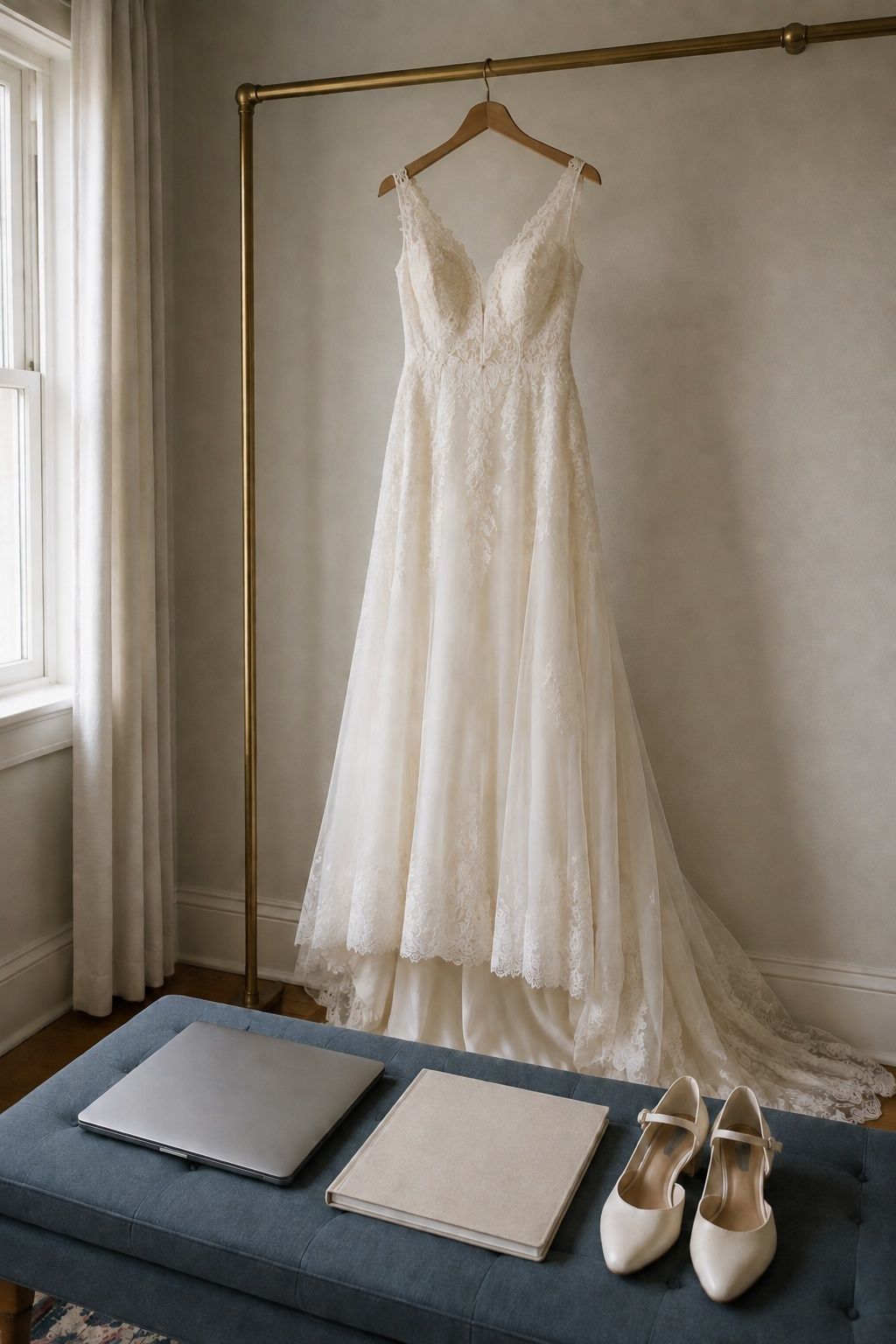
Once a category is closed, stop shopping that category. Unfollow vendor accounts you no longer need. Archive the board. Mute hashtags. Stop checking availability for venues you did not book. Stop saving dresses if the dress is chosen. Stop comparing photographers after the contract is signed.
This is not about being uninspired. It is about protecting a decision from endless new input. Your brain treats fresh options like open doors. If you keep opening doors, you keep asking whether you walked through the right one.
For social platforms, create a simple rule: inspiration is for categories still open. Celebration is for categories already chosen. Once the choice is made, save photos that make you excited about your decision, not photos that make you doubt it.
If you still want a beautiful feed, change what you view. Follow ceremony words, marriage reflections, honeymoon ideas, or simple hosting touches instead of endless vendor categories. Let the algorithm move away from decision bait.
When To Keep The Decision
Keeping a decision is not settling when the choice still works. It is stewardship. It saves time, money, energy, and trust between you and your partner. Many wedding choices need permission to stay made more than they need another round of analysis.
Use the signs below when you feel a familiar wave of doubt. If several are true, the decision probably deserves closure instead of another search.
It Still Fits The Budget
Keep the decision when it still fits the number you agreed to and does not strain the rest of the plan. A cheaper option appearing later does not automatically make the first choice wrong. Prices vary because offerings vary.
A healthy budget decision leaves room for the rest of the wedding: food, photo coverage, attire, guest comfort, tips, taxes, transport, and final-week needs. If the choice still sits inside that reality, cost comparison alone is not enough to reopen it.
For intimate weddings, this matters because one upgraded detail often feels huge inside a smaller event. Still, a small wedding does not have to choose the cheapest version of everything. It is allowed to choose fewer things well.
A smaller guest list often makes quality feel more personal. Better dinner for thirty guests is often wiser than diluted extras for a hundred. If the decision fits the budget and deepens the guest experience, it has a strong reason to stay.
It Solves The Original Problem
Keep the decision when it solves the problem it was meant to solve. The venue holds your guests and has a rain plan. The planner keeps the day moving. The dress fits the ceremony and the climate. The menu works for your group.
Practical is not a lesser kind of beautiful. Many strong wedding decisions are loved because they remove friction. Guests know where to go. Dinner is served on time. The ceremony feels easy to enter. The day has fewer loose ends.
If a choice solved the original problem and still feels acceptable, be careful about changing it just because a more dramatic option exists. Drama is lovely in the right place, but function carries the wedding.
Ask what would break if you removed the decision. If the answer is guest comfort, timing, food flow, ceremony ease, or emotional peace, the choice is doing real work. If the answer is only “the photos would look different,” you have clearer perspective.
You Liked It Before Too Many Opinions
Keep the decision when you liked it before it went through the opinion machine. Your first reaction matters. So does the reaction you had with your partner before siblings, parents, group chats, coworkers, algorithms, and strangers entered the room.
Return to the moment before the noise. Did the space make you breathe easier? Did the dress feel like you? Did the menu sound generous? Did the ceremony plan feel intimate? That original yes has weight.
Opinions sometimes reveal blind spots, but they also bury your own taste. If no real issue emerged, trust the choice you made before it became a committee project.
You also get to decide which opinions arrive too late. After a deposit, the question changes from “What does everyone think?” to “Is there any real reason this no longer works?” That protects your budget and your confidence.
It Fits The Wedding You Are Actually Having
Keep the decision when it fits your real guest count, venue, season, budget, and emotional bandwidth. A small garden ceremony does not need to satisfy ballroom expectations. A restaurant reception does not need a ten-part rental plan. A weekday elopement dinner does not need Saturday-night production value.
This is one of the kindest filters for small weddings. Ask whether the choice fits your actual day or an imagined wedding built from other people’s posts. If it fits your day, let it stay.
A wedding that feels like you will often look different from a wedding designed to impress everyone. Different is not deficient. Different is often the point.
When To Change The Decision
Changing a decision is sometimes the wise move. Decision closure should never trap you inside a bad contract, unsafe plan, broken budget, or choice made only to appease someone else. The goal is not stubbornness. The goal is clean judgment.
Change the decision if the vendor is no longer trustworthy, the terms changed, the cost damages essential parts of the budget, the plan creates a real access issue, the timeline no longer works, or the choice conflicts with the wedding values you and your partner agreed on.
Also consider changing a decision made under heavy pressure. If you booked a large venue only because family pushed for more guests, and now the budget and mood both feel wrong, that is more than ordinary second guessing wedding decisions. That is a values mismatch.
When you change something, change only the affected part. Do not let one revision become a full wedding teardown. If the menu is the issue, handle the menu. If the invitation wording is the issue, adjust the wording. A clean change has a boundary.
Before cancelling anything, check deposits, deadlines, replacement availability, guest communication, and partner agreement. A change should make the wedding steadier, not simply quieter for one anxious hour.
Then close the new decision with the same system. Write why you changed it, name the trigger, update the budget, tell only the people who need to know, and remove the old options from view.
How To Stop Comparison From Restarting Everything
Comparison is one of the strongest engines behind wedding planning comparison anxiety. It arrives disguised as inspiration. You open a platform to find a ceremony song and leave questioning your venue, dress, florals, chairs, seating chart, and entire personality.
The first move is to separate inspiration from evaluation. Inspiration asks, “Do we like any part of this?” Evaluation asks, “Does this mean our wedding is not enough?” The second question is where the spiral begins.
Mute categories already finished. If the flowers are chosen, stop viewing floral ideas. If the venue is booked, stop touring venues online. If the guest list is final, stop viewing arguments for larger weddings. Your attention is part of your budget.
Limit who gets asked. More opinions rarely create more peace. Choose one or two trusted people for aesthetic or etiquette questions, and make sure they understand your budget and guest count. Anyone who mostly increases panic should not be in the decision circle.
Keep a short priorities card in your planning folder. When social feeds or a friend’s wedding makes you question everything, compare the doubt to your own card. Does the new idea serve your top values, or does it just sparkle in a different room?
Remember that guests experience the whole day, not isolated details. They arrive, greet people, witness vows, eat, talk, laugh, take photos, and go home with a feeling. They do not experience your napkin fold as a moral verdict.
For small weddings, comparison gets extra sneaky because large events dominate visual platforms. A thirty-person dinner will not look like a three-hundred-person ballroom wedding, and it should not have to. Judge it by closeness, comfort, and care.
When comparison hits after a deposit, say the quiet part out loud: “That wedding is beautiful, and ours is still right.” Both ideas fit at once. Another couple’s abundance does not cancel your alignment.
It also steadies the mind to compare behind-the-scenes realities, not only images. A dramatic install takes labor, setup time, insurance, teardown, and money. A long guest list brings seating, meals, transport, and follow-up. When you see the full cost of an idea, your own choice often looks calmer again.
Mistakes To Avoid
Avoid crowdsourcing every choice. A dozen opinions often make even a strong decision feel weak. Choose your decision circle carefully and keep private choices private once they are made.
Avoid extra searching after booking. Comparison shopping is for open decisions. After a contract is signed, continued searching often creates wedding planning indecision without improving the day.
Avoid changing a decision to soothe one relative. If the concern is about comfort, access, or hosting, address it. If it is about taste, status, or control, pause before paying money to ease someone else’s mood.
Avoid treating every detail as permanent. Some things truly are expensive to change. Others shift gently. Knowing the difference reduces panic. A rental color, ceremony order, or dessert display is not the same as a venue contract.
Avoid ignoring real red flags. Decision closure is not denial. If a vendor becomes unresponsive, a contract looks wrong, a payment schedule strains your finances, or guests will be harmed by the plan, address it.
Avoid using perfection as a planning strategy. Perfection keeps moving. Alignment is steadier. Ask whether a choice fits the wedding, not whether it defeats every other possible choice.
Avoid making late-night decisions. Fatigue makes problems look bigger and options look stranger. If the choice is not urgent, let it wait until morning.
Avoid confusing guilt with love. Loving your family still leaves room for a smaller guest list, a simpler ceremony, or a budget boundary. A wedding decision is allowed to be kind without pleasing everyone.
Avoid making your partner defend the same settled choice again and again. If you need one check window, ask for it. After that, honor the answer you reached together.
Avoid forgetting why the day exists. The goal is not to create a wedding beyond criticism. The goal is to marry each other in a way that feels honest, cared for, and possible.
FAQ
How Do You Stop Second Guessing Wedding Decisions?
How to stop second guessing wedding decisions is to separate real new facts from fear, check the choice once against your priorities and budget, then close it if it still fits. Write why you chose it, set one decision window, and stop looking at new options in that category.
Is It Normal To Regret Wedding Decisions After Making Them?
Yes, it is normal to feel wedding decision regret after a booking or deposit. Big choices often feel heavier once money is attached. Regret becomes important when a real fact changed, the cost harms the budget, or the decision no longer fits your values. Otherwise, it is often anxiety asking for reassurance.
How Do You Know If You Should Change A Wedding Decision?
Change a wedding decision when there is a real trigger: contract trouble, budget damage, access concerns, safety issues, a timeline conflict, vendor trust problems, or a clear mismatch with your shared priorities. Do not change only because another wedding looked prettier. Adjust the affected choice, then close the new one.
How Do You Stop Comparing Your Wedding To Other Weddings?
Stop comparing by muting finished categories, reducing social inspiration, and returning to your own priorities card. Another wedding is allowed to be beautiful without becoming your standard. Compare choices to your guest count, venue, budget, season, and values, not to a feed built from hundreds of unrelated celebrations.
How Do You Avoid Reopening Finished Wedding Decisions?
Avoid reopening finished wedding decisions by writing a change trigger list before doubt appears. If the trigger is not present, the decision stays closed. Remove saved searches, stop checking vendors, and tell yourself that inspiration is for open categories only. Closure gets easier when the boundary is visible.
What If Family Or Social Media Makes You Doubt Your Wedding Choices?
If family or social media makes you doubt your wedding choices, pause before changing anything. Ask whether the concern points to guest care, budget, access, safety, or shared values. If it does, address it. If it only reflects someone else’s taste or a trend, thank the input and protect the decision.
Final Thoughts
A peaceful wedding is not built from perfect decisions. It is built from enough good decisions that are allowed to stay made. The venue is allowed to be right without being the only beautiful venue. The dress is allowed to be right without being the only pretty dress. The menu is allowed to be generous without being the most elaborate menu anyone has seen.
Second guessing wedding decisions often means you care. It means the day matters, the money matters, and the people matter. But caring does not require constant revision. Sometimes the most loving planning move is to stop testing the choice and start trusting the life around it.
Give real red flags a clear path. Give ordinary doubt a boundary. Give your wedding permission to be shaped by the two of you instead of by every new photo, opinion, or price comparison that appears after the deposit.
Your wedding is allowed to feel like both a celebration and a choice you protect.
Last update on 2026-10-05 / Affiliate links / Images from Amazon Product Advertising API