

The wedding planning order of tasks is priorities, budget, guest count, date range, venue, planning support, date-specific vendors, guest comfort, communication, attire, decor, invitations, final counts, and logistics handoff. That order keeps each choice tied to the decisions it depends on, so you spend less time undoing beautiful plans that were made too early.
A wedding checklist often looks comforting at first, then oddly loud once every task starts asking to be first. One line says to choose colors, another says to book vendors, someone asks about hotel rooms, and suddenly the couple is holding twelve open loops before they have chosen the shape of the day.
The calmer approach is not to do everything at once. It is to put each task in its proper dependency order. Early choices should protect money, people, date, and place. Later choices should respond to the actual celebration instead of asking the couple to guess. Small weddings often trim many layers, but they still run better when the foundation comes before the details.
Recommended Wedding Products


You Might Also Like These Blog Posts
- Wedding Planning Mistakes That Quietly Make Everything Harder
- What To Do First When Planning A Wedding So The Rest Feels Clear
- Simple Wedding Planning Timeline For A Day That Feels Easy
- 6-Month Small Wedding Planning Checklist For A Calm, Beautiful Countdown
- Wedding Planning Timeline For Overwhelmed Couples Who Need A Calm Start
- Small Wedding Planning Timeline By Month For Couples Keeping It Simple
The Wedding Planning Order Of Tasks That Keeps Every Decision Moving
The best wedding planning task order works like a set of doors. Priorities open the budget conversation. Budget and guest count shape the venue search. The venue fixes the date, room flow, food rules, rental needs, and many of the vendors. Once those pieces are true, the softer design choices finally have something real to answer to.
This is especially useful for intimate weddings, where every decision feels close to the guests. A small wedding planning tasks list is often shorter than a large reception checklist, but the sequence still matters. Headcount affects comfort. Venue affects food. Food affects timeline. Timeline affects photography. When the order is clear, the day starts to feel planned instead of patched together.
Use the order as a living planning sequence, not a test you have to pass perfectly. Some decisions will overlap, and real life will occasionally pull a task forward. The point is to know which earlier choice that task needs before you spend money or make promises. When a decision feels stuck, look one step backward. Usually the next answer is waiting there.
Choose The Feeling And Priorities First

Begin with the feeling before the spending. Decide whether the wedding should feel quiet and family-centered, elegant and formal, playful and social, deeply private, travel-focused, dinner-party warm, or ceremony-led. This does not have to become a poetic brand statement. It simply gives every later choice a compass.
Choose three priorities you will protect when decisions compete. One couple chooses excellent food, a relaxed photography timeline, and a very small guest list. Another chooses a meaningful ceremony, live music, and easy travel for grandparents. Once those priorities are named, it becomes easier to decline tasks that are pretty but not central.
This first conversation also gives the couple a shared language before families, vendors, and inspiration boards add noise. If one partner wants a candlelit dinner and the other wants a joyful dance floor, that is useful information, not a conflict to hide. Decide what the day needs to feel like, then let the rest of the plan serve that feeling.
Set The Real Budget Ceiling

The budget has to come before venue tours because almost every exciting option expands once you start imagining the room. Decide the full ceiling, the money already available, the timing of any family contributions, and the amount you want held back for tax, gratuity, alterations, delivery fees, weather backup, or last-minute fixes.
A real budget is not just one beautiful number. It is a set of limits for each category and a small cushion that protects the couple from feeling trapped later. Build the wedding budget spreadsheet before deposits begin, and mark which costs change with guest count. Food, bar, rentals, stationery, favors, transportation, and seating usually grow as the list grows.
Put the budget in writing before anyone tours a space or signs a contract. Include payment due dates, who is paying which invoice, and which categories are allowed to flex. A flexible flower budget is very different from a flexible catering budget, because one changes the look of the room while the other changes the guest experience. That clarity keeps generosity and restraint in the same conversation.
Draft The Rough Guest Count
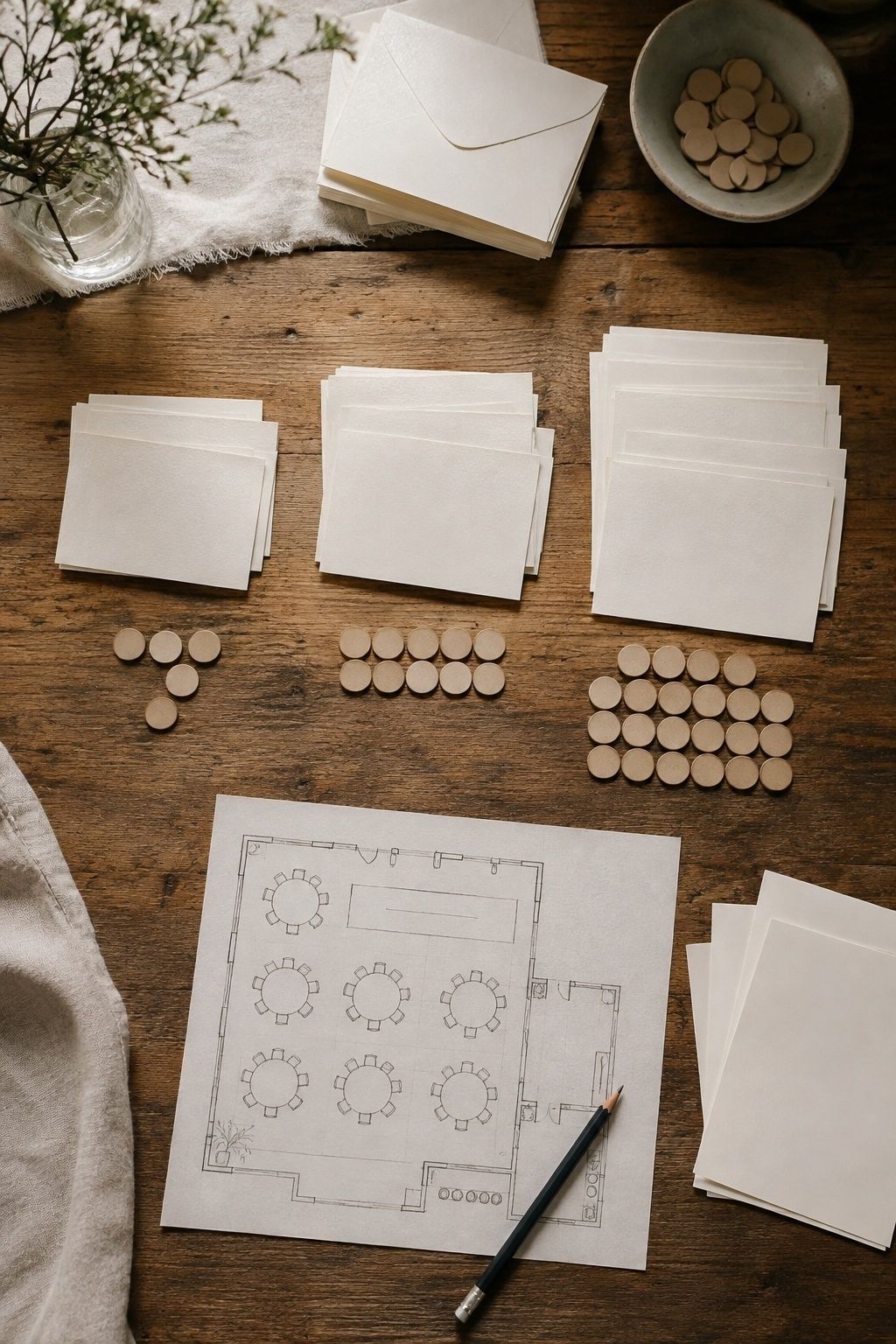
Guest count is the planning hinge that many couples delay because it feels emotional. It is also the number that quietly controls the whole celebration. Venue size, catering style, bar cost, invitation count, table layout, bathroom access, transportation, hotel needs, welcome events, and the intimacy of the room all respond to this first draft.
Write the rough guest list before falling in love with a venue or menu. For a small wedding, define the boundary early: immediate family only, family plus closest friends, adults only, no extended circles, or no plus-ones except established partners. The point is not to make every hard guest decision in one evening. It is to know what size of wedding you are truly planning.
It helps to sort the guest list into layers. The inner circle is non-negotiable, the next layer is wanted if space and budget allow, and the outer layer is graciously skipped for this celebration. This keeps the list from expanding through guilt. It also gives the couple a practical way to handle changes if a venue minimum, family contribution, or destination plan shifts the numbers.
Pick The Season, Date Range, And Location Area
Choose a season and flexible date range before asking vendors for availability. This step turns the dream into a practical search without locking the couple into one date too early. Weather, work calendars, school breaks, travel costs, religious dates, family obligations, and local event traffic all change how easy the celebration feels.
The location area matters just as much. A backyard dinner, courthouse ceremony, private dining room, garden venue, hotel, restaurant buyout, or destination weekend creates a different wedding booking order. Once the couple knows the region and time of year, their questions about access, travel, lodging, seasonal menus, and vendor fit become sharper.
Tour And Book The Venue Or Ceremony Setting
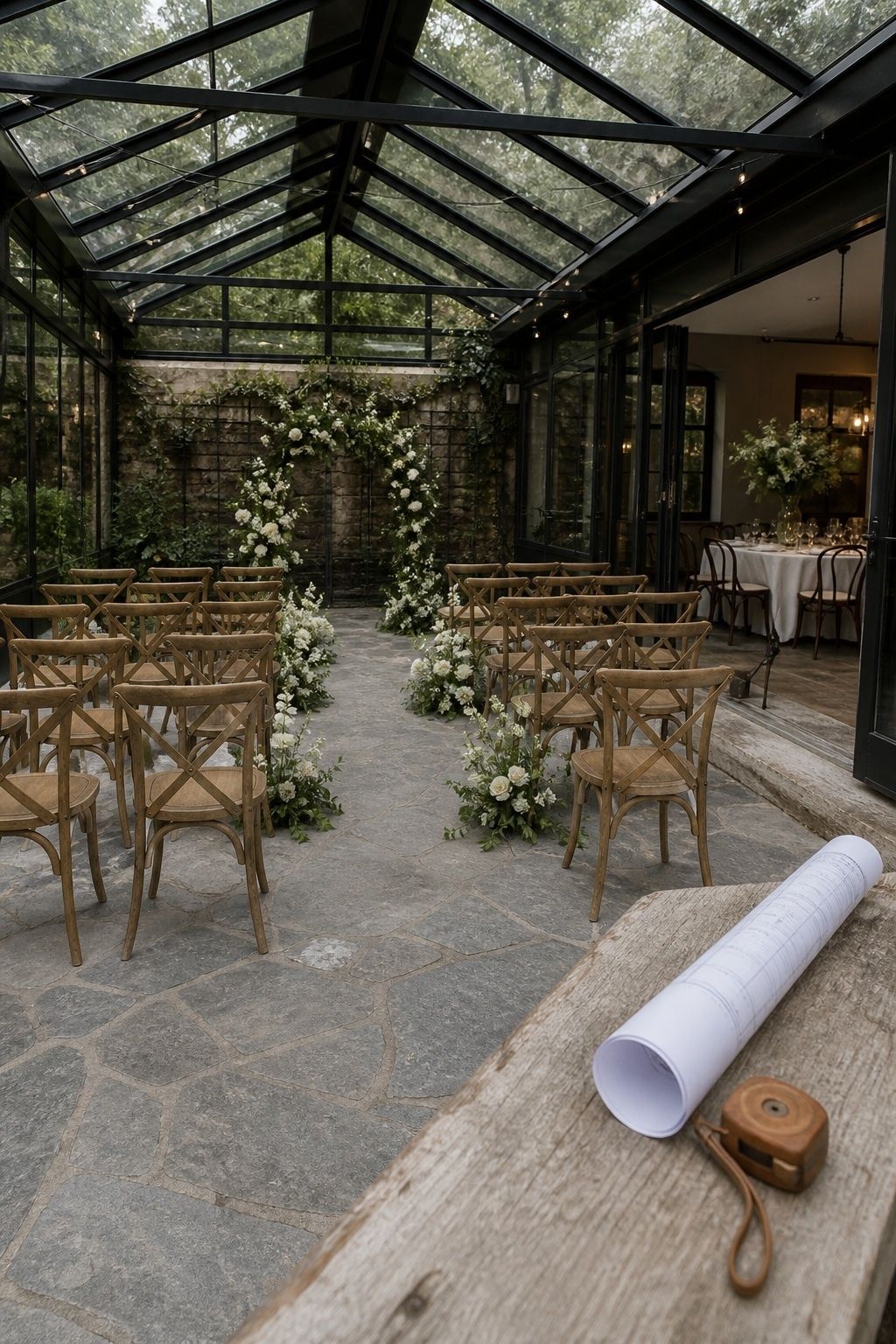
The venue should usually be the first major booking because it anchors the date and the physical truth of the wedding. It decides the guest count that fits beautifully, whether catering is in-house or outside, what rentals are required, where the ceremony happens, where portraits happen, how sound travels, and what backup plan exists if weather changes.
Do not choose decor, seating, or stationery style before the space is real. A long banquet table in a private room needs different flowers than a lawn ceremony followed by passed bites. A chapel and restaurant plan needs different transportation from an all-in-one venue. Book the place, then let its constraints become useful instead of irritating.
During tours, ask questions that reveal hidden tasks. Who sets up chairs? What arrival window do vendors receive? Are there noise limits, candle rules, rain options, kitchen restrictions, or required insurance documents? Does the package include tables, linens, glassware, staff, or cleanup? A venue is not only a backdrop. It is a set of responsibilities, and those responsibilities become your next planning tasks.
Decide Whether You Need Planning Or Coordination Help
Place planning support early because it changes who carries the work. A full planner, partial planner, month-of coordinator, venue coordinator, family helper, or trusted friend each serves a different kind of celebration. The best fit depends on guest count, location complexity, vendor count, family dynamics, setup needs, and how much decision fatigue the couple already feels.
Small weddings still need coordination when the day has multiple locations, rentals, private property, DIY setup, family-cooked food, or a tight ceremony-to-dinner transition. The question is not whether the wedding is fancy enough for help. It is whether someone other than the couple will hold the timeline, answer vendor questions, and solve quiet problems while the day is happening.
Book The Date-Specific Vendors

Once the venue and date are firm, book the vendors who serve only one wedding at a time. This usually includes photography, videography if wanted, catering or private dining, officiant, ceremony music, reception music, coordination, and specialty vendors tied to one time slot. The order to book wedding vendors should follow scarcity and dependency, not excitement.
Ask each vendor what they need from you before the next planning step. A photographer will want timeline priorities. A caterer will need guest count and service style. A musician will need ceremony flow. A planner will need vendor contacts. Use a vendor booking tracker so deposits, due dates, insurance needs, arrival times, and final information requests do not live in separate conversations.
Do not let the prettiest vendor category pull the whole schedule out of order. Florals and cake are wonderful, but if the ceremony time, dinner style, and room layout are still vague, those proposals will be vague too. Book the professionals who protect the date and guest experience first, then bring in the vendors whose work responds to the confirmed setting.
Choose Food, Drink, And Guest Comfort Details
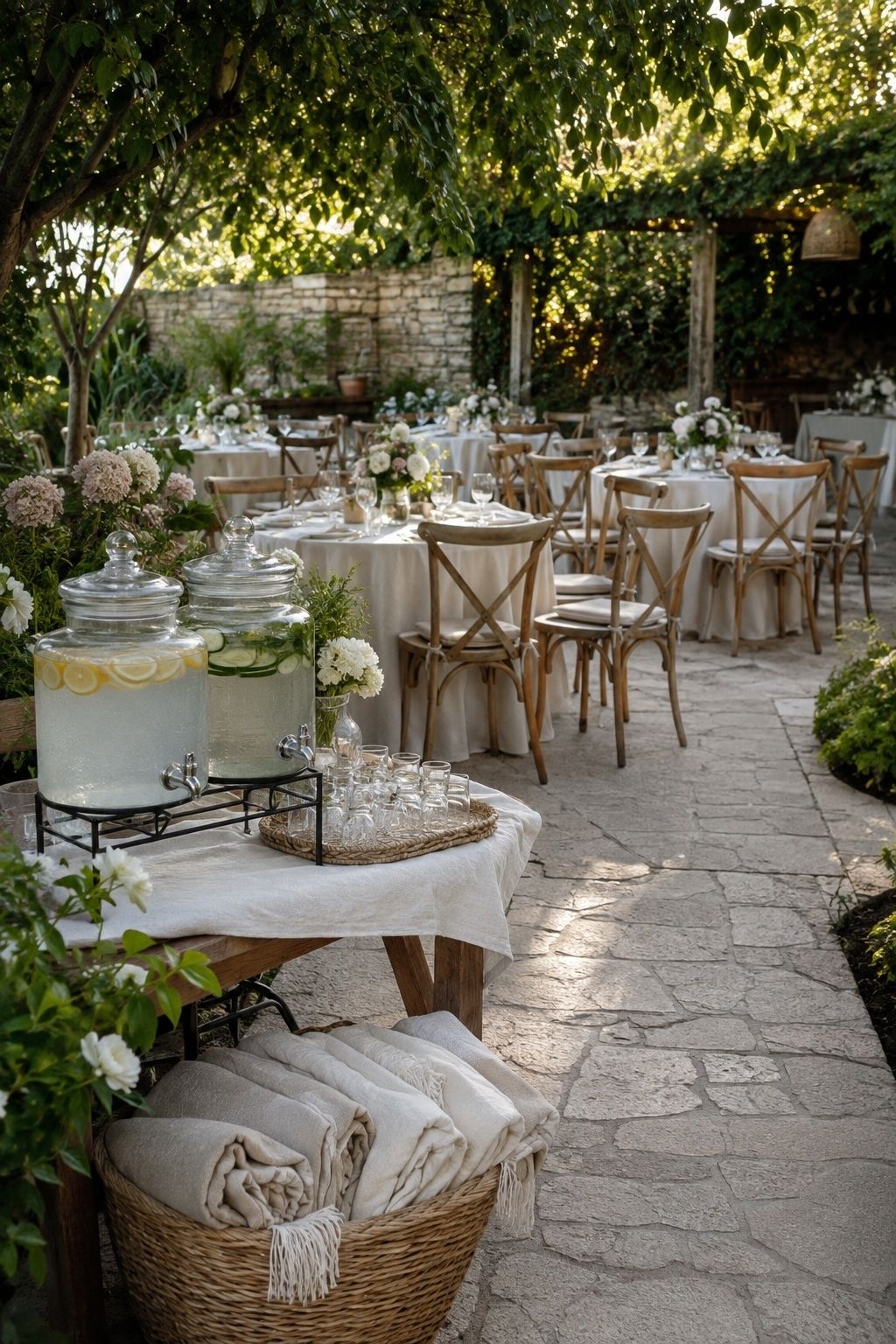
Food and comfort decisions should come after venue and guest count because they need real conditions. Menu, bar, water, coffee, dietary meals, kids’ meals, bathrooms, parking, coat storage, shade, heaters, transportation, accessibility, and timing gaps all depend on who is coming and where they will spend the day.
This is where an intimate wedding feels especially generous. Guests notice when the walk is easy, the room is not crowded, the meal fits the timing, the bar moves smoothly, and older relatives have somewhere comfortable to sit. Comfort details are not extras. They are the way the plan becomes gracious.
Build Guest Communication And RSVP Systems
Guest communication works best after the main facts are stable. Create the wedding website, invitation wording, RSVP form, travel information, dress code, meal choice process, and boundary language once you know the venue, schedule shape, and guest list. Otherwise the couple ends up correcting details after guests have already made plans.
A wedding task tracker should include communication deadlines, not just vendor tasks. Decide when save-the-dates go out if they are needed, when invitations are sent, how guests will RSVP, who follows up, and how private details are shared with a small guest list. The clearer the system is, the less emotional labor leaks into random texts. With less chaos, it is easier to keep wedding planning romantic.
For intimate weddings, communication also protects the emotional tone. Guests often wonder why the celebration is small, whether the ceremony is formal, whether a partner is invited, or whether there will be dancing after dinner. Thoughtful wording answers the practical questions without overexplaining the couple’s choices. Calm communication is part of the plan, not a separate admin chore.
Decide Attire, Ceremony, And Photo Priorities
Begin attire and ceremony details once date, season, location, and formality are known. Clothing choices need lead time for ordering, tailoring, accessories, shoes, weather layers, and getting-ready plans. Ceremony choices need emotional attention: readings, vows, music, procession, family roles, cultural elements, and whether the couple wants a private first look or a traditional aisle moment.
Set photo priorities at this stage because they influence the timeline before it hardens. Decide which family groupings matter, whether portraits happen before or after the ceremony, how much couple time you want, and which moments should stay private. These choices protect the day from becoming a photo schedule with a wedding squeezed inside it.
Add Decor Only After The Space Is Real
Decor is one of the easiest tasks to do too early because it feels creative and harmless. In reality, florals, candles, linens, signage, rentals, stationery style, ceremony arches, escort displays, and table shapes all depend on the venue, floor plan, guest count, rules, lighting, and setup time.
Wait until the room has answered your questions. A beautiful venue often needs fewer flowers. A small restaurant table rarely has space for tall arrangements. A historic property often restricts candles. A backyard usually needs lighting before place cards. Good design is not separate from logistics; it is logistics made lovely.
Send Invitations At The Right Time
Invitations should go out after the guest list, venue, schedule, RSVP process, meal needs, and travel details are settled enough for guests to act. Sending too early creates revisions. Sending too late creates pressure. The best timing depends on whether guests are local, traveling, booking hotels, arranging childcare, or taking time off work.
For a small wedding, invitation clarity matters even more because the guest list is intentionally selective. Make the tone warm but specific. Share who is invited, whether children or plus-ones are included, what guests should expect, and how quickly you need answers. A clear invitation protects the intimate feeling without making the couple explain the same boundary many times.
Finalize Seating, Headcount, And Day-Of Timeline
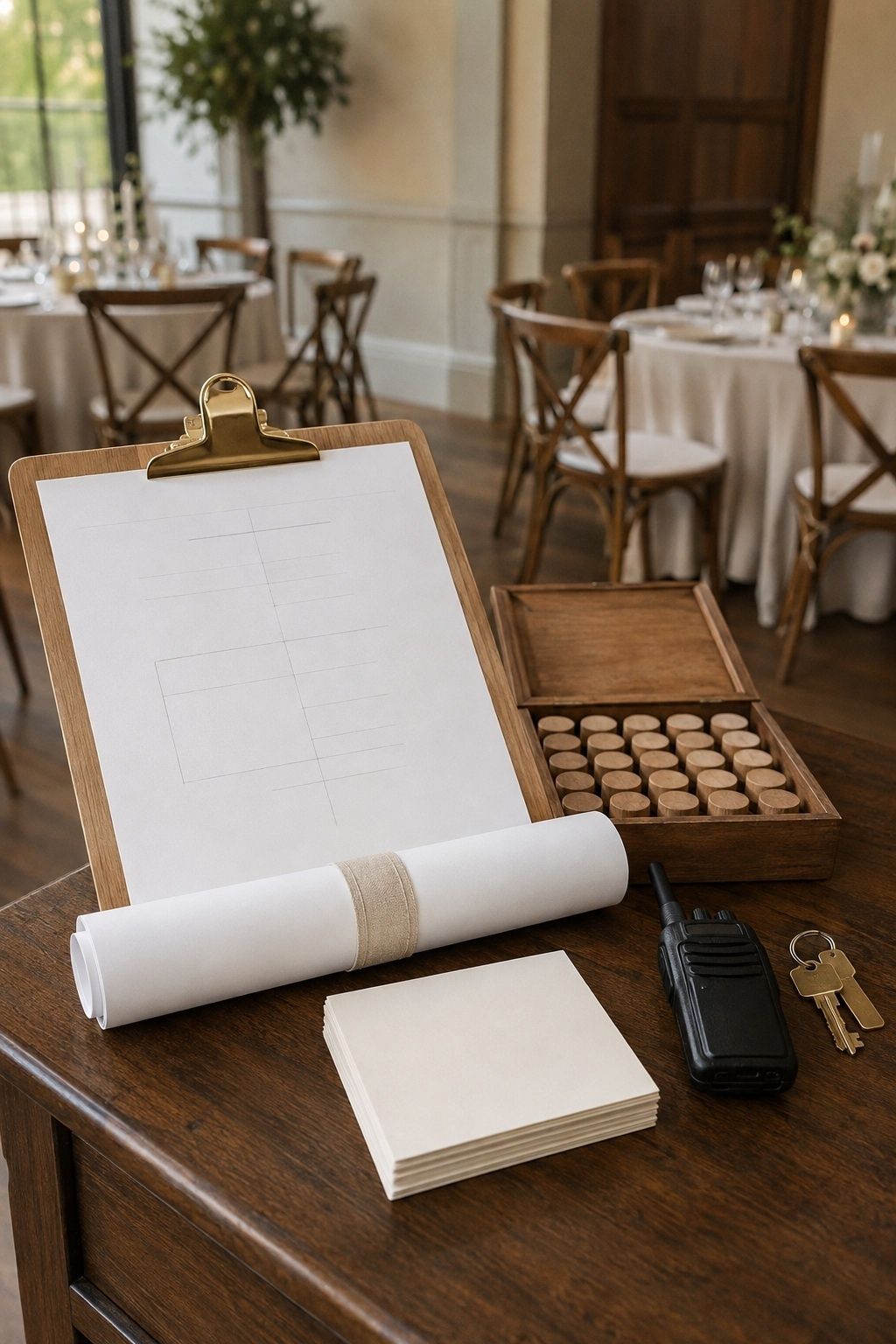
Final seating and timeline work should wait until RSVPs are real. A seating chart made too early becomes a fragile little puzzle that breaks with every decline, plus-one update, meal change, or family request. Lock the RSVP list first, then confirm meal counts, table layout, ceremony order, transportation timing, vendor arrivals, and room transitions.
The wedding planning checklist order should tighten as the date gets close. Early planning is about choosing the right doors. Final planning is about making sure those doors open in the right sequence. Give vendors one shared timeline, one contact list, one location plan, and one final guest count so the day does not rely on memory.
This is also the moment to remove old versions of the plan. If a vendor has an outdated timeline, a family helper has an earlier address, or a spreadsheet still shows an old guest count, the final week becomes unnecessarily fragile. Send one clean version and make it clear which version is current. The fewer competing documents, the calmer the handoff.
Confirm Vendors And Hand Off Logistics
The final task is not one more creative project. It is confirmation and handoff. Send vendor confirmations, payment reminders, emergency contacts, parking directions, load-in details, setup instructions, ceremony cues, photo lists, packing lists, and the name of the person who will answer questions on the wedding day.
Then close the planning loop. No new signage idea, favor project, seating experiment, or beauty purchase should outrank sleep, presence, and a calm final week. The couple has already made the important decisions. The handoff protects them from becoming the managers of the celebration they worked so carefully to create. For more on what to do first when planning a wedding, see the complete, updated guide.
How Small Weddings Keep A Simpler Order
Small weddings simplify the list without changing the logic. Many couples skip a large wedding party, hotel block, transportation fleet, elaborate escort display, multi-bar setup, or full rental buildout. Others choose a private dining room instead of a traditional reception venue, or a courthouse ceremony followed by one beautiful meal.
Keep the foundation-booking-guest-final rhythm. First define the feeling, budget, guest count, location, and date. Then book the few vendors or spaces that make the day real. After that, handle food, communication, attire, ceremony, photos, and only the details that support comfort. Finally, confirm counts and hand off logistics. A smaller celebration feels more relaxed precisely because fewer tasks are competing for attention.
A simple small-wedding order fits on one page: decide who is truly invited, choose the place that fits them well, feed them beautifully, communicate clearly, and protect the couple’s presence. That is enough for many intimate celebrations. The rest should earn its place by making the day easier, more meaningful, or more comfortable.
The Tasks Couples Usually Do Too Early
Some tasks are tempting because they feel more fun than budget work or guest-list decisions. Color palettes, bridesmaid outfits, custom stationery, favors, signage, registry decisions, table numbers, ceremony arches, signature drink names, and seating charts should all wait until the earlier decisions have given them a real job.
That does not mean inspiration is forbidden. Save the ideas, name what you love, and notice the pattern. Just resist buying or booking details before the venue, guest count, service style, and timeline are true. The wedding decision order should keep money and logistics from chasing aesthetics. Beauty works better when it has a place to land.
If you are unsure whether a task is too early, ask what would make it change. Seating changes when RSVPs change. Stationery changes when the schedule changes. Favors change when the guest count changes. Flowers change when the room and table sizes change. If a task depends on information you do not have yet, place it on the later list, even if it is the task you would rather do tonight.
FAQ
What Is The Right Wedding Planning Order Of Tasks?
The right wedding planning order of tasks is priorities, budget, guest count, date range, venue, planning help, date-specific vendors, guest comfort, communication, attire, decor, invitations, final counts, and handoff. Start with decisions that affect everything else, then move toward details that depend on those decisions. This prevents costly backtracking.
What Should You Do First When Planning A Wedding?
First, decide the feeling, priorities, budget ceiling, and rough guest count. Those choices reveal the kind of wedding that fits, which venues deserve the shortlist, and what compromises are worth making. Booking before those basics often creates rework because the couple is choosing against assumptions instead of real limits.
What Should You Book First For A Wedding?
Book the venue or ceremony setting first in most cases, then the vendors tied to the date and time. Photography, catering, officiant, music, coordination, and private dining spaces often have limited availability. Once the date and location are firm, those vendors build more accurate proposals and timelines.
Should Budget Or Venue Come First?
Budget should come before venue because the venue affects so many later costs. A space with in-house catering, included rentals, and easy setup is financially different from a blank space that needs everything brought in. Set the ceiling first, then tour venues that fit the full celebration, not just the room fee.
What Wedding Tasks Can Wait Until Later?
Decor, favors, signage, detailed stationery, seating charts, specialty rentals, and many registry choices should wait until the venue, guest count, food plan, and timeline are clearer. These tasks depend on the shape of the day. Waiting helps the details feel intentional instead of becoming expensive guesses.
How Does The Task Order Change For A Small Wedding?
For a small wedding, the order becomes simpler but not random. You still need priorities, budget, guest count, location, date, food, communication, and a final handoff. What changes is the number of layers: fewer vendors, less stationery, simpler seating, and more focus on guest comfort and the meal.
Final Thoughts
The wedding planning order of tasks gets easier when every decision waits for the choice it depends on. Start with the feeling, money, people, date, and place. Then book the support that makes the day real. After that, let the details respond to the actual celebration instead of asking them to carry it.
Once the major pieces are settled, even the practical checklist feels gentler; budget, guest count, venue fit, key bookings, details, and final handoff all stay connected.
Last update on 2026-11-29 / Affiliate links / Images from Amazon Product Advertising API